Dough hydration, often perceived as a straightforward metric, is in fact one of the most intricate and pivotal elements in the craft of sourdough bread baking. Professional bakers and dedicated home enthusiasts consistently affirm that hydration transcends a mere numerical value in a recipe; it represents a dynamic interaction between the baker, the flour, and the ambient environment. This interplay is profoundly influenced by variables such as flour protein content, milling process, prevailing weather conditions, and even the relative humidity within the baking space. Mastering this nuanced aspect is frequently identified as the key to unlocking superior bread quality, addressing common challenges from excessively sticky dough to dense, tight crumb structures.
Defining the Science of Hydration
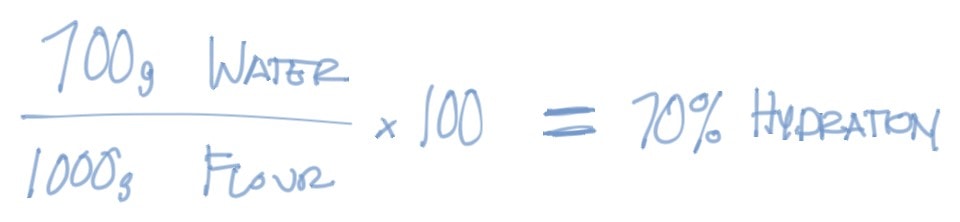
At its core, dough hydration is a precisely calculated ratio: the total weight of water in a recipe expressed as a percentage of the total flour weight. The formula is straightforward: (Weight of Water ÷ Total Weight of Flour) × 100. For instance, a recipe utilizing 1,000 grams of flour and 700 grams of water yields a 70% hydration dough (700 ÷ 1,000 × 100 = 70%). This percentage provides bakers with a crucial preliminary understanding of the dough’s expected consistency and handling characteristics prior to mixing.
The scientific basis for hydration’s importance lies in its role in facilitating gluten development and starch gelatinization. Water activates the proteins gliadin and glutenin in flour, allowing them to link and form the elastic gluten network. This network is essential for trapping the carbon dioxide gases produced during fermentation, which gives bread its characteristic open crumb structure. Furthermore, water is vital for the gelatinization of starch during baking, contributing to the final crumb texture and moisture retention. Insufficient water impedes gluten formation, resulting in a tight, underdeveloped dough, while excessive water can dilute the gluten structure, leading to a weak, unmanageable mass.
The Dynamic Nature of Dough Hydration: Beyond the Recipe
Industry experts universally emphasize that dough hydration percentages serve as flexible guidelines rather than rigid rules. Flour, a complex agricultural product, exhibits significant variability. Differences arise between wheat varieties, individual mills, and even from one bag of flour to the next, impacting its inherent capacity for water absorption. For example, high-protein bread flours, common in North America (typically 12-14% protein), possess a greater capacity to absorb and retain water compared to lower-protein flours prevalent in Europe (e.g., French T55 or Italian Type 00, often 9-11% protein). American bread flour, specifically, often requires higher hydration to prevent an overly gummy texture in the final loaf, a characteristic observed in numerous studies on gluten development. Conversely, softer, lower-protein flours necessitate reduced hydration to avoid an unmanageable, overly sticky dough.
Environmental factors also play a discernible, albeit sometimes subtle, role. Bakers operating in arid, high-altitude regions, such as New Mexico, frequently find themselves needing to increase hydration to compensate for drier air and accelerated evaporation. Conversely, in humid, low-altitude environments, flour may absorb ambient moisture, necessitating a slight reduction in the recipe’s water content. While these shifts might appear minimal on a daily basis, dramatic changes in atmospheric conditions—such as a sudden transition from dry to heavy rainfall—can tangibly alter a dough’s hydration needs. Professional bakeries often employ climate-controlled proofing boxes to mitigate these external variables and ensure consistent dough development.
Impact on Loaf Characteristics: A Spectrum of Textures
A dough’s hydration percentage profoundly dictates the final attributes of the baked loaf, influencing crust formation, crumb structure, and overall mouthfeel. This spectrum allows for a diverse range of bread styles, each with distinct sensory profiles.
-
Lower-Hydration Bread (60-68%): Doughs in this range are notably stiffer and easier to handle, making them ideal for beginners or for specific bread types. The resulting loaves typically feature a more substantial, robust crust and a denser, chewier crumb. Historically, such breads were favored for their extended shelf life and durability, making them suitable for transport and storage. Examples include traditional bagels, pretzels, certain pizza crusts, and many pan loaves. The tight crumb structure in these breads is due to the limited water available for expansive gas retention, leading to smaller, more uniform air pockets.
-
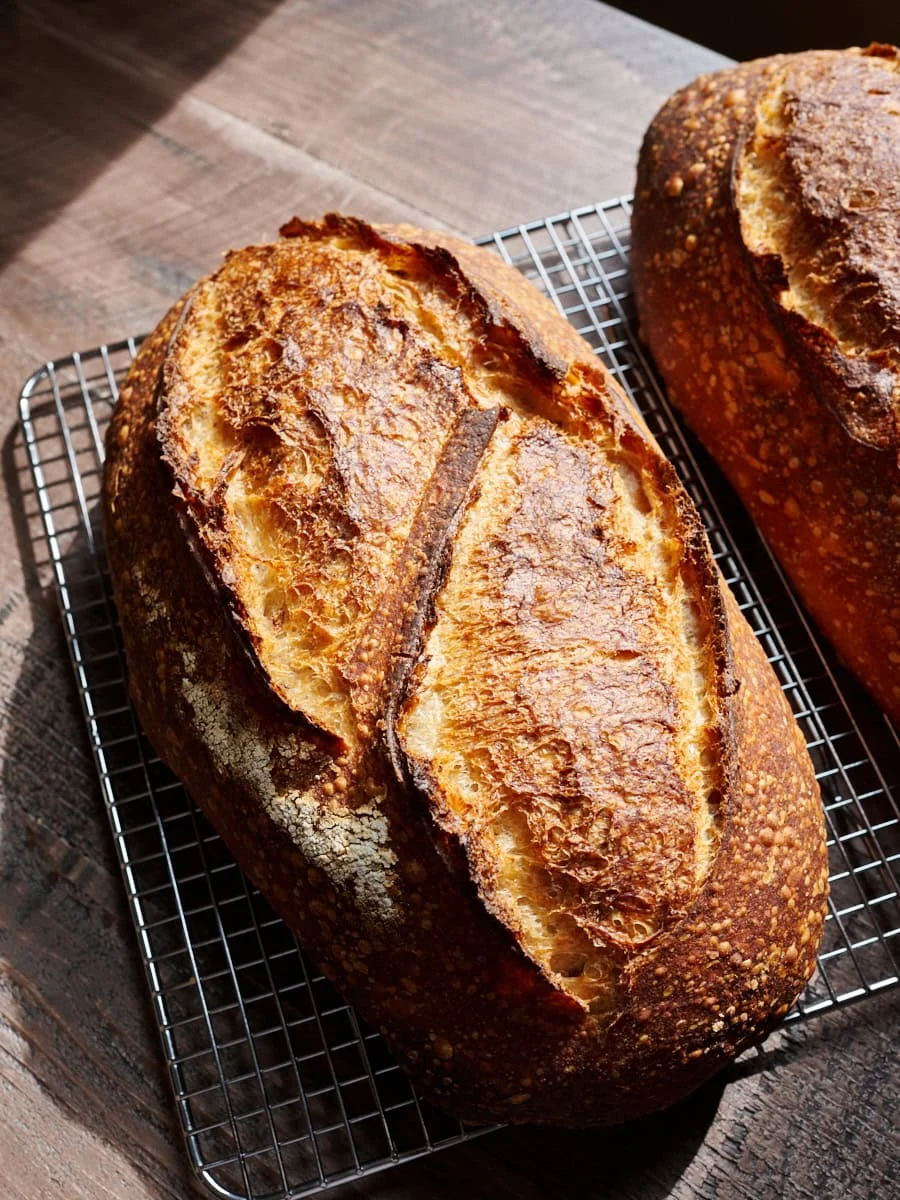
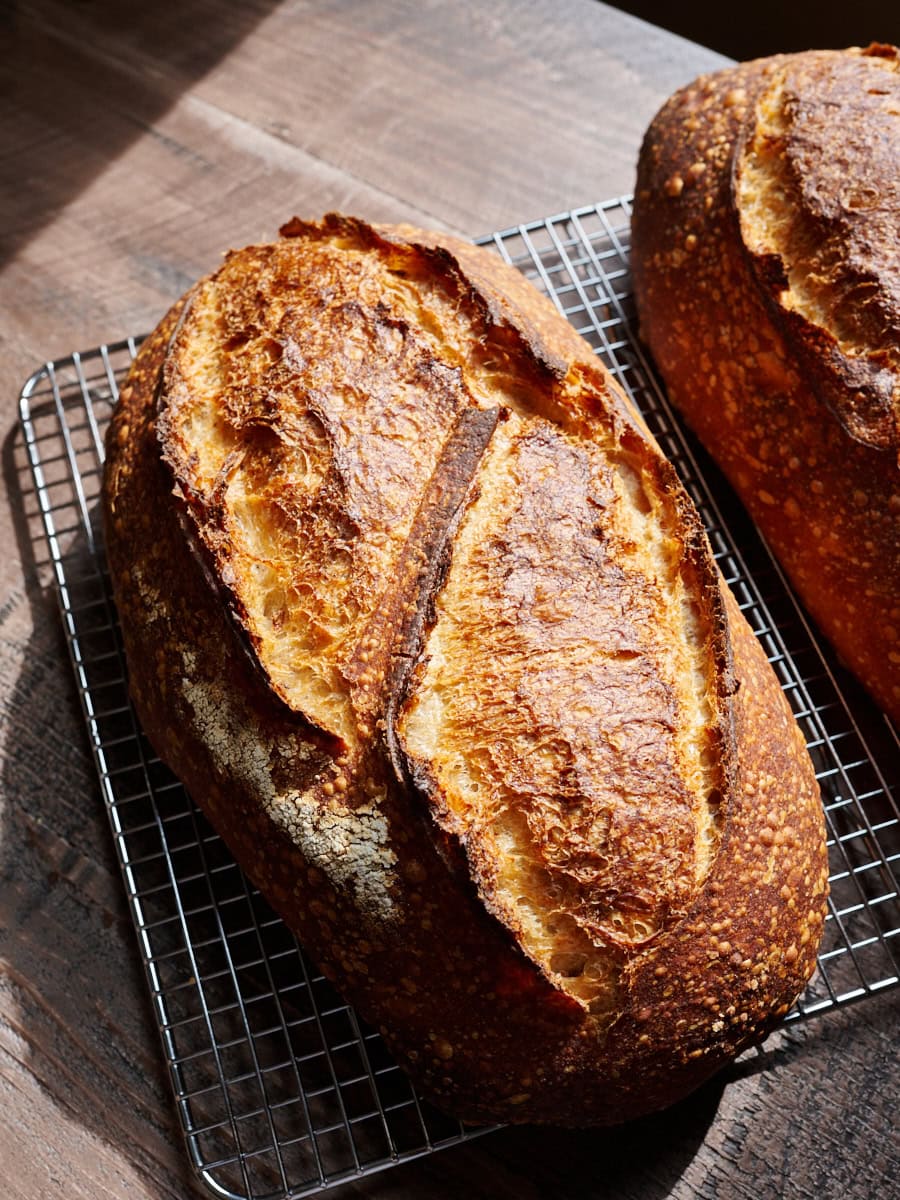
Moderate-Hydration Bread (68-75%): This range represents a balanced approach, yielding doughs that are manageable yet extensible. Loaves baked at this hydration level often strike a harmonious balance between a well-developed crust and a relatively open, tender crumb. This is the sweet spot for many classic country-style sourdoughs and baguettes, offering good oven spring and a satisfying texture.
-
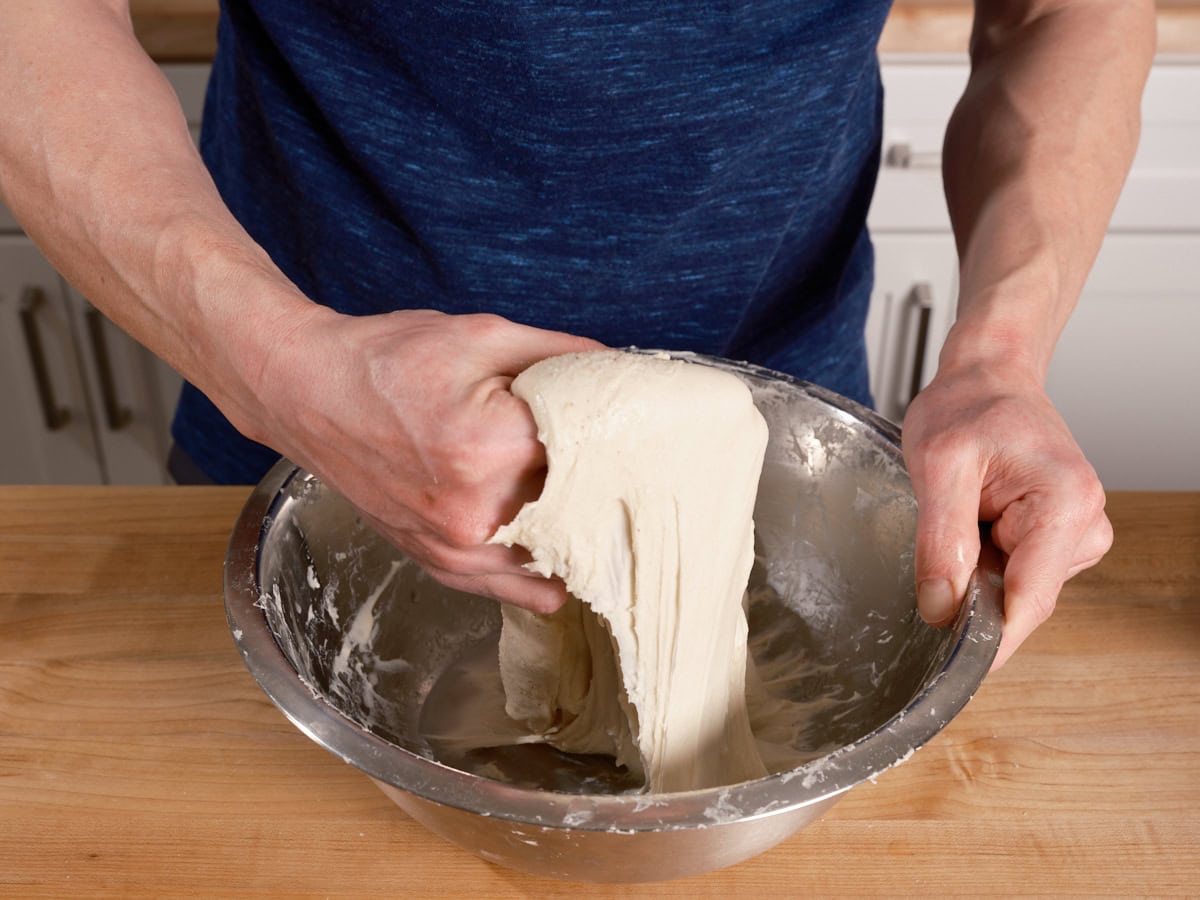
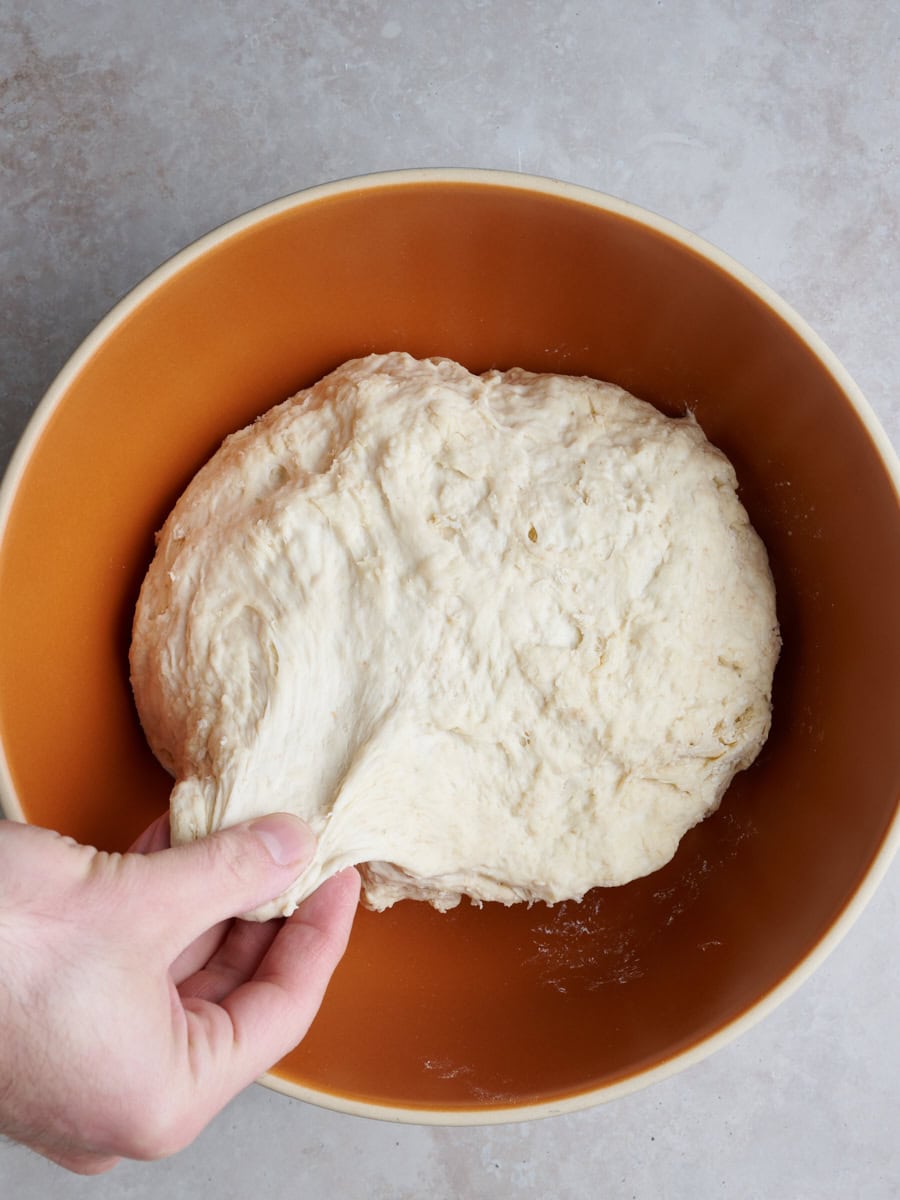
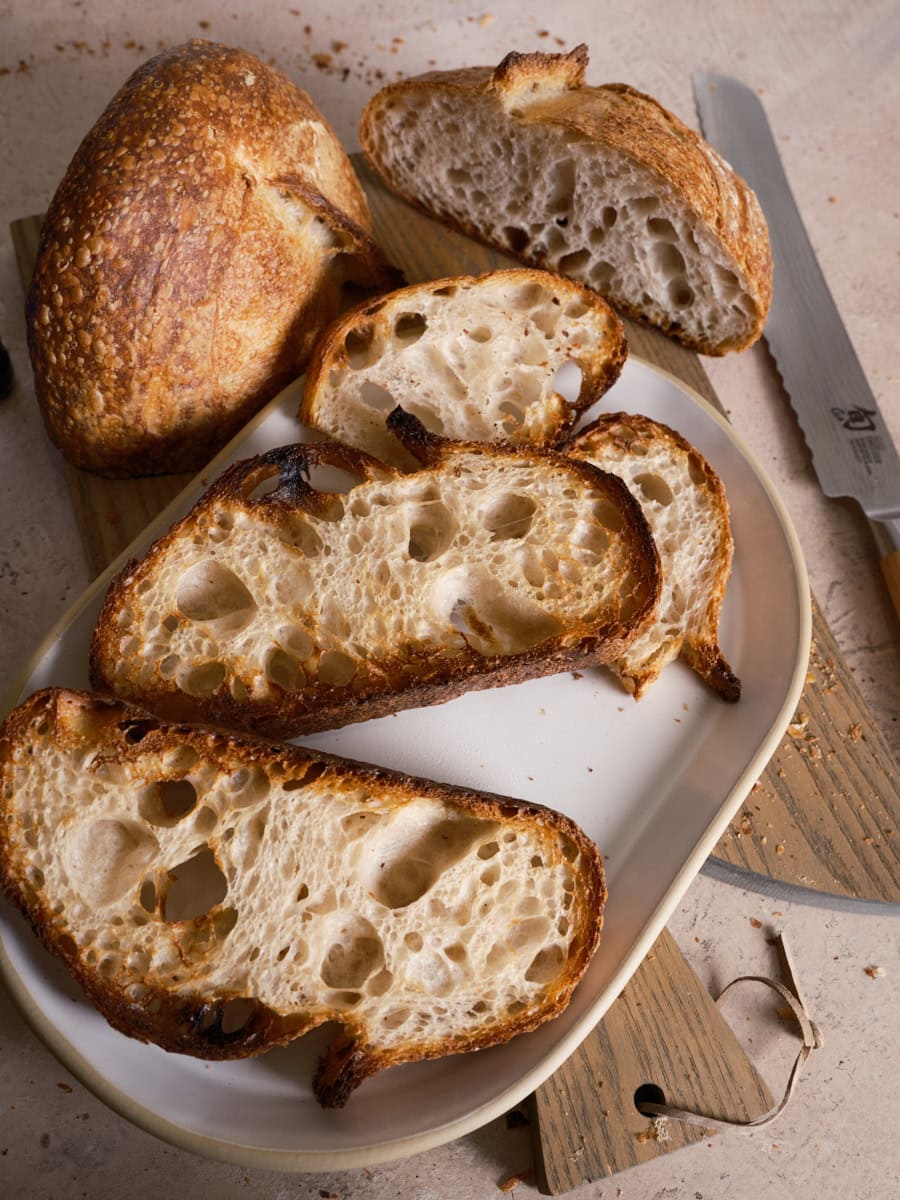
Higher-Hydration Bread (75-85%+): As hydration levels increase, the dough becomes progressively slacker, stickier, and more challenging to handle, demanding greater skill and specific techniques. However, the rewards can be significant: a characteristically thin, brittle crust and an exceptionally tender, almost custardy interior with a highly open, irregular crumb. Breads like ciabatta and focaccia, or many contemporary artisan sourdoughs, exemplify this category. The increased water allows for greater expansion of the gluten network, leading to larger, more irregular alveoli (air pockets). While highly desirable for certain aesthetics, excessively high hydration (e.g., approaching 100%) can compromise structural integrity, potentially resulting in a gummy crumb, a loaf that collapses post-baking, or one that stales more rapidly due to insufficient moisture retention in the final structure. The objective is to achieve a hydration level that maximizes desirable crumb and crust characteristics without sacrificing structural stability or eating quality.
Advanced Techniques for Hydration Management
Experienced bakers employ specific techniques to manage hydration effectively, particularly with higher-hydration doughs, ensuring optimal gluten development and dough strength.
-
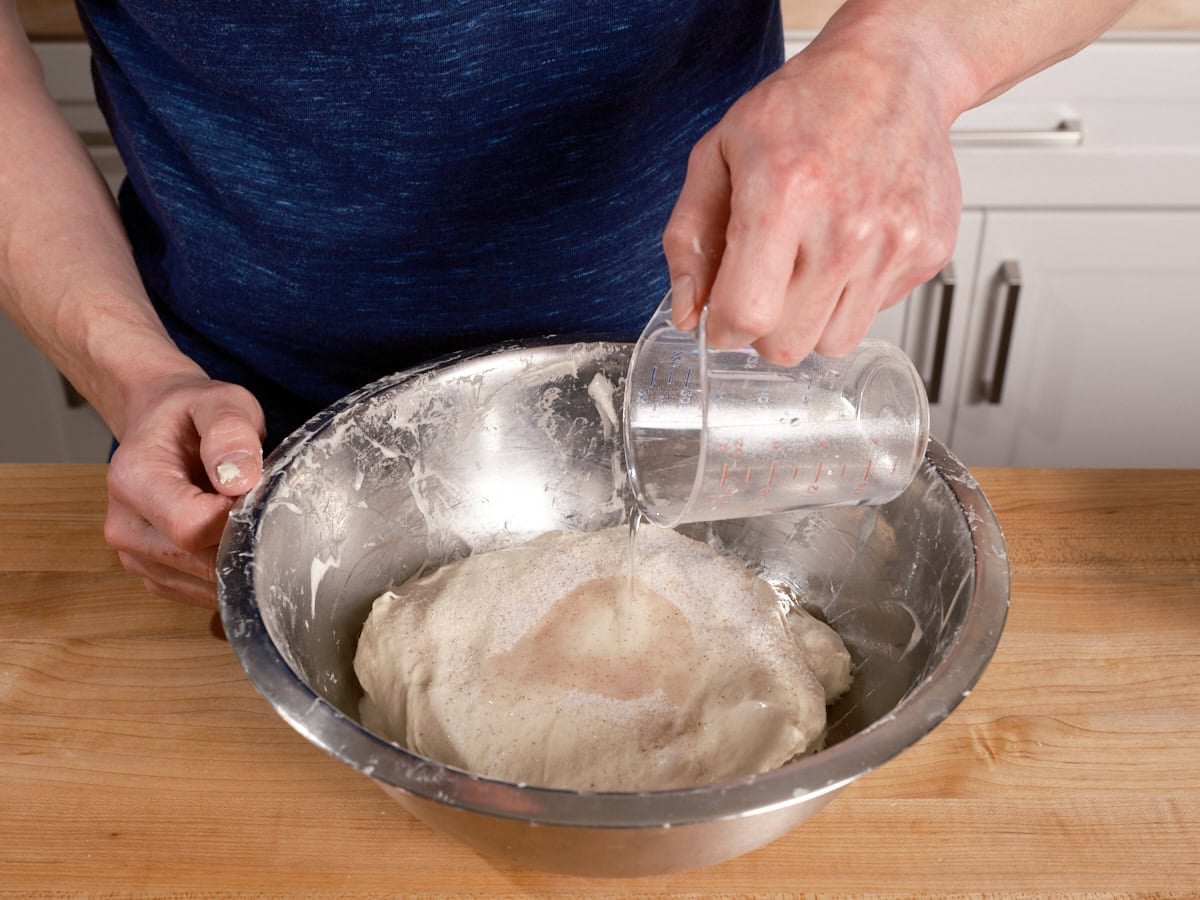
Bassinage (Double Hydration): This technique, also known as "double hydration," involves reserving a portion of the mixing water (typically 10-20% of the total) and incorporating it gradually during the later stages of mixing. The initial water (Water 1) is mixed with the flour and other ingredients to begin gluten development. Once the dough shows signs of structure, the reserved water (Water 2) is slowly added. This method offers several advantages. Firstly, it facilitates more efficient gluten development by allowing the initial, stiffer dough to generate sufficient friction during mixing, strengthening the gluten network before it becomes overly dilute. Secondly, it provides the baker an opportunity to assess the dough’s strength and consistency, adjusting the final hydration based on real-time observations of the flour’s absorption capacity and the dough’s development. Many professional recipes now explicitly segment water additions into "Water 1" (for autolyse/levain incorporation) and "Water 2" (for bassinage).
-
Autolyse and Fermentolyse: These related pre-hydration techniques are also crucial for managing dough characteristics. Autolyse involves mixing only flour and water (without salt or starter) and letting it rest. This allows the flour to fully hydrate and enzymes to begin breaking down starches, improving extensibility and gluten development. Fermentolyse is similar but includes the sourdough starter. Both methods prime the dough for better water absorption and reduce the overall mixing time required for gluten development, contributing to a more manageable high-hydration dough.
Factors Influencing Water Absorption: A Deeper Dive
Understanding the variables that dictate a flour’s water absorption is critical for precise hydration management.
-
Flour Protein Content: The primary determinant of water absorption is protein content. Higher protein levels mean more gluten-forming proteins (gliadin and glutenin) are available to hydrate and form a strong, elastic network capable of holding more water. For instance, high-protein bread flours (e.g., Canadian bread flour, often 13-15% protein) can absorb significantly more water than all-purpose flour (10-12%) or cake flour (7-9%). The specific quality of these proteins also matters; strong flours with robust gluten will absorb and retain water more effectively.
-
Whole Grain Flours: The inclusion of whole grains such as whole wheat, rye, or spelt dramatically increases the dough’s water requirements. The bran and germ particles, integral to whole grain flours, are highly absorptive. However, these particles also contain sharp edges and enzymes that can physically and enzymatically interfere with gluten development, respectively. This dual effect means whole grain doughs often require higher hydration to achieve a workable consistency, but their gluten network can be weaker, necessitating careful handling and development techniques. For example, a 50% whole wheat sourdough often requires hydration levels upwards of 80% to achieve a tender crumb.
-
Flour Freshness and Storage: Freshly milled flour typically demands more hydration than aged flour. During aging, flour undergoes oxidative processes that subtly alter its protein structure, enhancing its water absorption capacity. Furthermore, the storage conditions of flour, particularly humidity, can influence its inherent moisture content, thereby affecting how much additional water it will absorb from a recipe. Flour stored in a humid environment may already contain more moisture, requiring less added water in the dough.
-
Sourdough Starter Hydration: The hydration of the levain (sourdough starter) itself contributes to the overall dough hydration. A 100% hydration starter (equal parts flour and water by weight) will impact the total dough hydration differently than a stiffer, lower-hydration starter. Bakers must account for the water and flour introduced by the starter when calculating the final dough hydration percentage.
Troubleshooting Common Hydration Issues

Sticky dough is a frequent complaint among bakers, often stemming from a misunderstanding of hydration in conjunction with other dough characteristics.
-
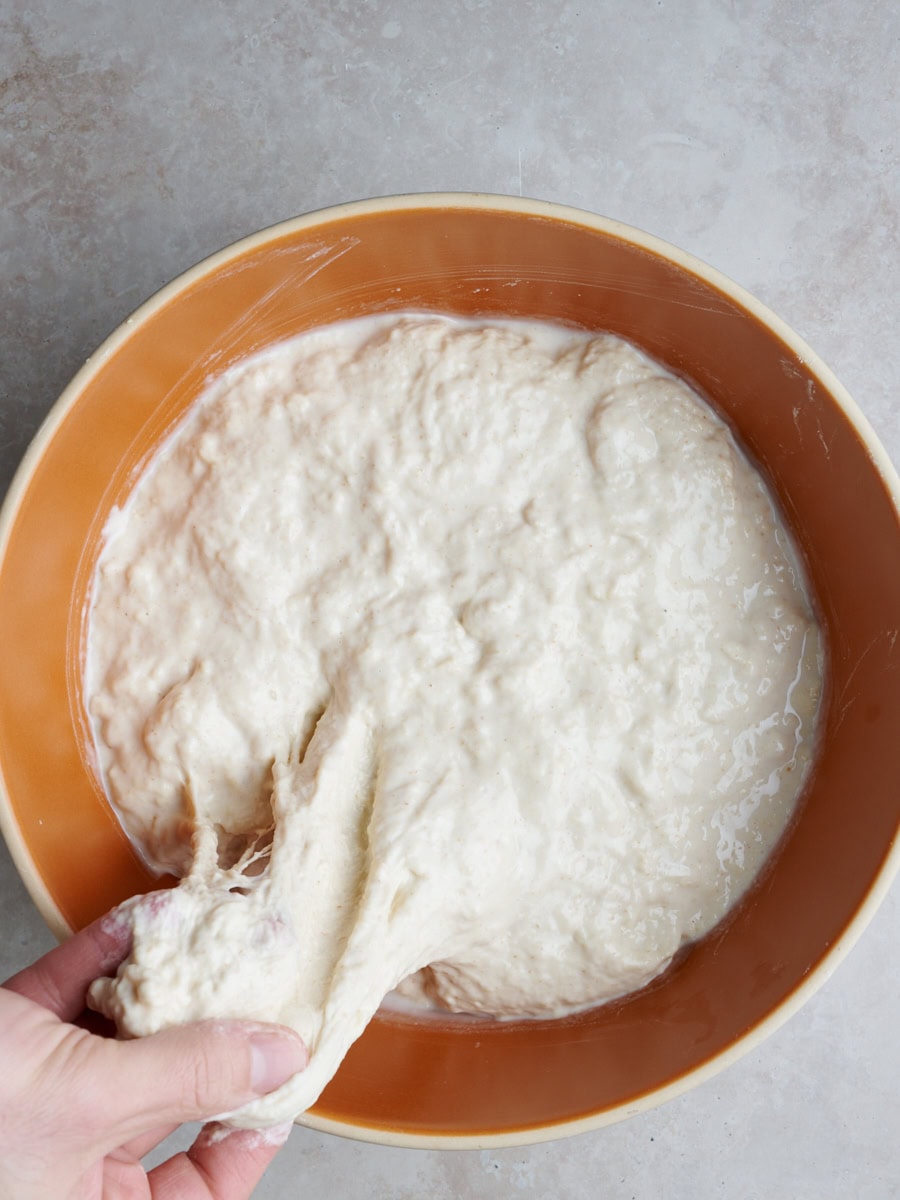
Sticky Dough: While excessive water is a direct cause, sticky dough can also result from insufficient gluten development (under-mixing or inadequate folding), weak flour with low protein content, or the physical interference of bran in whole grain flours. Insufficient bulk fermentation, which allows the dough to build strength and structure, can also leave dough feeling excessively slack and sticky. Furthermore, a weak or inactive sourdough starter may fail to produce sufficient gas and acid to strengthen the dough properly, leading to a sticky, underdeveloped texture. The solution often involves a holistic approach, focusing on proper mixing, adequate fermentation, and appropriate flour selection, rather than simply adding more flour.
-
Dense Crumb: A dense, tight crumb can be a symptom of under-hydration, where the limited water prevents full gluten development and gas retention. It can also be indicative of under-fermentation, where the yeast and bacteria in the sourdough starter haven’t produced enough gas to create an open structure.
-
Gummy Crumb: A gummy texture is often the result of excessive hydration combined with under-baking. If too much water is present and the loaf isn’t baked long enough to evaporate sufficient moisture and fully gelatinize the starches, the interior can remain unpleasantly moist and sticky.
Strategic Adjustments and Baker’s Intuition
Ultimately, mastering dough hydration involves developing a keen "baker’s intuition"—a sensory sensitivity that allows one to "read" the dough rather than blindly following numerical prescriptions. The appearance and feel of the dough in the mixing bowl are more instructive than a percentage alone. A dough at 70% hydration might feel perfectly pliable with one type of flour but stiff or soupy with another.
Experienced bakers prioritize the dough’s tactile and visual cues: its elasticity, extensibility, stickiness, and ability to hold shape. They adapt recipes on the fly, adding small increments of water if the dough feels too stiff or holding back reserved water if it seems overly slack, always mindful of the flour’s unique absorption qualities and ambient conditions. Rigorous record-keeping—documenting hydration levels, flour types, environmental factors, and the final loaf’s characteristics—is an invaluable practice for cultivating this intuition over time.
The Broader Implications: Commercial vs. Artisan Baking
The principles of dough hydration apply across the baking spectrum, from small artisan kitchens to large industrial bakeries, though the approach to management may differ. In artisan sourdough baking, the emphasis is often on achieving unique textures and complex flavors through careful, hands-on hydration adjustments, reflecting a deep engagement with the ingredients. In commercial settings, consistency and efficiency are paramount. Large-scale operations utilize precise machinery and often incorporate flour conditioners or specific mixing protocols to manage hydration uniformly across massive batches, optimizing for production speed, yield, and shelf stability, while still aiming for desirable bread characteristics.
Conclusion
Dough hydration is far from a simple ingredient measurement; it is a cornerstone of advanced baking, integrating scientific principles with artisanal craft. Its mastery demands an understanding of flour science, environmental dynamics, and a cultivated sensory awareness. By moving beyond rigid adherence to percentages and embracing the dynamic conversation with their dough, bakers can consistently produce loaves that not only meet technical specifications but also delight the palate with their desired crust, crumb, and texture. This continuous learning and adaptation define the journey of every successful sourdough baker.