
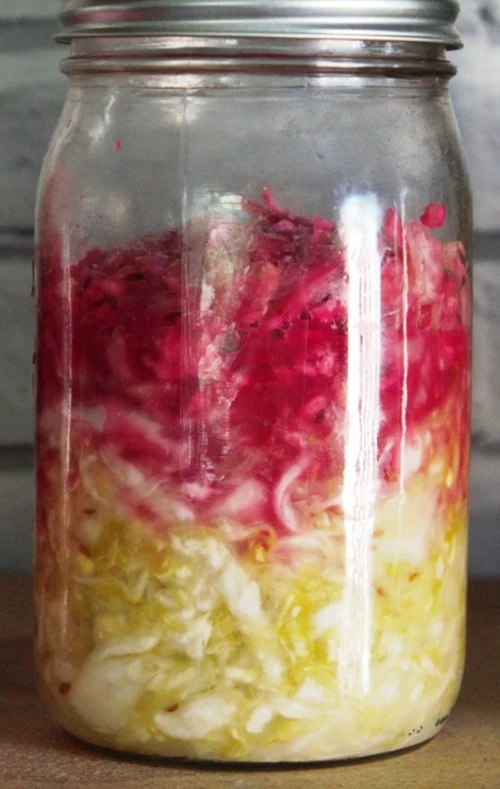
The question of how long fermented foods remain viable and enjoyable is a perennial one, frequently surfacing in culinary workshops and among enthusiasts alike. While the simplest answer suggests "a long time"—a testament to fermentation’s ancient role as a primary food preservation method—the more precise and nuanced response is, "it depends." This variability hinges on a confluence of factors, including the specific type of fermented food or beverage, prevailing storage conditions, ambient temperature, and even individual tolerances for distinct flavor profiles.
At the heart of discerning a ferment’s edibility lies an intuitive directive: "Trust your Senses!" The human body is equipped with sophisticated sensory mechanisms designed to evaluate the safety and quality of food. These senses—sight, smell, and taste—serve as the ultimate arbiters in determining whether a fermented product remains suitable for consumption.
The Ancient Art of Preservation: A Historical Context
Fermentation is one of humanity’s oldest food preservation techniques, predating refrigeration and modern canning by millennia. Civilizations across the globe independently discovered and refined processes to transform raw ingredients into stable, nutrient-dense, and often more palatable forms. From the earliest production of alcoholic beverages like beer and wine to the creation of staples such as sourdough bread, yogurt, and pickled vegetables, fermentation has been integral to dietary survival and cultural identity.
Historically, the ability to store food for extended periods was not merely a convenience but a necessity, particularly in regions with harsh winters or limited access to fresh produce year-round. Fermentation allowed communities to harness beneficial microorganisms to convert sugars into acids, alcohol, or gases, thereby creating an environment inhospitable to spoilage-causing pathogens. This not only extended shelf life but often enhanced nutritional value, digestibility, and unique flavor profiles, laying the groundwork for many of the fermented foods we enjoy today. The longevity conferred by these methods was crucial for ancient societies, ensuring food security through lean seasons and facilitating long-distance travel and trade.
The Science of Longevity: How Fermentation Works
The remarkable shelf life of fermented foods is a direct consequence of the intricate biochemical processes orchestrated by microorganisms. Predominantly, lactic acid bacteria (LAB) play a pivotal role in vegetable and dairy ferments. These bacteria convert carbohydrates (sugars) into lactic acid, acetic acid, and other compounds. The resulting increase in acidity, measured as a drop in pH, is the primary mechanism of preservation. Most spoilage bacteria and pathogenic microorganisms cannot thrive in an acidic environment (typically below pH 4.5).
Beyond acidity, other mechanisms contribute to preservation:
- Alcohol Production: In ferments like kombucha or water kefir, and certainly in alcoholic beverages, ethanol acts as an antimicrobial agent.
- Carbon Dioxide Production: The creation of CO2 displaces oxygen, further inhibiting aerobic spoilage organisms.
- Antimicrobial Compounds: Some beneficial bacteria produce bacteriocins, natural antibiotics that suppress the growth of undesirable microbes.
- Enzyme Activity: Enzymes produced during fermentation can break down complex molecules, making nutrients more bioavailable and altering texture.
These combined effects create a dynamic ecosystem where beneficial microbes dominate, actively suppressing potential contaminants and extending the food’s shelf life far beyond that of its unfermented counterparts. Understanding this scientific basis underscores why fermented foods, when properly handled, can indeed last "a long time."
Decoding Spoilage: Trusting Your Sensory Cues
While fermentation inherently extends shelf life, it does not render food immortal. The key to knowing when a ferment has genuinely "gone bad" versus simply evolving in flavor is to engage your senses critically. Austin Durant, founder of Fermenters Club and author of "Fearless Fermenting," consistently advises this approach in his workshops, emphasizing that human perception is the most reliable tool.
- Sight:
- Normal: Many ferments develop a cloudy brine or slight sediment. A thin, white film (kahm yeast) on the surface of vegetable ferments or kombucha is typically harmless and can be skimmed off, though it can impart an off-flavor.
- Warning Signs: Look for fuzzy, colored mold (green, black, pink, blue). This indicates spoilage and the product should be discarded. Any significant discoloration of the food itself, beyond natural aging, is also a red flag.
- Smell:
- Normal: Fermented foods typically have pungent, sour, tangy, or yeasty aromas. A "funky" smell is often characteristic and desirable.
- Warning Signs: Any foul, putrid, rotten, sewage-like, ammonia-like, or distinctly "off" odor is a strong indicator of spoilage. If it smells unequivocally bad, it likely is.
- Taste (Proceed with Caution):
- Normal: Ferments will naturally become more sour or tangy over time. Some might develop deeper, more complex flavors.
- Warning Signs: If sight and smell raise no concerns, a tiny taste can confirm edibility. However, if the taste is extremely unpleasant, bitter, metallic, excessively alcoholic (beyond expectation), or causes any tingling/burning sensation, discard the food immediately. Never taste a ferment that shows clear signs of mold or putrid smell.
Distinguishing between a ferment that has simply become "too sour" or "too soft" for fresh consumption and one that is genuinely spoiled is crucial. The former can often be repurposed in cooking, while the latter poses a health risk.
Key Determinants of Shelf Life
The "it depends" answer to shelf life is rooted in several critical variables:
-
Temperature and Storage Environment:
- Refrigeration: This is the most effective way to slow down microbial activity after primary fermentation is complete. Lower temperatures drastically reduce the metabolic rates of both beneficial and potentially spoilage-causing microorganisms, extending shelf life significantly. Most guidelines assume refrigerated storage.
- Room Temperature: While some ferments like hot sauce or sourdough starter can be kept at room temperature, their shelf life is considerably shorter, and microbial activity continues at a faster pace, leading to quicker flavor changes and potential spoilage.
- Freezing: Freezing halts microbial activity entirely. It’s an excellent method for long-term storage of many ferments, though it can alter texture (e.g., making vegetables softer).
-
Nature of the Ferment and Ingredients:
- Acidity Level: Ferments with a very low pH (high acidity) like vinegar-based pickles or deeply fermented sauerkraut tend to last longer.
- Salt Concentration: Higher salt concentrations (as in some traditional brines) inhibit a wider range of microbes, contributing to longer preservation.
- Sugar Content: Sugary ferments (like kombucha) can continue to ferment slowly, becoming more acidic and less sweet over time.
- Water Content: Foods with higher water content are generally more susceptible to spoilage if not adequately preserved.
- Ingredient Density: Denser vegetables (carrots, cauliflower) tend to hold their texture better than softer ones (cucumbers, leafy greens) over time.
-
Initial Fermentation Process:
- Starter Culture Vitality: A robust and active starter culture ensures a quick and effective fermentation, leading to a strong acidic environment early on.
- Hygiene: Cleanliness of equipment and ingredients minimizes the introduction of undesirable microbes that could lead to spoilage.
- Fermentation Duration: Allowing a ferment to reach its optimal pH and flavor profile before refrigeration is important for long-term stability. Under-fermented products may spoil faster.
- Sealing: Proper airtight sealing prevents oxygen exposure, which can encourage mold growth and oxidation.
A Comprehensive Guide to Fermented Food Shelf Life
The following guidelines, primarily for refrigerated storage unless otherwise specified, offer a framework for understanding the typical longevity of common fermented foods. These are general estimates, and individual batches may vary.
Vegetable Ferments
- Kimchi: Typically lasts 3 months in the refrigerator. Over time, kimchi becomes softer and significantly more sour. While no longer ideal for fresh eating, it excels in cooked applications like kimchi stew (jjigae), fried rice, or pancakes, where its intense sourness adds depth.
- Sauerkraut: Similar to kimchi, sauerkraut maintains quality for about 3 months in the refrigerator. Its texture will soften, and its acidity will deepen. Excessively sour sauerkraut can be rinsed before use or incorporated into cooked dishes like reuben sandwiches or stews.
- Cucumber Pickles: Shelf life is approximately 2 months. This can vary depending on the salt concentration used during fermentation; higher salt content can extend it. Keeping cucumbers whole rather than sliced also contributes to longer shelf life by maintaining structural integrity. They will gradually lose their crispness.
- Mixed Pickled Vegetables (e.g., Escabeche, Giardiniera, Pickled Green Beans): These often last longer, typically 4-6 months. Carrots, cauliflower, and other dense vegetables tend to hold their texture and flavor particularly well, making them excellent candidates for longer-term fermentation and storage. The variety of vegetables can also contribute to a more complex flavor profile over time.
Beverage Ferments
- Kombucha: Generally good for 1 month in the refrigerator. Some delicate fruit flavors, such as watermelon or strawberry, are more ephemeral and are best enjoyed within 2 weeks to capture their peak freshness and nuanced taste. Beyond these periods, kombucha will become increasingly tart as fermentation continues slowly, and carbonation may intensify. It may also develop a strong vinegary taste.
- Milk Kefir: Best consumed within 1 month in the refrigerator. After this period, it becomes significantly more sour, often too tart for direct drinking. However, overly sour milk kefir is not spoiled; it can be repurposed for baking (as a buttermilk substitute), making soft cheeses (like labneh), or used in marinades.
- Water Kefir (Tibicos): Similar to kombucha, water kefir typically lasts 1 month in the refrigerator. Fragile fruit flavors like watermelon and strawberry are best consumed within 2 weeks. It will continue to ferment slowly, increasing acidity and potentially carbonation.
Paste & Sauce Ferments
- Miso: Remarkably, properly sealed miso boasts an unlimited shelf life. Stored in a cool, dark place (refrigeration is optional but recommended for preserving optimal flavor), miso can easily last for 10 years or even longer. Its high salt content and long fermentation period contribute to its extraordinary stability. In fact, miso often improves with age, developing deeper umami and more complex flavors, similar to fine wines or cheeses.
- Hot Sauce: A well-made fermented hot sauce can last for 2 years in the refrigerator. It can also be stored in a pantry, though this may reduce its shelf life somewhat and increase the likelihood of surface yeast re-forming due to slightly higher temperatures and oxygen exposure. The high acidity from fermentation, often bolstered by added vinegar, and the capsaicin from chili peppers act as strong preservatives.
Baked Goods
- Sourdough Bread: This is a unique category as it is a baked product derived from a ferment. At room temperature, sourdough bread typically lasts 3-4 days. A common misconception is to store bread in the refrigerator; this is strongly advised against, as it accelerates the staling process by promoting starch retrogradation, making the bread dry and hard much faster. For longer preservation, sourdough bread can be frozen for up to 2 months. To facilitate easy retrieval and prevent freezer burn, it is recommended to pre-slice the bread before freezing and store it in a sealed plastic bag or airtight container.
Expert Insights and Food Safety
Austin Durant, the authoritative voice behind Fermenters Club and author of "Fearless Fermenting," champions an approach that marries scientific understanding with intuitive sensory evaluation. His 14 years of experience in fermenting food underscore the reliability of sensory cues over rigid expiration dates, which are often conservative for fermented products due to their inherent stability.
Beyond sensory evaluation, general food safety principles remain paramount. When engaging in home fermentation:
- Hygiene: Always use clean and sanitized equipment to prevent the introduction of undesirable bacteria or molds.
- Ingredient Quality: Start with fresh, high-quality ingredients.
- Proper Brine/Submersion: For vegetable ferments, ensure ingredients remain submerged under brine to create an anaerobic environment, which inhibits mold growth and prevents spoilage.
- pH Monitoring: For beginners or those experimenting, pH strips or meters can provide an objective measure of acidity, confirming a safe pH level (typically below 4.5) has been reached.
- "When in doubt, throw it out": This universal food safety mantra applies unequivocally to fermented foods. If there is any ambiguity regarding a product’s safety after sensory inspection, it is always safer to discard it.
Beyond Preservation: The Broader Impact of Fermentation
The longevity conferred by fermentation extends its benefits far beyond mere preservation. In an era increasingly concerned with sustainability and food waste, fermented foods offer a powerful, traditional solution. By transforming perishable produce into stable staples, fermentation significantly reduces spoilage and extends the usability of ingredients that might otherwise be discarded. This has tangible economic benefits for households, minimizing grocery waste and maximizing the value of food purchases.
Furthermore, the act of fermenting food empowers individuals, fostering a deeper connection to their food sources and culinary traditions. It demystifies the processes of food transformation, making healthy, probiotic-rich foods accessible and affordable. The global fermented foods market continues to expand, driven by growing consumer awareness of gut health benefits and a desire for natural, less processed foods. From artisanal kimchi producers to large-scale kombucha breweries, the industry is witnessing a resurgence that honors ancient practices while integrating modern food science.
In conclusion, the shelf life of fermented foods is a fascinating interplay of microbial activity, environmental conditions, and sensory evaluation. While general guidelines provide a useful starting point, the ultimate arbiter remains the discerning individual, guided by sight, smell, and taste. Embracing fermentation not only offers a pathway to delicious and diverse culinary experiences but also embodies a sustainable approach to food, connecting us to a rich heritage of preservation and nourishment.


