The evolution of home baking has reached a pivotal point, with enthusiasts increasingly seeking to transcend the limitations of conventional domestic ovens. What once began as a simple wish for more capacity – perhaps the ability to bake six loaves simultaneously, a formidable feat in a home kitchen but modest by professional standards – has blossomed into an active pursuit of specialized equipment. This shift reflects a natural progression for bakers who delve into handling larger dough quantities, naturally yearning for tools that significantly boost efficiency and elevate the quality of their output. This comprehensive guide serves as a central resource, outlining the tools, precise times, optimal temperatures, and other invaluable tips gleaned from extensive experience with the Rofco bread oven. It aims to assist aspiring and established home bakers in determining if a Rofco is the right investment, providing a foundational understanding for new owners to initiate their journey and ultimately refine their unique baking processes.
The Ascent of Artisan Home Baking and the Need for Specialization
The past decade has witnessed a remarkable resurgence in home baking, particularly in the realm of artisan bread. Fuelled by a desire for healthier, more authentic food and accelerated by global events that encouraged domestic pursuits, millions have embraced the nuanced craft of sourdough and other complex bread forms. This burgeoning interest has quickly exposed the inherent limitations of standard household ovens. Designed for versatility rather than specialized high-heat, high-steam bread baking, these appliances often struggle to maintain consistent temperatures, generate sufficient steam, or accommodate more than one or two loaves effectively. This is where specialized equipment like the Rofco oven enters the scene, offering a bridge between amateur enthusiasm and professional-grade results.
The journey for many bakers, including the insights shared here, often begins subtly. An ever-increasing obsession takes hold, pushing the boundaries of what a conventional oven can achieve. This gradual takeover can lead to scaling up home baking operations, with some venturing further into nano or micro-bakeries, or even selling their creations at local farmer’s markets. Regardless of the motivation behind this expansion, the underlying principle remains consistent: to achieve consistent, high-quality results at an increased volume, specialized tools become indispensable. While baking substantial quantities of bread in a home kitchen is not impossible, having the right equipment frees the baker to concentrate on the more artistic and scientific aspects of the craft, such as flavor development, fermentation control, precise handling, and intricate shaping. The Rofco oven represents a natural and logical progression in this baking evolution.
Understanding the Rofco Bread Oven: A Belgian Engineering Marvel
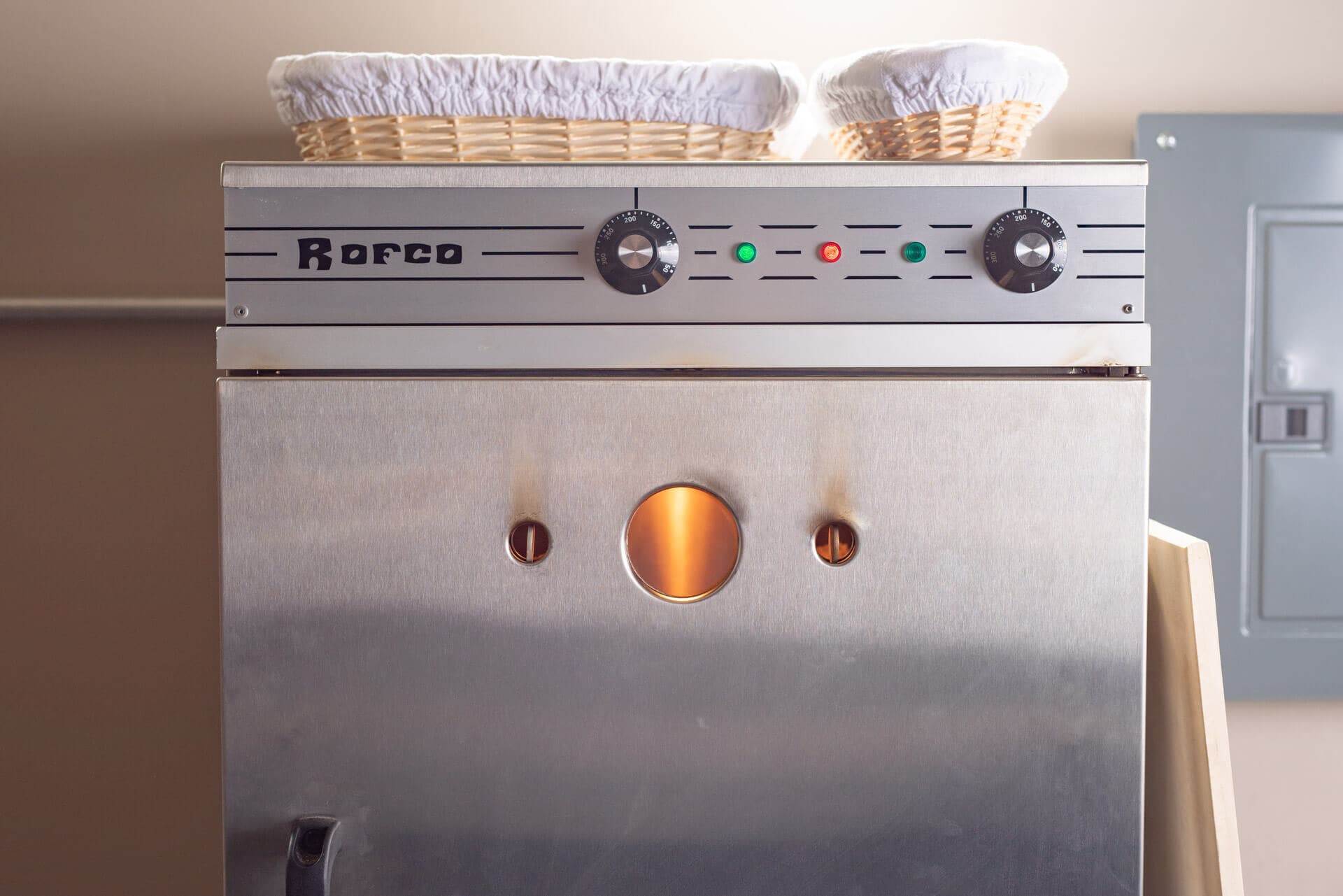
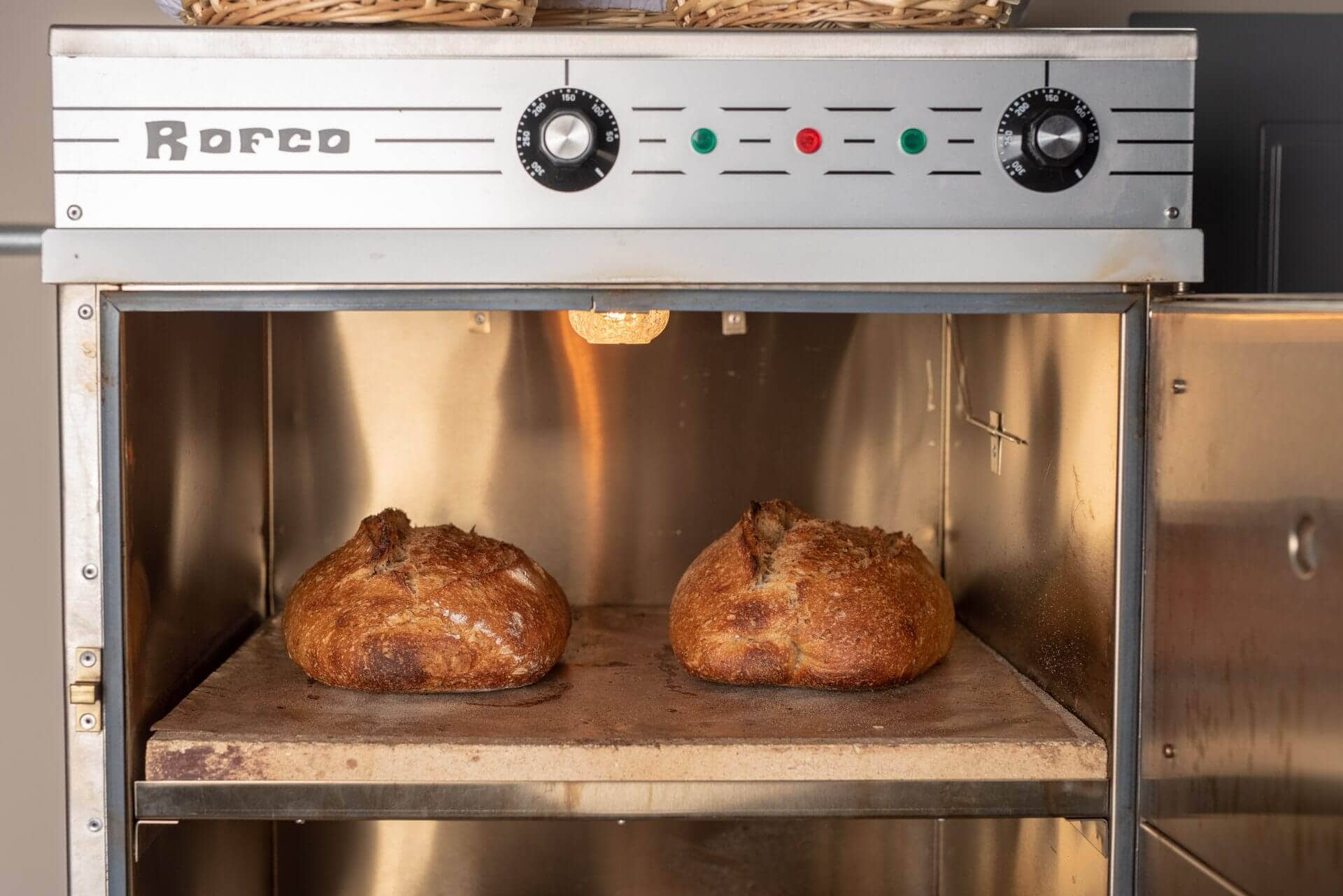
At its core, a Rofco is a robust, Belgian-made brick oven meticulously engineered for bread baking. It is available in various sizes, with the B40 model, featuring three square baking decks, being a popular choice for serious home and micro-bakers due to its generous capacity. What sets the Rofco apart is its no-nonsense construction and thoughtful design, optimized for superior thermal performance.
The oven’s compact footprint belies its powerful capabilities. A key characteristic is its sealed oven chamber, which is crucial for effective steam retention and minimizing external radiant heat. While the exterior does become hot to the touch during operation, it remains within safe limits, allowing for placement near walls or other appliances without concern for overheating. The true heart of the Rofco lies in its three 1-3/8″ (approximately 3.5 cm) thick chamotte deck stones. These refractory bricks, made from high-alumina clay fired at extreme temperatures, possess exceptional heat retention properties. This means that even after extensive preheating and subsequent door openings for loading dough, the stones retain significant thermal energy, ensuring a consistent and powerful bake. This thermal inertia is particularly advantageous for multiple, back-to-back baking cycles, requiring only a brief rest period between batches to return to peak temperature. This efficiency is a critical factor for small-scale commercial operations or large family baking days.
Powering the Rofco typically requires a 220V AC single-phase electrical connection, often utilizing a 6-20P cord plug and a corresponding 6-20R receptacle. This is a common requirement for higher-power appliances in many homes, though it usually necessitates the installation of a dedicated circuit and breaker by a qualified electrician, ensuring safety and optimal performance. This investment in electrical infrastructure underscores the oven’s industrial-grade capabilities scaled for a domestic or semi-commercial environment.
The Rofco’s efficiency and convenience are consistently highlighted by users. It functions as a bare-bones workhorse, delivering precisely what is needed, when it’s needed, without superfluous features. Its ability to handle large-scale batches for events like festivals or parties, while remaining practical for more frequent bakes of 4-6 loaves, makes it exceptionally versatile. The positive experiences with distributors, such as Pleasant Hill Grain in the US, further bolster its appeal. Their reputation for exceptional service, responsiveness to inquiries, and efficient handling of minor issues provides crucial support for users investing in such a specialized piece of equipment.
A Resounding Endorsement: Why the Rofco Excels
The consensus among experienced bakers is overwhelmingly positive: the Rofco bread oven is a truly exceptional piece of equipment. It represents a significant upgrade for anyone aiming to bake more than just a couple of loaves in a standard home oven. Its fundamental strengths lie in its simple yet effective design, the ease with which its components can be repaired or replaced, and its unparalleled capacity for even baking. These attributes collectively position it as an outstanding oven for both dedicated home bakers and burgeoning professional ventures. The investment, while substantial, is often justified by the consistent quality, increased output, and sheer pleasure derived from using a tool perfectly suited to the demands of artisan bread production.

Strategic Dough Positioning: Maximizing Oven Capacity
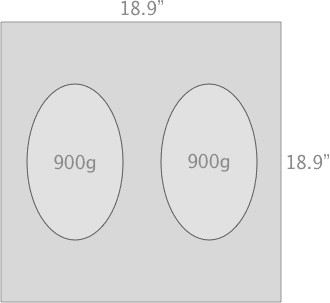
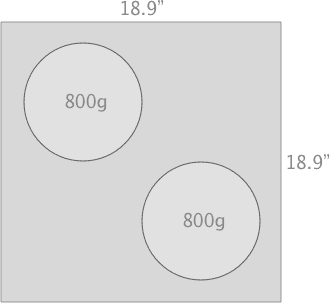
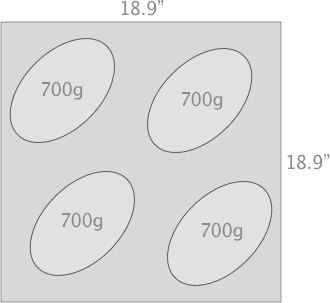
Effectively utilizing the Rofco’s multi-deck capacity is akin to a real-life game of Tetris: how to arrange the maximum amount of dough without compromising airflow, even baking, or allowing loaves to touch and impede their rise. While professional bakers might have this down to a precise science, home bakers can achieve excellent results with a few common arrangements. For the Rofco B40, each deck measures 18.9″ x 18.9″ (approximately 48 cm x 48 cm).
Common arrangements often include:
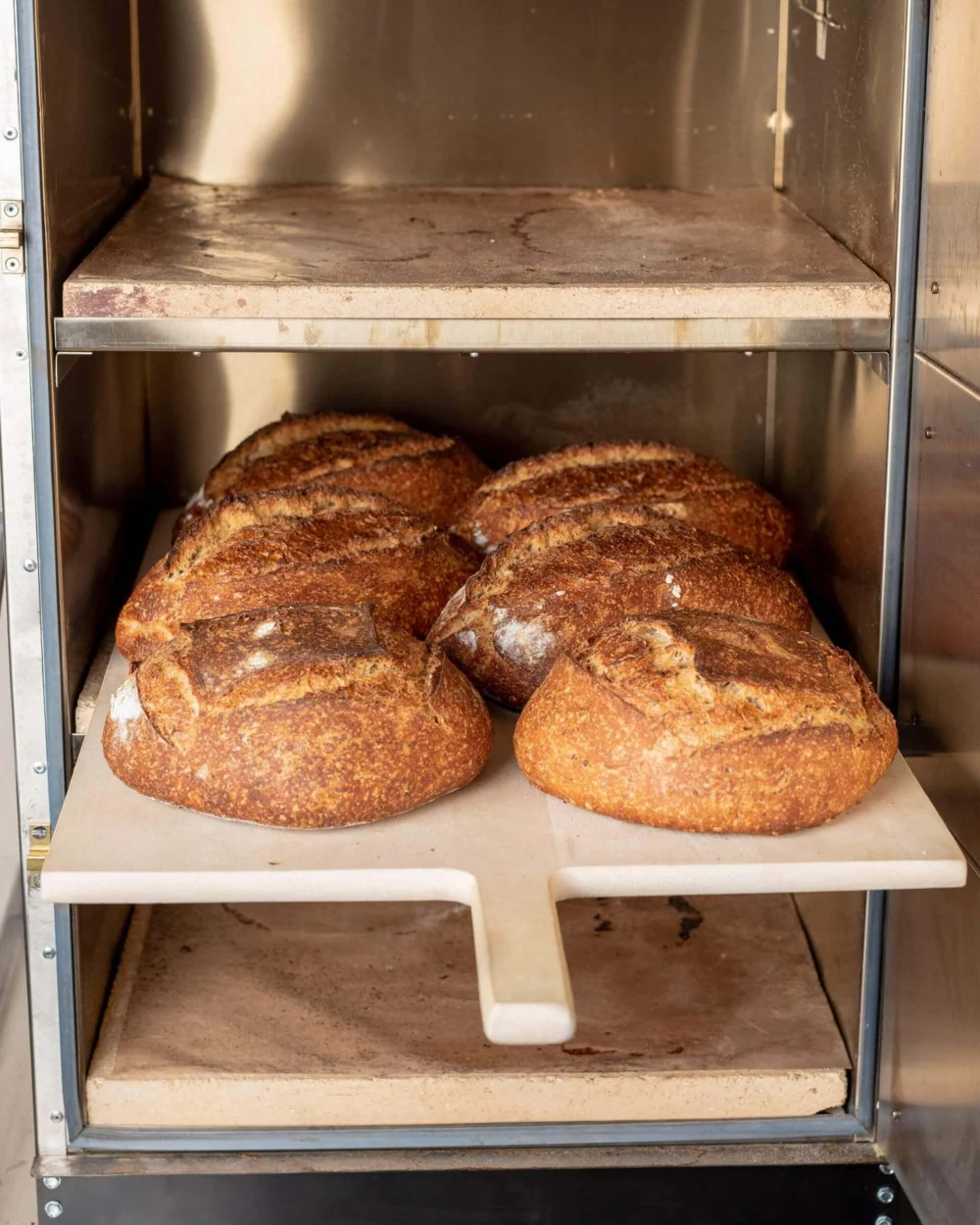
- Two 900g Batards per Deck: This is a highly popular configuration, allowing for a total of six batards across the three decks. The elongated oval shape of the batards can be strategically placed to utilize the depth of the oven.
- Two 800g Boules per Deck: For round loaves, two boules can typically be positioned effectively on each deck, again yielding six loaves in total.
- Four 700g Loaves per Deck: For slightly smaller loaves, a baker can often fit four per deck, pushing the total capacity to twelve loaves. This configuration requires careful spacing to ensure proper oven spring and crust development.
It’s important to remember that the diagrams typically show the top edge of each square as the back of the oven and the bottom edge as the front, near the door. This orientation is crucial for understanding how heat distribution might subtly affect different parts of the loaf and for optimizing loading and unloading. Beyond standard loaves, the Rofco’s included square steel trays offer additional versatility. These trays are ideal for baking smaller items like buns, rolls, or even a large square pizza, facilitating easy transfer and containing any potential spills.
Mastering Steam: A Critical Element for Crust and Crumb
Steam is an indispensable component in artisan bread baking, particularly during the initial phase of baking. It plays a crucial role in delaying the setting of the crust, allowing the dough to expand fully and achieve maximum oven spring. This results in a lighter, airier crumb and a thin, crisp, beautifully caramelized crust. The Rofco’s sealed oven chamber is a significant advantage in this regard, as it naturally retains steam far more effectively than a standard home oven with an exhaust fan. However, unlike high-end professional ovens that often feature integrated steam injection systems, the Rofco requires manual steam introduction. Fortunately, several effective methods exist.
High-Pressure Sprayer: Precision and Control
The preferred method for many Rofco users involves a commercial-grade pressure sprayer, such as an electric spray bottle. This tool allows for the injection of an incredibly fine mist into the oven. The process involves filling the sprayer with water, setting the nozzle to its finest mist setting, and pressurizing it (if it’s a manual pump sprayer). After loading the dough onto the decks, the baker sprays generously for 10-12 seconds on each deck, starting from the bottom. When spraying the top deck, caution is advised to avoid the glass-enclosed light fixture, as cold water can cause the hot glass to crack. A second, quick spray just before completely closing the oven door ensures an immediate steam burst.
To vent the steam later in the bake, the door is carefully opened briefly (allowing the rush of steam to escape before peering in), then closed, and the two circular vents on the door are tilted open. This controlled venting helps to dry out the crust and promote browning.
Steam Pods: A Convenient Alternative
Optional rectangular steel steam pods are also available. These are designed to be placed on the left and right sides of each deck and preheated with the oven. When steam is needed, water or ice cubes are poured into the hot pods, generating a significant volume of steam as the water rapidly evaporates. While effective, the primary drawback of steam pods is that they occupy valuable space on the baking decks. For bakers who prioritize maximizing loaf count, the pressure sprayer often becomes the preferred method, freeing up every available inch of deck space. When using pods, steam is vented by opening the door vents once the water has fully evaporated.
The Rofco Baking Process: A Step-by-Step Guide
Achieving optimal results with the Rofco oven involves a refined baking process that balances heat saturation, steam application, and controlled browning. While specific dough types may necessitate minor adjustments, the following sequence represents a reliable go-to for most sourdough formulas.
-
Preheat Oven (Door Closed, Vents Closed): The first crucial step is to thoroughly preheat the oven. Both the top and bottom heating elements are set to 240°C (approximately 465°F). A minimum preheating time of 1 hour and 30 minutes is recommended to ensure the thick chamotte bricks are fully saturated with heat. This sustained heat soak is vital for maintaining temperature stability once the dough is loaded. Before preheating, it is imperative to ensure the oven is empty, as leaving silicone baking sheets or other items inside can cause damage.
-
Dough Preparation and Loading: Once the oven is adequately preheated, the loaves are prepared for loading. This involves gently turning the dough out onto silicone sheets, scoring each loaf, and then using a large wooden pizza peel to slide the sheets, one by one, onto the oven decks. An assembly line approach with multiple silicone sheets streamlines this process.
-
Bake with Steam (Initial Phase):
- Temperature: Immediately after loading, the temperature is reduced to 150°C (approximately 300°F).
- Duration: 20 minutes.
- Action: This is the phase where steam is introduced using the high-pressure sprayer. The lower temperature at this stage, combined with high humidity, maximizes oven spring and prevents the crust from setting too quickly. The sealed chamber ensures the steam is highly effective.
-
Vent Steam and Continue Baking:
- Temperature: The temperature is then increased to 220°C (approximately 425°F).
- Duration: 10 minutes.
- Action: Carefully open the oven door briefly to release the initial rush of steam, then close it and swivel open the circular vents on the door. This allows the remaining steam to escape and begins the process of crust development and browning at a higher temperature.
-
Final Bake (Crust Development and Browning):

- Temperature: The temperature is typically maintained at 150°C (approximately 300°F), though some bakers may slightly adjust this based on desired crust darkness.
- Duration: 20-30 minutes, or until the loaves reach the desired internal temperature and crust color.
- Action: If necessary, loaves can be reshuffled between decks or rotated to ensure even browning, though the Rofco’s even heat distribution often makes this less critical than in conventional ovens.
Upon completion, the fully baked loaves and silicone sheets are removed using the peel and placed on wire racks to cool, a crucial step for crumb structure and flavor development. The oven can then be turned off or reheated to 240°C for subsequent batches, capitalizing on its excellent heat retention for continuous production.
Essential Tools for the Rofco Baker
Beyond the oven itself, several ancillary tools significantly enhance the Rofco baking experience:
-
Commercial Strength Electric Sprayer: This tool, such as the Electric Spray Bottle, has become indispensable for manual steam injection. Its ability to produce a continuous, fine mist at the touch of a button surpasses manual pump sprayers, ensuring consistent and ample steam for optimal oven spring and crust development.

-
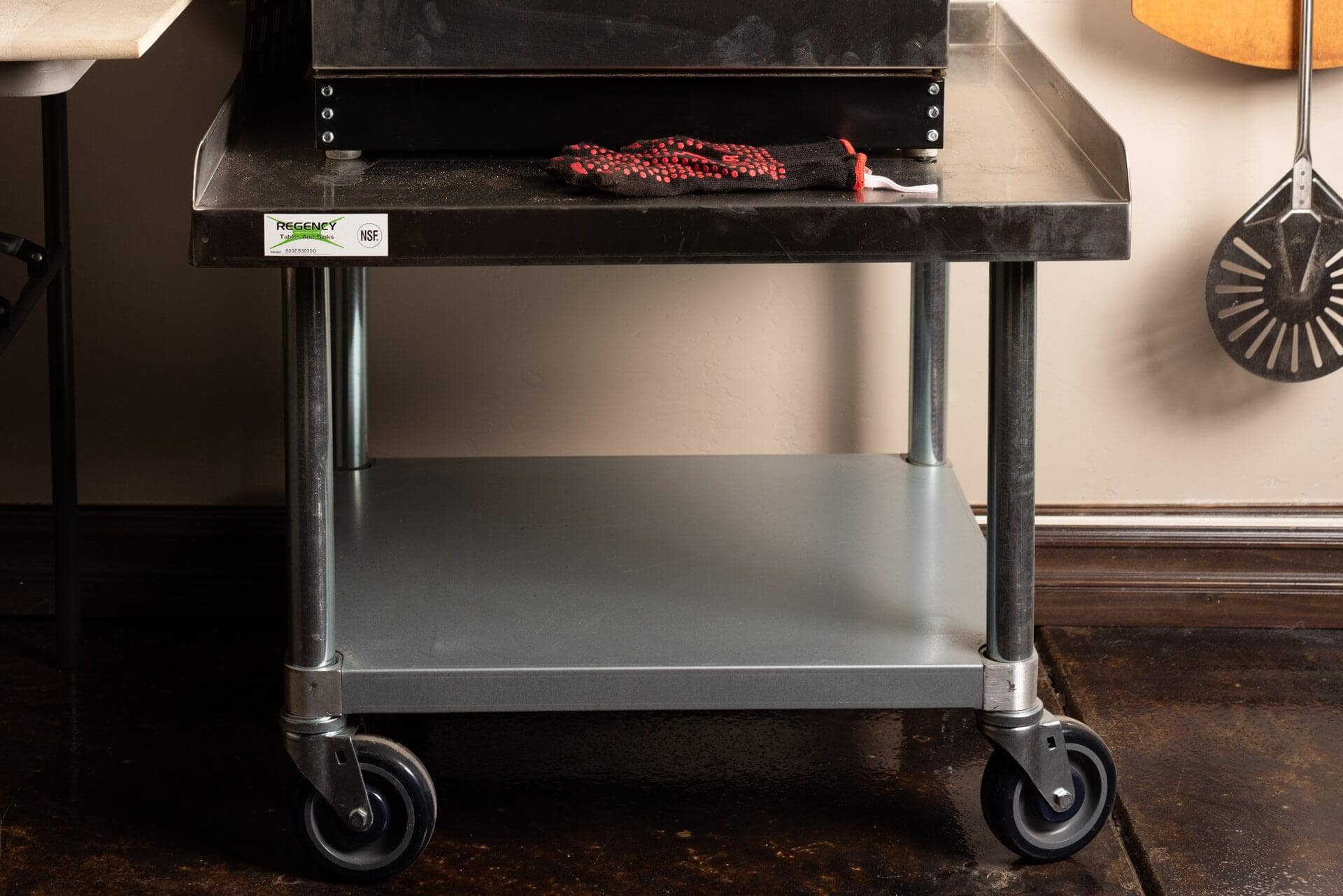
Oven Equipment Stand: Given the Rofco’s substantial weight and the need for ergonomic loading and unloading, a sturdy equipment stand is highly recommended. Custom-cut stainless steel stands, like the Regency 30″ x 30″ 16-Gauge Stand from WebstaurantStore, provide excellent stability. Raising the oven by approximately 20 inches ensures a comfortable working height. While casters offer mobility, static legs can enhance structural rigidity, a consideration for those who do not plan to frequently relocate the oven.
-
Large Wooden Peel: The efficiency of loading and unloading multiple loaves is dramatically improved with a well-sized wooden pizza peel. An 18″ x 29 1/2″ peel with a 6 1/2″ handle is often ideal, particularly if its width closely matches the Rofco B40’s decks (18.9″). The lightness and durability of wood make it preferable to cumbersome steel trays. The technique involves placing a silicone sheet on the peel, arranging the scored dough, and smoothly sliding it into the oven.
Practical Tips and Tricks for Enhanced Efficiency
- Drying Proofing Baskets/Bannetons: The residual heat in the Rofco oven after baking can be put to excellent use. Placing proofing baskets (bannetons) into the warm oven after unloading the dough helps to quickly dry their damp liners or canvas, preventing mold growth and ensuring they are ready for storage or the next batch. This clever utilization of latent heat adds another layer of efficiency to the baking workflow.
Broader Impact and Implications: The Rofco’s Place in the Baking Landscape
The Rofco bread oven is more than just an appliance; it represents a significant enabler in the ongoing revolution of artisan home baking and the rise of micro-bakeries. Its capabilities allow dedicated home bakers to achieve a level of quality and consistency previously reserved for professional establishments. This democratizes high-quality bread production, empowering individuals to create exceptional loaves for their families, friends, or even local communities.
For those contemplating the transition from hobbyist to entrepreneur, the Rofco B40 serves as an ideal entry point for a nano or micro-bakery. Its capacity, durability, and relatively compact size make it suitable for small commercial operations without requiring the massive investment or space of a full-scale industrial oven. This opens doors for passionate bakers to establish local businesses, contributing to the growing trend of community-supported food systems and farmer’s markets. The ability to produce 6-12 loaves per batch, with quick turnaround times between bakes, translates directly into a viable business model for small-scale production.
However, as with any specialized equipment, there is an initial learning curve. Bakers transitioning to a Rofco should anticipate a slight dip in baking quality as they adapt to its unique characteristics, heat dynamics, and operational nuances. The recommendation is to select a straightforward sourdough recipe and practice it repeatedly until proficiency with the new oven is achieved. This investment in time and effort pays dividends in the long run, leading to mastery and consistently superior results.
The Rofco also highlights a broader trend: the increasing availability and demand for professional-level equipment in domestic settings. As home cooks become more sophisticated and discerning, they seek tools that match their ambitions. The Rofco, alongside high-capacity dough mixers like the Famag spiral dough mixer (capable of mixing up to 8 kilograms of dough) or the smaller Ooni Halo Pro Spiral Mixer, exemplifies this shift. For those with even grander ambitions, larger commercial ovens such as the RackMaster 2020 Bread Oven, offering even greater baking capacity, represent the next tier of expansion.

In conclusion, the Rofco bread oven is a transformative piece of equipment for the serious baker. Its robust Belgian engineering, exceptional heat retention, and efficient design make it a standout choice for those looking to scale their baking operations, whether for personal enjoyment or a burgeoning micro-bakery. The journey with a Rofco is one of continuous refinement and reward, enabling bakers to focus on the artistry of bread-making while the oven handles the demanding task of consistent, high-volume baking. Happy baking, indeed!