The "Community Canning Challenge" has launched its March segment, directing participants to explore the diverse world of brassicas and root vegetables for home preservation. This month’s focus aims to leverage the seasonal availability and inherent robustness of these crops, making them ideal candidates for various preservation techniques globally, regardless of hemisphere. The initiative, spearheaded by the well-regarded food preservation platform Food in Jars, seeks to demystify traditional food preservation methods while fostering a vibrant online community of enthusiasts. Following an introductory post last week outlining the challenge’s framework, participants are encouraged to register via a dedicated online form and engage in discussions across platforms like Substack and a private Facebook group, where all challenge-related content is freely accessible.
Thematic Focus: Brassicas and Root Vegetables
This month’s selection of brassicas and root vegetables is strategically chosen for its accessibility and versatility in preservation. Brassicas, belonging to the Brassica genus, encompass a wide array of popular vegetables known for their hearty nature and distinct flavors. This botanical family includes staple crops such as broccoli, various types of cabbage, cauliflower, kohlrabi, rutabaga, and turnips. These vegetables are celebrated not only for their culinary adaptability but also for their robust structure, which lends itself well to extended storage and processing.

Root vegetables, while a less formal botanical category, are recognized for their underground growth and dense nutritional profiles. For the purposes of this challenge, this group broadly includes carrots, parsnips, radishes, and beets. While some root vegetables, such as turnips and radishes, are also members of the brassica family, the category extends to others like carrots and parsnips, which offer different textures and flavor profiles for preservation. The decision to combine these two groups for the challenge underscores their complementary nature in terms of seasonality, nutritional value, and suitability for various preservation techniques.
Historical Context and Modern Revival of Food Preservation
The practice of preserving food is deeply rooted in human history, born out of necessity to ensure sustenance through lean seasons and to prevent spoilage before the advent of modern refrigeration. Methods such as salting, drying, pickling, and fermenting have been employed across cultures for millennia. Canning, specifically, gained prominence in the 19th century, revolutionizing food storage with its ability to seal foods in airtight containers, thus extending their shelf life significantly.
In contemporary society, home food preservation has witnessed a notable resurgence. This revival is driven by a confluence of factors including a heightened interest in sustainable living, a desire for greater control over food ingredients, concerns about food waste, and a general movement towards DIY (Do-It-Yourself) skills. The "Community Canning Challenge" taps into this modern ethos, providing a structured yet flexible framework for individuals to learn or refine these valuable skills. Data from various agricultural extension services and culinary organizations indicate a steady increase in home canning activities, particularly among younger demographics and those interested in local food systems. This trend reflects a broader societal shift towards self-sufficiency and mindful consumption.

Diverse Preservation Techniques for Optimal Flavor and Shelf Life
The chosen categories of brassicas and root vegetables are particularly amenable to three primary preservation methods: pickling (both quick/refrigerator and water-bath canning), fermenting, and pressure canning. Each method offers distinct advantages and results in unique flavor profiles and textures.
Pickling: This method involves preserving food in an acidic solution, typically vinegar.
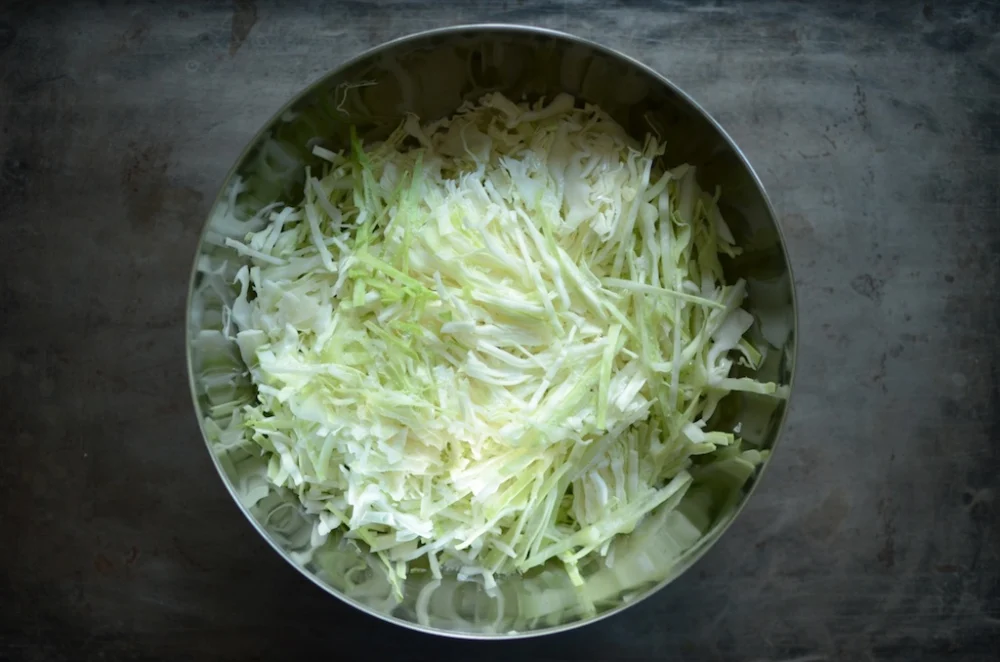
- Quick Pickles (Refrigerator Pickles): These are the simplest to execute, requiring vegetables to be submerged in a brine and stored in the refrigerator. While they offer immediate gratification and vibrant flavors, their shelf life is limited, typically a few weeks to a couple of months, and they do not require heat processing. An example highlighted by the challenge organizer is "Health Salad," an East Coast deli staple featuring quickly pickled sweet and sour cabbage, demonstrating the simplicity and delicious outcomes of this method.
- Water-Bath Canning Pickles: For shelf-stable pickled products, a boiling water bath canner is employed. This method involves processing jars of pickled vegetables in boiling water for a specified duration, creating a vacuum seal that prevents spoilage. It is crucial for recipes used in water-bath canning to maintain a high acidity level (vinegar diluted by no more than half) and typically include salt to ensure proper penetration of the acidic solution and food safety. This method is suitable for high-acid foods and acidified foods, making it ideal for many pickled brassicas and root vegetables like pickled carrots, dilly beans (if considering a broader context), or various relishes.
Fermentation: This ancient technique utilizes beneficial microorganisms (bacteria, yeasts) to convert carbohydrates into acids, gases, or alcohol, thereby preserving the food and often enhancing its nutritional value and digestibility.
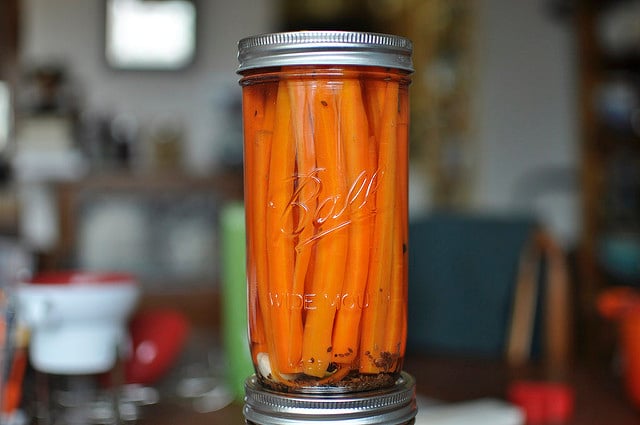
- Lacto-Fermentation: For vegetables, lacto-fermentation is common, where lactic acid bacteria convert sugars into lactic acid, creating a tangy, complex flavor. Examples include sauerkraut (fermented cabbage), kimchi (a Korean fermented vegetable dish often featuring cabbage and radishes), and various fermented root vegetable sticks. The challenge encourages participants to explore recipes like "Spicy Fermented Carrots" or "Kimchi-Style Fermented Turnips," showcasing the versatility of fermentation for these crops. Fermented foods are known for their probiotic benefits, contributing to gut health.
Pressure Canning: This is the only safe method for preserving low-acid foods, which include most vegetables, meats, and poultry.
- Safety and Efficacy: Pressure canning uses elevated temperatures, achieved by steam under pressure, to destroy Clostridium botulinum spores, which can thrive in low-acid, anaerobic environments and produce a deadly toxin. Brassicas and root vegetables, being low-acid, require pressure canning if aiming for a shelf-stable product beyond pickling or fermentation. This method allows for preserving plain vegetables like carrots, beets, or green beans for use in future meals, effectively extending the harvest season indefinitely. The challenge emphasizes adherence to tested, approved recipes, typically from reputable sources like the National Center for Home Food Preservation (NCHFP) or USDA guidelines, to ensure food safety.
Nutritional and Economic Benefits of Preserving Brassicas and Root Vegetables
Preserving brassicas and root vegetables offers significant nutritional and economic advantages.
- Nutritional Value: Brassicas are renowned for their high content of vitamins C and K, fiber, and potent antioxidants, including sulforaphane, which has been linked to various health benefits. Root vegetables are typically rich in vitamins (e.g., Vitamin A in carrots, Vitamin C in potatoes), minerals, and dietary fiber. Preservation methods, particularly fermentation, can sometimes even enhance nutrient bioavailability or introduce beneficial probiotics. By preserving these vegetables, individuals can ensure a consistent supply of nutrient-dense food throughout the year, independent of seasonal availability.
- Economic Savings: Home preservation can lead to substantial cost savings. Buying produce in bulk when it is in season and at its peak freshness and lowest price, then preserving it, is significantly more economical than purchasing out-of-season or processed equivalents from supermarkets. This practice reduces reliance on commercially processed foods, which often carry a higher price tag due to manufacturing, packaging, and distribution costs. A typical family engaging in home preservation can save hundreds of dollars annually on their grocery bills.
- Food Waste Reduction: Globally, food waste is a major environmental and economic concern. Home preservation directly addresses this by allowing individuals to process surplus produce from gardens, farmers’ markets, or bulk purchases before it spoils. This minimizes waste at the consumer level, contributing to more sustainable food systems.
Community Engagement and Educational Outreach
The "Community Canning Challenge" is designed to be more than just a recipe-sharing platform; it aims to build a supportive and interactive learning environment. The challenge utilizes digital platforms to facilitate this:

- Substack: The challenge organizer’s Substack channel serves as a central hub for detailed posts, instructional guides, and in-depth discussions related to the monthly themes. The commitment to making all challenge-related content free ensures broad accessibility for all interested participants, removing financial barriers to entry.
- Facebook Group: The dedicated Facebook group acts as a dynamic forum for real-time interaction. Participants can share their progress, post photos of their creations, ask questions, troubleshoot issues, and exchange tips and tricks with fellow canners. This peer-to-peer learning environment is invaluable, allowing both novices and experienced preservers to grow their skills and knowledge. The group fosters a sense of camaraderie and shared purpose, transforming an individual pursuit into a collective journey.
This blend of structured content and interactive community support ensures that participants receive both expert guidance and practical advice from their peers, making the learning process engaging and effective.
Emphasis on Food Safety and Best Practices
A cornerstone of the "Community Canning Challenge," and indeed all home food preservation, is an unwavering commitment to food safety. The organizer consistently reinforces the importance of using tested, reliable recipes and following established guidelines.
- Reliable Sources: Participants are advised to consult resources from institutions like the National Center for Home Food Preservation (NCHFP), university extension services, and USDA guidelines. These organizations provide scientifically validated methods and recipes designed to minimize the risk of foodborne illnesses.
- Recipe Modifications: While encouraging creativity, the challenge explicitly cautions against arbitrary modifications to tested canning recipes, especially those involving water bath or pressure canning. Altering the acid-to-vegetable ratio in pickles, reducing processing times, or omitting salt (when specified for safety) can compromise the safety and shelf stability of the preserved food. The advice to ensure vinegar is not diluted by more than half and that salt is included (for proper penetration in processed pickles) is a critical safety directive.
- Equipment and Technique: Proper use of canning equipment, including functional pressure canners and water bath canners, along with correct jar preparation and sealing techniques, is also implicitly emphasized as crucial for successful and safe preservation.
By prioritizing safety, the "Community Canning Challenge" empowers participants to confidently engage in home preservation, knowing they are producing wholesome, safe foods for themselves and their families.

Broader Impact and Implications
The "Community Canning Challenge" contributes to several broader societal trends and impacts:
- Skill Development: It serves as a valuable platform for developing practical life skills, moving beyond theoretical knowledge to hands-on application. This directly addresses a growing interest in traditional crafts and self-sufficiency.
- Environmental Stewardship: By promoting local food consumption, reducing food waste, and encouraging sustainable practices, the challenge indirectly contributes to environmental stewardship.
- Community Building: In an increasingly digitized world, the challenge creates genuine connections among individuals who share a common interest, fostering a sense of community and mutual support that transcends geographical boundaries.
- Empowerment: Learning to preserve food provides a sense of empowerment, giving individuals greater control over their food supply and the quality of what they consume. This can be particularly impactful in times of economic uncertainty or supply chain disruptions.
The March focus on brassicas and root vegetables represents an accessible yet enriching entry point into the world of home food preservation. By combining practical guidance with a supportive community and a strong emphasis on safety, the "Community Canning Challenge" is poised to educate and inspire a new generation of home preservers, contributing to more resilient, sustainable, and connected communities.