
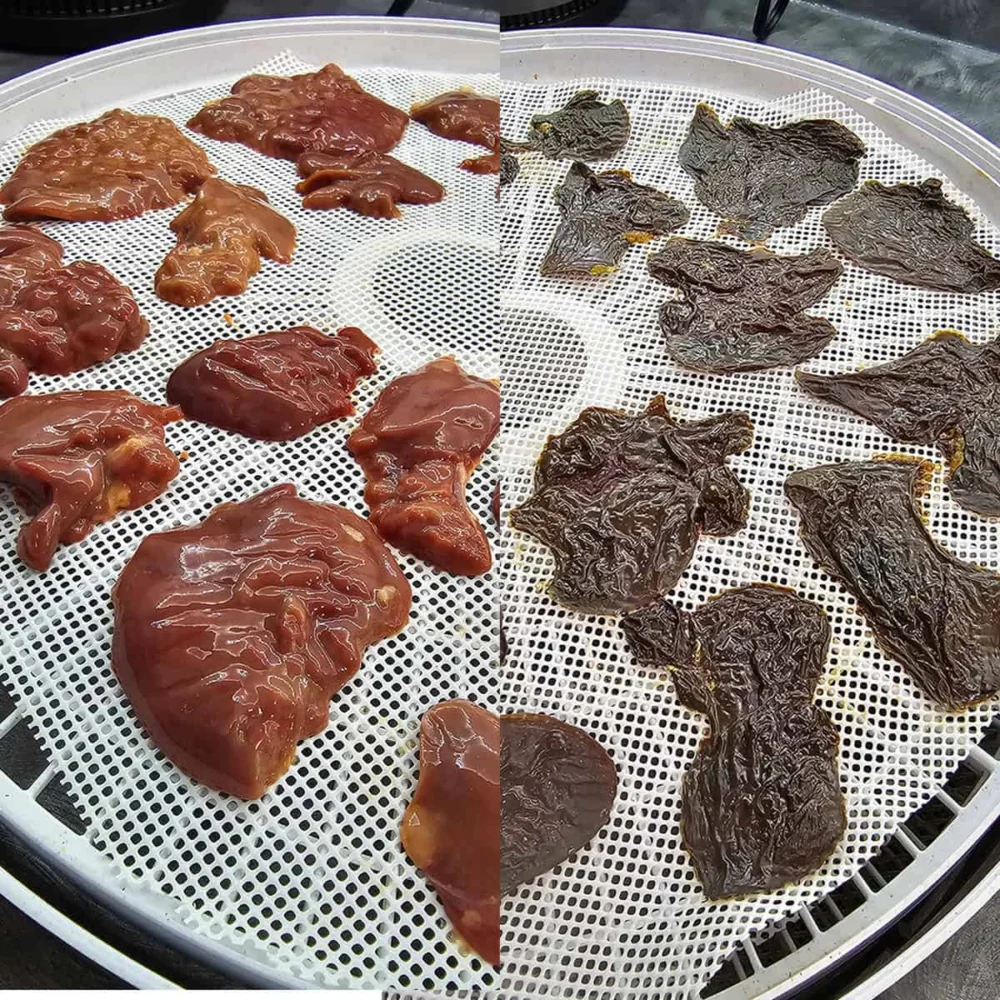
The growing trend of home-prepared pet nutrition has reached a new milestone as pet owners increasingly turn to dehydration as a method for creating high-value training rewards. By utilizing standard grocery store ingredients, such as chicken livers, enthusiasts are bypassing the high premiums and preservative-heavy profiles of commercial "jerky" products. This shift toward DIY preservation, championed by food preservation experts like Darcy Baldwin of The Purposeful Pantry, highlights a broader movement toward transparency in the pet food industry. Chicken liver, often categorized as a nutritional powerhouse, provides a dense source of protein and essential vitamins, making it an ideal candidate for dehydration. When processed at home, these treats offer a significant reduction in cost while ensuring the absence of artificial additives, glycerin, or high-fructose corn syrup frequently found in mass-marketed pet snacks.
The Nutritional Profile and Health Benefits of Chicken Liver
Chicken liver is recognized by veterinary nutritionists as an "organ meat superfood" for canines. It is exceptionally high in Vitamin A, which supports vision, skin health, and immune function. Additionally, it serves as a potent source of B vitamins, particularly B12 and folate, which are critical for nervous system health and cell regeneration. The mineral content is equally impressive, providing iron for blood health, copper, and zinc.
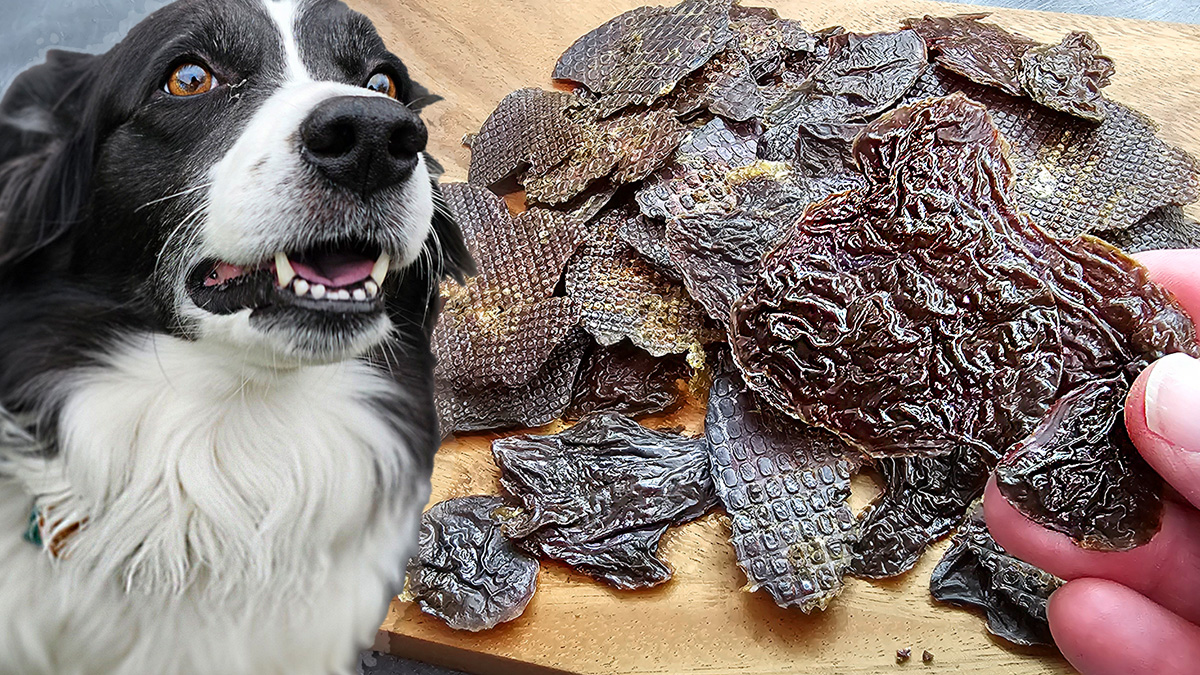
From a macronutrient perspective, dehydrated chicken liver is a protein-dense snack. In its fresh state, chicken liver consists of approximately 18% to 20% protein; however, once the moisture is removed through dehydration, the protein concentration increases significantly relative to weight. According to nutritional estimations, a serving of two pieces of these treats contains approximately 15 grams of protein and 105 calories. While highly nutritious, experts advise that organ meats should constitute no more than 5% to 10% of a dog’s total caloric intake to prevent Vitamin A toxicity—a condition known as hypervitaminosis A—and to maintain a balanced phosphorus-to-calcium ratio.
Chronology of the Dehydration Process
The production of dehydrated chicken liver treats involves a systematic timeline that ensures both safety and palatability. The process begins with the procurement of raw materials, typically chicken livers sold in tubs at local supermarkets or organic livers sourced from local farms.
- Preparation Phase (30–60 minutes): The raw livers are rinsed and patted dry. To ensure even dehydration, the livers are sliced into uniform pieces. While some choose to leave them whole for larger dogs, thinner slices (approximately 1/4 inch) reduce processing time and result in a crispier texture.
- Arrangement and Loading (15 minutes): The pieces are laid out on dehydrator trays or baking sheets. It is critical to ensure that pieces do not overlap, as airflow is the primary mechanism for moisture removal.
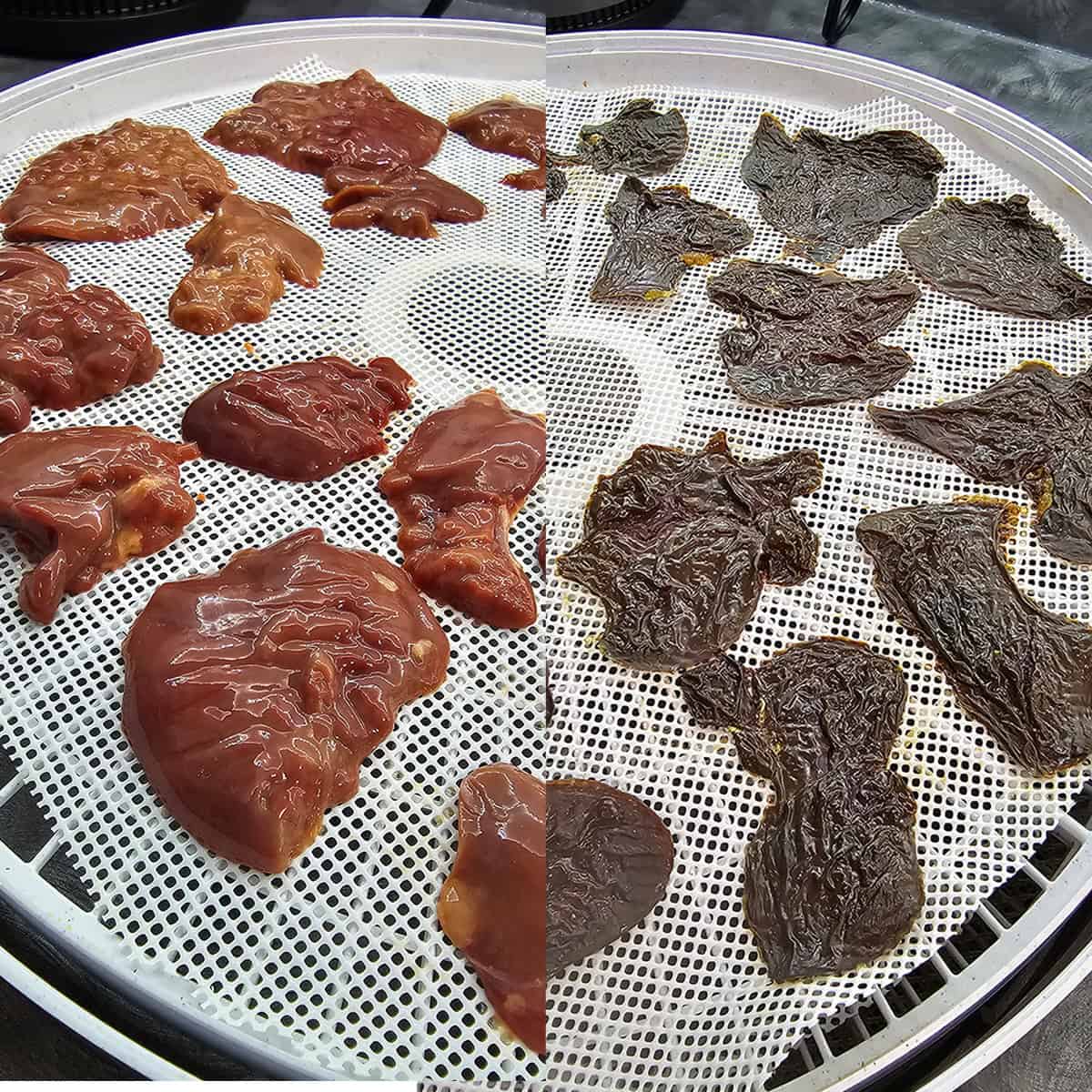
- The Dehydration Cycle (8–12 hours): In a dedicated dehydrator, the units are set to 160°F (71°C). This temperature is the safety standard for meat products, as it is high enough to kill potential pathogens like Salmonella and E. coli while slowly extracting water.
- The Oven Alternative (4–6 hours): For those without specialized equipment, an oven set to its lowest temperature (typically 170°F or 200°F) can be used. This method requires closer monitoring and the use of a wire rack over a baking sheet to facilitate air circulation.
- Cooling and Assessment (1 hour): Once the treats are "snappy" and show no visible moisture when broken, they must be cooled completely. Packaging warm treats leads to condensation, which invites mold growth.
Comparative Economic Analysis: DIY vs. Commercial Products
The financial implications of home-dehydrating chicken liver are substantial. On average, a pound of raw chicken liver costs between $1.50 and $3.00 at a standard U.S. grocery store. Once dehydrated, one pound of raw liver yields approximately 4 to 5 ounces of jerky. This results in a final cost of roughly $0.40 to $0.75 per ounce.
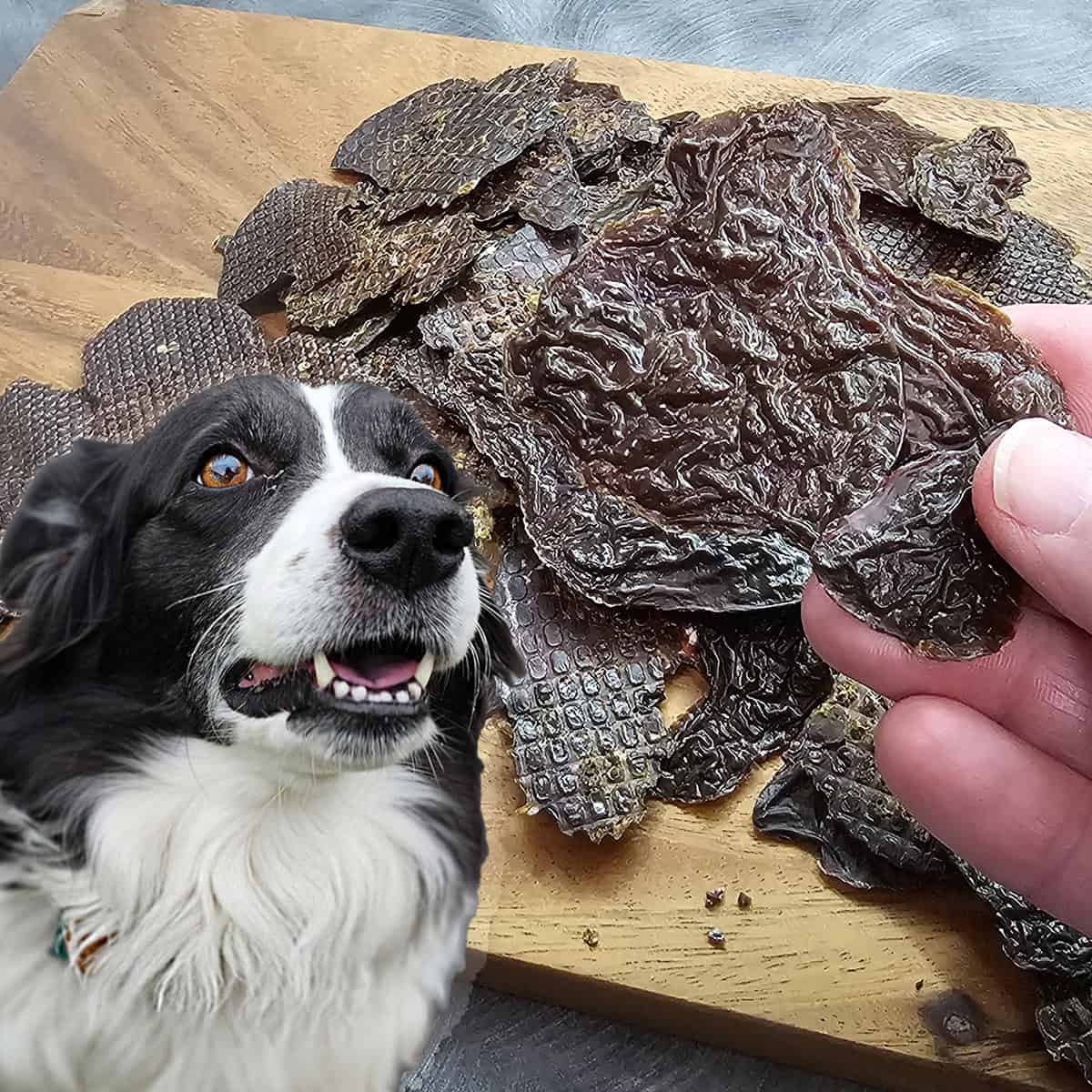
In contrast, premium commercial "freeze-dried" or "dehydrated" liver treats often retail between $2.50 and $5.00 per ounce. By producing these treats at home, pet owners can realize a cost savings of 70% to 85%. For owners of multiple dogs or those engaged in intensive training programs where high-value rewards are used frequently, these savings can amount to hundreds of dollars annually. Furthermore, the DIY approach allows for "bulk processing," where large quantities are prepared and frozen for long-term use, further optimizing the price-per-unit.
Safety Protocols and Pathogen Control
A primary concern in the preparation of raw meat treats is the management of foodborne illnesses. The USDA Food Safety and Inspection Service (FSIS) recommends that meat jerky be heated to an internal temperature of 160°F to ensure the destruction of harmful bacteria. Dehydrators that lack adjustable temperature controls or fail to reach this threshold may pose a risk.
Journalistic analysis of the DIY pet food trend suggests that the most common failure point is "case hardening." This occurs when meat is dried at a temperature that is too high, causing the exterior to harden and trap moisture inside. To mitigate this, practitioners are encouraged to use a consistent, low-heat airflow. Additionally, the use of parchment paper or silicone mats can prevent sticking, but it may also impede airflow if the trays are not properly vented. For maximum safety, many home processors choose to blanch the livers in boiling water for 60 seconds prior to dehydration to reduce surface bacteria without fully cooking the organ.
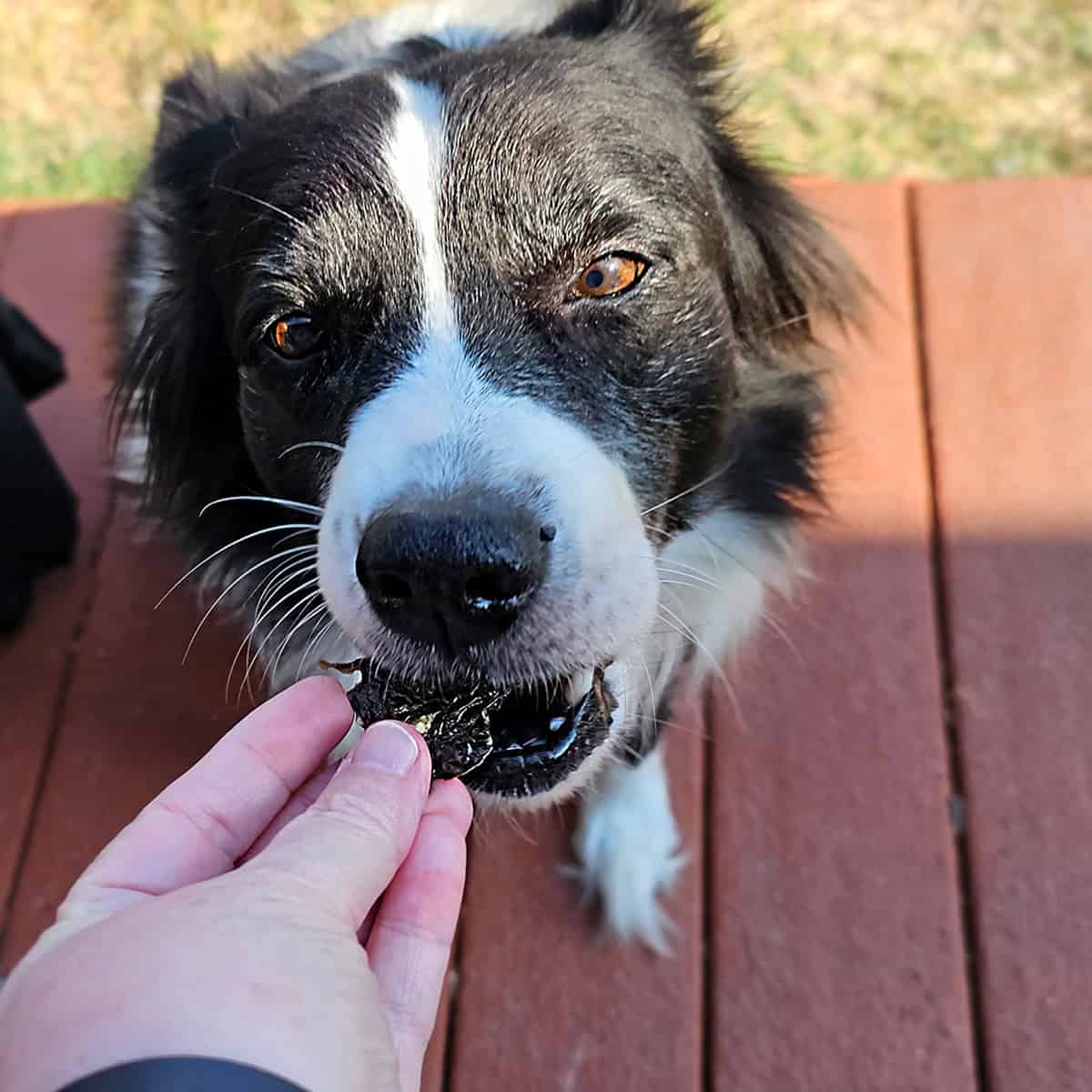
Storage, Preservation, and Shelf-Life
The longevity of dehydrated treats is entirely dependent on the residual moisture content and storage environment. Because these treats do not contain the chemical humectants (like vegetable glycerin) used in commercial products to keep them soft, they will be naturally harder and more brittle.
- Short-term storage: Treats kept in an airtight container at room temperature generally remain shelf-stable for 1 to 2 weeks, provided they were dried to a "crisp" state.
- Refrigeration: Storing the treats in the refrigerator extends the lifespan to 3–4 weeks.
- Freezing: For long-term preservation, dehydrated liver treats can be frozen for up to 6 months. This is the preferred method for many, as it prevents any risk of rancidity in the small amounts of fat present in the liver.
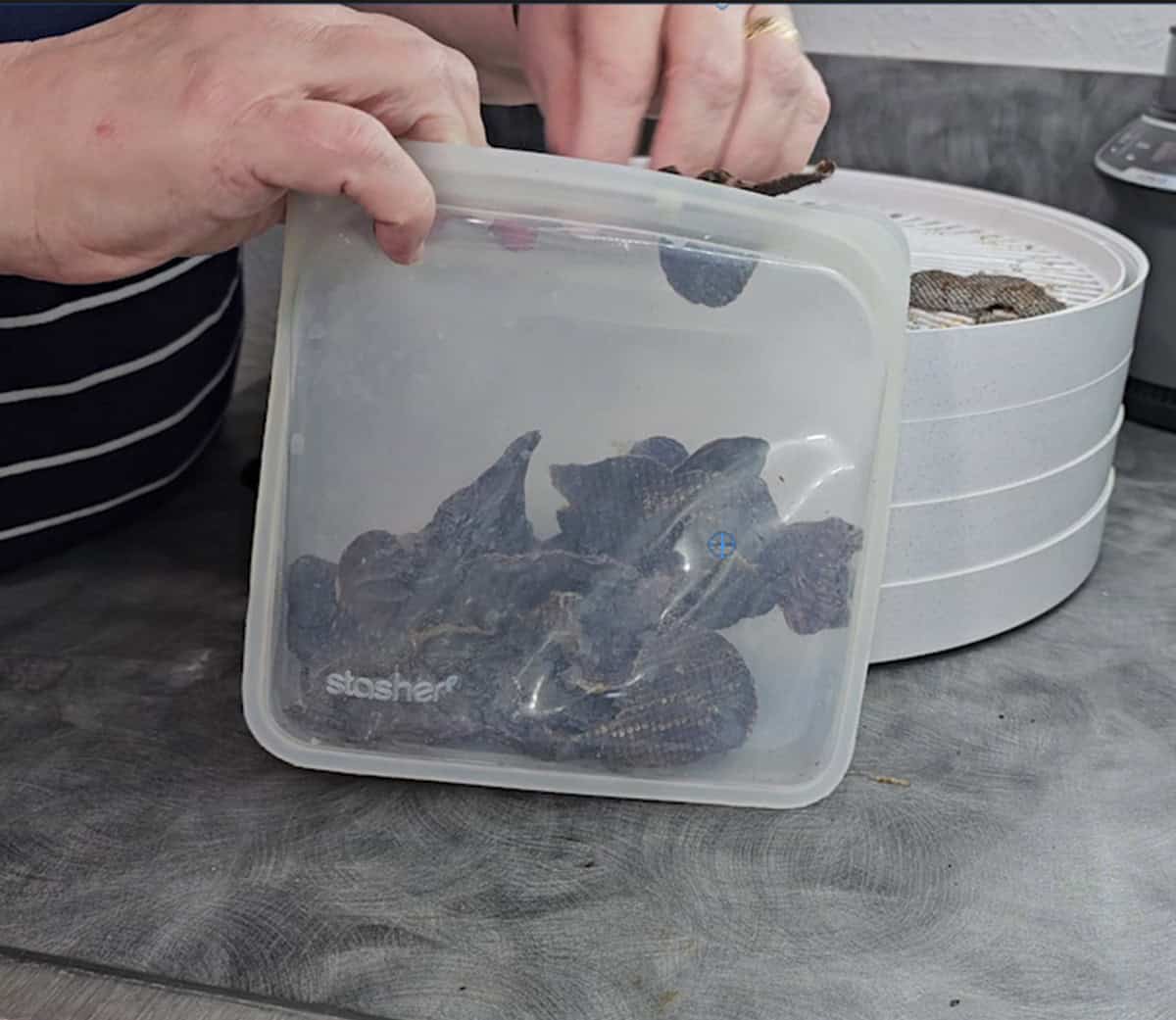
Experts recommend using reusable silicone bags or glass jars for storage. The addition of a food-grade oxygen absorber or desiccant pack can further extend freshness by maintaining a low-moisture environment.
Broader Implications of the "Clean Label" Movement in Pet Care
The rise of recipes like dehydrated chicken liver jerky is symptomatic of a larger shift in consumer behavior. Following several high-profile pet food recalls over the last two decades, particularly those involving imported jerky treats, a significant segment of the pet-owning population has become skeptical of commercial supply chains.
This movement, often referred to as the "Humanization of Pets," involves owners applying the same nutritional standards to their animals as they do to themselves. The demand for "clean label" products—those with minimal, recognizable ingredients—has outpaced the ability of some manufacturers to provide affordable options. Consequently, the "Purposeful Pantry" model of home preservation has moved from a niche hobby to a mainstream survival and budgeting strategy.
The implications for the pet industry are twofold. First, there is an increased pressure on manufacturers to eliminate fillers and provide single-ingredient options. Second, the sales of home appliances, specifically food dehydrators and vacuum sealers, have seen a correlated increase as pet owners invest in the infrastructure of home food production.
Final Considerations for Pet Owners
While the benefits of DIY dehydrated chicken liver treats are clear, responsible ownership requires a balanced approach. Veterinary professionals remind owners that treats should never replace a nutritionally complete and balanced diet. Because liver is so palatable—often referred to as "dog candy"—it can lead to "finicky" eating habits if overused.
For those looking to diversify their offerings, chicken liver jerky can be integrated into a rotation of other homemade snacks, such as dehydrated chicken breast or sweet potato chews. This variety ensures a broader spectrum of nutrients and prevents the caloric imbalances associated with over-reliance on a single organ meat. As the DIY trend continues to evolve, the intersection of food preservation science and pet health remains a vital area of interest for consumers seeking to provide the best possible care for their canine companions.


