

The global personal care industry is currently undergoing a significant paradigm shift as consumers increasingly reject synthetic materials in favor of biodegradable alternatives. Central to this transition is the emergence of the konjac sponge, a plant-based exfoliant that offers a sustainable solution to the environmental hazards posed by traditional plastic mesh poufs. As the "everything shower" trend continues to dominate social media—often encouraging the use of over a dozen specialized products—environmental advocates and sustainable brands like Casamera are highlighting the necessity of streamlining hygiene routines with materials that do not contribute to the global plastic crisis.
The Science and Origin of the Konjac Sponge
The konjac sponge is derived from the root of the Amorphophallus konjac plant, a perennial tuber native to East and Southeast Asia. Known colloquially as "elephant yam" or "konnyaku," the plant has been utilized in Japanese and Korean cultures for over 1,500 years, originally as a medicinal food source and later as a gentle cleansing tool for infants.
The transformation from a root vegetable to a skincare tool involves a sophisticated extraction process. The primary component of the konjac root is glucomannan, a water-soluble dietary fiber. To create the sponges, manufacturers harvest the tubers and extract the glucomannan powder, which is then mixed with water and natural mineral additives. This slurry is poured into molds and subjected to a steaming process that solidifies the fiber into a porous, stable structure.
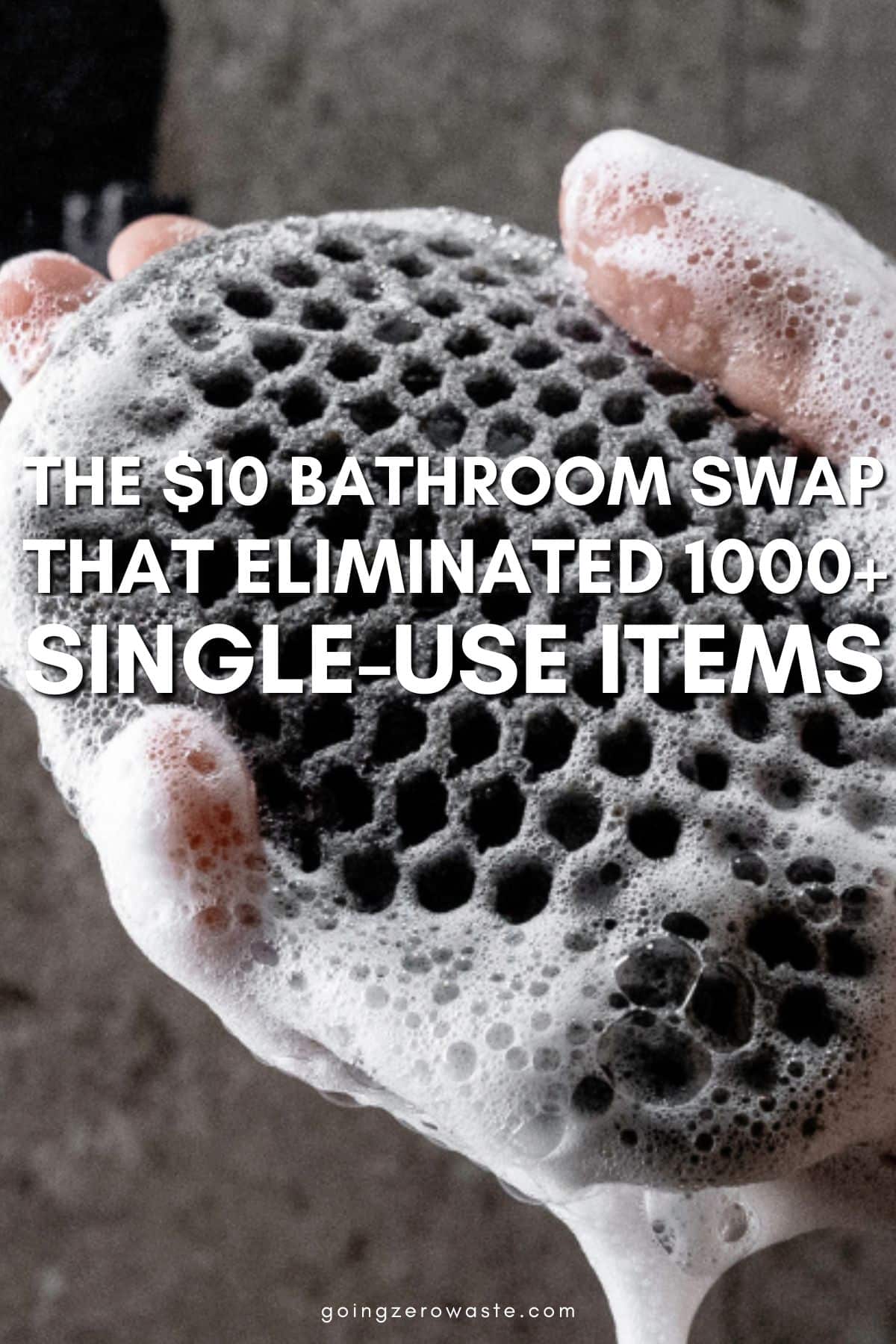
Unlike synthetic sponges, the resulting product is naturally alkaline, which helps balance the acidity of human skin. Brands such as Casamera have refined this traditional process by introducing specific infusions tailored to dermatological needs. These include activated charcoal for sebum control in acne-prone skin, volcanic mud for deep pore cleansing, and matcha for antioxidant benefits.
The Environmental Imperative: Moving Beyond Plastic Poufs
The push toward konjac sponges is driven largely by the staggering environmental footprint of conventional plastic shower poufs. Most mass-market poufs are manufactured from non-recyclable polyethylene mesh. Because these items are designed for use in humid environments, they frequently harbor bacteria and mold, leading dermatologists to recommend their replacement every few weeks.
The environmental implications of this replacement cycle are profound:
- Landfill Accumulation: Millions of plastic poufs are discarded annually. As non-biodegradable items, they persist in landfills for centuries, eventually breaking down into microplastics.
- Microplastic Shedding: During use, friction causes synthetic mesh to shed microscopic plastic fibers. These particles enter the domestic wastewater stream, bypassing most municipal filtration systems and ultimately polluting marine ecosystems.
- Chemical Leaching: Some low-grade plastics used in personal care tools may contain phthalates or other chemical additives that can leach into the water or be absorbed by the skin during hot showers.
In contrast, konjac sponges represent a circular economy model. Being 100% plant-based, they are fully compostable at the end of their lifecycle. Data from environmental impact studies suggest that replacing a single plastic pouf with a natural sponge can prevent the introduction of thousands of microplastic particles into the ocean over the course of a year.
Comparative Analysis: Konjac Sponges vs. Single-Use Face Wipes
The sustainability debate extends beyond the shower to the vanity, where single-use makeup wipes remain a major source of pollution. While convenient, most face wipes are composed of a blend of polyester and polypropylene, making them virtually indestructible in the environment.
A significant issue highlighted by municipal water authorities is the formation of "fatbergs"—massive, solidified blockages in urban sewer systems. Fatbergs are created when non-biodegradable items, such as wet wipes and synthetic sponges, bind with fats, oils, and grease (FOG) in the pipes. These blockages cost cities millions of dollars in annual maintenance and can lead to catastrophic sewage backups in residential areas.
Konjac sponges provide a reusable and biodegradable alternative to these wipes. Because the glucomannan fiber becomes exceptionally soft when hydrated, it can remove makeup and surface impurities without the need for the harsh chemical surfactants often found in pre-moistened wipes. Furthermore, the antimicrobial properties of konjac—particularly when infused with charcoal or peppermint—allow the sponges to remain hygienic for longer periods without the use of synthetic preservatives.
Manufacturing Innovations and Product Evolution
The evolution of the konjac sponge has seen a transition from simple facial discs to more ergonomic body scrubbers. Casamera has been at the forefront of this design evolution, introducing dual-sided sponges that address both cleansing and intensive exfoliation. One side of the sponge features a soft, honeycomb texture for sensitive areas, while the reverse side is reinforced with ground walnut shells to provide mechanical exfoliation for the body.

The production timeline for these advanced scrubbers involves several quality control stages:
- Infusion: Natural powders (charcoal, matcha, or volcanic mud) are integrated into the glucomannan gel to ensure the active ingredients are distributed throughout the sponge.
- Molding: Ergonomic shapes, including the "OG," "XL," and "Mini" sizes, are cast to fit the contours of the hand and body.
- Stabilization: The steaming and drying process determines the longevity of the sponge; high-quality sponges like those produced by Casamera are designed to maintain their structural integrity for up to three months of daily use.
- Carbon Neutrality: Leading brands are now offsetting the carbon footprint of their manufacturing and shipping processes. Casamera, for instance, maintains a tree-planting initiative to ensure that their operations contribute a net positive impact on the environment.
Dermatological Benefits and Proper Maintenance
From a clinical perspective, konjac sponges offer a unique form of exfoliation. Traditional scrubs often use jagged particles that can cause micro-tears in the skin barrier. Konjac fibers, however, are naturally film-forming when wet, creating a barrier of water between the sponge and the skin. This allows for the removal of dead skin cells and debris with minimal friction, making it suitable for individuals with rosacea, eczema, or sensitive skin.
To maximize the lifespan and hygiene of a konjac sponge, experts recommend a specific maintenance protocol:
- Hydration: The sponge must be fully submerged in warm water until it expands and softens completely before use.
- Cleansing: A small amount of soap or cleanser can be added, though the sponge is effective with water alone.
- Sanitization: Once a week, the sponge should be submerged in boiling water for approximately two minutes to eliminate any deep-seated bacteria.
- Drying: Sponges should be hung in a well-ventilated area away from direct shower spray to dry between uses.
Broader Economic and Industrial Implications
The rise of sustainable personal care tools like the konjac sponge is reflective of a broader economic trend known as "Green Pressure." As regulatory bodies in the European Union and North America move toward banning certain types of single-use plastics and microplastics in cosmetics, companies that have already transitioned to plant-based materials are finding themselves at a competitive advantage.

The shift also impacts the global supply chain. Increased demand for konjac root supports agricultural communities in regions where the plant is indigenous. Furthermore, the reduction in plastic waste provides a tangible decrease in the "externalities" of the beauty industry—costs associated with environmental cleanup and healthcare that are typically borne by the public rather than the manufacturer.
Industry analysts predict that the market for natural bath accessories will continue to grow at a compound annual growth rate (CAGR) of over 5% through 2030. This growth is fueled by a demographic of "conscious consumers" who prioritize transparency, biodegradability, and ethical manufacturing.
Conclusion
The transition from plastic poufs to konjac sponges represents more than a simple change in bathroom decor; it is a vital step toward mitigating the environmental degradation caused by the personal care industry. By utilizing the unique properties of the konjac plant, brands like Casamera are proving that high-performance skincare does not require synthetic materials or excessive waste. As the global community continues to grapple with the realities of plastic pollution and urban infrastructure challenges, the adoption of biodegradable, plant-based tools offers a practical and effective path forward for both individual health and planetary well-being.


