For home bakers seeking to elevate their dessert repertoire, the creation of perfect sugar cookies, once a domain of professional bakeries, is now within reach. A meticulously developed recipe promises cut-out sugar cookies that boast crisp edges and a tender, yielding center. Complementing these delightful cookies is an exceptionally smooth and stable buttercream frosting, designed for effortless piping and intricate decorating, transforming any kitchen into a personal patisserie. This guide delves into the science and art behind achieving bakery-quality results at home, demystifying the process for both novice and experienced bakers.

The Foundation: Crafting the Ideal Sugar Cookie
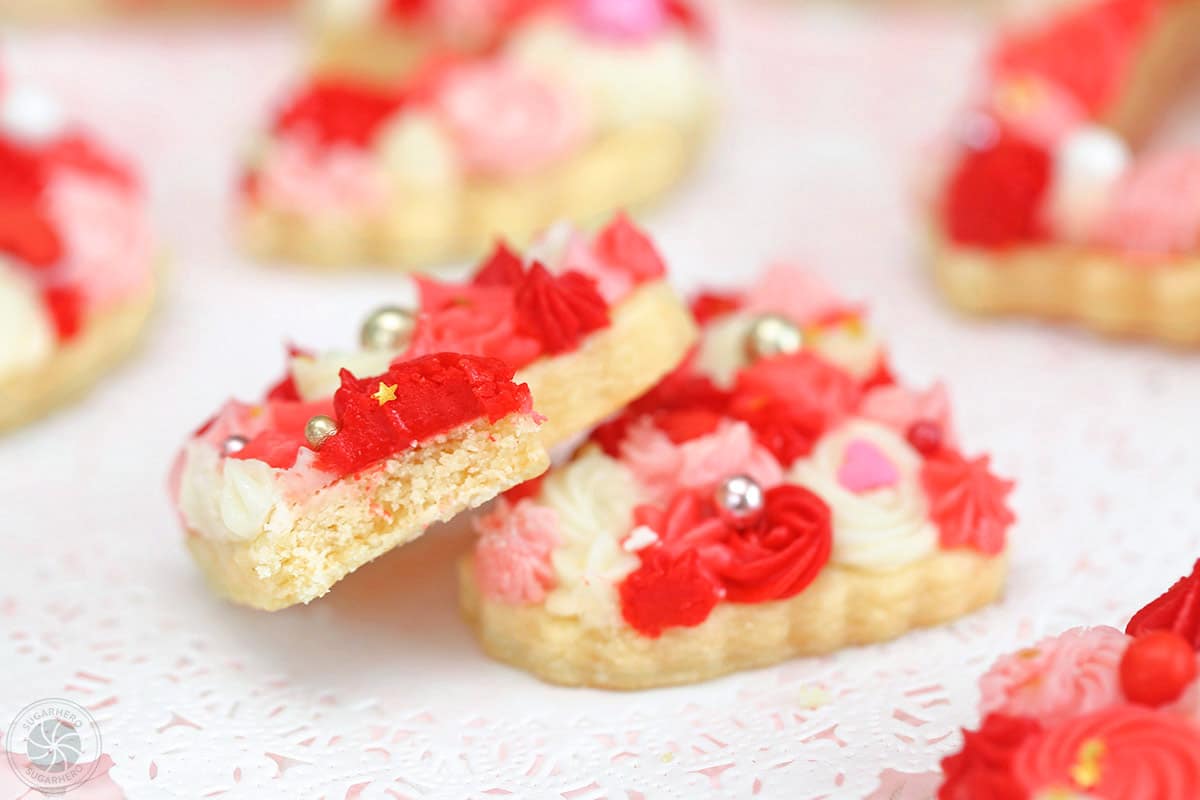
The success of any decorated cookie lies in its base. The featured recipe centers on a foolproof cut-out sugar cookie dough, engineered for optimal structure and flavor. This dough is designed to hold its shape during baking, ensuring that intricate cut-out designs remain intact. The resulting cookies offer a satisfying textural contrast: a delicate crispness around the perimeter gives way to a soft, melt-in-your-mouth interior. This balance is crucial for cookies intended for decorating, as a sturdy yet tender crumb provides the perfect canvas for elaborate frosting designs.
The development of such a recipe often involves extensive testing to determine the ideal ratio of ingredients. Flour, the primary structural component, is carefully measured to prevent toughness. The fat content, typically from butter, contributes to tenderness and flavor, while sugar not only sweetens but also aids in browning and crispness. Leavening agents, such as baking powder or soda, are used judiciously to provide just enough lift without causing the cookies to spread excessively. The chilling period for the dough is also a critical step, allowing the gluten to relax and the fats to solidify, which further enhances the cookie’s ability to maintain its shape. Historical context suggests that early sugar cookie recipes were simpler, often relying on basic ingredients. Modern recipes, however, incorporate refined techniques and precise measurements to achieve superior texture and consistency, a testament to the evolution of baking science.
The Crown Jewel: Mastering Buttercream for Decoration
The accompanying buttercream frosting is an American-style classic, characterized by its simplicity and versatility. Requiring only a handful of common ingredients, it whips up in approximately five minutes, making it an accessible option for bakers of all skill levels. Its primary advantage lies in its stability; it holds its shape beautifully when piped, allowing for detailed designs, sharp lines, and defined borders. This stability is a direct result of the ratio of butter to powdered sugar and the addition of a liquid, such as milk or cream, which, when combined correctly, create a frosting that is both pliable and firm.

The science behind a stable buttercream frosting involves the emulsification of fat and sugar. When butter is creamed with powdered sugar, air is incorporated, creating a light and fluffy texture. The fine granules of powdered sugar dissolve into the butterfat and liquid, forming a smooth paste. The precise amount of liquid is key; too much will result in a runny frosting, while too little can make it stiff and difficult to pipe. The use of room-temperature butter is essential for achieving the right consistency. Butter that is too cold will result in lumps, while butter that is too warm will lead to a greasy, separated frosting. This approach to frosting has become a cornerstone of home decorating, offering a more forgiving alternative to royal icing for certain applications.
Demystifying Piping: A Beginner’s Gateway to Cookie Artistry
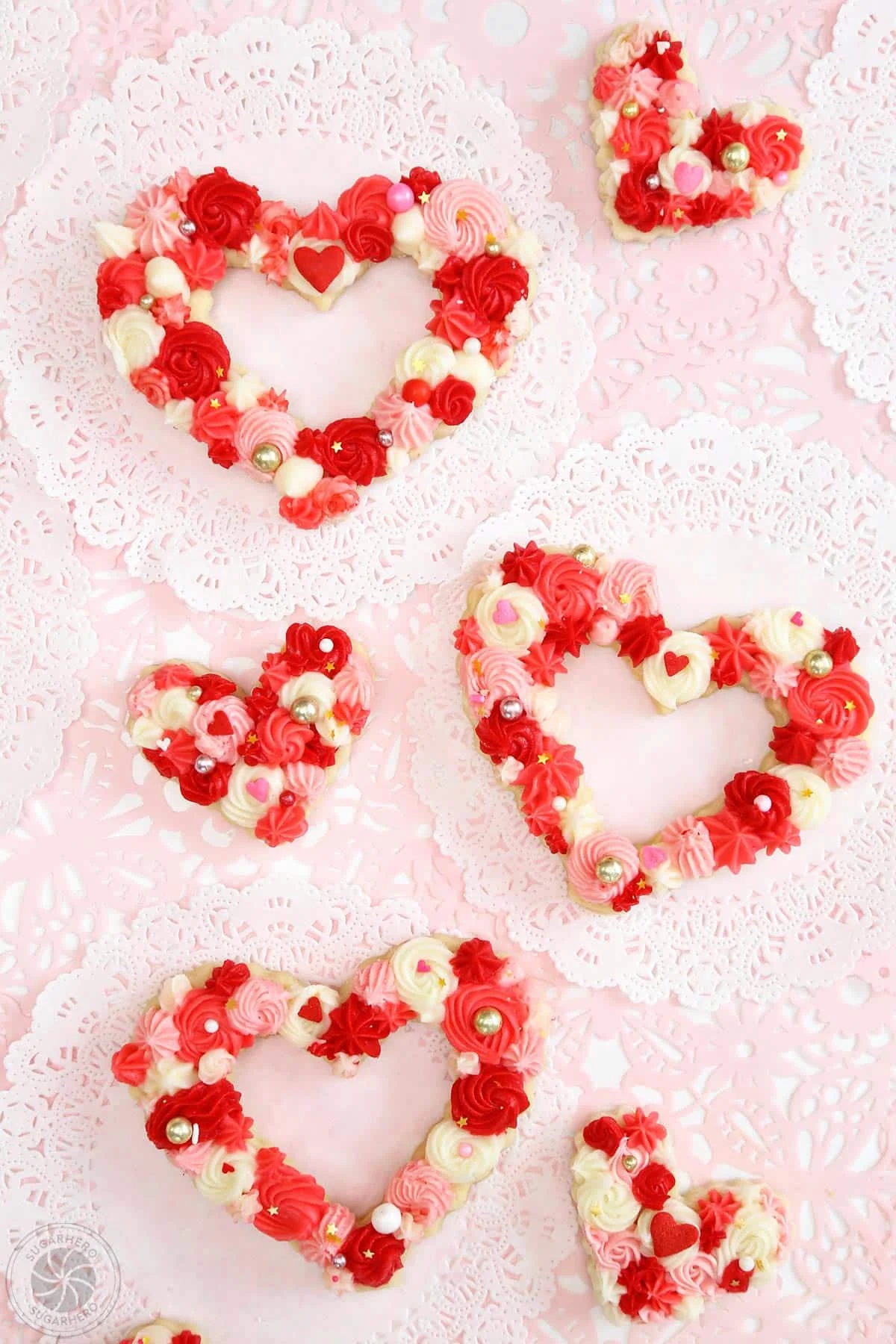
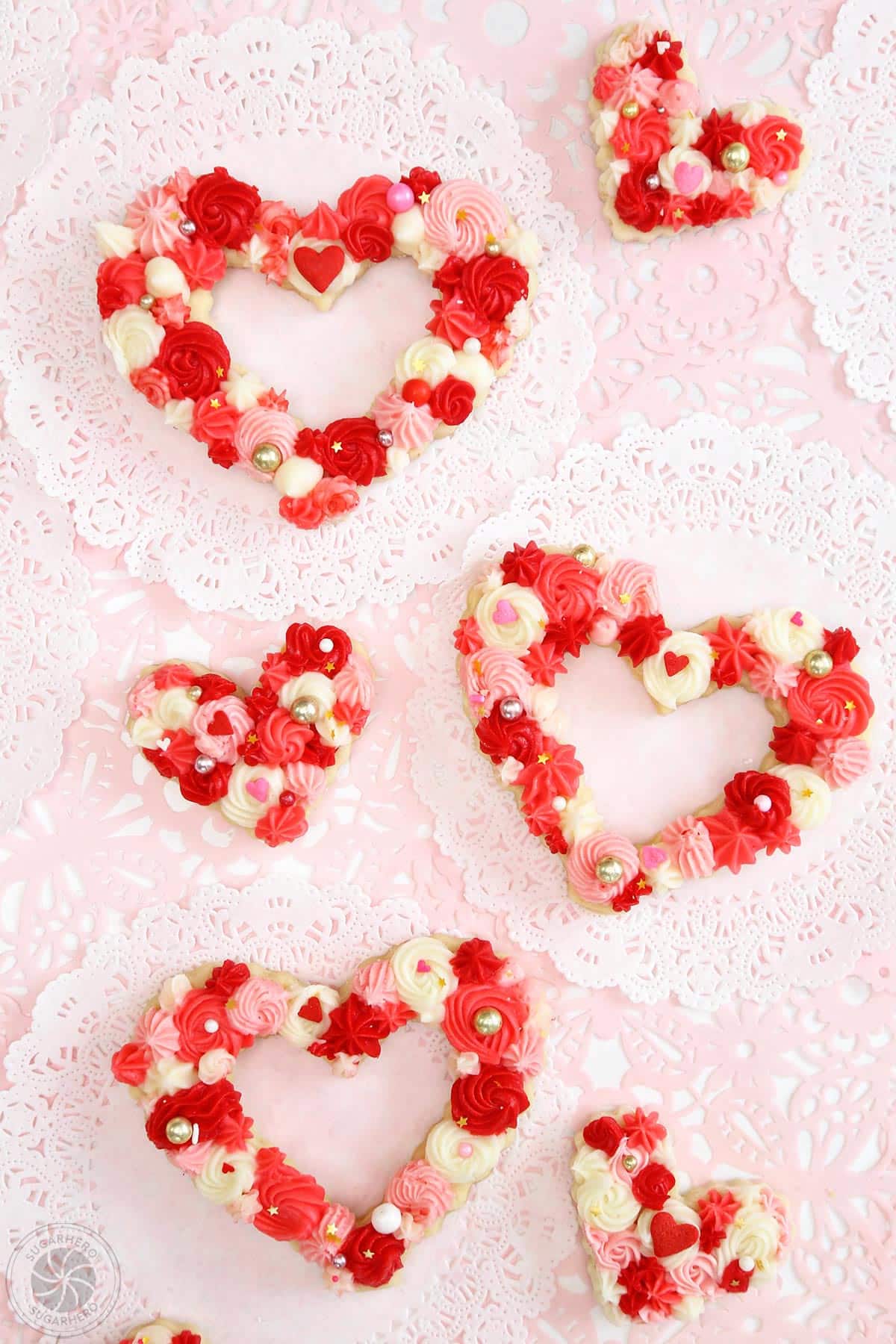
For many home bakers, the act of piping frosting can evoke a sense of apprehension, often likened to facing a culinary challenge. However, this recipe aims to dismantle that fear by presenting a technique that is both forgiving and aesthetically rewarding. By utilizing a variety of frosting tips and a palette of buttercream colors, even novice decorators can achieve professional-looking results. The visual appeal of cookies adorned with intricate piping can be achieved without requiring years of specialized training.
The strategy employed here is to embrace a "beautifully chaotic" approach. Instead of striving for perfect symmetry, the emphasis is on layering and contrasting colors and textures. Using small star tips, bakers can create swirls, dots, and freeform lines of different colored buttercreams, allowing them to overlap and blend organically. This method eliminates the pressure of precision, encouraging creativity and playfulness. The outcome is a visually dynamic and unique cookie, where each imperfection adds to its charm. This philosophy aligns with the broader trend in culinary arts towards celebrating the handmade and the imperfect, making elaborate decorating accessible and enjoyable.
Ingredients and Equipment: The Essential Toolkit
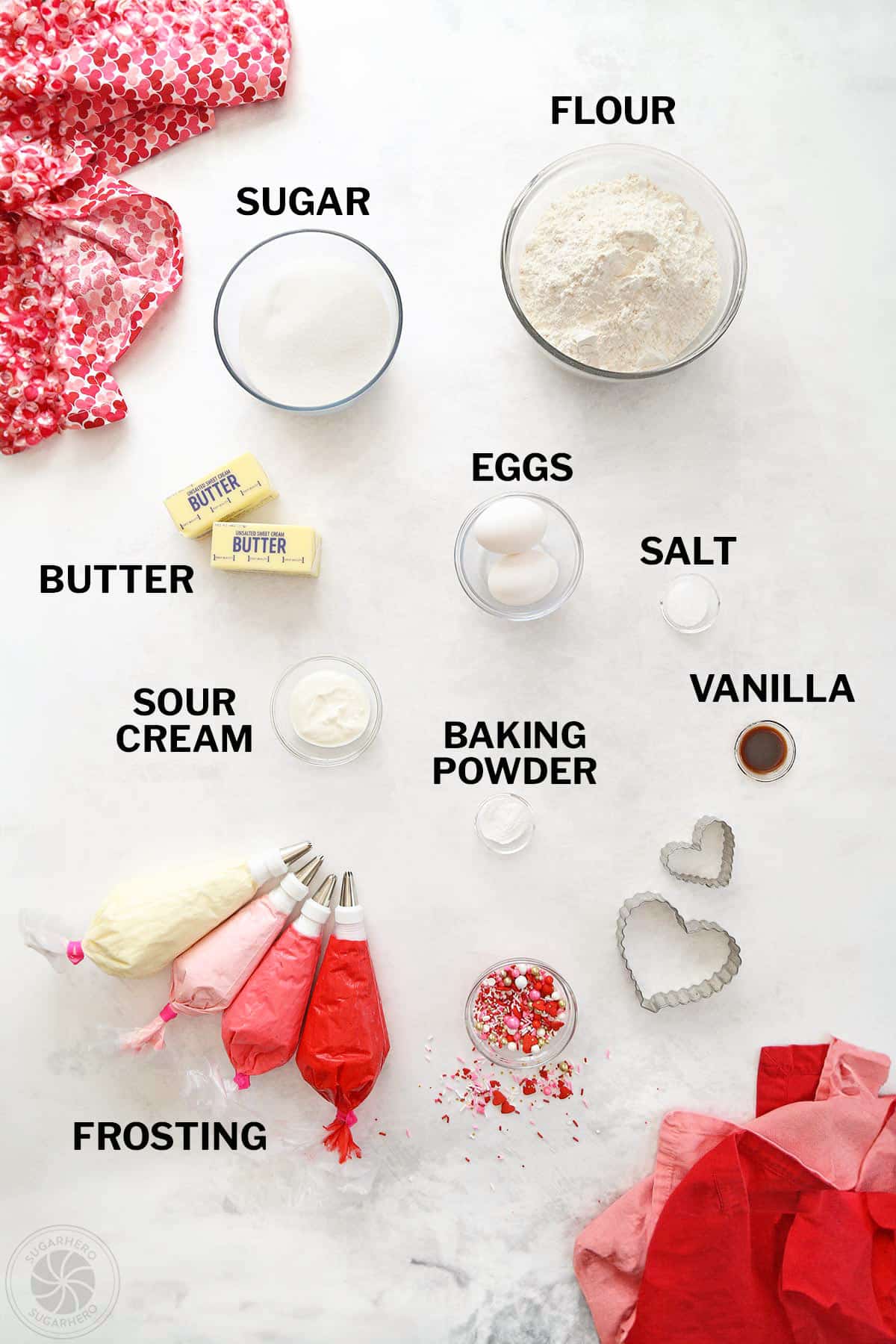
To embark on this baking journey, a curated selection of ingredients and equipment is necessary.
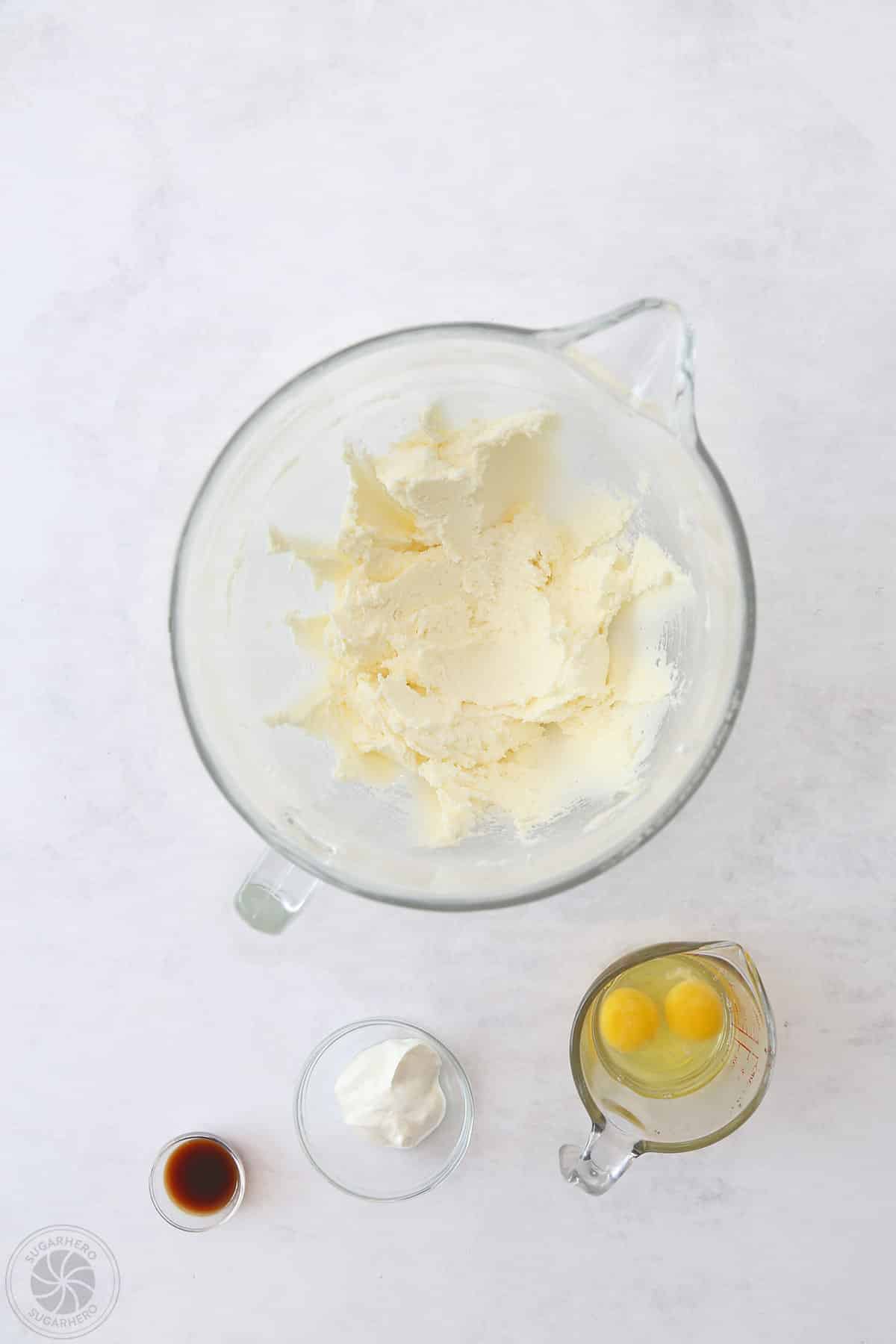
Ingredients for the Sugar Cookies:
- All-purpose flour
- Baking powder
- Salt
- Unsalted butter, softened
- Granulated sugar
- Eggs
- Vanilla extract
- Sour cream or Greek yogurt (for added tenderness)
Ingredients for the Buttercream Frosting:
- Unsalted butter, softened
- Powdered sugar (confectioners’ sugar)
- Milk or heavy cream
- Vanilla extract
- Food coloring (gel or liquid)
Equipment for Success:
- Mixing bowls (various sizes)
- Electric mixer (stand or hand mixer)
- Measuring cups and spoons
- Kitchen scale (highly recommended for accuracy)
- Rolling pin
- Cookie cutters (various shapes)
- Parchment paper
- Baking sheets
- Wire cooling racks
- Piping bags
- Piping tips (small star tips are ideal for this technique)
- Offset spatula (optional, for smoothing frosting if needed)
- Sprinkles (for finishing touches)
The use of a kitchen scale for measuring flour and sugar is a practice often adopted by professional bakers to ensure consistency. The adage that "8 ounces equals 1 cup" is not universally applicable to dry ingredients, as density can vary. Therefore, weighing ingredients provides a more precise measurement, leading to more predictable results in baking. This precision is particularly important for sugar cookies, where the balance of ingredients directly impacts texture and spread.
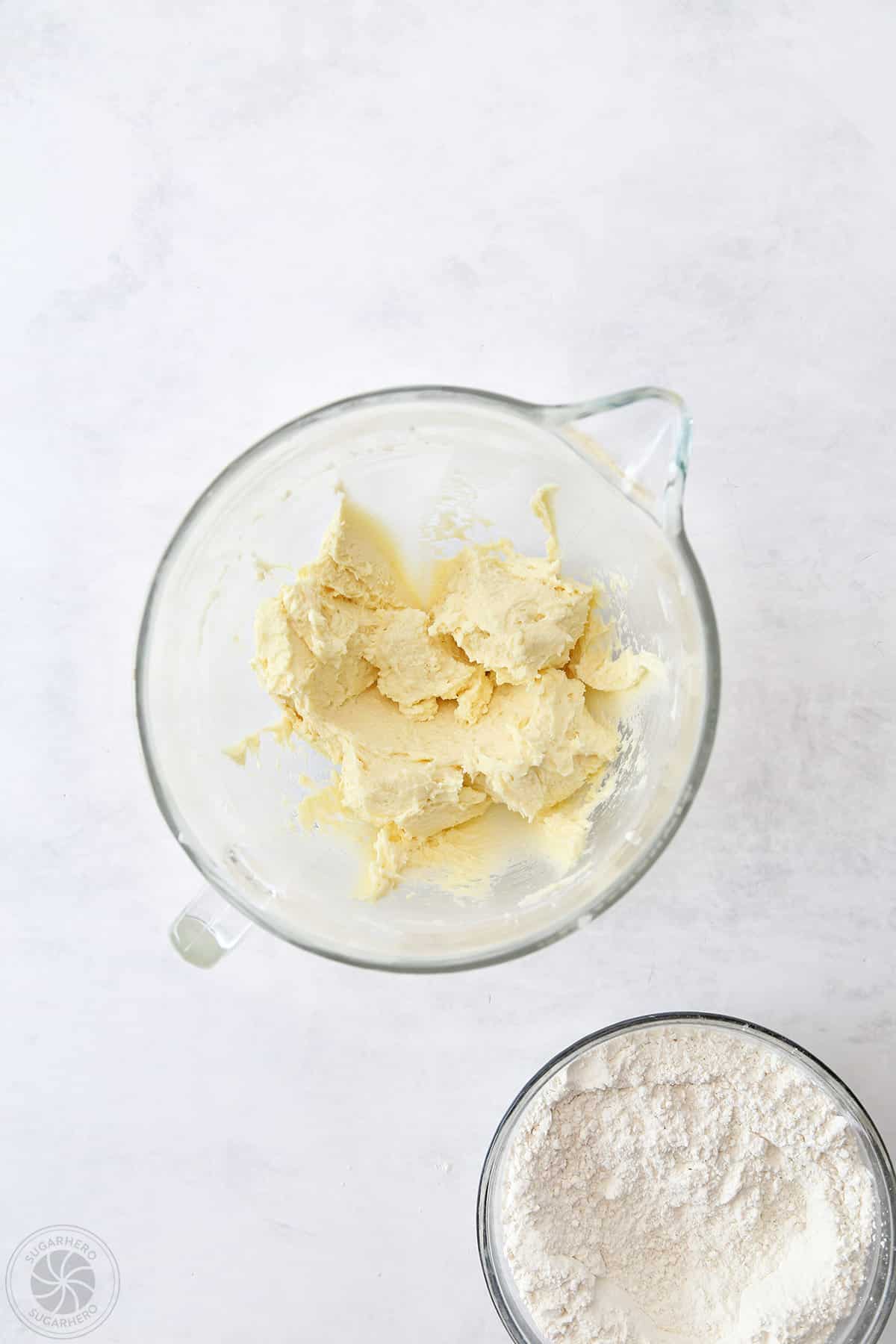
Step-by-Step Culinary Creation
The process of creating these decorative sugar cookies can be broken down into distinct phases: preparing the dough, baking the cookies, making the frosting, and finally, decorating.
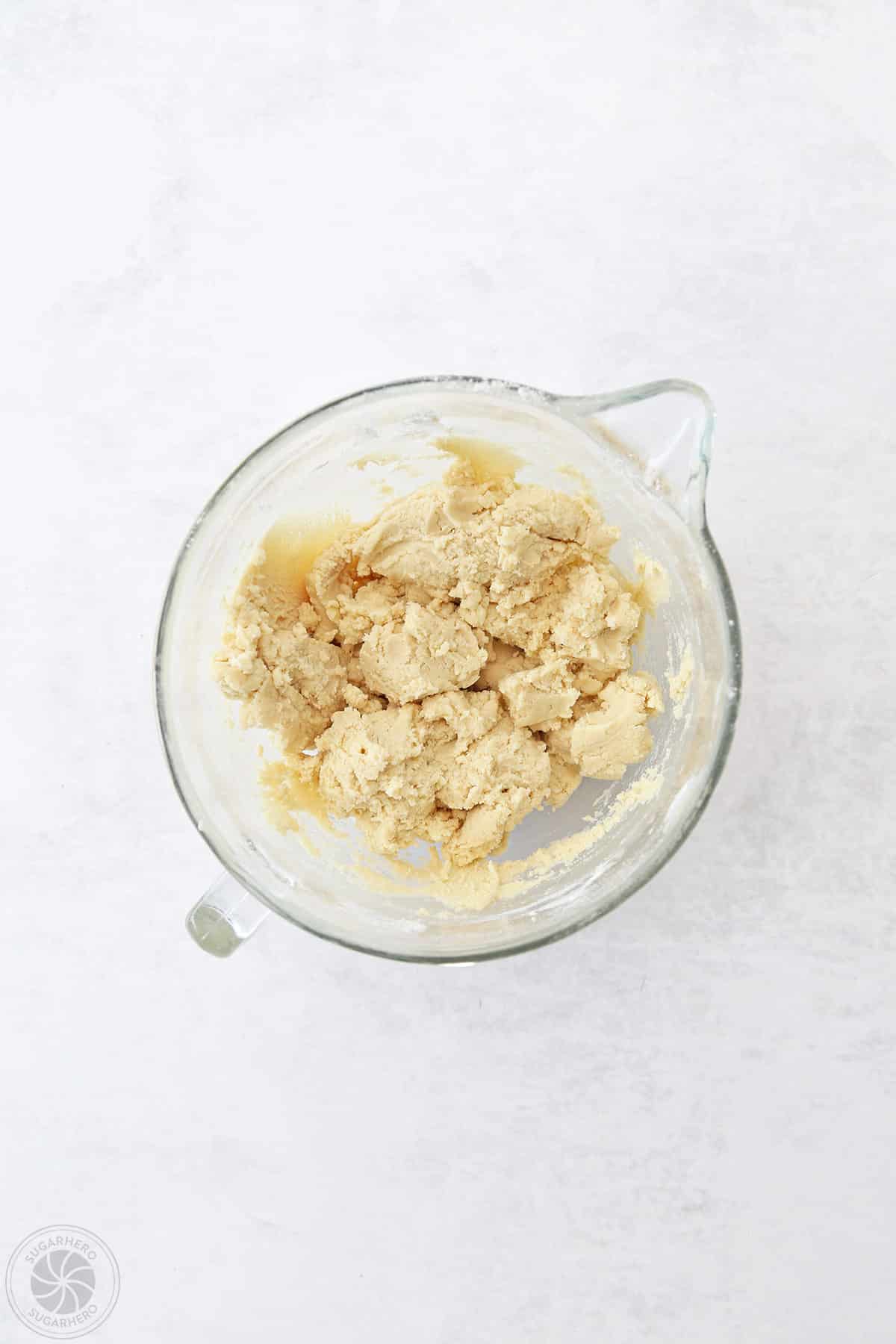
To Make the Sugar Cookies:
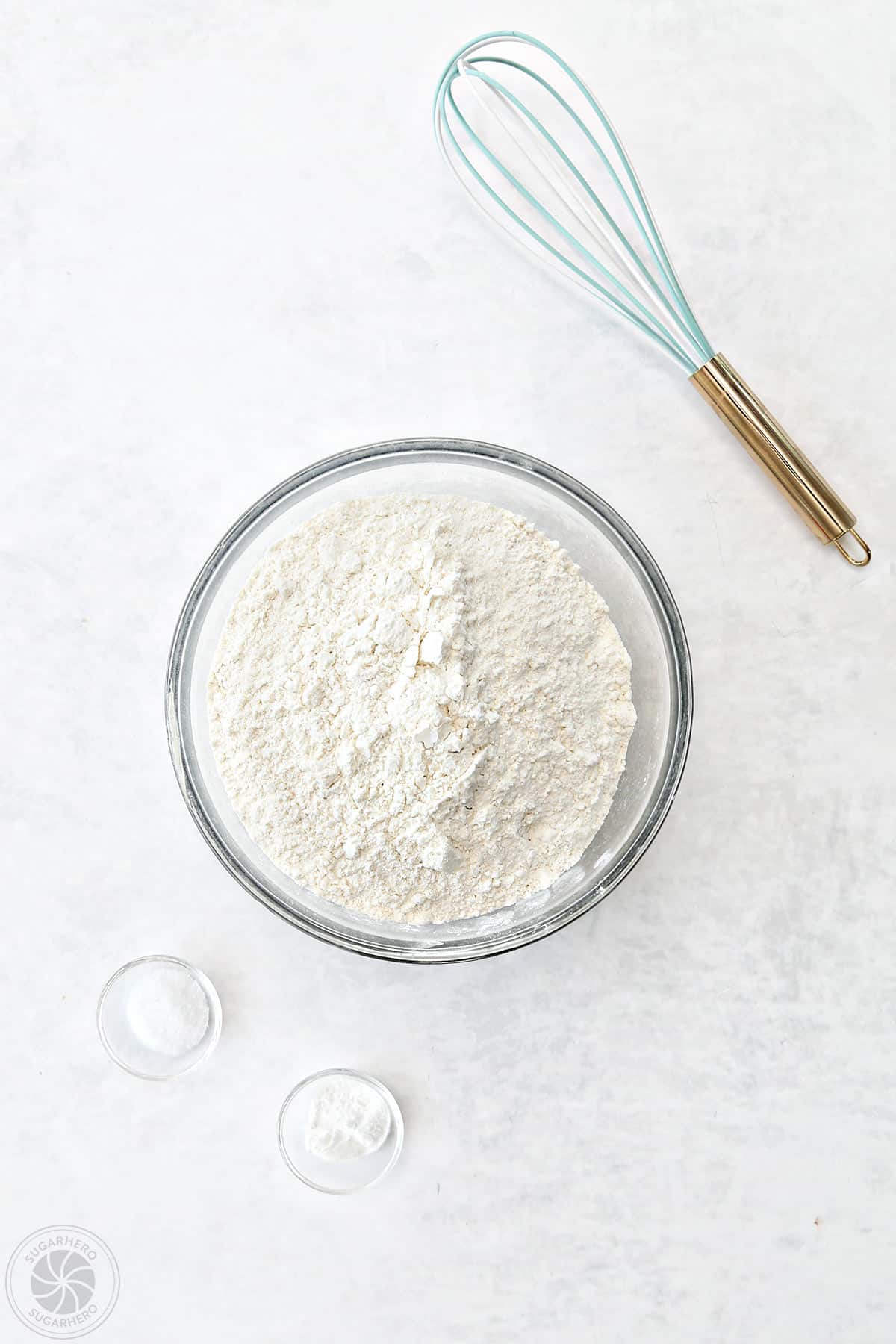
- Combine Dry Ingredients: Whisk together flour, baking powder, and salt in a medium bowl.
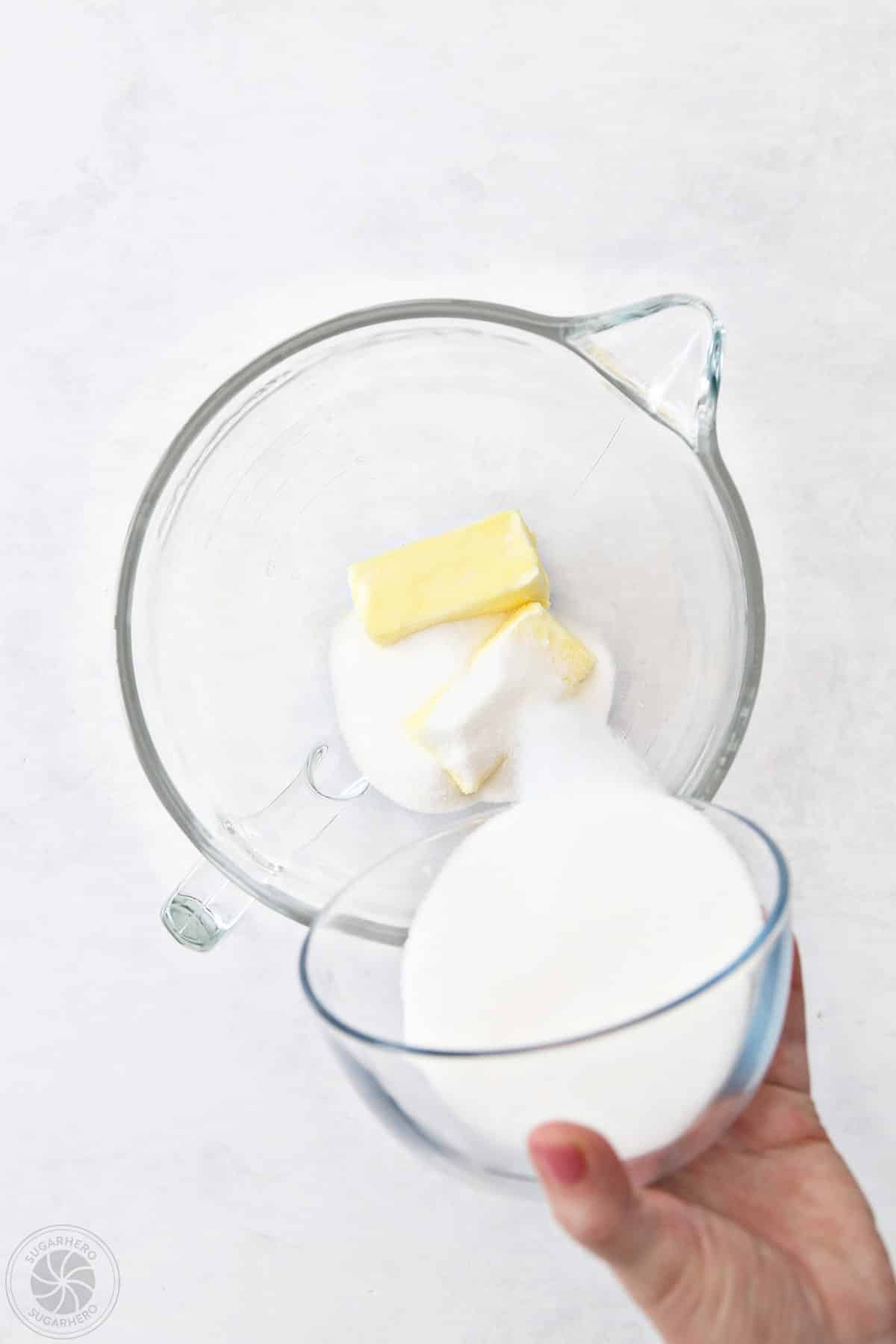
- Cream Butter and Sugar: In a large bowl, beat softened butter and granulated sugar until light and fluffy.
- Incorporate Wet Ingredients: Beat in eggs one at a time, followed by vanilla extract and sour cream.
- Combine Wet and Dry: Gradually add the dry ingredients to the wet ingredients, mixing until just combined. Do not overmix.
- Chill the Dough: Divide the dough into two discs, wrap tightly in plastic wrap, and refrigerate for at least 1 hour, or until firm. This chilling period is crucial for easy handling and shape retention.
- Roll and Cut: Lightly flour a work surface and rolling pin. Roll out one disc of dough to about 1/4-inch thickness. Use cookie cutters to cut out desired shapes.
- Bake: Place cookies on a parchment-lined baking sheet, about 1 inch apart. Bake in a preheated oven at 350°F (175°C) for 8-12 minutes, or until the edges are lightly golden. Baking time will vary depending on cookie size and thickness.
- Cool: Let cookies cool on the baking sheet for a few minutes before transferring them to a wire rack to cool completely.
To Make the Cookie Frosting:
- Cream Butter: In a large bowl, beat softened butter until smooth and creamy.
- Add Powdered Sugar: Gradually add powdered sugar, alternating with milk or cream, beating until smooth and well combined. Start with a smaller amount of liquid and add more as needed to reach desired consistency.
- Incorporate Vanilla: Beat in vanilla extract.
- Color the Frosting: Divide the frosting into separate bowls and add food coloring to achieve desired hues. Gel food coloring is recommended for vibrant colors without altering the frosting’s consistency.
To Decorate the Sugar Cookies:
- Prepare Piping Bags: Fit piping bags with small star tips and fill each bag with a different color of frosting.
- Pipe Designs: Begin piping decorative elements onto the cooled cookies. This can include swirls, dots, rosettes, and freeform lines. Encourage a playful approach, allowing colors to mingle and overlap.
- Add Sprinkles: While the frosting is still wet, sprinkle with decorative elements as desired.
- Allow to Set: Let the decorated cookies sit at room temperature until the frosting has set.
Tips for Cookie Success
Achieving consistent results requires attention to detail and understanding key baking principles.

- Ingredient Temperature: Ensure butter is at the correct temperature (softened but not melted) for creaming. Cold butter will not cream properly, and melted butter will lead to greasy cookies.
- Dough Chilling: Do not skip the chilling step. It is essential for making the dough manageable and preventing cookies from spreading during baking.
- Even Baking: Rotate baking sheets halfway through the baking process to ensure even browning.
- Cooling Time: Allow cookies to cool completely before frosting to prevent the frosting from melting.
- Frosting Consistency: Adjust frosting consistency as needed. If it’s too thick, add a tiny amount of liquid; if it’s too thin, add a bit more powdered sugar.
- Red Frosting: Achieving a vibrant red can be challenging. Using a high-quality gel food coloring and allowing the color to deepen over time can help. Some recipes may also benefit from a touch of cocoa powder to provide a base color that enhances the red.
The art of sugar cookie decorating is a journey of creative expression, offering a delightful way to celebrate holidays, special occasions, or simply to brighten an ordinary day. The combination of a reliable cookie recipe and a stable, easy-to-pipe buttercream frosting empowers bakers to create edible works of art in their own kitchens, proving that bakery-quality treats are not exclusive to professional establishments.