As the spring season ushers in warmer weather and the traditional observance of Easter approaches, a notable development in artisanal baking has emerged, promising to elevate the classic hot cross bun experience. "The Perfect Loaf," a renowned culinary platform specializing in naturally leavened breads, has unveiled an updated recipe for sourdough hot cross buns, featuring a significant innovation: the incorporation of a tangzhong, or cooked flour paste. This refinement aims to deliver an exceptionally soft, tender, and flavorful bun, bridging traditional Easter baking with modern sourdough techniques.
Traditionally consumed on Good Friday, hot cross buns symbolize a rich tapestry of history and cultural significance, with their spiced dough and iconic cross representing various religious and seasonal themes. For centuries, these sweet, enriched buns, laden with dried fruit and aromatic spices, have marked the transition from winter’s culinary leanings to the lighter, fresher flavors of spring. The latest iteration from "The Perfect Loaf" seeks to honor this heritage while introducing a contemporary twist that significantly enhances the bun’s textural and aromatic qualities.
The Evolution of a Culinary Classic: From Ancient Roots to Modern Artisanry
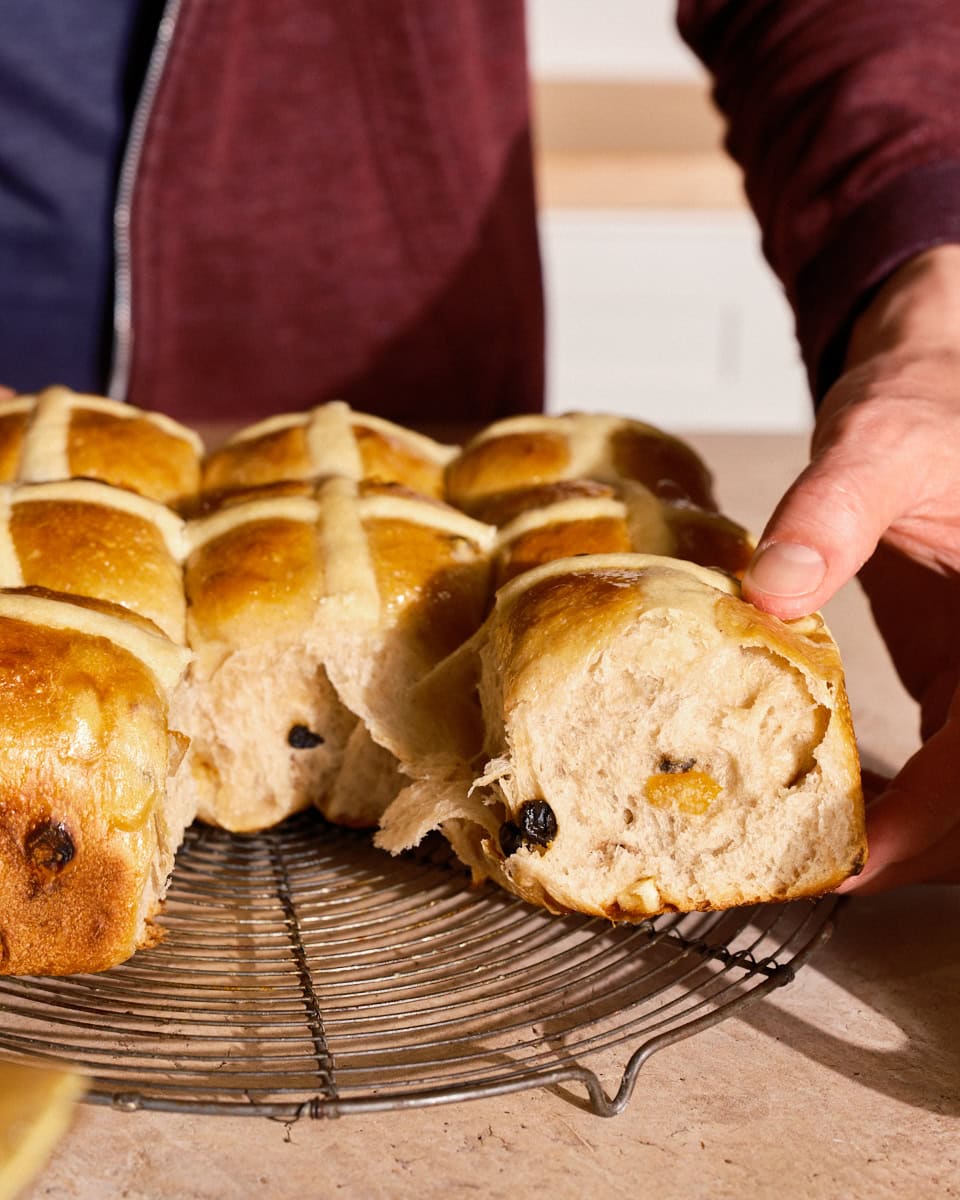
The origins of hot cross buns are steeped in ancient customs, with some historians tracing their lineage back to pagan Anglo-Saxon traditions, where spiced buns were offered to the goddess Eostre. Over time, these practices were integrated into Christian observances, with the cross symbol becoming a potent emblem of the crucifixion. By the 18th century, hot cross buns had become firmly established as a Good Friday staple in England, their consumption marked by specific customs and superstitions, such as the belief that buns baked on Good Friday would not spoil throughout the year.
The core components—warm spices like cinnamon, allspice, and nutmeg, combined with citrus zest and plump dried fruits—have remained largely consistent, contributing to the bun’s distinctive profile. However, methods of leavening have evolved. Early versions would have relied on natural ferments, similar to sourdough, before the advent and widespread adoption of commercial yeast in the 19th and 20th centuries. The recent resurgence of sourdough baking, driven by a renewed interest in artisanal techniques and natural flavors, represents a return to these historical roots, albeit with refined scientific understanding and precise methodologies.
Sourdough’s Distinctive Edge: A Deeper Flavor Profile
The fundamental difference in "The Perfect Loaf’s" approach lies in its reliance on a sourdough starter, or levain, for leavening, in contrast to the rapid-acting commercial yeast typically employed in most contemporary hot cross bun recipes. While commercial yeast offers efficiency and predictability, it often sacrifices the depth of flavor that a slow, natural fermentation process can impart.
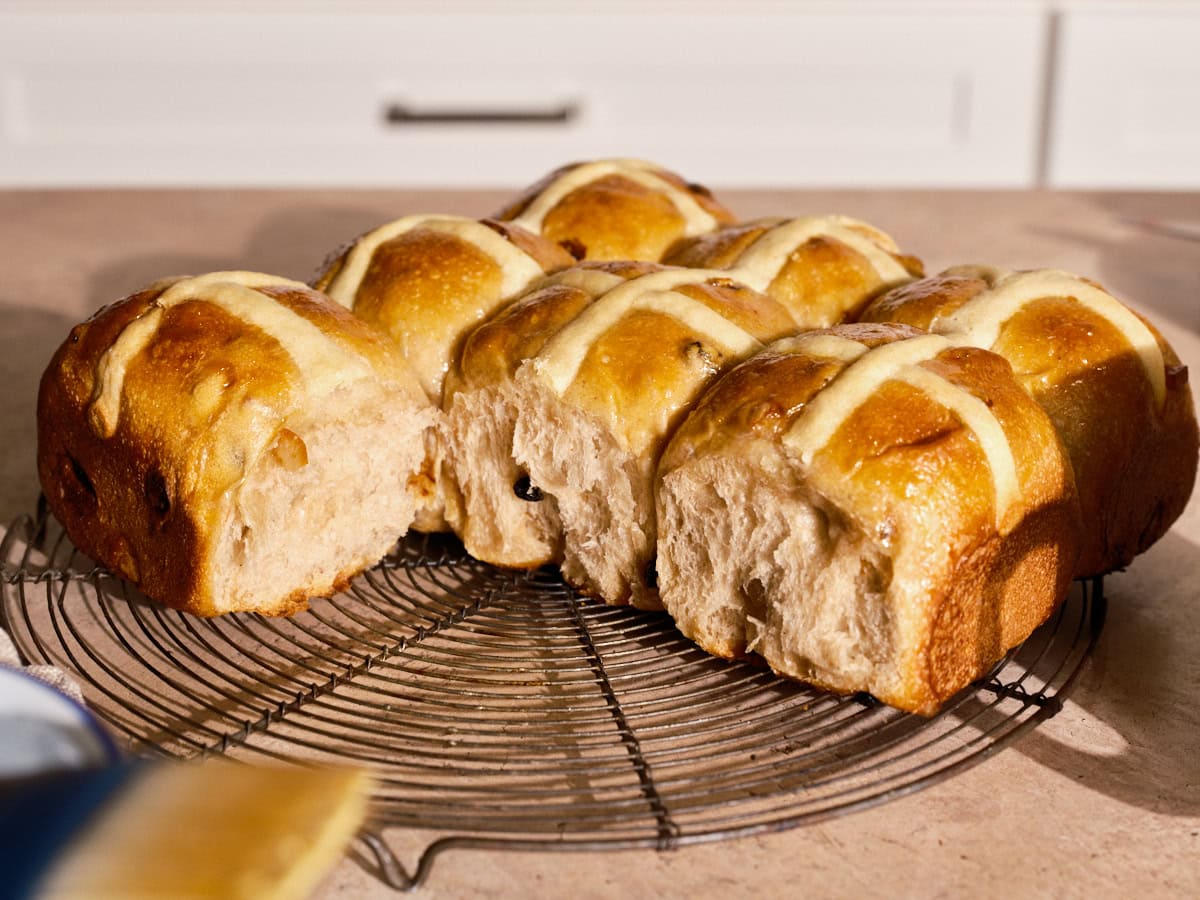
A spokesperson for "The Perfect Loaf" (inferred) highlighted that "using a sourdough levain introduces a complex, rounded flavor profile that is simply unattainable with commercial yeast. The subtle acidity from the sourdough beautifully balances the sweetness of the fruit, sugar, and glaze, creating a more sophisticated and memorable eating experience." This gentle acidity, derived from the metabolic activity of wild yeasts and lactic acid bacteria within the sourdough culture, acts as a natural flavor enhancer, weaving a nuanced tapestry of taste that complements the warm spices and citrus notes. The carefully cultivated "sweet levain" used in this recipe is specifically designed to work efficiently in an enriched dough, while also modulating the overall sourness, ensuring the final bun retains its traditional sweetness with an intriguing underlying complexity.
The Tangzhong Revolution: Unlocking Unprecedented Softness
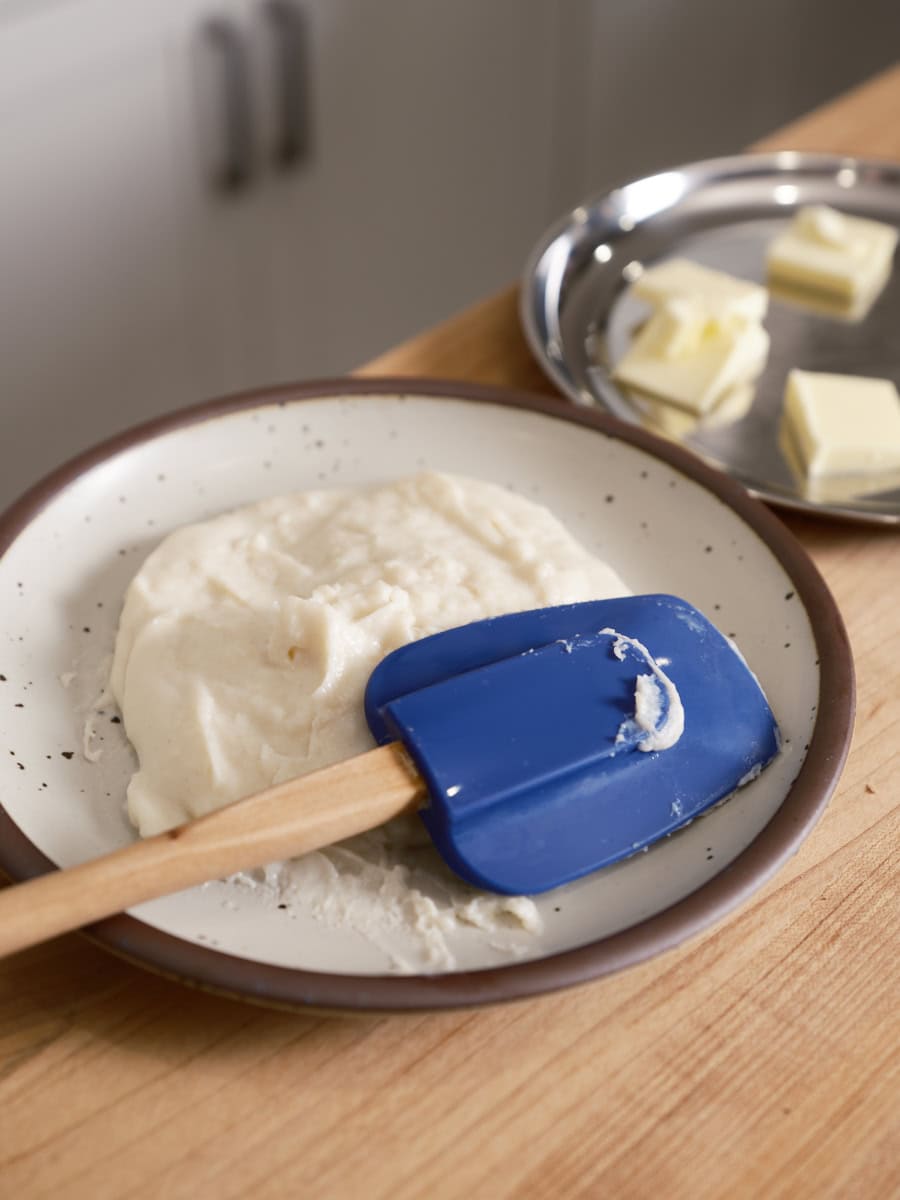
Perhaps the most significant innovation in this updated recipe is the integration of tangzhong, a technique widely celebrated in Asian baking for its ability to produce extraordinarily soft and tender breads with superior keeping qualities. The tangzhong method involves cooking a small portion of flour with liquid (in this case, milk) to create a thickened paste.
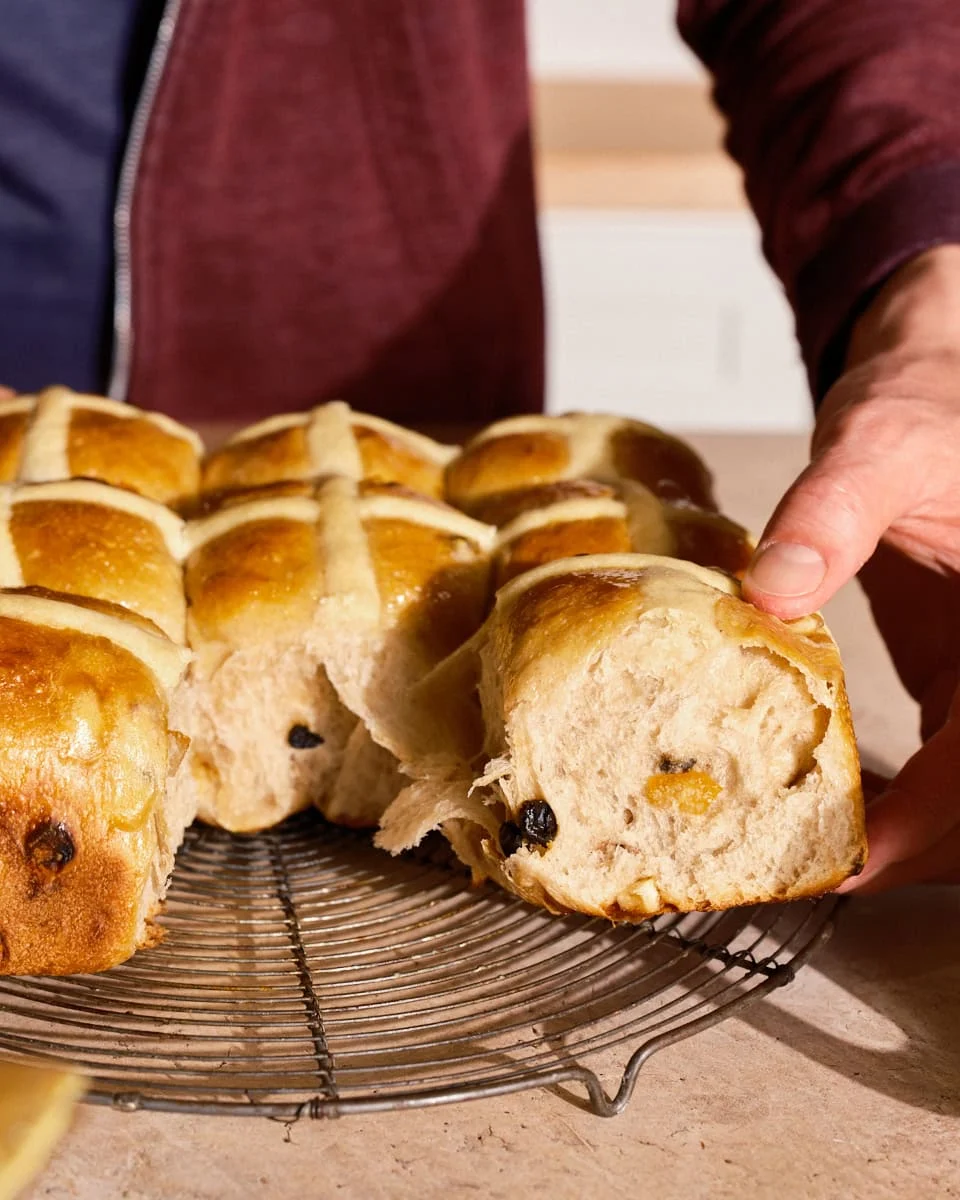
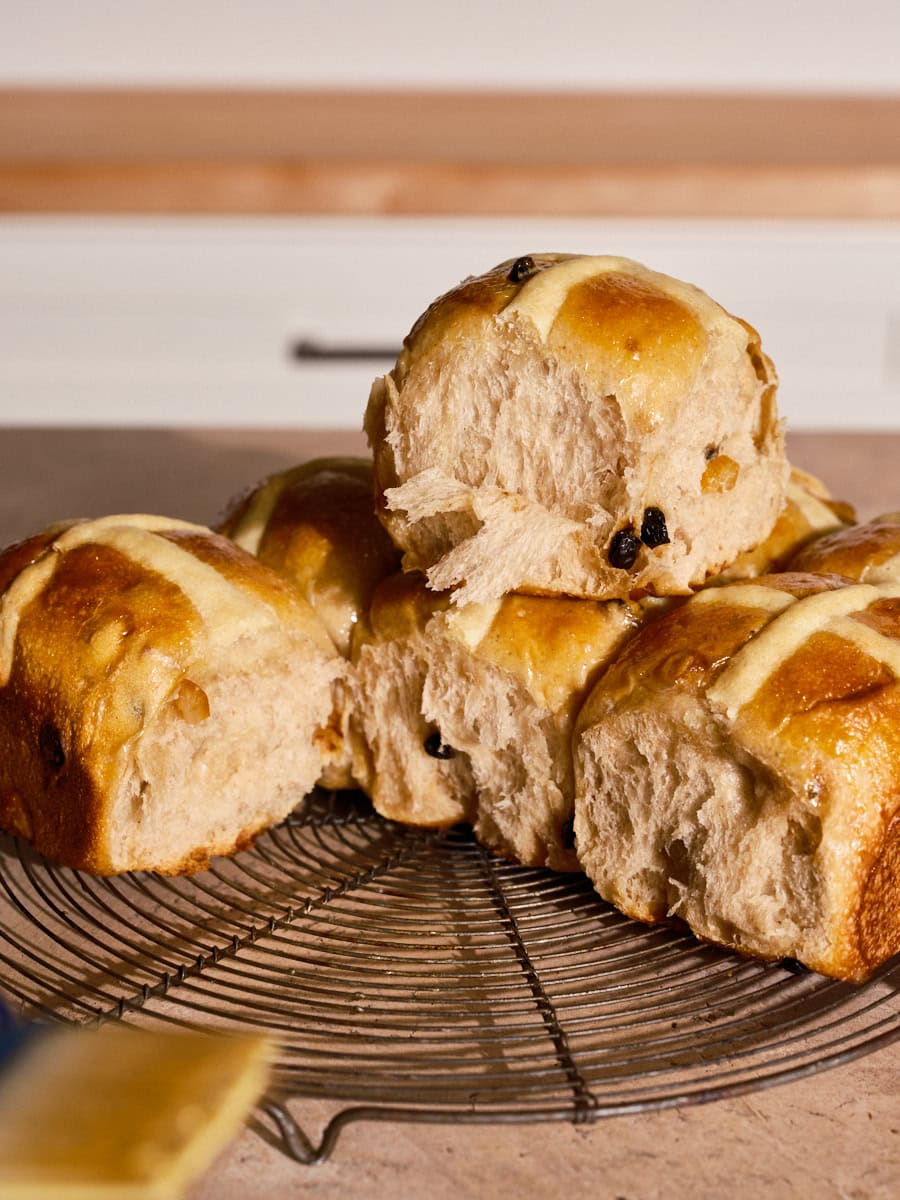
Scientifically, this process gelatinizes the starches in the flour, allowing them to absorb and retain a significantly greater amount of liquid than uncooked flour. When this paste is incorporated into the main dough, it traps this extra moisture, preventing it from evaporating during baking and staling. The result is a bun that boasts a "pillowy, pull-apart texture" and remains fresh and soft for a longer duration compared to traditional enriched buns. Culinary experts note that the skillful application of tangzhong, alongside sourdough leavening, represents a masterful blend of techniques, optimizing both flavor and texture. "It’s a game-changer for enriched doughs," observed one hypothetical food scientist, "providing an almost ethereal softness that elevates the entire bun."
Meticulous Craftsmanship: Ingredients and Process
The updated recipe builds upon the foundation of "The Perfect Loaf’s" acclaimed cookbook, refining the formula to achieve these new textural heights. The dough itself is richly endowed with classic ingredients: whole milk, eggs, unsalted butter, superfine sugar, ground cinnamon, allspice, and freshly ground nutmeg. Zests of both lemon and orange are incorporated, providing a bright, aromatic counterpoint to the warm spices. For inclusions, the recipe specifies Thompson raisins or candied orange peel, and dried currants or chocolate chips, offering flexibility while maintaining the traditional fruit-studded character.
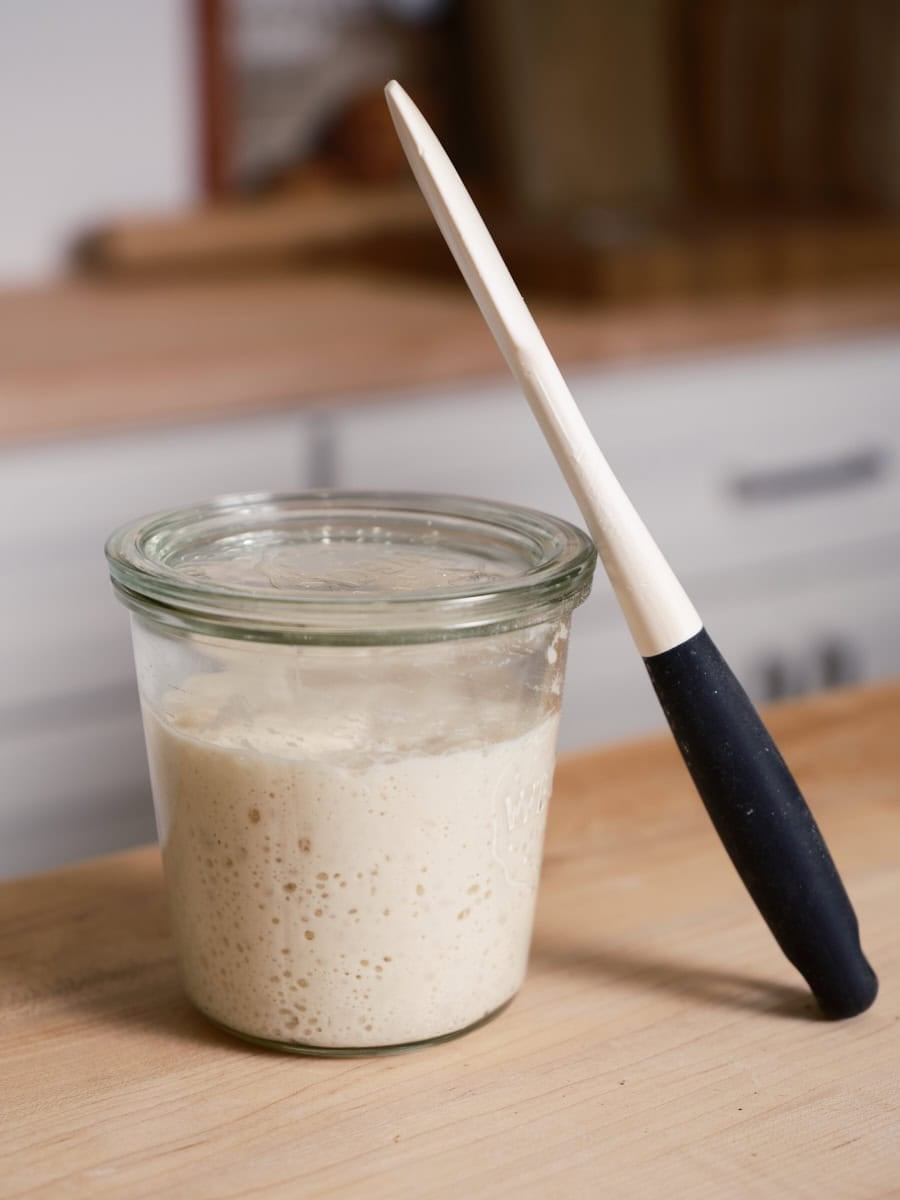
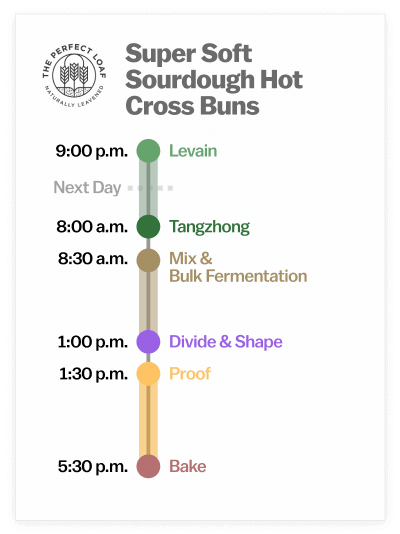
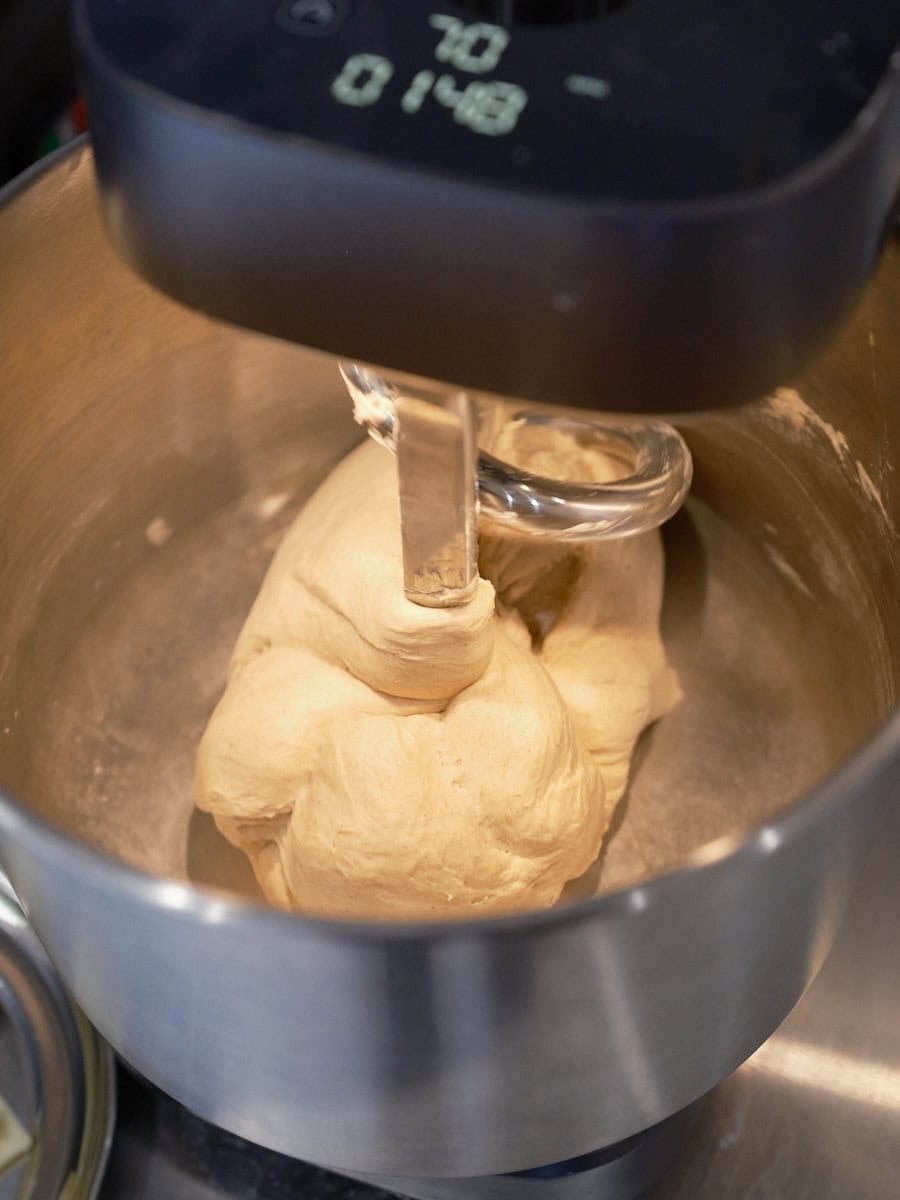
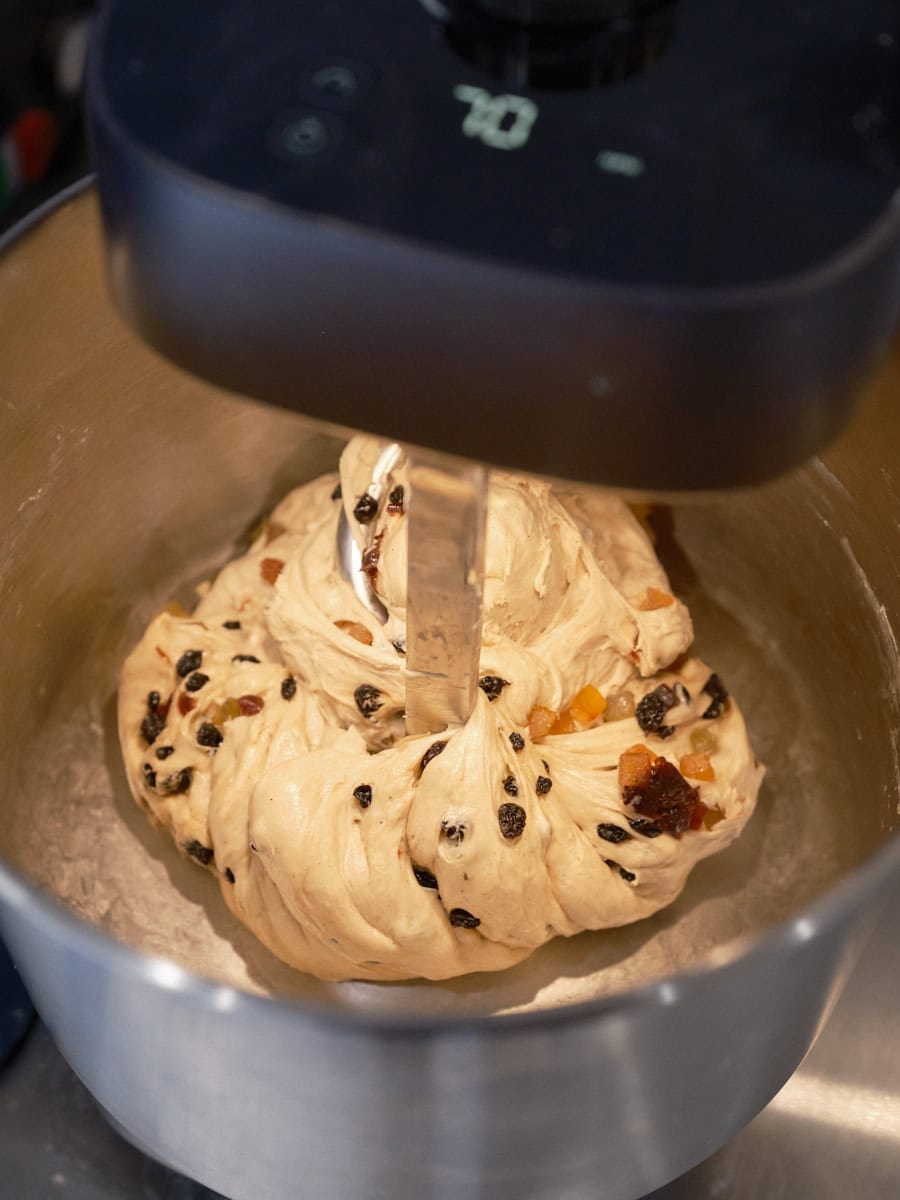
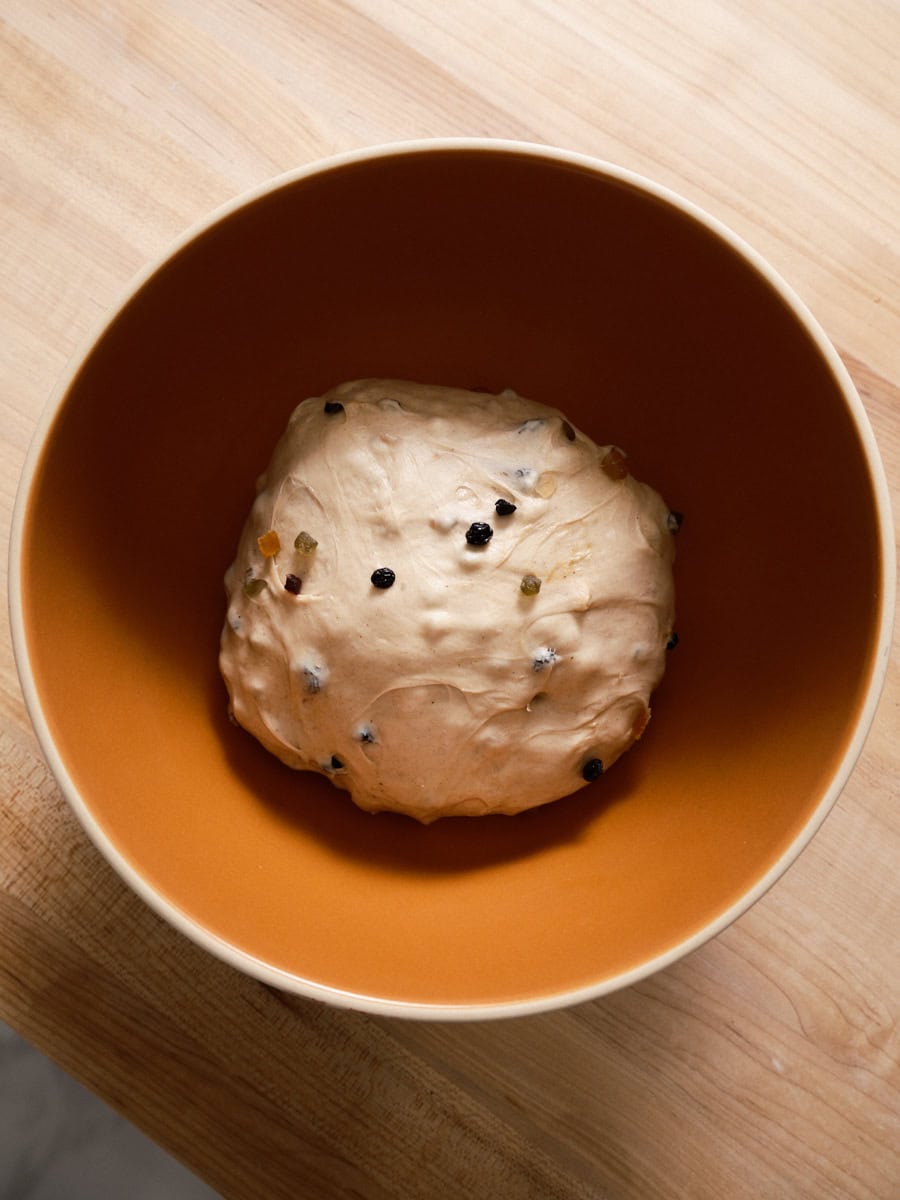
Such an enriched dough, combined with sourdough leavening, necessitates a methodical and patient approach to fermentation. The process begins with an overnight sweet levain build, followed by the preparation of the tangzhong the next morning. The main dough mixing, ideally performed with a stand mixer due to the dough’s richness and strength requirements, involves careful incorporation of ingredients, including the room-temperature butter added gradually to achieve a silky-smooth, elastic, and shiny dough. The fruit inclusions are gently folded in at the end, ensuring even distribution without tearing the delicate dough structure.
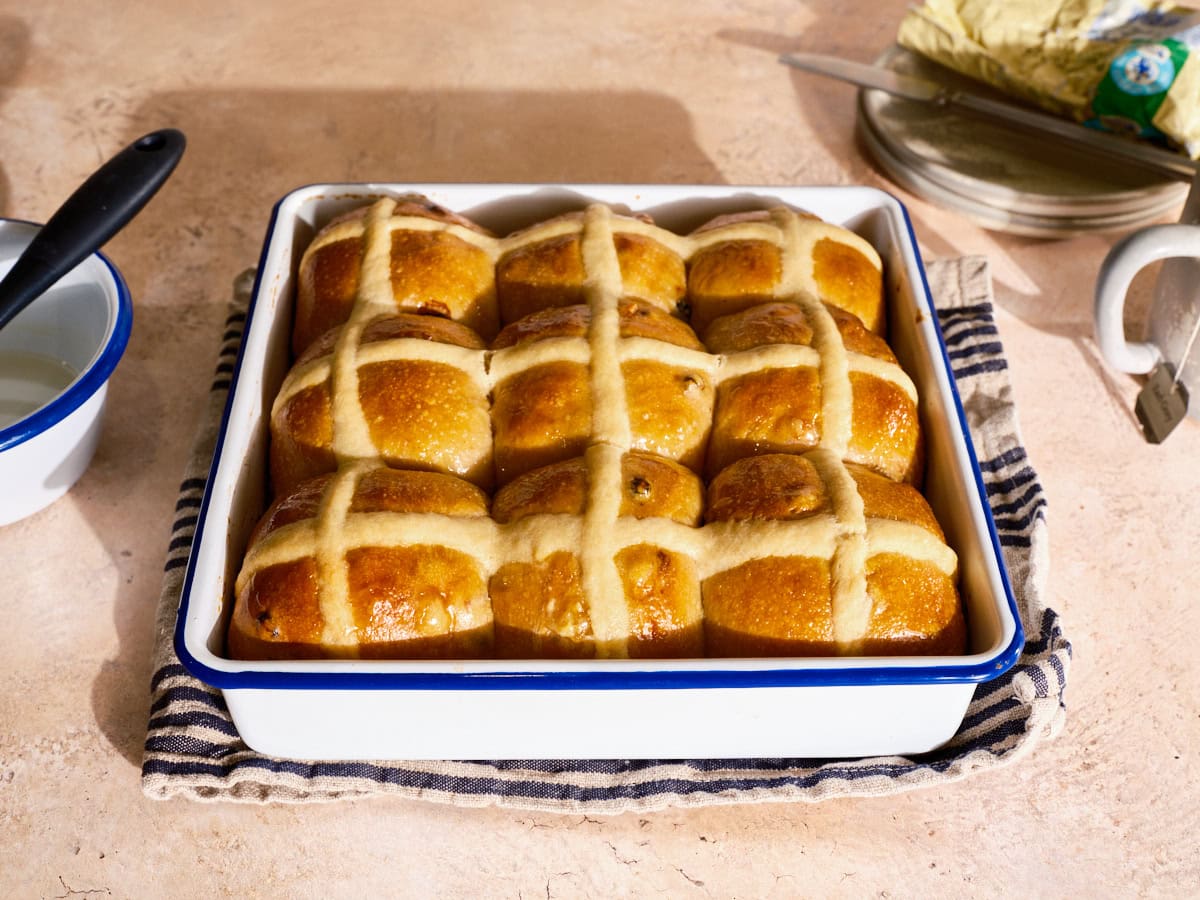
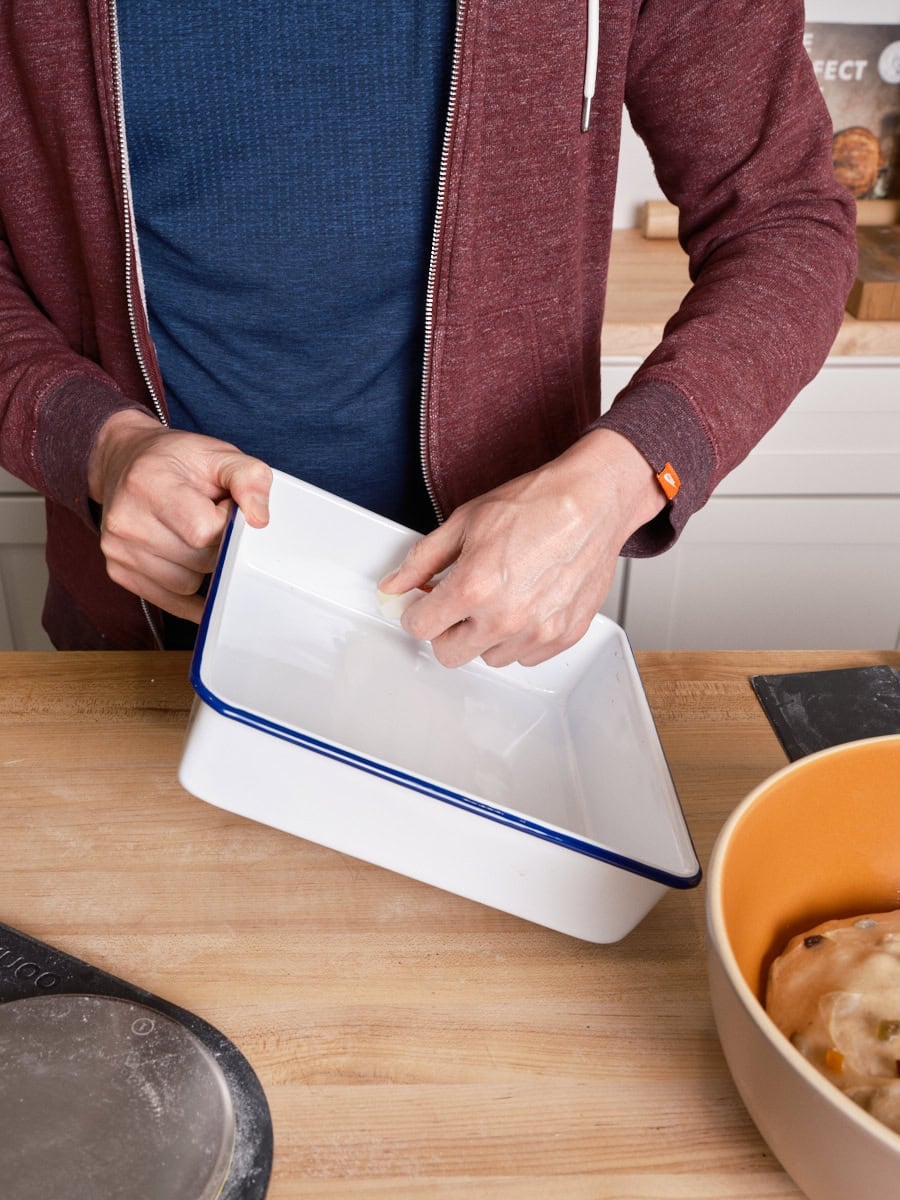
The bulk fermentation period, typically around four hours at a warm room temperature, includes two sets of gentle stretch and folds to build strength and aerate the dough, especially if the fruit was soaked overnight. This phase is crucial for the sourdough to develop its characteristic flavor and for the dough to gain the necessary puffiness and elasticity. Following bulk fermentation, the dough is divided into precisely weighed portions (115g each for a yield of nine buns) and shaped into tight rounds. These are then arranged in a buttered 9-inch square baking pan, allowing them to proof closely together for a soft, pull-apart texture, or on a larger sheet pan for buns with a firmer, more uniformly colored crust.
Flexible Baking Schedule for the Modern Home Baker
Recognizing the time commitment often associated with sourdough baking, the recipe offers flexible scheduling options. While the levain is prepared overnight, the bulk of the baking can occur on the same day. For those aiming to serve fresh hot cross buns on Easter morning, the shaped buns can be partially proofed and then refrigerated overnight, allowing for a shorter final proof and bake on the holiday itself. This "do-ahead" option significantly enhances the recipe’s accessibility for busy home bakers, allowing them to manage their time effectively without compromising on quality. The tangzhong itself can also be prepared the night before and refrigerated, streamlining the morning’s workflow.
The Finishing Touches: Cross and Glaze
No hot cross bun is complete without its distinctive cross and a lustrous glaze. The recipe provides instructions for a simple flour-and-water cross mixture, enriched with orange juice and a touch of vegetable oil for a smoother consistency. This paste is carefully piped onto the egg-washed buns before baking, creating the iconic symbol. After baking to a golden brown and reaching an internal temperature of 195°F (90°C), the warm buns are brushed with a simple syrup glaze, made from equal parts sugar and water. This glaze not only adds a touch of sweetness and shine but also contributes to the bun’s moistness and extends its shelf life.
Impact and Broader Implications for Baking Enthusiasts
The release of this refined sourdough hot cross bun recipe from "The Perfect Loaf" signifies more than just an updated seasonal treat. It underscores several broader trends in the culinary world:
- The Enduring Appeal of Sourdough: The continued innovation within sourdough baking demonstrates its staying power beyond a pandemic-era fad, establishing it as a sophisticated and versatile leavening method for a wide array of baked goods.
- Fusion of Global Techniques: The successful integration of tangzhong, a technique from Asian baking, into a Western classic highlights a growing cross-cultural exchange in culinary practices, enriching traditional recipes with new possibilities.
- Demand for Artisanal Quality at Home: Home bakers are increasingly seeking recipes that deliver professional-level results, valuing both the process and the superior flavor and texture that artisanal methods provide. This recipe caters directly to that demographic.
- Celebrating Tradition with Innovation: The recipe exemplifies how cherished culinary traditions can be preserved and enhanced through thoughtful innovation, offering a fresh perspective on familiar flavors.
In conclusion, "The Perfect Loaf’s" updated sourdough hot cross bun recipe represents a compelling fusion of tradition and cutting-edge baking science. By marrying the complex flavors of natural sourdough leavening with the unparalleled softness imparted by tangzhong, this recipe sets a new standard for Easter baking. It offers home bakers an opportunity to create a truly exceptional treat, deeply rooted in history yet distinctly modern in its execution, promising a deeply flavorful, exceptionally tender, and enduringly fresh experience for the festive season. This development solidifies the platform’s reputation as a leader in advanced home baking, continually pushing the boundaries of what is achievable in the domestic kitchen.