
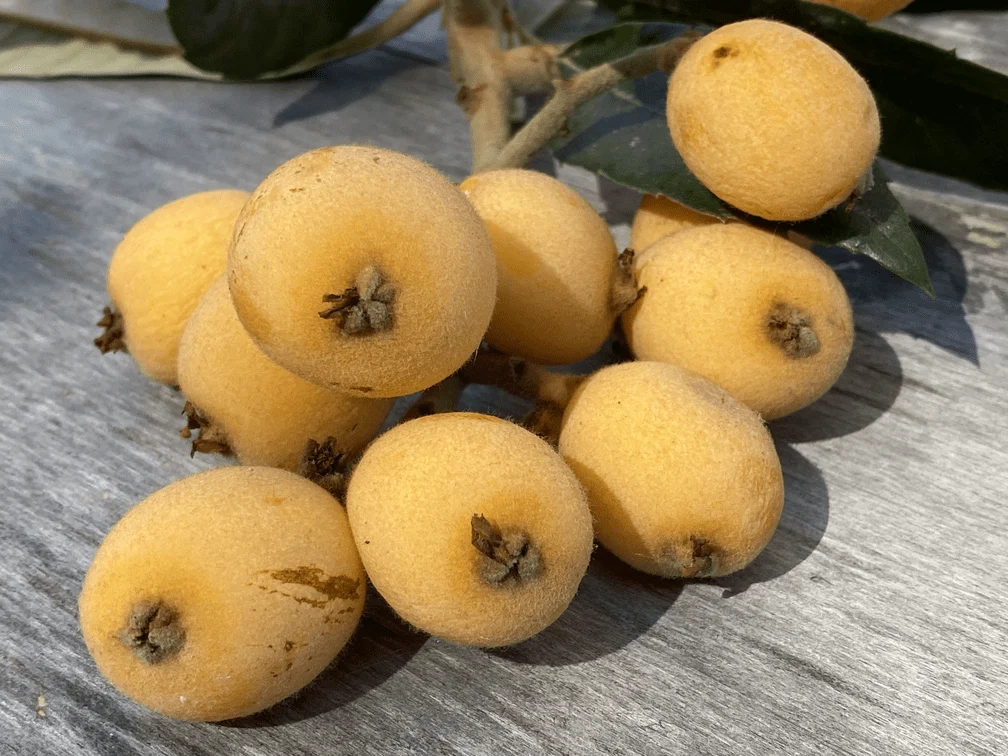
As spring unfolds across temperate and subtropical regions, a distinctive fruit tree, the loquat (Eriobotrya japonica), begins its prolific annual display, its branches heavy with golden-orange fruit. Often mistaken for its citrus cousin, the kumquat, the loquat stands apart with its unique flavor profile, fuzzy skin, and characteristic large, shiny seeds. This seasonal abundance, typically spanning from mid-March through mid-May, transforms backyards and orchards into hubs of activity, as enthusiasts and cultivators alike embark on the annual ritual of gathering hundreds of pounds of this perishable delicacy. The loquat is more than just a fleeting seasonal treat; it embodies a rich tapestry of culinary tradition, potential medicinal benefits, and significant horticultural value, prompting a deeper exploration into its multifaceted impact.
Botanical Profile and Horticultural Resilience
The loquat, scientifically known as Eriobotrya japonica, belongs to the Rosaceae family, making it a distant relative of apples, pears, and plums. Native to the cooler highlands of China, it has been cultivated in East Asia for over a thousand years before making its way to Japan and eventually spreading across the globe to regions with mild climates, including the Mediterranean, parts of the United States (particularly California and Florida), Australia, and South America. This evergreen tree is remarkably resilient, capable of reaching heights of 20 to 30 feet, and occasionally even 40 feet, thriving in a variety of soil conditions provided there is adequate drainage. Its large, dark green, leathery leaves are not only aesthetically pleasing but also contribute to its environmental value, offering a continuous source of organic matter for compost piles, aiding in carbon sequestration and soil enrichment throughout the year.
Beyond its fruit, the loquat tree holds horticultural appeal. It is a robust ornamental, providing dense shade and a tropical aesthetic. Its ability to tolerate mild frosts once established makes it a popular choice for urban and suburban landscapes where other fruit trees might struggle. The tree’s growth habit and evergreen foliage also offer habitat for local wildlife, further enhancing biodiversity in cultivated areas. Its relative ease of cultivation and resistance to many common pests make it an accessible option for home gardeners seeking a low-maintenance, high-yield fruit tree.
The Annual Harvest: A Race Against Time
The window for harvesting loquats is notoriously brief, typically a concentrated period between mid-March and mid-May, varying slightly by climate and specific cultivar. During this time, the tree’s branches are laden with clusters of fruit, each small, round to pear-shaped, blushing from pale yellow to a vibrant orange. The fuzzy skin, reminiscent of a peach or apricot, protects a succulent, aromatic flesh that encases one to five prominent, glossy brown seeds. This short ripening period, coupled with the fruit’s inherent perishability, necessitates swift action from harvesters. Once picked, loquats have a limited shelf life, often only a few days at room temperature, making immediate consumption or processing crucial.
This annual harvest often becomes a community event in areas where loquats are abundant. Neighbors share harvests, and local markets feature the delicate fruit prominently, albeit briefly. The sheer volume of fruit produced by a mature tree, which can yield dozens, even hundreds of pounds in a single season, presents both a joyous bounty and a practical challenge. Without timely intervention, much of the harvest risks spoilage, underscoring the importance of diverse preservation methods to capture its fleeting essence. Agricultural experts often highlight the loquat’s localized economic impact, noting that while not a major global commodity, it provides significant seasonal income for small-scale growers and contributes to local food economies.
Nutritional Powerhouse and Traditional Remedies
The loquat fruit is not only delicious but also boasts an impressive nutritional profile, contributing significantly to a healthy diet. Rich in dietary fiber, it aids in digestive health and promotes satiety. It is a good source of Vitamin A (beta-carotene), essential for vision and immune function, and contains moderate amounts of Vitamin C, which acts as an antioxidant. Key minerals such as potassium, manganese, and copper are also present. Furthermore, loquats are packed with various phytonutrients, including carotenoids and phenolic compounds, which are known for their antioxidant and anti-inflammatory properties. These compounds contribute to the fruit’s vibrant color and are believed to play a role in disease prevention.
Beyond the fruit, the leaves of the loquat tree have a long history of use in traditional medicine, particularly in East Asia. Often brewed into a tea, loquat leaves (known as "Pi Pa Ye" in Traditional Chinese Medicine) are traditionally used to alleviate coughs, soothe sore throats, and reduce phlegm. Scientific research, while still ongoing, has begun to explore these traditional claims. Studies have identified compounds such as triterpenes (e.g., tormentic acid, ursolic acid) and polyphenols in loquat leaves, which exhibit anti-inflammatory, antioxidant, and antiviral properties. Some research suggests potential benefits in managing blood sugar levels and supporting skin health. However, public health organizations emphasize that while promising, more extensive clinical trials are needed to fully substantiate these medicinal claims and determine appropriate dosages and long-term effects. Consumers are advised to consult healthcare professionals before using loquat leaf preparations for medicinal purposes.
Culinary Versatility: From Fresh Delicacy to Fermented Condiment
The unique sweet-tart flavor profile of the loquat, often described as a blend of apricot, plum, and cherry with a hint of pear, makes it a versatile ingredient in the kitchen. While best enjoyed fresh, peeled and deseeded, its high pectin content and natural sweetness lend themselves beautifully to a range of culinary applications, particularly preservation.
One of the most popular uses is in jams and jellies. The fruit’s natural acidity and pectin create a perfect base for sweet preserves, offering a distinctive flavor that elevates breakfast toasts and desserts. Loquat pies, tarts, and crumbles are also cherished, with the fruit’s texture holding up well during baking. For savory applications, loquats can be incorporated into sauces for poultry or pork, adding a fruity counterpoint to rich meats.
However, given its abundance and perishability, inventive preservation methods are highly valued. This is where fermentation steps in, transforming the delicate fruit into stable, flavorful condiments. A prime example is fermented loquat chutney, a savory-sweet creation that draws parallels to popular peach-mango chutneys. The process of lacto-fermentation, where beneficial bacteria convert sugars into lactic acid, not only preserves the fruit but also enhances its flavor complexity, introducing new aromatic compounds and a pleasant tang.
The creation of a fermented loquat chutney typically involves combining deseeded loquats with a blend of spices (such as ginger, garlic, mustard seeds, turmeric, and chili), vinegar for initial acidity, and a touch of sugar to balance the flavors. Salt is crucial for controlling microbial growth and encouraging the right type of fermentation. This mixture is then allowed to ferment over several days, often 4 to 7 days, at room temperature. During this period, naturally occurring lactic acid bacteria (LAB) proliferate, consuming sugars and producing lactic acid, which lowers the pH, inhibiting spoilage organisms and creating the characteristic tangy flavor and probiotic benefits.
Culinary professionals and fermentation enthusiasts, like those at the Fermenters Club, advocate for such methods not only for preservation but also for the creation of nuanced flavor profiles. "Fermenting loquats allows us to extend their enjoyment far beyond their short season," states Austin Durant, founder of the Fermenters Club and author of "Fearless Fermenting." "It transforms the fruit into a complex condiment, rich in probiotics, that can complement a wide array of dishes, from curries and roasted meats to cheese boards." This process not only minimizes food waste but also introduces beneficial microorganisms into the diet, contributing to gut health.
Broader Impact and Future Implications
The loquat’s journey from an obscure backyard fruit to a recognized culinary and medicinal asset reflects a growing interest in local, seasonal, and underutilized produce. Its environmental benefits, such as providing abundant biomass for composting and contributing to urban greening, align with permaculture principles and sustainable living practices. The fact that a single tree can provide both sustenance and organic material year-round underscores its ecological value.
Despite its many advantages, the loquat remains relatively under-commercialized compared to other seasonal fruits. Its high perishability and the challenge of scaling harvest and distribution have historically limited its market reach. However, as consumers increasingly seek unique flavors and health-conscious food options, there is a burgeoning opportunity for loquats to gain wider recognition. Artisanal producers and local food movements are at the forefront of this shift, creating value-added products like fermented chutneys, fruit leathers, and specialized jams that celebrate the loquat’s distinct character.
Agricultural research continues to explore new loquat cultivars that might offer extended shelf life, improved fruit size, or enhanced disease resistance, potentially paving the way for broader commercial cultivation. Simultaneously, studies into the full spectrum of its medicinal compounds could unlock further applications in pharmaceuticals or nutraceuticals.
In essence, the loquat, Eriobotrya japonica, is more than just a springtime fruit. It is a testament to nature’s bounty, a versatile ingredient for culinary innovation, a source of traditional remedies, and a symbol of horticultural resilience. As communities continue to embrace sustainable practices and explore the diverse offerings of their local ecosystems, the humble loquat is poised to blossom into an even more celebrated and significant resource.


