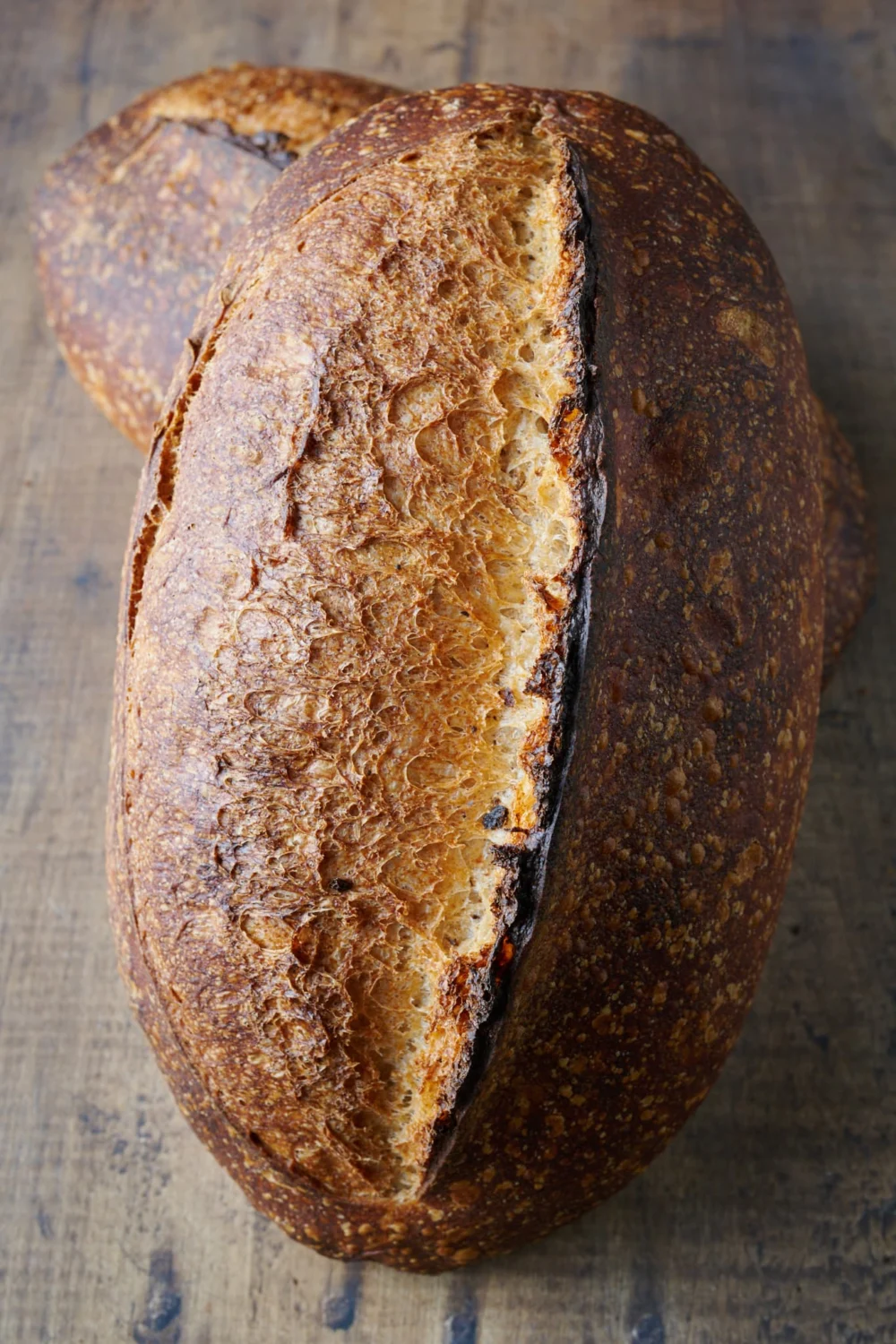
The allure of a perfectly baked sourdough loaf transcends mere sustenance, often becoming a focal point of culinary appreciation. While some connoisseurs seek the subtle complexities of grain flavor, the satisfying crunch of a dark, burnished crust, or the artful bloom of a well-executed score, an increasing number of enthusiasts are captivated by the loaf’s interior: the fabled "open crumb." This highly sought-after characteristic, defined by a network of well-distributed air pockets, has become a benchmark for many home bakers, signaling a mastery of the intricate fermentation process that transforms simple ingredients into an edible masterpiece.
The journey to an open crumb is not a matter of a single technique but rather a confluence of carefully managed variables, each playing a critical role in the dough’s development and final structure. While experienced bakers universally affirm that flavor remains paramount, the visual appeal and delicate mouthfeel of an open crumb are undeniable. It represents not just aesthetics but also tangible evidence of vigorous fermentation, optimal gluten development, and gentle handling throughout the baking process. A truly open crumb features a light, even texture with uniformly distributed holes, devoid of dense, gummy pockets or large, isolated caverns that compromise structural integrity.
Defining the Elusive Open Crumb: Beyond Superficial Pockets
Before delving into the technicalities, it is crucial to distinguish between a genuine open crumb and a common pitfall: the appearance of openness caused by underproofing. An underproofed loaf often presents with what appear to be large holes, but these are typically unevenly distributed, surrounded by denser, tighter areas. This phenomenon, often observed by novice bakers, is a result of insufficient fermentation time. When the dough is underproofed, the gluten network has not fully relaxed and expanded, leading to trapped, irregularly sized gas pockets that expand erratically in the oven, creating a chaotic and often gummy interior. Conversely, a correctly proofed, open-crumb loaf exhibits a harmonious distribution of air cells, indicative of a strong yet extensible gluten matrix that has been allowed to fully develop and expand.
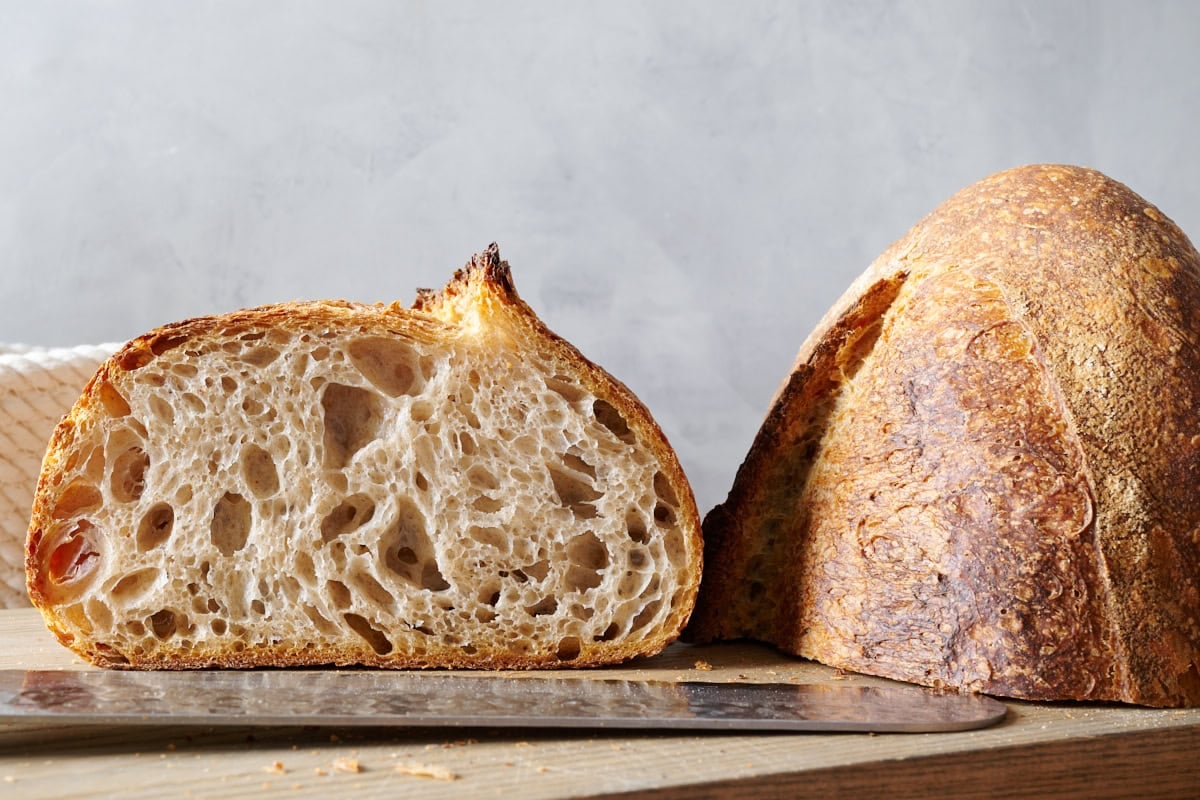
Expert bakers and food scientists offer clear criteria for identifying underproofed dough masquerading as open-crumb bread. Key indicators include: a loaf that rises excessively and erratically in the oven ("oven spring"), often with a jagged, uncontrolled rupture along the score; an internal structure characterized by a few very large holes alongside significantly denser regions; and a potentially gummy or overly chewy texture. These characteristics signal a dough that lacked the necessary time for yeast and bacteria to fully populate and condition the gluten, leading to a weak structure unable to evenly retain gas.
The Foundational Elements: Flour, Hydration, and the Sourdough Starter
The pursuit of an open crumb begins with the fundamental building blocks of bread: flour, water, and the leavening agent. Each component’s selection and management significantly influence the dough’s capacity to form and retain gas bubbles.
Flour Selection: The Gluten Backbone
The choice of flour is arguably the most critical determinant of crumb structure. For an open crumb, bakers consistently advocate for strong white flour, often referred to as high-protein bread flour. This is because the protein content, specifically the gluten-forming proteins glutenin and gliadin, directly correlates with the dough’s ability to create an elastic and extensible network. When hydrated and kneaded, these proteins form gluten, a resilient matrix that traps the carbon dioxide produced during fermentation. Flours with protein percentages between 11% and 13% are typically considered ideal, providing sufficient strength to support larger air cells without becoming overly elastic and resistant to expansion.

Using flour that is too strong, exceeding 13% protein, can lead to an open crumb, but it often results in a bread with an undesirable rubbery or overly chewy texture. Conversely, softer flours with lower protein content may struggle to develop the robust gluten network required for significant aeration. While whole wheat flours are lauded for their nutritional value and complex flavors, their bran and germ particles interfere with gluten development, typically resulting in a denser crumb. Master bakers often recommend a judicious blend of whole wheat and strong white flour for those seeking flavor depth without entirely sacrificing an open structure, acknowledging that a 50% whole wheat loaf will inherently possess a tighter crumb than an all-white flour counterpart. This trade-off between openness and nutritional density or flavor is a common consideration in artisan baking.
Sourdough Starter Health and Timing: The Engine of Fermentation
A vigorous and healthy sourdough starter is the lifeblood of an open crumb. This symbiotic culture of wild yeasts and lactic acid bacteria is responsible for producing the carbon dioxide that inflates the dough and the organic acids that contribute to its characteristic flavor. Consistent feeding and maintaining an optimal temperature range (typically 74°F to 78°F or 23-25°C) are crucial for fostering a robust microbial population.
The timing of starter usage is equally vital. An ideal starter for open crumb production is used precisely when it reaches its "ripe" stage – typically at or just after its peak rise, before it begins to fall back. At this point, the yeast and bacteria are highly active, but the acidity levels have not yet peaked. An over-fermented starter, characterized by a more pronounced sour aroma and a significantly fallen state, introduces higher levels of protease enzymes into the dough. While some enzymatic activity is beneficial for dough extensibility, excessive protease can degrade the gluten network, leading to a weaker dough that struggles to hold gas and results in a tighter crumb. Observing signs such as a domed top, numerous surface bubbles, and a pleasantly acidic aroma are key indicators of a perfectly ripe starter.
Hydration Strategy: The Dough’s Extensibility

The water content, or hydration, of the dough plays a significant role in its extensibility and ability to form an open crumb. Higher hydration levels (typically between 70% and 80% for mostly white flour doughs) generally facilitate a more extensible dough. More water allows the gluten network to form more freely and to stretch further without tearing, accommodating larger gas bubbles. Furthermore, the increased water content generates more steam during baking, which contributes to a more expansive oven spring and helps push the crumb open.
However, higher hydration comes with its own set of challenges. Wetter doughs are inherently stickier and more difficult to handle, requiring greater skill in mixing, folding, and shaping to develop adequate strength. Pushing hydration beyond the flour’s capacity can result in a soupy, structurally weak dough that collapses rather than holds its shape, irrespective of the effort put into strengthening it. The optimal hydration level is a delicate balance, unique to each flour type and ambient conditions, aiming for a dough that feels alive, silky, and responsive without being overly slack. Experienced bakers note that while higher hydration can make achieving an open crumb easier, it is not a mandatory prerequisite; excellent open crumbs can be achieved at moderate hydration levels (e.g., 70%) with meticulous technique.
The Art of Dough Development and Handling
Beyond the ingredients, the physical manipulation of the dough profoundly impacts its internal structure. This includes initial mixing, subsequent folding, and the gentle art of shaping.
Strengthening the Dough: Gluten Development

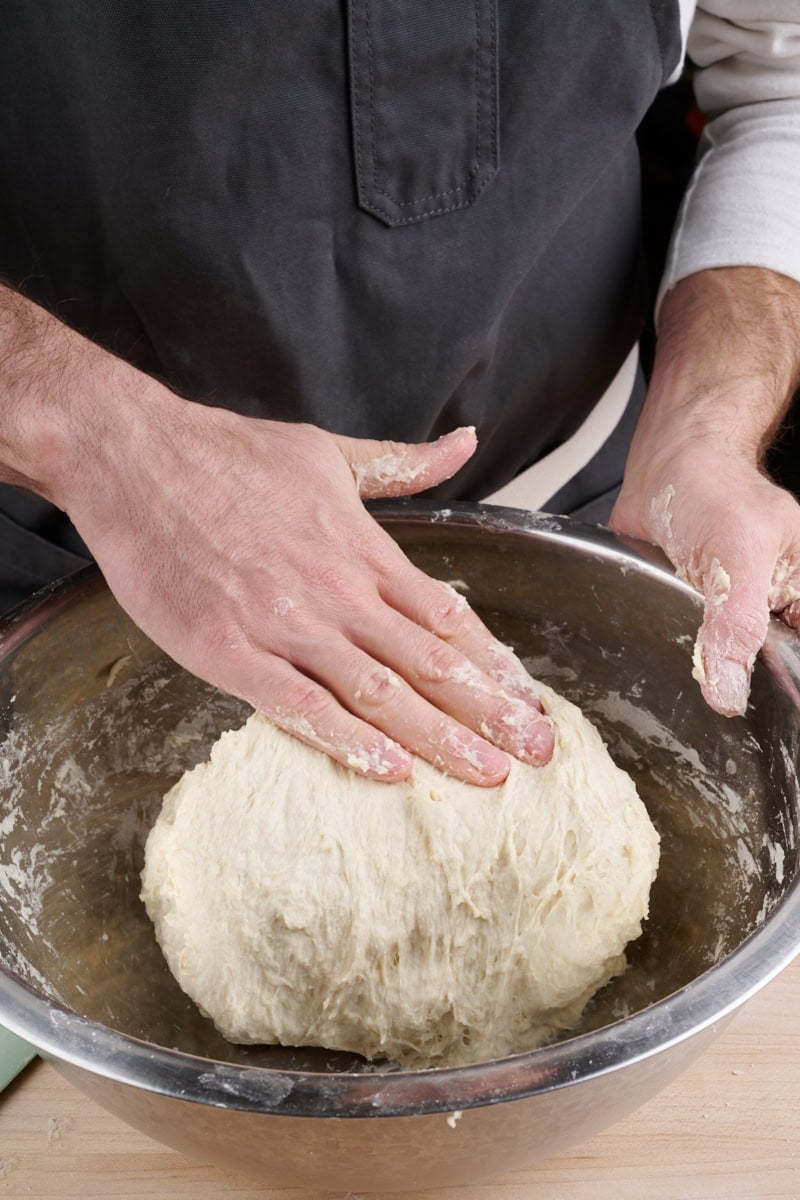
Sufficient gluten development is non-negotiable for an open crumb. The mixing process, whether by hand or machine, builds and aligns the gluten network, creating the elastic framework necessary to trap and hold fermentation gases. Under-developed dough possesses a weak gluten structure that cannot support larger air cells, leading to a dense, tight crumb. Conversely, over-mixing can render the gluten too tight and elastic, resisting expansion and resulting in a closed crumb from the opposite extreme.
Many home bakers, particularly those working by hand, tend to underdevelop their dough. The dough may feel somewhat elastic but lacks the smoothness and cohesive strength required. Experts recommend pushing the mixing phase slightly beyond comfort, aiming for a dough that is smooth, highly elastic, and capable of holding its shape when stretched. The "windowpane test," where a small piece of dough can be stretched thin enough to be translucent without tearing, serves as a reliable indicator of adequate gluten development. Techniques like repeated stretch-and-folds or the slap-and-fold method are highly effective in building this crucial strength.
Gentle Handling: Preserving the Delicate Structure
The dough, by the time it reaches the shaping stage, contains countless gas pockets, each a fragile sphere encased by the gluten network. Aggressive handling – excessive pressing, slapping, or tearing – can rupture these delicate bubbles, causing them to collapse into smaller, uniform cells. This destruction of the internal structure inevitably leads to a tighter, less open crumb.
Therefore, gentle handling during preshaping and final shaping is paramount. The goal is to build surface tension and shape the loaf without deflating the carefully cultivated internal aeration. This nuanced approach respects the dough’s delicate state, preserving the airy structure developed during bulk fermentation.

The Influence of Loaf Geometry: Batard vs. Boule
An often-overlooked factor influencing crumb openness is the shape of the final loaf. Anecdotal evidence from numerous artisan bakers, corroborated by observations on heat transfer, suggests that an oval-shaped batard consistently yields a more open interior than a round boule.
Two primary reasons explain this phenomenon. First, batard shaping typically involves a less forceful, more linear manipulation of the dough, often rolling it into a cylinder. This method is inherently gentler, minimizing compression of the internal gas pockets compared to the more intensive tucking and tension-building required for a boule. Second, the elongated profile of a batard allows oven heat to penetrate faster and more evenly throughout the loaf. This rapid and uniform heat transfer contributes to a more dramatic and controlled oven spring, which in turn encourages the expansion of the internal air cells. This effect is even more pronounced in very thin loaves like baguettes, known for their wild, irregular, and highly open crumbs, contrasting with the generally tighter, more uniform crumb of a large, thick miche. While an open crumb is achievable with a boule, embracing the batard shape can often provide an advantage for those striving for maximum aeration.
Proofing to Perfection: The Final Act of Expansion
The final proof is the culmination of all preceding efforts, where the dough undergoes its ultimate transformation before baking. This critical stage involves a delicate balance between continued gas production and the maintenance of the gluten network’s integrity.

The ideal proofing window is narrow: the dough should rise approximately 75% to 80% of its full potential before entering the oven. This leaves sufficient "reserve strength" for the dough to undergo a final, explosive expansion in the initial minutes of baking, known as oven spring. This vigorous last push is what dramatically opens up the crumb.
Overproofing, a common error, occurs when the dough ferments too long. At this point, the yeast may have consumed most of its available sugars, and the protease enzymes, active throughout fermentation, begin to significantly degrade the gluten network. The dough loses its structural integrity, becoming weak and unable to trap gas effectively. Instead of a dramatic oven spring, an overproofed loaf will spread rather than rise, resulting in a dense, tight, and often gummy interior, despite potentially excellent flavor.
Conversely, underproofing means the dough hasn’t developed enough gas or its gluten hasn’t fully relaxed. It will feel tight and spring back quickly when poked, and it will likely burst erratically in the oven, leading to the aforementioned uneven crumb with large, isolated holes.
The "poke test" is a vital tool for assessing proofing. A gently pressed finger should leave an indentation that slowly springs back, indicating a dough that is sufficiently proofed but still retains elasticity. If it springs back immediately, it’s underproofed; if it stays completely indented, it’s overproofed.
Bonus Technique: The Autolyse for Enhanced Extensibility
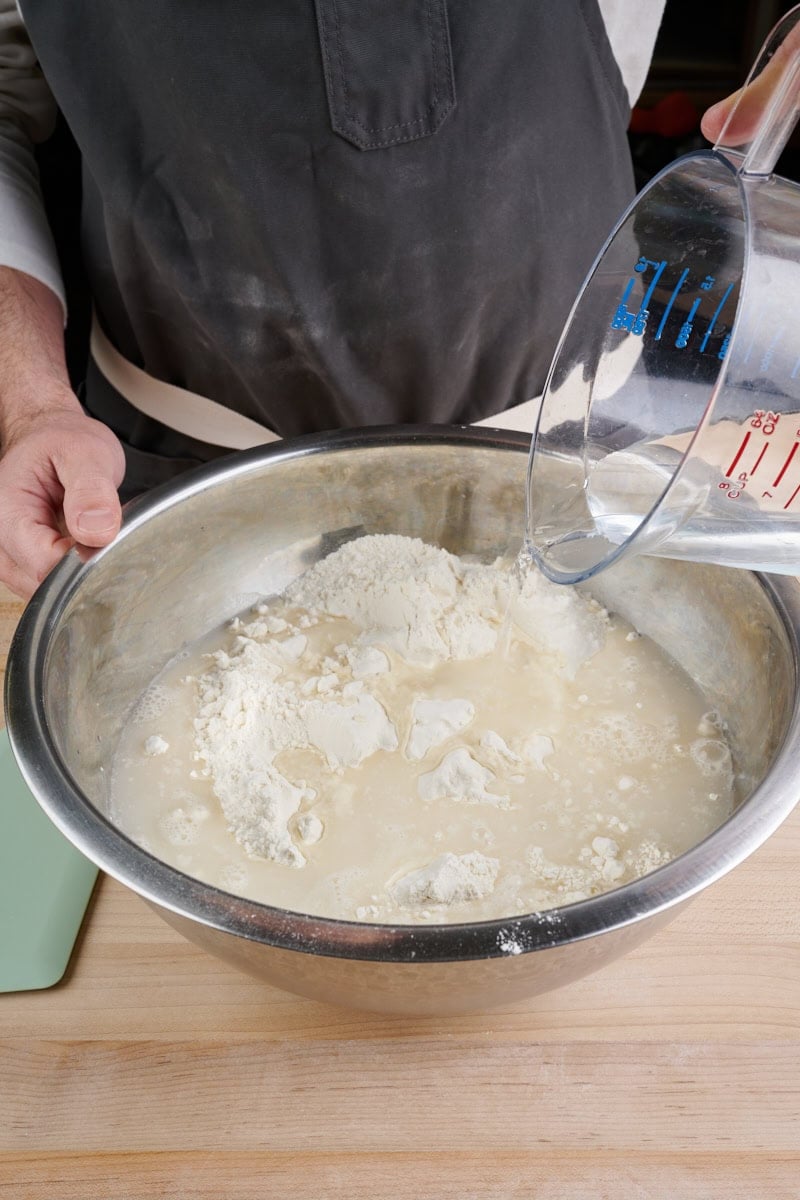
An autolyse, a technique involving mixing only flour and water and allowing the mixture to rest before adding salt and starter/levain, can significantly contribute to an open crumb, particularly when working with strong flours. During this resting period (typically 30 minutes to an hour), the flour hydrates fully, and naturally occurring enzymes (proteases and amylases) begin to gently break down protein and starch bonds. This enzymatic activity increases the dough’s extensibility, making it more pliable and less resistant to stretching.
For open crumb sourdough, increased extensibility is highly advantageous. Strong flours often exhibit high elasticity, meaning they resist stretching and tend to snap back. An autolyse helps to tame this natural resistance, allowing the dough to expand more freely and accommodate the gas bubbles without tearing. This results in a dough that is both strong enough to hold its structure and supple enough to achieve impressive aeration.
Broader Implications: The Sourdough Renaissance and Culinary Preferences
The widespread fascination with sourdough, particularly the pursuit of the open crumb, reflects a broader cultural shift towards artisan food production and a deeper engagement with culinary processes. The rise of social media platforms has amplified the visual appeal of an open crumb, transforming it into an aesthetic ideal for many home bakers. This trend has fostered vibrant online communities where enthusiasts share techniques, troubleshoot challenges, and collectively push the boundaries of home baking.
Beyond aesthetics, the open crumb impacts the bread’s culinary versatility. Its light, airy texture makes it ideal for sandwiches, as it doesn’t compress fillings, and for soaking up olive oil or sauces. However, it is also important to acknowledge that culinary preferences vary widely. A dense, hearty loaf packed with whole grains, while possessing a tighter crumb, can be equally, if not more, satisfying for different applications, such as a sturdy base for avocado toast or a rich accompaniment to stews. The pursuit of an open crumb, therefore, should be viewed as one aspect of baking excellence, not the sole definition.
Conclusion: A Journey of Observation and Iteration
Achieving an open crumb in sourdough bread is not the result of a single secret ingredient or technique, but rather a holistic approach encompassing a series of deliberate choices and meticulous execution. From selecting the right flour and maintaining a vibrant starter to mastering dough development, gentle handling, and precise proofing, each step is interconnected and influences the final outcome.
The ongoing journey of sourdough baking is fundamentally one of observation, experimentation, and intuition. Bakers are encouraged to test different hydration levels, experiment with starter ripeness, vary shaping techniques, and diligently record their baking notes. This iterative process of comparing results and understanding the dough’s behavior is what ultimately builds the "baker’s intuition" essential for consistent success.
While flavor remains the undisputed king of bread attributes, the tactile and visual pleasure of a well-aerated crumb significantly enhances the eating experience. Whether spreading butter, building a robust sandwich, or simply savoring a warm slice, a light and airy structure elevates every bite. Ultimately, the goal is not to chase an elusive perfection dictated by trends, but to cultivate a deep understanding of the craft, enabling bakers to create bread that brings joy in both its making and its consumption. The dough, in its infinite complexity, serves as the ultimate teacher, revealing its secrets to those who approach it with patience and an inquisitive spirit.