The history of the knife is inextricably linked with the very dawn of humanity, stretching back millions of years to the Stone Age. As the primordial tool crafted by early hominids, initially fashioned from readily available natural resources such as stone, wood, and bone, it served as an indispensable instrument for survival, primarily in hunting, food preparation, and rudimentary carpentry. This foundational implement laid the groundwork for countless technological advancements and societal developments, cementing its status as perhaps the most enduring and universally recognized tool across civilizations.
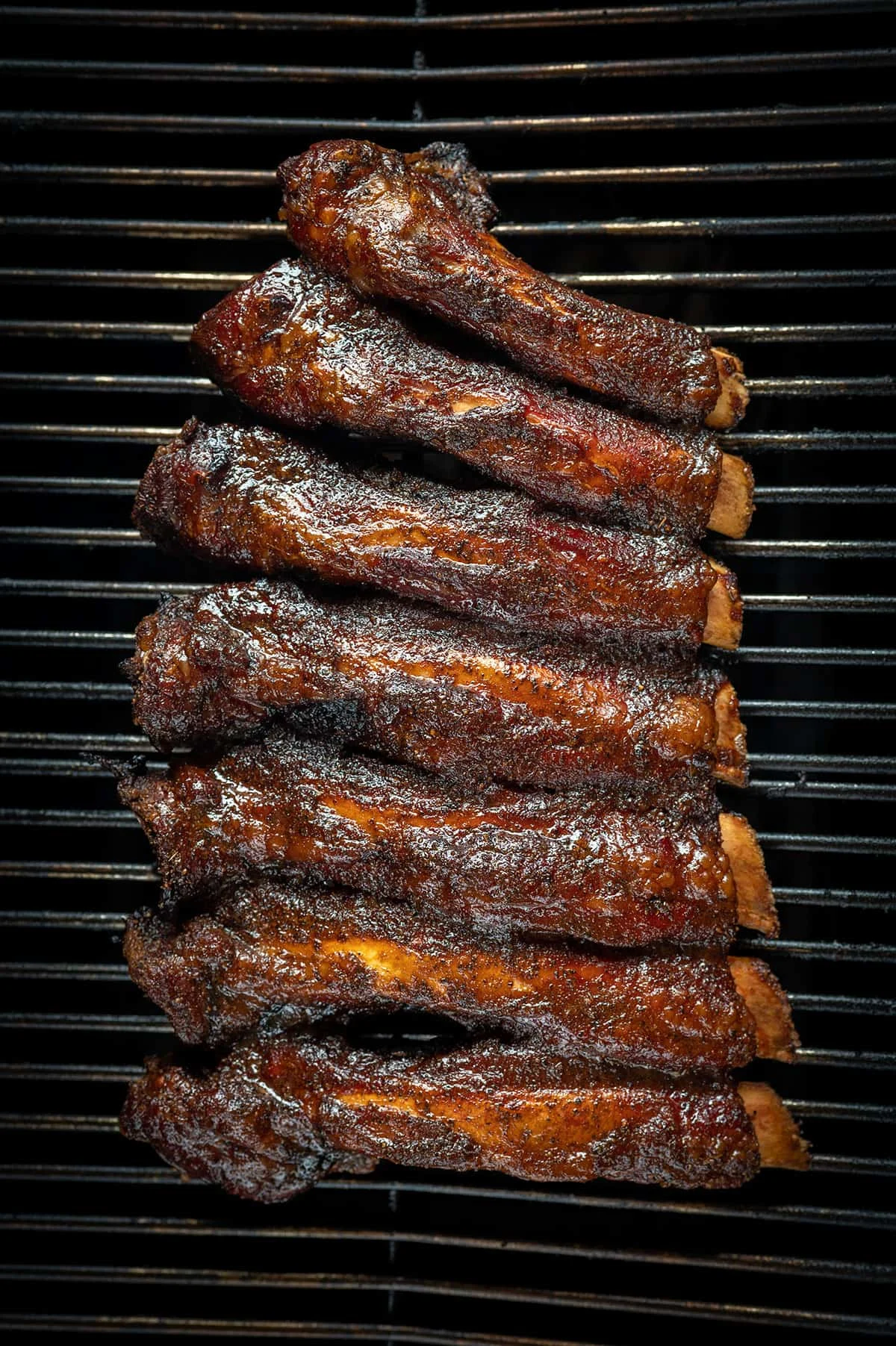
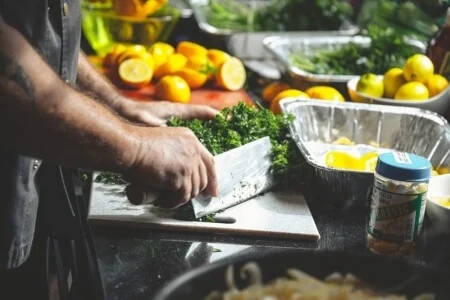
Fast forward to the contemporary era, and the knife has undergone a profound metamorphosis, evolving from its rugged, prehistoric origins into a diverse array of specialized implements crafted from advanced materials like high-carbon steel, ceramic, and titanium. Each design is meticulously engineered for specific functions, reflecting a remarkable blend of utility and artistry. Beyond its practical applications, particularly in the culinary domain, the knife has also ascended to a symbol of sophistication and refinement in fine dining and gastronomic arts. A comprehensive web blog review, for instance, highlights the Schmidt Bros. knives, celebrated in the culinary world for their precision and elegance in various food preparation and dining contexts. These modern iterations represent a timeless lineage of tools that have steadfastly withstood the rigors of use, with one notable exception: their cutting edge, which inevitably succumbs to blunting with repeated application.
Traditionally, the maintenance of a knife’s keen edge has relied on dedicated sharpening instruments, most notably the whetstone. While highly effective in restoring and preserving blade sharpness, whetstones, along with honing steels and electric sharpeners, are not always readily accessible or convenient for immediate use. This ubiquitous challenge often leaves individuals in a predicament when a dull blade impedes efficiency and safety. However, ingenuity born of necessity has given rise to several ingenious, albeit unconventional, methods for restoring a knife’s cutting prowess without recourse to specialized sharpeners. These "hacks," often employed in situations ranging from outdoor excursions to an unprepared kitchen, leverage common household items or natural elements to achieve a functional edge. Understanding the principles behind these methods and executing them safely is paramount for anyone facing the sudden imperative of a sharp blade.
The Science of Sharpness and Dulling
To appreciate the efficacy of improvised sharpening techniques, it is crucial to understand the fundamental mechanics of a knife’s edge. A sharp knife blade features a microscopic apex where two polished surfaces meet at an acute angle. This fine point allows the blade to sever material by concentrating force into a tiny area, creating immense pressure. Over time, through repeated contact with cutting surfaces (e.g., cutting boards), food items, or even just general wear, this delicate apex undergoes several forms of degradation.
The primary culprits behind a dull knife are:
- Edge Rolling: The most common form of dulling, where the microscopic edge bends or folds over to one side. This creates a rounded, ineffective cutting surface.
- Micro-chipping/Abrasion: Tiny fragments of metal break off the edge, creating an uneven, jagged profile.
- Fatigue: The metal itself experiences stress, leading to a loss of its ability to hold a fine edge.
Sharpening, in essence, involves abrading material from both sides of the blade to reform a new, sharp apex. This process typically creates a "burr"—a microscopic curl of metal that forms at the very edge when material is pushed from one side to the other. A truly sharp edge is achieved by refining this burr until it either falls off or is removed through a final honing step, leaving a clean, straight apex. The effectiveness of any sharpening method, conventional or improvised, hinges on its ability to perform this controlled abrasion. The Mohs hardness scale, which measures a material’s resistance to scratching, plays a role here; the abrasive material must be harder than the blade steel to effectively remove material.
Unconventional Sharpening Techniques: A Detailed Guide
While specialized tools offer optimal results, various everyday items can serve as emergency sharpeners. These methods, while effective for regaining a working edge, require careful execution and an understanding of their limitations.
The Edge of Another Knife: Leveraging Material Hardness
One of the most visually striking and often mimicked techniques, frequently observed among professional chefs, involves using the spine or a dull edge of one knife to sharpen another. This method, while seemingly counterintuitive, relies on the principle of differential hardness and abrasive friction. High-carbon steel knives, for instance, possess a Rockwell hardness typically ranging from 58-62 HRC, meaning they are hard enough to abrade softer steels or even other steels if applied correctly.
Technique:
The key to this method is not to use the cutting edge of the "sharpener" knife, but rather its thick, unsharpened spine or a very dull section of its blade, which presents a coarser, less refined surface. Ideally, using two knives of similar size provides better control, though larger knives can sometimes offer more leverage.
- Positioning: Hold the knife to be sharpened (the "working" knife) with its cutting edge facing away from you, at the desired sharpening angle (typically 15-20 degrees per side for kitchen knives).
- Abrasive Surface: Position the "sharpener" knife perpendicular to the working knife, using its spine or a very dull, robust section of its blade as the abrasive surface.
- Motion: In a swift, controlled motion, slide the blunt edge of the working knife along the spine or dull section of the sharpener knife. Maintain a consistent angle throughout the stroke.
- Alternating Sides: Repeat this motion on the opposite side of the working knife’s blade, ensuring the same angle is maintained.
- Repetition: Perform these alternating strokes rapidly back and forth for several repetitions. The goal is to abrade enough material to begin forming a burr, then to refine it.
Underlying Principle: This method functions much like a honing steel, albeit a very coarse one. It realigns a rolled edge and, if enough pressure and repetition are applied, can remove minute amounts of metal. The spine of a knife, while not sharpened, often has micro-imperfections and a slightly rougher finish than the cutting edge, providing enough abrasive quality to reform a rudimentary edge.
Safety Precautions: This technique carries a significant risk of injury due to the proximity of two sharp or semi-sharp blades and the forceful, rapid motions involved. Extreme caution is advised. Ensure ample space and that no bystanders are within reach of the moving blades. Overdoing it can damage the blade geometry or create an overly aggressive, unstable edge.
Smooth Stone: The Ancient Method Revisited
The use of natural stones for sharpening predates recorded history, echoing the very origins of the knife itself. When specialized whetstones are unavailable, a naturally occurring smooth stone, particularly those found near rivers or streams, can serve as an effective substitute. The key is selecting the right type of stone.
Technique:

- Stone Selection: Seek out the smoothest, flattest stone available. Avoid rough, porous, or jagged stones, as these can severely damage the blade by creating deep gouges rather than a refined edge. River stones, worn smooth by water and sediment, are often ideal candidates due to their fine texture.
- Preparation: It is highly beneficial to wet the stone before use, or even submerge both the stone and the knife blade in water. Water acts as a lubricant, reducing friction and preventing the accumulation of metal particles (swarf) which can clog the abrasive surface. This allows the blade to glide more smoothly and efficiently.
- Sharpening Motion: Hold the knife at the appropriate sharpening angle (15-20 degrees per side). Glide the blade across the smooth surface of the stone in one consistent direction, moving from the heel to the tip of the blade. The motion should be directed into the cutting edge, as if trying to slice a thin layer off the stone.
- Angle Consistency: Maintain a constant angle throughout the stroke. Inconsistent angles will result in a rounded or uneven edge.
- Alternating Sides: After several strokes on one side, flip the blade and repeat the process on the other side, aiming for a consistent number of strokes on each.
- Burr Formation: Continue until a burr forms along the opposite side of the edge. Once a burr is established, lighter strokes are used to remove it, refining the edge.
Underlying Principle: This method is a direct application of abrasive grinding. The fine, hard particles within the stone abrade minute amounts of metal from the blade, gradually reforming the edge. The smoother the stone, the finer the grit, and the more refined the edge it can produce. The Mohs hardness of suitable natural stones, such as granite or basalt, often exceeds that of knife steel, allowing for effective abrasion.
Safety and Maintenance: This method is relatively safer than cross-blading, but careful handling of the knife is always paramount. Post-sharpening, proper cleaning and storage of knives, as emphasized by camping knife safety guides, are essential to prevent accidents and maintain the newly acquired edge.
Sandpaper: The Versatile Abrasive
Sandpaper, a ubiquitous item in hardware stores and workshops, presents a remarkably effective and inexpensive alternative to traditional whetstones. Its primary function is to polish and abrade various surfaces, making it inherently suitable for sharpening. Sandpaper comes in a wide range of grits, offering versatility in the sharpening process.
Technique:
- Grit Selection: Begin with a coarser grit (e.g., 200-400 grit) if the knife is very dull or has significant damage. Progress to finer grits (e.g., 800-1500 grit) to refine the edge and achieve greater sharpness. For a truly polished edge, grits up to 2000 or higher can be used.
- Stable Surface: Secure the sandpaper to a flat, stable surface, such as a piece of wood, a glass pane, or a countertop. This prevents the paper from tearing or moving during sharpening. Using spray adhesive or tape can help.
- Sharpening Motion: Hold the knife at the desired sharpening angle. Draw the blade across the sandpaper, moving from the heel to the tip, applying light, consistent pressure. Ensure the entire edge makes contact with the abrasive surface.
- Angle Consistency: Maintaining a consistent angle is crucial for an effective edge.
- Alternating Sides: Alternate strokes on each side of the blade, just as with a whetstone.
- Burr Formation and Removal: Continue until a burr is felt along the edge, then switch to finer grits to progressively refine the edge and remove the burr.
Underlying Principle: Sandpaper utilizes abrasive particles (e.g., aluminum oxide, silicon carbide) bonded to a flexible backing. These hard particles act as countless tiny cutting edges, removing metal from the blade. The "grit" number refers to the size of these abrasive particles; a lower number indicates coarser particles and more aggressive material removal, while a higher number signifies finer particles for a more polished edge.
Practical Considerations: Sandpaper is disposable and will wear out or tear after several uses, particularly coarser grits. However, its low cost makes it a practical solution. Using water with sandpaper (wet-sanding) can also improve lubrication and prolong the life of the paper, especially with waterproof varieties.
Concrete or Cement: The Last Resort Abrasive
In extreme situations where no other sharpening means are available, the abrasive surface of concrete or cement can be pressed into service. This method is generally considered a last resort due to its aggressive nature and potential for blade damage if not executed with extreme care.
Technique:
- Surface Selection: Opt for a smooth, unpainted concrete or cement surface. Rough, highly textured, or painted surfaces can introduce contaminants, uneven wear, or severe damage to the blade. A smooth, unsealed concrete floor, patio slab, or even the edge of a clean pavement can be used.
- Moisture (Optional but Recommended): Lightly wetting the concrete surface can help reduce friction and prevent excessive heat buildup, similar to using water on a whetstone.
- Sharpening Motion: Hold the knife at a very shallow sharpening angle, almost parallel to the concrete surface, but ensuring the edge makes contact. Glide the blade across the concrete in a very fast, controlled motion, moving from heel to tip. The speed helps to minimize the time the blade spends in contact with any single abrasive particle, reducing the risk of deep scratches.
- Light Pressure: Apply extremely light pressure. The coarseness of concrete means that even minimal pressure will remove significant material.
- Alternating Sides: Perform an equal number of very quick, light strokes on both sides of the blade.
- Edge Check: Periodically check the edge for sharpness. This method is primarily for creating a functional, albeit rough, working edge, not a finely polished one.
Underlying Principle: Concrete and cement contain aggregates like sand and crushed stone, which are significantly harder than knife steel. These hard particles act as a very coarse abrasive, grinding away metal from the blade. The sheer coarseness means that it removes material very quickly, but also leaves a very rough, toothy edge.
Safety and Discretion: This is perhaps the riskiest of the improvised methods due to the aggressive abrasion and the potential for the knife to slip. Extreme caution is paramount. Furthermore, using a knife on public pavement can be perceived as threatening by passersby; discretion and awareness of one’s surroundings are essential. This method should only be employed when absolutely no other options are available and safety can be reasonably ensured.
Safety Protocols and Best Practices for Improvised Sharpening
Regardless of the unconventional method chosen, adherence to stringent safety protocols is non-negotiable. Knives, especially when handled in unusual ways, pose significant risks.
- Gloves: Wearing cut-resistant gloves is highly recommended, especially when dealing with potentially unstable sharpening surfaces or methods like cross-blading.
- Stable Grip: Always maintain a firm, secure grip on both the knife and the sharpening surface. Any slippage can lead to serious injury.
- Angle Consistency: While aiming for a precise angle might be challenging with improvised tools, striving for consistency is vital to create a functional edge and prevent damage to the blade. Inconsistent angles lead to a rounded edge that never fully sharpens.
- Light Pressure: Especially with highly abrasive surfaces like concrete, use minimal pressure. Let the abrasive do the work. Excessive pressure can damage the blade, create an unstable edge, or cause the knife to slip.
- Direction of Stroke: Always move the blade away from your body, or in a controlled motion that minimizes risk if the blade were to slip. Never draw the blade towards yourself.
- Cleanliness: After sharpening, clean the knife thoroughly to remove any metal particles (swarf) or abrasive residue, which can contaminate food or cause further dulling.
- Test Safely: Test the sharpness on a piece of paper or a vegetable, not on your skin.
Analysis of Effectiveness and Limitations
These improvised sharpening techniques offer practical solutions in a pinch, but they come with inherent trade-offs compared to dedicated sharpening systems.
- Effectiveness: They can undeniably restore a functional cutting edge to a dull knife. For tasks requiring basic cutting, such as preparing food in a campsite or making a quick cut in the kitchen, these methods can provide sufficient sharpness.
- Edge Quality: The quality of the edge produced will generally be coarser and less refined than that achieved with a high-quality whetstone or professional sharpener. This means the edge might not last as long and might require more frequent touch-ups.
- Blade Longevity: Aggressive methods, particularly concrete, can remove a significant amount of metal and potentially alter the blade’s geometry over time if used repeatedly or incorrectly. This can shorten the overall lifespan of a knife.
- Safety Risk: As detailed, the risk of injury is elevated with improvised tools due to their less controlled nature and often less stable surfaces.
- When to Use: These hacks are best reserved for emergency situations, outdoor adventures where specialized tools are impractical, or when a quick, temporary edge is needed. They are not substitutes for regular, proper knife maintenance.
The Broader Implications of Tool Maintenance
The ongoing necessity of maintaining sharp tools, even through unconventional means, underscores several broader implications. Economically, a sharp knife is more efficient, reducing preparation time and effort in culinary settings, and minimizing material waste. Safety-wise, a sharp knife is paradoxically safer than a dull one, as it requires less force to cut, reducing the likelihood of slipping and causing injury. From a sustainability perspective, prolonging the life of a knife through proper sharpening, whether conventional or improvised, reduces the need for frequent replacements, conserving resources.
The evolution of the knife from a primitive stone tool to a sophisticated culinary instrument highlights humanity’s continuous drive for efficiency and mastery over our environment. While modern technology has provided specialized solutions for every aspect of knife care, the enduring ingenuity of finding alternative ways to maintain this fundamental tool speaks to a deep-seated human trait: adaptability. Whether in a high-end kitchen or a remote campsite, the ability to restore a blade’s cutting edge, even with the most rudimentary of materials, remains a valuable skill, reflecting a timeless connection to the practical demands of daily life. The humble knife, a necessity for millions of years, continues to demand our attention and ingenuity to keep its edge keen and ready for whatever task lies ahead.