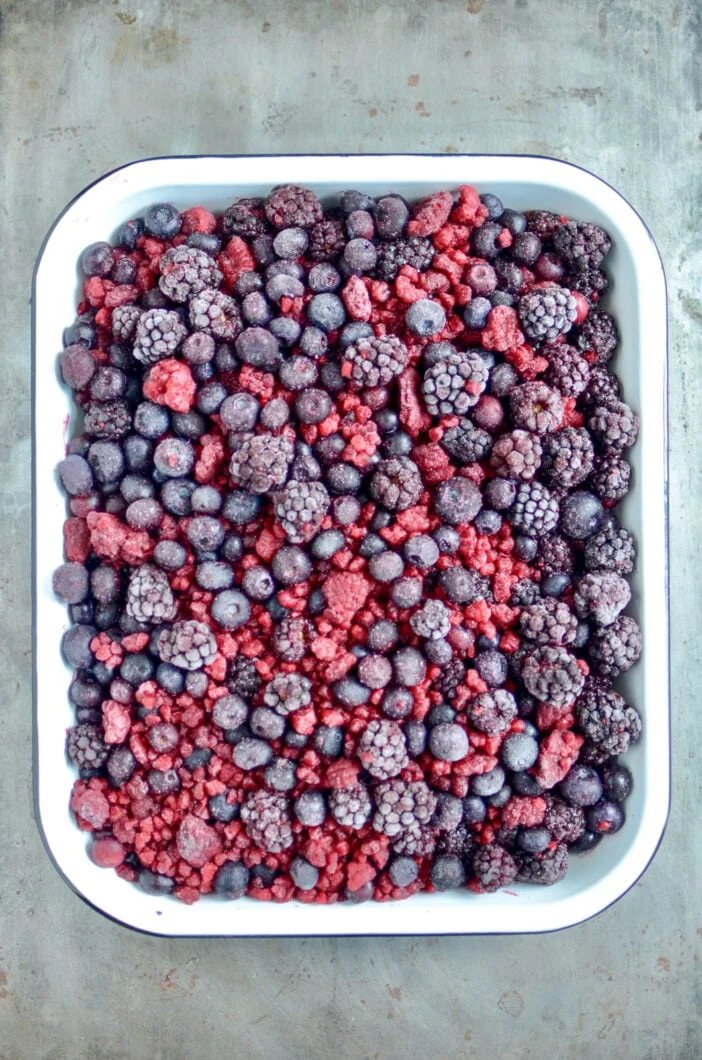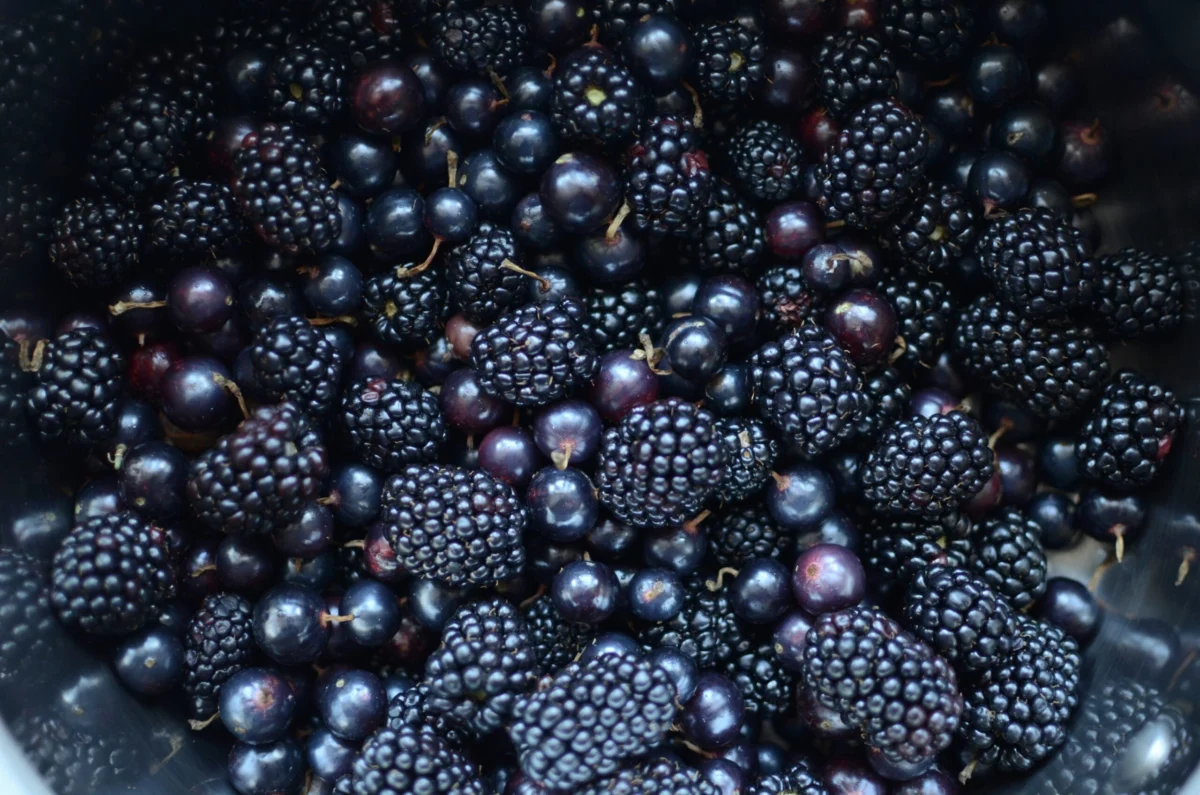
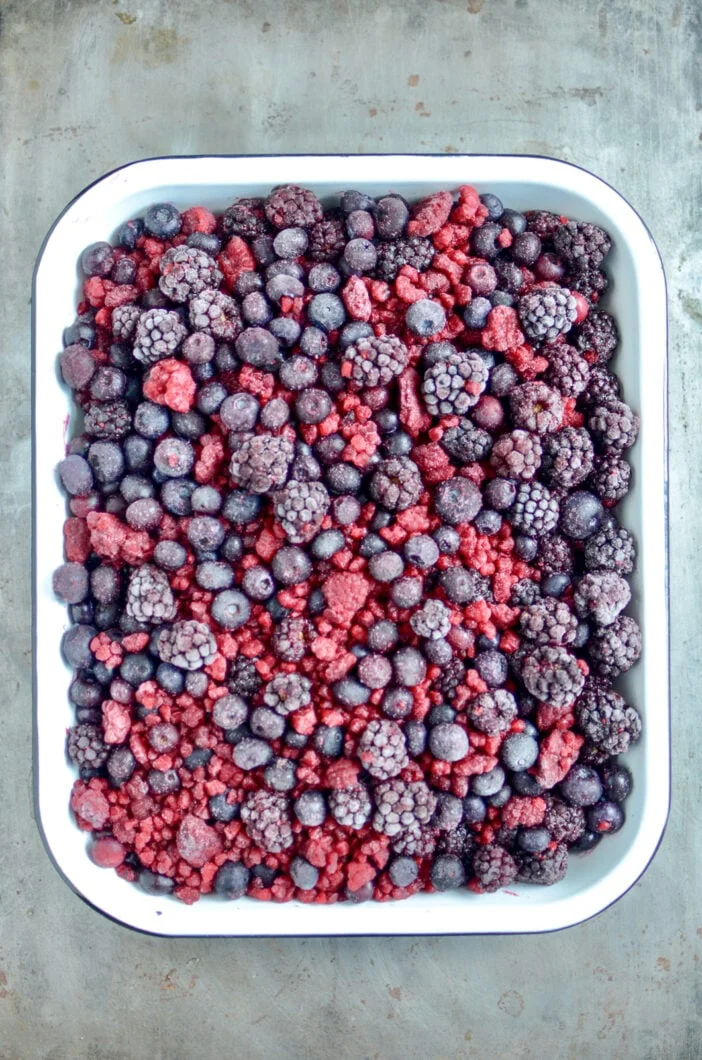
The February Community Canning Challenge is underway, urging home preservers to delve into their deep freezers and transform a season’s bounty of frozen fruit into delectable, ready-to-use preserves. This initiative, championed by Food in Jars, focuses on maximizing stored produce, not merely for smoothie ingredients, but for creating shelf-stable jams, butters, and sauces that extend the vibrant tastes of summer well into the colder months. Participants are encouraged to identify fruits and vegetables tucked away with future culinary intentions, and convert them into culinary staples, thereby reducing food waste and enriching household pantries.
The Strategic Imperative: Clearing the Freezer for Future Harvests
The decision to dedicate February to frozen fruit preservation is a strategic one, aligning with the natural cycle of home food storage. As the peak growing seasons of spring and summer approach, freezer space becomes a premium commodity for future harvests. Utilizing existing frozen stocks now not only makes room but also prevents the often-overlooked issue of "freezer burn" and quality degradation that can occur with prolonged storage. This challenge serves as a timely reminder that the intention to "do something with it later" must eventually become action.
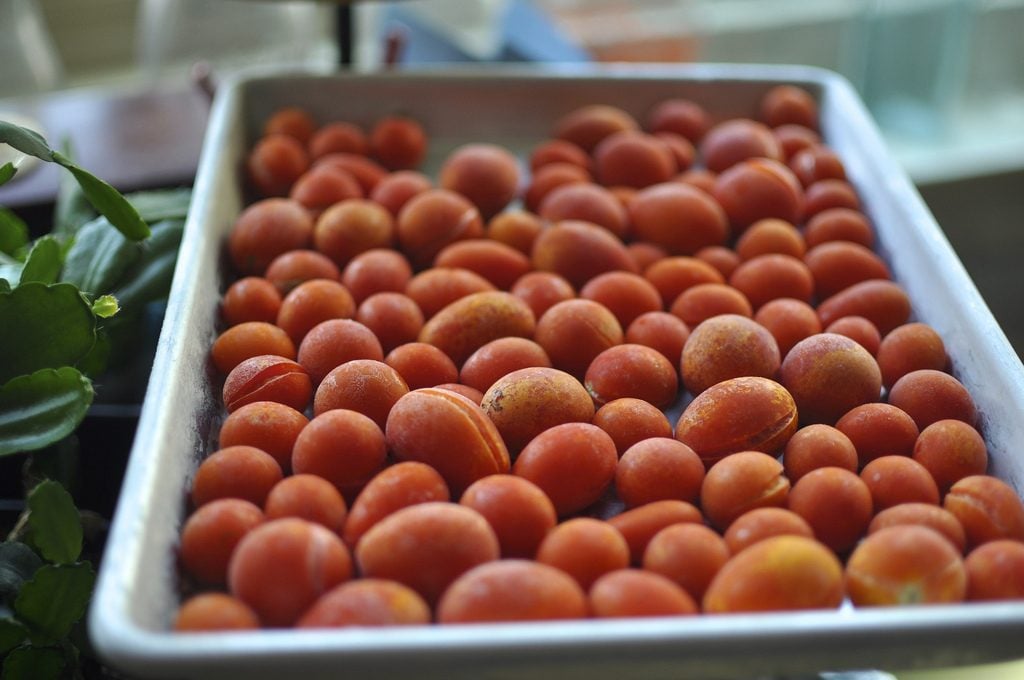
For instance, one participant highlighted their plan to tackle eight cups of frozen tomatoes, initially destined for tomato jam last August, now repurposed for pizza sauce. Another example involves a bag of apricot halves, frozen since June, slated for an Apricot Meyer Lemon jam recipe. These examples underscore the versatility of frozen produce and the adaptability required in home preservation. The challenge is not just about following recipes but about intelligent resource management and creative culinary application.
The Science of Freezing and Its Implications for Canning
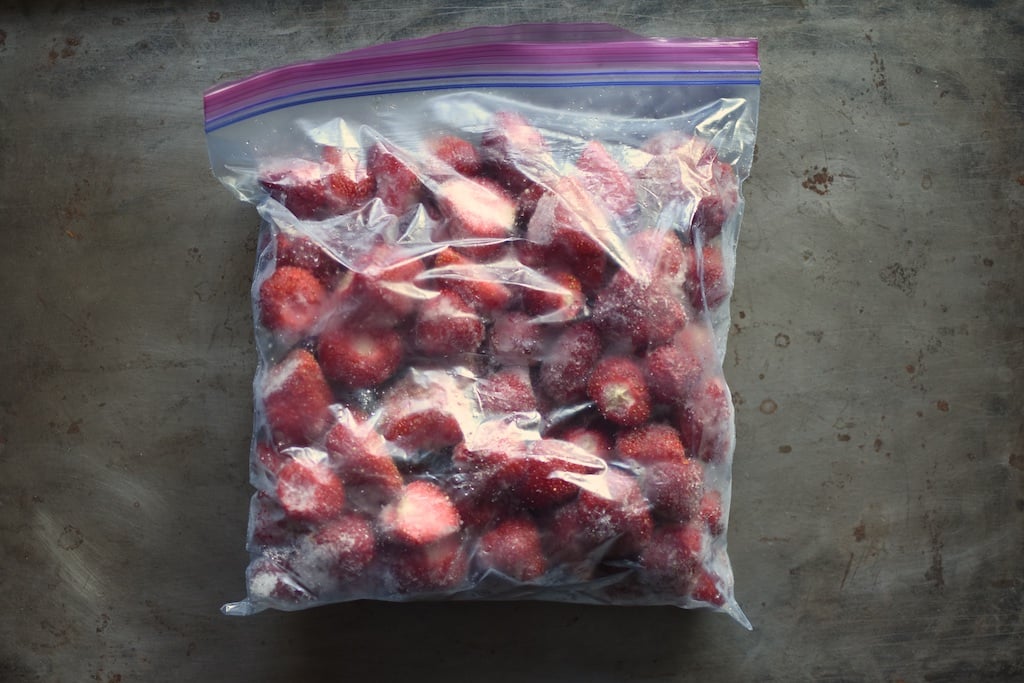
Understanding the fundamental effects of freezing on fruit is crucial for successful preservation. When fresh fruit is subjected to freezing temperatures, the water content within its cellular structure transforms into ice crystals. A key physical property of water is its expansion upon freezing, meaning ice occupies more space than liquid water. This expansion exerts significant pressure on the fruit’s cell walls, causing them to rupture.
While this cellular breakdown is inconsequential as long as the fruit remains frozen, it becomes highly relevant during the defrosting process. The compromised cell walls can no longer contain the fruit’s internal liquids efficiently, leading to a substantial release of "weep" or exudate. This liquid, rich in flavor and sometimes natural pectin, is often mistakenly discarded. However, for most jams, butters, and sauces, incorporating this liquid is vital. Draining it away can lead to an over-thickened product or an altered consistency due to an unintended reduction in moisture, requiring adjusted cooking times and potentially affecting the final set. While exceptions exist, such as when making highly concentrated products like tomato paste where initial liquid reduction is desired, careful judgment is paramount. Preservers must weigh the recipe’s requirements against the unique characteristics of thawed fruit.
Combating Oxidation: Preserving Color and Flavor
Another common challenge encountered when working with frozen fruit is oxidation, which can result in browning and the development of off-flavors during defrosting. This enzymatic browning reaction, where phenols in the fruit react with oxygen, can diminish the aesthetic appeal and taste of the final product. Fortunately, several techniques can mitigate this issue.

One effective method, particularly when preparing preserves that include sugar, is to sugar the fruit while it is still frozen. The sugar acts as a protective layer, inhibiting oxygen exposure and slowing the enzymatic browning process. This technique helps retain the fruit’s vibrant color and fresh flavor. For preparations that do not involve added sugar, a slower defrosting method is recommended. Defrosting fruit gradually in the refrigerator, rather than rapidly at room temperature or in warm water, minimizes the rate of oxidation by reducing the fruit’s exposure to oxygen over a longer, cooler period. Additionally, the inclusion of acidic agents like lemon juice or commercial ascorbic acid (Vitamin C) during the defrosting or initial cooking stages can further prevent discoloration, particularly for delicate fruits like peaches and apples.
Navigating Recipes: The Precision of Weight-Based Measurements
When selecting recipes for transforming frozen fruit, a critical consideration is the unit of measurement. Recipes that specify ingredients by weight (e.g., pounds, grams) are significantly more reliable and practical than those relying on volumetric measurements (e.g., cups). Frozen fruit, even when defrosted, can be unwieldy and inconsistent in its density and packing, making cup measurements highly inaccurate.
For instance, a cup of whole frozen berries will weigh differently than a cup of partially thawed, mashed berries. Using a kitchen scale allows for precise measurement, enabling preservers to simply place their cooking pot on the scale, zero it out, and add the frozen fruit directly, ensuring accuracy and minimizing mess. This precision is paramount in canning, where ratios of fruit, sugar, and acid are often finely balanced to ensure both successful setting and food safety. Adhering to weight-based measurements helps maintain the intended consistency and flavor profile of the final product.
Recommended Applications and Recipe Adaptations

The versatility of frozen fruit lends itself to a wide array of preserves. Here are some examples and considerations for adapting recipes:
-
Tomato Jam: A highly favored recipe, particularly when using frozen tomatoes. The process starts with five pounds of tomatoes, making it an excellent freezer-clearing option. The inherent liquid from the thawed tomatoes contributes to the jam’s texture, and the recipe’s balance of sweet and savory notes works exceptionally well with previously frozen produce. For those preferring a savory application, the same frozen tomatoes can be easily transformed into a robust pizza sauce or a base for stews.
-
Slow Cooker Peach (or other Stone Fruit) Butter: This recipe is adaptable to various stone fruits such as peaches, nectarines, apricots, plums, and cherries. The slow cooker method is ideal for breaking down fruit and evaporating moisture gradually. For optimal results, the frozen fruit should be fully defrosted in a sealed container in the refrigerator to minimize oxidation. When puréeing the defrosted fruit, adding lemon juice at this stage is crucial to buffer against any residual discoloration and to ensure adequate acidity for canning safety.
-
Cherry Blueberry Jam: This recipe demonstrates the efficacy of using commercially frozen fruit or a personal stash. The recommended approach involves placing the frozen fruit directly into the cooking pot, topping it with sugar. As the fruit defrosts, the sugar draws out juices, creating a syrupy base. Once fully defrosted, the sugar can be stirred in, other ingredients added, and the recipe followed as usual. This technique helps meld flavors and maintain fruit integrity.
-
Mixed Berry Jam: This recipe has been successfully tested and developed using frozen fruit, highlighting that the quality of the finished product is not compromised. The blog post for this particular recipe integrates specific guidance for handling frozen berries, ensuring a delicious outcome. The combination of various berries often results in a complex flavor profile and a good natural pectin set.
-
Pear Vanilla Caramel Sauce: This highly flexible recipe allows for the use of various fruit purées from the freezer, including pears, strawberries, peaches, or mango. Similar to the stone fruit butter, defrosting the fruit slowly in its container within the refrigerator is key to preventing oxidation. Once puréed, the fruit base can be incorporated into the caramel sauce, adding a layer of fruity sweetness and complexity.
Broader Implications: Sustainability, Skill Development, and Community
The February Community Canning Challenge transcends the act of simply preserving fruit; it embodies a broader movement towards food sustainability, household economic resilience, and community engagement.
-
Reducing Food Waste: Globally, significant amounts of food are wasted at the consumer level. By encouraging the use of frozen produce, this challenge directly addresses household food waste, transforming items that might otherwise be forgotten or discarded into valuable pantry staples. This practice aligns with environmental goals by reducing the carbon footprint associated with food production and waste disposal.
-
Economic Benefits: Home canning can lead to substantial savings on grocery bills, especially when utilizing seasonal gluts of produce or discounted frozen items. Converting frozen fruit into jams, sauces, and butters provides a cost-effective alternative to purchasing commercially processed versions, which often contain higher levels of artificial additives.

-
Skill Development and Self-Sufficiency: Participating in canning challenges helps individuals develop valuable culinary and preservation skills. These skills foster a sense of self-sufficiency and empowerment, allowing households to take greater control over their food supply and quality. The knowledge gained can be passed down through generations, strengthening culinary traditions.
-
Community Building: The "Community Canning Challenge" aspect emphasizes shared learning and mutual support. Participants share tips, recipes, and success stories, building a vibrant community of preservers. This collaborative environment fosters knowledge exchange and encourages more people to embrace home food preservation, creating a network of informed and engaged individuals.
-
Nutritional Benefits: Preserving fruits and vegetables at their peak ripeness can help retain their nutritional value. While freezing and canning can cause some nutrient loss, careful processing minimizes this, ensuring that preserved foods remain a healthy component of the diet throughout the year.
As the February Community Canning Challenge encourages individuals to clear out their freezers, it simultaneously invites them to engage in a rewarding and impactful practice. By understanding the nuances of working with frozen fruit and employing best practices in canning, participants can transform overlooked ingredients into delicious, shelf-stable treasures, contributing to a more sustainable, economical, and flavorful household. This initiative serves as a powerful reminder of the value of thoughtful food management and the enduring satisfaction of creating food from scratch.