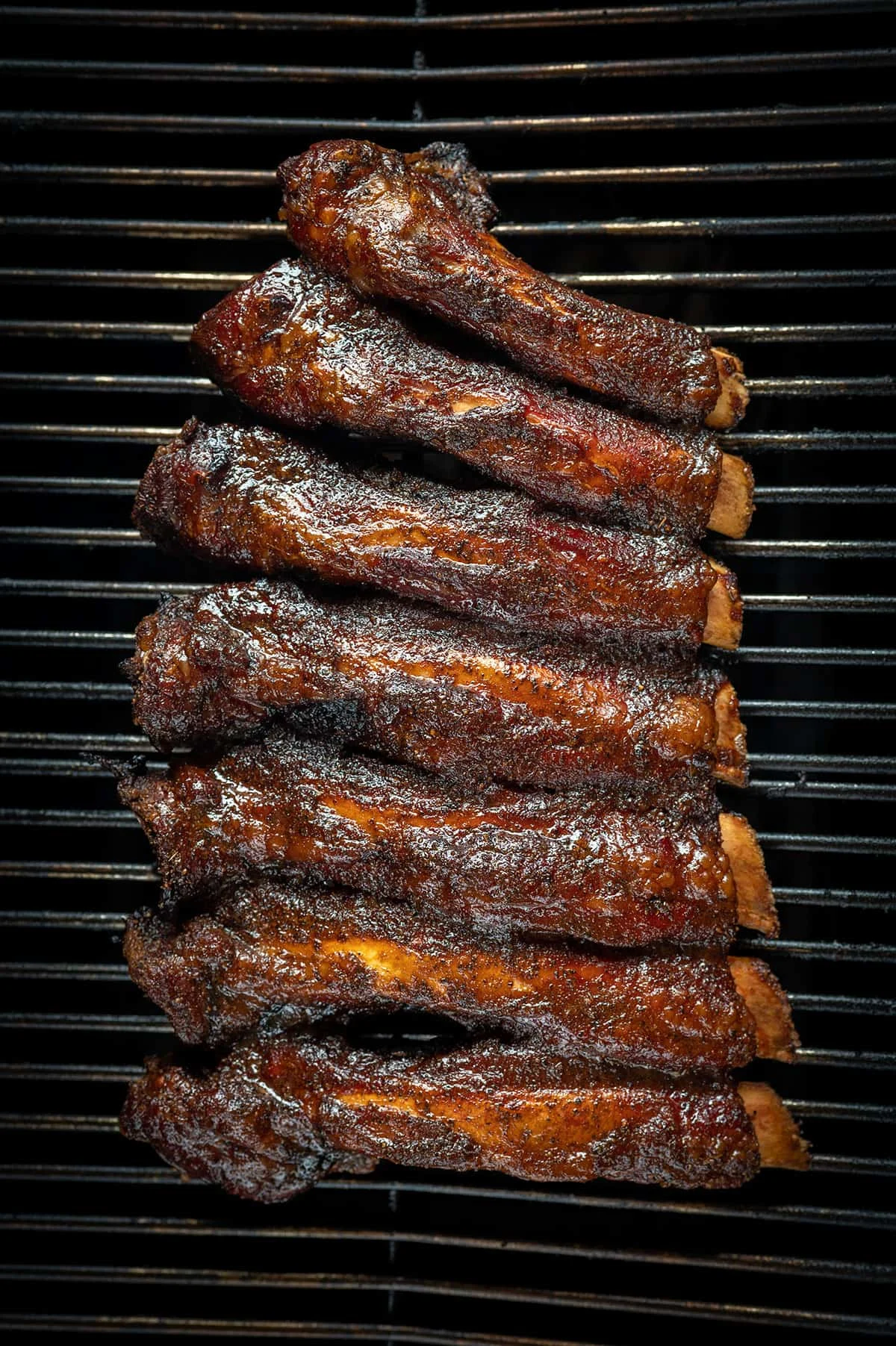
Pastrami, a culinary masterpiece born from a meticulous process of curing, seasoning, smoking, and slicing meat, appears deceptively simple. However, the nuanced interplay of these stages means that even minor missteps can significantly compromise the final product. This comprehensive guide aims to equip home cooks and pitmasters alike with the knowledge to swiftly diagnose and effectively rectify common issues encountered during pastrami preparation, ensuring a consistently delicious outcome. For those seeking an in-depth exploration, Christie Vanover’s "Ultimate Pastrami Guide" offers further insights into this beloved smoked meat.
Understanding the Pastrami Process: From Cure to Slice
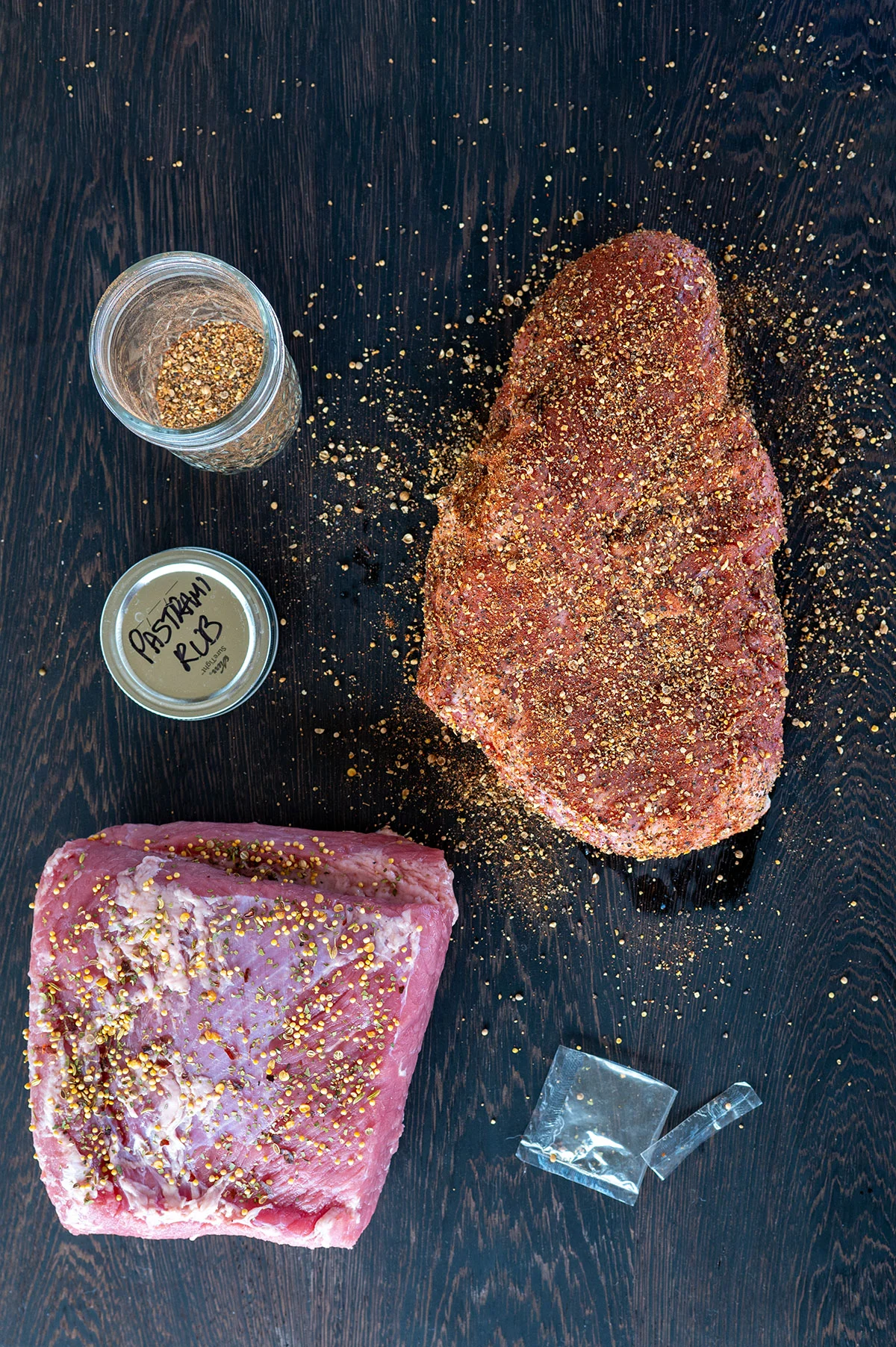
The journey of pastrami begins with the selection of a quality cut of meat, traditionally beef brisket, though other cuts can be utilized. The curing process, typically involving a brine or dry rub rich in salt, sugar, and curing salts like sodium nitrite, is crucial for both preservation and flavor development. This stage can last from several days to over a week, depending on the desired salt penetration and flavor profile. Following the cure, the meat is generously seasoned with a spice rub, a hallmark of pastrami often featuring coarse black pepper, coriander, and mustard seeds, before undergoing a low-and-slow smoking process. The smoking imparts a characteristic smoky aroma and flavor, while the heat gradually breaks down connective tissues, rendering the meat tender. Finally, the pastrami is typically steamed or gently reheated to achieve optimal tenderness before being thinly sliced, ideally against the grain, to maximize its succulent texture.
Common Pastrami Predicaments and Their Solutions
Pastrami Too Salty
One of the most frequently cited reasons for pastrami dissatisfaction is excessive saltiness. While a certain level of salinity is inherent to the curing process and essential for flavor, an over-salted product can render it unpalatable.
Why it Happens
The primary culprit behind overly salty pastrami is an imbalance in the curing solution or rub. This can occur due to:
- Inaccurate Measurement of Salt: Using too much salt in the brine or dry rub is the most direct cause. This might stem from imprecise measuring techniques, using a salt variety with a different density (e.g., kosher salt versus table salt), or misinterpreting recipe instructions.
- Extended Curing Time: Leaving the meat in the curing solution for longer than recommended can lead to over-absorption of salt.
- Lack of Rinsing and Soaking: Failing to adequately rinse the cured meat to remove excess surface salt, or not soaking it in fresh water to draw out internal salt, will result in a saltier final product.
- Concentrated Curing Agent: If the curing agent itself is too concentrated, even a standard amount can lead to excessive saltiness.
How to Fix It
Addressing overly salty pastrami requires proactive measures during the curing and preparation stages:
- Accurate Measurement is Paramount: Utilize a kitchen scale for precise measurement of salt and other curing agents. Understand the difference in volume between salt types.
- Adhere to Curing Times: Strictly follow the recommended curing time for your chosen recipe. Consider shorter curing times for smaller cuts or if you prefer a less intensely cured flavor.
- Thorough Rinsing and Soaking: After the curing period, rinse the meat thoroughly under cold running water. Then, soak the meat in a large container of cold, unsalted water for several hours, changing the water periodically. This process helps to draw out excess salt.
- Taste Testing (Before Smoking): While challenging with raw cured meat, some pitmasters may cautiously taste a small sliver after rinsing and soaking to gauge salt levels.
- Dilution During Cooking (Limited Effectiveness): If the saltiness is mild, you might attempt to mitigate it by serving with accompaniments that offer sweetness or acidity, such as a tangy mustard sauce or a sweet coleslaw. However, this is a limited fix and cannot fully correct an intensely salty outcome.
Pastrami Too Dry or Tough
Pastrami, often prepared from brisket, is inherently susceptible to dryness and toughness if not handled correctly. The long cooking times and low temperatures required for smoking can easily lead to moisture loss.
Why it Happens
Several factors contribute to dry or tough pastrami:
- Overcooking: Exceeding the optimal cooking temperature or time can evaporate essential moisture from the meat.
- Cooking at Too High a Temperature: While a higher temperature can speed up the cooking process, it often results in a tougher, drier product as the muscle fibers seize up.
- Failure to Monitor Internal Temperature: Relying solely on time rather than accurately measuring the internal temperature of the meat can lead to under or overcooking.
- Not Allowing for Sufficient Rest Time: After cooking, meat needs adequate time to rest. During resting, the muscle fibers relax, and juices redistribute throughout the cut, leading to a more tender and moist final product. Skipping or shortening this crucial step can result in juices running out immediately upon slicing, leaving the meat dry.
- Leaner Cuts: Using a particularly lean cut of brisket with minimal marbling can naturally lead to a drier outcome, as there is less intramuscular fat to baste the meat during cooking.
- Not Wrapping the Meat: For brisket, a common practice is to wrap the meat in butcher paper or foil during the smoking process (often referred to as the "Texas Crutch"). This helps to push the meat through the stall (a period where the cooking temperature plateaus due to evaporative cooling) and retain moisture. Omitting this step can lead to a drier product.
How to Fix It
Achieving tender and moist pastrami requires a careful approach to cooking and resting:
- Cook to Temperature, Not Just Time: Utilize a reliable meat thermometer to monitor the internal temperature. For pastrami, aim for an internal temperature of around 195-205°F (90-96°C), where collagen has broken down sufficiently.
- Maintain Consistent Low Temperatures: Smoke the pastrami at a consistent low temperature, typically between 225°F and 275°F (107°C and 135°C).
- Wrap the Meat: Employ the wrapping technique using butcher paper or foil once the bark has formed to your liking (usually after several hours of smoking). This traps moisture and helps to tenderize the meat.
- Generous Resting Period: Allow the pastrami to rest for at least 1-2 hours, or even longer, after cooking. Wrapping it tightly in butcher paper or foil and placing it in a cooler or warm oven (turned off) can help maintain its temperature during this critical phase.
- Select Cuts with Good Marbling: Opt for brisket with good intramuscular fat (marbling), especially in the flat cut. The point cut is naturally more marbled and tender.
- Consider Braising or Steaming After Smoking: For exceptionally tough cuts or as a final step, some pitmasters steam or braise the pastrami after smoking to further enhance tenderness and moisture.
Bark Too Soft
The characteristic "bark" of pastrami, a flavorful crust formed from the spice rub and rendered fats, is a highly prized element. A soft or nonexistent bark can detract from the overall sensory experience.
Why it Happens
A soft bark is typically a result of insufficient drying or improper smoke application:
- Meat Too Wet: If the meat is not adequately dried before applying the spice rub, or if it’s too moist when it enters the smoker, the rub will not adhere properly and will not form a crisp crust.
- Low Smoker Temperature: A smoker that is not hot enough will not allow the rub to caramelize and harden effectively.
- Excessive Moisture in the Smoker: High humidity within the smoker, often from spraying the meat too frequently with liquids, can prevent the bark from drying out and crisping up.
- Insufficient Smoke Time Before Wrapping: If the meat is wrapped too early in the smoking process, before the bark has had sufficient time to form and set, it will remain soft.
- Rub Composition: While less common, a rub that is too fine or lacks sufficient coarse ingredients might not form as robust a bark.
How to Fix It
Developing a firm, flavorful bark requires attention to surface moisture and heat:
- Thoroughly Dry the Meat: After curing and rinsing, pat the meat completely dry with paper towels before applying the spice rub. Allow the meat to air dry in the refrigerator for a few hours or overnight if possible, uncovered. This creates a surface that readily accepts the rub and promotes bark formation.
- Maintain Optimal Smoker Temperature: Ensure your smoker is maintained at the appropriate temperature range (225°F-275°F or 107°C-135°C) throughout the smoking process.
- Limit Spraying: If you choose to spray the meat during smoking, do so sparingly. Opt for lighter mistings with less liquid, and only when necessary to prevent over-drying. Avoid heavy saturation.
- Allow Bark to Set: Let the pastrami smoke uncovered for the initial portion of the cooking time until a deep, reddish-brown bark has formed and feels tacky but firm to the touch. Only then should you consider wrapping the meat.
- Coarse Grind for Rub: Use a coarse grind for your pepper and coriander in the rub. These larger particles create a more textured and robust bark.
Not Smoky Enough
The defining characteristic of pastrami, differentiating it from corned beef, is its pronounced smoky flavor. A lack of smoke can leave the pastrami tasting bland and incomplete.
Why it Happens
Insufficient smokiness is almost always a "pit problem" rather than a recipe issue:
- Inadequate Wood Usage: Not using enough wood chunks or chips, or using wood that is not properly seasoned, will result in a weak smoke output.
- Poor Airflow: A smoker with restricted airflow will not efficiently produce and circulate smoke. This can be due to clogged vents, excessive ash buildup, or an improperly designed smoker.
- Wood Smoldering Instead of Smoking: If the wood is burning too intensely (flaming) rather than smoldering, it produces less smoke and more heat, compromising the smoke flavor.
- Short Smoking Time: If the smoking duration is too brief, the meat will not have sufficient time to absorb smoke compounds.
- Smoker Type and Efficiency: Some smokers are inherently more efficient at producing smoke than others. A poorly insulated or designed smoker might not retain smoke effectively.
How to Fix It
Enhancing the smoky flavor of pastrami involves optimizing your smoking setup and technique:
- Use Sufficient Wood: Ensure you are using an appropriate amount of high-quality smoking wood. Experiment with different wood types like hickory, mesquite, or oak to find your preferred flavor profile.
- Ensure Proper Airflow: Regularly check and adjust your smoker’s vents to ensure optimal airflow. Keep the ash pan clean to prevent clogs.
- Control the Burn: Aim for a consistent, smoldering fire that produces thin, blue smoke rather than thick, white smoke. Thin blue smoke carries the most desirable flavor compounds.
- Extend Smoking Time: If your pastrami is not smoky enough, consider extending the smoking duration. However, be mindful of not overcooking the meat.
- Experiment with Wood Additives: Some pitmasters use wood pellets or wood chips in combination with charcoal to boost smoke production.
- Consider a Smoker Tube or Maze: For smokers that struggle to produce consistent smoke, a smoker tube or maze filled with wood pellets can provide a continuous stream of smoke for extended periods.
Too Smoky
Conversely, an overpowering smoky flavor can be just as detrimental as a lack of smoke. This can occur when the smoke is too intense or the meat is exposed to it for too long.
Why it Happens
Over-smokiness typically arises from:
- Excessive Wood Usage: Using too much wood, or wood that is too strong (e.g., mesquite in large quantities), can impart an acrid or bitter smoky flavor.
- "Choking" the Smoker: Overfilling the firebox with wood can lead to smoldering and inefficient combustion, producing bitter, acrid smoke.
- Prolonged Exposure to Dense Smoke: Allowing the meat to sit in dense, white smoke for an extended period can lead to over-absorption of undesirable smoky compounds.
- Using Wet or Unseasoned Wood: Wet wood or wood that has not been properly seasoned can produce bitter, creosote-laden smoke.
How to Fix It
Taming an overly smoky pastrami requires adjustments to your smoking process:
- Use Wood Sparingly: Start with a moderate amount of wood and add more only if needed. Different wood types have varying smoke intensities.
- Achieve Clean Burning: Ensure your fire is burning cleanly with thin, blue smoke. Avoid thick, white smoke, which often indicates incomplete combustion and can impart bitter flavors.
- Manage Airflow: Proper airflow is crucial for clean combustion and smoke management. Ensure your vents are correctly adjusted.
- Remove Meat from Excessive Smoke: If you notice the smoke becoming excessively dense or acrid, consider temporarily removing the meat from the smoker or adjusting your fire to produce cleaner smoke.
- Use Well-Seasoned Wood: Always use properly seasoned smoking wood. Wet or green wood will produce bitter smoke.
- Consider a "Finishing" Stage: If the smoke flavor is too intense, you can sometimes mitigate it by finishing the cook in an oven or a steamy environment, which can help to mellow out the smoke. However, this is a last resort.
Slices Crumble
The ideal pastrami slice should hold its integrity while being tender enough to yield to gentle pressure. Crumbling slices indicate an issue with the meat’s structure or slicing technique.
Why it Happens
Crumbling slices can be attributed to:
- Overcooking and Excessive Tenderness: While tenderness is desired, overcooking can break down the muscle fibers to the point where they lose their structural integrity, leading to crumbling.
- Slicing Against the Grain: Pastrami, like all muscle meats, has a grain. Slicing with the grain will result in tough, stringy pieces, while slicing against the grain yields tender, easy-to-chew slices. If the grain is not properly identified, or if the meat is sliced haphazardly, it can crumble.
- Insufficient Resting Time: As mentioned earlier, a proper rest allows juices to redistribute. If the meat is sliced too soon, the juices will run out, leaving the meat dry and prone to crumbling.
- Under-Curing or Improper Curing: The curing process contributes to the meat’s structure. Improper curing can lead to a weaker meat matrix.
How to Fix It
Ensuring clean, intact pastrami slices requires attention to cooking, resting, and slicing technique:
- Cook to the Correct Temperature: Avoid overcooking the pastrami. While you want it tender, it should not be so cooked that the muscle fibers completely disintegrate. Aim for the 195-205°F (90-96°C) range.
- Master the Grain: Before slicing, carefully identify the direction of the muscle fibers (the grain). Always slice thinly and directly against this grain.
- Allow Adequate Resting: A prolonged rest is crucial for allowing the juices to settle and the meat fibers to relax, providing the necessary structure for clean slicing.
- Use a Sharp Knife or Slicer: A very sharp knife or a commercial meat slicer is essential for clean, precise cuts. A dull knife will tear and shred the meat.
- Chill Slightly Before Slicing: Some pitmasters find that slightly chilling the pastrami after resting (but not to the point of solidifying the fat) can make it easier to slice cleanly, as it firms up the meat slightly.
Meat Isn’t Pink
The characteristic pink hue of cured meats like pastrami is often associated with quality and proper curing. A lack of this pink color can sometimes cause concern.
Why it Happens
The absence of a distinct pink color in pastrami is not always an indicator of a problem:
- Curing Salt Type and Concentration: The type and amount of curing salt used, particularly sodium nitrite, are responsible for the pink color. Some recipes may use less curing salt or omit it entirely, leading to a gray or brown appearance.
- Natural Meat Color Variation: The natural myoglobin content in different cuts of meat can vary, influencing how they react to curing salts.
- Over-Smoking: Excessive smoke exposure, particularly from certain types of wood, can sometimes mask or alter the pink color achieved through curing.
- Long Cooking Times: Very long cooking times can sometimes cause the pink color to fade, especially if the meat is cooked at higher temperatures.
- Insufficient Curing Time: If the meat hasn’t been cured for a sufficient duration, the curing salts may not have had enough time to fully react with the myoglobin to produce the characteristic pink color.
How to Fix It
Achieving the desired pink color, while not essential for flavor or safety, can be influenced by:
- Use of Curing Salts: The most direct way to achieve a pink hue is by using curing salts (e.g., Prague Powder #1 or pink curing salt) in the correct proportions. These salts react with myoglobin to create a stable pink color.
- Accurate Curing Time: Ensure the meat is cured for the recommended duration. This allows sufficient time for the curing salts to penetrate and react with the meat.
- Appropriate Wood Selection: While smoke is vital for flavor, some woods can impart a darker color. Experiment with milder smoking woods if color is a primary concern.
- Temperature Control: Maintaining consistent, lower cooking temperatures can help preserve the pink color achieved during curing.
- Consider Color as a Secondary Factor: It’s important to remember that the pink color is primarily a visual indicator and not the sole determinant of a well-made pastrami. Flavor, tenderness, and texture are paramount.
By understanding these common pitfalls and their solutions, aspiring pastrami makers can confidently navigate the complexities of this beloved smoked meat, transforming potential failures into delicious successes and consistently delivering a product that honors tradition and satisfies the palate.