The "Brassicas and Root Vegetables Community Canning Challenge," an initiative spearheaded by the popular food preservation platform Food in Jars, has been launched to engage enthusiasts in the art and science of home canning. This month-long event focuses on the preservation of a diverse array of brassicas and root vegetables, aiming to educate participants, foster community, and promote sustainable food practices. The challenge provides a structured framework for individuals worldwide to explore various preservation techniques, from quick pickling and water bath canning to fermentation and pressure canning, all while leveraging the seasonal abundance and inherent hardiness of these versatile crops.
The Community Canning Challenge is designed as an accessible entry point for both novice and experienced preservers. Its primary objective is to demystify food preservation, offering practical guidance and fostering a supportive environment for skill development. By concentrating on brassicas and root vegetables, the organizers have selected a category of produce known for its robust nature and availability across different hemispheres during this period, ensuring broad participation. The challenge was formally announced with an introductory post, inviting participants to sign up via a dedicated online form and join discussions on platforms like Substack and a private Facebook group, where all challenge-related content is provided free of charge to maximize accessibility.
The Enduring Appeal of Home Food Preservation

Home food preservation, a practice deeply embedded in human history, has experienced a significant resurgence in recent decades. Driven by increasing interest in food sovereignty, a desire for healthier eating, concerns about food waste, and the simple pleasure of homemade goods, practices like canning and fermenting have moved from necessity to hobby and even a lifestyle choice for many. Historically, communities relied on preserving gluts of produce to ensure sustenance through leaner months, a tradition that modern challenges like this seek to rekindle and adapt for contemporary kitchens.
The "Food in Jars" platform, founded by Marisa McClellan, has been a pivotal force in this revival, providing reliable recipes, expert advice, and a vibrant community for preservers. The Community Canning Challenge series is a testament to this commitment, structuring seasonal themes to guide participants through different produce types and preservation methods throughout the year. The current focus on brassicas and root vegetables for this inaugural challenge of the year is particularly strategic, given their widespread availability and adaptability to multiple preservation techniques. These crops are not only storage-friendly but also packed with nutrients, making them ideal candidates for extending the harvest.
Defining the Challenge’s Core Produce: Brassicas and Root Vegetables
The challenge centers on two broad categories of vegetables: brassicas and root vegetables. While there is some overlap, understanding their distinct characteristics is key to effective preservation.

Brassicas (Cruciferous Vegetables): Botanically classified under the Brassica genus within the mustard family (Brassicaceae), this group encompasses a wide range of popular vegetables. Common examples include:
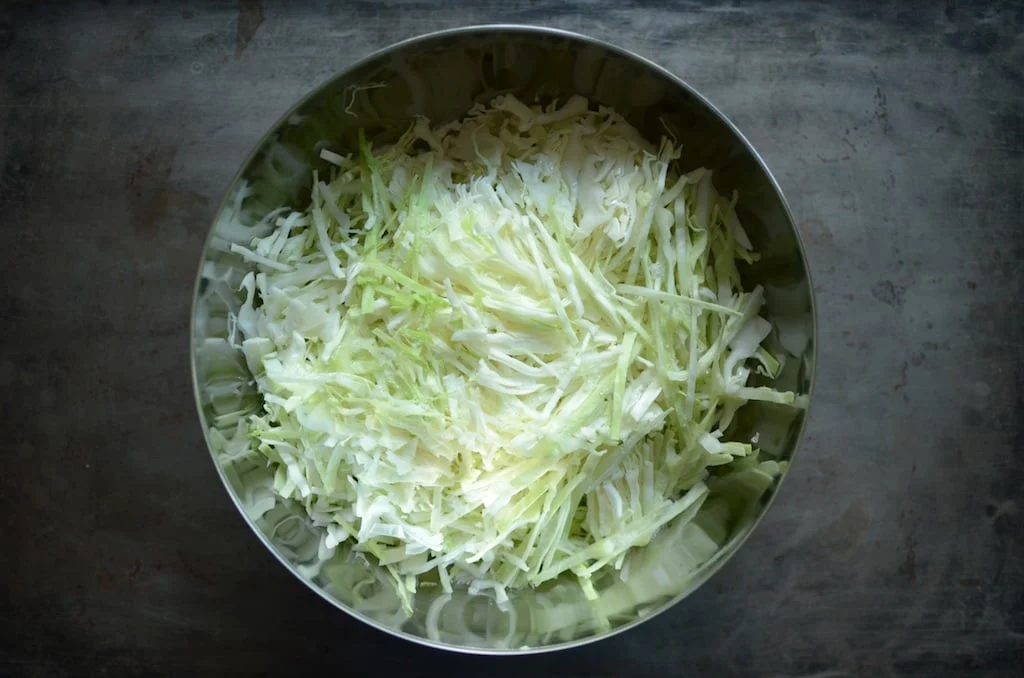
- Cabbage: Green, red, savoy, Napa varieties. Renowned for its use in sauerkraut, kimchi, and various pickled preparations.
- Broccoli: Florets and stems, often blanched and frozen, or used in pickled relish.
- Cauliflower: Similar to broccoli, often pickled or incorporated into mixed vegetable preserves.
- Kohlrabi: A unique bulbous vegetable with a crisp texture, excellent for pickling or fermenting.
- Rutabaga: A hearty root vegetable, often canned plain or in stews.
- Turnip: Another versatile root, suitable for pickling or pressure canning.
Brassicas are celebrated for their nutritional density, often high in vitamins C and K, fiber, and potent antioxidants like glucosinolates, which have been linked to various health benefits. Their robust structure generally holds up well to the rigors of preservation.
Root Vegetables: This is a more informal culinary classification referring to any edible plant part that grows underground. For the purposes of this challenge, it includes:
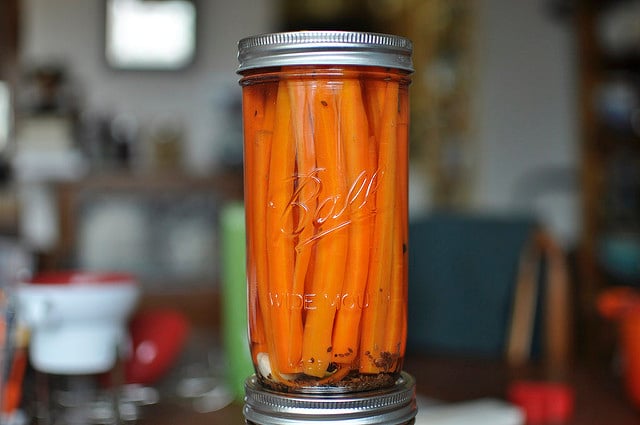
- Carrots: Highly versatile, commonly pickled, canned plain, or incorporated into relishes. Rich in Vitamin A.
- Parsnips: Similar to carrots but with a sweeter, earthier flavor, suitable for canning.
- Radishes: Though smaller, their peppery bite can be preserved through quick pickling.
- Beets: Valued for their vibrant color and earthy sweetness, often pickled or canned whole/sliced.
Root vegetables are typically excellent sources of complex carbohydrates, fiber, and various vitamins and minerals, depending on the specific vegetable. Their natural sturdiness makes them ideal for long-term storage, both fresh and preserved. The overlap occurs with vegetables like rutabaga and turnip, which are both brassicas and root vegetables, offering participants diverse options within the challenge’s scope.
Mastering Preservation Techniques: A Practical Guide
The challenge encourages participants to experiment with three primary preservation methods: pickling (quick or water-bath), fermenting, and pressure canning. Each method offers distinct advantages and is suited to different types of produce and desired outcomes.
1. Pickling: This method relies on an acidic brine, typically vinegar-based, to preserve food. The acidity inhibits the growth of spoilage microorganisms and adds characteristic tangy flavors.
-
Quick Pickling (Refrigerator Pickles): This is the simplest entry point into pickling. Vegetables are submerged in a hot vinegar brine (often seasoned with sugar, salt, and spices) and then refrigerated. They are not shelf-stable and must be stored in the refrigerator, typically lasting several weeks to a few months. This method is excellent for maintaining the crisp texture of vegetables like radishes, carrots, kohlrabi, and thinly sliced cabbage (as in "Health Salad," an East Coast deli staple). A primer on quick pickling, including suggestions for various vegetables, has been provided to guide participants. The flexibility of quick pickling allows for creative flavor combinations and minimal equipment.

-
Water Bath Canning (Shelf-Stable Pickles): For shelf-stable pickled products, vegetables in an acidic brine are processed in a boiling water bath canner. This method creates a vacuum seal and sufficiently heats the jars to destroy spoilage organisms and enzymes, ensuring safe, long-term storage at room temperature. Vegetables like whole or sliced carrots, beets, cauliflower florets, and cabbage can be successfully water-bath canned. Critical safety guidelines emphasize maintaining a vinegar concentration of at least 5% acidity, ensuring the brine is not diluted by more than half, and including adequate salt, which aids in flavor and penetration of the vinegar into the vegetables. Reputable, tested recipes (e.g., from USDA, university extension services) are paramount for safety.
2. Fermentation: This ancient preservation technique utilizes beneficial microorganisms, primarily lactic acid bacteria, to convert sugars in food into lactic acid. This creates an acidic environment that preserves the food while also imparting complex flavors and often enhancing nutritional value through the production of probiotics.
- Lacto-Fermentation: For brassicas and root vegetables, lacto-fermentation is a popular choice. Examples include:
- Sauerkraut: Finely shredded cabbage fermented with salt, a classic example of preserving brassicas.
- Kimchi: A spicy fermented Korean side dish, often made with Napa cabbage and various root vegetables.
- Fermented Carrots or Beets: Whole or sliced roots can be fermented in a salt brine, developing a tangy, slightly effervescent flavor.
- Fermented Kohlrabi or Turnips: These can be prepared similarly to sauerkraut or as standalone fermented vegetables.
Fermentation requires careful attention to sanitation and maintaining an anaerobic environment (oxygen-free) to prevent mold growth. Starter cultures can be used, but often the naturally occurring bacteria on the vegetables are sufficient.
3. Pressure Canning: This method is essential for preserving low-acid foods, which include most plain vegetables (not pickled or fermented). Pressure canning reaches temperatures higher than boiling water, effectively destroying Clostridium botulinum spores, which can thrive in low-acid, anaerobic environments and produce a deadly toxin.
- Application for Challenge Vegetables: While many brassicas and root vegetables are suitable for pickling or fermenting, pressure canning is appropriate for preserving them plain or as components of soups and stews. For instance, plain carrots, potatoes (though not a brassica or typical root in the challenge, it’s a common pressure-canned root), or even turnips and rutabagas can be safely pressure canned in water or broth. This method yields a softer texture than pickling but provides ready-to-eat ingredients for meals. Strict adherence to USDA-tested pressure canning recipes, including correct processing times and pressures for specific altitudes, is non-negotiable for safety.
Guidance and Community Engagement

To facilitate successful participation, the challenge organizers have established clear channels for support and information. The introductory post directed participants to sign up through a Google Form, which helps the organizers gauge interest and communicate updates. All challenge-related posts, including detailed instructions, recipes, and discussion prompts, are made available free of charge on Substack, ensuring broad access. Furthermore, a dedicated Facebook group serves as a dynamic forum for participants to ask questions, share their progress, troubleshoot issues, and exchange ideas and recipes. This multi-platform approach underscores the community-centric ethos of the challenge.
The organizer, implicitly Marisa McClellan of Food in Jars, emphasizes that while specific recipes from the blog archives are provided as starting points, participants are encouraged to explore other reputable sources. This includes a vast library of food preservation cookbooks and countless online recipes. However, a crucial caveat is issued regarding safety: for any new-to-them pickle recipe intended for water bath canning, participants are urged to verify that the vinegar is not diluted by more than half and that the recipe includes salt. These parameters are fundamental for ensuring adequate acidity and proper osmotic action, which are critical for safe, shelf-stable preservation.
Broader Impact and Implications
The "Brassicas and Root Vegetables Community Canning Challenge" extends beyond individual kitchen projects, contributing to several broader societal benefits:

- Enhancing Food Literacy: The challenge educates participants about seasonal eating, the origins of their food, and the science behind preservation, fostering a deeper understanding of their food system.
- Promoting Sustainable Practices: By encouraging the preservation of seasonal gluts, the challenge directly addresses food waste, a significant environmental concern. It also promotes the use of locally sourced produce, reducing the carbon footprint associated with long-distance food transportation.
- Boosting Household Food Security: Home canning empowers individuals and families to build a pantry of healthy, preserved foods, increasing their resilience and reducing reliance on commercial supply chains, particularly beneficial during times of economic uncertainty or supply chain disruptions.
- Fostering Community and Skill Sharing: The "Community" aspect is vital. These challenges create a global network of like-minded individuals, facilitating the exchange of traditional knowledge, modern techniques, and troubleshooting tips. This communal learning environment helps preserve and evolve valuable culinary skills that might otherwise be lost.
- Encouraging Culinary Creativity: By providing a framework, the challenge inspires participants to experiment with flavors, spices, and vegetable combinations, expanding their culinary repertoire and adding variety to their diets.
- Economic Benefits: Preserving food at home can be more cost-effective than purchasing commercially processed equivalents, especially when working with garden harvests or farmers’ market deals.
In an era marked by increasing interest in self-sufficiency and mindful consumption, initiatives like the "Brassicas and Root Vegetables Community Canning Challenge" play a crucial role. They not only provide practical skills but also cultivate a sense of accomplishment, connection, and appreciation for the bounty of the earth. The challenge serves as a timely reminder that preserving food is not just about extending shelf life; it’s about connecting with tradition, fostering community, and embracing a more sustainable way of living.