The growing global passion for artisanal bread making has naturally led many dedicated home bakers to seek equipment capable of scaling their craft beyond the limitations of conventional domestic ovens. This pursuit often culminates in the acquisition of specialized tools designed for efficiency and superior results, a journey exemplified by the increasing adoption of brick ovens like the Belgian-made Rofco B40. What begins as a desire to bake six loaves at a time—a formidable quantity for a home kitchen, though modest by commercial standards—evolves into an active search for the right infrastructure to enhance quality and output, allowing bakers to focus more intensely on the nuanced aspects of flavor, fermentation, dough handling, and shaping. This detailed guide explores the Rofco B40 bread oven, its capabilities, operational best practices, and its significance in the evolving landscape of home and micro-bakeries.
The Evolution of Home Baking and the Demand for Specialised Equipment
The past decade has witnessed a significant resurgence in home baking, particularly driven by the sourdough phenomenon and a broader consumer interest in natural, preservative-free foods. What started as a hobby for many during global lockdowns has blossomed into a serious pursuit, pushing the boundaries of what a home kitchen can achieve. As proficiency grows, so does the aspiration to produce larger quantities of consistently high-quality bread, whether for personal consumption, sharing with community, or even launching nano and micro-bakeries that serve local farmers’ markets or direct-to-consumer channels. This scaling-up inherently necessitates a shift from conventional oven setups, which often struggle with maintaining stable temperatures, generating adequate steam, or accommodating multiple loaves simultaneously. The market for specialized home baking equipment has consequently expanded, with products like the Rofco oven emerging as a critical bridge between domestic limitations and full-scale commercial operations.
Introducing the Rofco B40: Belgian Engineering for Artisanal Bread
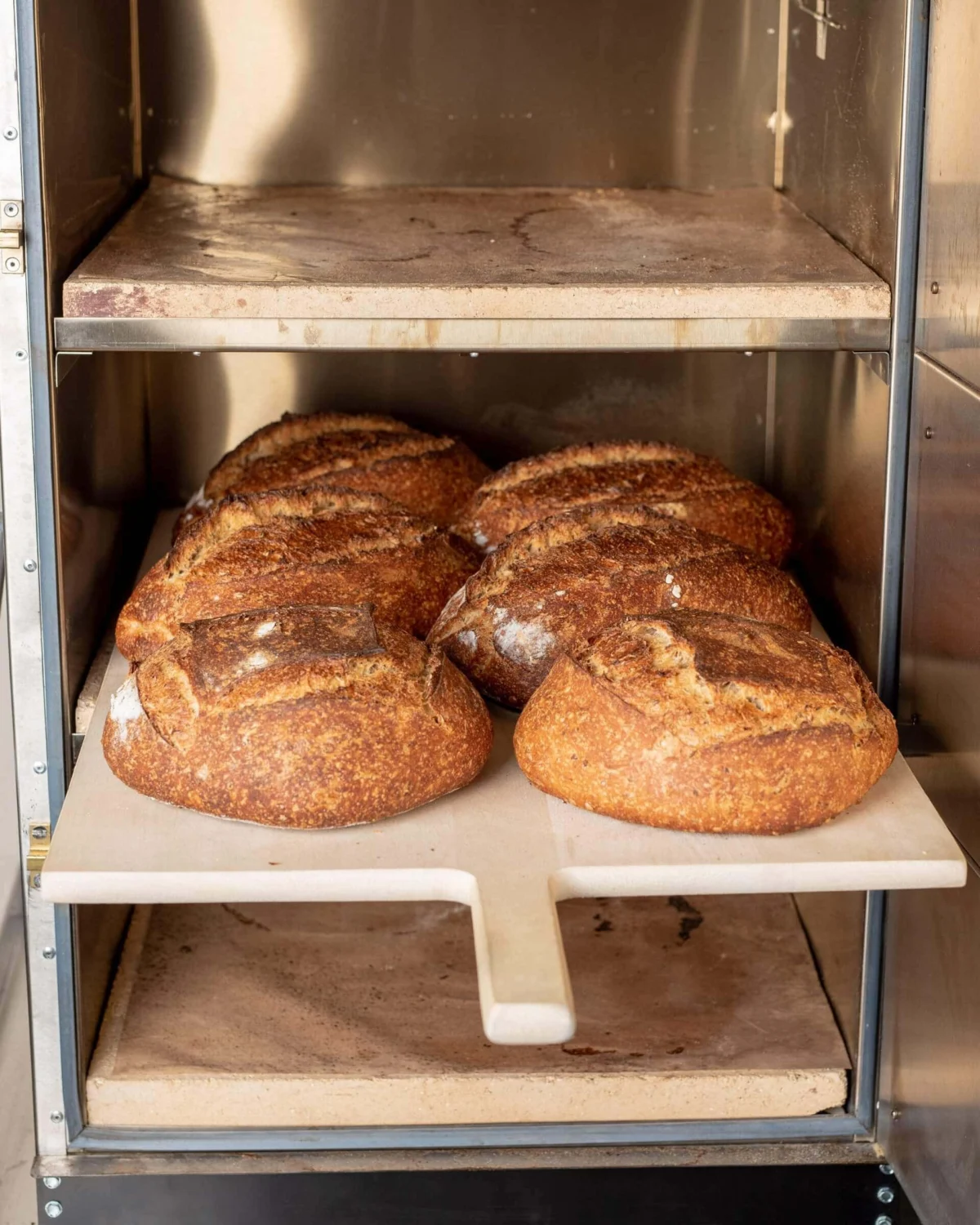
At the heart of this elevated home baking experience lies the Rofco bread oven, a testament to robust Belgian engineering. The Rofco line, with the B40 being its largest variant, is specifically designed to replicate the conditions of a traditional brick oven in a compact, accessible form factor. The B40 model features three square baking decks, each constructed from 1-3/8-inch thick chamotte refractory bricks. These substantial stones are the cornerstone of the Rofco’s performance, possessing exceptional thermal mass that allows them to retain significant heat even after the oven door is opened for loading and unloading. This heat retention is crucial for achieving superior oven spring—the rapid expansion of dough upon entering a hot oven—and developing a perfectly crisp, caramelized crust, hallmarks of artisanal bread. The sealed oven chamber further contributes to this efficiency, minimizing external radiant heat loss and maintaining a stable internal environment, while also serving as an excellent retention chamber for steam.
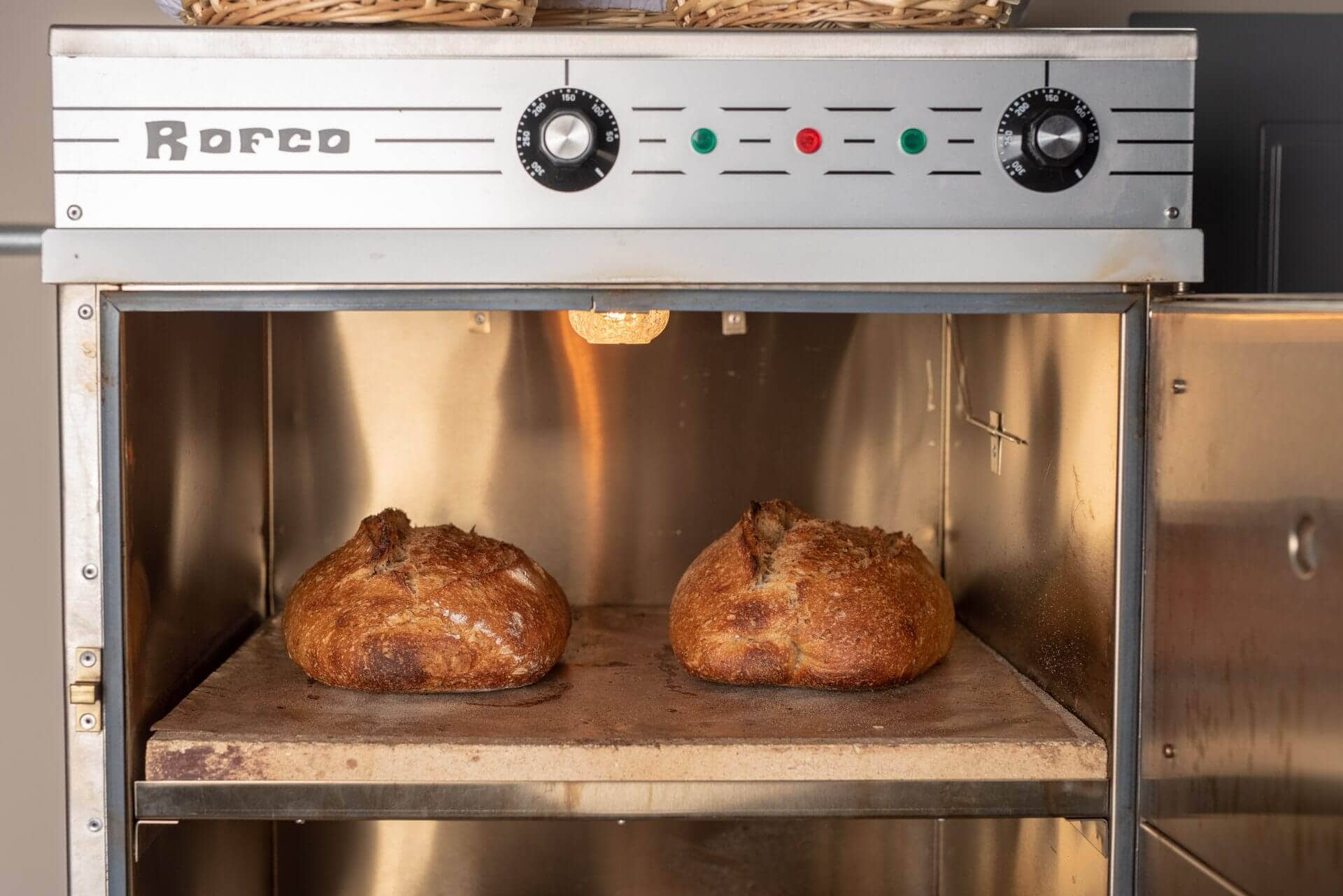
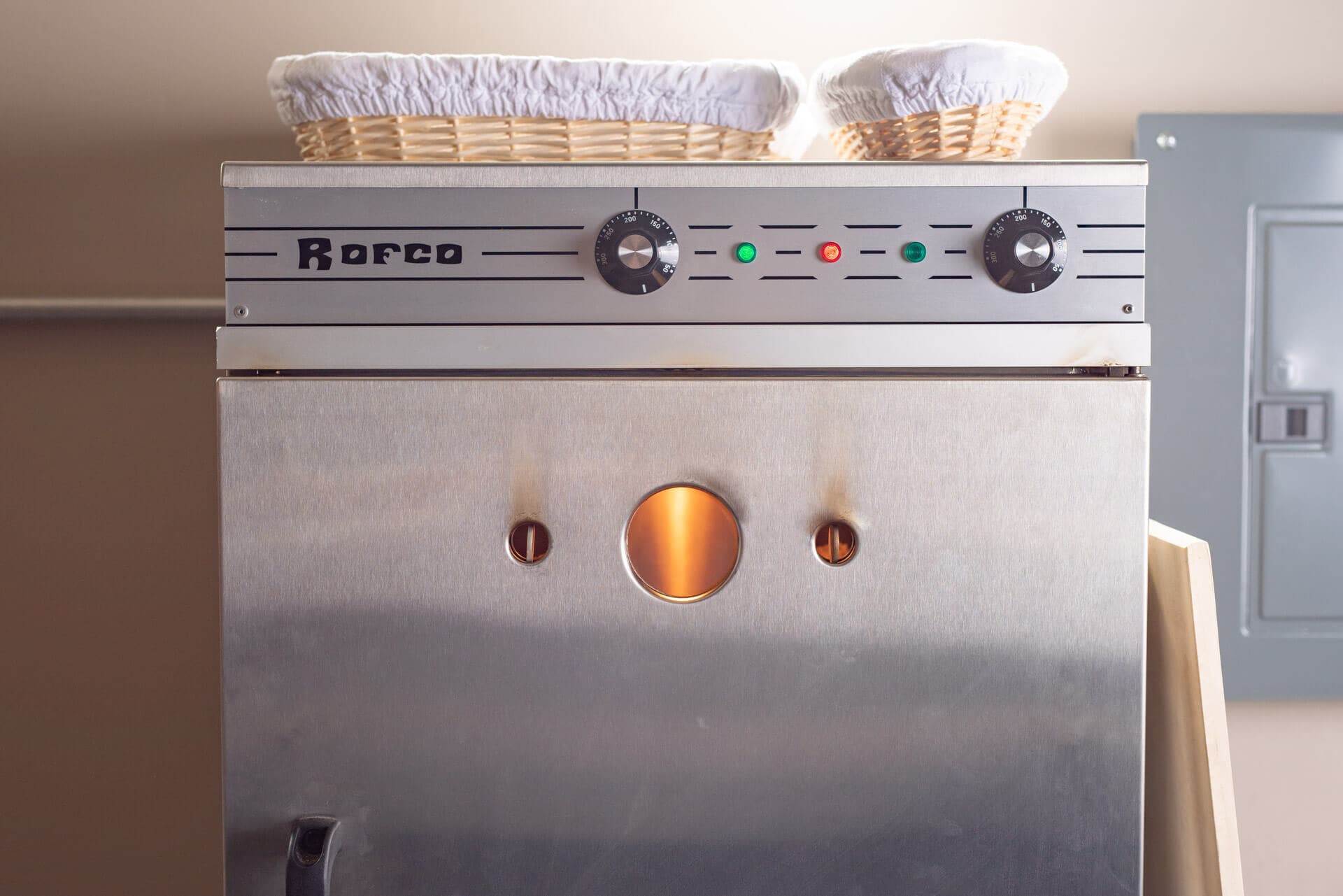
Unlike many commercial ovens, the Rofco prioritizes simplicity and durability. Its "no-nonsense construction" translates to fewer complex components, making it inherently reliable and, crucially for home users, easier to maintain and repair. The unit operates on a typical 220V AC single-phase power supply, similar to other high-draw appliances found in many modern homes. This often requires a dedicated circuit and receptacle installation by a qualified electrician, an important consideration for prospective owners, but one that ensures safe and efficient operation. This power requirement underscores its semi-professional capabilities, differentiating it from standard kitchen appliances.
Operational Efficiency and Capacity
The Rofco B40’s design directly addresses the core needs of advanced home bakers and micro-bakeries: capacity and consistent performance. While capable of baking large-scale batches for events and gatherings, its sweet spot for daily use often lies in producing 4-6 standard loaves. This balance of capacity and convenience makes it a versatile workhorse, allowing bakers to transition seamlessly from personal projects to larger production runs.

Strategic Dough Positioning for Optimal Results
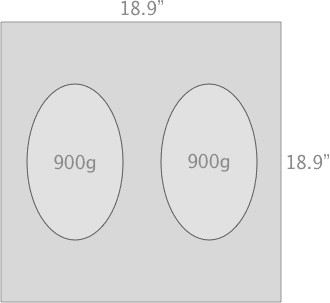
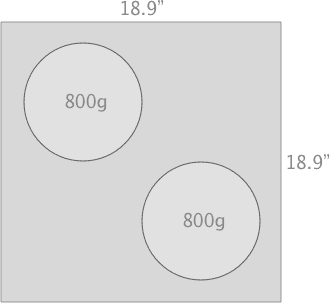
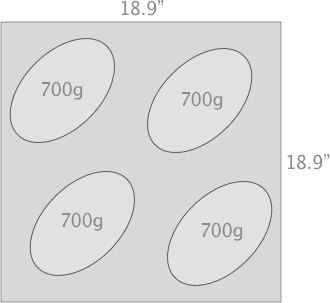
Maximizing the Rofco’s baking capacity without compromising the quality of each loaf is an art form, often likened to a game of Tetris. The B40’s 18.9-inch by 18.9-inch decks offer considerable space, but thoughtful arrangement is key to ensuring even heat distribution and preventing loaves from touching, which can hinder proper crust development and airflow. For typical home baking scenarios, common arrangements include two 900g batards per deck, two 800g boules, or even four smaller 700g loaves. The orientation of loaves, particularly batards, should consider the oven’s heat flow, with the back of the oven often being slightly hotter. While the author’s primary use focuses on standard loaf shapes, the oven’s versatility extends to accommodating smaller items like buns, rolls, or even large square pizzas when utilizing the included steel trays. These trays also prove invaluable for easy transfer and spill containment when baking non-bread items.
Mastering Steam: A Critical Element for Crust and Volume
The role of steam in the initial stages of bread baking cannot be overstated. It delays crust formation, allowing the dough to achieve maximum "oven spring" before setting, and contributes to a thin, crisp, and beautifully caramelized crust. While professional deck ovens often feature integrated steam injection systems, the Rofco, with its sealed chamber, requires manual steam generation—a minor trade-off for its otherwise robust performance.
Several methods can be employed to introduce sufficient steam. The most effective, as preferred by many experienced Rofco users, involves a commercial-grade high-pressure sprayer. This allows for precise and abundant misting directly onto the hot chamotte decks and the oven atmosphere. A critical safety note from experienced users advises avoiding direct spraying onto the glass-enclosed light fixture, as thermal shock can cause it to crack. The process involves multiple quick sprays across all decks immediately after loading the dough and just before fully closing the door, effectively saturating the sealed chamber with vapor.
Alternatively, optional rectangular steel steam pods are available. These are preheated alongside the oven and then filled with water or ice cubes just before baking. While highly effective at generating steam, their placement on the sides of each deck does consume valuable baking surface area. For bakers prioritizing maximum loaf count, the sprayer method typically proves more efficient in terms of space utilization. Regardless of the method, after the initial steaming phase (typically 15-20 minutes), the oven’s two front vents are opened, and the door briefly cracked to release the steam, allowing the crust to dry and crisp. This controlled release is crucial for developing the desired texture.
A Step-by-Step Rofco Baking Protocol
Developing a consistent baking process in a Rofco oven requires a period of adaptation, as is common with any new piece of specialized equipment. However, a well-established protocol can serve as an excellent starting point for most sourdough formulas:
- Preheating (1 hour 30 minutes at 240°C): Begin with an empty oven (ensuring no silicone sheets are left inside) and set both the top and bottom heating elements to 240°C. This extended preheat time is vital for thoroughly saturating the thick chamotte bricks with heat, creating the optimal thermal environment. The Rofco’s independent top and bottom heating element controls, managed by separate knobs, offer precise heat management capabilities, allowing bakers to fine-tune energy delivery to different parts of the oven chamber.
- Dough Loading and Initial Steam Bake (20 minutes at 150°C): Once the oven is fully preheated, prepare your dough on silicone sheets placed on a large wooden pizza peel. Score each loaf. Carefully slide the dough-laden sheets into the oven, starting from the bottom deck and working upwards. Immediately after loading, introduce steam using the chosen method (high-pressure sprayer or steam pods). Close the door, ensuring the vents remain closed, and reduce the oven temperature to 150°C. This lower temperature, combined with the retained heat from the bricks and the introduced steam, facilitates optimal oven spring.
- Venting and Continued Bake (10 minutes at 220°C): After 20 minutes, carefully open the oven door briefly to release accumulated steam (a rush of hot vapor is normal, so caution is advised). Close the door and open the circular vents on the front of the oven. Increase the temperature to 220°C. This phase allows the crust to begin browning and crisping as moisture is vented.
- Final Bake and Loaf Rotation (20-30 minutes at 150°C): Reduce the temperature again to 150°C. At this stage, it may be beneficial to reshuffle the loaves, rotating them between decks or front-to-back if there are any perceived hot spots or uneven browning, though the Rofco’s robust heat retention generally minimizes this need. Continue baking until the loaves achieve their desired internal temperature (typically around 96-99°C or 205-210°F) and external crust color.
Upon completion, loaves are removed using the wooden peel and transferred to wire racks for cooling, a critical step for allowing the internal crumb structure to set and the crust to fully crisp. The oven is then either turned off or reset to 240°C for subsequent batches.
Essential Tools for the Rofco Baker
Beyond the oven itself, several ancillary tools significantly enhance the Rofco baking experience:
- Commercial Strength Electric Sprayer: For efficient steam generation, an electric sprayer capable of producing a fine, powerful mist is highly recommended. The convenience of a battery-operated unit, as opposed to a hand-pump model, reduces effort and ensures consistent steam delivery.
- Oven Equipment Stand: Given the Rofco’s considerable weight and the need for comfortable loading/unloading, a sturdy equipment stand is indispensable. Custom-cut stainless steel stands, often available from restaurant supply stores, can elevate the oven to an ergonomic height. The addition of locking casters provides mobility, though fixed legs can offer slightly greater structural rigidity if the oven is rarely moved.
- Large Wooden Pizza Peel: A wide and robust wooden peel is essential for safely transferring multiple loaves into and out of the Rofco. A peel that closely matches the width of the oven decks (such as an 18-inch wide model for the B40’s 18.9-inch decks) maximizes efficiency and minimizes the risk of damaging delicate dough.
Post-Baking Utility: Drying Proofing Baskets

One clever tip for Rofco users involves leveraging the residual heat after baking. Once the bread is removed, proofing baskets (bannetons) can be placed in the still-warm oven. This expedites the drying process of their linen liners or canvas, preventing mold growth and ensuring they are ready for their next use. This small detail highlights the practical advantages of an oven with excellent heat retention.
Broader Impact and Market Positioning
The Rofco bread oven occupies a unique and increasingly important niche in the baking equipment market. It serves as a vital stepping stone for passionate home bakers looking to elevate their craft and for aspiring micro-bakers seeking to professionalize their operations without the prohibitive cost and space requirements of full-scale commercial deck ovens. Its robust construction and focus on core functionality align with a growing preference for durable, repairable equipment over disposable consumer goods.

Industry analysts observe a sustained demand for such mid-tier professional equipment, fueled by the gig economy and the burgeoning market for artisanal, locally produced goods. Companies like Pleasant Hill Grain play a crucial role as distributors, making these specialized European ovens accessible to the North American market, often providing invaluable customer support and technical guidance.
While the initial investment in a Rofco oven requires careful consideration, its long-term benefits in terms of baking quality, efficiency, and durability offer a compelling value proposition. For those considering further expansion, the path often leads to other specialized equipment, such as powerful spiral dough mixers—like the Famag or Ooni Halo Pro for smaller batches—or even larger deck ovens like the RackMaster 2020 for greater capacity. However, for many, the Rofco B40 represents the pinnacle of home baking capability, providing the tools necessary to consistently produce exceptional bread, batch after batch.
In conclusion, the Rofco B40 is more than just an oven; it is an enabler for the serious baker, a durable and efficient machine that bridges the gap between passionate hobby and professional-grade production. Its straightforward design, remarkable heat retention, and capacity to produce consistently high-quality loaves make it an invaluable asset for anyone committed to the art and science of bread making.