
The Strategic Importance of Melon Preservation
The dehydration of cantaloupe (Cucumis melo var. cantalupensis) serves as a critical intervention in the lifecycle of seasonal produce. Most melons have a remarkably short peak ripeness window, often leading to significant food waste at the consumer level. By applying controlled heat and airflow, the moisture content of the fruit is reduced to a level where microbial growth is inhibited, effectively extending the fruit’s usability from days to upwards of one year.
Market data suggests that the demand for dried fruit snacks has seen a steady increase, yet commercially available options often contain added sugars, sulfur dioxide, or other preservatives. Home dehydration allows for a "clean label" product, where the natural sugars of the cantaloupe—specifically fructose and glucose—concentrate during the drying process, enhancing the flavor profile without the need for additives. Furthermore, the reduction in weight and volume makes dehydrated cantaloupe an ideal component for emergency food supplies, hiking rations, and school lunches.
Technical Specifications and Equipment Requirements
To achieve a high-quality end product that meets food safety standards, specific equipment and environmental conditions are required. The primary objective of dehydration is to lower the "water activity" ($a_w$) of the fruit. For cantaloupe, which is approximately 90% water by weight, the removal of moisture must be consistent to prevent "case hardening," a condition where the exterior dries too quickly, trapping moisture inside and leading to internal spoilage.
Essential Hardware
Professional-grade or high-quality consumer dehydrators are recommended for this process. These units should ideally feature a rear-mounted fan (horizontal airflow) to ensure even drying across all trays without the need for rotation. Essential equipment includes:
- Electric Dehydrator: A unit with an adjustable thermostat ranging from 95°F to 160°F.
- Mandoline Slicer or Sharp Chef’s Knife: For achieving uniform 1/4-inch slices, which is vital for simultaneous drying.
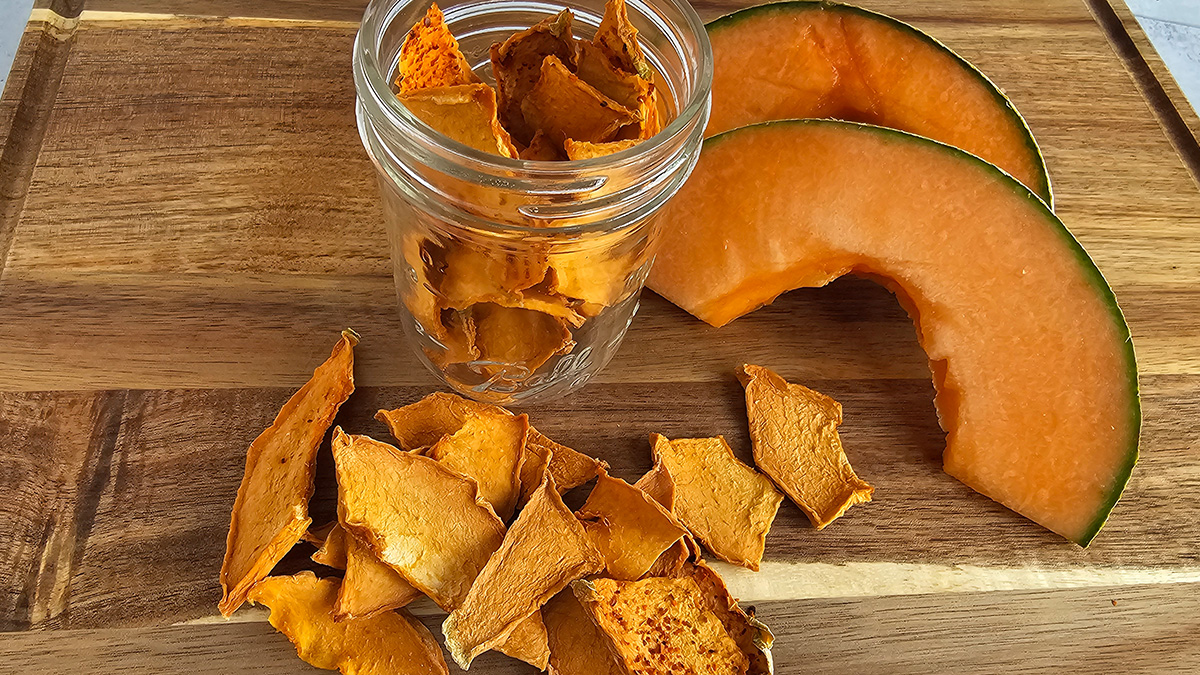
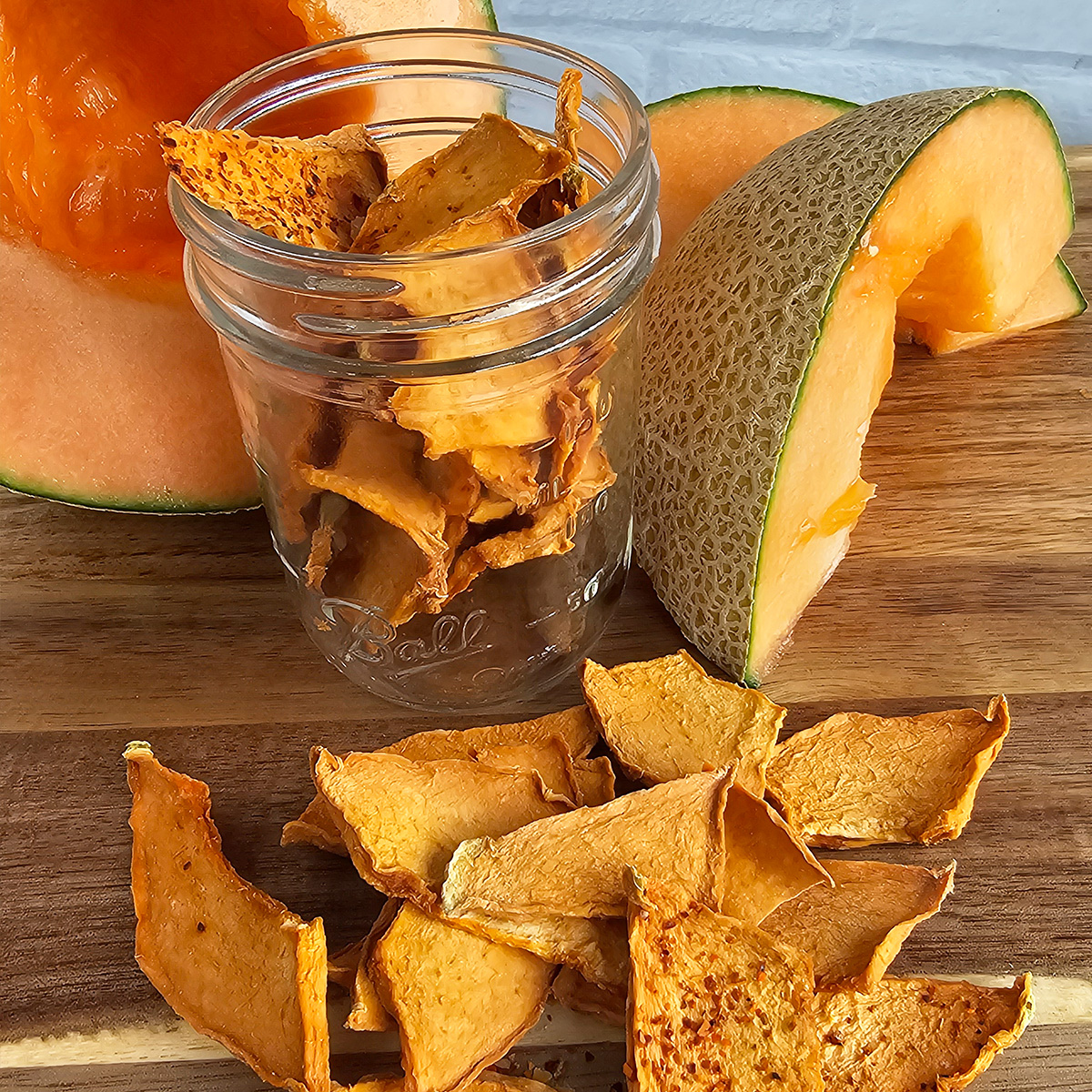
- Airtight Storage Containers: Glass Mason-style jars are preferred for their non-porous nature and ability to maintain a vacuum seal.
- Moisture Absorbers: Desiccant packets (silica gel) are utilized to mitigate the effects of ambient humidity during storage.
The Dehydration Protocol: A Step-by-Step Chronology
The process of dehydrating cantaloupe follows a rigorous timeline that begins with selection and ends with atmospheric conditioning.
Phase 1: Selection and Pre-Processing
The quality of the dehydrated fruit is directly proportional to the quality of the fresh specimen. Analysts suggest selecting melons that are "heavy for their size" with a prominent, sweet aroma at the stem end.
- Sanitation: The exterior rind must be scrubbed thoroughly to prevent the transfer of soil-borne pathogens, such as Salmonella, to the flesh during slicing.
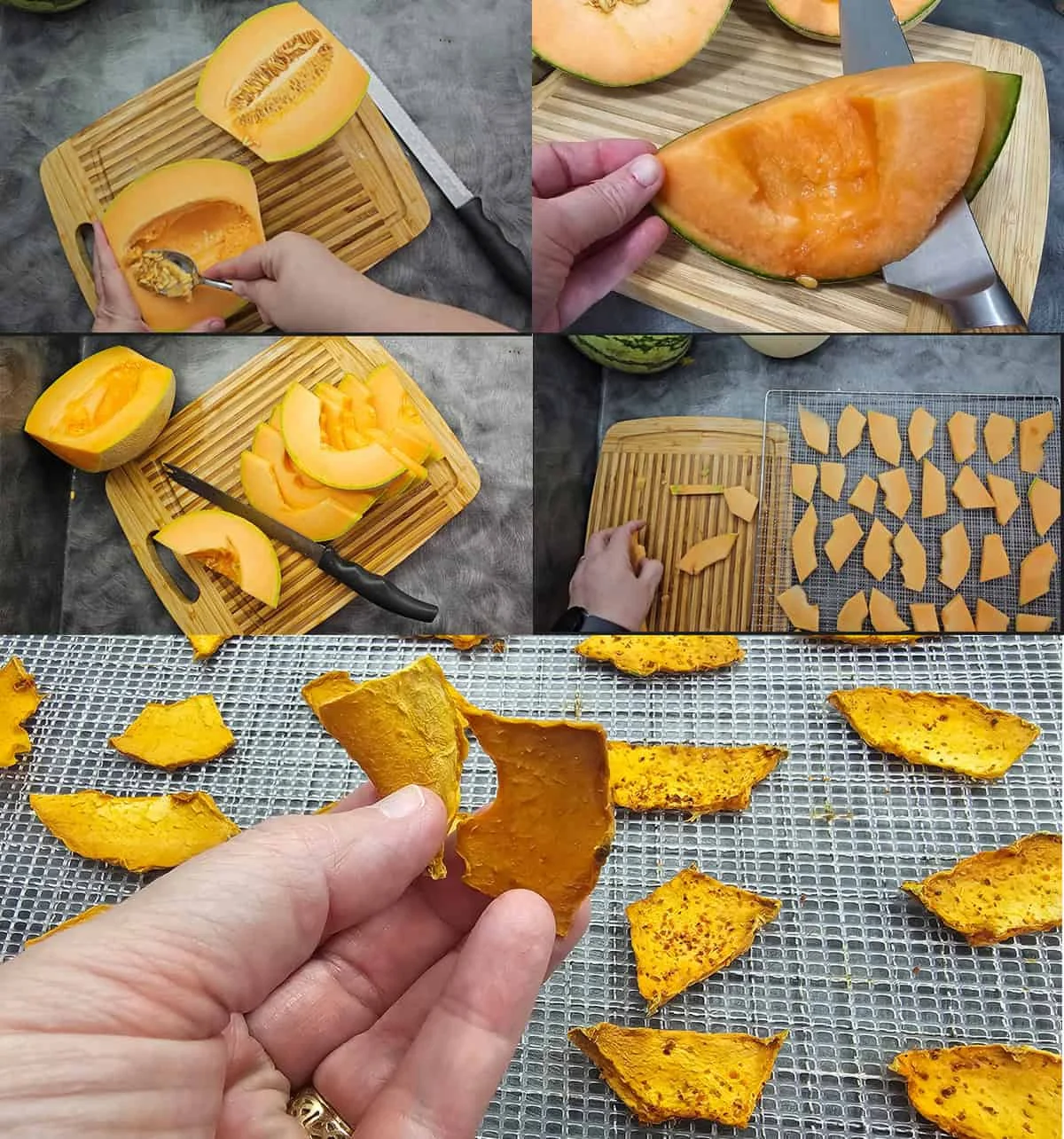
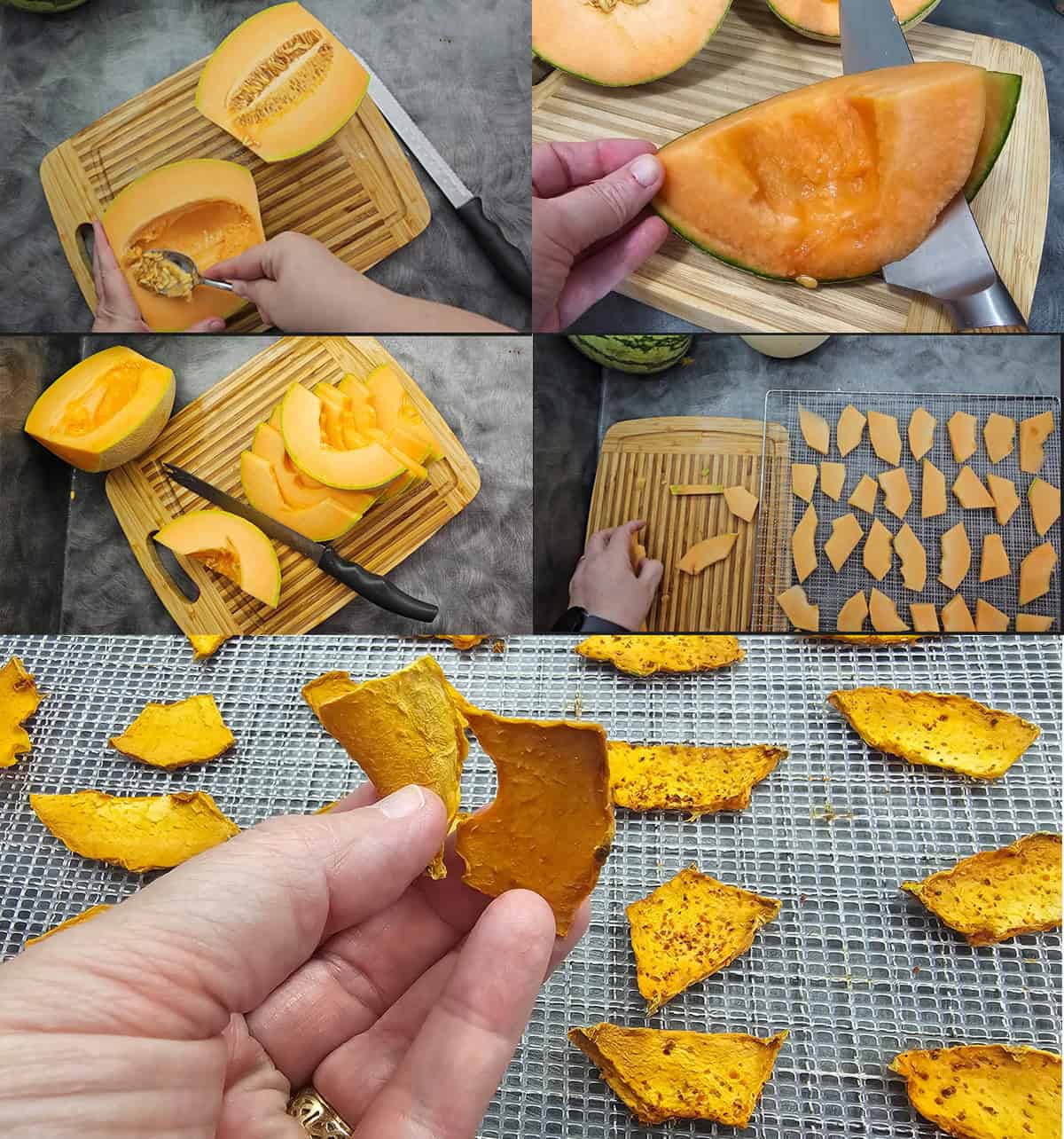
- Preparation: The melon is halved, and the seeds and pith are removed. The rind is then excised, leaving only the orange flesh.
- Slicing: The flesh is cut into uniform slices approximately 1/4-inch thick. Thicker slices will significantly increase drying time and may not dry evenly.
Phase 2: The Drying Cycle
Once prepared, the slices are arranged on dehydrator trays with sufficient spacing to allow for unobstructed airflow.
- Temperature Setting: The dehydrator is set to 135°F (57°C). This specific temperature is high enough to discourage spoilage during the initial stages but low enough to preserve volatile nutrients and enzymes.
- Duration: The drying cycle typically lasts between 10 and 14 hours. Factors such as ambient room humidity, the sugar content of the specific melon, and the efficiency of the dehydrator can influence this window.
- Testing for Dryness: The fruit is considered sufficiently dehydrated when it reaches a "leathery" or "pliable" texture. It should not be sticky to the touch. When bent, it should not produce beads of moisture.
Phase 3: Conditioning and Quality Control
Conditioning is a mandatory post-drying step used to ensure moisture equilibrium. Even after the drying cycle, some pieces may retain slightly more moisture than others.
- Jarring: Place the cooled, dried fruit in a clear glass jar, filling it about two-thirds full.
- Observation: For 7 to 10 days, shake the jar daily and inspect for condensation.
- Corrective Action: If moisture appears on the glass, the fruit must be returned to the dehydrator for further processing. If mold appears, the entire batch must be discarded.
Nutritional Analysis and Bioavailability
Dehydrated cantaloupe is a concentrated source of essential vitamins and minerals. According to nutritional data, a standard serving of approximately 1/4 cup of dried cantaloupe provides a similar nutrient profile to 1 cup of fresh fruit, albeit with a higher caloric density per gram.
Macronutrient Breakdown
A typical 0.25-cup serving contains:
- Calories: 14 kcal
- Carbohydrates: 3g (primarily natural sugars)
- Potassium: 63mg
- Fiber: 0.3g
- Protein: 0.3g
The dehydration process preserves the majority of the melon’s Vitamin A (in the form of beta-carotene) and Vitamin C, though Vitamin C is heat-sensitive and may see a slight reduction depending on the duration of exposure. Beta-carotene, the pigment responsible for the melon’s orange hue, is relatively stable during low-heat dehydration and remains a potent antioxidant in the dried form.
Advanced Flavor Profiles and Seasoning Applications
While the natural sweetness of cantaloupe is often sufficient, culinary experts suggest that seasoning can enhance the organoleptic properties of the dried fruit.
- Acidic Balancing: A light spritz of lemon or lime juice before drying can brighten the flavor and prevent minor oxidation.
- Spice Integration: A dusting of cinnamon or ginger can provide a warming contrast to the fruit’s sugar.
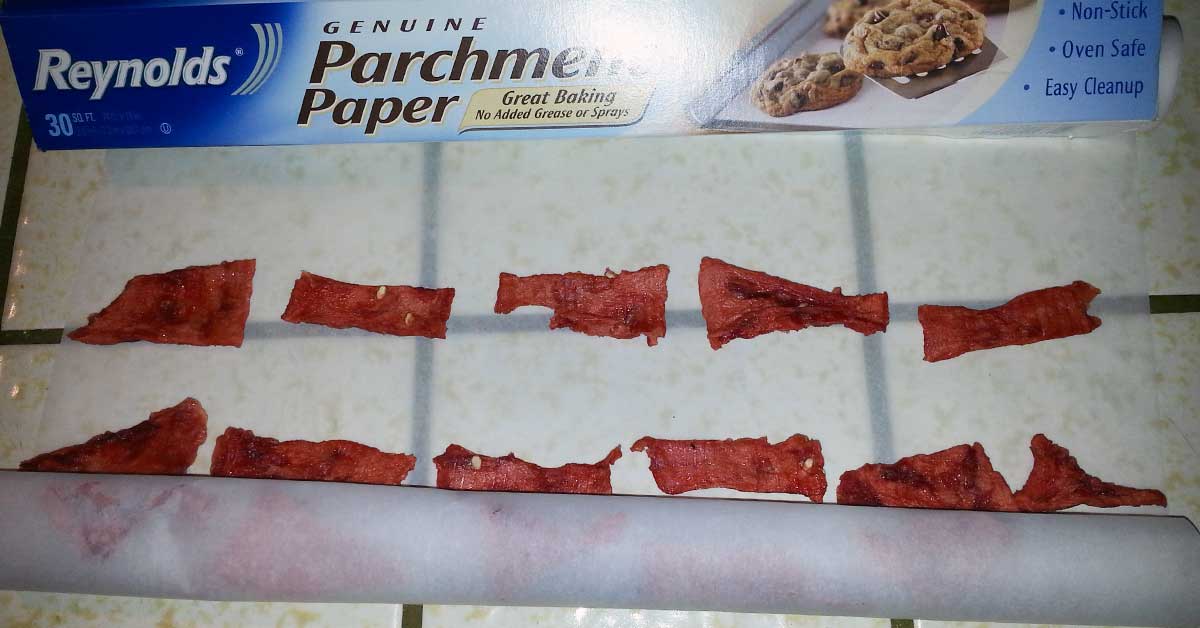
- Savory Variations: For a more complex snack, a small amount of Tajin or chili lime seasoning can be applied, creating a "melon jerky" that appeals to adult palates.
Alternative Methods: Oven Dehydration
For households without a dedicated dehydrator, a conventional oven can be used, though it is less energy-efficient and requires closer monitoring.
- Temperature Calibration: Set the oven to its lowest possible setting, ideally 170°F or lower.
- Airflow Management: If the oven does not have a convection setting, the door should be propped open slightly (using a heat-resistant silicone tool) to allow moisture to escape.
- Safety Precautions: This method requires caution in households with children or pets due to the open oven door and prolonged heat.
Long-Term Storage and Environmental Considerations
The shelf life of dehydrated cantaloupe is heavily dependent on the storage environment. The sugars in the fruit are hygroscopic, meaning they naturally attract moisture from the air.
- Atmospheric Control: Storage in a cool, dark, and dry location is essential. Temperatures above 75°F can accelerate the degradation of vitamins and affect the texture.
- Containment: Vacuum sealing is the gold standard for long-term preservation, as it removes oxygen, which can cause the fats in the fruit (though minimal) to go rancid over extended periods.
- Parchment Wrapping: For those intending to use the fruit as "taffy" or fruit leather, wrapping individual pieces in parchment paper before placing them in a jar can prevent them from sticking together.
Broader Implications for Food Sustainability
The move toward home-based food preservation like cantaloupe dehydration reflects a broader shift in consumer behavior toward sustainability. By processing excess fruit that might otherwise be discarded, individuals contribute to a reduction in organic waste in landfills, which is a significant source of methane emissions.
Furthermore, the ability to store seasonal produce for winter consumption reduces the reliance on long-distance supply chains and out-of-season imports. Darcy Baldwin, a food preservation expert and author of Dehydrating Basics & Journal, emphasizes that "stocking a pantry well" is a fundamental skill for modern self-reliance. As global food systems face pressure from climate instability and logistical disruptions, the "purposeful pantry" becomes an essential component of household resilience.
In conclusion, dehydrating cantaloupe is a technically sound and nutritionally beneficial method of food preservation. By adhering to standardized temperatures, ensuring uniform preparation, and following strict conditioning protocols, consumers can produce a high-quality, shelf-stable product that maximizes the value of seasonal harvests while providing a healthy alternative to processed snacks.


