
The resurgence of interest in foraged foods has elevated the common dandelion, long dismissed as a lawn pest, to the status of a culinary and medicinal asset. As spring temperatures rise across the Northern Hemisphere, the emergence of the Taraxacum officinale signals a transition in seasonal gastronomy. Dandelion bread, a quick bread characterized by the inclusion of sweet, honey-scented petals and a citrus-based glaze, has emerged as a focal point for those seeking to integrate wild flora into modern diets. This culinary practice reflects a broader movement toward sustainable foraging, nutritional self-sufficiency, and a deeper understanding of the botanical resources available in suburban and rural landscapes.

Botanical Background and Historical Context
The dandelion belongs to the Asteraceae family and is native to Eurasia, though it has become naturalized in nearly every temperate region of the world. Historically, the plant was not viewed as a weed but as a vital source of nutrition and medicine. European settlers intentionally brought dandelions to North America in the mid-17th century, valuing them for their early-spring greens and their reliability as a crop. In traditional herbalism, various parts of the plant were utilized to treat ailments ranging from digestive distress to skin conditions.
In the contemporary era, the dandelion is frequently the target of cosmetic lawn maintenance, with millions of dollars spent annually on herbicides to eradicate it. However, environmentalists and botanists note that dandelions are among the most resilient and ecologically significant plants. They provide an essential early-season nectar source for pollinators, particularly honeybees, during the critical window when few other flowers are in bloom. The taproot of the dandelion also serves a mechanical purpose in soil health, penetrating compacted earth to draw nutrients to the surface and improve aeration.

Nutritional Profile and Scientific Analysis
Recent biochemical research has sought to quantify the anecdotal health benefits long associated with dandelions. While the plant is edible from root to flower, each component offers a distinct nutritional and chemical profile. The leaves are known for high concentrations of Vitamin K, Vitamin A, and Vitamin C, alongside minerals such as calcium and iron.
In terms of medicinal potential, studies published in journals such as Nutrients suggest that the active components in dandelions, including polyphenols and flavonoids, may modulate hemostatic processes. Hemostasis is the body’s physiological response to prevent and stop bleeding, and the ability of plant-based compounds to influence this process is a subject of ongoing clinical interest. Furthermore, antioxidant assays have demonstrated that dandelion petals often exhibit superior antioxidant activity compared to the leaves. These antioxidants, such as luteolin and chlorogenic acid, play a role in neutralizing free radicals, which are linked to cellular damage and chronic disease.

Despite these promising findings, medical professionals emphasize that dandelion preparations should not replace conventional treatments. Because dandelions can act as a natural diuretic, individuals taking specific medications, such as lithium or certain blood thinners, should consult healthcare providers before significantly increasing their intake of the plant.
The Foraging Chronology: Best Practices and Safety
The successful preparation of dandelion bread begins with a systematic approach to foraging. This process is governed by specific timelines and safety protocols to ensure the quality of the harvest and the health of the consumer.
Site Selection and Environmental Safety
The primary concern for modern foragers is the presence of chemical contaminants. Because dandelions are frequently targeted by broadleaf herbicides, it is imperative to harvest only from locations known to be untreated. Foragers are advised to avoid roadsides, where plants may absorb heavy metals from vehicle exhaust, and public parks that utilize intensive chemical management. Ideal locations include private organic gardens, remote meadows, or "No Mow" zones that prioritize biodiversity.
Timing the Harvest
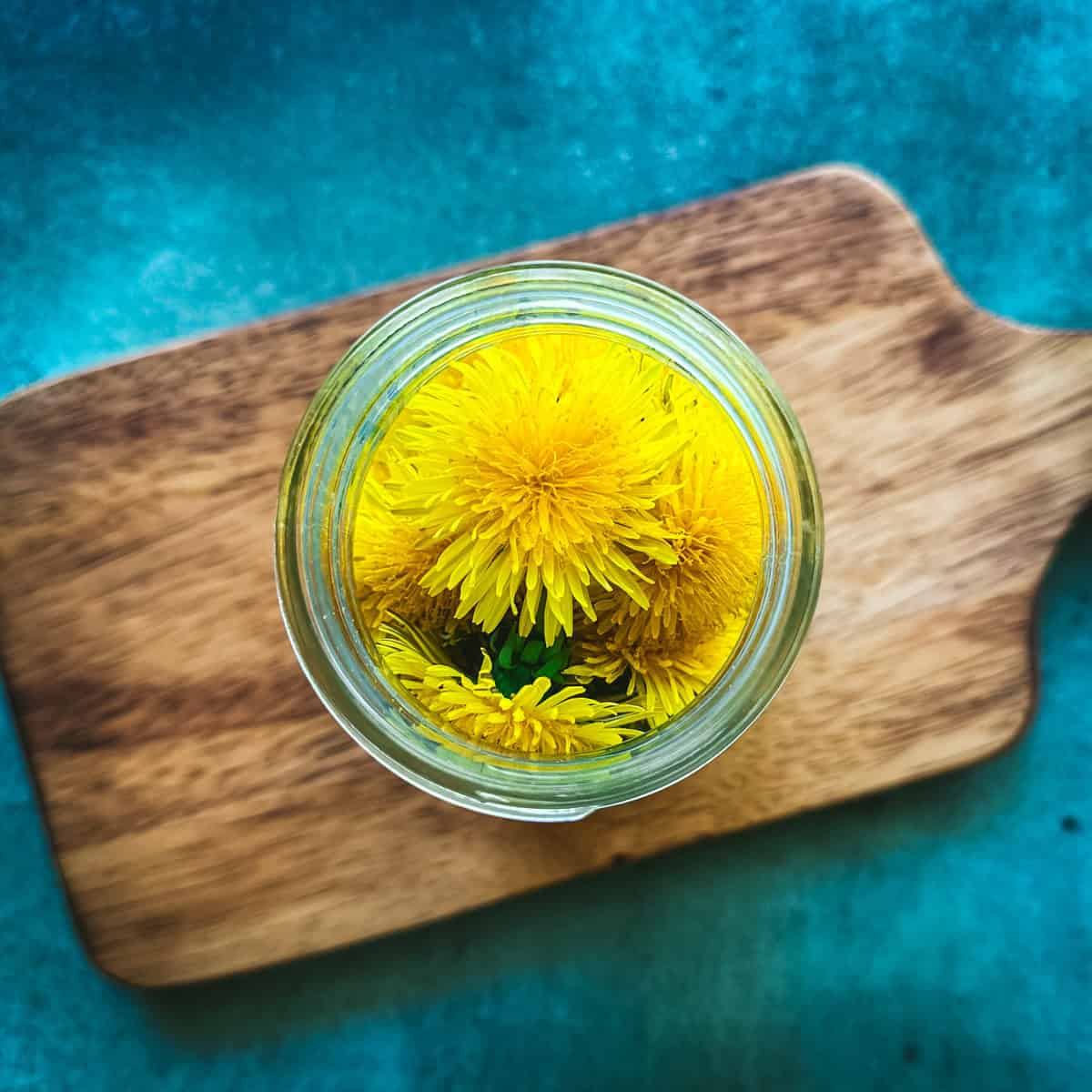
Dandelions are most vibrant and least bitter in the early spring. The flowers are phototropic, meaning they open in response to sunlight and close at dusk or during overcast weather. For the highest quality petals, harvesting should occur on a bright, sunny morning after the dew has evaporated but before the midday heat begins to wilt the blooms.
Processing the Botanical Ingredients
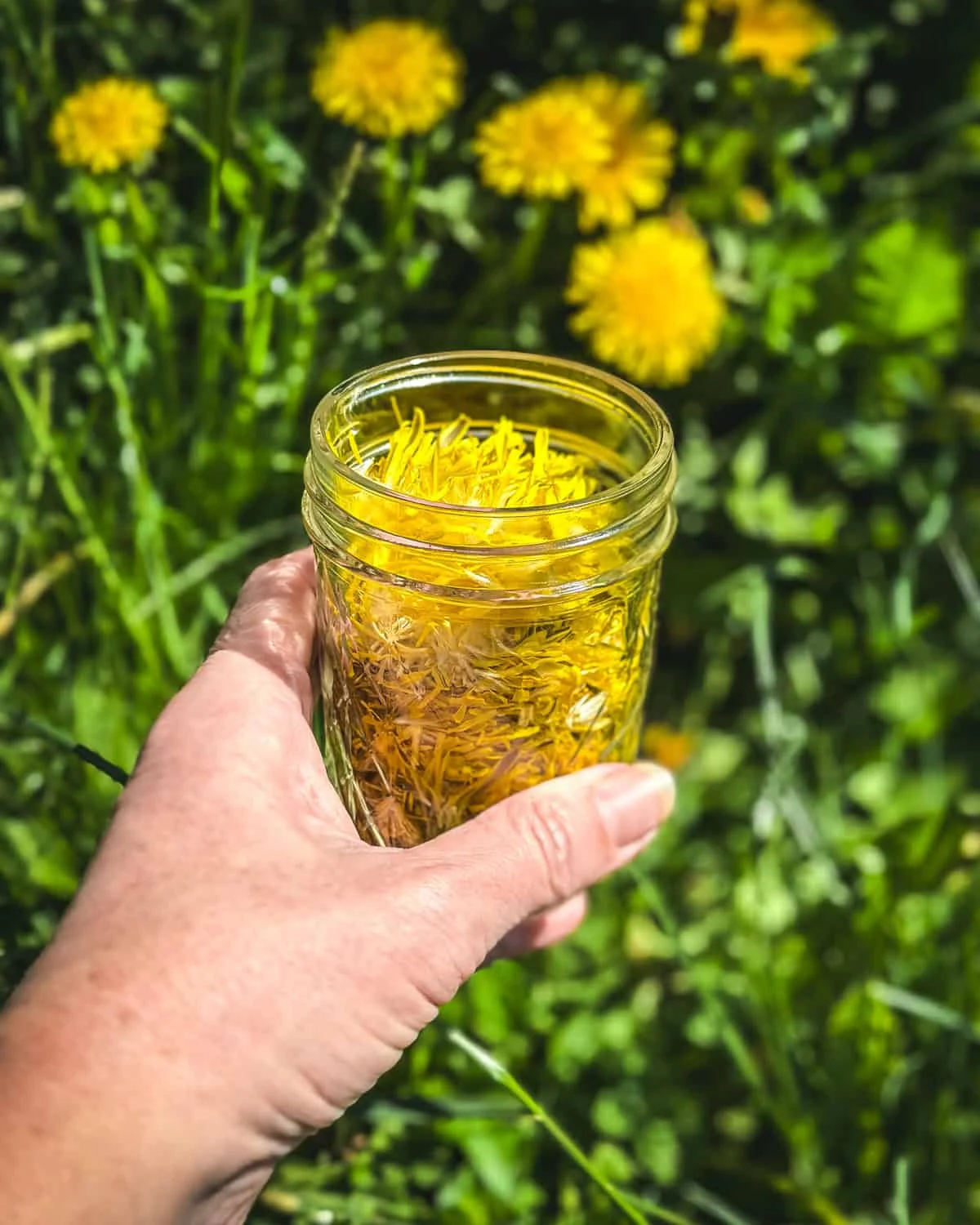
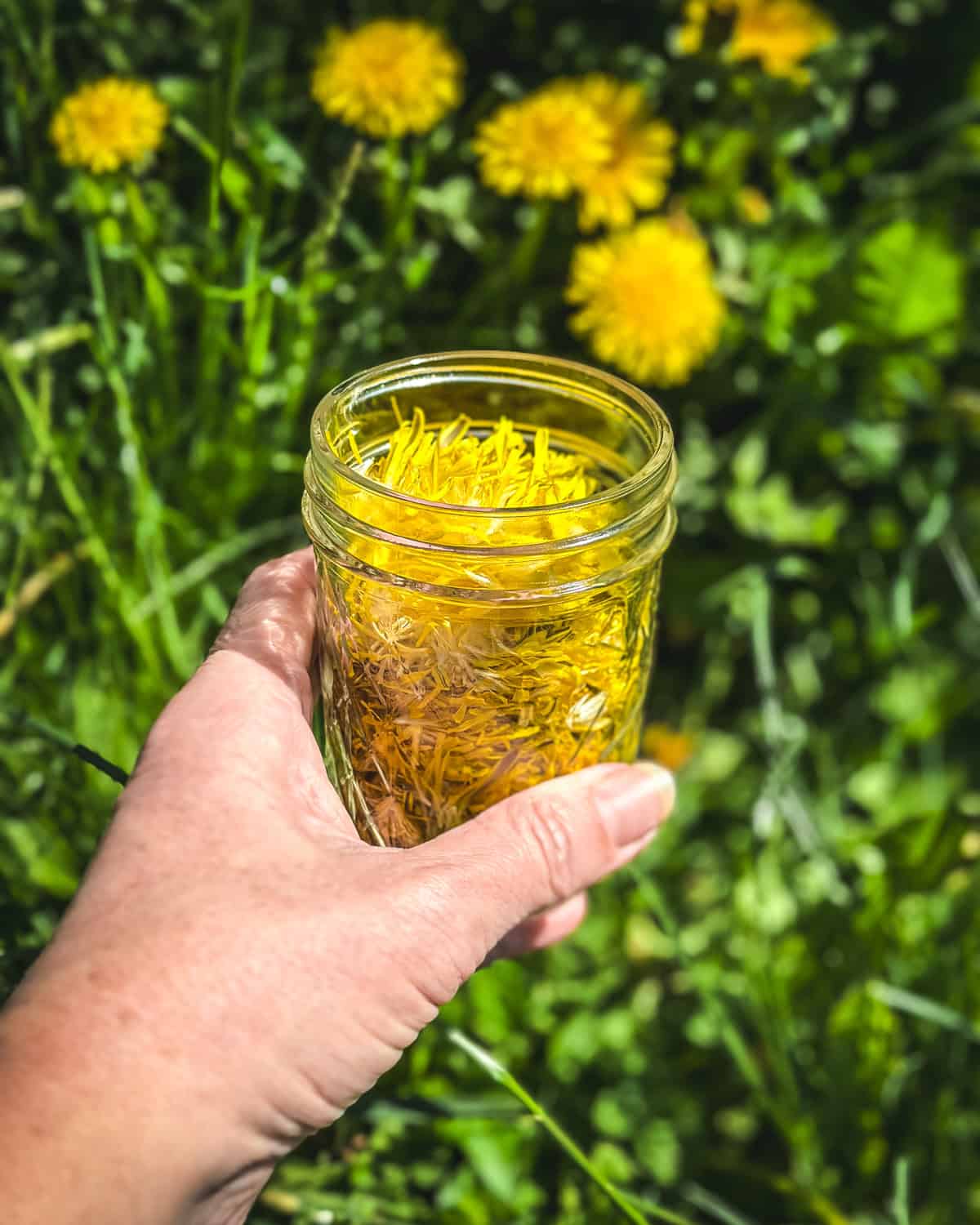
Once harvested, the flowers require immediate processing. While the entire head is edible, the green sepals and bracts at the base of the flower contain a milky latex that is notably bitter. For a sweet bread recipe, the yellow petals must be separated from the green base. This is typically achieved by pinching the base of the flower and pulling the petals away, or using kitchen shears to snip the yellow tufts. This labor-intensive step is essential for achieving the "honey-like" flavor profile characteristic of the bread.
The Culinary Science of Dandelion Bread
Dandelion bread is categorized as a "quick bread," a type of loaf that relies on chemical leavening agents like baking powder rather than yeast. This method allows for a dense, moist crumb that serves as an effective vehicle for the delicate flavors of foraged flora.
Ingredient Interaction
The recipe utilizes a combination of granulated sugar and honey. The honey serves a dual purpose: it provides sweetness and acts as a humectant, retaining moisture within the loaf. When combined with the dandelion petals, the honey enhances the floral notes, creating a cohesive flavor bridge. The choice of oil—typically a neutral organic canola or avocado oil—ensures that the botanical flavors are not masked by the fats used in the batter.
The Role of Citrus
A critical component of the dish is the honey-lemon glaze. The acidity of fresh lemon juice provides a necessary counterpoint to the sweetness of the bread and the earthy undertones of the petals. From a culinary perspective, the lemon brightens the palate, ensuring that the bread remains a light, spring-themed snack rather than a heavy dessert.

Technical Methodology: Step-by-Step Preparation
The preparation of dandelion bread follows a traditional wet-and-dry mixing sequence, designed to prevent the overdevelopment of gluten, which would result in a tough loaf.
- Oven Calibration: The oven is preheated to 350°F (175°C), a standard temperature for even heat distribution in dense loaves.
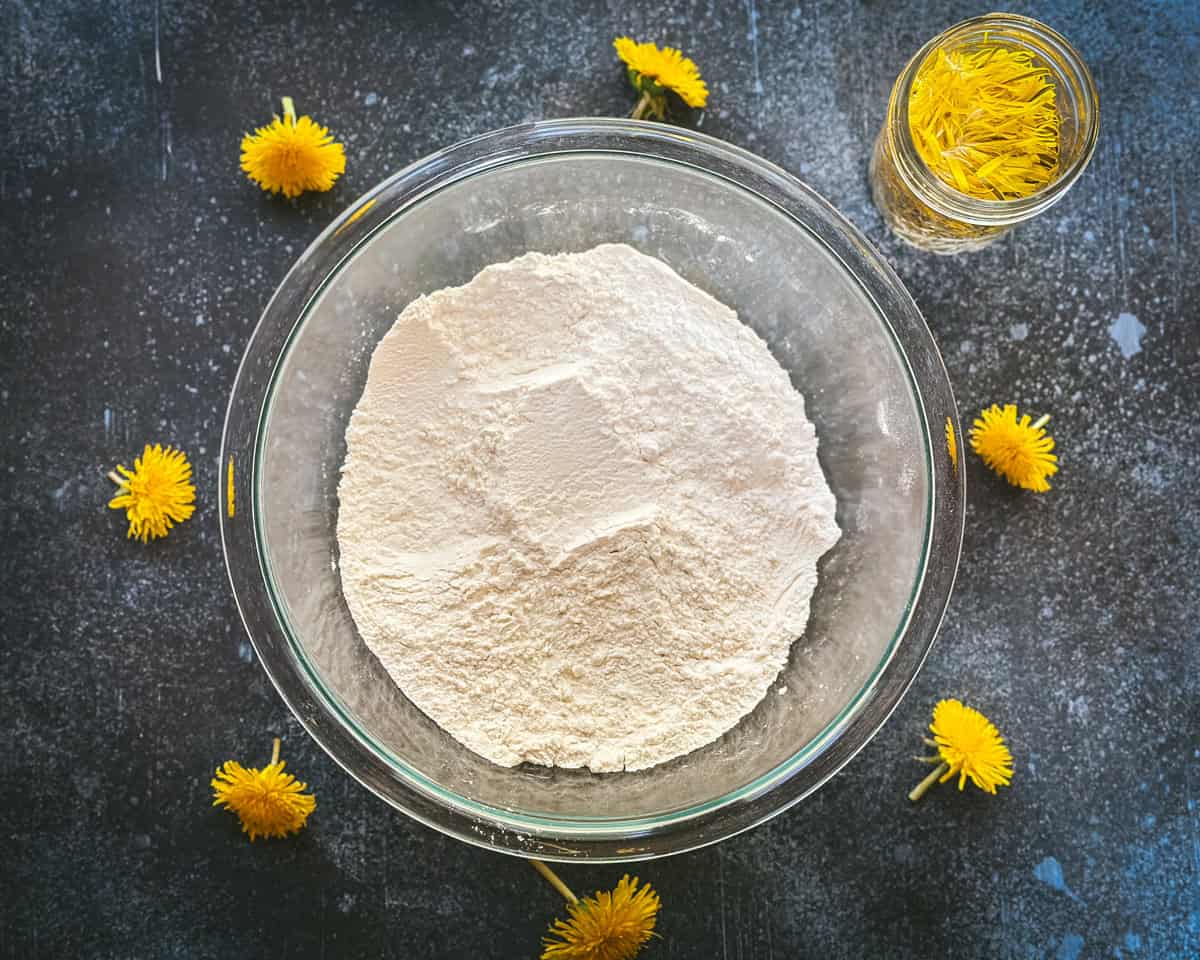
- Dry Sifting: All-purpose flour is combined with baking powder and salt. Sifting or vigorous stirring ensures the leavening agent is evenly distributed.
- Emulsification: In a separate vessel, the oil, sugar, honey, egg, and milk are whisked. This creates an emulsion that will evenly coat the dry particles.
- Integration: The dry mixture is folded into the wet ingredients. At this stage, the dandelion petals are introduced. Gentle folding is required to distribute the petals without bruising them or overworking the batter.
- Baking and Monitoring: The batter is transferred to a greased loaf pan. The baking duration typically ranges from 55 to 65 minutes. To prevent excessive browning of the top crust while the interior finishes cooking, bakers may apply a foil tent during the final 20 minutes of the process.
- Cooling and Glazing: The loaf must cool in the pan for approximately 20 to 30 minutes to set its structure. Once transferred to a wire rack and cooled completely, the honey-lemon glaze is applied. Applying glaze to a warm loaf would result in the liquid being absorbed rather than forming a distinct decorative layer.
Broader Implications and Ecological Impact
The practice of making dandelion bread is more than a culinary novelty; it represents a shift in how society interacts with local ecosystems. As food prices fluctuate and global supply chains face scrutiny, the ability to identify and utilize "wild" calories provides a degree of food security and reduces the carbon footprint associated with store-bought produce.

Furthermore, the "Slow Food" movement advocates for the use of local, seasonal ingredients like dandelions to preserve culinary traditions and promote biodiversity. By reclassifying the dandelion as a food source, communities may be encouraged to reduce herbicide use, thereby supporting pollinator populations and improving local water quality.
In a broader sociological sense, the act of foraging encourages "ecological literacy." When individuals learn to identify dandelions and understand their lifecycle, they become more attuned to the health of their local environment. This awareness often leads to increased advocacy for green spaces and more sustainable land management practices.

Conclusion and Storage Guidelines
Dandelion bread is a seasonal delicacy with a limited window of availability, dictated by the blooming cycle of the Taraxacum genus. For optimal quality, the bread should be stored in an airtight container at room temperature for no more than three days. For long-term preservation, individual slices can be wrapped and frozen for up to three months, allowing the flavors of spring to be revisited in later seasons.
As the culinary world continues to explore the intersection of botany and gastronomy, the dandelion stands as a testament to the hidden value of the natural world. Whether used in salads, pestos, or this signature bread, the plant offers a unique combination of resilience, nutrition, and comfort, proving that even the most common "weed" can be transformed into a sophisticated culinary experience.


