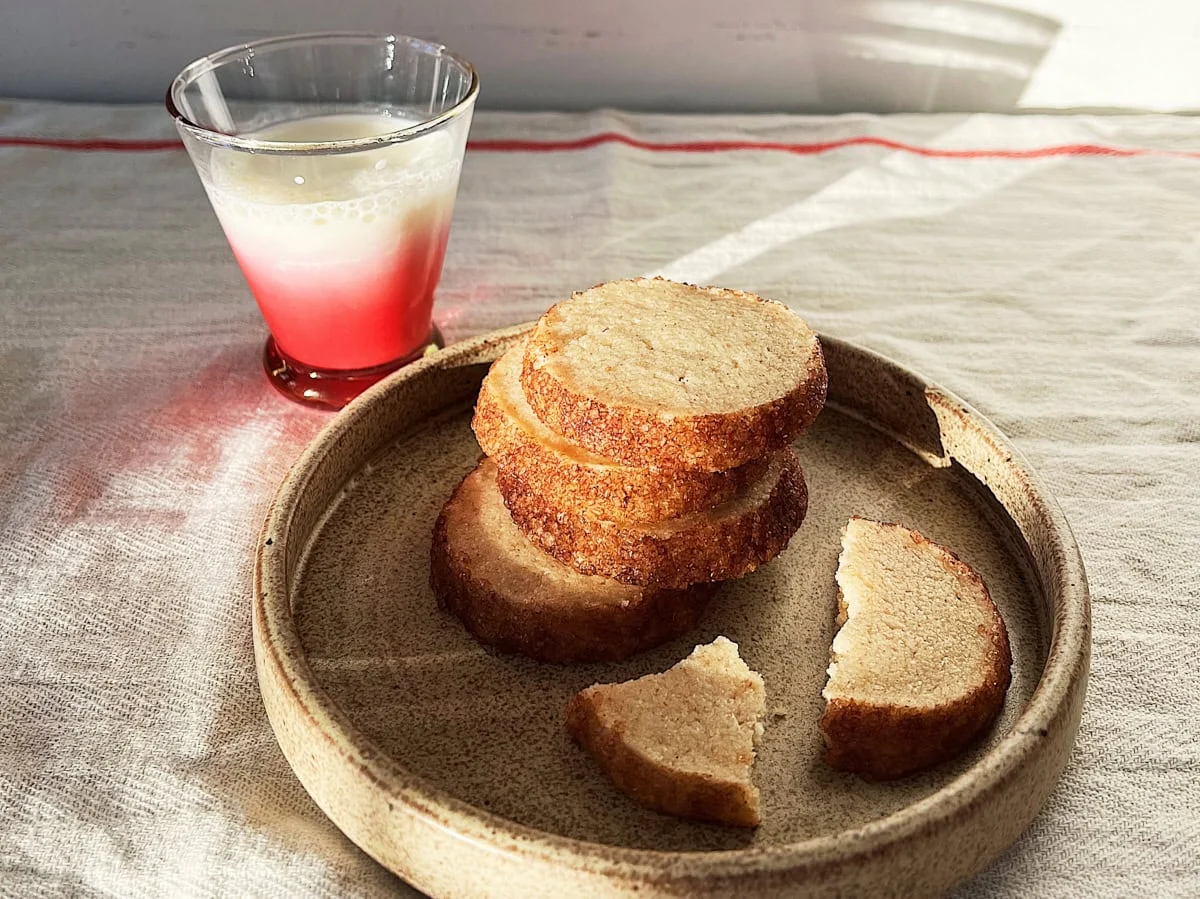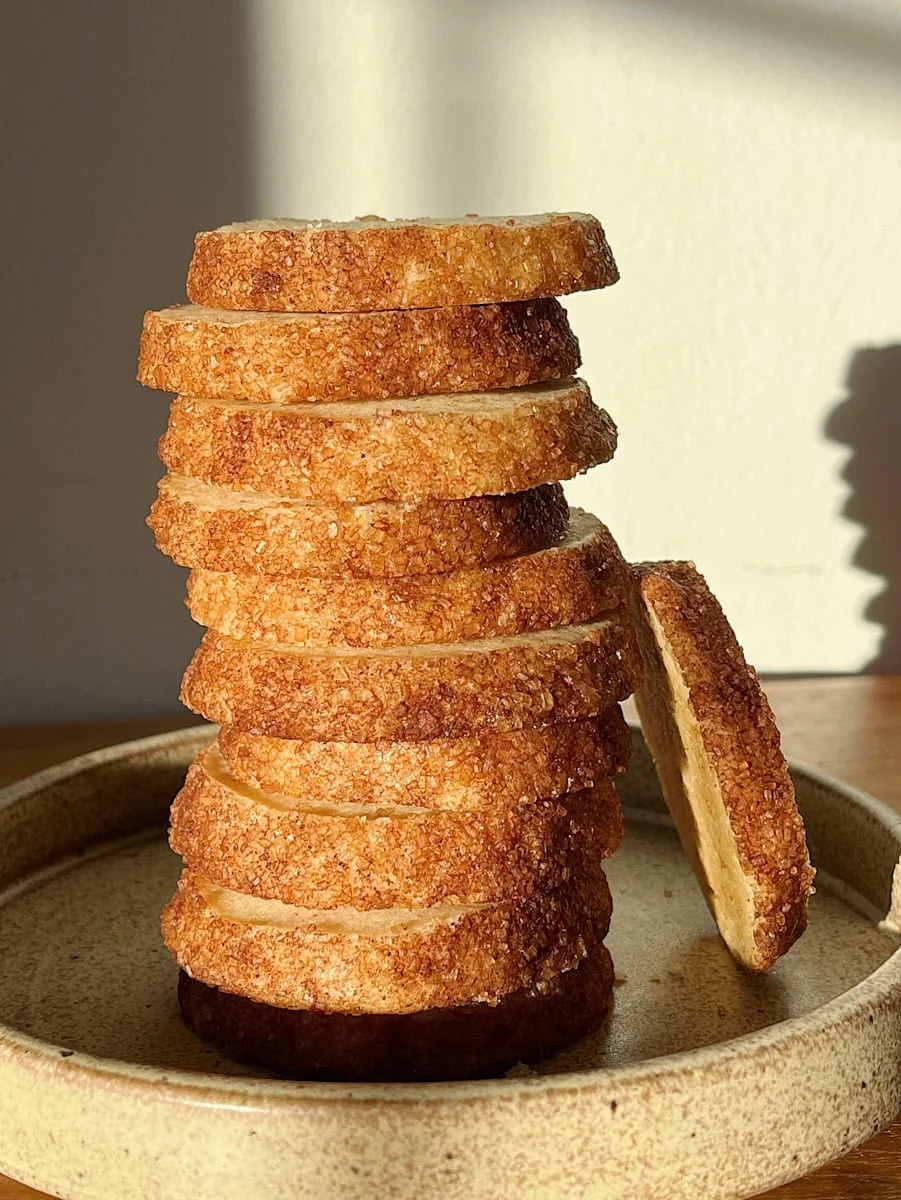
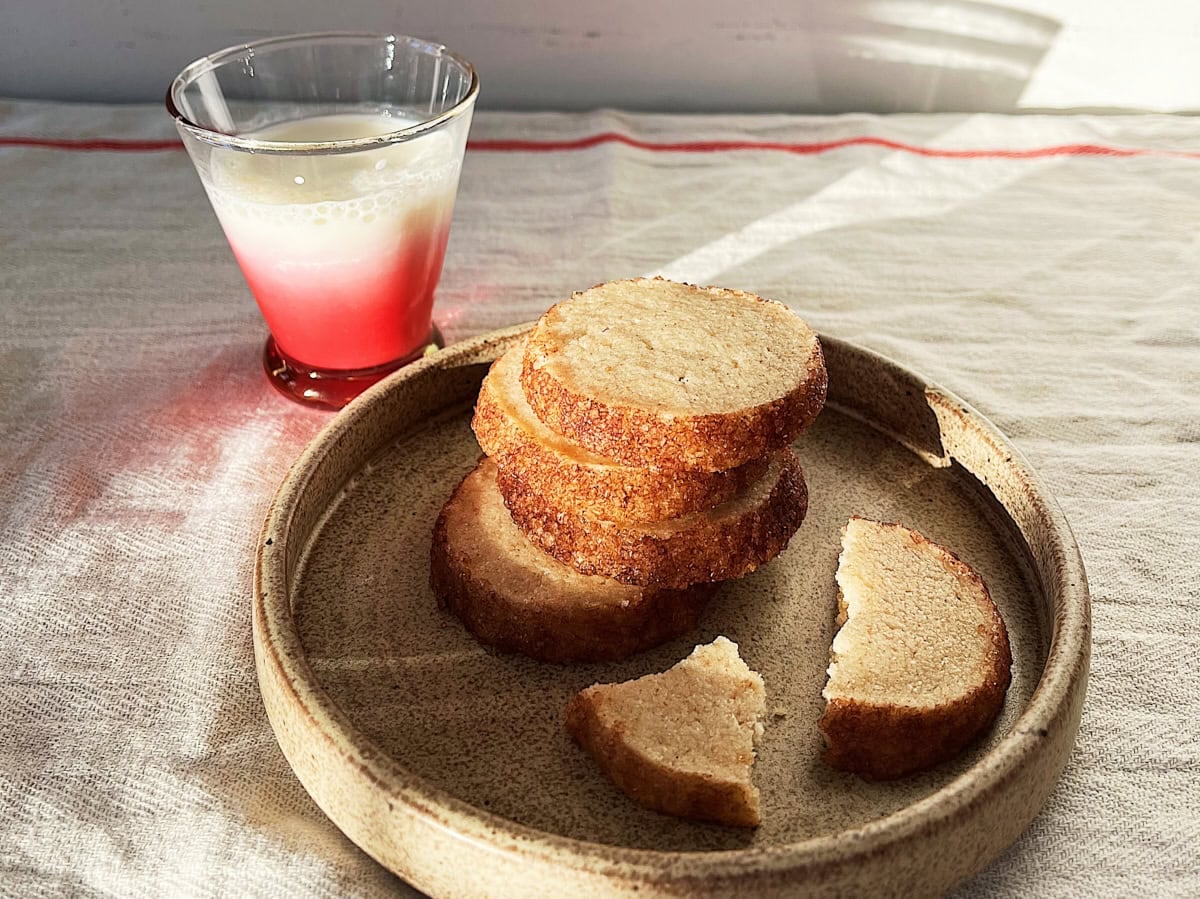
The culinary landscape for home bakers has recently been enriched by the introduction of a new take on a classic, the Cinnamon Toast Sourdough Discard Cookie, meticulously crafted for efficiency and nuanced flavor. This slice-and-bake confection offers a straightforward approach to producing a large volume of cookies, a distinct advantage during demanding periods such as the holiday season. Eschewing the labor-intensive requirements of scooping or rolling individual cookies, its preparation is streamlined, often necessitating only a single bowl for the dough. Furthermore, the process is designed for flexibility, allowing bakers to segment tasks into manageable shifts rather than committing to extended periods in the kitchen. The inherent simplicity, combined with a unique flavor profile derived from sourdough discard, positions these vanilla-infused rounds as an appealing option for both seasoned and novice bakers seeking to combine convenience with gourmet appeal.
The Strategic Integration of Sourdough Discard in Modern Baking
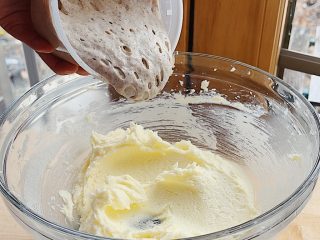
The use of sourdough discard in this recipe represents a growing trend in contemporary baking, driven by both a desire for sustainability and an appreciation for complex flavor profiles. Sourdough culture, experiencing a resurgence in popularity, particularly amplified during periods of increased home-based activities, generates a significant amount of "discard" – the unfed portion of the starter removed before feeding. Traditionally viewed as a byproduct, this discard is now recognized by culinary innovators as a valuable ingredient capable of imparting a subtle tang and enhancing texture in a wide array of baked goods beyond conventional bread. In these Cinnamon Toast Cookies, 70 grams of unfed, 100% hydration sourdough starter discard is strategically incorporated, contributing both to the dough’s structure and its distinctive, slightly acidic undertone, which beautifully counterpoints the sweetness of the sugar and the warmth of the cinnamon. This integration speaks to a broader movement within the food industry towards minimizing waste and maximizing the utility of every ingredient.
Crafting the Signature "Cinnamon Toast" Profile
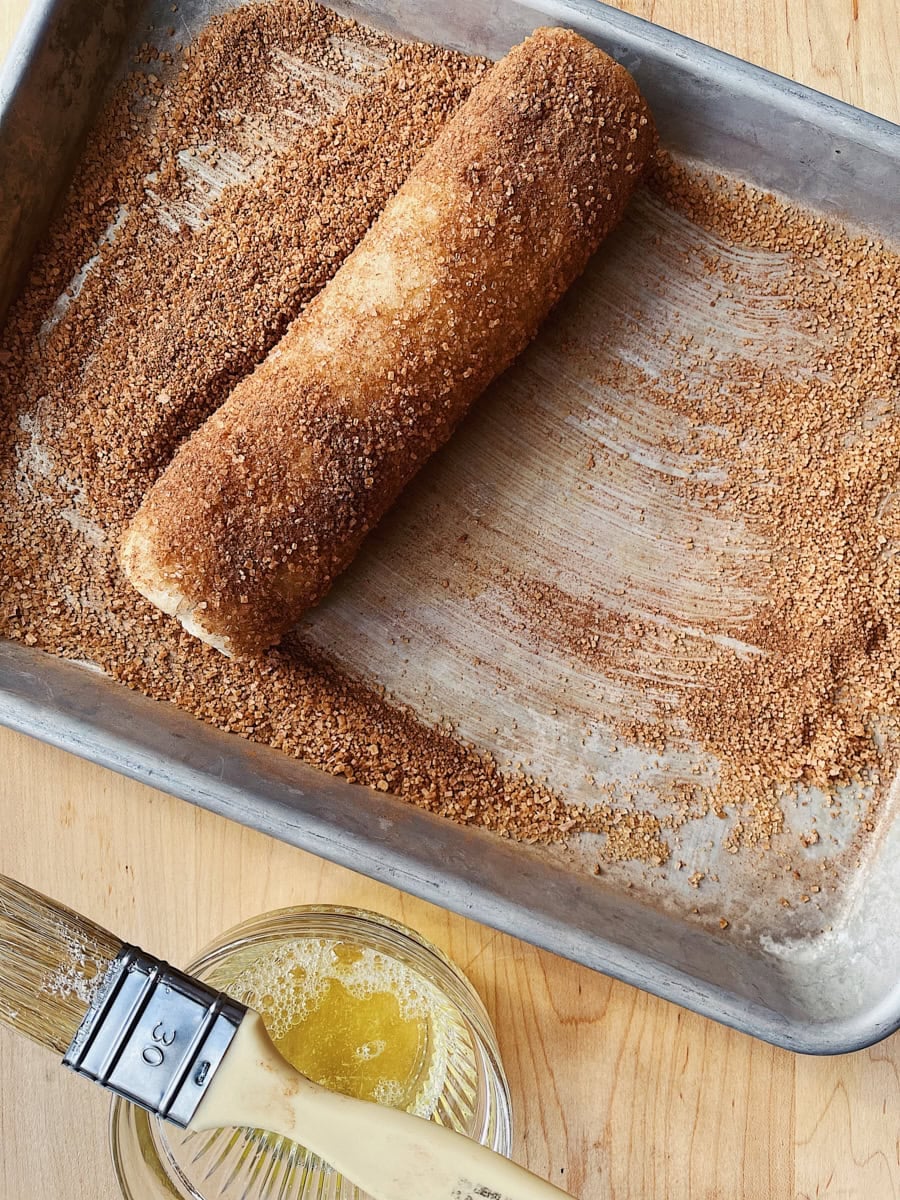
The designation "Cinnamon Toast" for these cookies is a direct reference to their defining characteristic: a generous coating of Demerara sugar and cinnamon. This exterior layer is not merely decorative but integral to the flavor experience, evoking the comforting essence of the beloved breakfast staple. The choice of Demerara sugar, with its larger crystals and molasses notes, provides a delightful textural crunch and a deeper caramel-like sweetness compared to granulated sugar. When combined with aromatic cinnamon, it forms a crust that harmonizes exquisitely with the buttery, subtly tangy cookie dough. This interplay of flavors transforms a simple vanilla cookie into a sophisticated treat. While many holiday confections rely on vibrant colors or elaborate toppings, these cookies champion an understated elegance. Culinary observations suggest that the immediate appeal of their classic flavor often overshadows the absence of more visually dramatic elements like sanding sugar or crushed candy canes, as evidenced by their rapid consumption at gatherings.
Optimizing Dough Composition: A Reimagined Flour Ratio
A critical aspect of these cookies’ success lies in their precisely engineered ingredient ratios, which deviate from traditional cookie norms to achieve a superior texture. The standard cookie ratio—often cited as one part sugar, two parts butter, and three parts flour by weight—typically yields a stiffer, more flour-dense slice-and-bake cookie. This can be particularly pronounced in recipes lacking significant sugar content or the aerating and tenderizing effects of eggs. For the Cinnamon Toast Sourdough Discard Cookies, the ratio has been deliberately adjusted to produce a more tender and less floury result. With 250 grams (2 cups) of all-purpose flour and an additional 35 grams contributed by the sourdough discard, alongside 150 grams of sugar and 226 grams of butter, the effective ratio of sugar to butter to flour approximates 1 : 1½ : just under 2. This calculated reduction in flour relative to fat ensures a softer, more yielding crumb, enhancing the overall sensory experience. The specific inclusion of sourdough discard, while providing a unique flavor, also contributes to the flour content, necessitating careful adjustment of the primary flour measurement to maintain optimal dough consistency.
The Crucial Role of High-Quality Butter
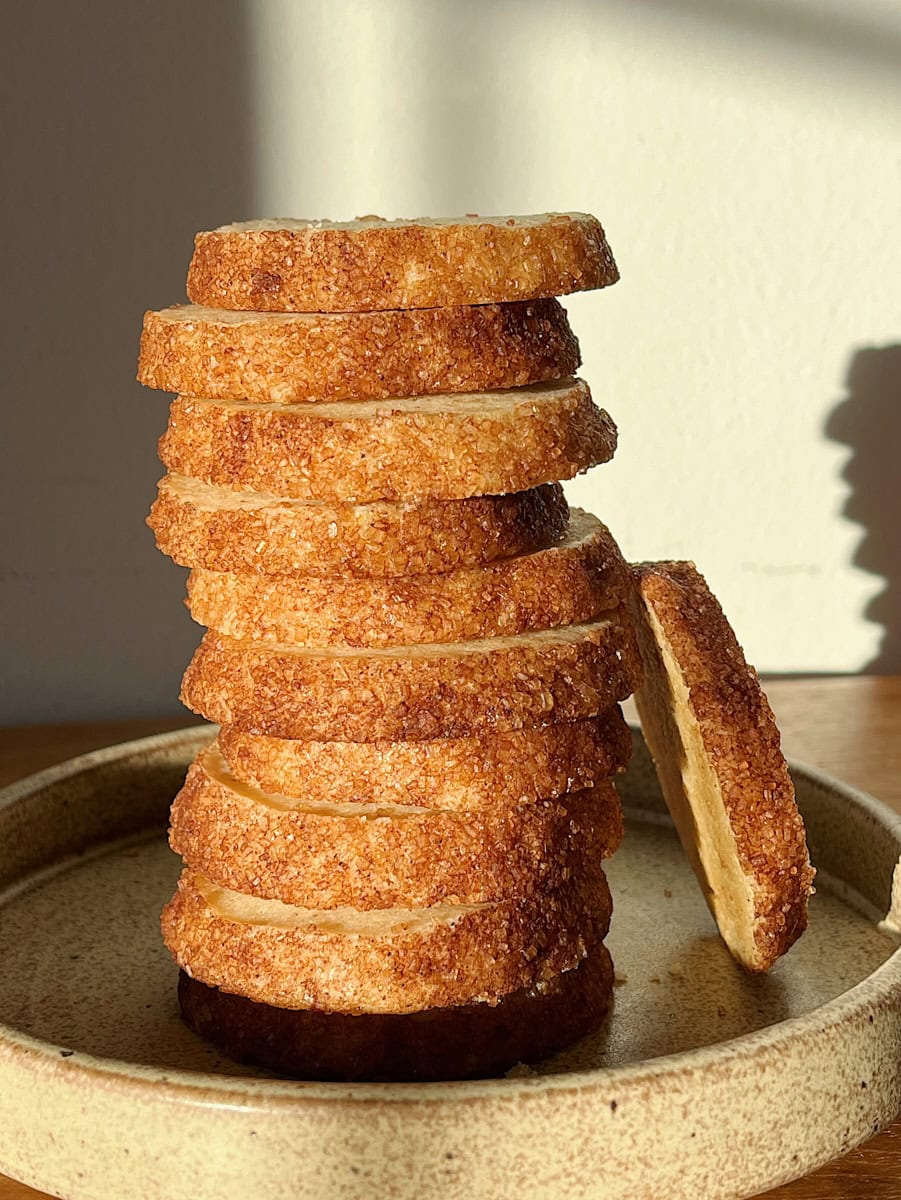
In recipes characterized by a minimalist ingredient list, the quality of each component becomes paramount. This principle is particularly evident in the Cinnamon Toast Sourdough Discard Cookies, where the flavor of the butter is allowed to shine through. Food technologists and professional bakers consistently emphasize that higher-quality butters, especially European-style varieties known for their elevated butterfat content (typically 82-84% compared to American butter’s 80%), impart a richer, more complex flavor and a superior mouthfeel. These premium butters contribute to a more tender crumb and a purer dairy taste that significantly elevates the finished product. While the recipe is designed to be accessible, investing in a very good quality butter is strongly recommended to fully realize the cookie’s potential. An interesting culinary note suggests that browning the butter, a technique that evaporates some water and introduces nutty, caramelized notes, could further enhance the flavor depth without requiring recipe modifications, provided bake times are carefully monitored. This demonstrates the potential for subtle yet impactful ingredient manipulations in even seemingly simple recipes.
Sourdough Discard: A Modest Yet Powerful Enhancer
Despite its significant influence on flavor, only a relatively small amount of sourdough starter discard is required for these cookies. This modest inclusion is sufficient to impart the characteristic tangy note that differentiates them from conventional shortbread-style cookies. Unlike many traditional cookie recipes, which might include water, the sourdough discard naturally introduces moisture to the dough. While techniques like browning butter can also contribute to moisture evaporation and flavor development, the existing moisture from the starter negates the need for such additional steps in this specific formulation, simplifying the preparation process. The discard’s subtle acidity acts as a natural leavener and flavor enhancer, interacting with other ingredients to create a more complex taste profile without dominating the vanilla and cinnamon. This highlights the versatility of sourdough discard as a sophisticated culinary tool, transforming basic recipes with minimal effort.
Enhancing Efficiency: The Electric Mixer and Dough Chilling
Modern kitchen tools play a significant role in streamlining the baking process, and an electric mixer is highly recommended for preparing the Cinnamon Toast Sourdough Discard Cookie dough. Whether a hand beater or a stand mixer is utilized, the efficient creaming of butter and sugar is crucial. This process incorporates air into the mixture, contributing to a lighter texture in the final cookie. While manual creaming is possible for those with sufficient stamina, an electric mixer significantly reduces effort and ensures consistent results, making the recipe more accessible to a broader audience of home bakers.
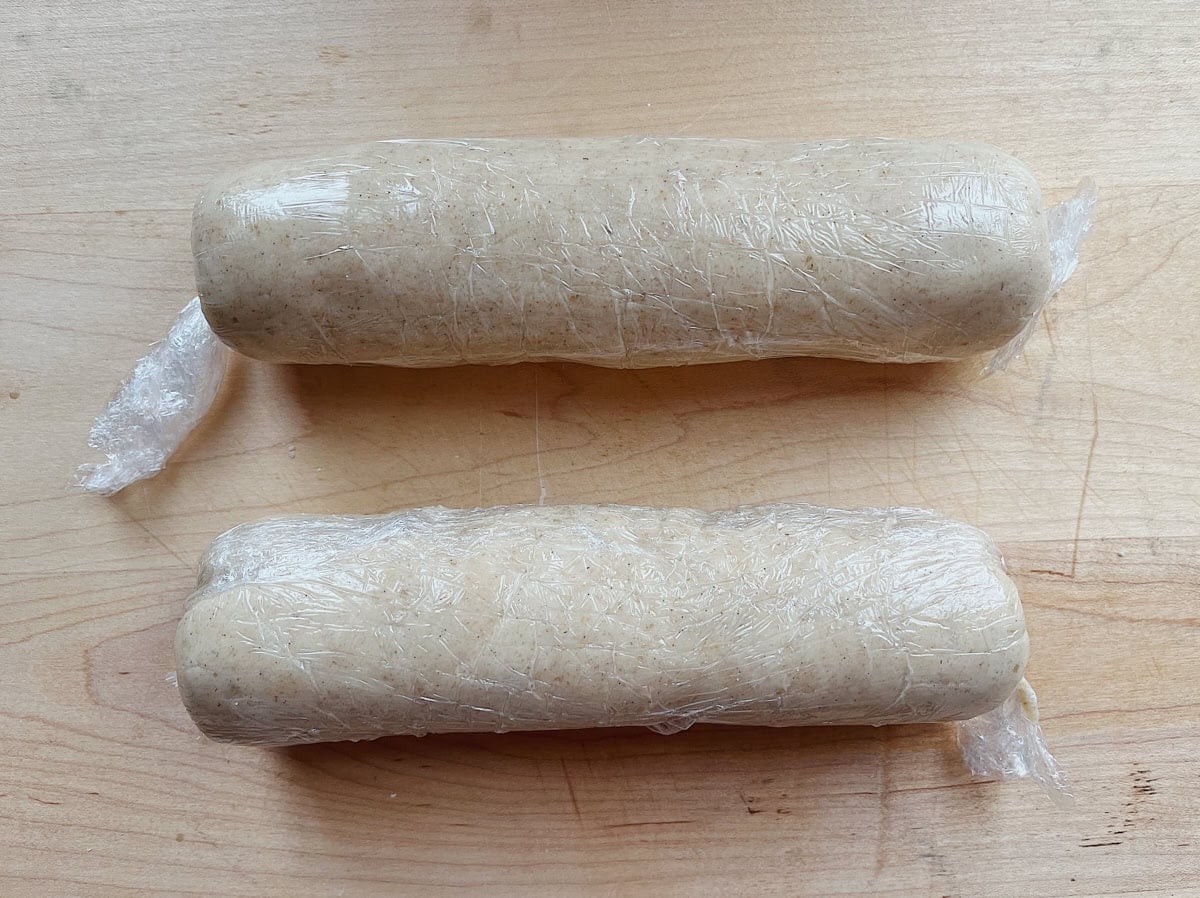
Beyond mixing, proper dough management is key to achieving the desired aesthetic and texture. Given the higher butter-to-flour ratio, the dough is inherently soft and pliable. This characteristic, while contributing to tenderness, also increases the propensity for spreading during baking. To counteract this and ensure the formation of neat, perfectly round cookies, a minimum chilling period of two hours is essential. This refrigeration allows the butter to resolidify, stabilizing the dough structure and preventing excessive spread when exposed to oven heat. This step, while requiring patience, is non-negotiable for achieving the clean, uniform cookie rounds that are a hallmark of well-executed slice-and-bake recipes.
The Art of Flavor Customization and Baking Precision
The versatility of the Cinnamon Toast Sourdough Discard Cookies extends to a wide range of flavor enhancements, allowing bakers to personalize their creations. Culinary experts suggest incorporating up to two tablespoons of citrus zest (lemon, grapefruit, or orange) rubbed into the sugar prior to creaming for a bright, aromatic lift. Alternative extracts such as rose water, orange flower water, or almond extract can replace or complement vanilla, though their potency necessitates starting with smaller quantities (e ¼ teaspoon) and adjusting to taste. For a depth of roasted notes, one teaspoon of toasted sesame oil can be introduced. Texture can be enhanced with up to 130 grams (approximately ¾ cup) of chopped chocolate or toasted nuts. Furthermore, instant coffee or espresso, powdered teas like matcha and hojicha, or finely ground tea leaves such as Earl Grey, offer sophisticated flavor dimensions. These suggestions underscore the cookie’s adaptability as a base for diverse culinary explorations.
The outer coating, primarily Demerara sugar and cinnamon, is also amenable to creative substitutions. Ground cardamom or sumac offer fragrant alternatives to cinnamon, while toasted white or black sesame seeds provide a distinctive nutty crunch.
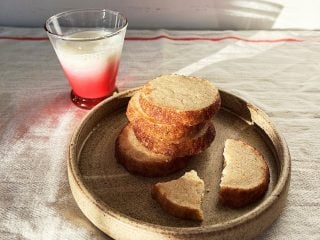
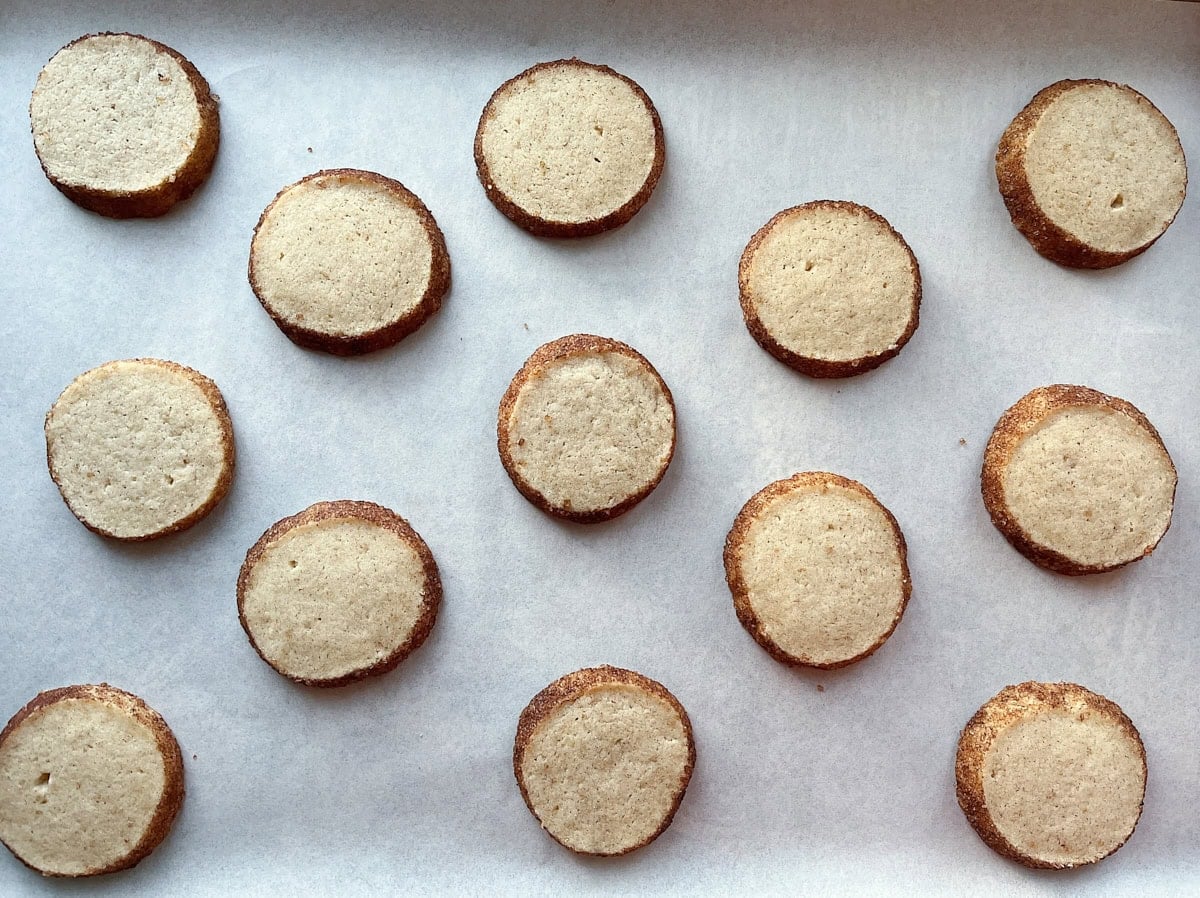
Regarding baking, precision is paramount. Due to the moisture contributed by the sourdough starter, the dough is more hydrated than typical shortbreads, which can make visual assessment of doneness challenging. The cookie tops do not significantly darken, making it difficult to gauge internal doneness without observing the bottoms, which is only feasible after cooling. An underbaked slice-and-bake cookie often lacks the desirable crispness and firm texture. Therefore, a minimum baking time of 14 minutes is advised, with careful monitoring to ensure proper baking through, preventing a less-than-ideal gooey interior. This longer bake time ensures the cookies achieve their optimal texture, firm yet tender.
Addressing Practical Considerations for Home Bakers
The development of these cookies also considers several practical aspects relevant to the home baking environment:
- Flour Substitutions: The recipe accommodates up to 60 grams (approximately ½ cup) of heartier wheat flours like whole wheat, rye, or spelt, or even pseudocereals such as earthy buckwheat flour, allowing for variations in flavor and nutritional content. For an added textural crunch, 15 grams (about 2 tablespoons) of medium-grind cornmeal can be incorporated.
- Dough Storage and Freezing: For ultimate convenience, the prepared dough can be coated in sugar, sliced, and frozen prior to baking. This method allows for impromptu baking sessions. Cookies should be frozen on a parchment-lined sheet pan until solid (approximately 2 hours), then transferred to an airtight container with parchment separating layers for storage up to three months. Frozen cookies can be baked directly from the freezer, requiring an additional 2-4 minutes of baking time.
- Achieving Perfectly Round Cookies: While the dough’s pliability can make forming a perfectly uniform log challenging, leading to slightly oval cookies, an aesthetic solution exists. During the rack rotation between baking batches, a glass or round biscuit cutter can be swiftly swirled around the warm, freshly baked cookies to gently reshape them into perfect rounds. This technique addresses a common desire for visual perfection in home baking.
- Sustainable Wrapping Practices: In line with contemporary environmental consciousness, the use of reusable wraps for dough storage is a consideration. However, caution is advised against beeswax-based wraps, as their waxy coating can potentially leach into the dough during extended refrigeration. Alternatives such as parchment paper (which can then be used for baking) or washable stretch wraps are recommended, promoting both sustainability and food safety.
Broader Implications and Culinary Trajectory
The Cinnamon Toast Sourdough Discard Cookies are more than just a seasonal treat; they represent a convergence of culinary innovation, practical baking solutions, and a conscious approach to ingredient utilization. By transforming sourdough discard from a potential waste product into a key flavor component, the recipe champions sustainable practices in the home kitchen. Its slice-and-bake format addresses the perennial demand for efficiency, particularly pertinent during busy holiday periods, making gourmet baking accessible without extensive time commitments. The meticulous attention to ingredient ratios, the emphasis on high-quality butter, and the thoughtful incorporation of flavor customization options elevate this cookie beyond a simple comfort food. It stands as a testament to the evolving landscape of home baking, where tradition meets modern ingenuity, offering both a delicious product and an educational insight into the science and art of baking. As home bakers increasingly seek recipes that are both rewarding and responsible, these cookies offer a compelling model for future culinary developments, balancing ease of preparation with sophisticated flavors and sustainable practices.