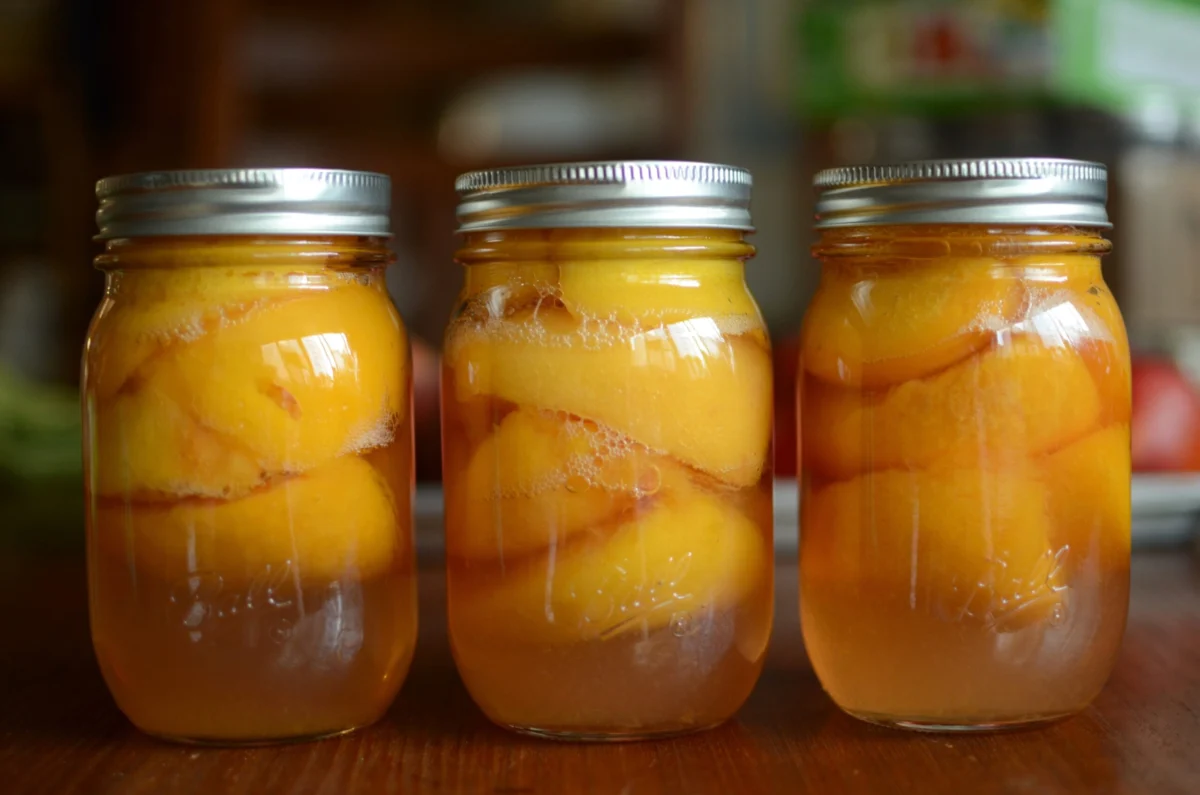
The appearance of sticky residue on the exterior of freshly canned fruit jars is a common concern for home preservers, particularly during peak seasons like summer’s peach harvest. This phenomenon, while often alarming to novice canners, is generally a normal and safe outcome of the preservation process, primarily attributed to a mechanism known as siphoning. Understanding the underlying scientific principles and implementing proper canning techniques are crucial for both food safety and maintaining product quality.
The Science Behind Siphoning in Home Canning
Home canning relies on creating a vacuum seal that prevents spoilage by microorganisms. This is achieved through heat processing, which expels air from the jar and creates a sterile environment. When canning fruit, which is rich in water and cellular structure, air is naturally trapped within the fruit flesh itself. During the heat processing stage in a water bath or pressure canner, this trapped air expands. As the internal pressure within the jar increases, the air seeks an escape route. Canning rings are intentionally tightened only to "fingertip tight" – snug but not overly taut – to allow this expanding air to vent from beneath the lid. This controlled release of air is essential for the formation of a proper vacuum seal upon cooling.
Siphoning occurs when, as the air escapes, it pushes out some of the liquid (syrup, juice, or water) surrounding the fruit in the jar. This expulsion of liquid can happen during the processing period itself or, more commonly, immediately after the jars are removed from the canner and begin to cool. The rapid change in temperature from the hot canner to the ambient air can exacerbate this process, creating a sudden pressure differential that forces liquid out. The sticky residue observed on the jar exteriors is simply this expelled liquid, often concentrated as it dries.

Historical Context and Modern Best Practices in Food Preservation
The practice of canning dates back to the early 19th century, pioneered by Nicolas Appert as a method to preserve food for Napoleon’s armies. Over two centuries, the science and safety protocols have evolved significantly. The initial understanding of canning focused on hermetic sealing and heat, but later scientific discoveries, particularly by Louis Pasteur, illuminated the role of microorganisms in spoilage. Modern home canning, as advocated by institutions like the National Center for Home Food Preservation (NCHFP) and university extension services, is built on rigorous scientific research to ensure safety against foodborne pathogens, most notably Clostridium botulinum, which thrives in anaerobic environments created by improper canning.
The resurgence of home canning in recent decades has been driven by a desire for self-sufficiency, healthier eating, and a connection to seasonal produce. With this renewed interest comes a critical need for education on tested methods. Queries regarding phenomena like sticky jars highlight the importance of demystifying the canning process and providing clear, research-backed guidance.
Assessing Safety and Quality of Sticky Jars

The primary concern for any home canner is food safety. In the case of sticky jars, the presence of external residue does not inherently indicate a safety compromise, provided the jar has properly sealed. A sealed jar will have a concave lid (curved inward), which will not flex when pressed, and often produces a distinct "ping" sound as it seals during cooling.
If the jar is sealed, the contents are considered safe for consumption. However, liquid loss, especially if significant, can impact the quality of the preserved fruit over time. When fruit is not fully submerged in liquid, the portions exposed to residual air in the headspace can undergo oxidation, leading to discoloration (browning) and changes in texture. While still safe, this can diminish the aesthetic appeal and overall quality. Food preservation experts recommend prioritizing the consumption of jars with noticeable liquid loss, ideally within a few months, to enjoy the fruit at its best. If, upon opening, the exposed fruit shows signs of discoloration or undesirable texture changes, those specific pieces can be discarded while the submerged, well-preserved fruit remains perfectly edible.
Crucially, if a jar does not seal, or if there are any other signs of spoilage such as mold growth, an off-odor, bubbling, or a bulging lid, the contents should be discarded immediately. A sticky exterior is a minor issue; a compromised seal or actual spoilage is a serious health risk.
Preventative Strategies for Minimizing Liquid Loss

While siphoning can be a normal occurrence, several proven techniques can significantly reduce the likelihood and extent of liquid loss, leading to cleaner jars and better long-term quality for preserved fruits.
-
Embrace Hot Packing:
- Cold Packing: Traditionally, cold packing involves placing raw fruit directly into jars and then covering it with hot syrup or liquid. While simpler in preparation, the raw fruit contains a maximum amount of trapped air. During processing, this air is vigorously expelled, often pushing liquid out with it.
- Hot Packing: This method involves pre-cooking or simmering the fruit in the syrup or liquid for a brief period before packing it hot into jars. The gentle heat treatment causes the fruit to release a significant portion of its trapped air and shrink slightly. This results in a denser pack, less air to expel during processing, and a more stable environment within the jar, drastically reducing the chances of siphoning. Fruits like peaches, pears, and apples are excellent candidates for hot packing. For instance, preparing peaches by peeling and dropping them into a simmering syrup for a few minutes before jarring them hot will yield a much more stable pack. Recipes such as "Gingery Pickled Peaches" often utilize this hot-pack methodology, demonstrating its effectiveness in maintaining liquid levels.
-
Implement Controlled Cooling:
- Rapid temperature fluctuations are a major trigger for siphoning. When jars are quickly removed from the boiling water bath into a cooler environment, the sudden drop in external temperature can cause the liquid inside to contract unevenly, creating a pressure imbalance that forces liquid out.
- To mitigate this, allow jars to rest in the canner for 5-10 minutes after the processing time is complete. Turn off the heat source (and if using an electric stove, consider sliding the pot off the hot burner). Remove the canner lid to allow for a gradual reduction in temperature. This brief resting period allows the internal pressure within the jars to equalize more slowly with the external environment, reducing the stress on the sealing mechanism and minimizing liquid expulsion. If, after 5 minutes, a jar is still visibly leaking, another 5-minute rest might be beneficial before final removal.
-
Ensure Proper Headspace:
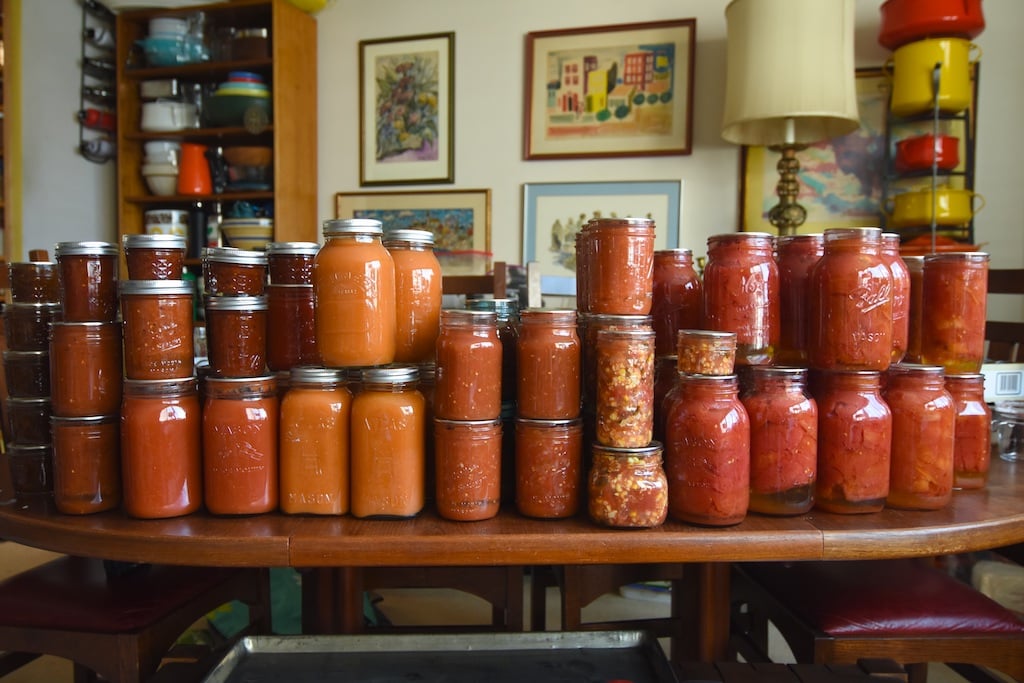
- Headspace refers to the empty space between the food product and the underside of the jar lid. It is a critical element in successful canning.
- Too Little Headspace: Overfilling jars leaves insufficient room for the expansion of food and liquid during processing, increasing the likelihood that contents will boil out, leading to siphoning and potentially interfering with seal formation by leaving food particles on the rim.
- Too Much Headspace: Conversely, excessive headspace can also lead to issues. While it might prevent boiling over, too much air trapped in the jar can lead to excessive oxidation of the food at the top, resulting in discoloration and quality degradation. It can also make it more difficult to achieve a strong vacuum seal. General recommendations for fruit typically range from ½ inch to 1 inch of headspace, depending on the specific recipe and type of fruit.
-
Vent Trapped Air Bubbles:
- After packing fruit into jars and covering with liquid, it is common for small air bubbles to be trapped within the fruit or between pieces. These bubbles can expand during processing and contribute to liquid loss.
- Before placing lids, use a non-metallic utensil (like a plastic spatula or chopstick) to gently run around the inside of the jar, releasing these trapped air pockets. This simple step helps ensure a more compact pack and reduces the amount of air that needs to be expelled during processing.
-
Correct Ring Tightness:
- The canning ring’s primary function is to hold the lid in place during processing. As previously mentioned, rings should be tightened only to "fingertip tight."
- Overtightening: Applying too much force to the rings can prevent air from escaping the jar effectively during processing. This can lead to buckled lids, seal failure, or, paradoxically, increased siphoning as pressure builds up excessively and then forces liquid out more violently when it finally finds a way.
- Undertightening: Rings that are too loose may not hold the lid securely, leading to seal failure or allowing too much liquid to escape.
-
Adhere to Tested Processing Times:
- Using tested recipes from reputable sources ensures that the processing times are adequate for proper heat penetration and air expulsion. Deviating from these times can lead to under-processed food (safety risk) or over-processed food (quality degradation and potentially increased siphoning).
Post-Processing Care and Storage
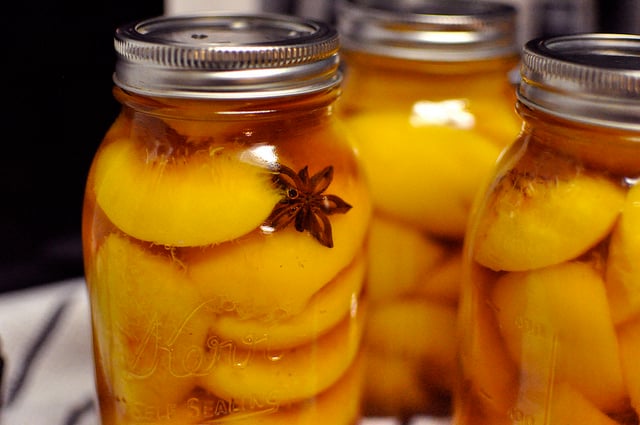
Once jars have cooled completely and seals have been verified, it is essential to remove the canning rings. Leaving rings on during storage can trap moisture, leading to rust on the bands and potentially weakening the seal or making the lids difficult to remove later. After removing the rings, gently wash the sealed jars in warm, soapy water to remove any sticky residue. This prevents attracting pests and keeps storage areas clean. Allow the jars to air dry completely before labeling them with the contents and date. Store canned goods in a cool, dark, and dry place, away from direct sunlight or extreme temperature fluctuations. Proper storage conditions help maintain the quality and safety of the preserved food for its intended shelf life.
Implications and Broader Impact
The issue of sticky jars, while minor in the grand scheme of food safety, underscores the importance of ongoing education and attention to detail in home canning. For many, home preservation is more than just a hobby; it’s a skill passed down through generations, a way to connect with food sources, and a tool for building food security. Organizations dedicated to food preservation play a vital role in disseminating accurate, science-based information, empowering individuals to preserve food safely and confidently. By understanding phenomena like siphoning, canners can troubleshoot common issues, make informed decisions about their preserved goods, and continue to enjoy the fruits of their labor, quite literally. The reassurance that sticky jars are typically safe, combined with practical advice on prevention, fosters confidence and promotes the continued practice of this valuable culinary tradition.