
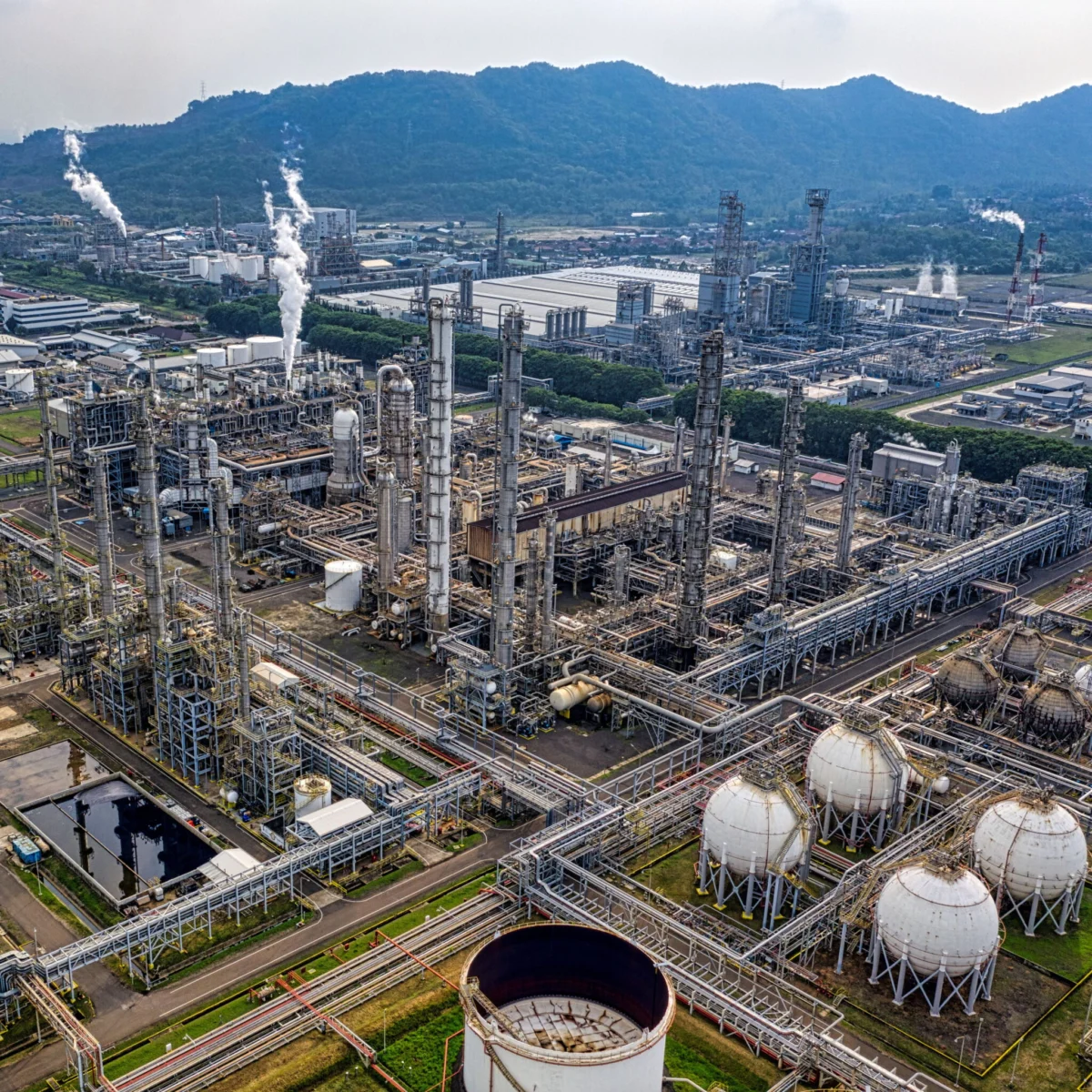
The 85-mile industrial corridor stretching along the Mississippi River between New Orleans and Baton Rouge, Louisiana, has earned the somber moniker Cancer Alley due to the dense concentration of fossil fuel and petrochemical operations situated within its borders. Home to approximately 200 refineries and chemical plants, this region has become the focal point of a national debate regarding environmental justice, public health, and the transition away from a carbon-based economy. Recent data indicates that residents in this corridor face a health risk from hazardous air pollutants that is more than ten times higher than the average for the rest of the state. These communities, which are predominantly comprised of Black, Indigenous, and People of Color (BIPOC) as well as low-income households, bear a disproportionate burden of the nation’s industrial output, leading human rights advocates to label the area a sacrifice zone.
The Technical Infrastructure of Petrochemical Production
Petrochemical plants are industrial facilities designed to process crude oil and natural gas—often sourced through hydraulic fracturing—into the fundamental building blocks of modern consumer goods. These facilities serve as the bridge between the extraction of fossil fuels and the manufacturing of plastics, industrial chemicals, synthetic rubbers, and pesticides. Typically integrated into large-scale refinery complexes to minimize transport costs, these plants transform hydrocarbons through high-heat, energy-intensive processes.
One of the most significant categories of petrochemical production involves olefins plants, which utilize steam crackers to produce ethylene. Ethylene is the most widely produced organic compound in the world and serves as the primary feedstock for the plastics industry. It is the precursor to various forms of polyethylene, including High-Density Polyethylene (HDPE), used for durable goods like milk jugs and detergent bottles, and Low-Density Polyethylene (LDPE), used for flexible packaging and grocery bags. The steam cracking process required to produce these materials is recognized as one of the most energy-intensive operations in the global chemical industry, requiring massive caloric input and resulting in significant carbon dioxide emissions.
Beyond olefins, the industry relies on aromatic plants and syngas facilities. Aromatic plants extract compounds such as benzene, toluene, and xylene from naphtha. These chemicals are essential for the production of dyes, synthetic detergents, and high-performance plastics. Meanwhile, syngas plants utilize natural gas or coal to generate synthetic gas, which is then processed into ammonia for fertilizers and methanol for industrial solvents. While these products are foundational to the global economy, their production cycle—from raw material extraction to final chemical synthesis—is characterized by high carbon intensity and the release of toxic byproducts.
A Chronology of Industrialization and Resistance
The transformation of the Mississippi River banks from a plantation-based agricultural economy to a global petrochemical hub began in the early to mid-20th century. Following World War II, the region’s proximity to oil reserves and the deep-water navigation provided by the Mississippi River made it an ideal location for industrial expansion.
In the 1960s and 1970s, the density of these facilities increased rapidly, often encroaching on historic African American townships founded by formerly enslaved people. By the 1980s, the health impacts on local populations became impossible to ignore, leading to the coining of the term "Cancer Alley."
The 2010s saw a renewed surge in petrochemical investment, spurred by the domestic "fracking boom" which provided cheap and abundant natural gas liquids. This period marked the beginning of modern grassroots resistance. In 2018, Sharon Lavigne, a retired special education teacher, founded Rise St. James to oppose the construction of new multi-billion dollar complexes, such as the proposed Formosa Plastics facility.
In 2021, the Biden administration’s Environmental Protection Agency (EPA) signaled a shift toward environmental justice, with Administrator Michael Regan visiting Cancer Alley and pledging federal intervention. However, the legal and political landscape remains volatile. In early 2024, reports surfaced that several federal lawsuits aimed at curbing pollution in the region were being dropped or scaled back, leading to renewed outcries from local advocates who feel abandoned by the regulatory system.
Quantifying the Public Health Crisis
The health implications of living in close proximity to petrochemical hubs are documented in various peer-reviewed studies and human rights reports. An analysis published in the New England Journal of Medicine has linked chronic exposure to petrochemical byproducts with elevated rates of various cancers, including lung, bladder, and lymphatic cancers.
The primary mechanism of harm is the release of Volatile Organic Compounds (VOCs) and hazardous air pollutants such as ethylene oxide and benzene. These substances are known carcinogens that can cause immediate respiratory distress and long-term systemic damage. According to a 2024 report by Human Rights Watch, which included over 70 interviews with residents of Cancer Alley, women in the region reported a startling frequency of miscarriages, high-risk pregnancies, and neonatal health complications.
Furthermore, the contamination is not limited to the air. The Environmental Integrity Project (EIP) released data in late 2024 showing that nearly 70 petrochemical companies across the United States are discharging millions of pounds of pollutants into public waterways annually. In many parts of Louisiana’s industrial corridor, Polyfluoroalkyl substances (PFAS), often called "forever chemicals," have been detected in drinking water at levels hundreds of times higher than the safety thresholds recommended by health experts. These chemicals are associated with immune system suppression, thyroid disruption, and developmental delays in children.
Regulatory Challenges and Political Responses
The regulation of petrochemical facilities is a complex interplay between federal mandates and state-level enforcement. While the Clean Air Act and Clean Water Act provide a framework for oversight, state agencies often have the primary authority to issue permits and monitor compliance. In Louisiana and Texas, critics argue that state regulators have historically prioritized industrial expansion over public health.
In Texas, recent legislative and regulatory actions have cleared the way for significant petrochemical expansions despite warnings from health professionals. Proponents of these expansions cite economic benefits, including job creation and tax revenue. However, environmental economists point out that the externalized costs—such as healthcare expenses for residents and the long-term costs of climate change—often outweigh the localized economic gains.
The federal response has seen a period of significant oscillation. Under the Biden-Harris administration, the Justice Department and the EPA launched several civil rights investigations into the siting of industrial plants in minority communities. However, these efforts have faced stiff legal challenges from state attorneys general, who argue that federal overreach infringes on state sovereignty. Robert Taylor, founder of Concerned Citizens of St. John, has publicly criticized the slow pace of change, stating that communities continue to be treated as "sacrifice zones" where the health of the population is traded for industrial output.
Broader Implications for Climate and Global Markets
The petrochemical industry is increasingly viewed as the "Plan B" for the fossil fuel sector. As the global transportation industry shifts toward electric vehicles and renewable energy, major oil and gas companies are pivoting their business models to focus on plastics and chemicals. According to the International Energy Agency (IEA), petrochemicals are set to account for more than a third of the growth in world oil demand by 2030.
This shift has profound implications for global climate goals. Petrochemical production is not only energy-intensive but also creates products that contribute to the global plastic pollution crisis. If the industry continues to expand at its current trajectory, the carbon emissions associated with plastic production could account for up to 15% of the global carbon budget by 2050, making it nearly impossible to limit global warming to 1.5 degrees Celsius.
The intersectionality of this issue cannot be overstated. The environmental degradation of regions like Cancer Alley is inextricably linked to global economic trends. The demand for single-use plastics in developed markets directly fuels the industrial expansion in vulnerable communities in the American South.
Analysis of Future Trajectories
The future of the petrochemical industry and the communities it affects will likely be determined by three factors: litigation, market shifts, and legislative reform.
- Litigation: Grassroots organizations are increasingly turning to the courts to challenge air permits and demand stricter enforcement of existing laws. The success or failure of these lawsuits will set precedents for how industrial facilities are sited across the country.
- Market Shifts: As global awareness of plastic pollution grows, some nations are implementing bans on single-use plastics or taxes on virgin plastic resin. A significant drop in demand could render planned petrochemical expansions economically unviable.
- Legislative Reform: There is a growing movement to reform the permitting process to include "cumulative impact" assessments. This would require regulators to consider the existing pollution levels in a community before approving a new facility, rather than evaluating each plant in isolation.
The situation in Cancer Alley serves as a stark reminder of the costs associated with an industrial model that does not account for human and environmental health. As the world grapples with the dual crises of climate change and environmental inequity, the struggle of the residents along the Mississippi River remains a critical benchmark for the possibility of a truly just transition.


