
The intersection of ancient fermentation traditions and modern nutritional science has sparked a significant resurgence in home-brewed functional beverages, with cranberry orange kombucha emerging as a prominent seasonal staple for health-conscious consumers. As the global functional beverage market continues its upward trajectory, estimated by industry analysts to reach a valuation of over $200 billion by 2030, the shift toward DIY fermentation represents a unique blend of culinary art and preventative wellness. Cranberry orange kombucha, characterized by its high vitamin C content and probiotic density, serves as a primary example of how seasonal produce is being utilized to enhance the human gut microbiome while addressing specific physiological needs during the winter months.
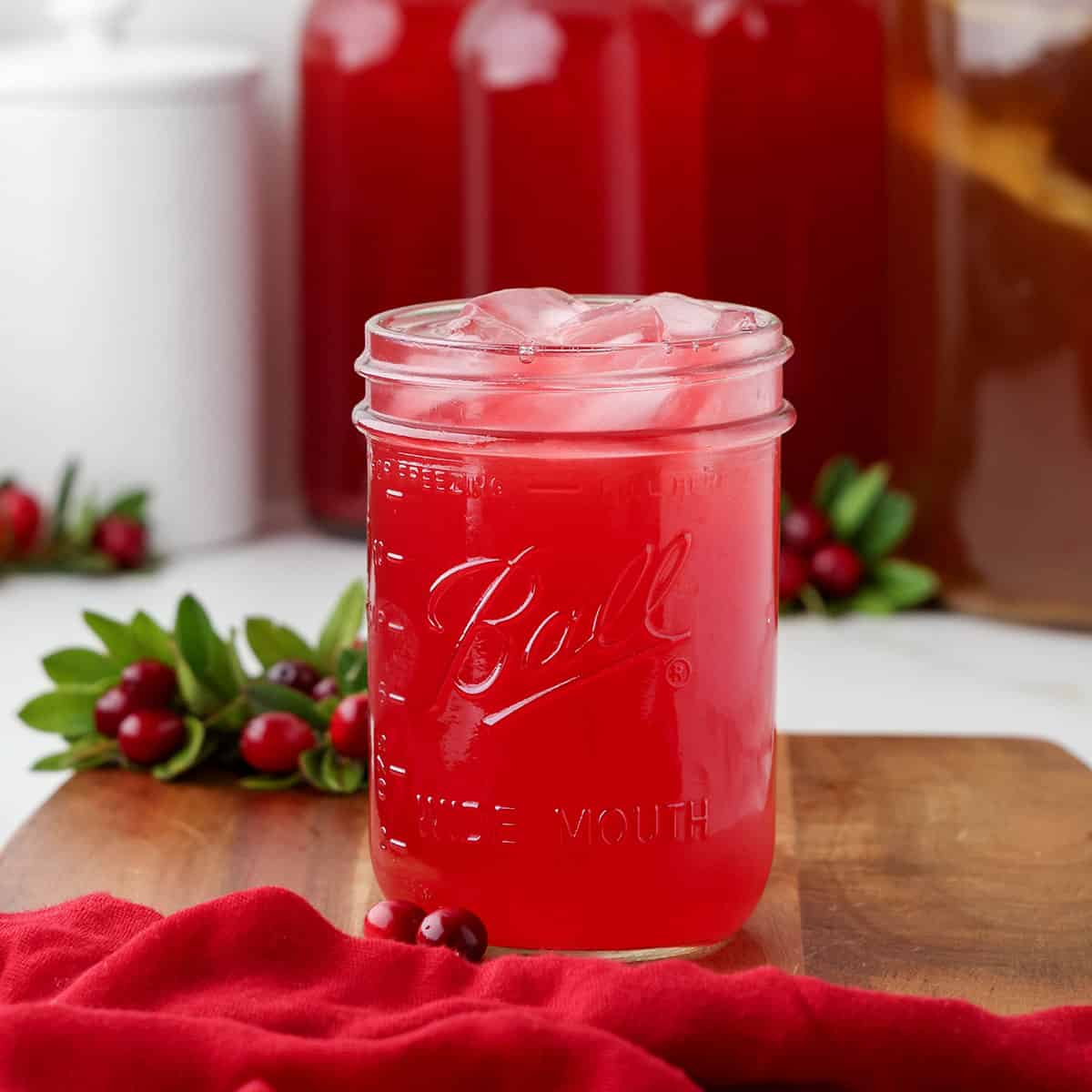
The Evolution of the Functional Beverage Market
The rise of kombucha—a fermented tea produced through a symbiotic culture of bacteria and yeast (SCOBY)—is not merely a passing trend but a return to ancestral dietary practices. Historically rooted in Northeast China around 220 B.C., kombucha was prized for its detoxifying and energizing properties. In the modern era, the beverage has transitioned from health-food niche to mainstream commodity. However, the high cost of retail kombucha, often ranging from $3.00 to $5.00 per bottle, has driven a substantial segment of the population toward home fermentation.
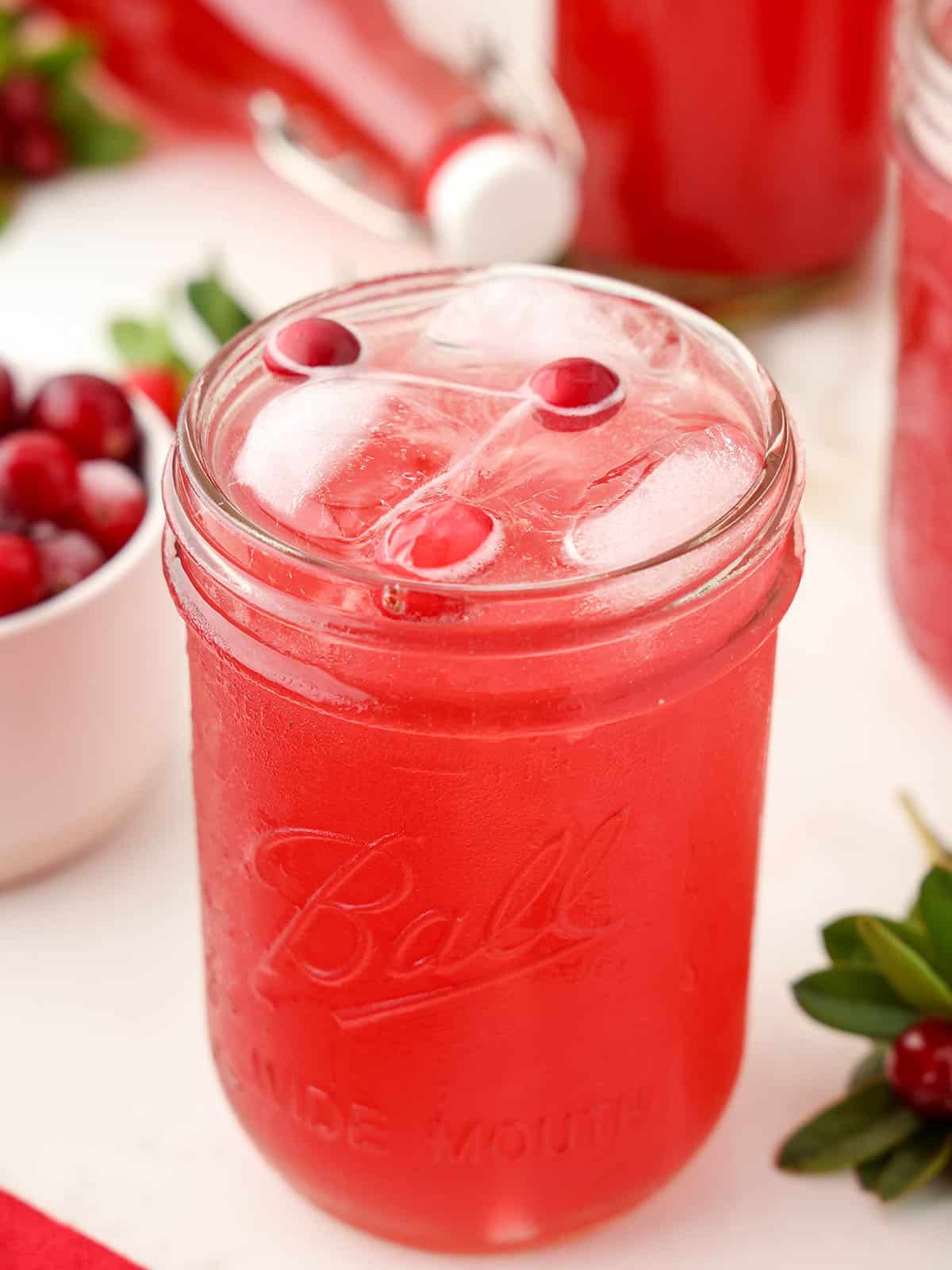
The introduction of seasonal variants, such as the cranberry orange blend, aligns with "food as medicine" philosophies. Cranberries, one of the few fruits native to North America, are harvested in the autumn and winter, providing a fresh source of antioxidants when many other fruits are out of season. By integrating these berries into a second fermentation process, home brewers are able to create a beverage that is more than the sum of its parts, combining the digestive benefits of probiotics with the immune-supporting properties of citrus and the urinary tract protections inherent in cranberries.

Nutritional Profile and Physiological Benefits
The health implications of cranberry orange kombucha are supported by a growing body of peer-reviewed research. Central to its appeal is the high concentration of proanthocyanidins (PACs) found in cranberries. Numerous human intervention trials have demonstrated that these compounds are effective at preventing urinary tract infections (UTIs) by inhibiting the adhesion of bacteria, specifically E. coli, to the bladder wall. When these berries are fermented, the bioavailability of certain phytonutrients can increase, potentially enhancing their protective effects.
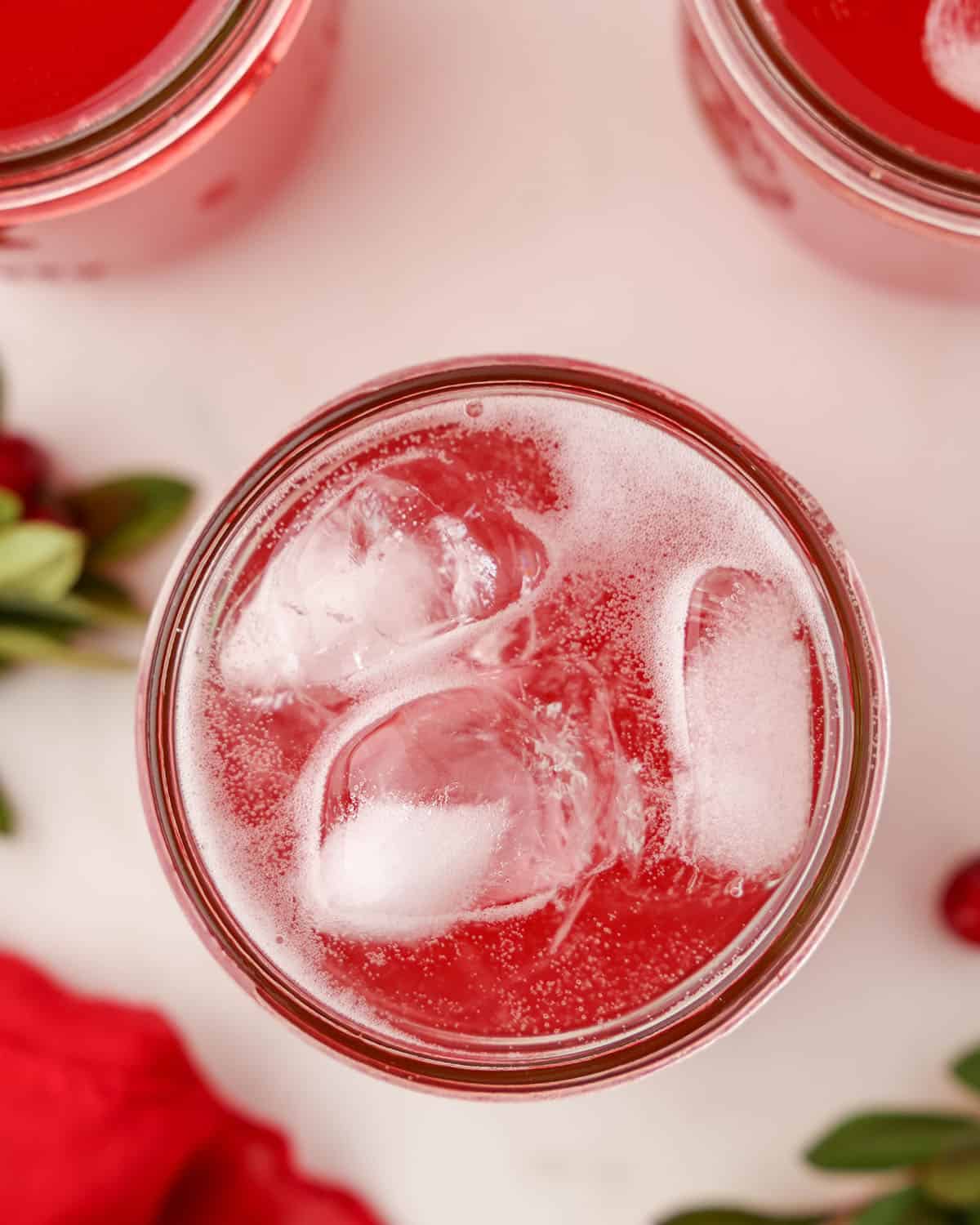
Furthermore, the addition of fresh orange juice and zest contributes a significant dose of ascorbic acid (Vitamin C). During the winter season, when respiratory infections are more prevalent, Vitamin C plays a critical role in supporting the epithelial barrier function against pathogens and promoting oxidant-scavenging activity. The fermentation process itself introduces a diverse array of beneficial bacteria, such as Acetobacter and Gluconacetobacter, alongside various yeast strains. These microorganisms contribute to a healthy gut-brain axis, which recent studies suggest is vital for mood regulation and systemic inflammation reduction.
The Technical Process of Secondary Fermentation
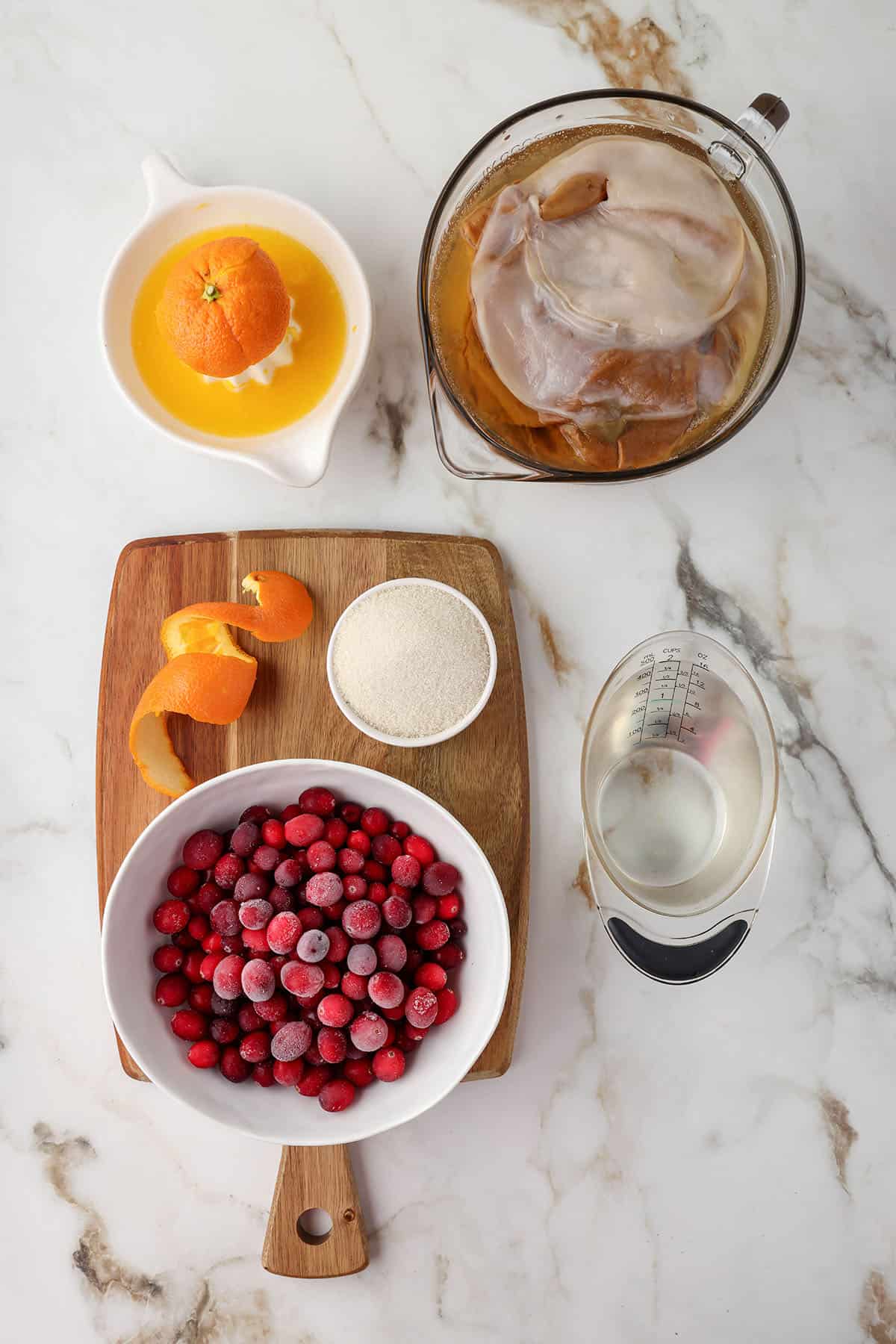
The production of cranberry orange kombucha involves a sophisticated two-stage biological process. The first fermentation focuses on the conversion of sugared tea into a tart, acidic base via the SCOBY. The second fermentation, or "flavoring stage," is where the beverage gains its characteristic effervescence and complex flavor profile.
Chronology of the Brewing Cycle
- Primary Fermentation (7–14 Days): A base of black or green tea is steeped and sweetened, then inoculated with a SCOBY and starter liquid. Over the course of one to two weeks, the yeast converts sugar into ethanol, which the bacteria then convert into acetic and other organic acids.
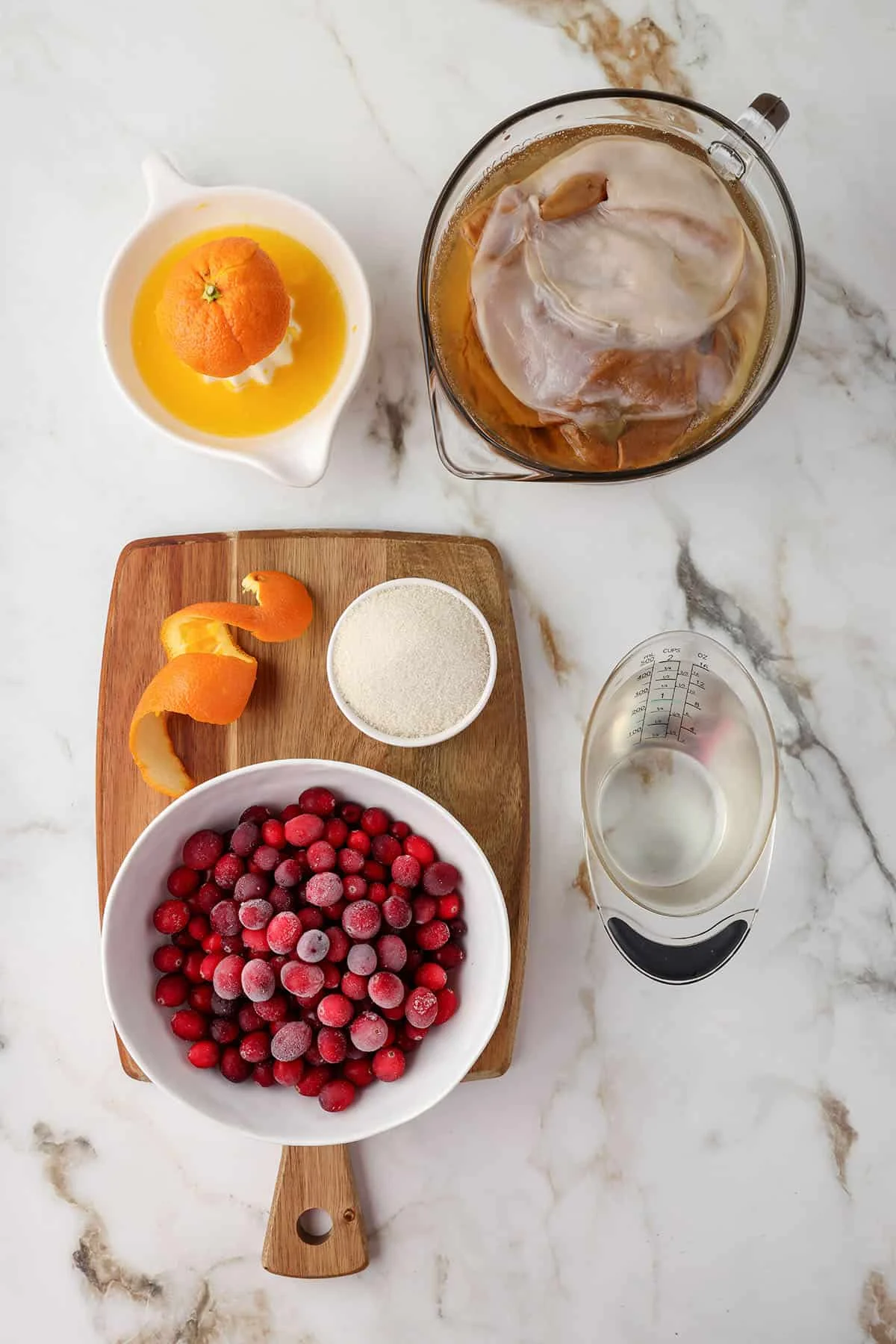
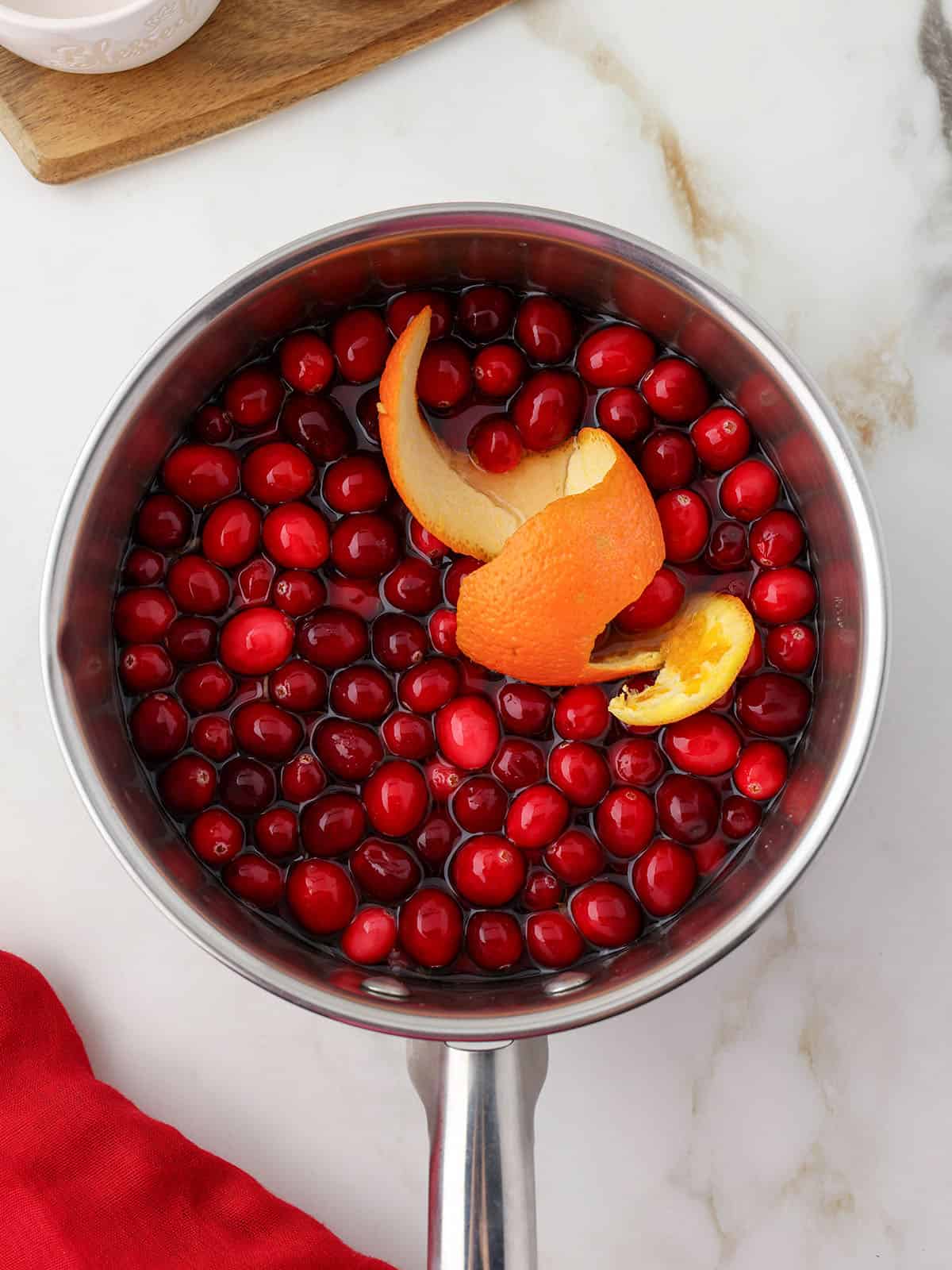
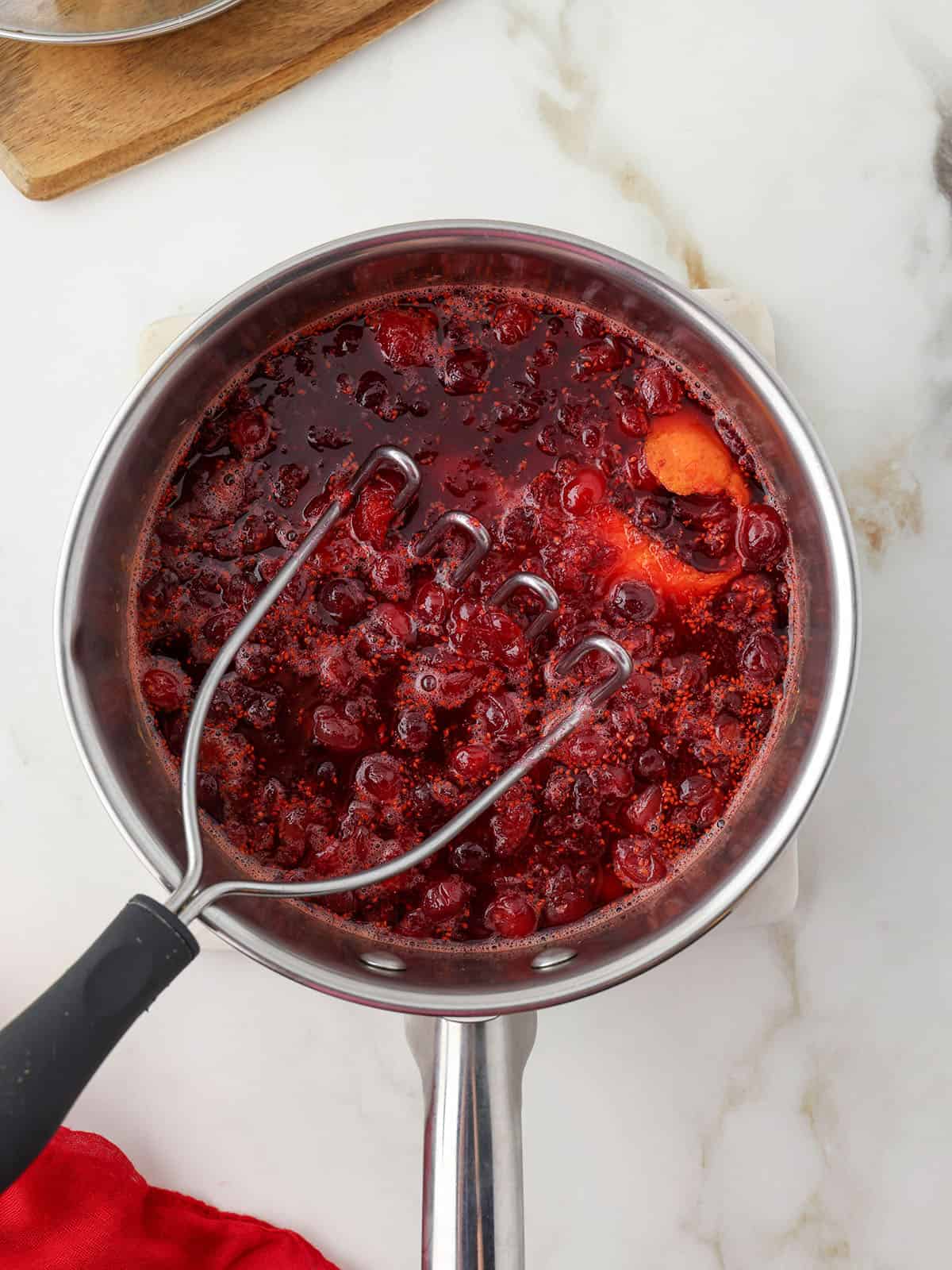
- Syrup Preparation: To ensure a consistent flavor and robust carbonation, a syrup is prepared using whole cranberries (fresh or frozen), organic cane sugar, and fresh orange juice and peel. This mixture is simmered to break down the fruit’s cellular structure, releasing pectins and sugars.
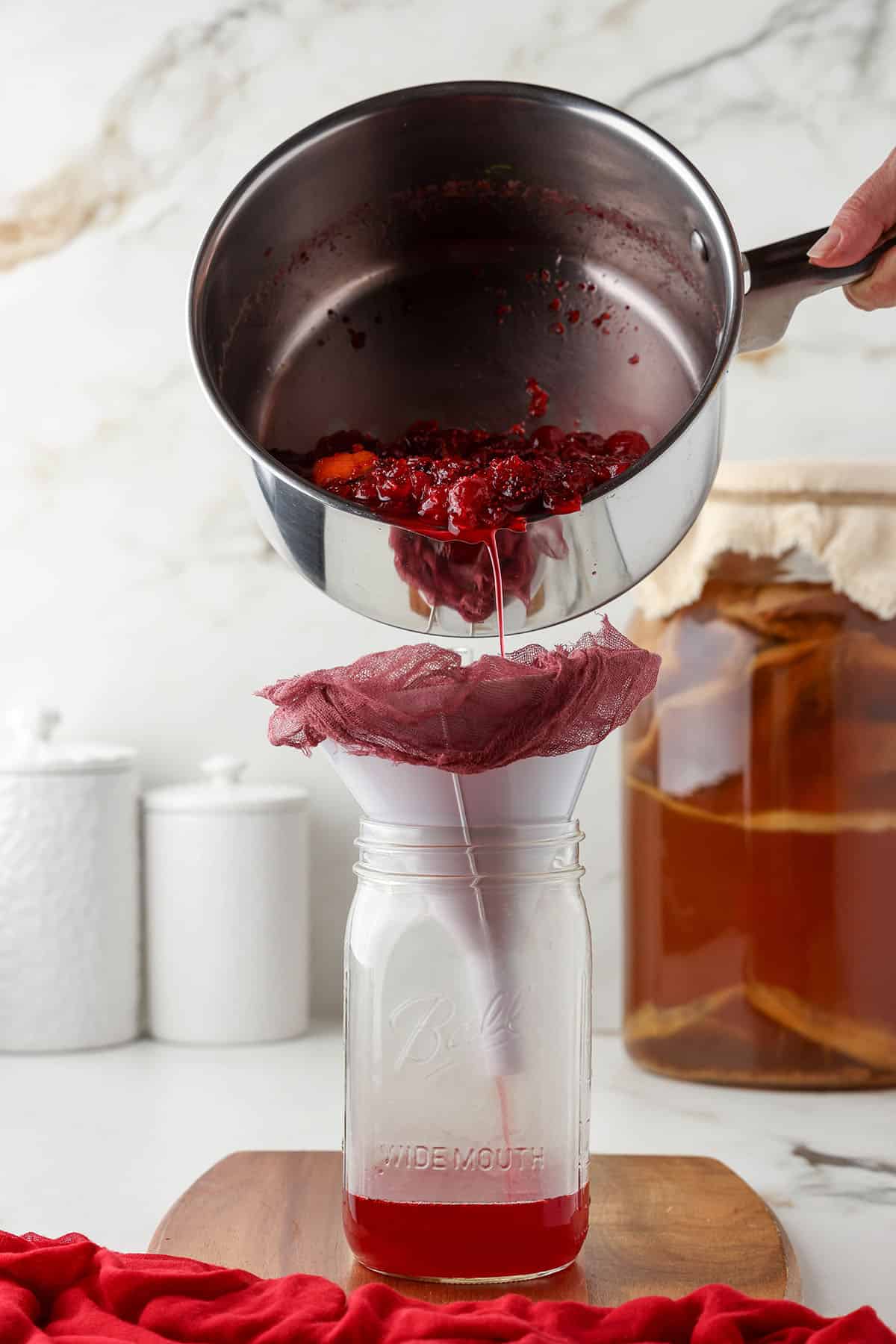
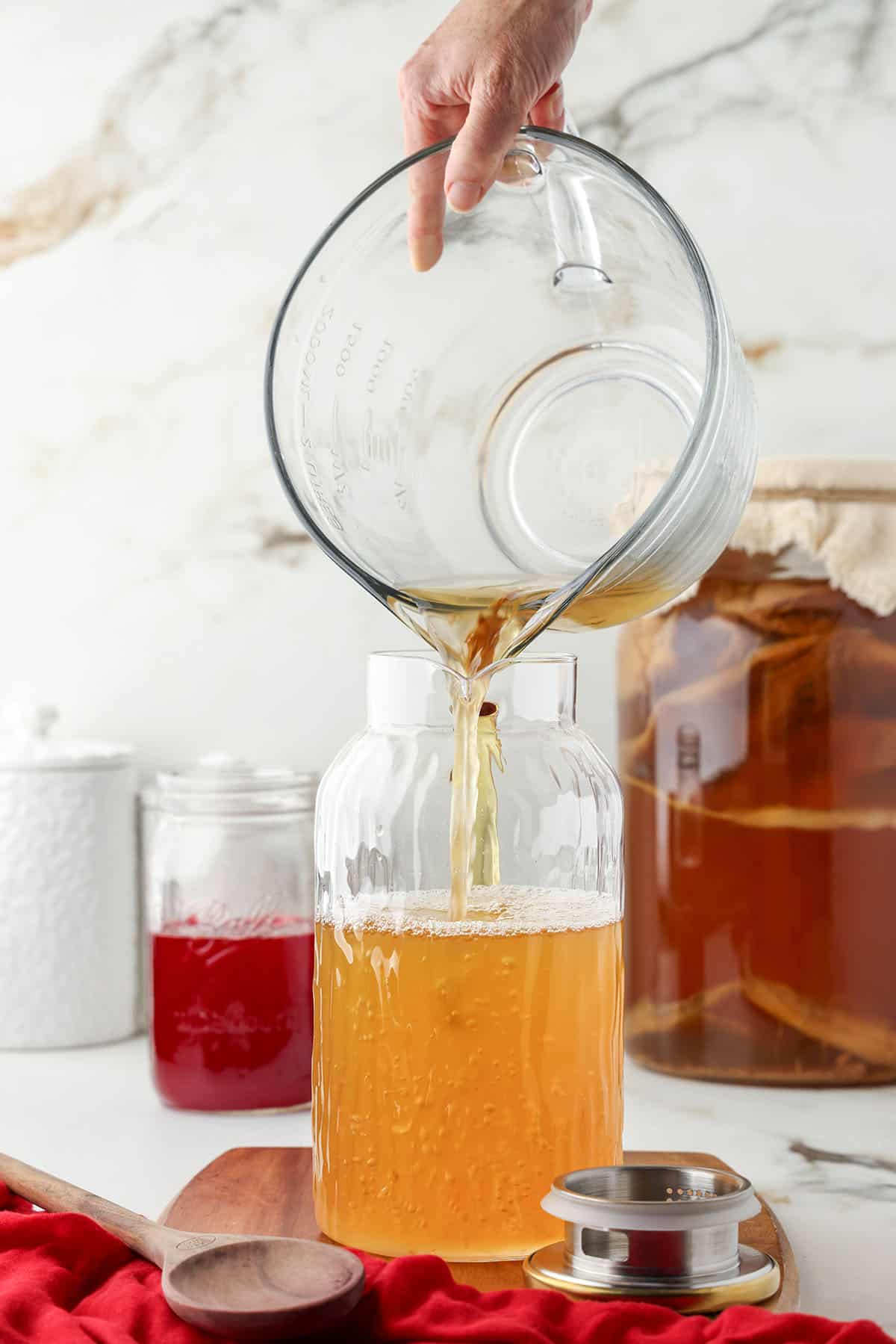
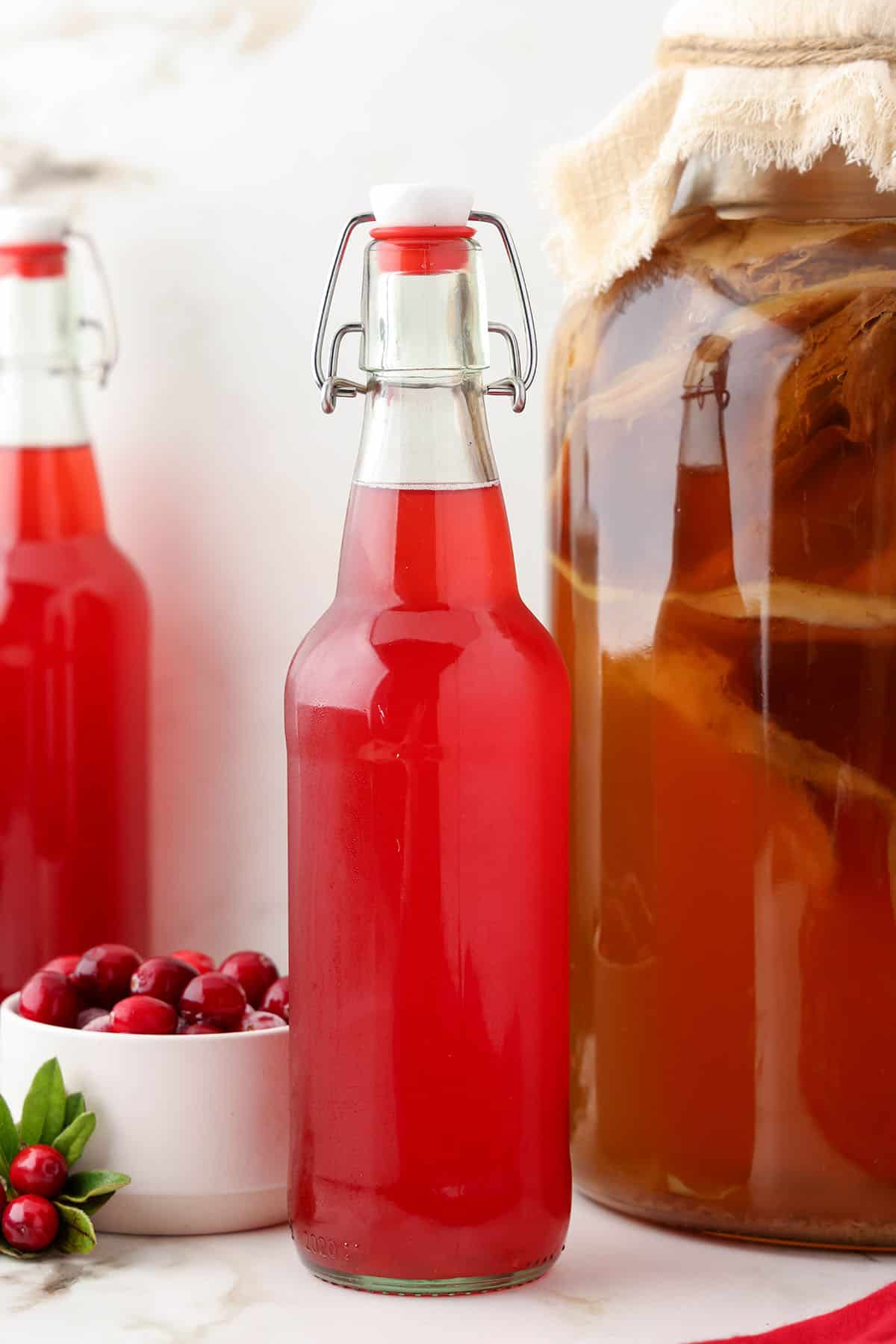
- Inoculation and Bottling: The strained cranberry-orange syrup is combined with the primary kombucha. This mixture is then transferred to pressure-rated, swing-top bottles.
- Secondary Fermentation (2–4 Days): During this phase, the remaining yeast in the kombucha consumes the new sugars provided by the fruit syrup. Because the bottles are sealed, the carbon dioxide produced during this metabolic process is dissolved into the liquid, creating natural carbonation.
- Refrigeration and Stabilization: Once the desired carbonation level is achieved, the bottles are moved to a cold environment. This halts the fermentation process and stabilizes the flavor profile.
Economic Implications of Home Fermentation
From a consumer economics perspective, the shift toward home-brewed cranberry kombucha represents a significant cost-saving measure. While a gallon of store-bought kombucha can cost upwards of $30.00, the raw materials for a home-brewed gallon—including organic tea, sugar, and seasonal fruit—typically total less than $5.00.
Beyond direct costs, the environmental impact of home brewing is a factor in its growing popularity. The commercial kombucha industry relies heavily on single-use glass packaging and refrigerated transport, both of which have high carbon footprints. Home brewers utilize reusable flip-top bottles and local water sources, aligning with broader sustainability goals. This shift reflects a "circular economy" mindset where waste is minimized and resources are maximized, such as the repurposing of leftover cranberry pulp from the syrup-making process into high-fiber fruit jams or additives for yogurt.
Safety Protocols and Best Practices in Fermentation
As with any biological process involving live cultures, safety and precision are paramount. Food scientists emphasize the importance of maintaining a sterile environment to prevent the growth of pathogenic molds or undesirable bacteria. The acidity of the kombucha (typically a pH between 2.5 and 3.5) acts as a natural preservative, but home brewers must remain vigilant.
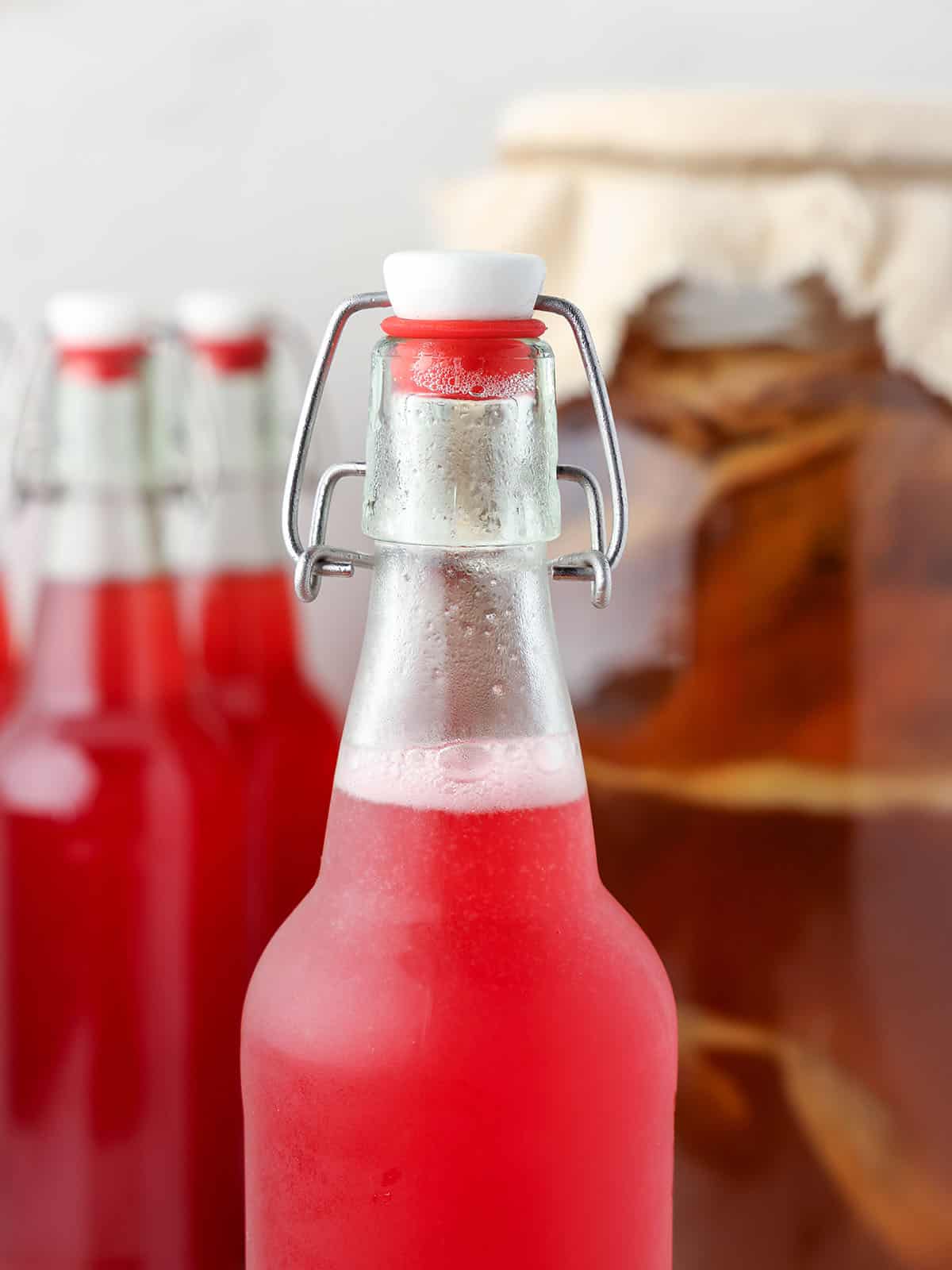
The "burping" of bottles during the second fermentation is a critical safety step. Because the pressure inside a sealed bottle can increase rapidly—especially in warmer indoor environments—releasing a small amount of gas daily prevents "bottle bombs" or accidental explosions. Furthermore, the use of organic cane sugar is recommended by experts, as highly processed sugars or artificial sweeteners can fail to provide the necessary fuel for the yeast or may introduce chemical byproducts that alter the flavor and health benefits of the final product.

Broad Implications for Public Health and Culinary Culture
The popularity of cranberry orange kombucha is indicative of a larger cultural shift toward self-reliance in health and nutrition. As healthcare costs rise, individuals are increasingly looking for ways to bolster their immune systems and digestive health through dietary choices. The "probiotic revolution" has moved beyond the pharmacy shelf and into the kitchen, where fermentation is viewed as both a hobby and a health strategy.

Professional chefs and nutritionists have also noted the culinary versatility of this beverage. It serves as a non-alcoholic alternative to sparkling wines or festive cocktails, providing a sophisticated flavor profile that includes tartness, sweetness, and floral citrus notes. This makes it an ideal accompaniment to heavy holiday meals, where its acidity can help "cut through" fats and its enzymes can assist in protein digestion.
Future Outlook: The Sustainability of the Fermentation Movement
Looking forward, the trend of seasonal fermentation appears to be a permanent fixture in the modern lifestyle. The integration of seasonal produce like cranberries into ancient recipes ensures that the practice remains relevant and exciting for new generations of brewers. Furthermore, as research continues to uncover the complexities of the human microbiome, the demand for varied and potent probiotic sources will only increase.
Cranberry orange kombucha stands as a testament to the power of combining traditional wisdom with modern nutritional needs. It represents a move away from mass-produced, high-sugar sodas and toward artisanal, nutrient-dense beverages that provide genuine physiological value. As more consumers embrace the role of "home scientist" and "artisanal brewer," the landscape of the beverage industry will continue to transform, prioritizing health, sustainability, and the celebration of seasonal ingredients.
In conclusion, the rise of cranberry orange kombucha is a multifaceted phenomenon. It is an economic response to the high cost of functional foods, a biological experiment in gut health, and a seasonal celebration of North American produce. By understanding the science behind the ferment and the history behind the ingredients, consumers are empowered to take control of their wellness, one bottle at a time. This bright, tart, and effervescent drink is more than just a winter treat; it is a symbol of the modern movement toward a more conscious and healthful way of living.


