
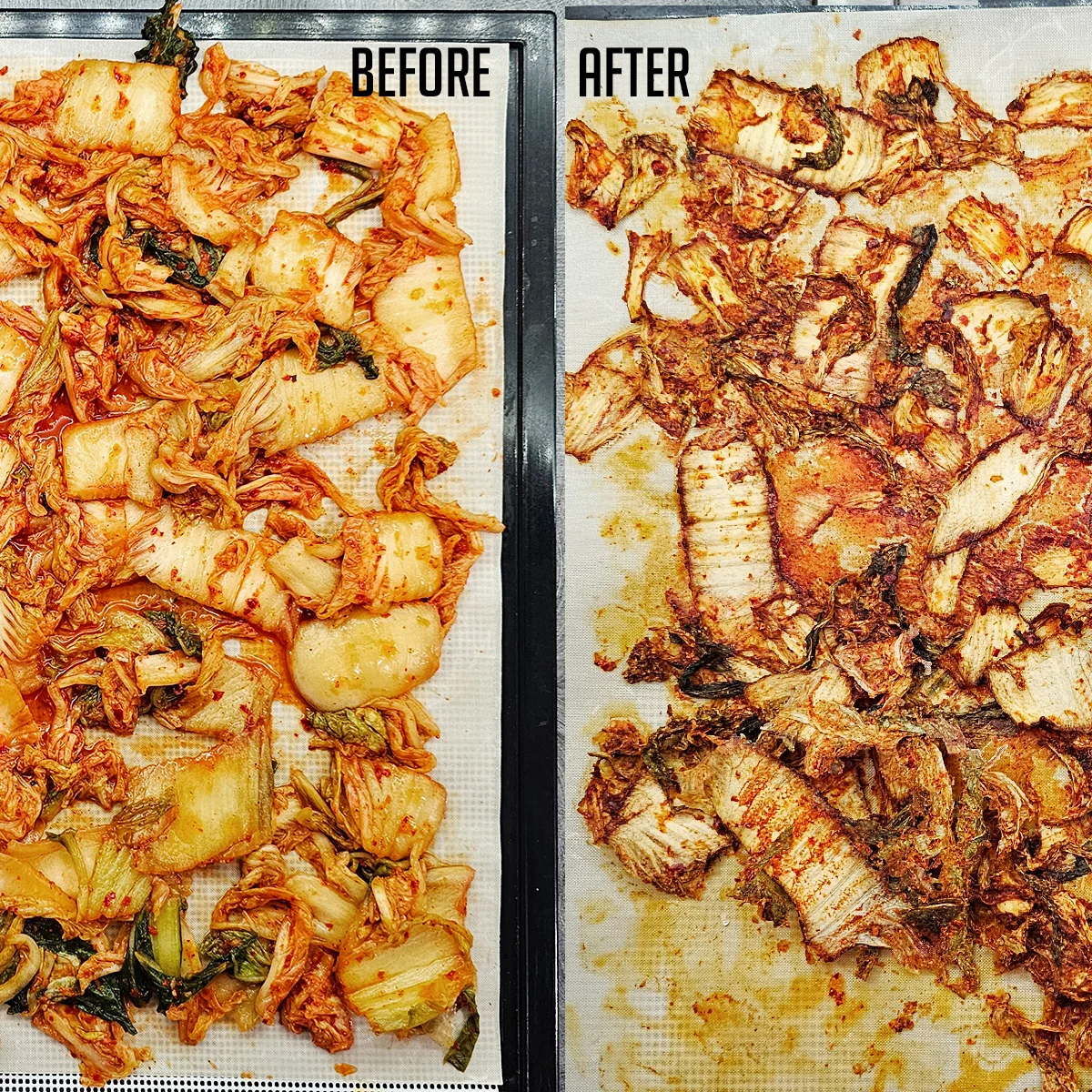
The preservation of fermented foods has undergone a significant evolution as modern culinary practices increasingly intersect with traditional preservation methods. Kimchi, a staple of Korean cuisine characterized by its complex flavor profile and probiotic density, is traditionally maintained through refrigeration or cool-storage fermentation. However, the application of dehydration technology offers a sophisticated alternative for extending the shelf life of this lacto-fermented vegetable dish while creating a versatile ingredient for contemporary gastronomy. By reducing moisture content to negligible levels, practitioners can transform a perishable fermented product into a shelf-stable snack, a concentrated seasoning powder, or a lightweight ration suitable for long-term storage and outdoor excursions.
The Scientific Foundation of Kimchi Fermentation
To understand the implications of dehydrating kimchi, one must first examine its biological composition. Kimchi is primarily produced through lacto-fermentation, a process wherein naturally occurring lactic acid bacteria (LAB), such as Lactobacillus plantarum and Leuconostoc mesenteroides, convert sugars into lactic acid. This process not only provides the characteristic tang and effervescence associated with the dish but also serves as a primary preservation mechanism by lowering the pH level to a range that inhibits the growth of pathogenic spoilage organisms.
In its traditional form, kimchi consists of napa cabbage, radishes, and a seasoning paste (sok) made from gochugaru (Korean chili flakes), garlic, ginger, and fish sauce. The resulting product is a powerhouse of micronutrients, including vitamins A, B, and C, and essential minerals. However, the "live" nature of the product presents challenges for long-term storage without continuous refrigeration. Dehydration addresses this by removing the water necessary for microbial activity, effectively pausing the fermentation process and stabilizing the product for room-temperature storage.
The Thermal Threshold: Preserving Microbial Integrity
A critical consideration in the dehydration of kimchi is the preservation of its probiotic profile. Probiotics are sensitive to thermal processing; exposing these beneficial bacteria to high temperatures can result in cellular degradation and the loss of biological activity. Culinary scientists and preservation experts suggest a strict thermal threshold for those seeking to maintain the "live" status of the kimchi.
For raw, traditionally fermented kimchi, the dehydrator must be set to a temperature below 115°F (46°C). Maintaining this low-heat environment ensures that the lactic acid bacteria remain viable, albeit in a dormant state. Conversely, if the kimchi being processed is a commercially jarred, shelf-stable variety purchased from a non-refrigerated aisle, the product has likely already undergone pasteurization. In such instances, the probiotic benefits have been neutralized during the manufacturing process, allowing for a higher dehydration temperature of 140°F (60°C) to accelerate the moisture removal process without further nutritional compromise.
Systematic Dehydration Protocol
The transition from a high-moisture fermented product to a dehydrated state requires a methodical approach to ensure uniformity and safety. The following chronology outlines the standard industry practice for kimchi dehydration.
Phase I: Preparation and Tray Management
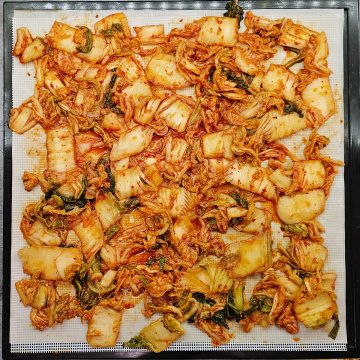
The physical structure of kimchi—comprising dense cabbage stalks and thin leaves—necessitates careful arrangement on dehydrator trays. Because kimchi contains significant liquid and pigments that can cause permanent staining to equipment, the use of parchment paper or silicone fruit leather sheets is a standard recommendation. These liners prevent the cabbage from adhering to the mesh and contain the flavorful brine, which would otherwise drip into the base of the machine.
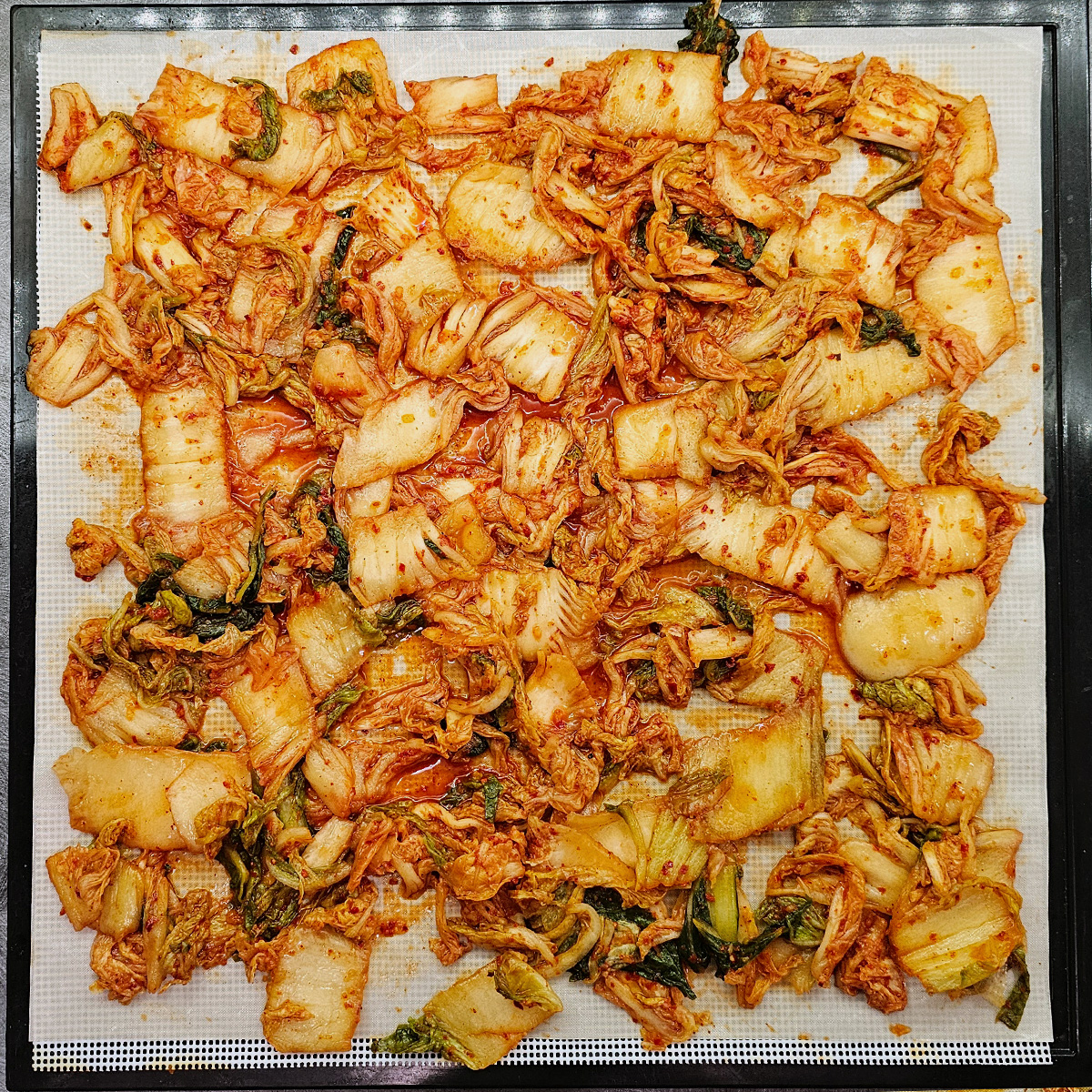
Unlike raw cabbage, which can be piled loosely, kimchi should be spread in a single, even layer. While individual leaves do not require isolated placement, high density must be avoided to ensure adequate airflow. The high salt and sugar content in the fermentation brine can create a hygroscopic effect, making it more difficult for moisture to escape if the pieces are overly crowded.
Phase II: Thermal Processing and Duration
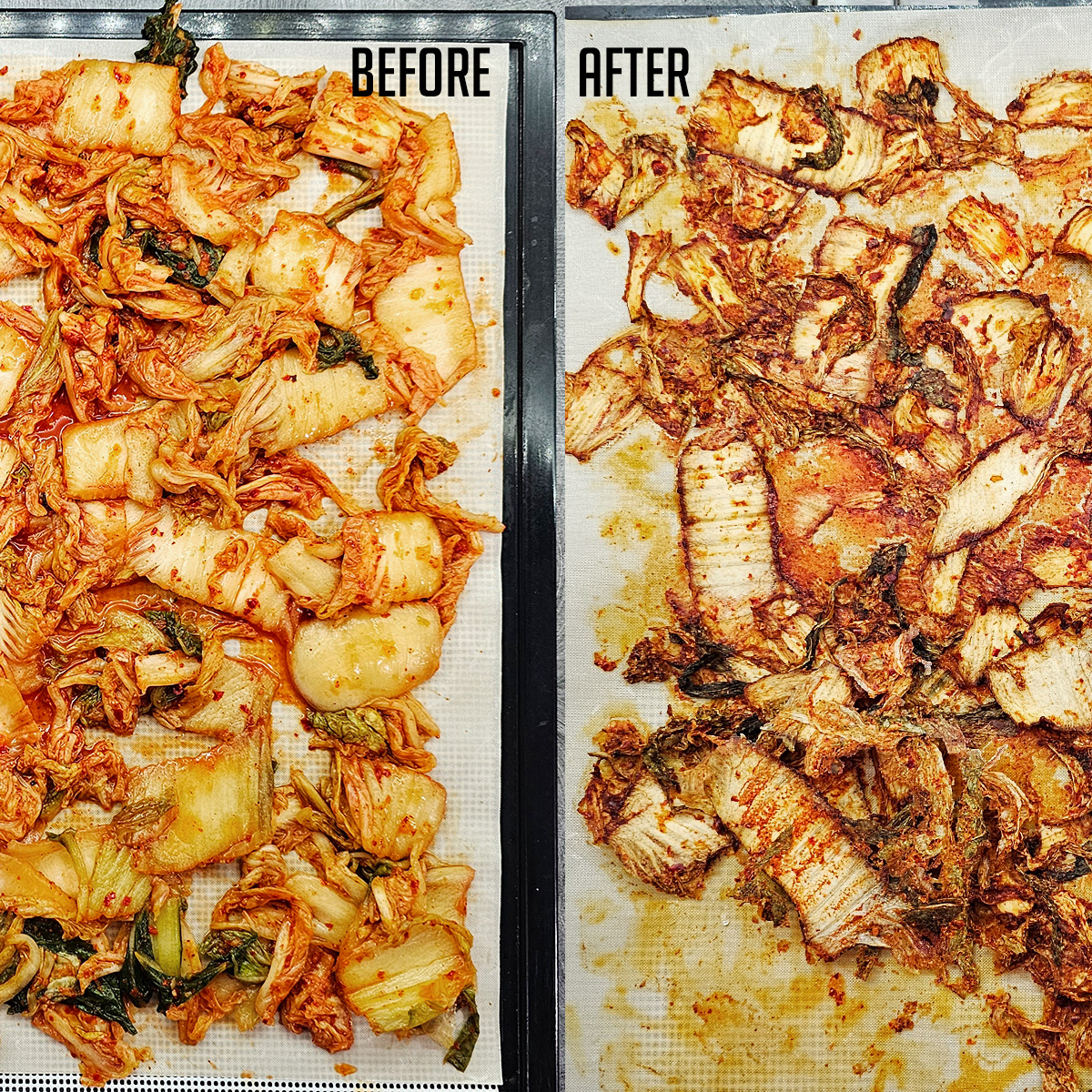
Once the trays are loaded, the dehydrator is engaged at the selected temperature (either <115°F for probiotic retention or 140°F for pasteurized varieties). The duration of this phase is highly variable, typically ranging between 12 and 24 hours. Factors influencing this timeline include the ambient humidity of the processing environment, the specific water content of the cabbage variety used, and the efficiency of the dehydrator’s horizontal or vertical airflow system.
Phase III: Validation of Dryness
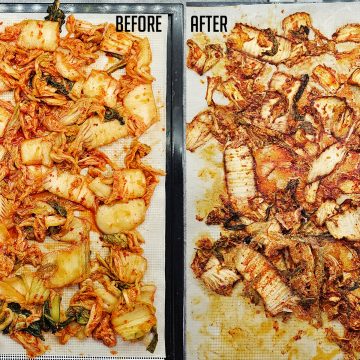
The determination of "doneness" is a tactile process. Properly dehydrated kimchi should exhibit a brittle texture. While larger pieces of cabbage heart may retain a slight pliability due to their fibrous nature, they should snap cleanly when bent. Any evidence of "leathery" texture in the thinner leaves usually indicates residual moisture, which could lead to mold growth during storage.
Post-Processing: Conditioning and Stabilization
A common oversight in home food preservation is the omission of the conditioning phase. Even when food appears dry, internal moisture can migrate toward the surface over time. Conditioning involves placing the dried kimchi into a sealed glass jar for a period of five to seven days. During this window, the jar should be shaken daily. If any condensation appears on the glass or if the pieces begin to clump together, the batch must be returned to the dehydrator for additional processing.
This stabilization phase is essential for preventing the growth of Aspergillus or other molds that can thrive in micro-environments of residual moisture. Once conditioned, the kimchi is ready for long-term storage in airtight containers, such as Mylar bags with oxygen absorbers or vacuum-sealed canning jars, where it can remain shelf-stable for up to two years.
Culinary Innovations: Kimchi Powder and Rehydration
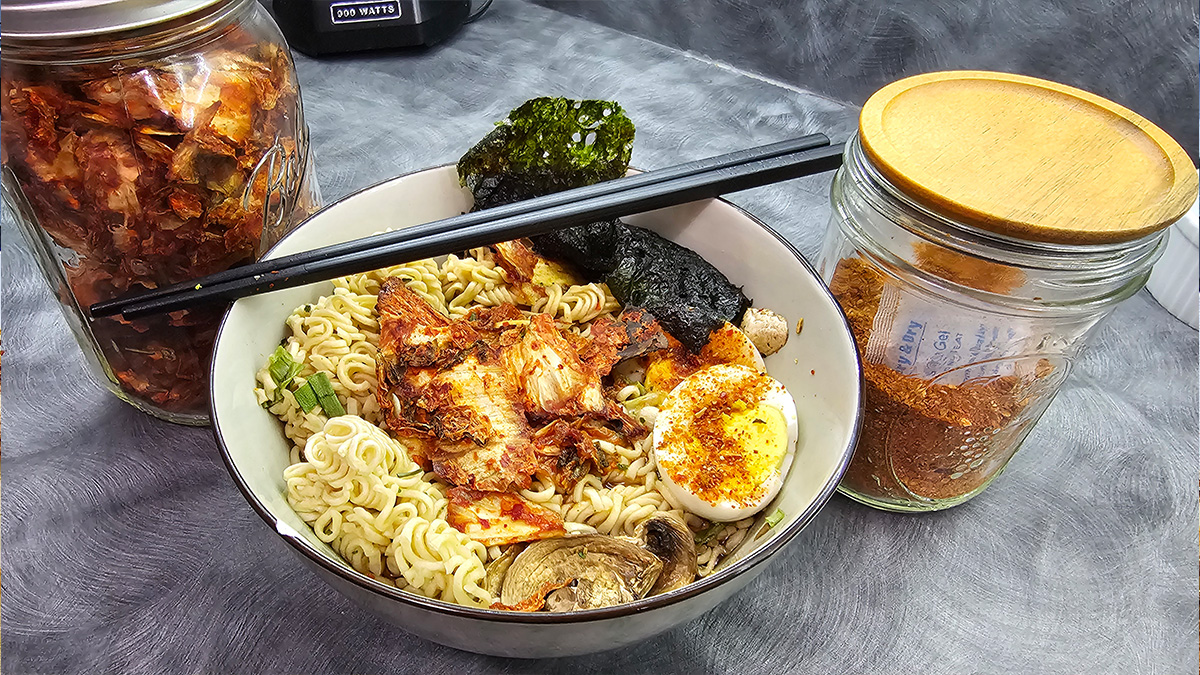
The utility of dehydrated kimchi extends beyond simple preservation. One of the most significant trends in modern pantry management is the creation of "umami powders." By pulverizing dehydrated kimchi in a high-speed blender, cooks create a concentrated seasoning that captures the spicy, sour, and savory notes of the original dish.
Kimchi powder has found applications in various culinary sectors:
- Seasoning Rubs: It serves as a potent dry rub for proteins, providing a fermented tang that mimics long-term marination.
- Snack Enhancement: It is frequently used as a dusting for popcorn, dehydrated vegetable chips, or nuts.
- Soup Bases: A single tablespoon of the powder can provide an instant flavor base for ramen or stews, eliminating the need for bulky liquid ingredients.
For those wishing to use the product in its original form, rehydration is a straightforward process. Submerging the dried pieces in warm water or broth for 15 to 20 minutes restores the texture, making it an ideal addition to stir-fries or traditional kimchi-jjigae (stew).
Nutritional Analysis and Impact
From a nutritional standpoint, dehydrated kimchi remains a low-calorie, high-fiber food. According to standard nutritional estimations, a single serving of dehydrated kimchi (equivalent to approximately one cup of fresh product) contains roughly 17 calories. It is particularly notable for its mineral content, providing approximately 573mg of sodium and 174mg of potassium per serving.
It is important for consumers to note that while the nutrients are concentrated during dehydration, the sodium content remains high. For individuals on sodium-restricted diets, the use of kimchi powder as a salt substitute can be a strategic way to introduce flavor without the excessive use of pure table salt.
Market Trends and the Zero-Waste Movement
The rise of interest in dehydrating kimchi correlates with the broader "zero-waste" movement and the increasing popularity of Korean culture (Hallyu) globally. Food waste statistics indicate that significant portions of fermented products are discarded when consumers cannot finish large-format containers before the flavor becomes overly acidic. Dehydration provides a practical solution to this economic and environmental issue.
Furthermore, the "backcountry" and "prepper" communities have adopted kimchi dehydration as a means of adding variety to high-calorie, low-flavor emergency or travel rations. The lightweight nature of the dried product—weighing approximately 10% of its original mass—makes it a premium ingredient for long-distance hikers who require nutrient-dense, flavorful meals that do not add significant weight to their packs.
Conclusion: The Future of Fermented Preservation
The integration of dehydration into the lifecycle of fermented foods represents a sophisticated approach to modern food security and culinary creativity. By respecting the biological limits of the microorganisms involved and employing rigorous processing standards, individuals can effectively "stop time" on a jar of kimchi. Whether utilized as a crunchy snack, a rehydrated garnish, or a versatile seasoning powder, dehydrated kimchi stands as a testament to the enduring relevance of traditional fermentation in a fast-paced, technology-driven culinary landscape. As food costs continue to fluctuate and interest in gut health remains a primary driver of consumer behavior, the practice of dehydrating fermented staples is likely to transition from a niche hobby to a standard pantry management technique.


