
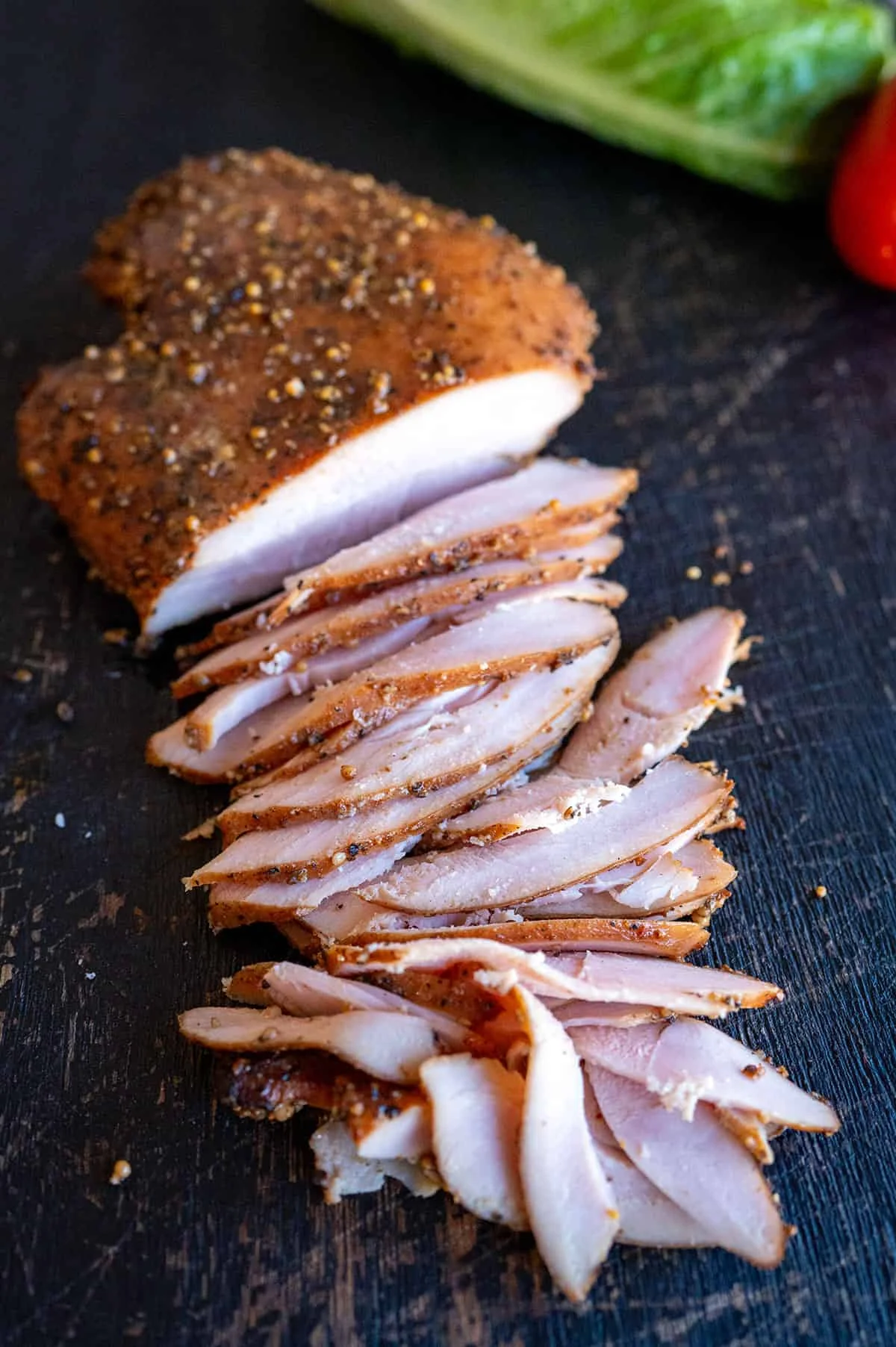
Turkey pastrami offers a lighter, yet equally flavorful, alternative to traditional beef pastrami, making it a versatile choice for sandwiches, appetizers, or even a main course. This expertly crafted recipe begins with a whole turkey breast, subjected to a three-day brining process to ensure maximum moisture and flavor infusion. Following the brine, the turkey is generously coated in a signature pastrami rub and then slow-smoked until it achieves a tender, juicy texture, bursting with the characteristic peppery notes of authentic pastrami.
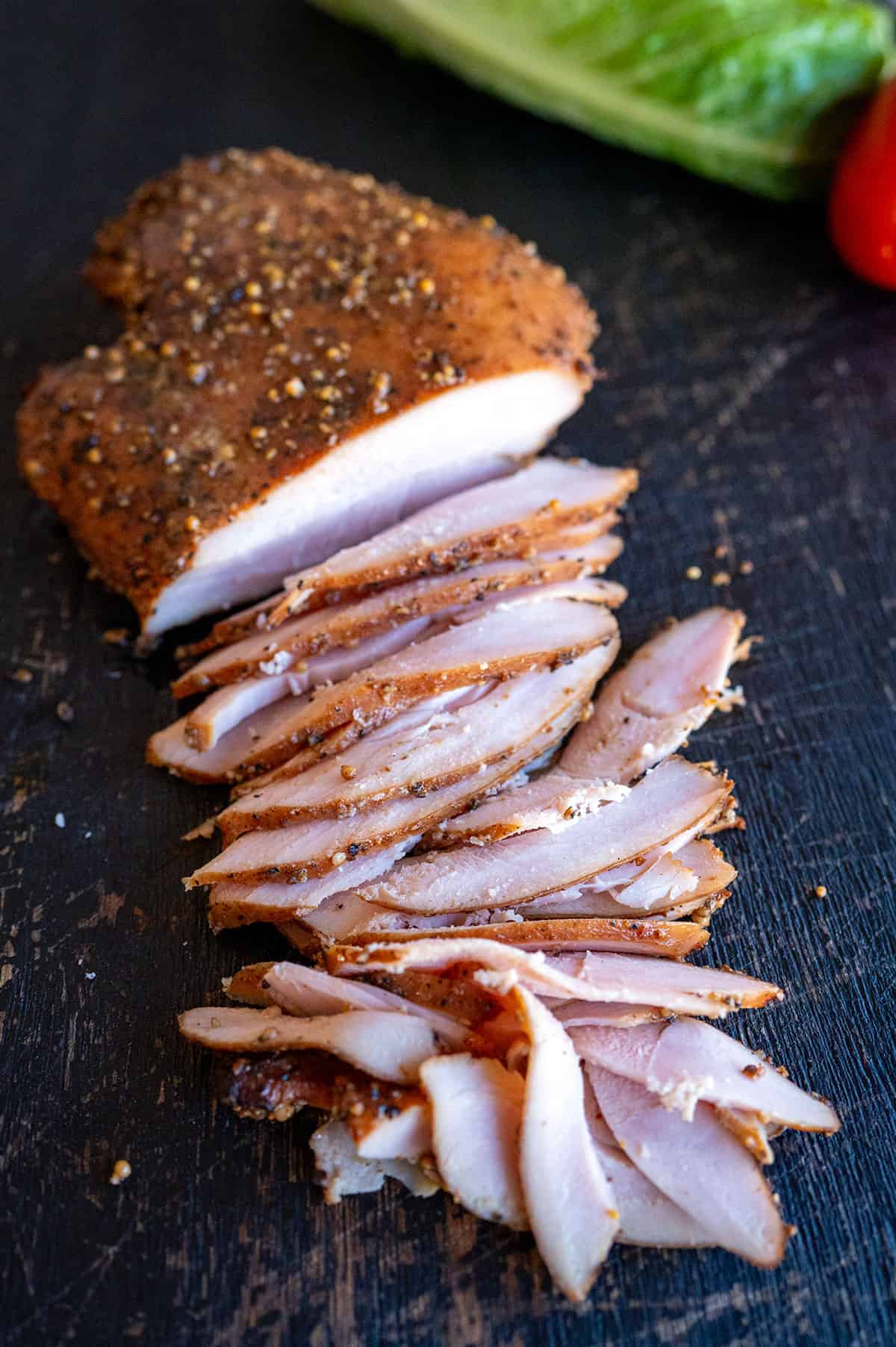
The culinary journey of creating this turkey pastrami is a testament to the time-honored techniques of curing and smoking, adapted for a leaner protein. While beef pastrami has long held a revered place in delis and home kitchens, the adaptability of poultry to absorb these complex flavors is increasingly being recognized. This recipe highlights that chicken and turkey can readily embrace the rich, spicy profile associated with pastrami, offering a delightful and satisfying experience for any palate. The process, while requiring a few days, is straightforward and rewarding, culminating in a gourmet product that can be enjoyed in numerous ways.
The Art of Pastrami: From Beef to Poultry
Pastrami, a culinary icon, traditionally originates from beef brisket. The curing and smoking process imbues the meat with a distinctive spicy and savory flavor, often characterized by a heavy coating of cracked black pepper and coriander. This method, with roots in Eastern European Jewish cuisine, has become synonymous with hearty sandwiches and deli culture. However, the fundamental principles of brining, seasoning, and smoking can be applied to other proteins, yielding equally impressive results.

Turkey, with its naturally lean profile, benefits significantly from the brining process. Brining, a method of soaking meat in a saltwater solution, not only seasons the turkey from within but also helps it retain moisture during the cooking process. This is particularly crucial for turkey breast, which can easily become dry if overcooked. The addition of a flavorful pastrami rub, typically a blend of spices like black pepper, coriander, paprika, and garlic, further enhances the turkey’s flavor, creating a taste profile that is both familiar and excitingly different from its beef counterpart.
A Step-by-Step Guide to Crafting Turkey Pastrami
The creation of this delectable turkey pastrami is a multi-day endeavor, broken down into distinct, manageable stages.
Step 1: The Foundation – Brining the Turkey
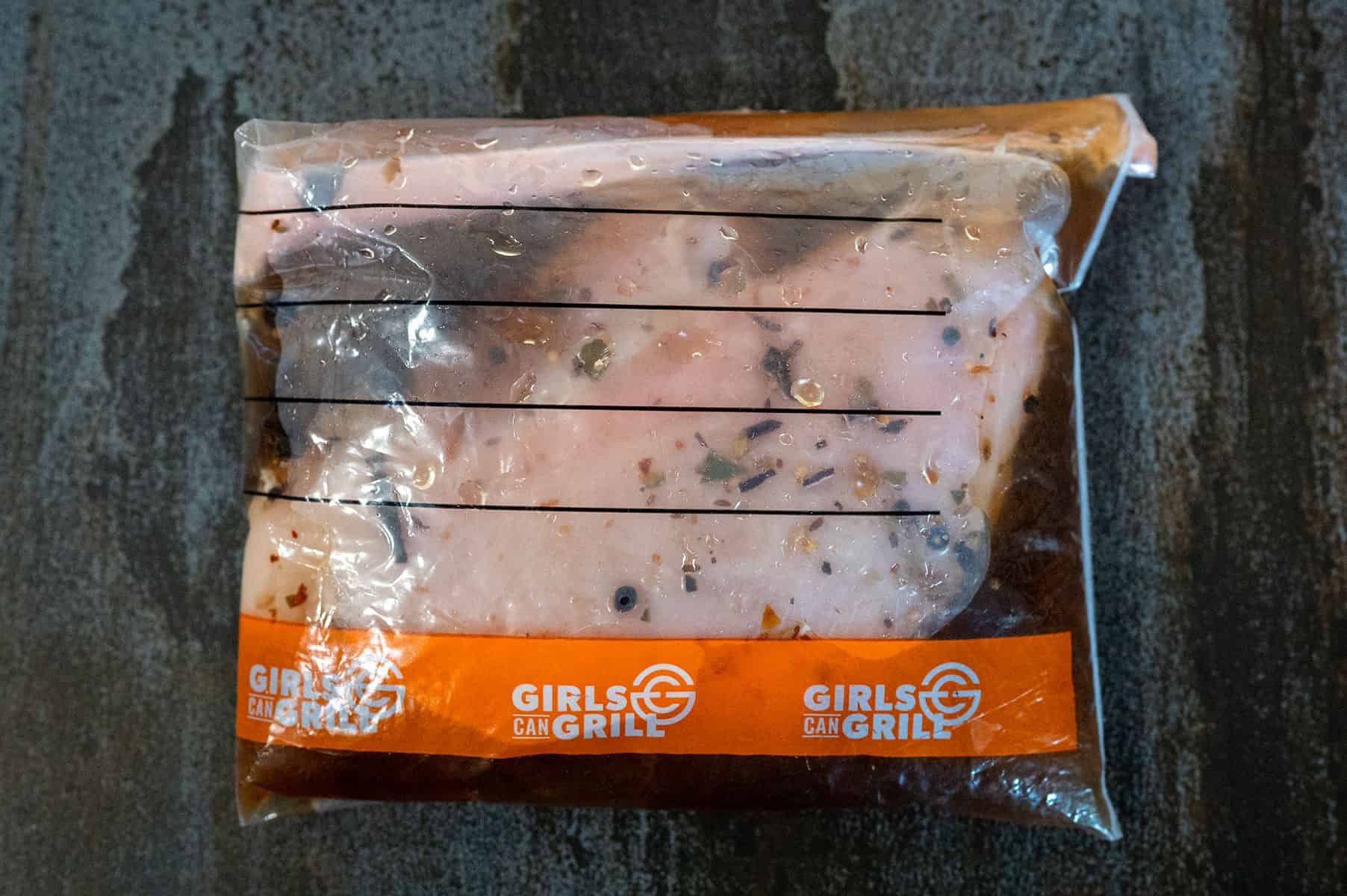
The process commences with the brining of a whole turkey breast. A carefully formulated pastrami brine, typically a mixture of kosher salt, brown sugar, pickling spices, and often a small amount of pink curing salt (nitrite), is prepared and then thoroughly cooled. The turkey breast is then submerged in this brine, ideally within a specialized meat preparation bag to ensure complete coverage and minimize any potential mess. This brining period lasts for three full days in a refrigerated environment, allowing the salt and spices to penetrate the meat, tenderize it, and build a foundational layer of flavor. It is crucial to use a fresh, unstamped turkey breast, as pre-brined or enhanced turkeys may already contain solutions that interfere with the desired outcome.
Step 2: Preparing for the Smoke – Seasoning and Curing
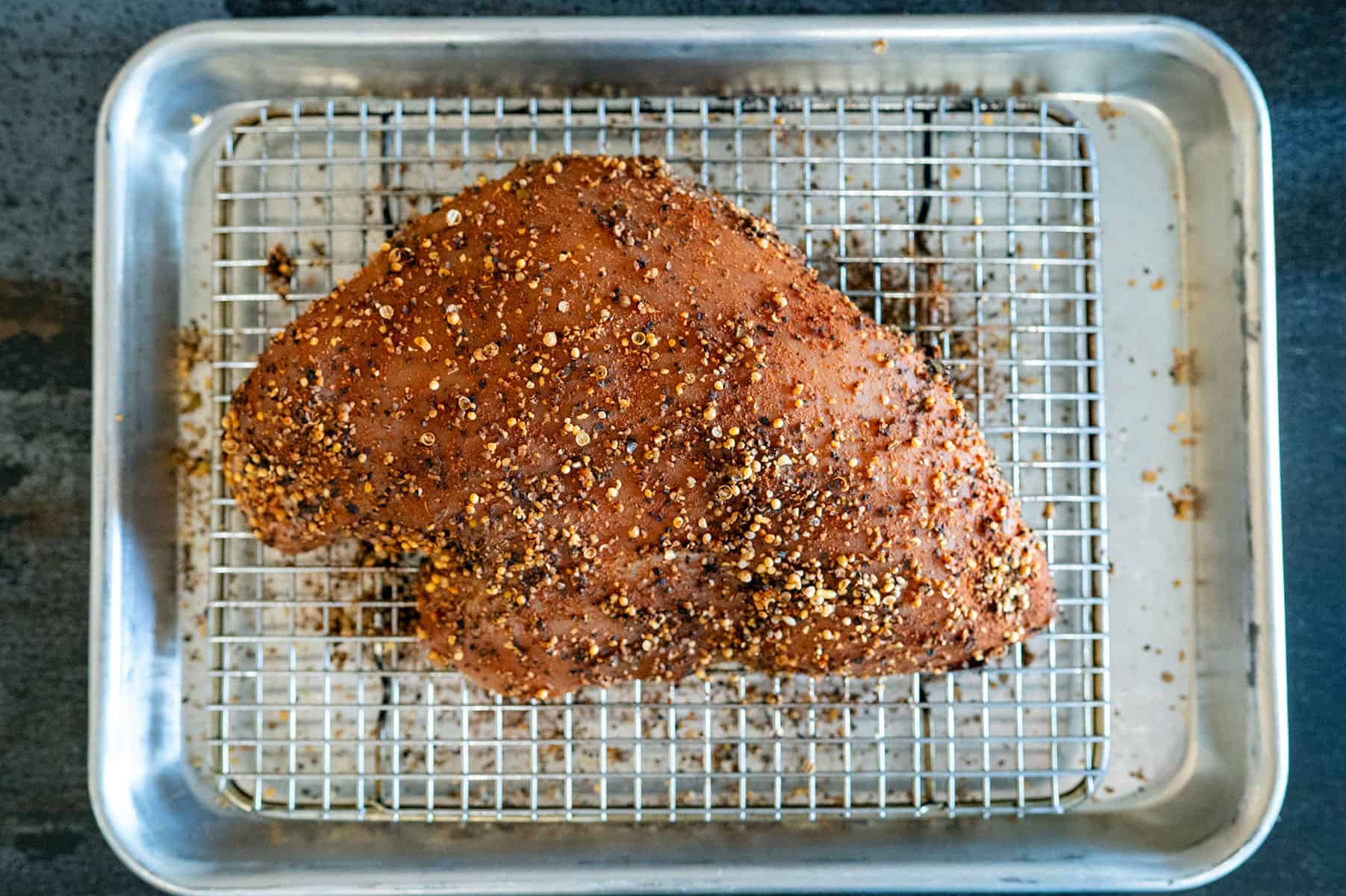
Following the three-day brine, the turkey breast is removed from the solution. It is then thoroughly rinsed under cold water to remove any excess salt from the surface and meticulously patted dry. This drying step is vital for the subsequent application of the pastrami rub and for achieving a desirable crust during smoking. The turkey is then generously coated on all sides with the pastrami rub. This rub is typically a salt-free blend, designed to complement the brined meat with a robust mix of spices. For optimal flavor development and to allow the rub to adhere effectively, the seasoned turkey is refrigerated, uncovered, for several hours or even overnight. This allows for a dry cure, which further enhances the texture and flavor of the final product.
Step 3: The Transformation – Smoking the Pastrami
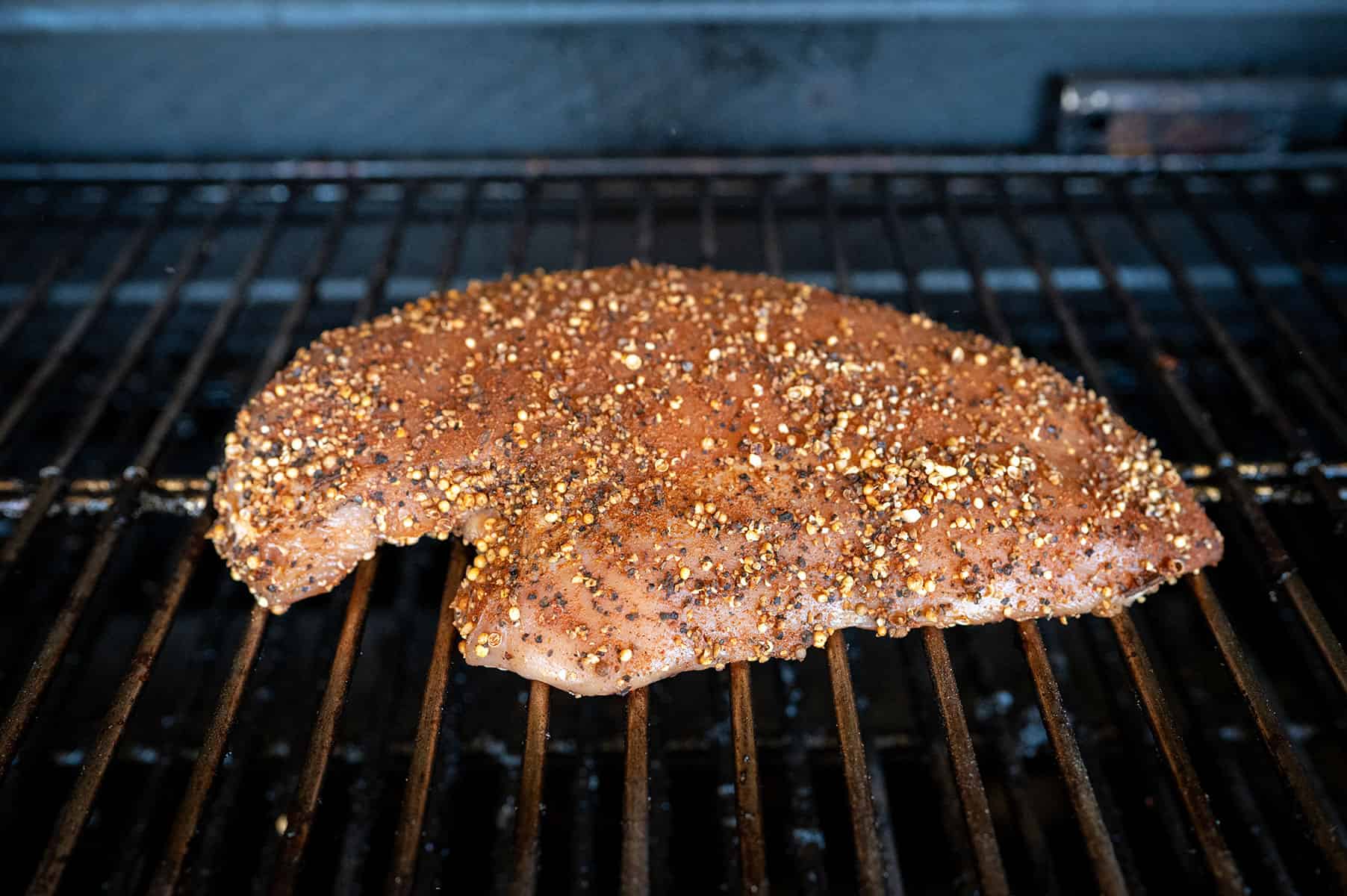
The smoker is preheated to a consistent temperature of 275°F (135°C). The seasoned turkey breast is placed on the smoker, breast-side up, positioned over indirect heat. This gentle, consistent heat allows the turkey to cook slowly, absorbing the smoky essence of the wood chips or pellets used. The initial smoking phase continues until the internal temperature of the breast reaches 140-145°F (60-63°C). This typically takes approximately one hour, depending on the size and thickness of the turkey breast.
Step 4: Enhancing Juiciness – The Wrap
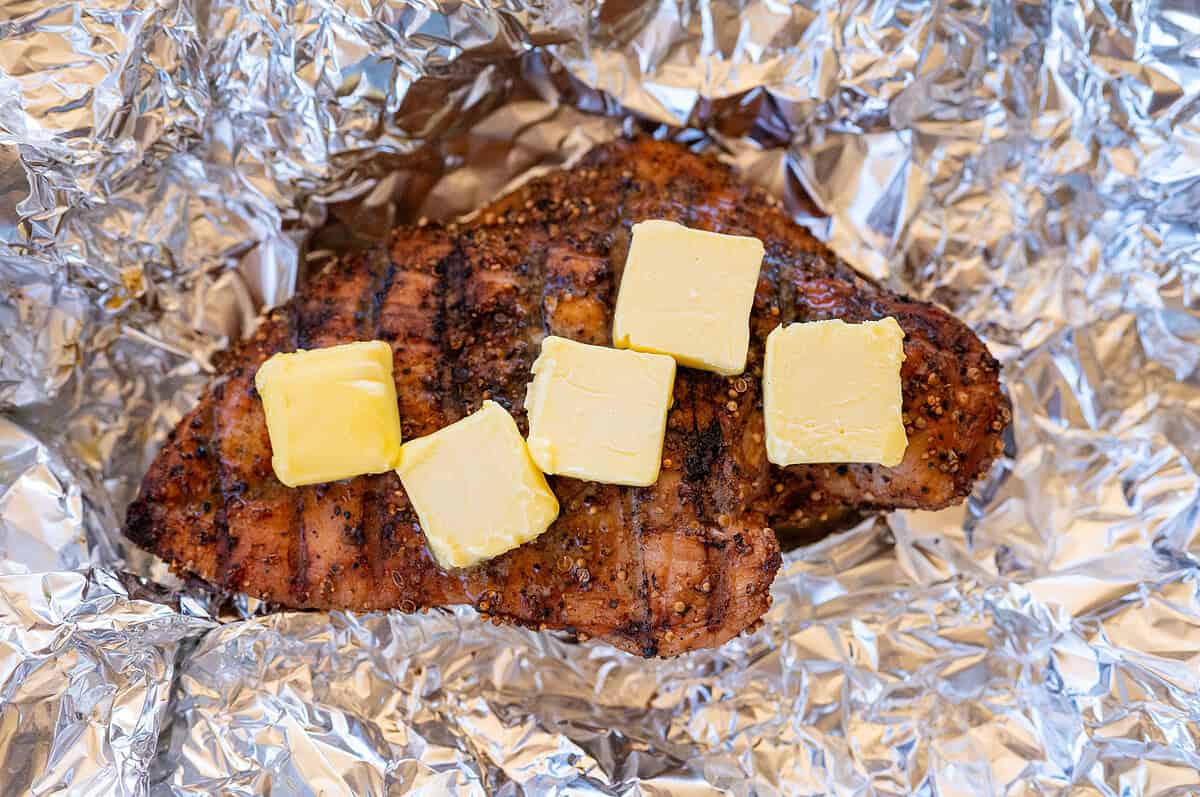
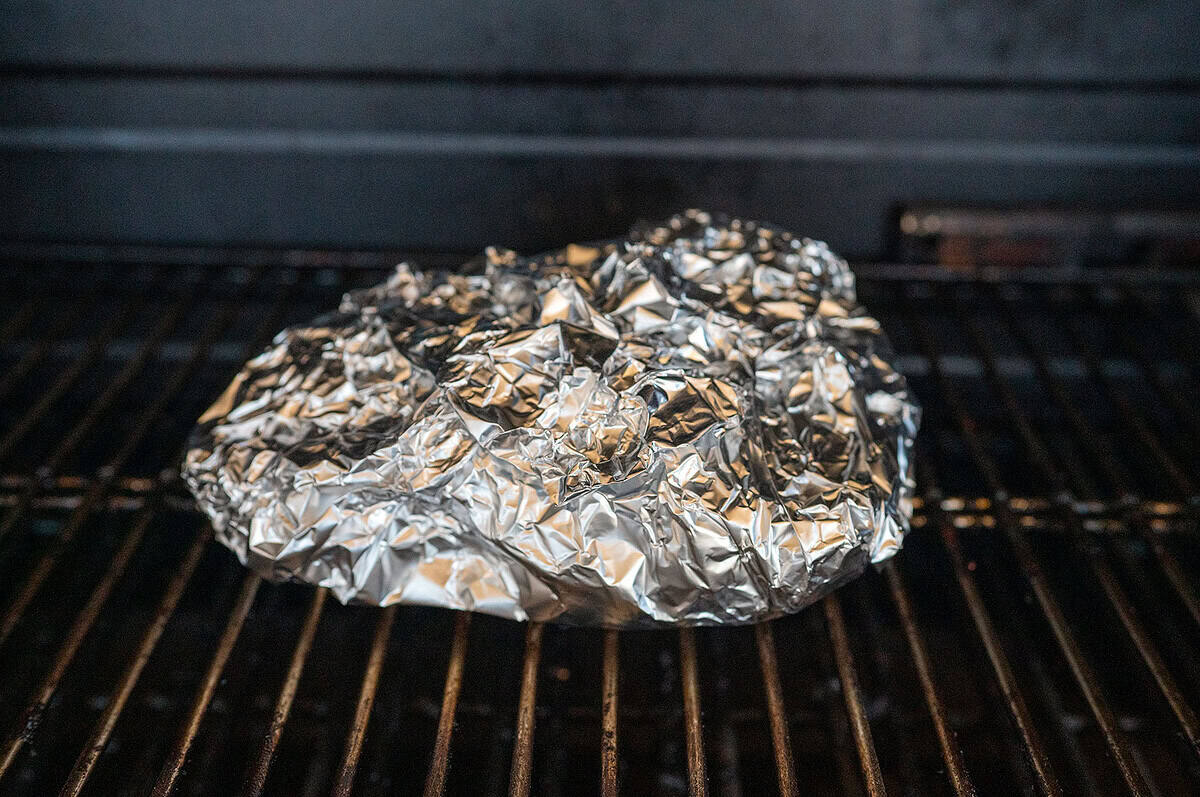
Once the initial smoking stage is complete, the turkey is ready for the wrapping phase, designed to further enhance its succulence. Half of the butter cubes are placed on a sheet of heavy-duty aluminum foil. The partially smoked turkey breast is then laid on top of the butter, typically breast-side down. The remaining butter cubes are placed on top of the turkey. The foil is then wrapped tightly around the turkey, creating a sealed packet. This steams the turkey in its own juices and the rendered butter, ensuring an incredibly moist and tender final product. The wrapped turkey is returned to the smoker and continues to cook until its internal temperature reaches 155-160°F (68-71°C). This secondary smoking period usually lasts between 30 to 45 minutes.
Step 5: The Grand Finale – Resting and Slicing
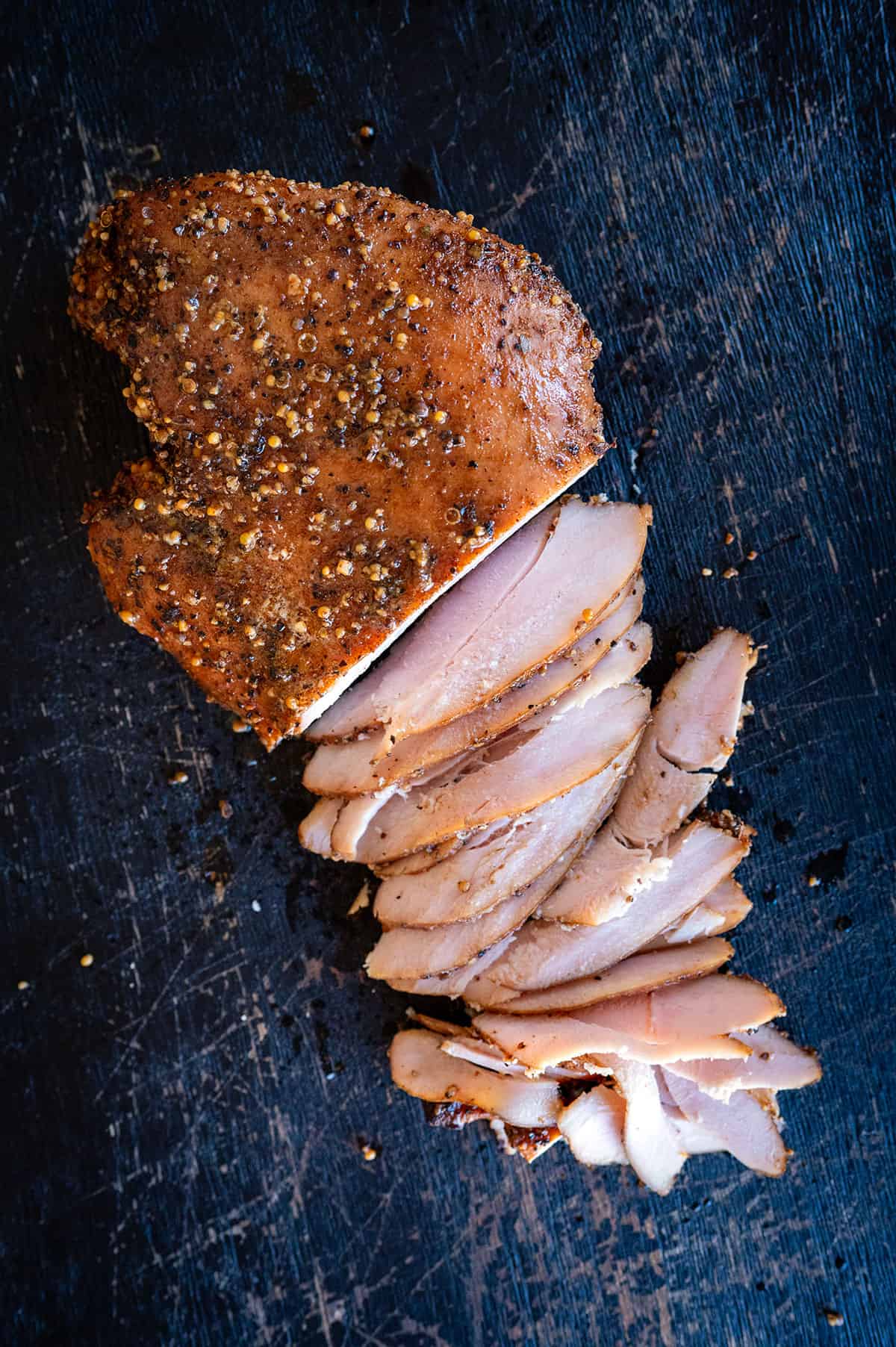
After achieving the target internal temperature, the turkey pastrami is removed from the smoker. It is essential to allow the meat to rest for at least 30 minutes. This resting period allows the juices to redistribute throughout the meat, resulting in a more tender and flavorful product. Once rested, the turkey pastrami can be sliced and served. For the most authentic deli-thin slices, it is recommended to refrigerate the turkey for a few hours or even overnight. This firms up the meat, making it easier to slice thinly, especially when using a meat slicer.
Nutritional Considerations
The nutritional profile of this turkey pastrami, as automatically calculated, indicates approximately 293 calories per serving. It is notably high in protein, with around 33g per serving, and contains about 18g of fat. The sodium content is around 1012mg, a common characteristic of cured and smoked meats. It also provides essential nutrients such as Vitamin A and potassium. It’s important to note that these figures are approximations and can vary based on specific ingredients and preparation methods.
Serving Suggestions and Culinary Versatility
Smoked turkey pastrami is a remarkably versatile ingredient that can be enjoyed in a multitude of culinary applications. Served hot, it makes an excellent entree, pairing beautifully with traditional side dishes such as classic potato salad or macaroni salad. Its rich, smoky flavor and tender texture also lend themselves perfectly to a wide array of sandwich creations.
For the ultimate sandwich experience, thinly sliced turkey pastrami is layered onto toasted bread, complemented by fresh lettuce, ripe tomatoes, and a spread of mayonnaise. The ability to achieve deli-thin slices by chilling and using a meat slicer elevates homemade sandwiches to a professional standard. Beyond sandwiches, the cold slices can be incorporated into charcuterie boards, salads, or even as a flavorful addition to wraps and appetizers.
Storage and Preservation
Leftover turkey pastrami can be stored in an airtight container in the refrigerator for 4 to 5 days. For longer preservation, it can be frozen for several months, retaining its quality and flavor. Proper storage is key to maintaining the integrity of this carefully prepared delicacy.
Frequently Asked Questions Addressed
What is pastrami brine?
Pastrami brine is a crucial component in the curing process, typically comprising kosher salt, brown sugar, pickling spices, and pink curing salt. This mixture seasons and preserves the meat while contributing to its characteristic flavor and texture.
What is pastrami rub?
A pastrami rub, like the one from Girls Can Grill, is often a salt-free blend designed to enhance the cured meat with a symphony of spices. Common ingredients include black peppercorns, coriander seeds, mustard seeds, sugar, paprika, and garlic, providing a robust, peppery crust.
How long do you need to brine turkey to make pastrami?
For a turkey breast, a three-day brining period is generally sufficient. If one were to brine a whole turkey, a longer duration of 5 to 7 days would be more appropriate to ensure adequate penetration.
Why isn’t turkey pastrami pink?
The distinct pink hue of beef pastrami is largely due to the myoglobin in beef and the use of curing salts. While poultry can also be cured, its natural myoglobin content is different, and it may not achieve the same vibrant pink color as beef. The resulting color in turkey pastrami is typically a lighter pink, which is perfectly natural and does not indicate a lack of proper curing.
Conclusion: A Deliciously Lighter Take on a Beloved Classic
This smoked turkey pastrami recipe offers a compelling alternative for those seeking the bold flavors of pastrami in a lighter, leaner package. The meticulous process of brining, seasoning, and smoking results in a versatile and flavorful meat that is perfect for a wide range of culinary applications. From hearty sandwiches to elegant entrees, this turkey pastrami is a testament to the art of modern barbecue and a delightful addition to any kitchen.


