Walmart has officially expanded its footprint in the premium-aesthetic home goods sector through a strategic partnership with lifestyle influencers, aimed at promoting its "Wow and Now" curated section. This initiative represents a significant shift in the retail giant’s approach to the home goods category, prioritizing trend-forward design and rapid inventory turnover to compete with specialty boutiques and established competitors like Target and Amazon. By collaborating with creative platforms such as Oh Happy Day, Walmart is signaling a commitment to the "democratization of design," offering high-style summer essentials—ranging from artisanal woven bowls to sophisticated glassware—at price points accessible to the mass market. The move is bolstered by Walmart’s robust logistics network, ensuring that these seasonal refreshes are delivered to consumers with the speed required to meet the demands of modern e-commerce.
The Strategic Launch of the Wow and Now Curated Experience
The "Wow and Now" section is a cornerstone of Walmart’s broader strategy to reinvent its image from a purely utilitarian big-box retailer to a destination for discovery-based shopping. Historically, Walmart’s strength lay in its "Everyday Low Price" (EDLP) model, which focused on staple goods and functional household items. However, the "Wow and Now" initiative introduces a "treasure hunt" element to the shopping experience, both online and in select physical locations. This model, often associated with retailers like TJX Companies, relies on a rotating selection of high-trend items that are available for a limited time, encouraging frequent consumer engagement and impulse purchases.

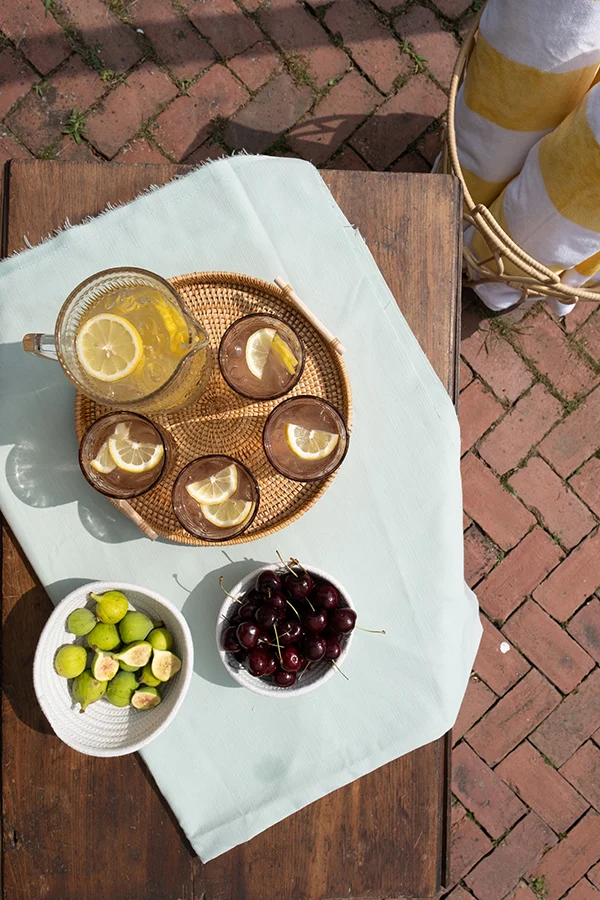
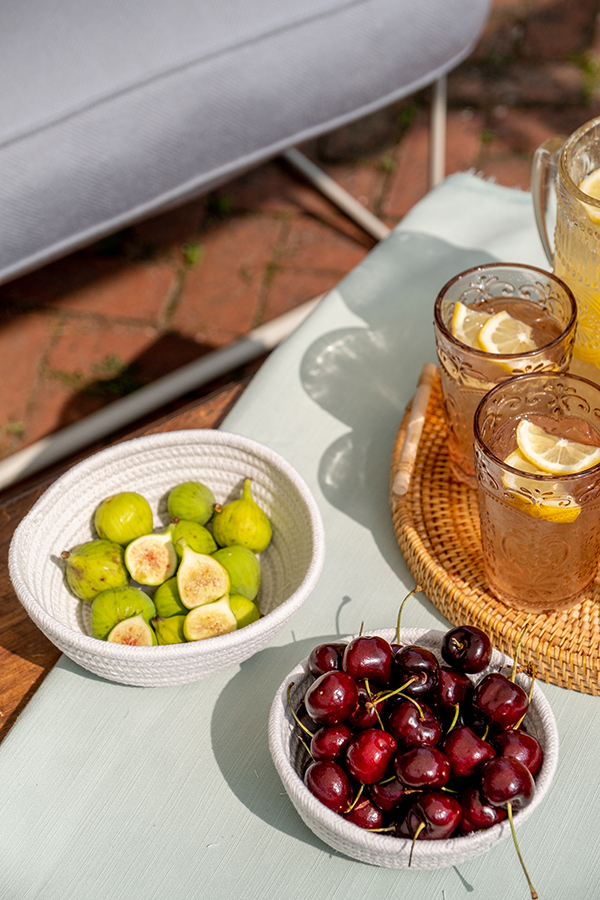
The partnership with Oh Happy Day highlights specific categories within this curated section that align with contemporary interior design trends. For the summer season, the focus has been placed on outdoor living and "tablescaping." The curated selection includes items such as open-weave baskets, rattan serving trays, and rose-tinted glass tumblers. These products are designed to appeal to a younger, style-conscious demographic that values the "Instagrammable" quality of home decor but remains price-sensitive amidst fluctuating economic conditions.
Analyzing the Product Mix: Trends in Seasonal Home Refreshing
The specific items highlighted in the recent summer campaign reflect broader shifts in consumer preferences for organic materials and "maximalist-lite" aesthetics. Retail analysts note that the inclusion of woven and rattan textures is a direct response to the "Organic Modern" trend that has dominated the home decor industry over the last several years.
- Natural Fibers and Textures: The woven bowl sets and open-weave storage baskets featured in the collection capitalize on the growing demand for natural materials. By utilizing sustainable-looking textures, Walmart is positioning itself to capture the "Bohemian" and "Coastal" design markets.
- Elevated Entertaining: The focus on glassware, including rose glass tumblers and classic glass pitchers, points to a resurgence in home-based entertaining. Following the global shift toward domestic gatherings, consumers are increasingly looking for affordable ways to upgrade their hosting capabilities.
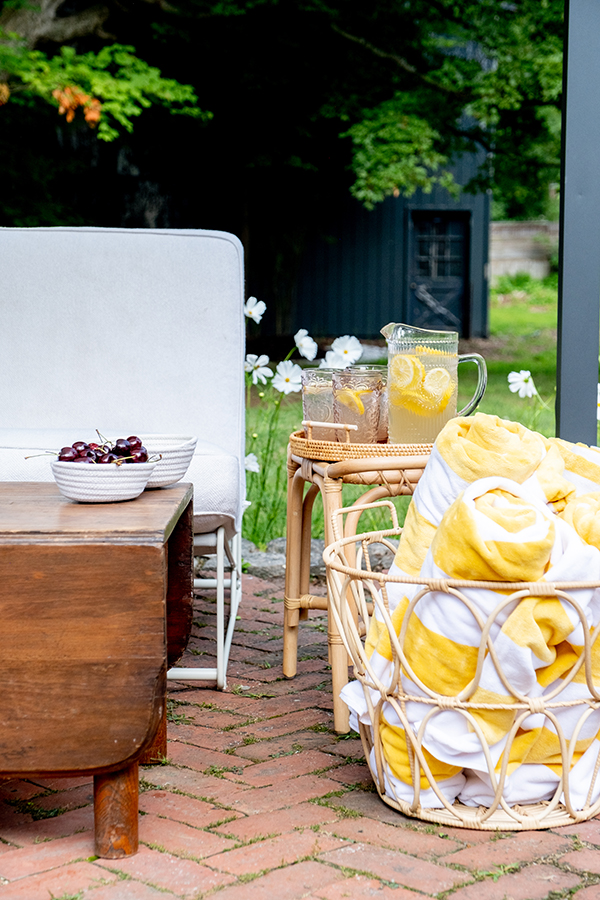
- The "Staycation" Aesthetic: The addition of striped towels and high-quality outdoor accessories suggests that Walmart is targeting the "staycation" market. By providing the tools to "level up" a backyard patio or a blow-up pool, the retailer is tapping into the consumer desire to transform residential spaces into leisure destinations.
A Chronology of Walmart’s E-commerce and Design Evolution
To understand the significance of the "Wow and Now" partnership, it is necessary to examine the timeline of Walmart’s transformation over the past decade. This evolution has been marked by strategic acquisitions and internal restructuring aimed at closing the gap between traditional retail and digital lifestyle curation.
- 2016-2018: Walmart’s acquisition of Jet.com and subsequent purchases of digitally native vertical brands (DNVBs) like Bonobos, ModCloth, and Eloquii signaled an early intent to master the "curated" shopping experience.
- 2019: The company launched "MoDRN," its first internal private-label brand dedicated to high-end furniture and decor at mid-range prices. This move laid the groundwork for the design-led initiatives seen today.
- 2020-2021: The COVID-19 pandemic accelerated the demand for home goods as consumers spent unprecedented amounts of time indoors. Walmart responded by optimizing its supply chain and expanding its "Home" landing page to include more lifestyle-driven content.
- 2021-Present: The launch of "Wow and Now" and the deepening of influencer partnerships mark the current phase of Walmart’s strategy. The focus has shifted from merely owning brands to creating a "curated marketplace" environment that feels personalized and urgent.
Economic Context and Market Data
The home decor market has seen substantial growth, with global valuations reaching hundreds of billions of dollars. Within the United States, the sector grew by approximately 13% in 2021 alone, driven by the housing market boom and the "nesting" trend. Walmart’s entry into the curated, trend-forward space is a calculated move to capture a larger share of this discretionary spending.
Data from retail analytics firms suggest that consumers are increasingly looking for "affordable luxury." While high-end retailers offer similar rattan and woven goods at three to four times the price, Walmart’s ability to leverage its massive scale allows it to offer comparable aesthetics at a fraction of the cost. Furthermore, Walmart’s e-commerce sales have consistently grown at a double-digit rate, with the "Home" category being one of the top-performing segments alongside "Grocery."
The Role of Influencer Marketing in Brand Perception
The partnership with Oh Happy Day is more than a simple advertisement; it is a tactical effort to alter brand perception. For many years, Walmart struggled to compete with Target’s "cheap chic" reputation. By collaborating with influencers who possess a refined, artistic sensibility, Walmart is effectively borrowing "cultural capital."

Industry experts suggest that these partnerships serve three primary functions:
- Validation: Influencers provide a "seal of approval" that Walmart’s products are stylish enough for sophisticated homes.
- Contextualization: By showing the products in a real-world, beautifully styled setting (such as an outdoor patio refresh), influencers help consumers visualize how discount items can look high-end.
- Reach: Influencers provide access to niche audiences that might not typically consider Walmart for their home decor needs.
Logistics, Delivery, and the Competitive Landscape
A critical component of the "Wow and Now" campaign is the emphasis on delivery speed. Walmart has spent billions of dollars overhauling its fulfillment centers and leveraging its 4,700+ stores as micro-fulfillment hubs. This allows for "super-quick" delivery, often rivaling or exceeding Amazon Prime’s shipping speeds.
In the competitive landscape, this logistical prowess is a major differentiator. While specialty home decor sites often have long lead times for shipping, Walmart’s integrated system allows a consumer to see a trend on social media and have the physical product in their home within 24 to 48 hours. This "instant gratification" model is essential for maintaining the momentum of seasonal trends, which can shift rapidly.
Broader Implications for the Retail Industry
Walmart’s aggressive move into curated home decor has broader implications for the retail ecosystem. First, it puts pressure on mid-tier retailers like Bed Bath & Beyond (which has faced significant headwinds) and Kohl’s to innovate their product offerings and delivery systems. Second, it suggests a "convergence" in the retail industry where the lines between discount giants and boutique curators are becoming increasingly blurred.
Furthermore, the focus on seasonal "refreshes" raises questions about the lifecycle of home products. By encouraging consumers to update their homes "from season to season," Walmart is applying the "fast fashion" business model to the home goods sector. While this drives revenue and consumer engagement, it also necessitates a highly responsive supply chain capable of managing high volumes of inventory with short shelf lives.
Future Outlook: The Intersection of Value and Aesthetic
As Walmart continues to iterate on its "Wow and Now" concept, the industry can expect to see more frequent collaborations with high-profile designers and lifestyle experts. The goal is to create a seamless ecosystem where value, style, and convenience coexist.
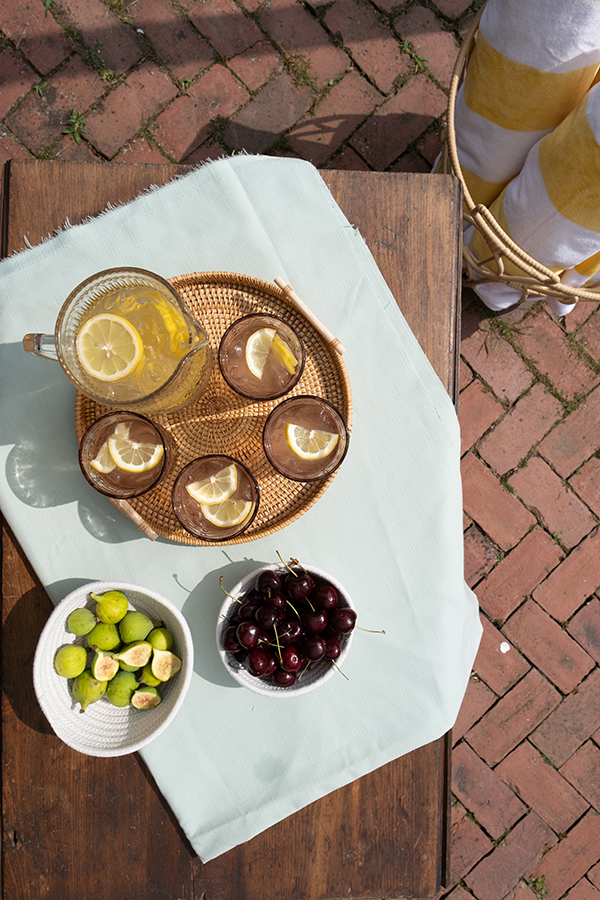
The success of the summer essentials campaign with Oh Happy Day serves as a proof of concept for this strategy. By combining the "wow" factor of trend-forward design with the "now" factor of rapid delivery and immediate availability, Walmart is positioning itself as a formidable leader in the lifestyle space. For the consumer, this shift offers the opportunity to curate a stylish home environment without the traditional financial barriers associated with high-end interior design. As the retail landscape continues to evolve, the ability to provide "curated affordability" will likely become the primary battleground for market dominance in the home goods sector.