
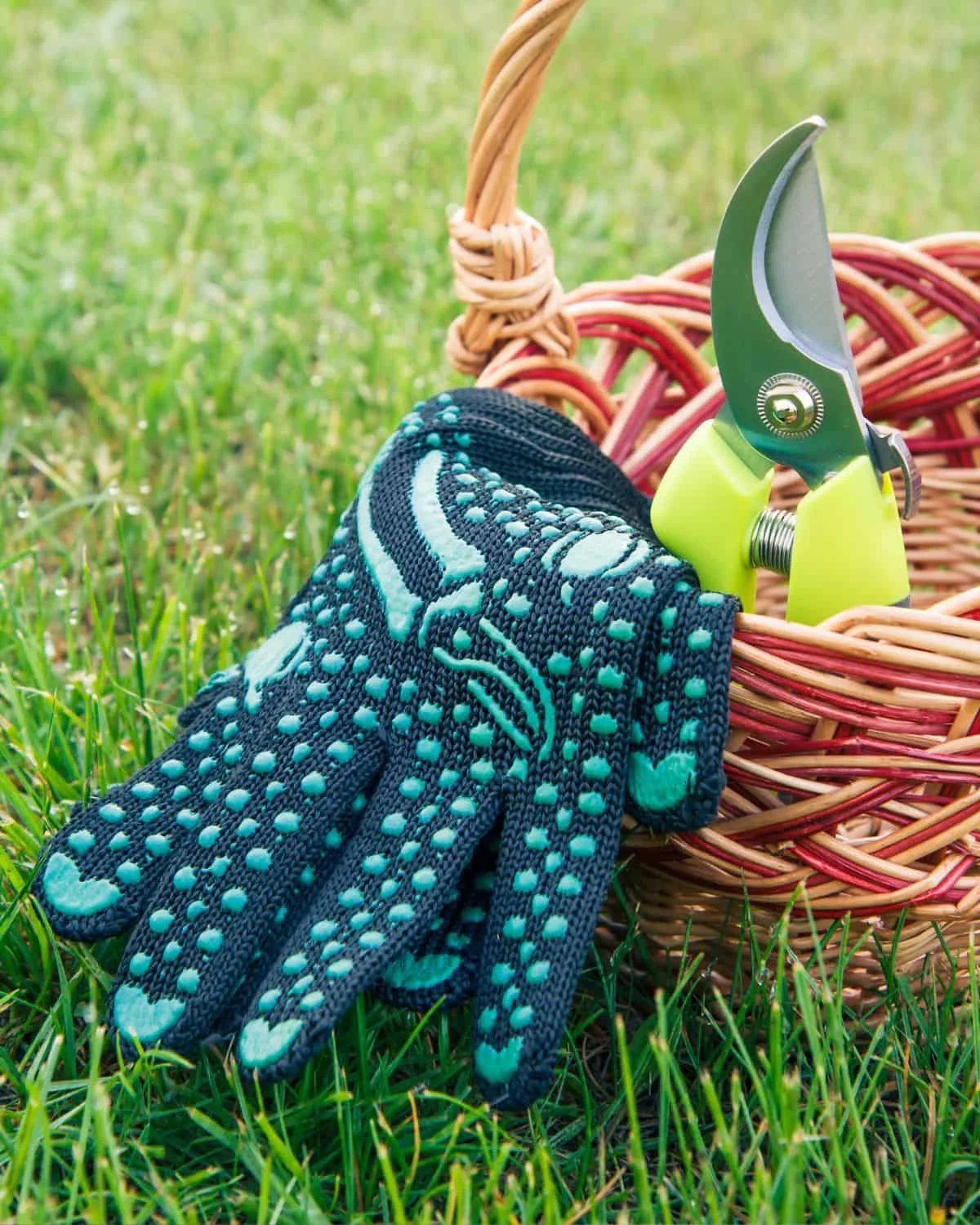
The horticultural retail sector has experienced a sustained surge in consumer interest as the holiday season approaches, driven by a global shift toward home-based food production and sustainable land management. Market analysts and agricultural experts observe that backyard gardening has transitioned from a niche hobby into a mainstream lifestyle choice, with the National Gardening Association reporting that approximately 80% of U.S. households now engage in some form of gardening activity. Within this broader trend, permaculture—a design system rooted in ecological principles—has emerged as a dominant methodology for small-scale growers. As consumers seek gifts that offer both utility and environmental stewardship, the demand for specialized tools, regenerative agriculture literature, and high-efficiency seed-starting equipment has reached unprecedented levels.

The Evolution of the Gardening Market and Consumer Behavior
The current landscape of gardening gifts reflects a move away from disposable, low-quality implements toward durable, professional-grade equipment. This shift is substantiated by retail data indicating a 15% year-over-year increase in the "prosumer" segment of the garden tool market. Backyard gardeners are increasingly identifying as "permaculturists," a term that implies a focus on permanent agriculture, biodiversity, and the creation of "food forests"—self-sustaining ecosystems that mimic natural woodland structures.

Chronologically, the modern gardening boom can be traced back to the supply chain disruptions of the early 2020s, which spurred a renewed interest in food sovereignty. This was followed by a secondary phase of education, where gardeners moved from basic vegetable patches to sophisticated systems involving swales, polycultures, and soil health management. Consequently, holiday gift-giving patterns now prioritize items that facilitate these advanced techniques, such as precision cutting tools and soil-blocking systems that eliminate the need for single-use plastics.
Precision Instruments and Ergonomic Tooling
In the realm of hand tools, the Hori Hori garden knife has become a staple for the permaculture practitioner. Originally derived from Japanese foraging traditions, the tool’s multi-functional design—featuring a serrated edge for sawing, a sharp blade for cutting, and a concave shape for digging—aligns with the permaculture principle of "stacking functions." Its stainless steel construction and depth markings make it an essential instrument for transplanting and weeding in high-density planting beds.
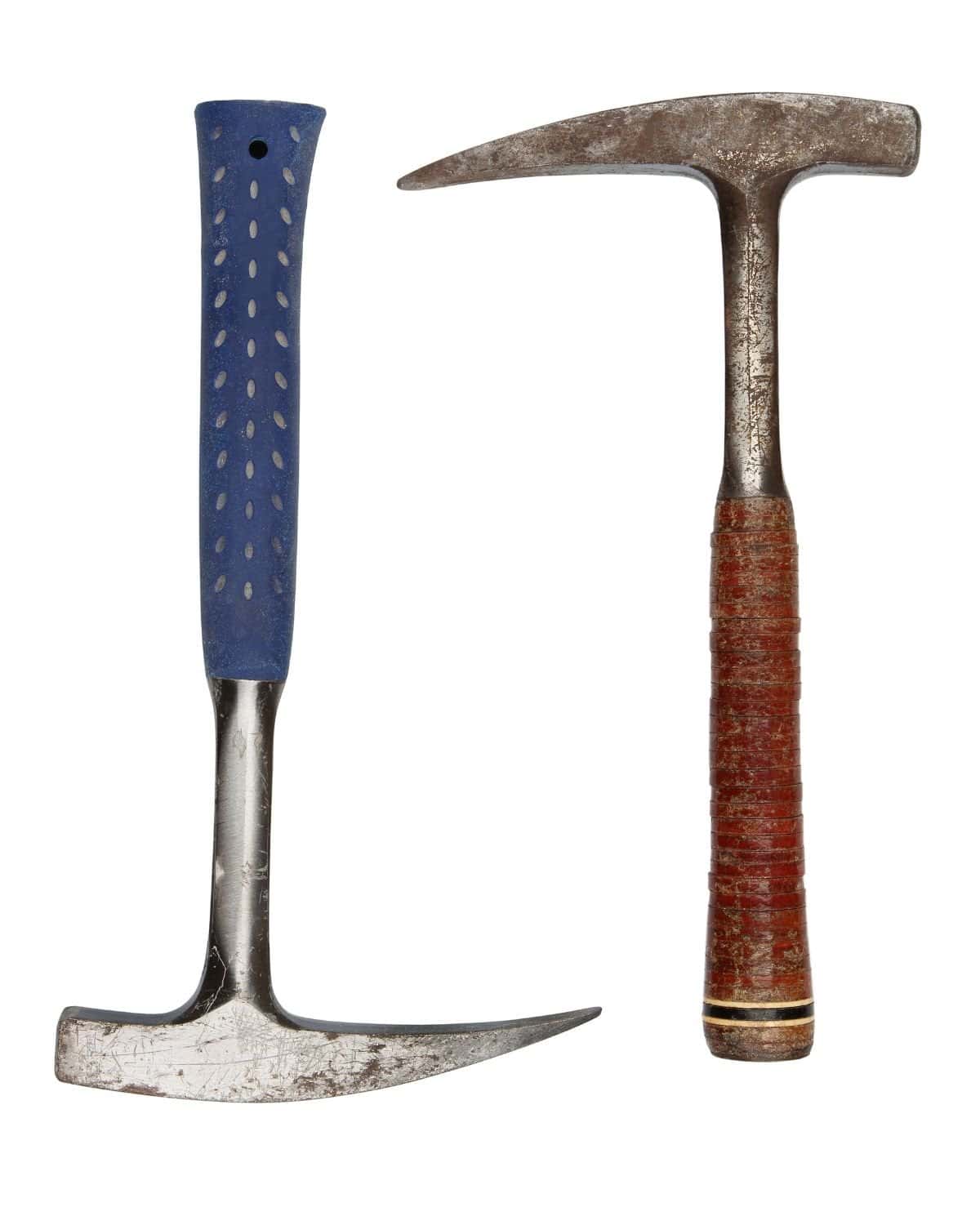
Complementing the Hori Hori is the CobraHead weeder and cultivator. This tool utilizes a unique "steel fingernail" design that allows gardeners to extract deep-taproot weeds without significant soil disturbance, a practice critical for maintaining fungal networks in the soil. Furthermore, the inclusion of heavy-duty geology picks, such as the Estwing Rock Pick, into the gardener’s arsenal highlights the physical demands of preparing "new ground" or establishing swales in rocky terrain.

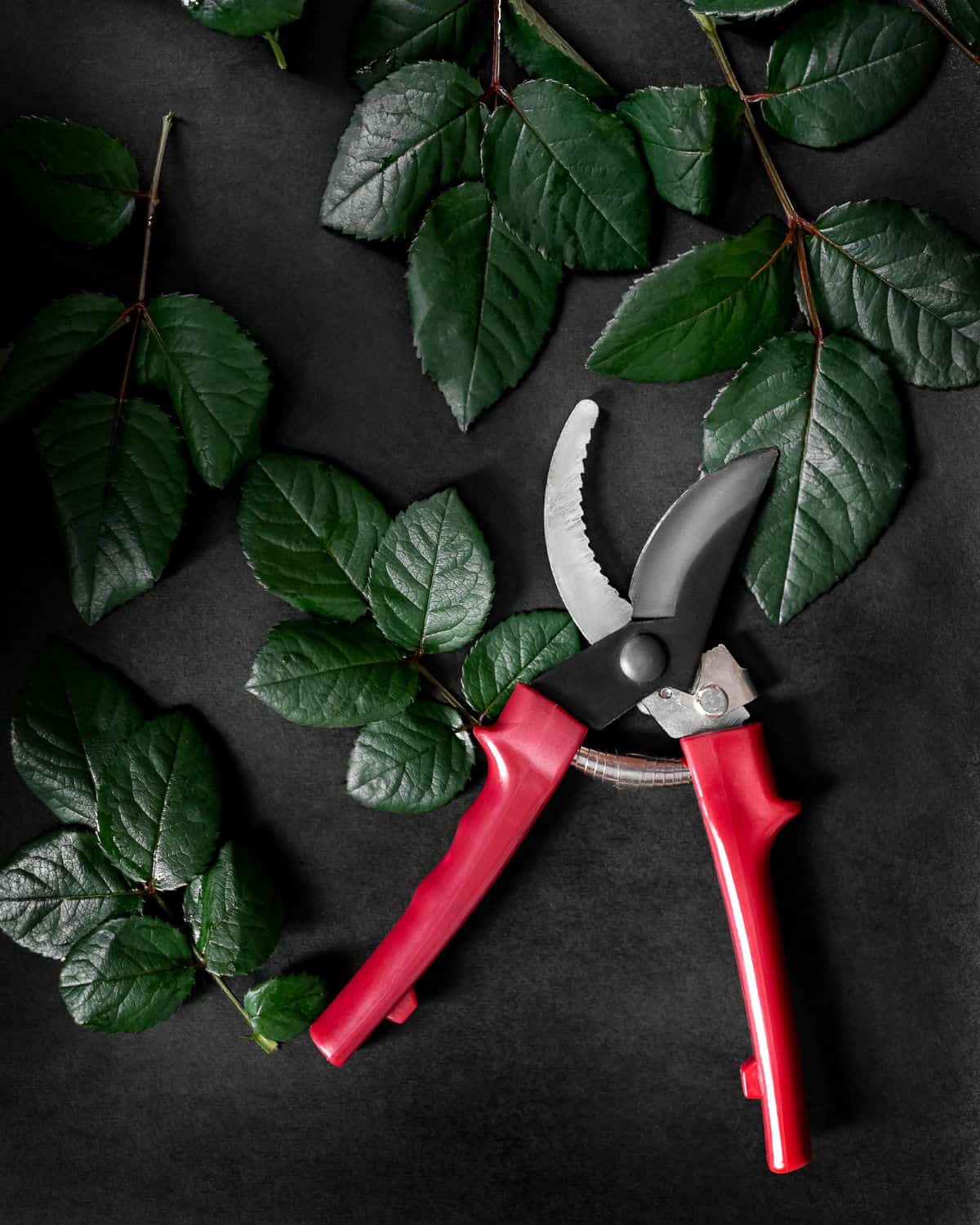
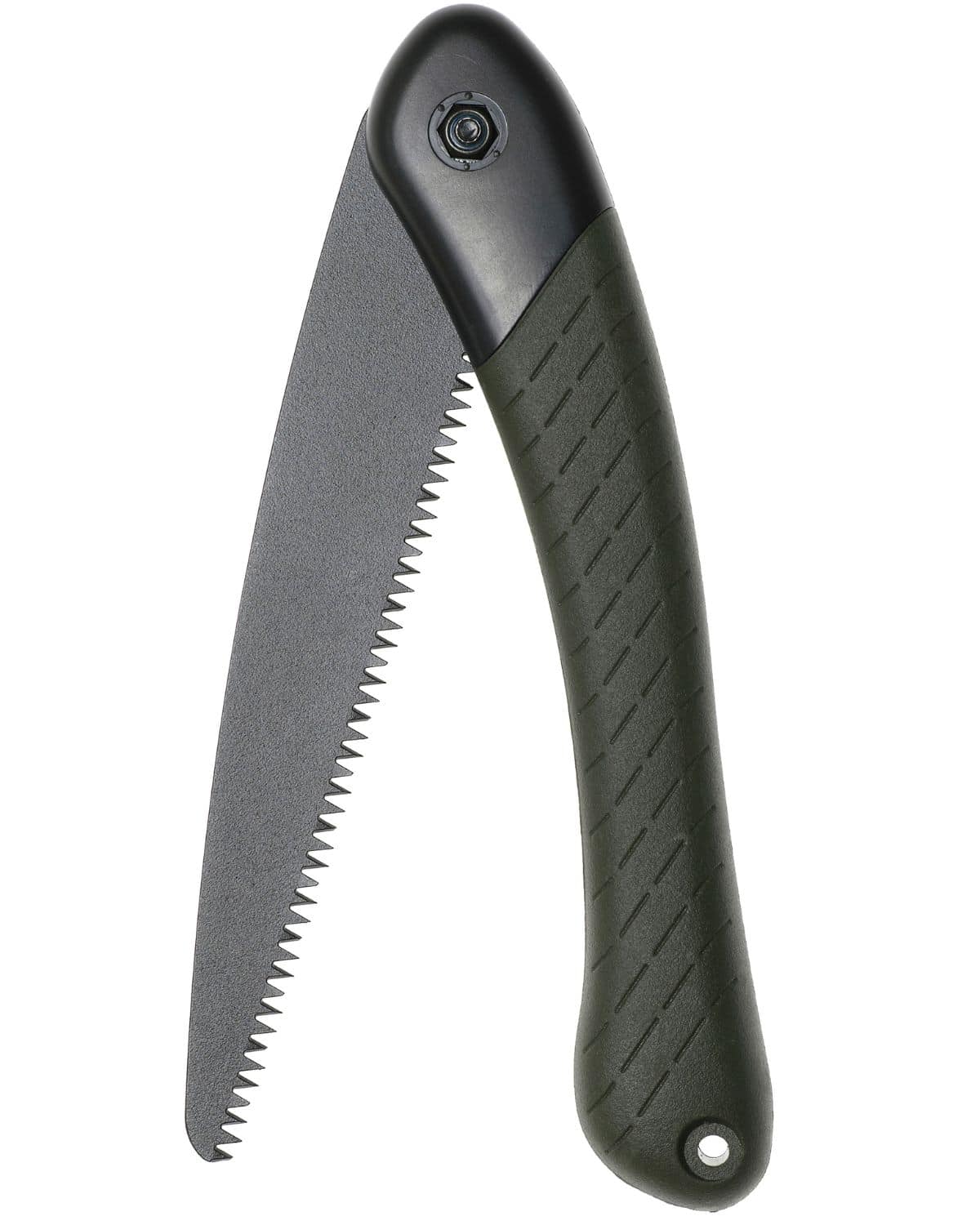
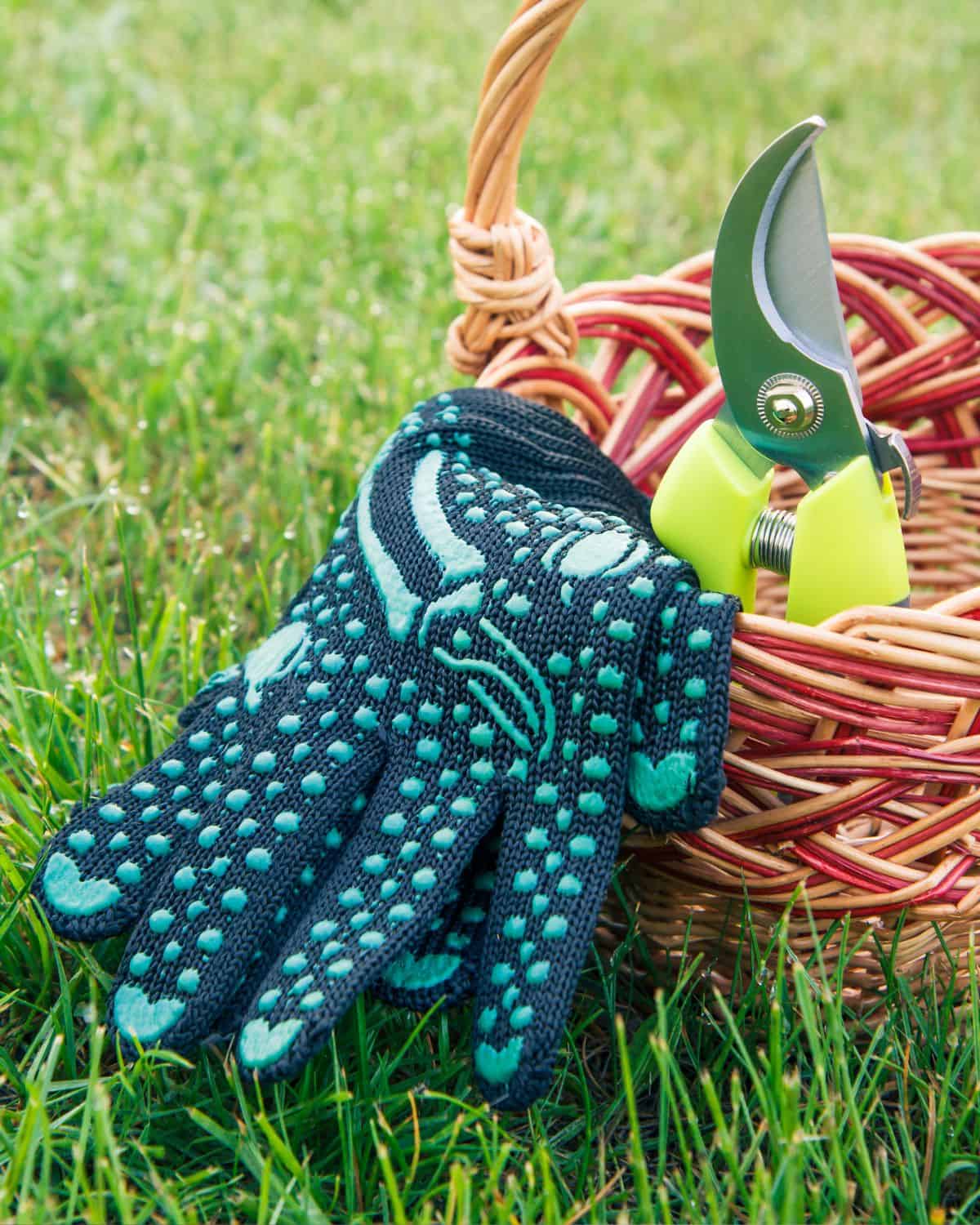
In the category of pruning, industry standards remain fixed on Swiss-engineered Felco pruners. Known for their replaceable parts and ergonomic handles, these tools represent a lifetime investment, reducing the environmental impact associated with disposable alternatives. For budget-conscious consumers, brands like Corona offer high-carbon steel blades that provide a balance between performance and accessibility. For larger-scale management of perennial shrubs and trees, the Laplander folding saw has seen increased adoption due to its XT toothing, which allows for efficient cutting on both the push and pull strokes—a feature valued by both gardeners and outdoor survivalists.
Advanced Irrigation and Sustainable Material Standards
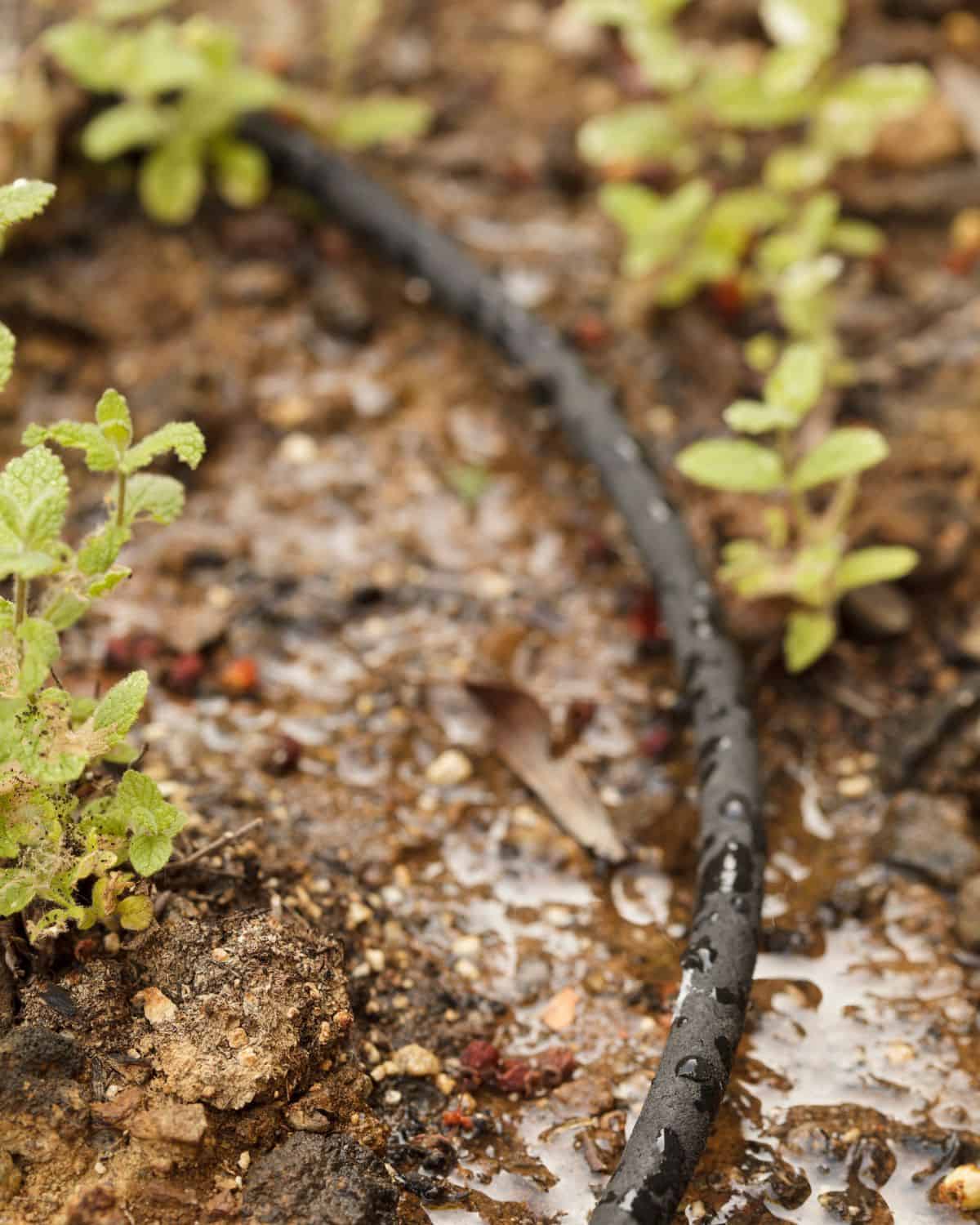
Water management remains a cornerstone of successful backyard gardening. Recent data from environmental health organizations has heightened awareness regarding the materials used in garden hoses. Traditional PVC hoses often contain phthalates and lead, which can leach into the water supply. In response, the market has seen a rise in high-performance polyurethane hoses, such as those from Water Right, which are labeled as "drinking water safe" and BPA-free.

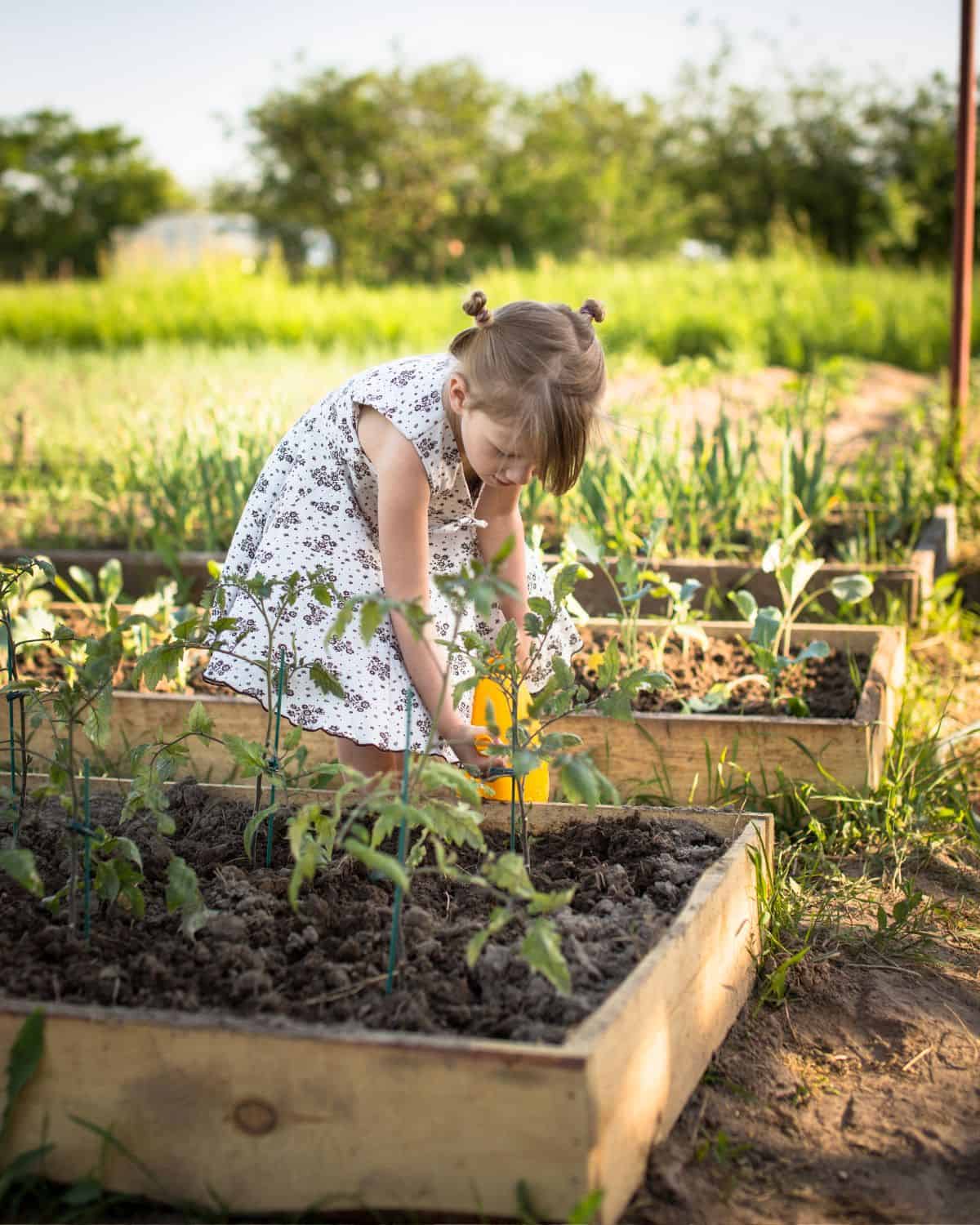
For localized watering and delicate seed starting, the aesthetic and functional appeal of galvanized metal watering cans persists. Unlike plastic variants, metal cans are resistant to UV degradation and are fully recyclable. Furthermore, the introduction of gardening tools for children, such as the Green Toys watering set made from recycled milk jugs, reflects a growing emphasis on "intergenerational gardening." Experts in child development suggest that engaging children in the garden fosters ecological literacy and improves dietary habits by connecting them directly to the source of their food.
Seed Starting and Season Extension Technologies
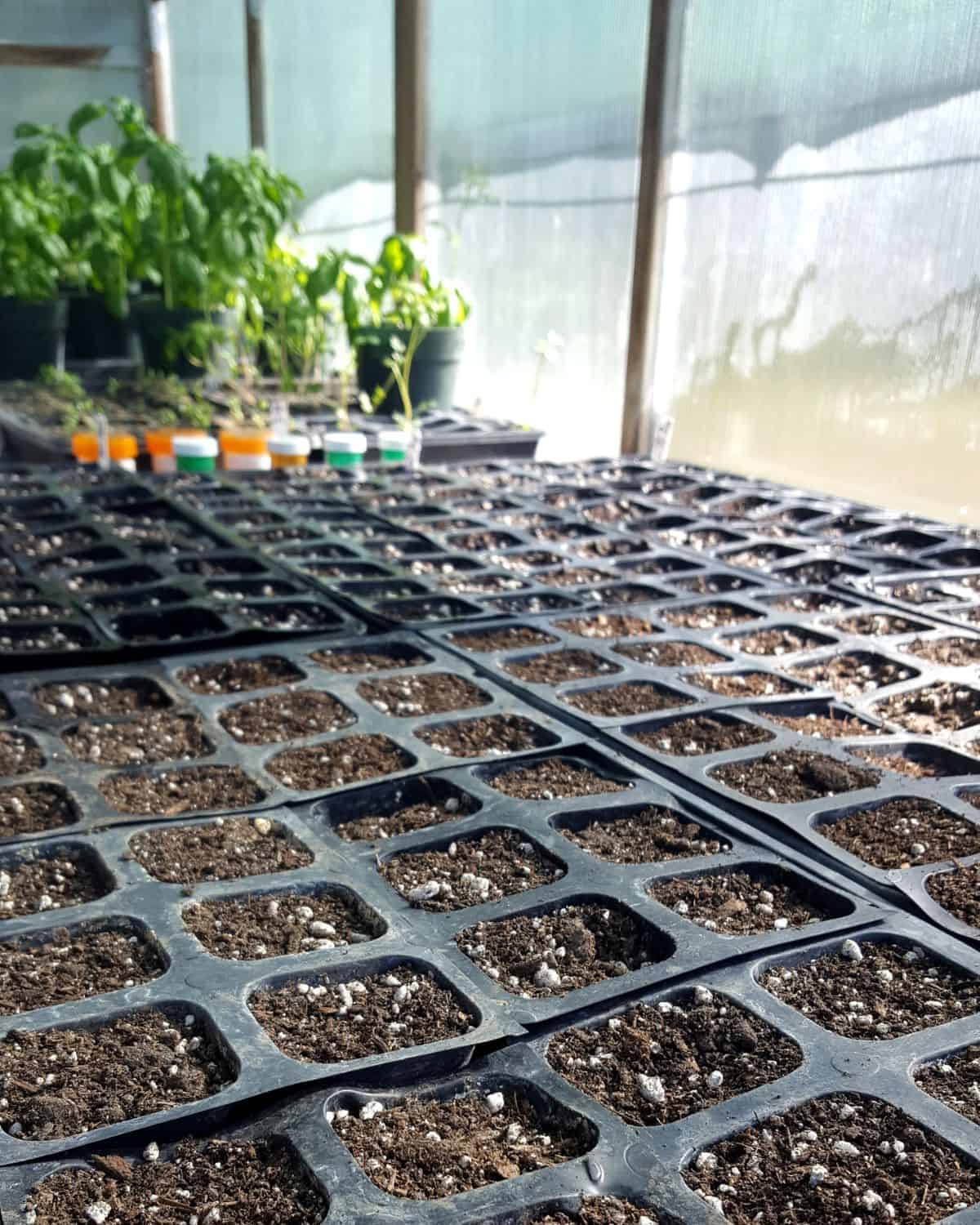
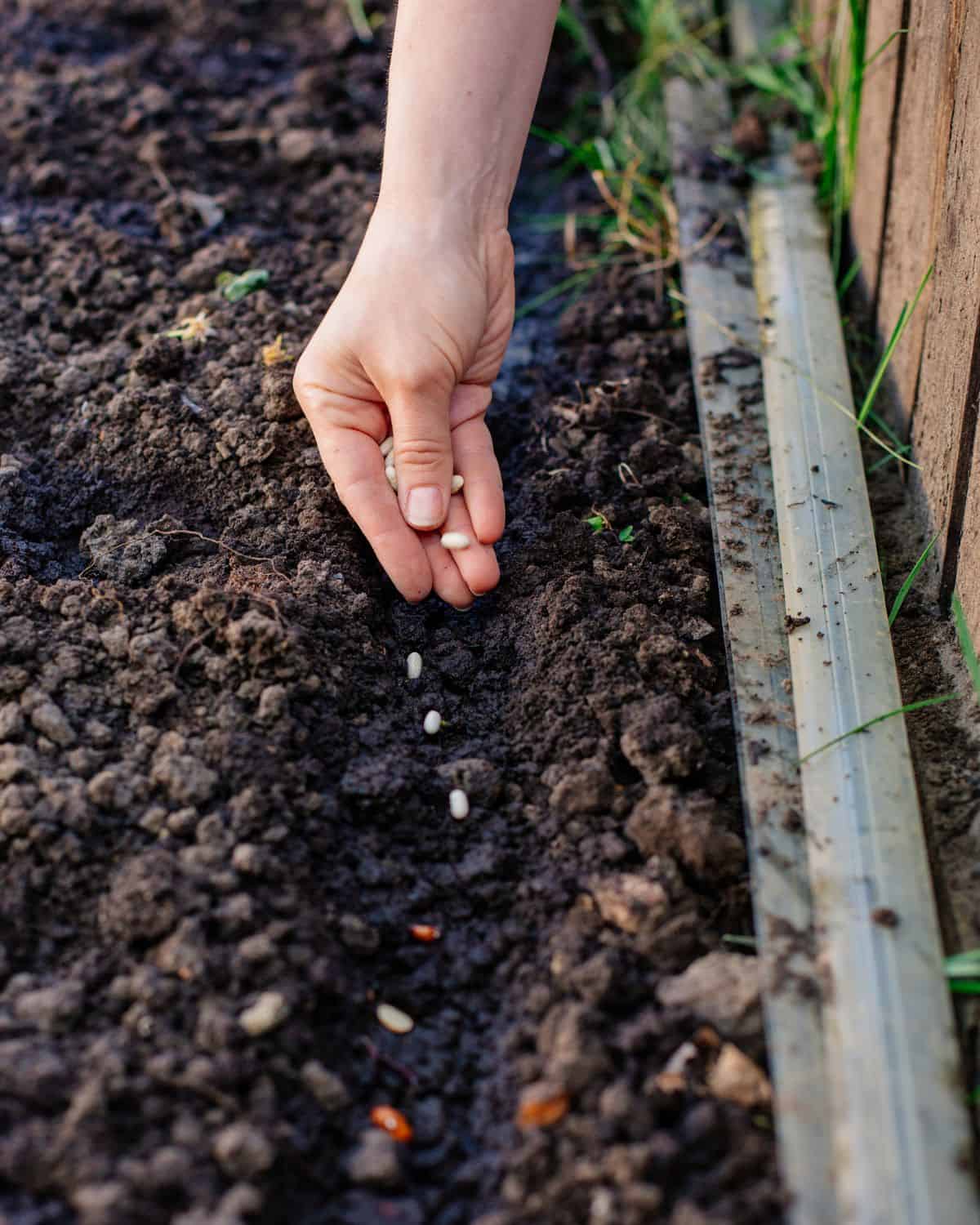
As the "seed-starting" season follows closely after the winter holidays, gift-giving in this category focuses on maximizing germination rates and extending the growing season. The soil block maker has emerged as a preferred DIY gift for the ecologically minded. By compressing soil into self-standing cubes, these devices eliminate the need for plastic nursery trays and prevent "root-bound" conditions by allowing for natural air-pruning of the root system.
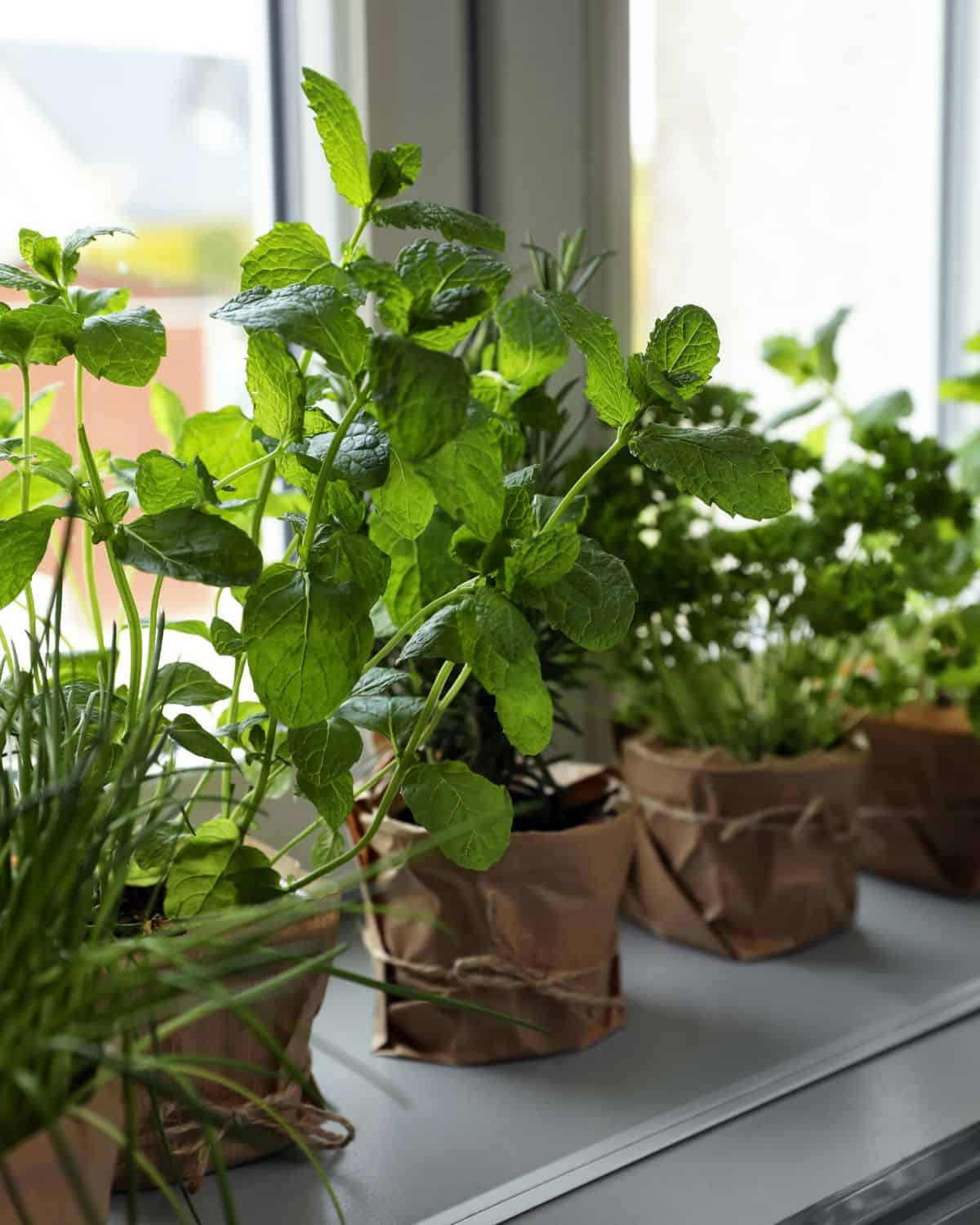
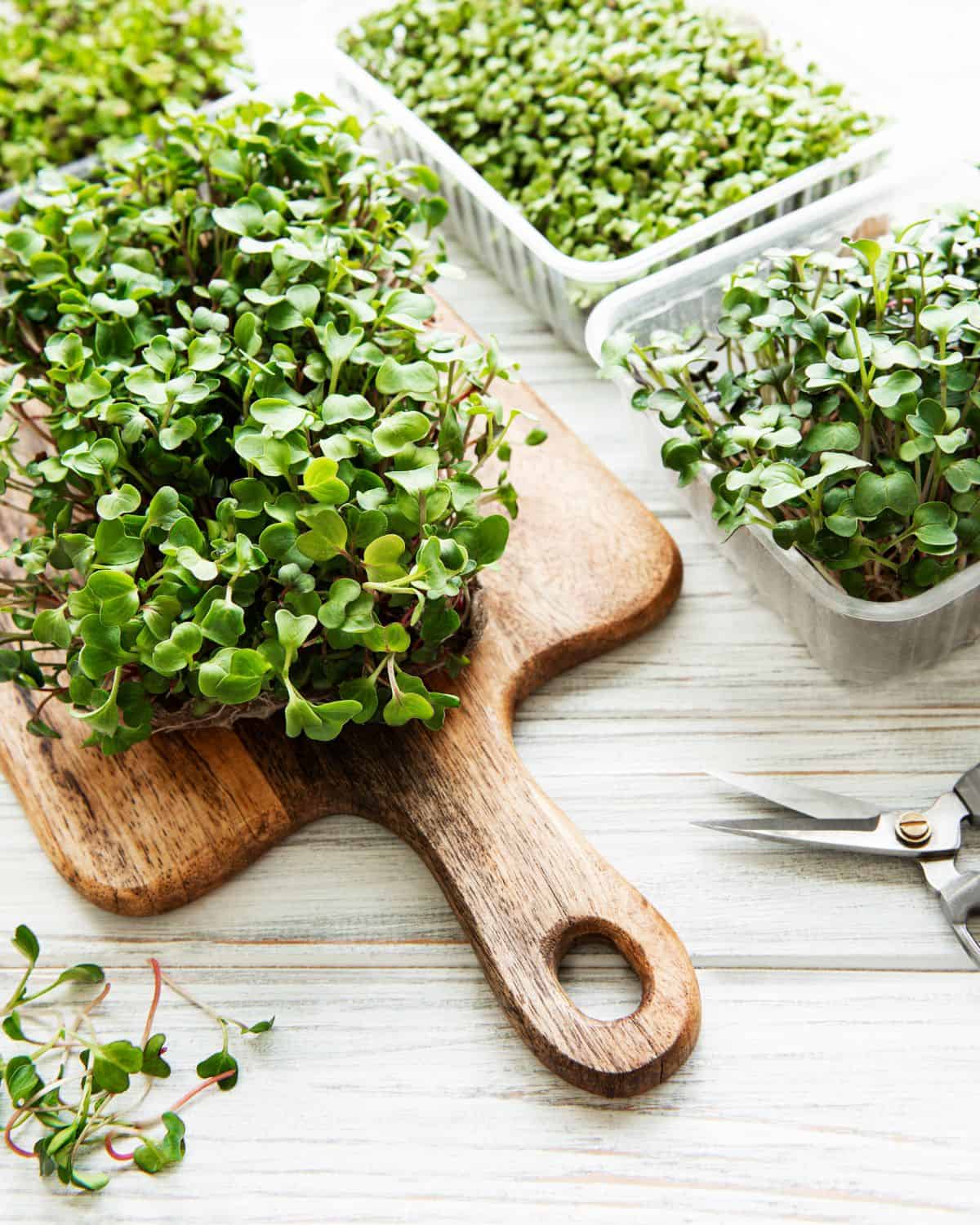
Retailers have also noted a significant uptick in the sale of comprehensive "seed vaults" and organic herb kits. These collections, such as the Survival Garden Seeds vault, provide a diverse genetic library of open-pollinated varieties that allow gardeners to save seeds for future seasons. To support these early-season efforts, mini greenhouses and microgreens kits have become popular for urban gardeners with limited space. These systems allow for year-round production of nutrient-dense greens, providing a "continuous harvest" even in sub-optimal climates.
Foundational Literature and Educational Resources
The intellectual component of gardening is supported by a robust selection of literature that bridges the gap between theory and practice. The "Suburban Micro-Farm" by Amy Stross serves as a contemporary guide for transforming standard residential lots into productive landscapes. Meanwhile, the "no-work" gardening philosophy pioneered by Ruth Stout in the mid-20th century remains highly influential, advocating for heavy mulching to suppress weeds and build soil fertility without tilling.
For those focused on high-yield efficiency, Mel Bartholomew’s "Square Foot Gardening" continues to be a top-selling resource. His method, which utilizes a grid system to manage space, is estimated to produce 100% of the harvest in only 20% of the space compared to traditional row gardening. On the more technical end of the spectrum, Toby Hemenway’s "Gaia’s Garden" and Ben Falk’s "The Resilient Farm and Homestead" provide the theoretical framework for "whole-systems" design. These texts are frequently cited by agricultural researchers as the "gold standard" for understanding the complex interactions between soil, water, plants, and animals in a managed ecosystem.
Broader Impact and Economic Implications
The shift toward gifting high-quality gardening supplies has broader implications for local economies and environmental health. The "gardening-as-gift" trend supports a diverse ecosystem of small-scale seed companies, tool manufacturers, and independent authors. Fact-based analysis suggests that for every dollar spent on home gardening supplies, a household can produce several times that value in fresh produce, thereby reducing the carbon footprint associated with industrial food transportation.
Furthermore, the psychological benefits of gardening are increasingly recognized by the medical community. Studies published in the Journal of Public Health indicate that regular gardening significantly reduces symptoms of stress and anxiety. Consequently, the gift of gardening tools is increasingly viewed not just as a hobbyist’s luxury, but as an investment in mental and physical well-being.
As the permaculture movement continues to gain momentum, the backyard garden is being redefined as a site of active conservation. By providing gardeners with the tools to create forest gardens and perennial systems, holiday gift-giving becomes a vehicle for increasing urban biodiversity. The transition from "lawn culture" to "food-forest culture" represents a significant shift in land use that may play a crucial role in climate resilience at the community level.

In conclusion, the selection of gifts for the backyard gardener in the current market reflects a sophisticated understanding of ecology, durability, and efficiency. Whether through the precision of a Swiss pruner, the wisdom of a permaculture manual, or the simplicity of a non-toxic hose, these items represent a collective movement toward a more sustainable and self-reliant future. As the holiday season progresses, the horticultural industry remains a vital sector, bridging the gap between seasonal commerce and long-term environmental stewardship.


