
The burgeoning domestic pet care market has seen a significant shift toward artisanal and homemade nutritional solutions, with DIY dehydrated chicken liver treats emerging as a prominent choice for health-conscious dog owners. As the global pet food industry continues to expand—projected to reach unprecedented valuations by the end of the decade—consumers are increasingly scrutinizing ingredient lists and seeking transparent, single-ingredient alternatives to mass-produced commercial snacks. The preparation of dehydrated organ meats at home represents a convergence of food preservation science, economic prudence, and veterinary nutrition, offering a high-value reward system for canine training and supplemental feeding.
The Economic and Nutritional Context of Homemade Pet Treats
The decision to transition from retail-acquired pet treats to home-processed dehydrated liver is frequently driven by two primary factors: cost-efficiency and ingredient purity. Commercial freeze-dried or dehydrated liver treats are often positioned as "premium" products, retailing at significantly higher price points per ounce compared to the raw agricultural commodity. By sourcing raw chicken livers—a common byproduct of the poultry industry—pet owners can produce nutrient-dense snacks at a fraction of the retail cost.
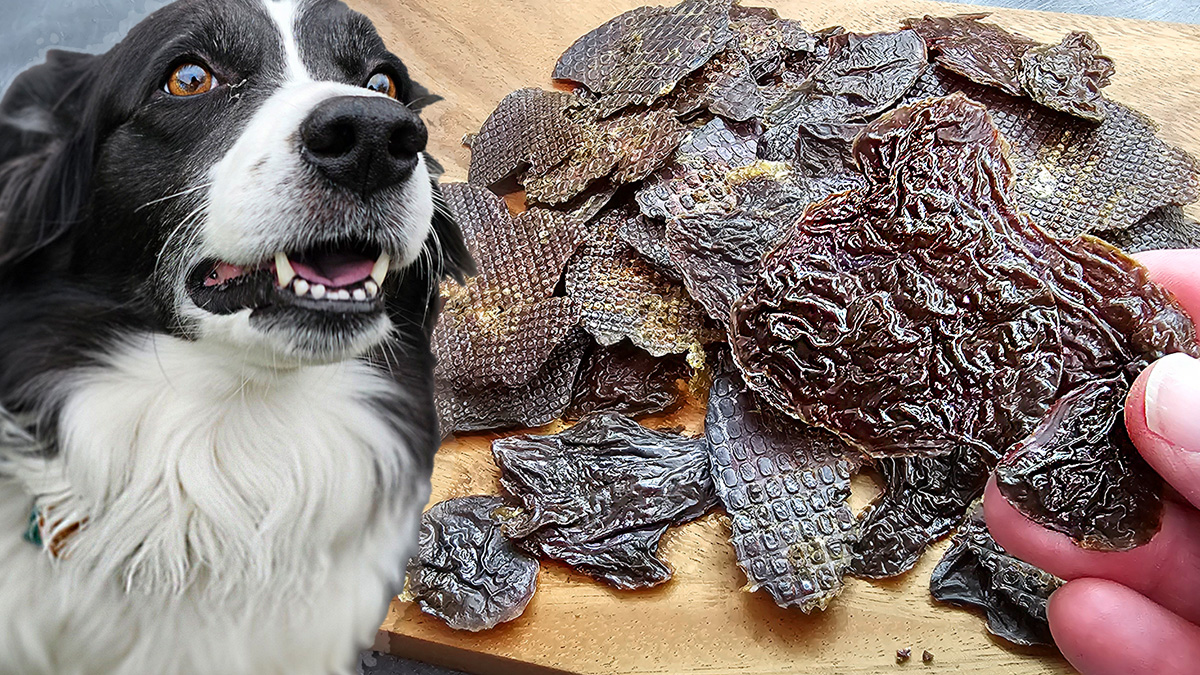
Nutritionally, chicken liver is classified as a "superfood" within the canine diet. It is an exceptionally rich source of high-quality protein, essential fatty acids, and a suite of vital vitamins and minerals. Specifically, liver provides a concentrated dose of Vitamin A, which supports vision and immune function; B vitamins (including B12 and riboflavin) for energy metabolism; and iron, which is critical for oxygen transport in the blood. However, the high nutrient density of organ meats requires a disciplined approach to portioning to avoid nutritional imbalances, such as hypervitaminosis A.
The Science of Dehydration as a Preservation Method
Dehydration is one of the oldest forms of food preservation, relying on the reduction of water activity ($a_w$) to inhibit the growth of spoilage-causing microorganisms and foodborne pathogens. For poultry products like chicken liver, the process must be managed with strict adherence to temperature and airflow protocols to ensure the final product is both shelf-stable and safe for consumption.
In a controlled dehydration environment, moisture is removed through the continuous circulation of warm air. This process concentrates the flavors and nutrients of the liver while transforming the texture from a soft, vascular consistency into a crisp, "jerky-like" chew. From a safety perspective, the United States Department of Agriculture (USDA) recommends that poultry be processed at temperatures sufficient to eliminate Salmonella and Listeria. For home dehydrating, a constant temperature of 160°F (71°C) is generally recognized as the standard for ensuring the lethality of pathogens in meat products.
Chronology of the Dehydration Process
The production of dehydrated chicken liver treats follows a specific chronological sequence designed to maximize safety and palatability.
Phase I: Sourcing and Preparation
The process begins with the acquisition of fresh or frozen chicken livers. While organic or pasture-raised options are often preferred by those seeking to minimize exposure to antibiotics or synthetic hormones, standard grocery store tubs are a viable and accessible alternative.
- Thawing and Cleaning: If frozen, the livers must be thawed completely in a refrigerated environment. They are then rinsed under cold water to remove excess blood and pat-dried with paper towels.
- Standardization of Slices: To ensure uniform drying, the livers are sliced into consistent thicknesses, typically ranging from 1/4 to 1/2 inch. Because liver is naturally slippery and delicate, some practitioners recommend partially freezing the meat for 30 to 45 minutes to firm it up, allowing for cleaner, more precise cuts.
Phase II: The Dehydration Cycle
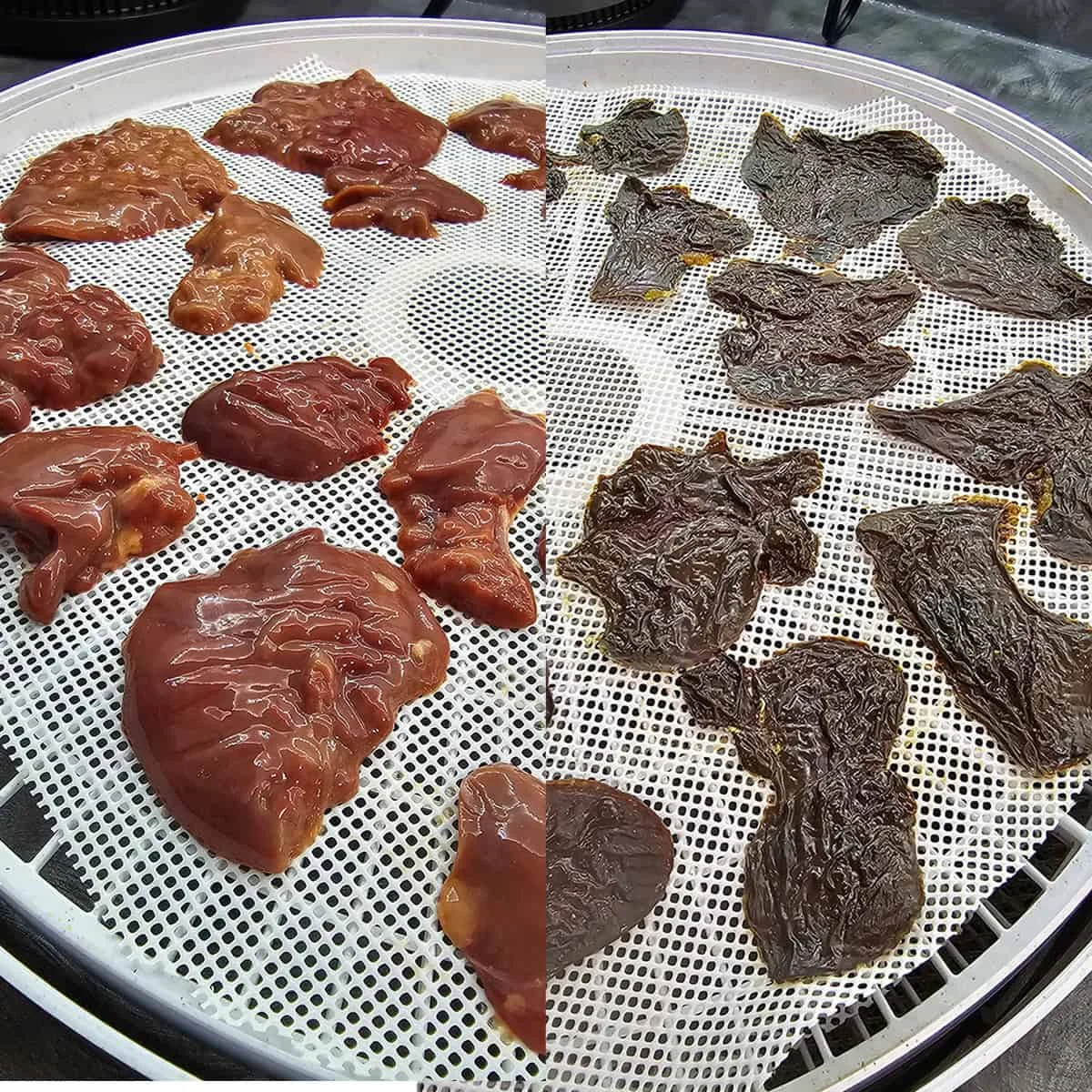
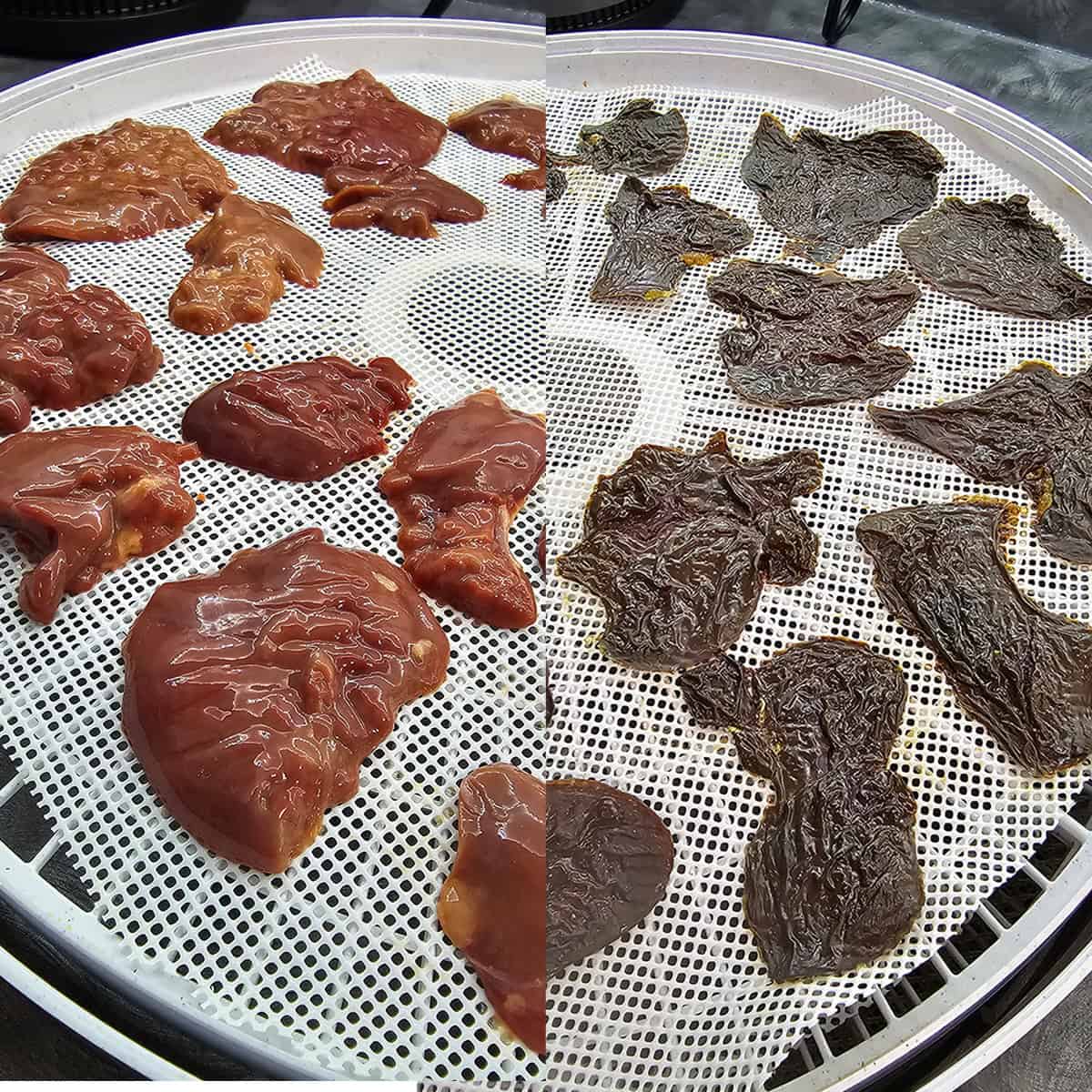
Once prepared, the slices are arranged on dehydrator trays. It is imperative that the pieces do not overlap, as restricted airflow can lead to "cool spots" where bacteria may survive.
- Initial Setting: The dehydrator is set to 160°F (71°C).
- Duration: The drying time typically spans between 4 to 6 hours. The exact duration is contingent upon the ambient humidity of the room and the specific moisture content of the liver batch.
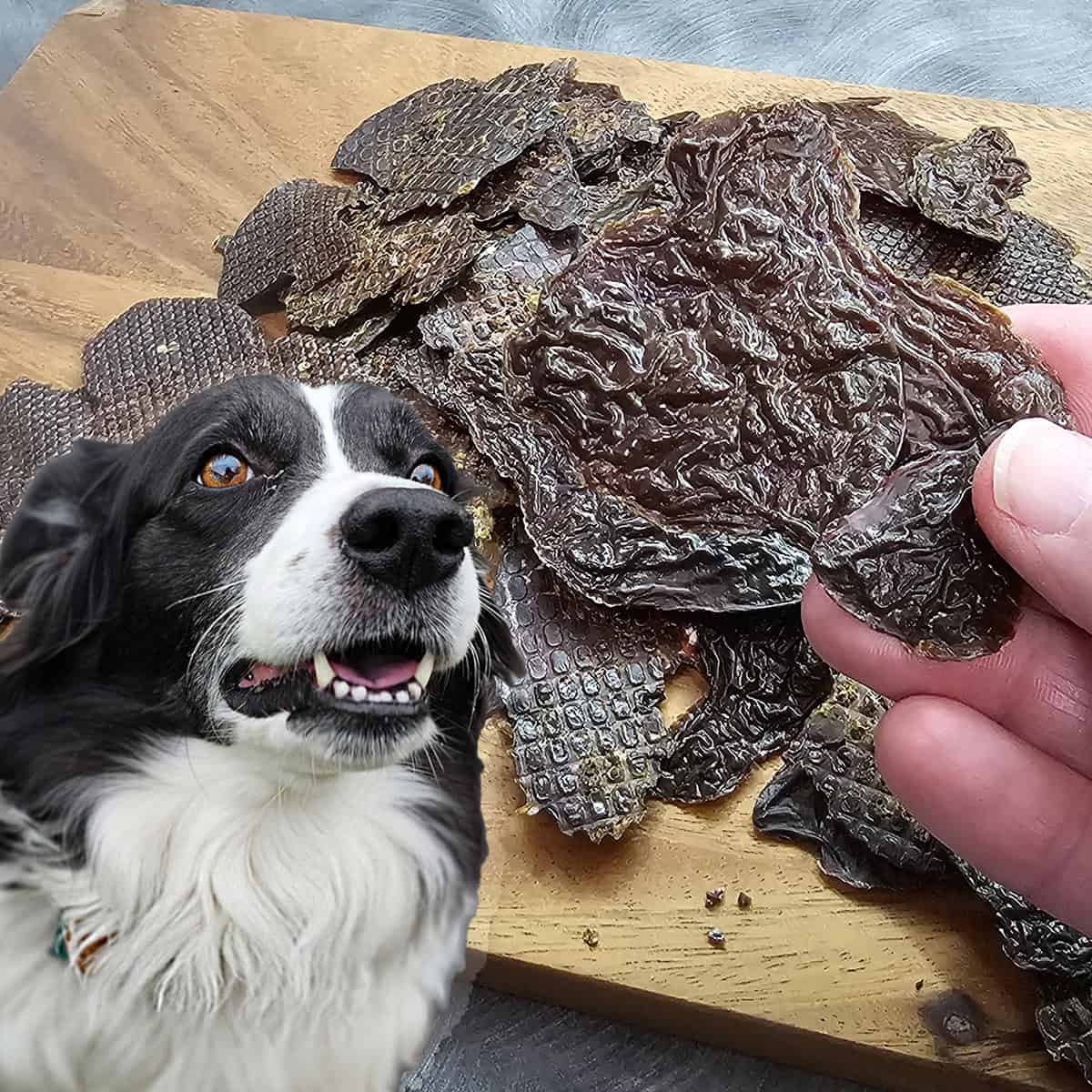
- Conditioning: The treats are considered finished when they are brittle and "snap" when bent. If the interior remains spongy or pliable, additional drying time is required to prevent mold growth during storage.
Phase III: The Oven Alternative
For households lacking a dedicated dehydrator, the process can be adapted for a conventional oven. This requires the lowest possible temperature setting—ideally between 170°F and 200°F. The liver is placed on wire cooling racks set atop baking sheets to allow for 360-degree air circulation. In an oven environment, the process may be accelerated, requiring vigilant monitoring to prevent scorching.
Nutritional Analysis and Serving Guidelines
Data derived from nutritional profiles of dehydrated poultry organs indicate that these treats are high-protein, low-carbohydrate snacks. A standard serving of approximately two pieces (dehydrated) contains roughly:
- Calories: 105 kcal
- Protein: 15g
- Fat: 4g
- Cholesterol: 304mg
- Carbohydrates: 1g
It is important to note that dehydration concentrates nutrients by a factor of approximately four. Therefore, a small piece of dried liver contains the same nutrient load as a significantly larger piece of fresh liver. Due to the high cholesterol and Vitamin A content, veterinarians typically recommend that organ meats comprise no more than 5% to 10% of a dog’s total caloric intake.
Storage Protocols and Shelf-Life Extension
The longevity of homemade dehydrated treats is directly related to the efficiency of the moisture removal and the conditions of the storage environment. Because these treats do not contain the artificial preservatives (such as potassium sorbate or BHA/BHT) found in commercial products, they are more susceptible to environmental factors.
- Short-term Storage: In an airtight container kept in a cool, dark pantry, the treats remain viable for approximately two weeks.
- Intermediate Storage: Refrigeration can extend the shelf life to four weeks, provided the container remains sealed to prevent the re-absorption of moisture.
- Long-term Storage: For bulk production, freezing is the most effective method, preserving the treats for up to six months.
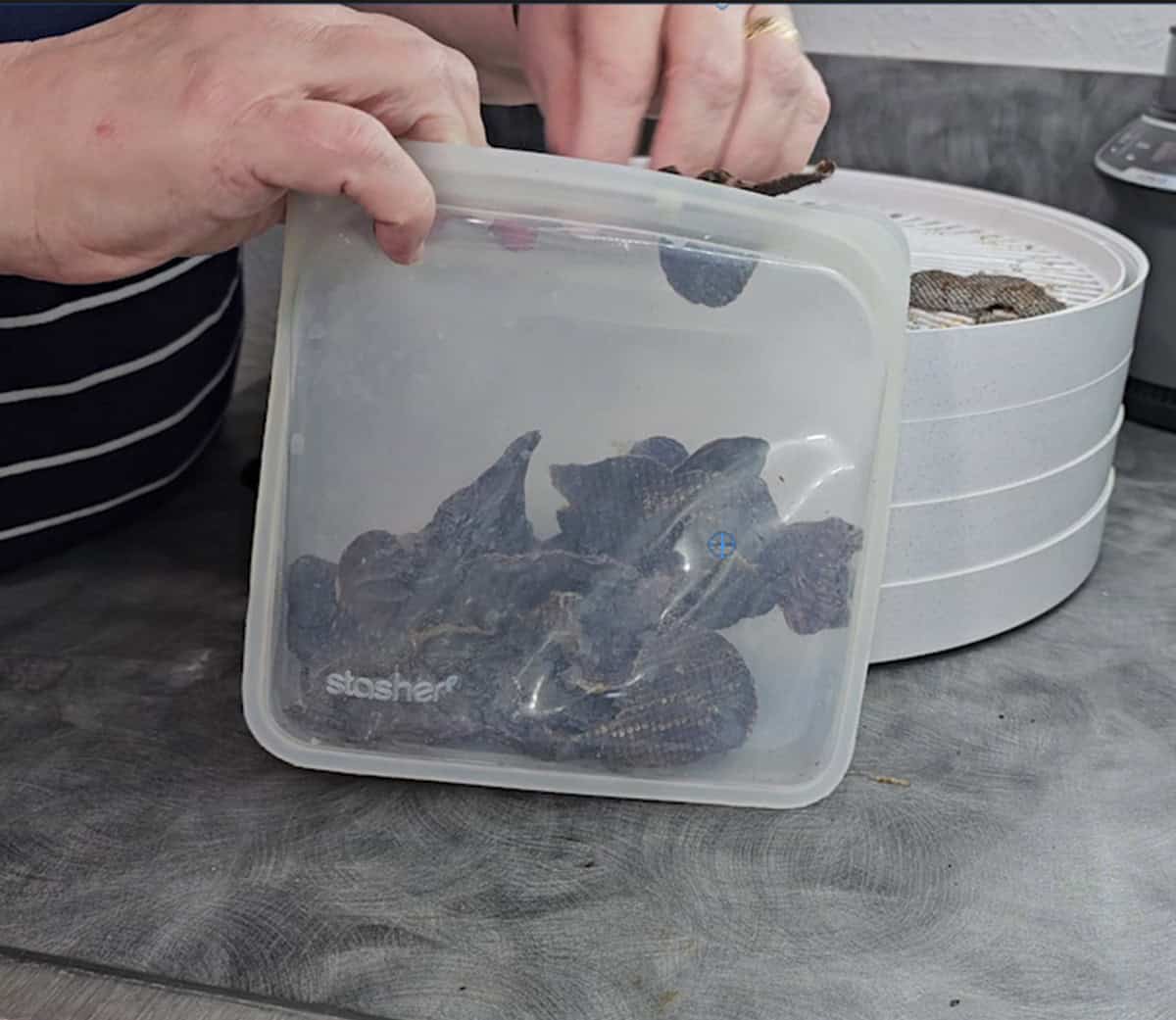
- Safety Indicators: Owners should inspect the treats for any "off" odors or visible white/grey fuzzy growth (mold) before serving. If any moisture is detected inside the storage bag, the treats should be discarded or returned to the dehydrator immediately.
Market Trends and the "Purposeful Pantry" Movement
The rise of DIY pet treats is part of a broader socio-economic trend known as the "Purposeful Pantry" movement. This philosophy emphasizes food security, waste reduction, and the revitalization of traditional preservation skills. By utilizing organ meats—often referred to as "offal"—dog owners are participating in a more sustainable food cycle, ensuring that nutrient-dense parts of the animal that might otherwise be discarded are put to productive use.
Furthermore, the "humanization" of pets has led to a demand for "human-grade" ingredients in the pet space. When owners prepare treats in their own kitchens, they eliminate the risk of contamination from industrial facilities and avoid the "hidden" ingredients, such as sugars, salts, and dyes, that are frequently used to enhance the palatability of lower-quality commercial chews.
Expert Perspectives and Safety Considerations
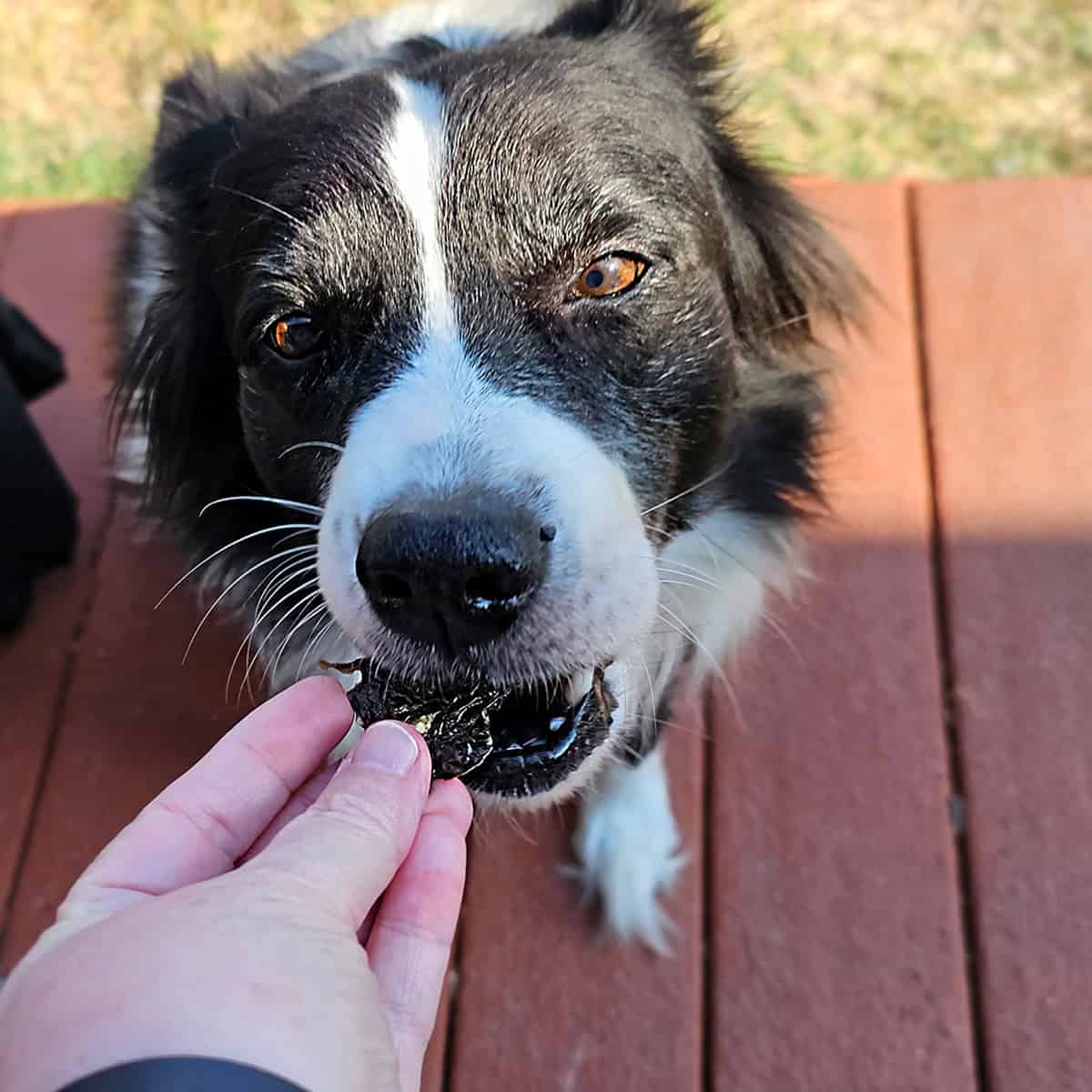
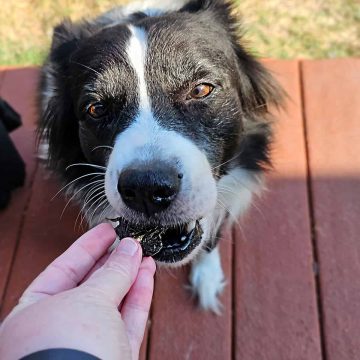
Veterinary professionals generally support the use of dehydrated liver as a high-value training tool, particularly for dogs with diminished appetites or those undergoing rigorous behavioral conditioning. The intense aroma of dehydrated liver is highly reinforcing for canines, making it more effective than cereal-based biscuits.
However, experts also issue a note of caution regarding the "richness" of the treat. Introducing liver too rapidly into a dog’s diet can result in gastrointestinal upset or osmotic diarrhea. A gradual introduction, starting with half a treat, is recommended to assess individual tolerance. Additionally, dogs with specific medical conditions, such as copper storage disease or certain types of kidney stones (purine sensitivity), should have their intake of organ meats strictly regulated by a veterinary professional.
Implications for the Pet Care Industry
The shift toward home-produced treats like dehydrated chicken liver poses a unique challenge to traditional pet food manufacturers. As consumers become more educated on the ease and benefits of dehydration, the demand for "clean label" products is expected to intensify. This may lead to a market correction where commercial brands must lower prices or significantly increase the quality of their offerings to compete with the "kitchen-table" economy.
In conclusion, DIY dehydrated chicken liver treats represent more than just a snack for a pet; they are a manifestation of a growing consumer desire for autonomy in the pet care space. Through the application of basic thermal processing and proper storage, the average pet owner can produce a superior nutritional product that supports the health and well-being of their canine companions while fostering a more sustainable and transparent food system.


