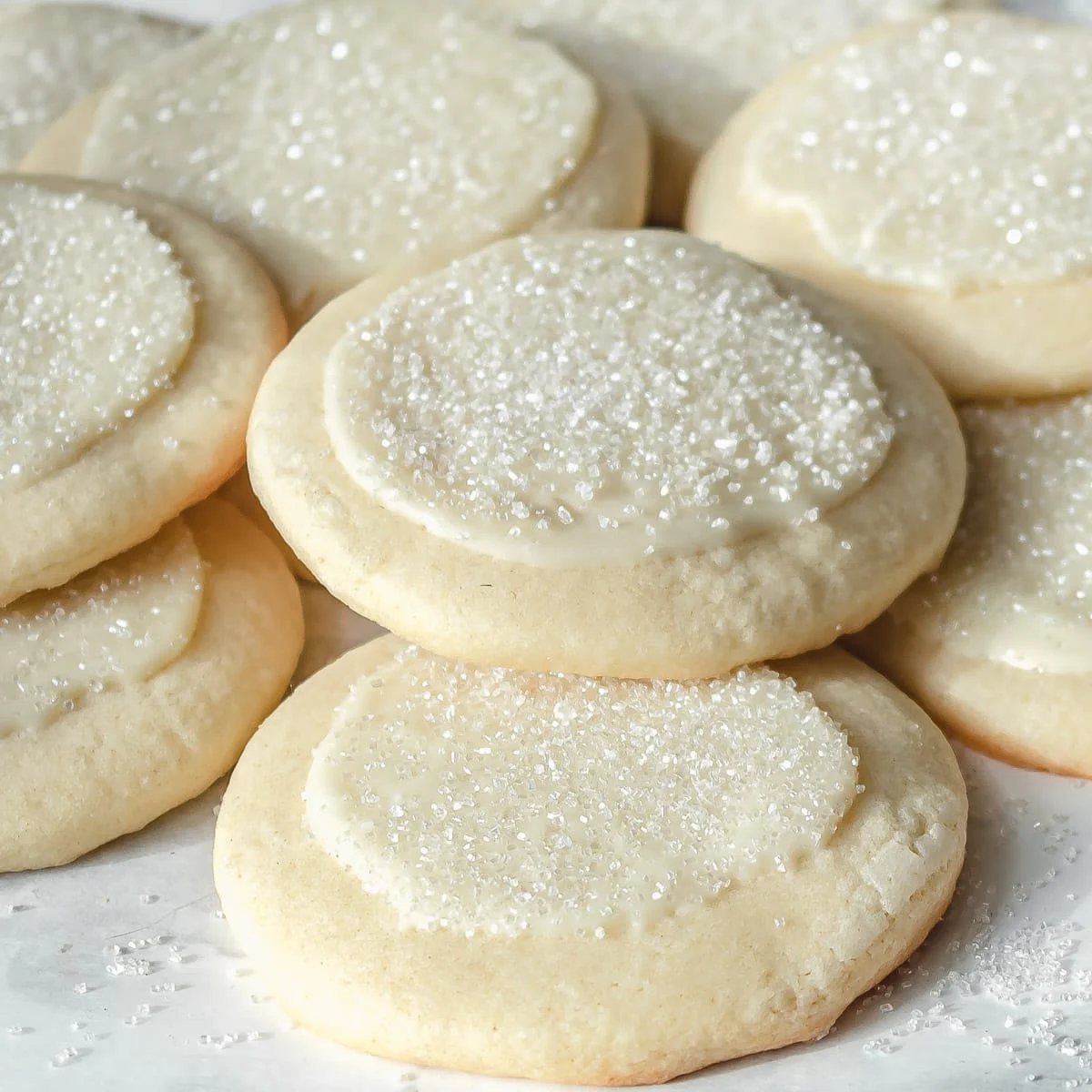
For home bakers seeking to replicate the artistry of professional bakeries, a new recipe promises to demystify the creation of perfect sugar cookies. This comprehensive guide details a foolproof method for cut-out sugar cookies, designed to achieve a delightful balance of crisp edges and a tender center. Complementing the cookies is an effortlessly smooth and stable buttercream frosting, ideal for intricate decorating. This recipe aims to empower even novice bakers, transforming the often-intimidating task of frosting into an accessible and enjoyable part of the baking process.

The Appeal of Homemade Elegance
The allure of perfectly decorated sugar cookies, often associated with professional patisseries, is now within reach for the home cook. This recipe specifically targets bakers who may feel apprehensive about piping techniques, offering a straightforward approach that promises impressive results. By utilizing a few key frosting tips and a palette of buttercream colors, bakers can elevate their creations to a bakery-quality standard.

At the heart of this endeavor is a robust cut-out sugar cookie dough recipe, renowned for its reliability and excellent structure for shaping. The accompanying frosting is an American-style buttercream, characterized by its simplicity in preparation and its stable consistency, which is crucial for holding decorative details. This combination of a dependable cookie base and a versatile frosting makes the recipe a prime candidate for both beginners and experienced decorators looking for a reliable method.
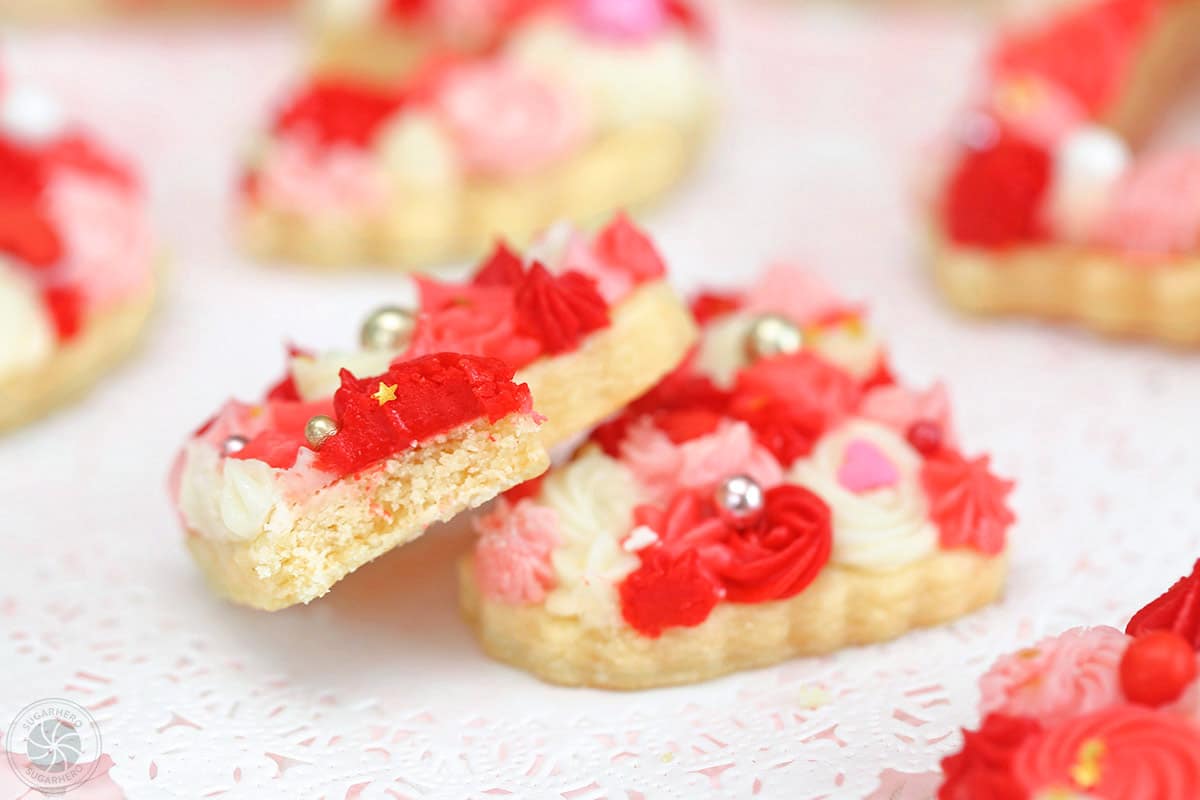
Demystifying the Decorating Process
The key to achieving visually stunning yet easy-to-create decorated cookies lies in the strategic use of varied frosting colors and piping tips. The recipe suggests employing a range of hues, such as white, deep red, and various shades of pink, which can be achieved by mixing base colors. Each color is then prepared for piping, ideally with small star tips, though the specific tip number is less critical than its ability to create attractive patterns.
A fundamental principle of this decorating technique is its inherent forgiveness; there is no single "wrong" way to apply the frosting. This encourages creativity and experimentation, allowing bakers to freely pipe swirls, dots, and lines in any arrangement they desire. The goal is not precision but rather a visually appealing, perhaps even "beautifully chaotic," composition. The addition of sprinkles offers a final touch of sparkle and texture, completing these personalized masterpieces. A detailed photo tutorial accompanies the recipe, offering a visual roadmap to the straightforward steps involved.

Essential Ingredients and Equipment
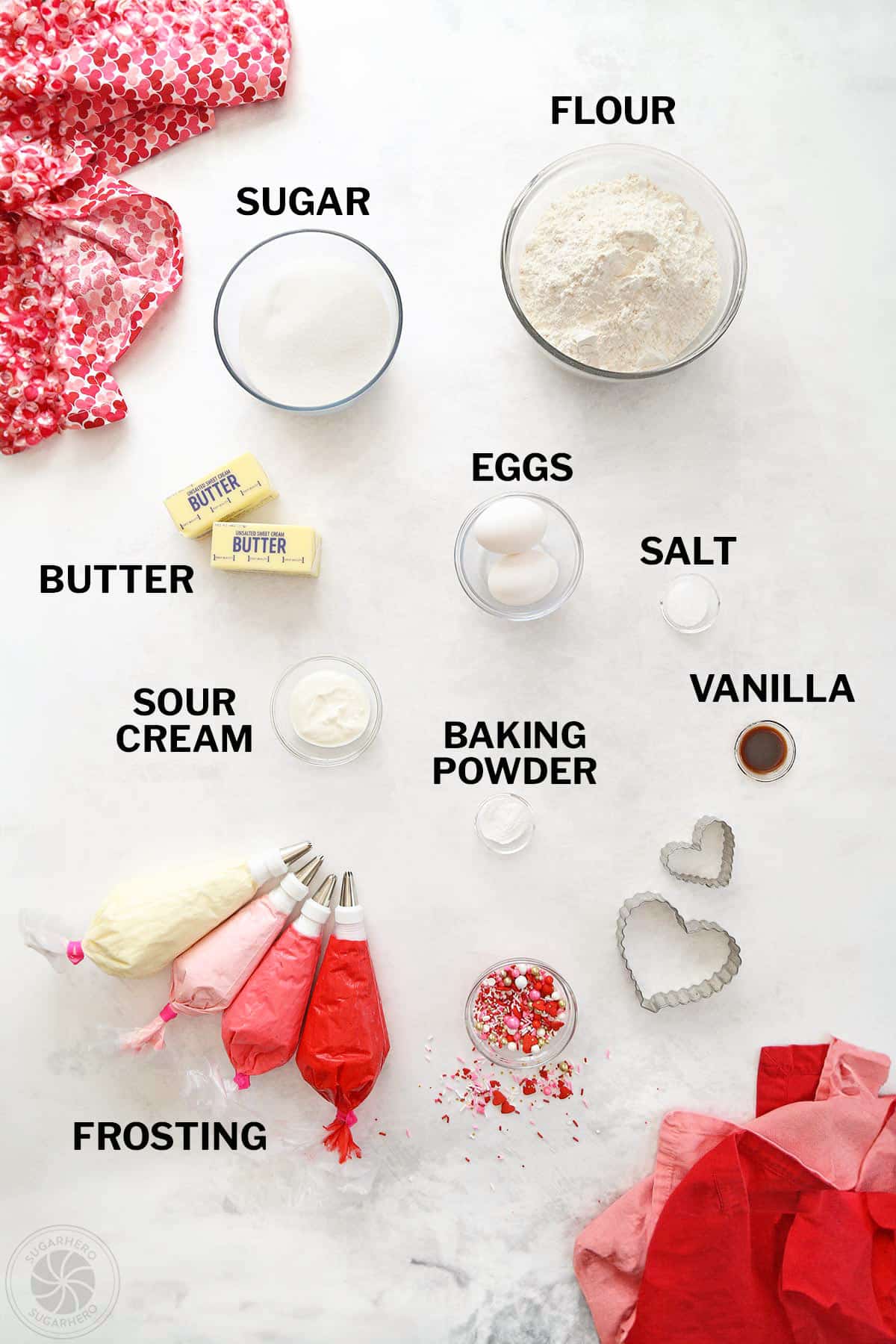
To embark on this baking journey, a curated list of ingredients and equipment is provided, ensuring that bakers have all the necessary components for success. The recipe emphasizes the importance of high-quality ingredients, with specific recommendations and tips offered to enhance the final product.

For the Sugar Cookies:
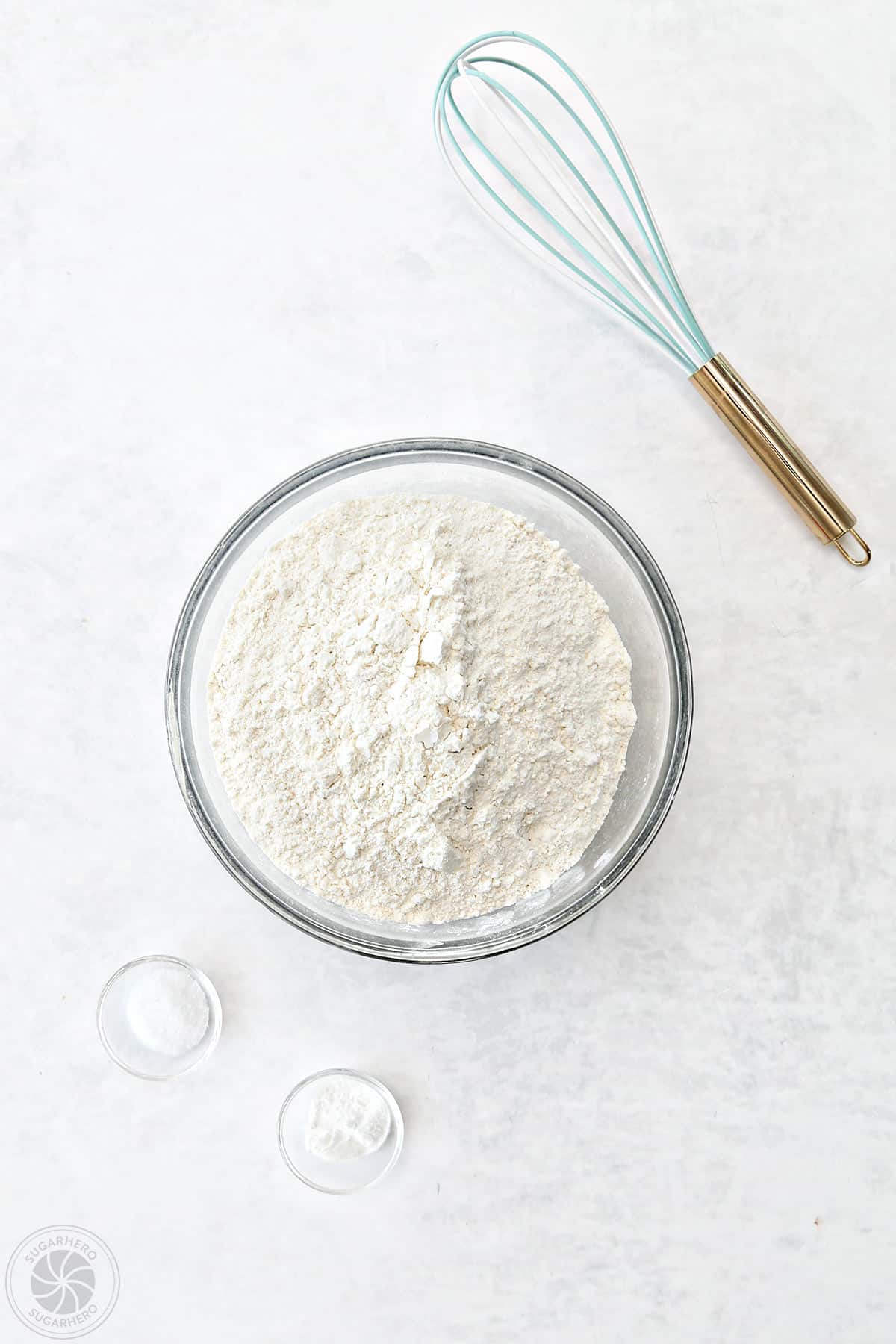
- All-purpose flour
- Granulated sugar
- Unsalted butter, softened
- Large eggs
- Vanilla extract
- Salt
- Baking powder
For the Buttercream Frosting:
- Unsalted butter, softened
- Powdered sugar (confectioners’ sugar)
- Milk or heavy cream
- Vanilla extract
- Pinch of salt
For Decoration:
- Food coloring (gel or paste recommended for vibrant colors)
- Sprinkles (optional)
Equipment:
- Mixing bowls (various sizes)
- Electric mixer (stand or hand mixer)
- Whisk
- Spatula
- Measuring cups and spoons
- Rolling pin
- Cookie cutters (various shapes and sizes)
- Baking sheets
- Parchment paper
- Piping bags
- Piping tips (small star tips recommended)
- Offset spatula
- Cooling racks
- Kitchen scale (optional, but recommended for precision)
Step-by-Step Culinary Journey
The process of creating these delightful sugar cookies can be broken down into distinct phases, ensuring clarity and ease of execution for bakers of all levels.
Crafting the Perfect Sugar Cookies
- Dry Ingredients Preparation: In a medium bowl, whisk together the all-purpose flour, salt, and baking powder. This ensures even distribution of leavening agents and seasoning.
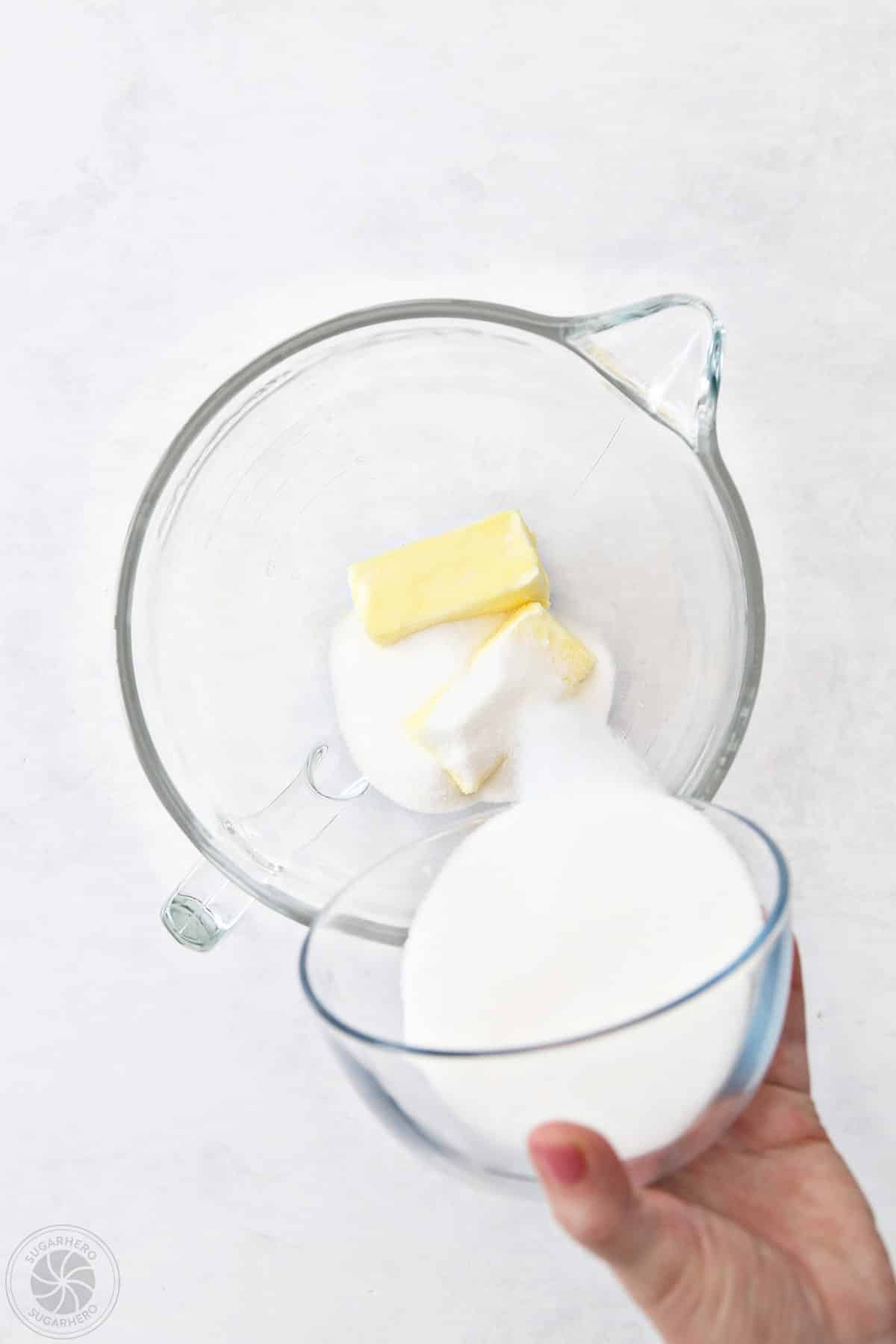
- Creaming Butter and Sugar: In a large mixing bowl, cream the softened unsalted butter and granulated sugar using an electric mixer on medium speed until the mixture is light and fluffy. This process incorporates air, which is vital for cookie texture.
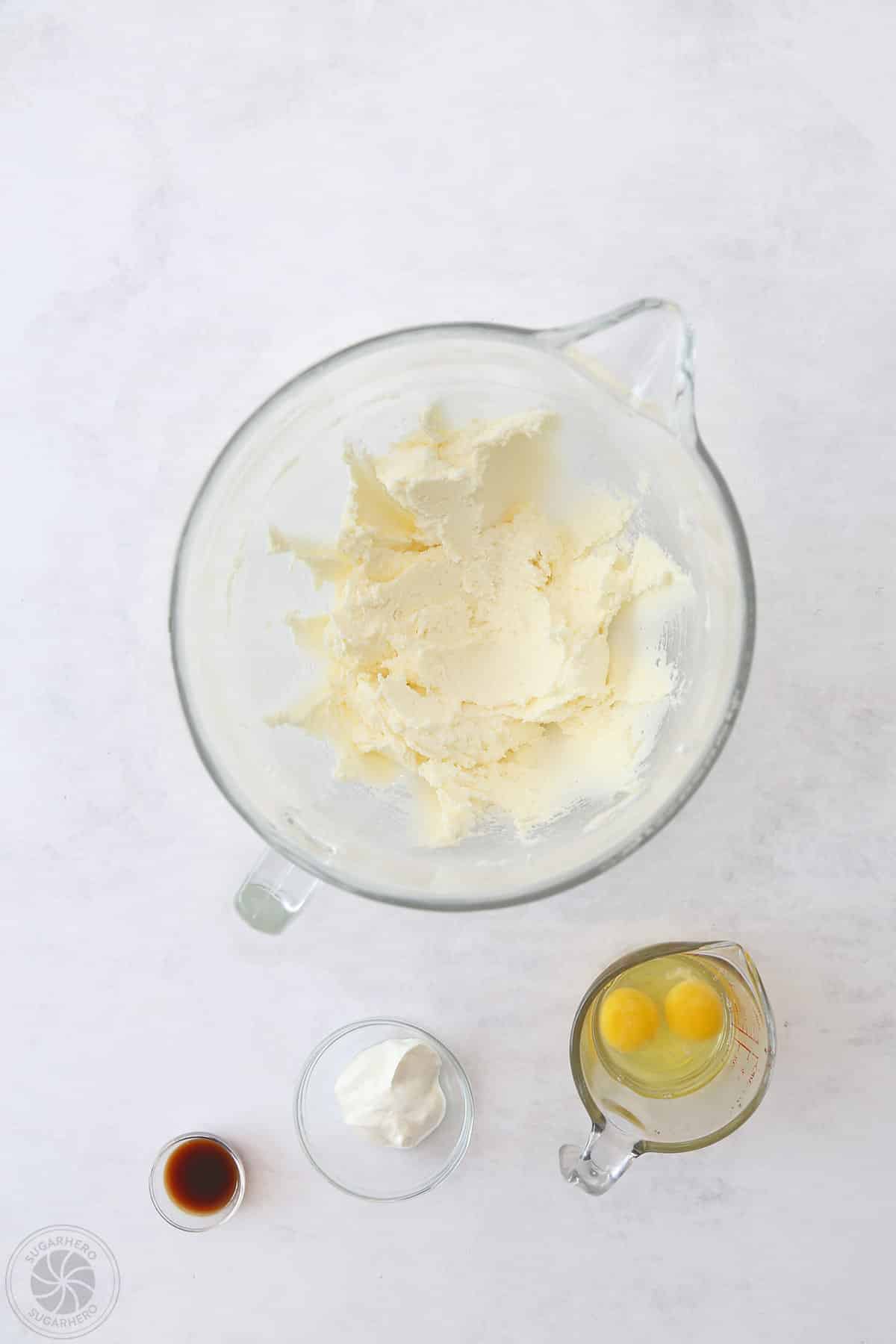
- Adding Wet Ingredients: Beat in the large eggs one at a time, ensuring each is fully incorporated before adding the next. Stir in the vanilla extract.
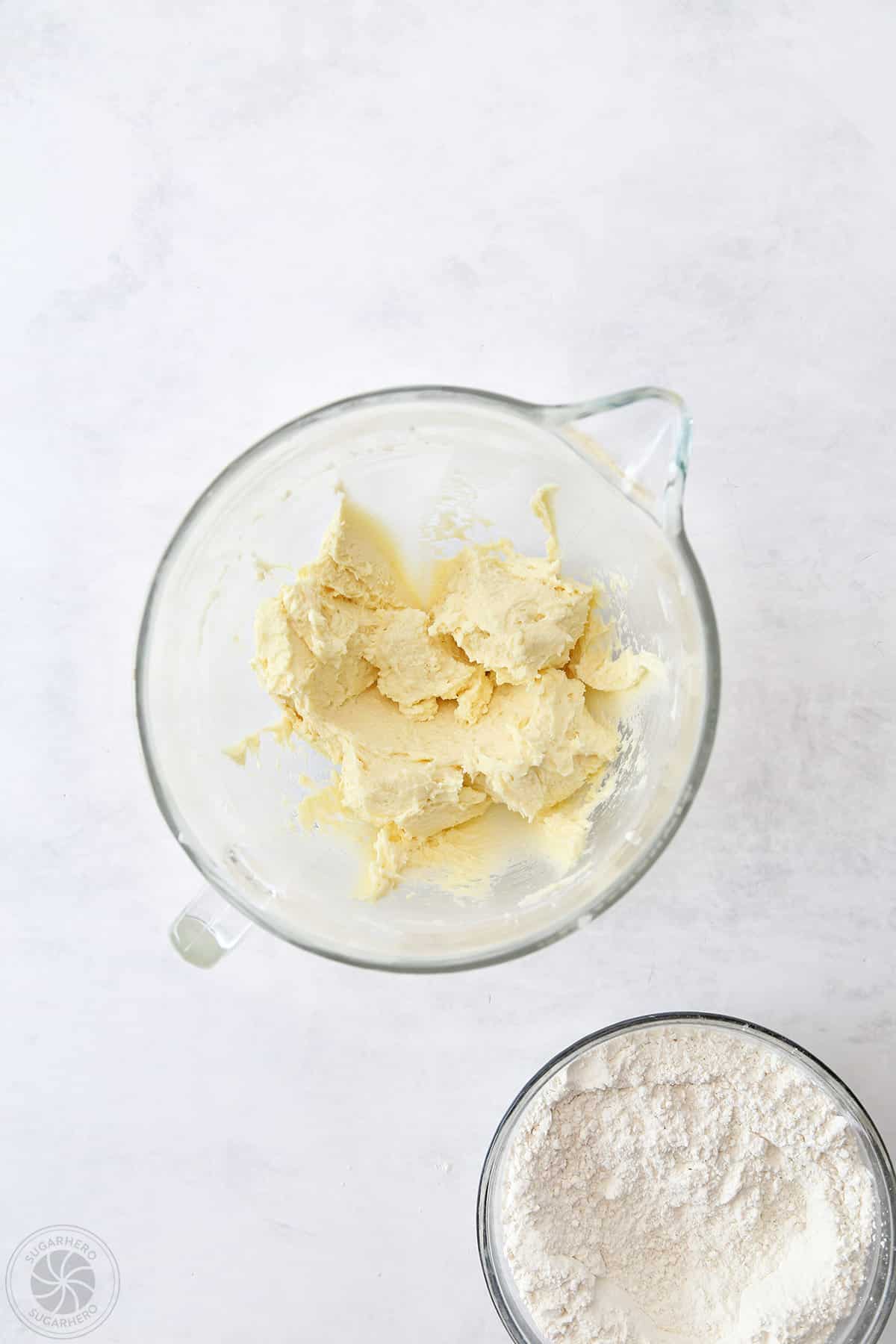
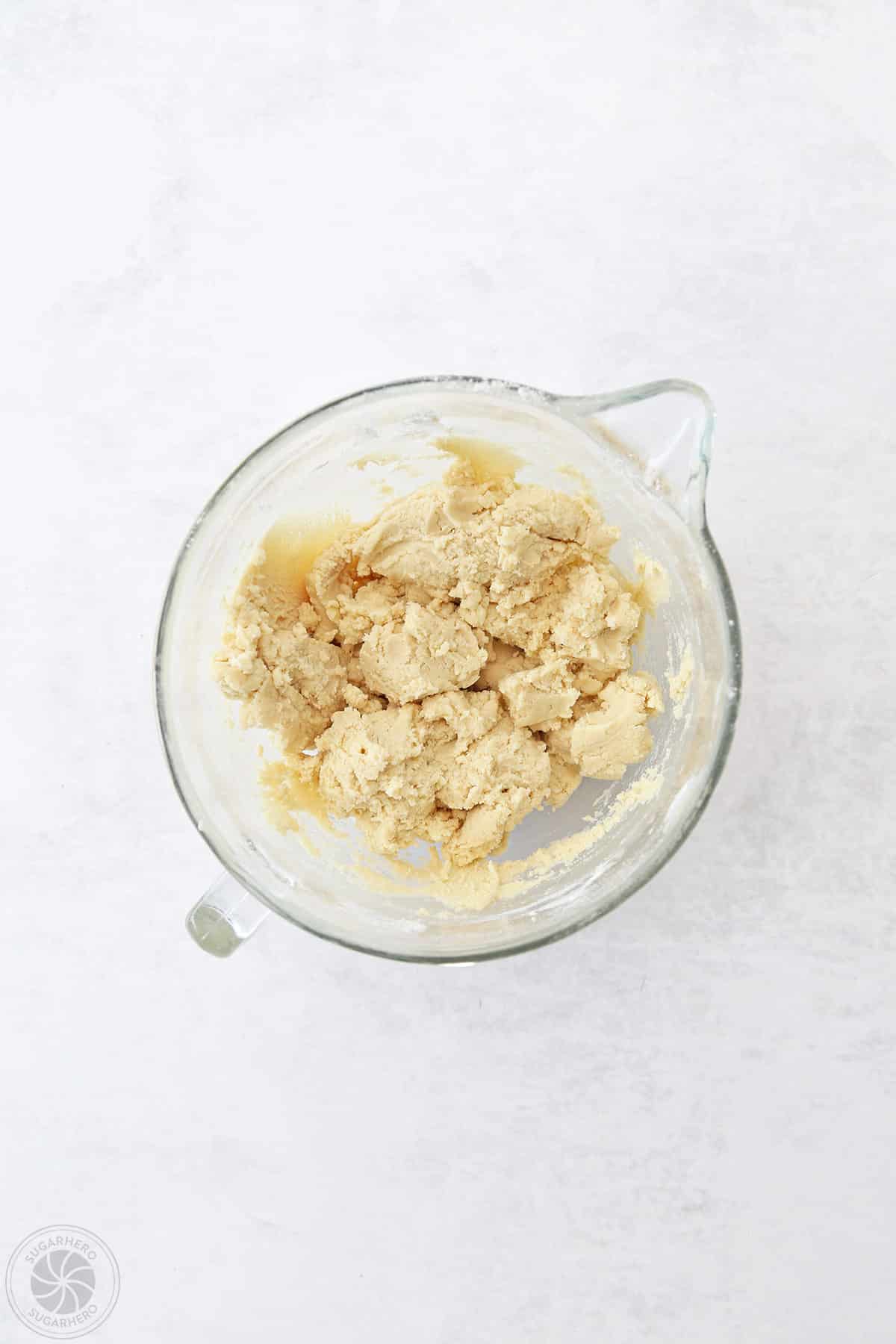
- Combining Wet and Dry: Gradually add the dry ingredients to the wet ingredients, mixing on low speed until just combined. Overmixing can lead to tough cookies. The dough should be cohesive but not overly sticky.
- Chilling the Dough: Divide the dough into two discs, wrap them tightly in plastic wrap, and refrigerate for at least one hour, or until firm. Chilling is crucial for cut-out cookies, as it prevents excessive spreading during baking.
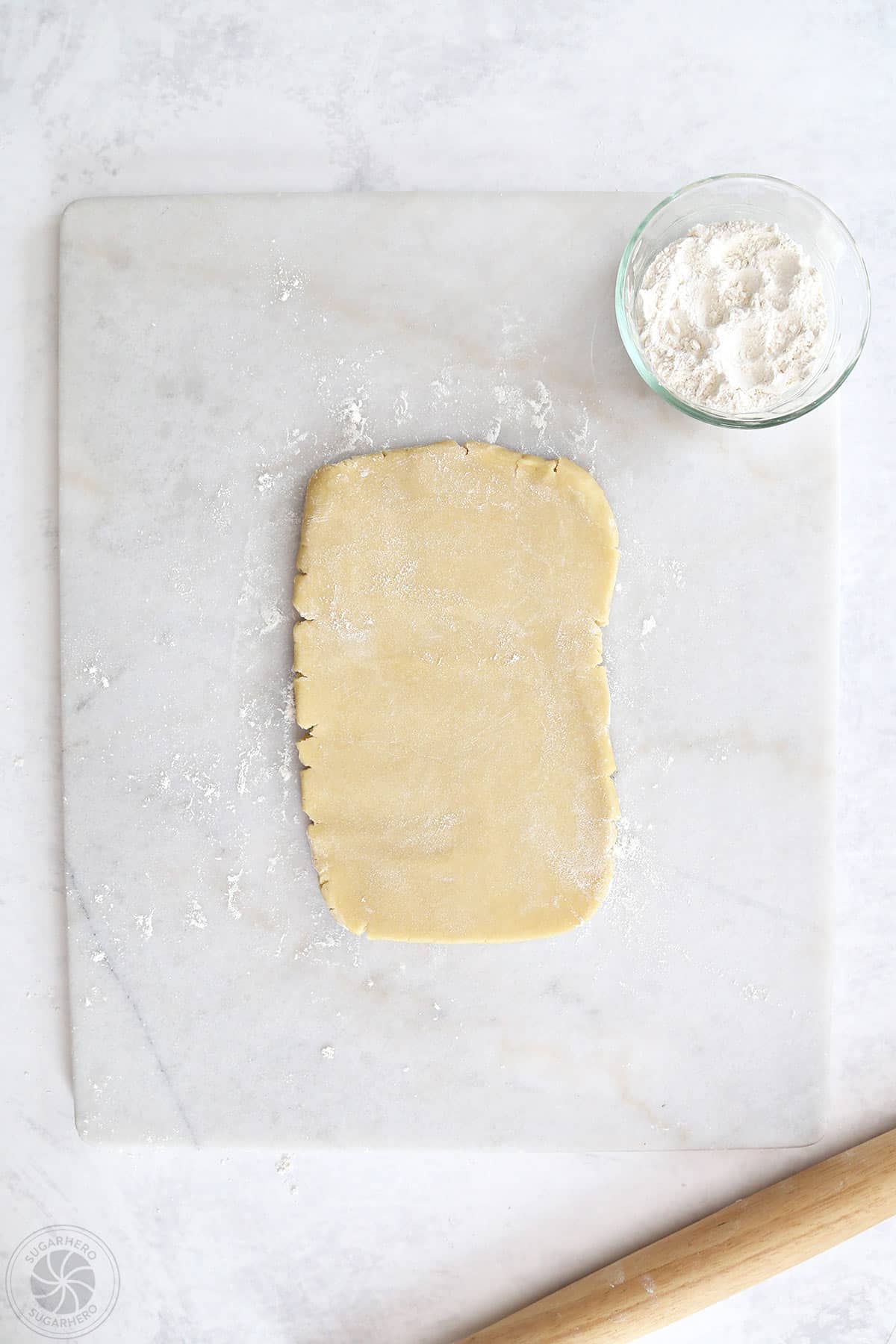
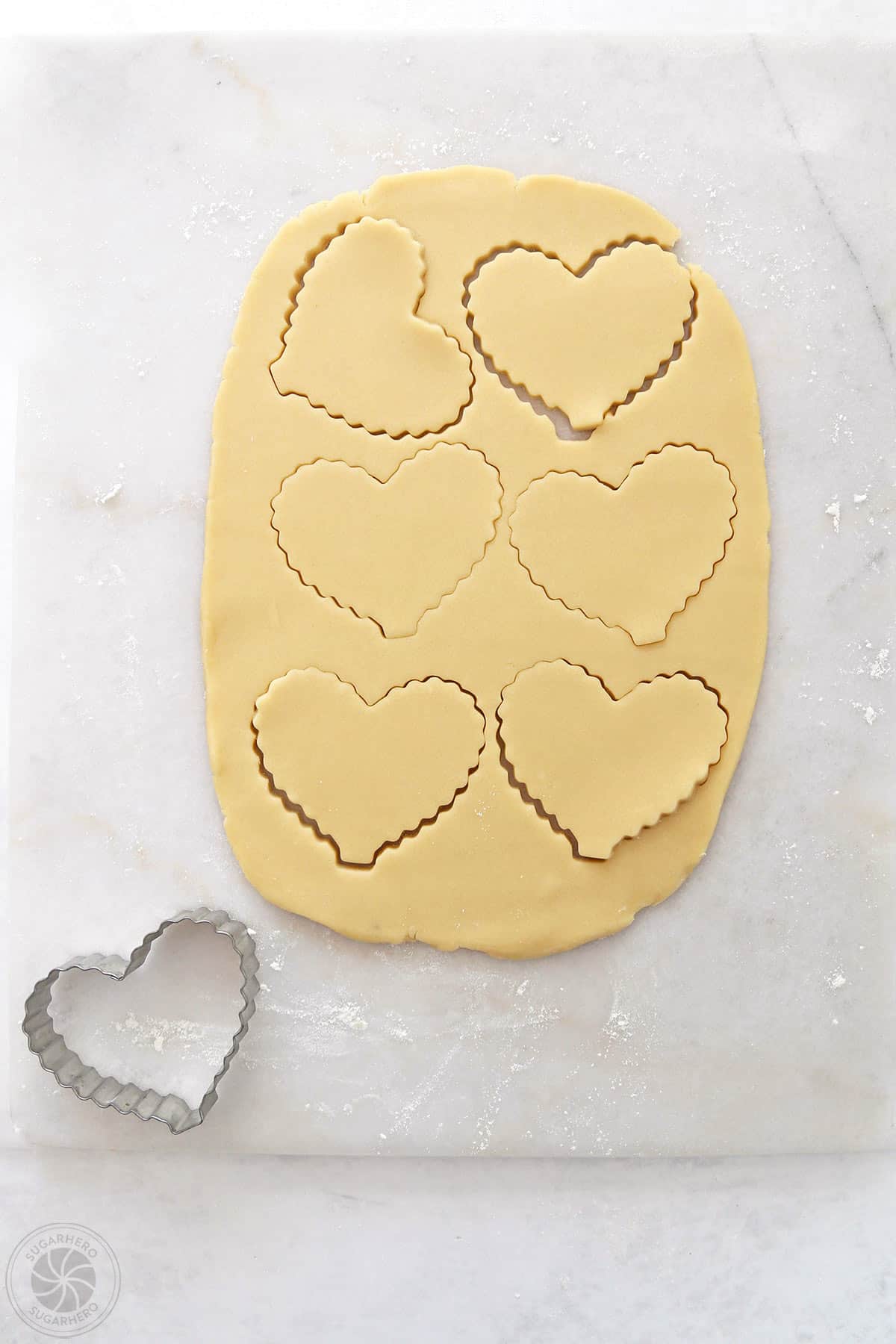
- Rolling and Cutting: Preheat your oven to the temperature specified in the recipe. Lightly flour a clean surface and your rolling pin. Roll out one disc of chilled dough to approximately 1/4-inch thickness. Use cookie cutters to create desired shapes. For a decorative effect, consider using cutters with inner designs or scalloped edges.
- Baking: Carefully transfer the cut-out cookies to baking sheets lined with parchment paper, leaving a small space between each cookie. Bake for the time indicated in the recipe, or until the edges are lightly golden brown.
- Cooling: Allow the cookies to cool on the baking sheet for a few minutes before transferring them to a wire rack to cool completely. This prevents them from breaking while still warm and soft.
Preparing the Stable Buttercream Frosting
- Creaming Butter: In a large bowl, beat the softened unsalted butter with an electric mixer until it is very pale and creamy. This can take several minutes and is key to a light frosting.
- Adding Powdered Sugar: Gradually add the powdered sugar, about one cup at a time, mixing on low speed until each addition is incorporated. Scrape down the sides of the bowl as needed.
- Achieving Smoothness: Once all the powdered sugar is added, increase the mixer speed to medium-high and beat for an additional 2-3 minutes until the frosting is light, fluffy, and smooth.
- Adjusting Consistency: If the frosting is too thick, add milk or cream, one teaspoon at a time, until the desired piping consistency is reached. If it’s too thin, add a little more powdered sugar. Stir in the vanilla extract and a pinch of salt to balance the sweetness.
- Coloring the Frosting: Divide the buttercream into separate bowls according to the number of colors you wish to use. Add food coloring to each bowl and mix until the color is uniform and vibrant. Gel or paste food colorings are recommended for intense shades without altering the frosting’s consistency.
The Art of Decoration
- Preparing Piping Bags: Fit piping bags with small star tips. Fill each bag with a different color of frosting. Twist the top of the bag to secure the frosting.
- Piping Techniques: Begin piping onto the cooled sugar cookies. Encourage an experimental approach, focusing on creating patterns with different colors and tip textures. Swirls, dots, lines, and rosettes are all excellent choices. Don’t be afraid to overlap colors or create abstract designs.
- Adding Finishing Touches: If desired, add sprinkles to the still-wet frosting for an extra layer of visual appeal and texture.
- Setting the Frosting: Allow the decorated cookies to sit at room temperature for at least 30 minutes to allow the frosting to set before storing or serving.
Nutritional Considerations and Yield
The recipe typically yields approximately 32 cookies, with variations depending on the size and type of cookie cutters used. A standard serving of these cookies (approximately 296 calories per cookie) provides a balanced macronutrient profile, including carbohydrates, protein, and fats. Key nutritional components include:

- Calories: Approximately 296 kcal
- Carbohydrates: Around 45g
- Protein: Approximately 2g
- Fat: Around 12g (with about 7g saturated fat)
- Sugar: Approximately 32g
It is important to note that these are estimated values and can vary based on ingredient brands and precise measurements. The recipe also provides detailed information on other vitamins and minerals.
Expert Tips for Enhanced Cookie Success
To further elevate the baking experience and ensure optimal results, several expert tips can be applied:
- Ingredient Temperature: Ensure butter and eggs are at room temperature for proper emulsification and texture.
- Dough Handling: Avoid overworking the dough, as this develops gluten and can lead to tough cookies. Chilling the dough adequately is paramount for preventing spread.
- Oven Calibration: Oven temperatures can vary. Using an oven thermometer can ensure accurate baking temperatures, crucial for achieving the desired crisp-tender texture.
- Cooling Thoroughly: Cookies must be completely cool before frosting to prevent the frosting from melting or sliding off.
- Frosting Consistency: The right frosting consistency is key for successful piping. If it’s too stiff, it will be difficult to pipe; if it’s too soft, it will spread and lose its shape.
- Color Vibrancy: For intensely colored frostings, especially red, consider using high-quality gel or paste food colorings. Some recipes suggest adding a small amount of cocoa powder to red frosting to help achieve a richer hue.
- Storage: Store decorated cookies in an airtight container at room temperature. They can typically be stored for up to a week.
Broader Implications and Accessibility
The development and popularization of recipes like this highlight a growing trend towards accessible gourmet baking. By breaking down complex techniques into manageable steps and providing clear visual aids, such recipes democratize culinary artistry. The emphasis on forgiving decorating methods encourages participation from a wider audience, fostering a sense of accomplishment and creativity in the home kitchen. This approach not only yields delicious treats but also cultivates valuable skills and a deeper appreciation for the craft of baking. The ability to create visually appealing and delicious cookies at home removes the barrier of professional equipment and specialized training, making sophisticated baking a more inclusive pursuit. The recipe’s detailed approach, from ingredient selection to final decoration, serves as an educational tool, empowering individuals to explore their culinary potential.