
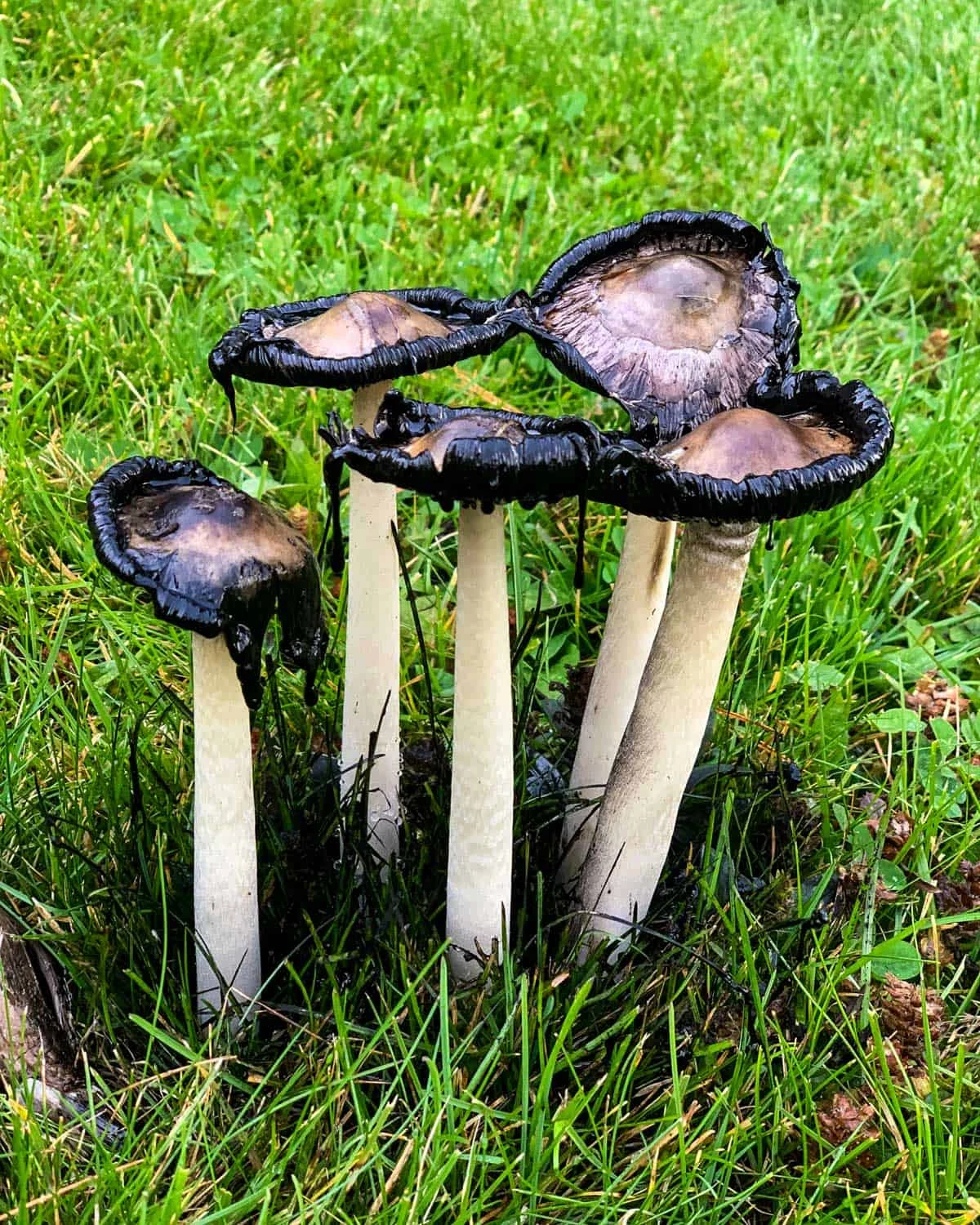
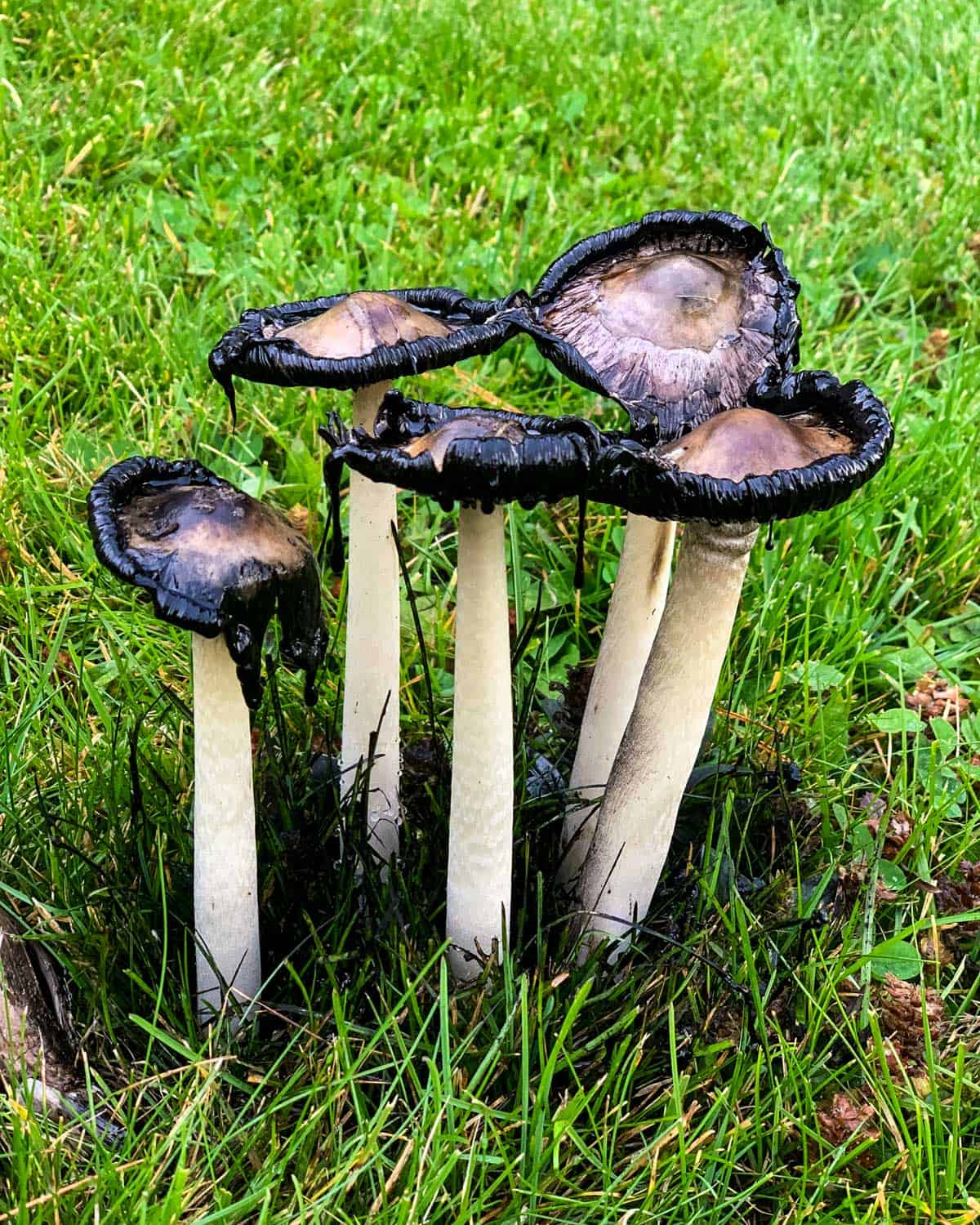
The Coprinus comatus, more commonly known as the Shaggy Mane, Lawyer’s Wig, or Shaggy Ink Cap, represents one of the most distinctive and biologically fascinating species within the fungal kingdom. Recognizable by its tall, cylindrical white cap covered in recessed, shaggy scales, the mushroom is a staple of autumnal foraging in the Northern Hemisphere. However, its appeal to mycologists and culinary enthusiasts alike is tempered by a unique biological process known as deliquescence, or autolysis, wherein the mushroom’s gills dissolve into a black, spore-laden ink within hours of reaching maturity or being harvested. This rapid transformation creates a narrow window for collection and consumption, necessitating a deep understanding of the species’ lifecycle, habitat, and look-alikes to ensure both safety and quality.
Botanical Profile and Taxonomic Classification
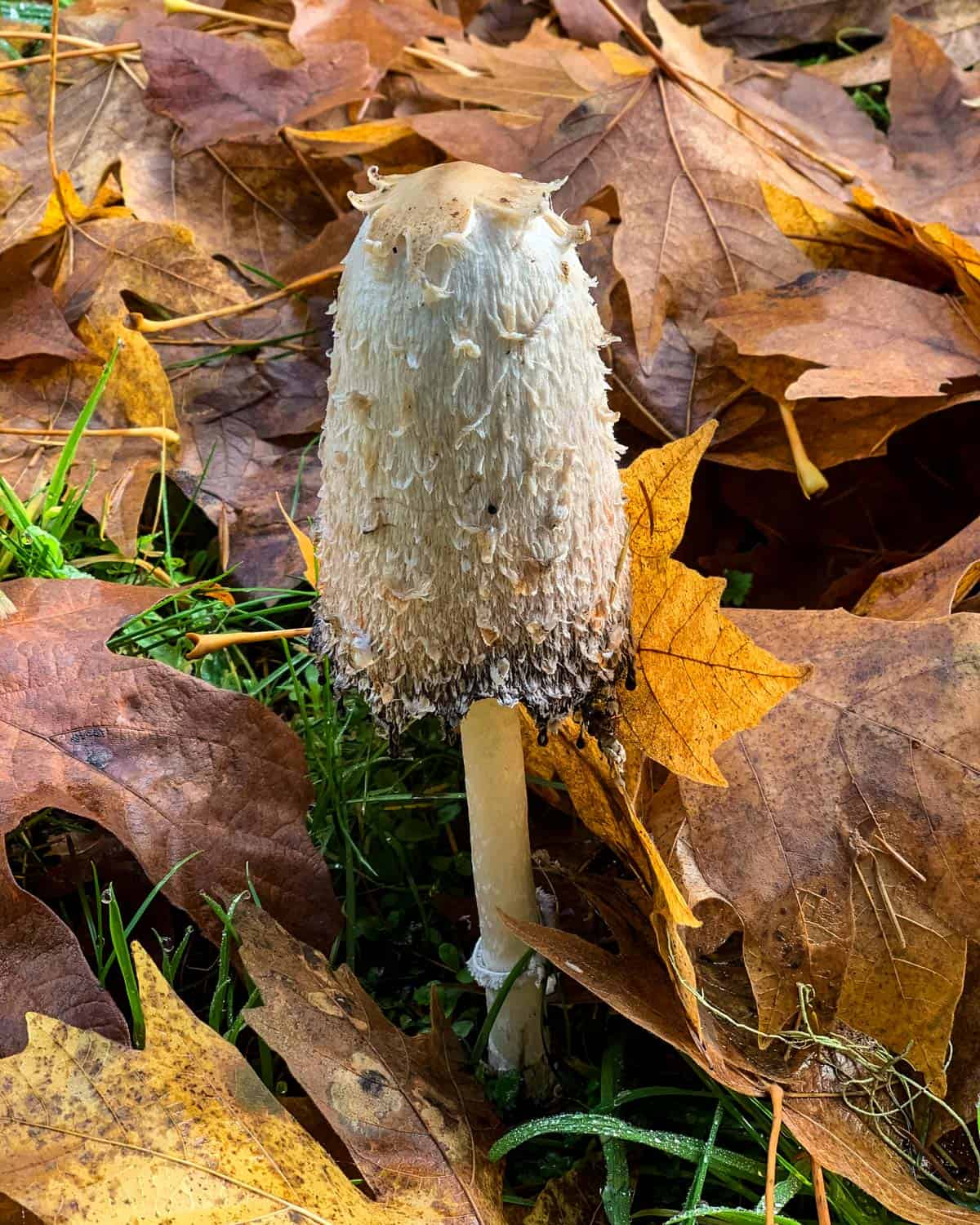
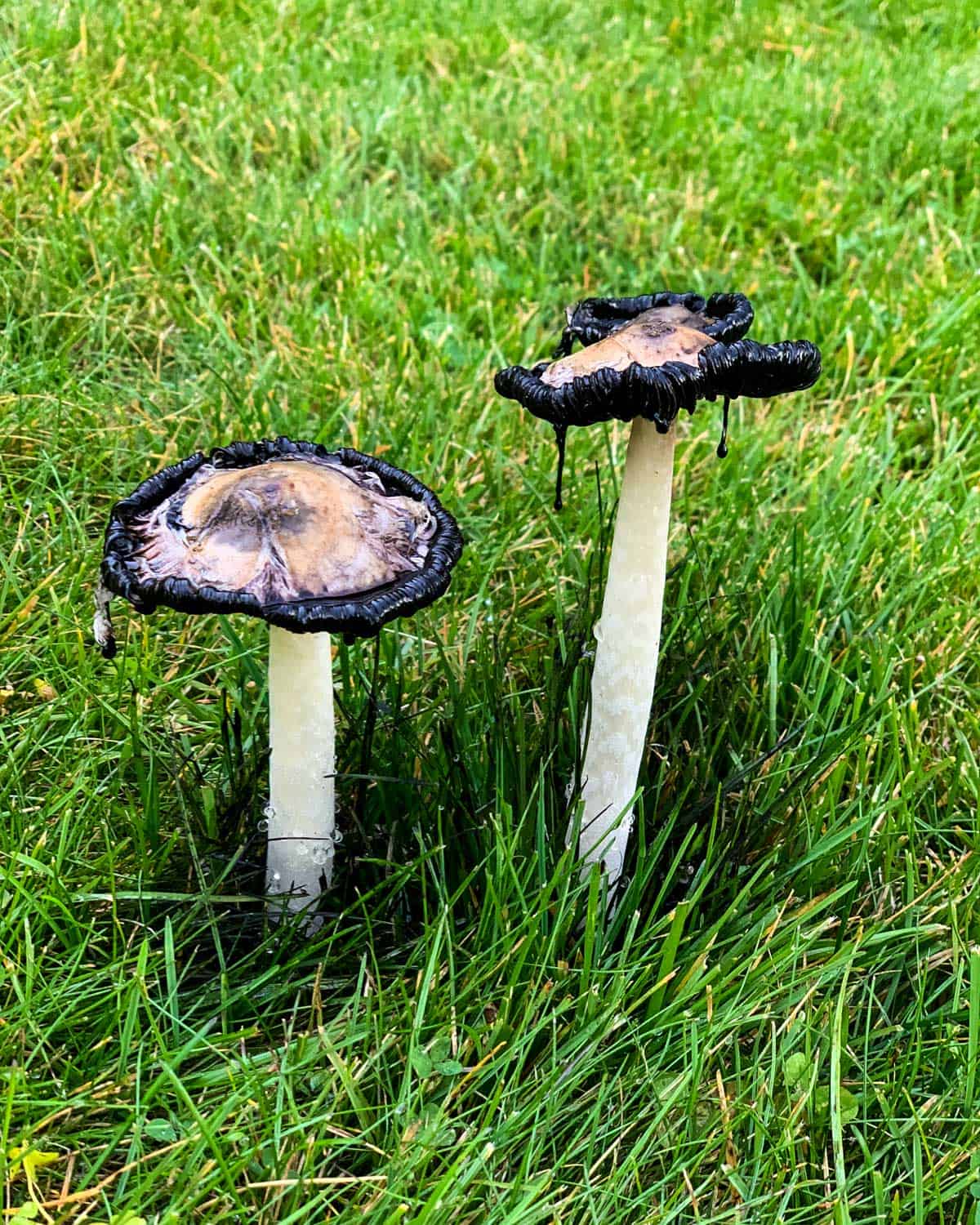
The Shaggy Mane belongs to the family Agaricaceae, though it was historically grouped with other ink caps in the family Coprinaceae. Taxonomically, it is the type species for the genus Coprinus. Unlike many other mushrooms that rely on wind to disperse spores from dry gills, Coprinus comatus utilizes a liquid medium. As the mushroom ages, its gills—initially crowded and white—begin to darken from the bottom up, turning pink and finally a deep, viscous black. This enzymatic self-digestion liquefies the cap, allowing the spores to be carried away in the dripping fluid or transported by insects attracted to the substance.
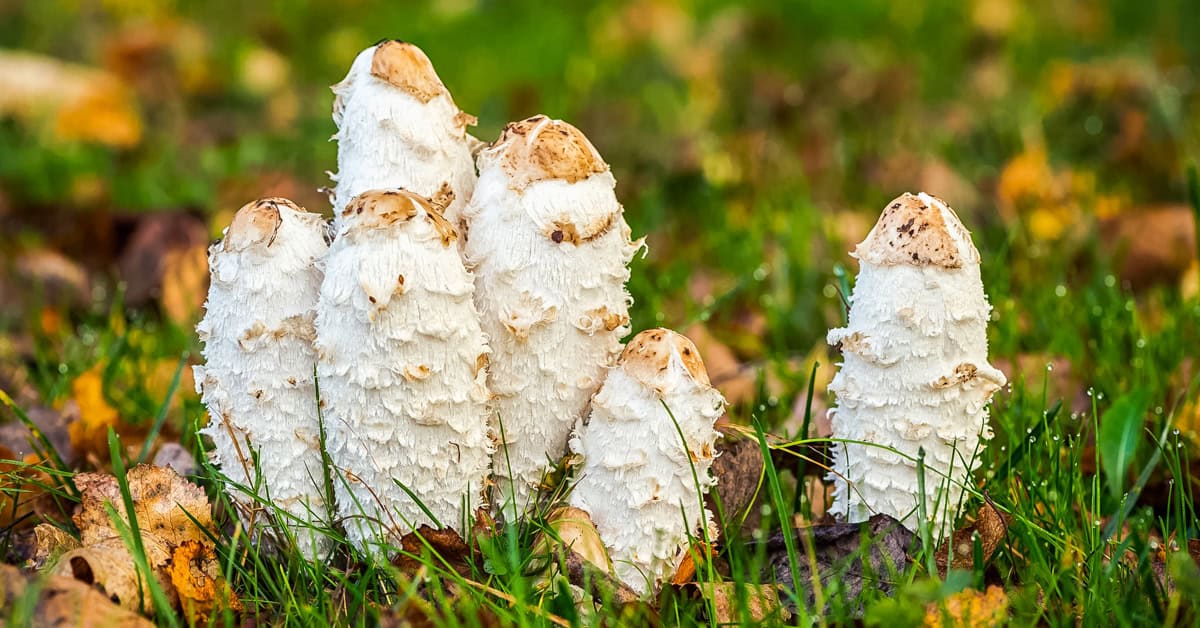
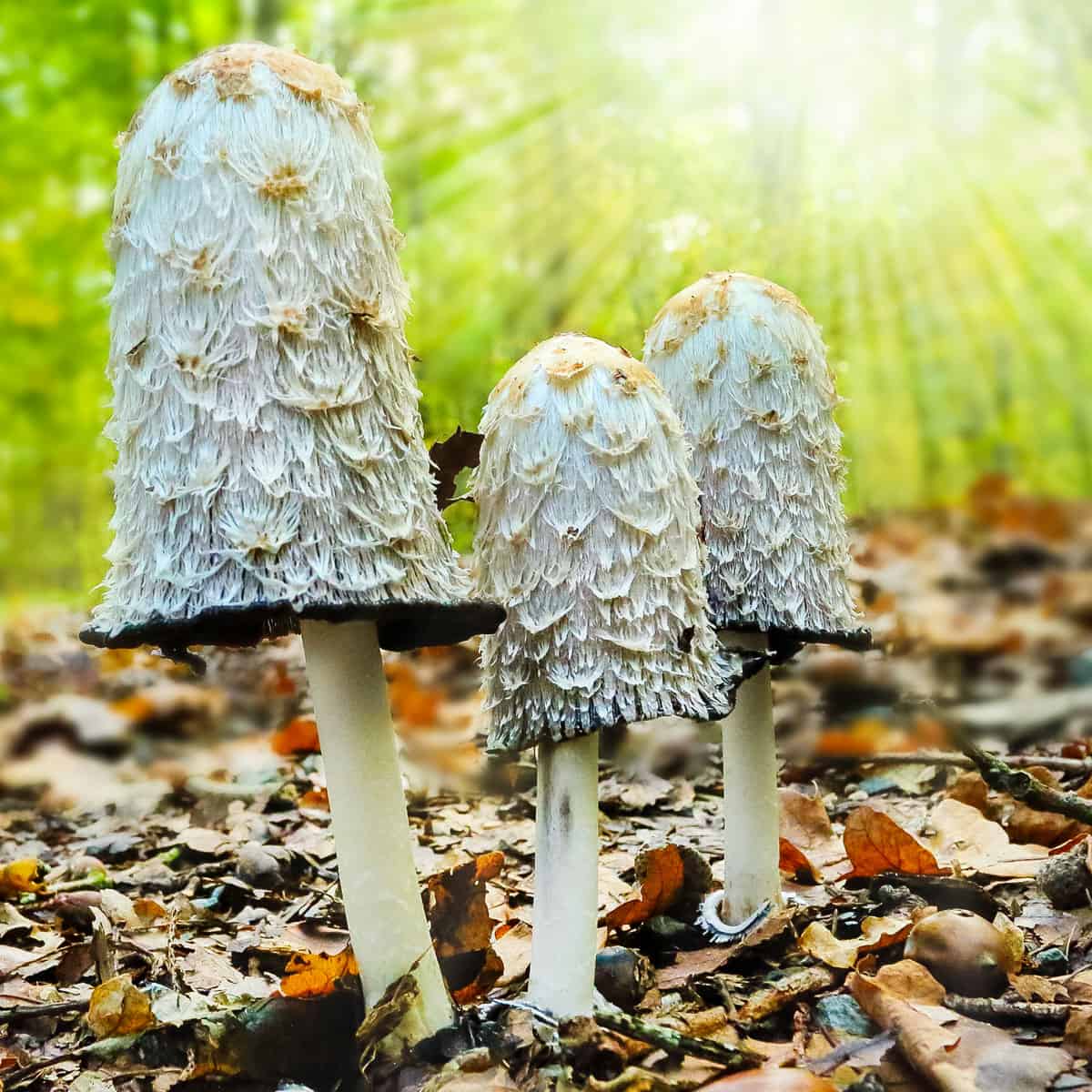
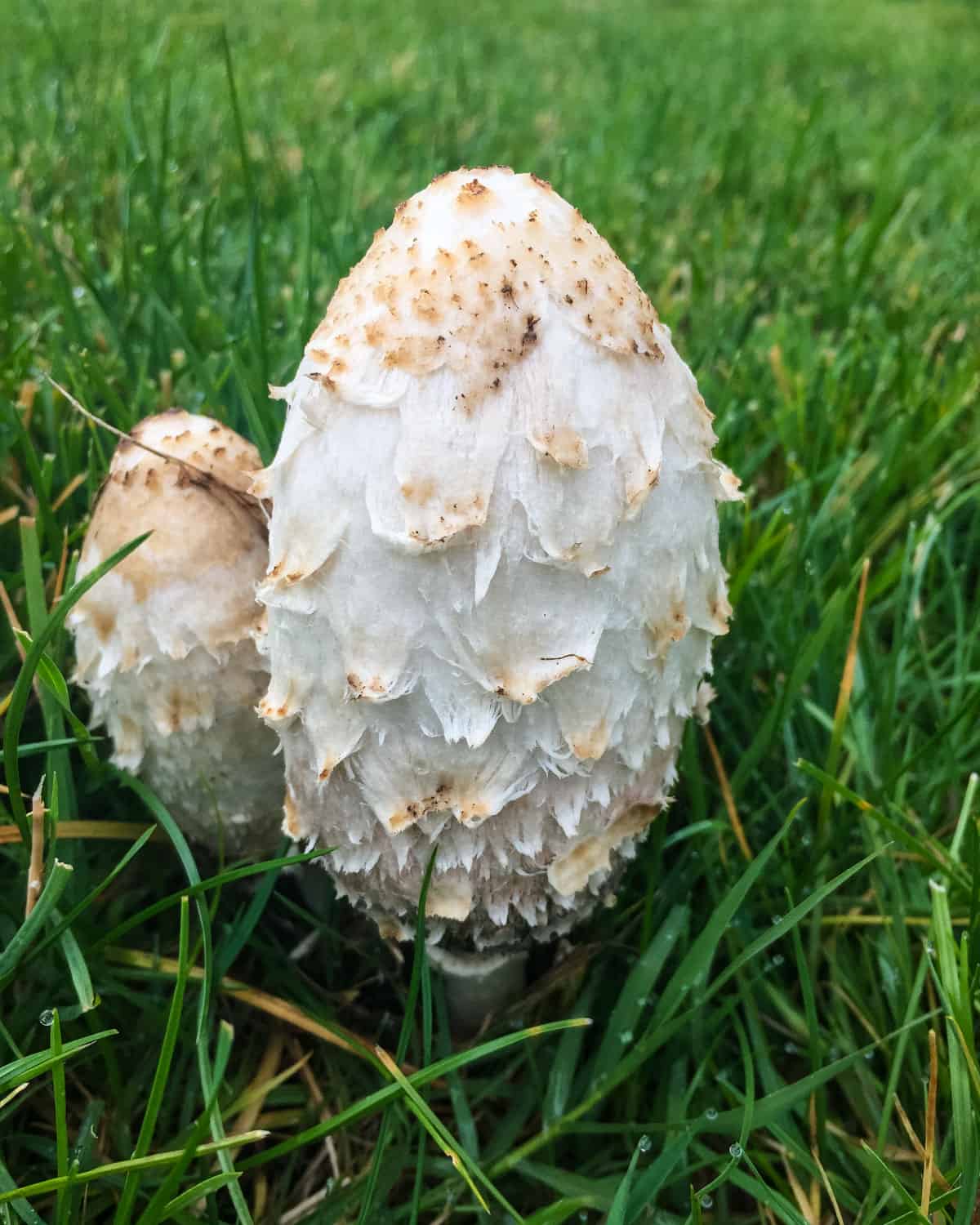
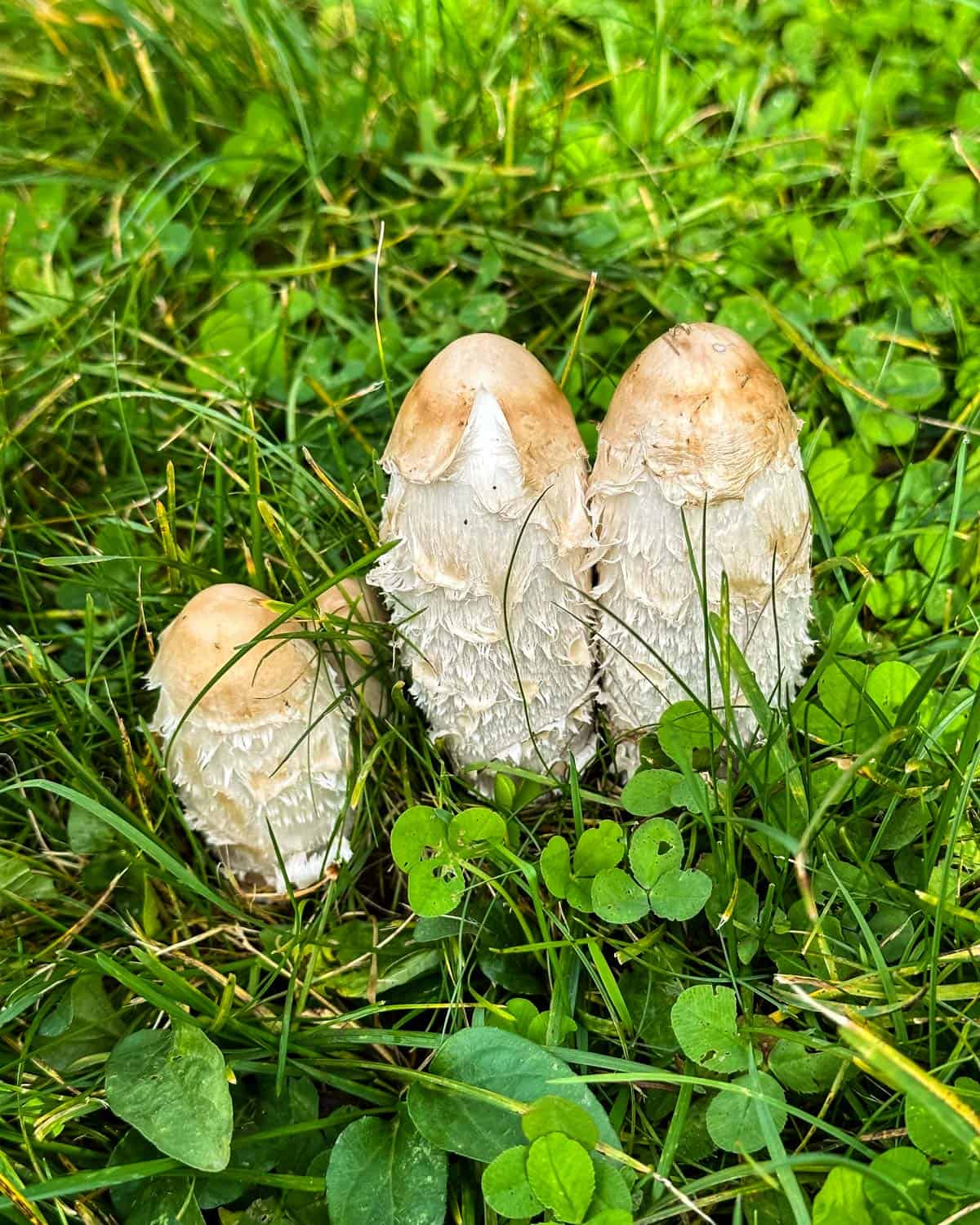
Physically, the Shaggy Mane is characterized by a cap that can reach up to 15 centimeters in height. In its youth, the cap is nearly cylindrical, eventually expanding to a bell shape. The "shaggy" appearance is caused by the cuticle breaking into large, upturned scales. The stem, or stipe, is hollow, white, and features a delicate, movable ring (annulus), which is a remnant of the partial veil. This ring often slides down the stem as the mushroom grows, serving as a primary identification marker.
Geographic Distribution and Seasonal Chronology
The Shaggy Mane is a cosmopolitan species with a broad geographic footprint that includes North America, Europe, Iceland, Australia, and New Zealand. While its appearance is most frequently associated with the late summer and autumn months—particularly in temperate regions like the northeastern United States and Canada—environmental variables can trigger growth during the spring and summer in specific microclimates.
In regions such as Vermont, the emergence of Shaggy Manes often coincides with the cooling temperatures of late October. This predictable phenology has earned the mushroom a reputation as a "Halloween fungus," appearing as ghostly white figures in the landscape. The chronology of a Shaggy Mane "bloom" is remarkably brief. From the moment the primordia (the initial fruiting body) breaks the soil surface, the mushroom may reach full maturity and begin its inky dissolution in as little as 24 to 48 hours. This rapid lifecycle is an evolutionary adaptation to disturbed environments where nutrient availability may be high but fleeting.
Habitat and Ecological Role
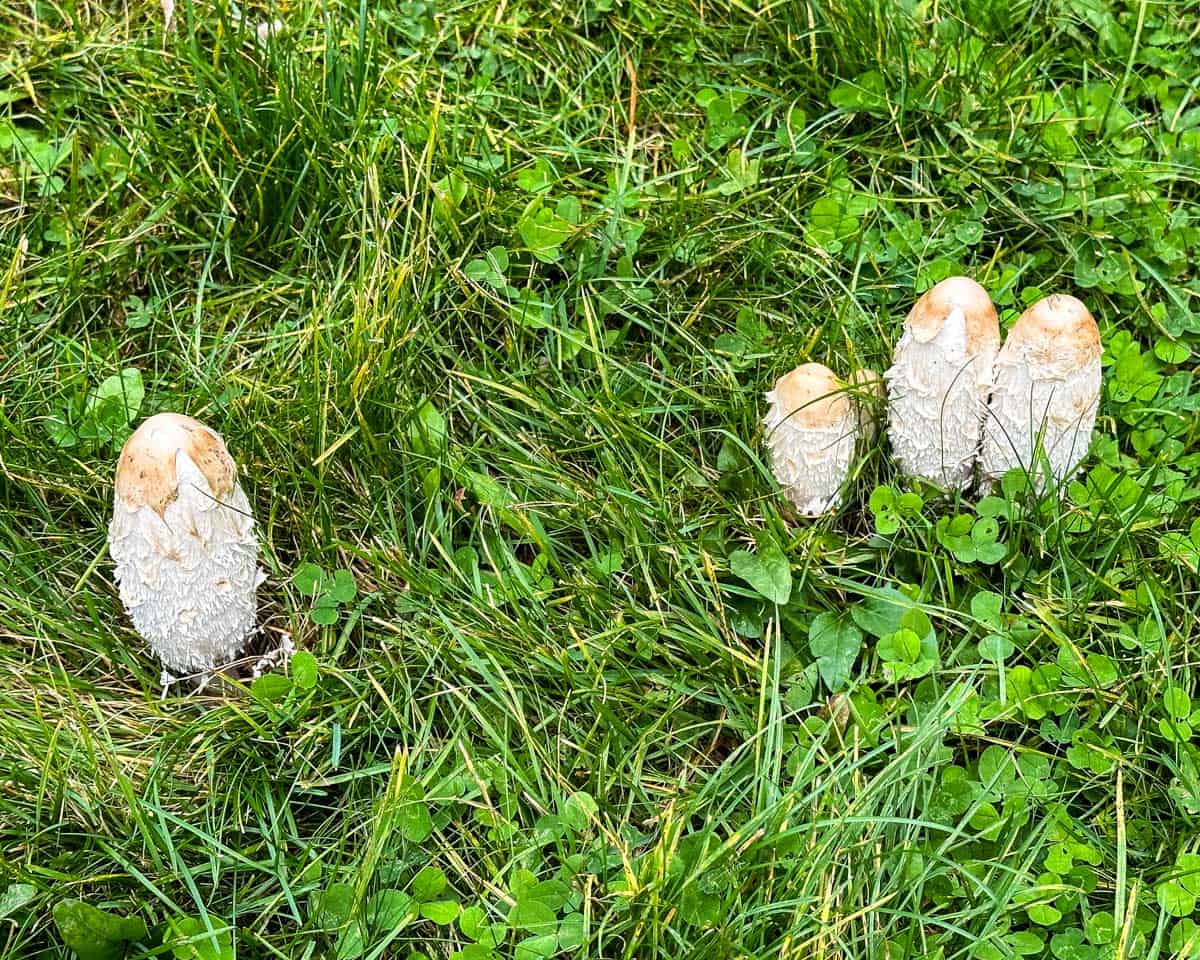
One of the defining characteristics of Coprinus comatus is its preference for disturbed soil. This includes lawns, meadows, grassy verges along roadsides, and compost heaps. They are frequently found in "fairy rings" or dense clusters, as the underlying mycelium spreads outward through the soil in search of organic matter.
Because they thrive in areas impacted by human activity, Shaggy Manes play a critical role in nutrient cycling, breaking down complex organic compounds in the soil. However, their proximity to roadsides presents a significant concern for foragers. Fungi are known bioaccumulators, and Shaggy Manes are particularly adept at absorbing heavy metals such as cadmium, mercury, and lead from contaminated soil or runoff. Public health officials and mycological societies strongly advise against harvesting specimens near high-traffic roadways or industrial sites due to the risk of chemical toxicity.
Identification and Differentiation from Toxic Look-Alikes
Foraging for wild mushrooms requires absolute certainty in identification. While the Shaggy Mane is considered a "beginner-friendly" mushroom due to its unique silhouette, it shares certain environments with species that can cause adverse reactions.
The Magpie Fungus (Coprinopsis picacea)
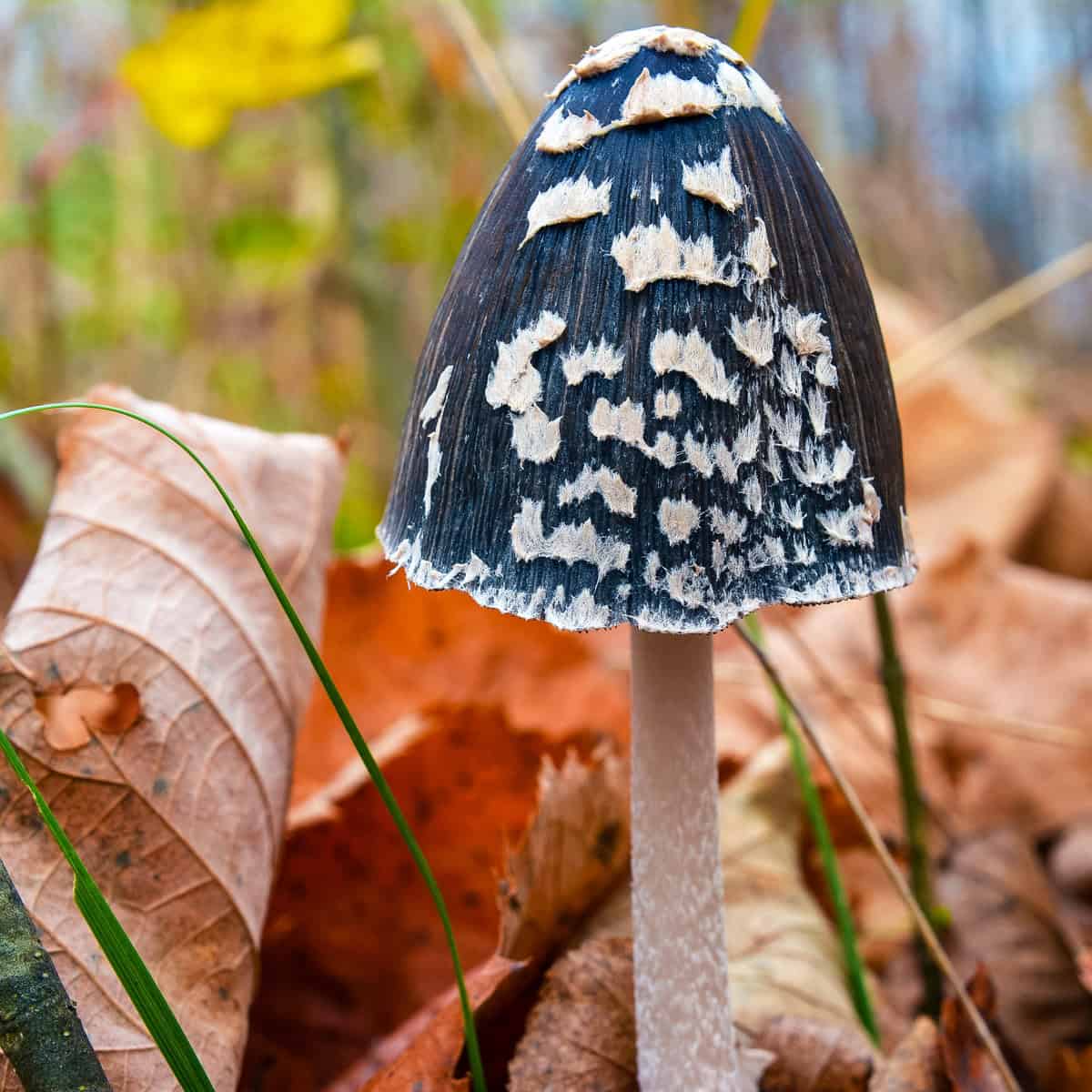
The Magpie Fungus is often mistaken for a Shaggy Mane during its early stages. However, it typically grows in woodland areas, particularly under beech trees, rather than in the open grassy areas preferred by C. comatus. The Magpie Fungus features a dark brown or black cap covered in white, patch-like veil remnants rather than upturned scales. Consuming this species can lead to significant gastrointestinal distress and is generally considered toxic.
Tippler’s Bane (Coprinopsis atramentaria)
Perhaps the most notable look-alike is Coprinopsis atramentaria, commonly known as the Common Ink Cap or Tippler’s Bane. While also edible under specific conditions, it contains a compound called coprine. When ingested with alcohol, coprine interferes with the body’s ability to metabolize acetaldehyde, leading to "Coprine Syndrome." Symptoms include intense flushing, palpitations, nausea, and vomiting, similar to the effects of the drug Disulfiram (Antabuse). This reaction can occur even if alcohol is consumed several days before or after eating the mushroom. Notably, the true Shaggy Mane (Coprinus comatus) does not contain coprine and is safe to consume alongside alcohol.
Nutritional Value and Culinary Application
From a nutritional standpoint, the Shaggy Mane is a valuable addition to a wild-food diet. It is low in calories but rich in protein, fiber, and essential minerals. Research indicates that the species contains significant levels of antioxidants and has been studied for its potential hypoglycemic effects in managing blood sugar levels.
In the kitchen, the Shaggy Mane is prized for its mild, earthy flavor and delicate texture. However, the requirement for immediate processing cannot be overstated. Once harvested, the autolysis process accelerates. To preserve the mushrooms for even a few hours, foragers often submerge them in cold water or store them in a refrigerator in a breathable container.
Culinary experts recommend cooking the mushrooms while the gills are still white. Popular preparations include:
- Sautéing: Cooking the mushrooms in butter or oil with garlic and herbs allows their delicate flavor to shine.
- Soups and Bisques: The high water content of the Shaggy Mane makes it an excellent base for creamy soups.
- Parmesan Crusting: Coating the cylindrical caps in breadcrumbs and cheese before frying provides a textural contrast to the soft interior.
If the mushrooms have already begun to turn inky, they remain edible, though they are often deemed unappetizing. In these instances, the black fluid can be utilized as a natural food coloring or incorporated into "ink butter." Historically, this ink was even used as a writing medium; it was sometimes mixed with small amounts of cloves or other preservatives to prevent spoilage and used for legal documents to prevent forgery, as the presence of spores could be verified under a microscope.
Expert Guidance and Safety Protocols
The North American Mycological Association (NAMA) and various state-level health departments emphasize a "safety-first" approach to foraging. Expert mycologists provide several key recommendations for those interested in Shaggy Manes:
- The Spore Print Test: While the Shaggy Mane’s ink is its own spore print, foragers can verify the identity of younger specimens by placing the cap on a piece of paper. The resulting print should be black.
- Physical Inspection: Ensure the ring on the stem is movable. If the ring is fixed or absent, the specimen may be a different species.
- Environmental Assessment: Always evaluate the harvest site for potential pollutants. Avoid lawns treated with chemical pesticides or herbicides.
- Small Portions: When trying any wild mushroom for the first time, consume a small, well-cooked portion and wait 24 hours to ensure no individual allergies or sensitivities exist.
Broader Implications for Mycology and Sustainability
The study of Coprinus comatus extends beyond the kitchen. In the field of bioremediation, researchers are investigating the ability of Shaggy Mane mycelium to break down environmental pollutants, including certain types of plastics and hydrocarbons. Its rapid growth and resilience in disturbed soils make it a candidate for soil restoration projects.
Furthermore, the rise in popularity of mushroom foraging reflects a broader societal shift toward "rewilding" and sustainable living. By engaging with seasonal species like the Shaggy Mane, individuals develop a heightened awareness of local ecosystems and the importance of biodiversity. As climate patterns shift, the timing and distribution of these fungal blooms may serve as indicators of environmental change, providing valuable data for mycological research.
In conclusion, the Shaggy Mane mushroom is a remarkable example of nature’s complexity and efficiency. From its "ghostly" appearance in autumn fields to its dramatic transformation into ink, it offers a unique intersection of biology, history, and gastronomy. For the informed forager, it represents a seasonal delicacy that rewards those who move as quickly as the mushroom itself.


