
The practice of food dehydration, one of the oldest forms of food preservation known to civilization, is seeing a significant resurgence among modern households seeking to reduce food waste and create shelf-stable, nutrient-dense snacks. While commonly associated with apples, bananas, and beef jerky, the application of dehydration techniques to high-moisture cucurbits—specifically the honeydew melon—offers a unique solution to the rapid spoilage rates of seasonal produce. Dehydrating honeydew melon (Cucumis melo inodorus) transforms a bulky, perishable fruit into a concentrated, leathery treat that retains its sweetness and a significant portion of its nutritional profile for up to one year.
The Evolution and Context of Melon Preservation
Historically, melons have been difficult to preserve due to their exceptionally high water content, which typically ranges between 90% and 92%. Unlike root vegetables or hardier fruits, melons succumb quickly to enzymatic browning and microbial decay once harvested and sliced. The modern movement toward "purposeful pantries," championed by food preservation experts like Darcy Baldwin, emphasizes the utilization of dehydration to extend the lifecycle of these fruits far beyond their traditional summer peak.
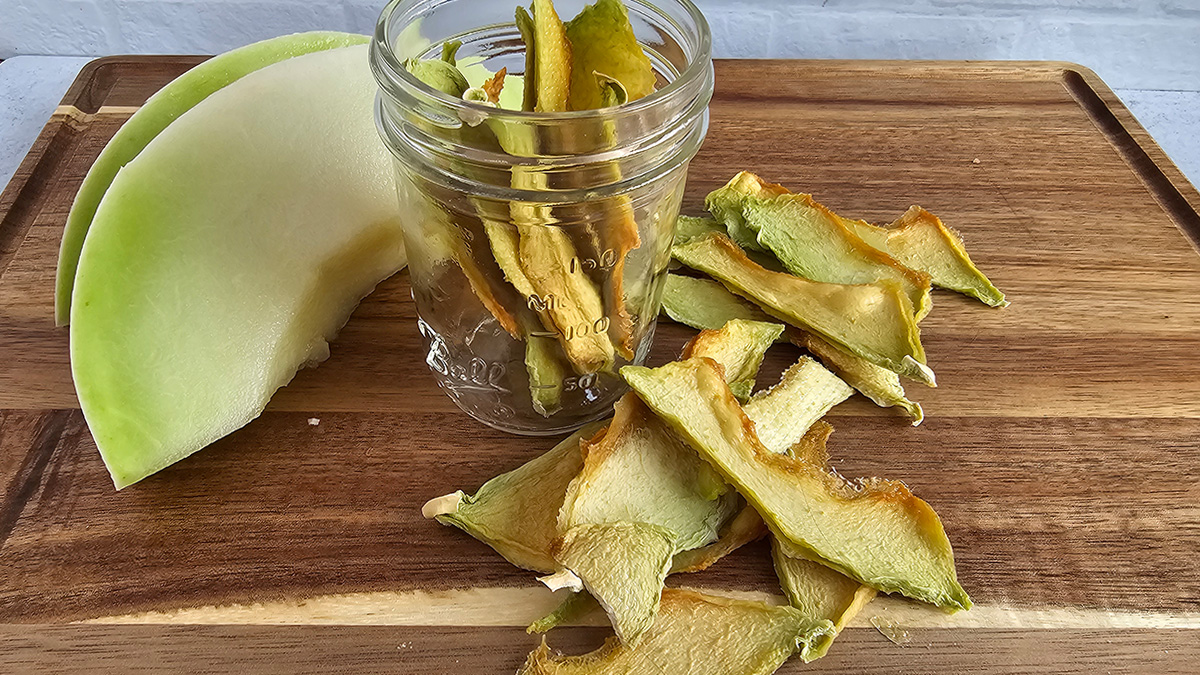
The shift toward home dehydration is supported by a growing consumer interest in clean-label snacks. Commercial dried fruits often contain sulfur dioxide to preserve color or added sugars and oils to enhance texture. By contrast, home-dehydrated honeydew relies solely on the fruit’s natural sugars, which undergo a mild concentration process during the 10-to-14-hour drying cycle. This method aligns with broader public health trends focusing on the reduction of processed additives in the daily diet.
Technical Specifications and Procedural Chronology
The process of successfully dehydrating honeydew melon requires strict adherence to temperature controls and preparation standards to ensure food safety and optimal texture.
Phase I: Selection and Preparation
The quality of the final product is directly proportional to the ripeness of the initial fruit. Expert guidelines suggest selecting honeydew that is heavy for its size with a slight waxy feel to the rind, indicating high sugar content.
- Sanitization: The exterior rind must be thoroughly washed to prevent the transfer of surface bacteria to the flesh during slicing.
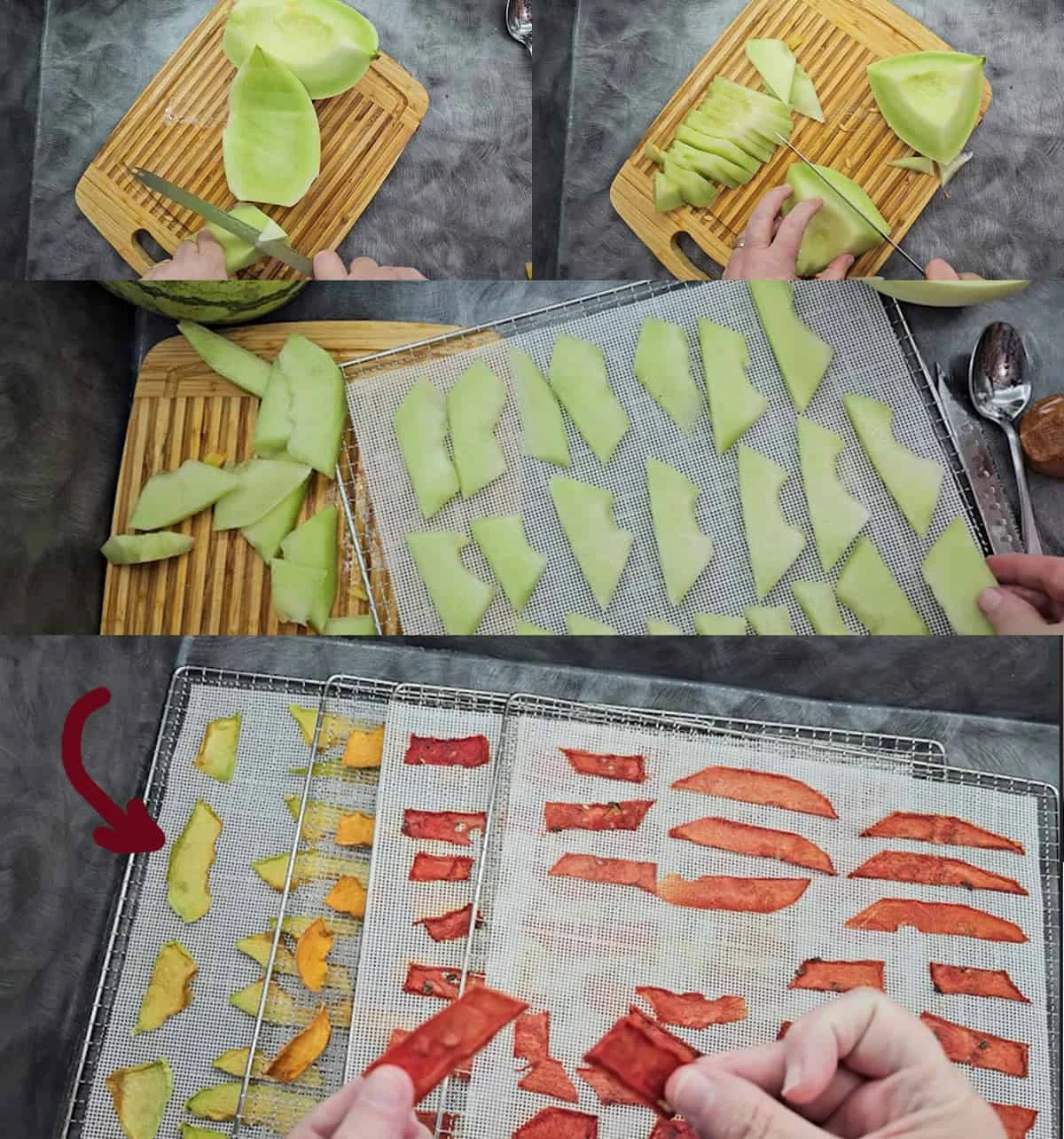
- Rinding and Seeding: The melon is halved, the seeds are extracted, and the green flesh is separated from the hard outer rind.
- Uniform Slicing: For consistent drying, slices must be uniform. A thickness of 1/4 inch (approximately 6 millimeters) is recommended. Slices that are too thick will retain a moist center, increasing the risk of mold, while slices that are too thin may become brittle and lose their desirable leathery texture.
Phase II: The Dehydration Cycle
Once prepared, the slices are arranged in a single layer on dehydrator trays, ensuring adequate airflow between pieces.
- Temperature Setting: The industry standard for drying most fruits, including honeydew, is 135°F (57°C). This temperature is high enough to inhibit microbial growth but low enough to prevent "case hardening," a phenomenon where the exterior of the fruit dries too quickly, trapping moisture inside and leading to eventual spoilage.
- Duration: The process typically spans 10 to 14 hours. Factors such as ambient humidity, the specific water content of the melon, and the efficiency of the dehydrator model can influence this timeframe.
- Testing for Doneness: The fruit is considered fully dehydrated when it reaches a "leathery" state. It should be pliable and slightly tacky but should not exude any moisture when pressed or torn.
Phase III: The Conditioning Process
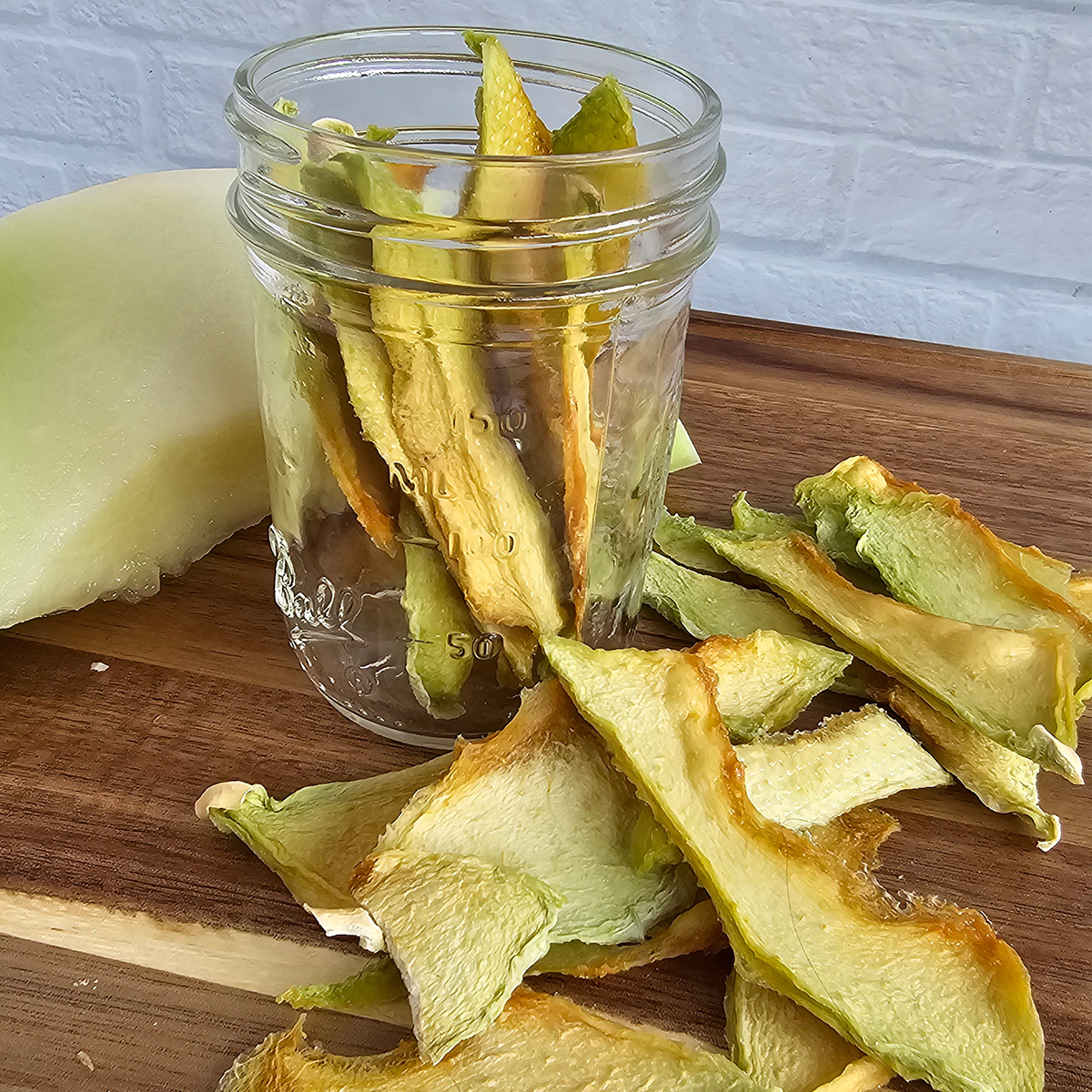
A critical, yet often overlooked, step in professional food dehydration is conditioning. After the fruit is removed from the dehydrator and cooled to room temperature, it must be placed in a clear, airtight container (such as a glass jar) for seven to ten days. During this period, the jar is shaken daily. If any condensation appears on the glass, the fruit is insufficiently dry and must be returned to the dehydrator. This phase ensures that any residual moisture is redistributed evenly among the pieces, preventing localized spoilage during long-term storage.
Nutritional Analysis and Data
Dehydration results in the concentration of nutrients, but also the concentration of caloric density. According to nutritional estimations, the process of removing water significantly alters the volume-to-nutrient ratio.
| Nutrient | Fresh Honeydew (1 Cup) | Dehydrated Honeydew (1/4 Cup) |
|---|---|---|
| Calories | ~60 kcal | ~60 kcal |
| Carbohydrates | 15g | 15g |
| Sugars | 14g | 14g |
| Potassium | 388mg | 388mg |
| Vitamin C | 30mg | ~20-25mg (some loss due to heat) |
Note: While minerals like potassium remain stable, heat-sensitive vitamins such as Vitamin C may see a reduction of 10-20% during the dehydration process.
From a dietary perspective, 1/4 cup of dried honeydew is nutritionally equivalent to one full cup of fresh fruit. This concentration makes it an efficient energy source for high-output activities such as hiking or athletic training, though consumers are cautioned to be mindful of the concentrated sugar content.
Alternative Methodology: Oven Dehydration
For households without specialized equipment, the use of a conventional oven is a viable alternative, though it requires closer monitoring.
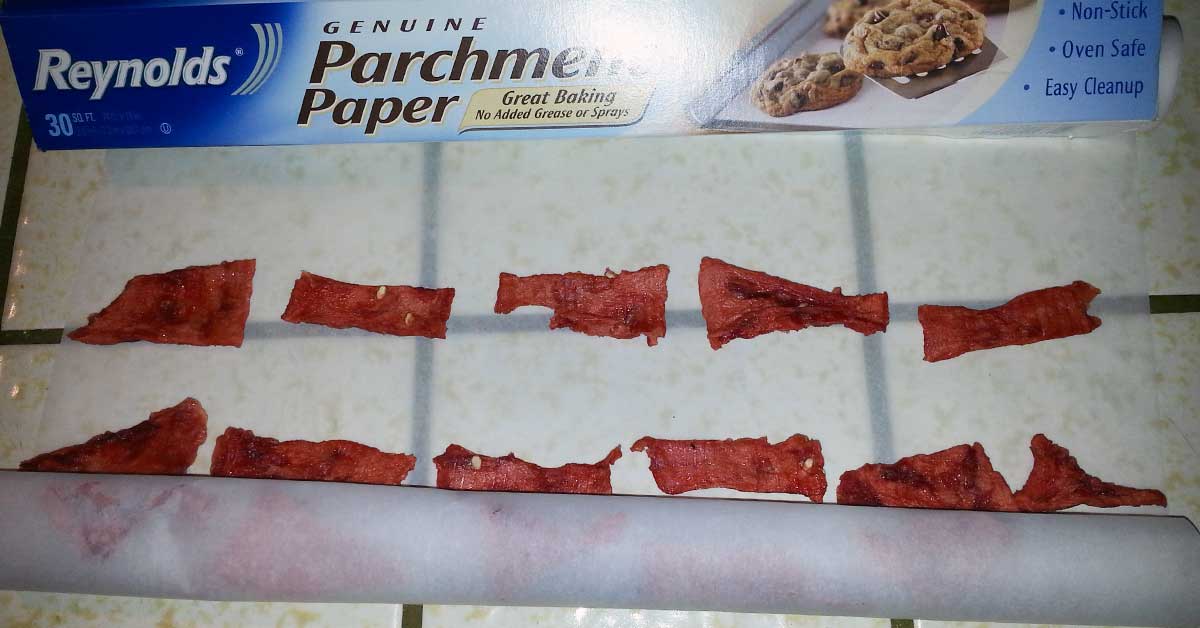
- Preparation: Trays should be lined with parchment paper or silicone mats to prevent sticking.
- Temperature Management: Ovens should be set to their lowest possible temperature, ideally 170°F (77°C) or lower.
- Ventilation: If the oven does not have a convection setting, the door should be slightly propped open (using a heat-resistant utensil) to allow moisture-laden air to escape.
- Safety Precautions: This method requires caution in households with small children or pets due to the extended period the oven door remains ajar.
Storage and Shelf-Life Optimization
The longevity of dehydrated honeydew is heavily dependent on its storage environment. Sugar-rich fruits are hygroscopic, meaning they naturally absorb moisture from the air.
- Airtight Containment: Glass jars with gaskets or vacuum-sealed bags are preferred.
- Environmental Factors: Containers should be stored in a cool, dark, and dry location. Exposure to light can degrade the nutritional quality and color of the fruit over time.
- Desiccants: The inclusion of food-grade silica gel packets (moisture absorbers) is recommended, particularly in regions with high relative humidity or if the storage container is frequently opened.
- Parchment Wrapping: To prevent pieces from sticking together due to natural sugars, they can be wrapped in individual strips of parchment paper, a technique often used for "watermelon taffy" and other dried melons.
Broader Impact and Economic Implications
The move toward home dehydration of melons like honeydew has significant implications for food waste reduction and household economics.
Reduction of Agricultural Waste
In the United States, it is estimated that approximately 30-40% of the food supply is wasted. Melons are a significant contributor to this statistic at the consumer level because of their large size; many households find it difficult to consume an entire honeydew before it reaches the point of over-ripeness. Dehydration provides a secondary "utility window," allowing consumers to process the remainder of a melon into a shelf-stable format rather than discarding it.

Economic Efficiency
Purchasing honeydew in peak season, when prices are at their lowest, and dehydrating it for winter consumption offers a cost-effective alternative to purchasing expensive, out-of-season fresh fruit or commercially processed snacks. The "Purposeful Pantry" model suggests that bulk preservation can reduce annual snack expenditures for families by as much as 25%, depending on local produce costs.
Versatility in Application
Beyond simple snacking, dehydrated honeydew serves as a versatile ingredient. It can be rehydrated for use in compotes, finely diced for inclusion in granola and baked goods, or pulverized into a fruit powder. This powder can then be used as a natural flavoring and coloring agent in yogurts, smoothies, and frostings, providing a gourmet application for what might otherwise have been kitchen scrap.
Conclusion
The dehydration of honeydew melon represents a intersection of traditional preservation wisdom and modern nutritional needs. By understanding the science of moisture removal, the necessity of the conditioning phase, and the requirements for airtight storage, individuals can effectively extend the bounty of summer throughout the year. As food security and waste reduction continue to dominate global culinary discourse, the role of home-based dehydration as a practical, accessible, and scientifically sound method of preservation is expected to grow, transforming the way contemporary kitchens manage seasonal perishables.


