
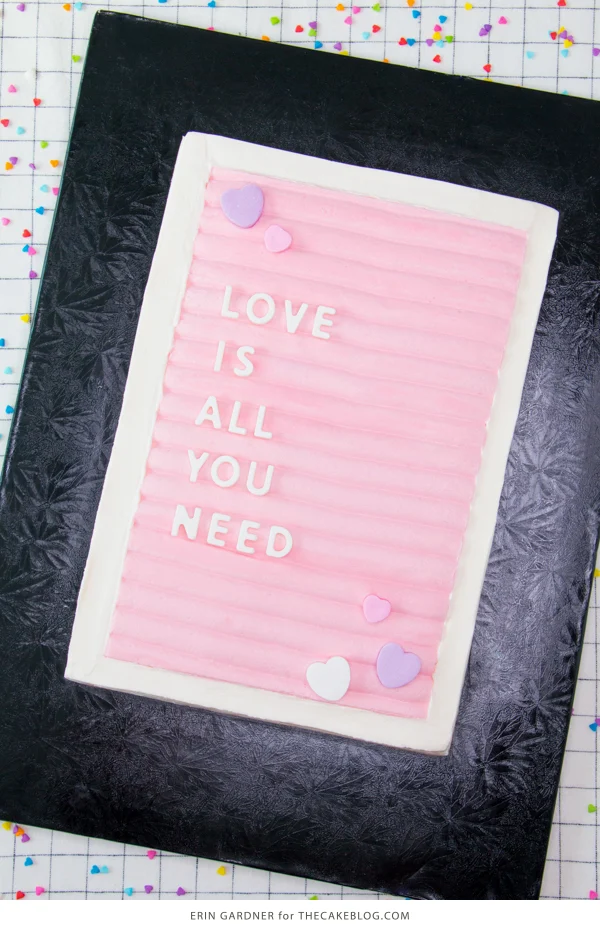
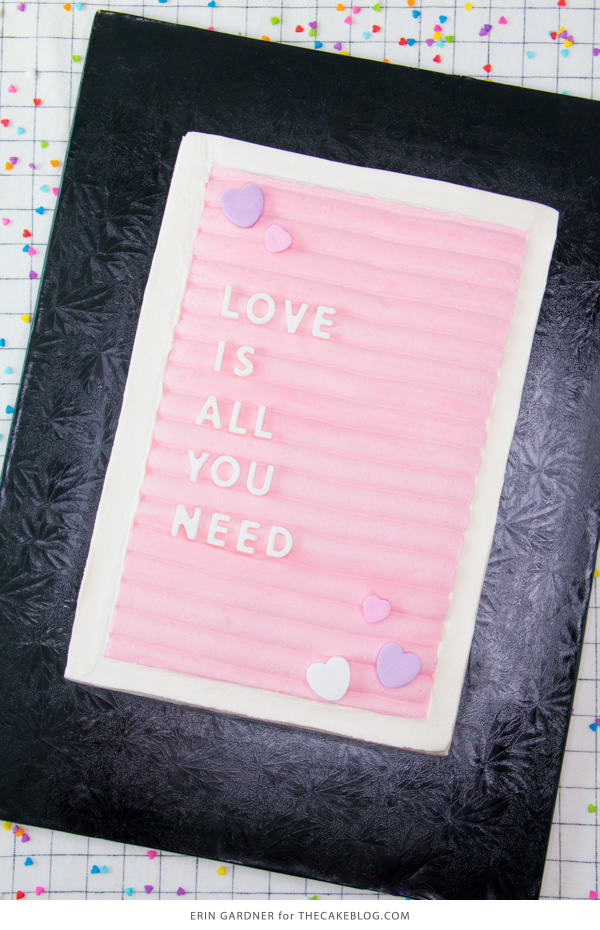
In a delightful fusion of culinary artistry and expressive messaging, cake decorator Erin Gardner has unveiled a unique "Message Board Sheet Cake" tutorial, offering a fresh and interactive way to convey sentiments through edible creations. This innovative design transforms a traditional sheet cake into a personalized canvas, reminiscent of classic message boards, allowing individuals to share thoughts, celebrations, or affections in a truly memorable fashion. The tutorial, featured on TheCakeBlog.com, emphasizes accessibility, demonstrating techniques that can be adapted with or without specialized decorating tools.
The concept behind the Message Board Sheet Cake is rooted in its versatility and inherent charm. Gardner highlights that the design transcends specific occasions, making it suitable for a wide range of events. From heartfelt declarations for Valentine’s Day to celebratory announcements for baby showers, gender reveals, or birthdays, the cake serves as a dynamic platform for custom messages. The ability to tailor colors and fonts further enhances its adaptability, allowing it to seamlessly integrate with any event’s theme or aesthetic. This adaptability is a key factor in its potential widespread appeal, offering a creative alternative to conventional greeting cards or digital messages.
Crafting the Message Board Aesthetic
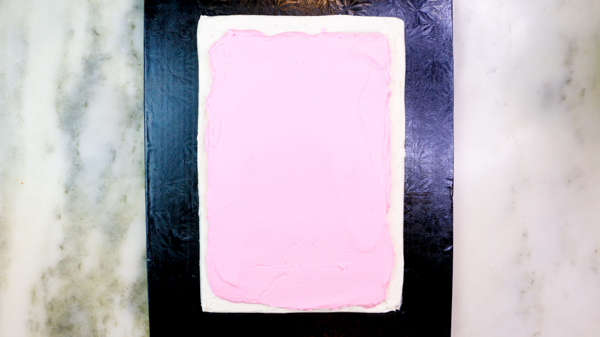
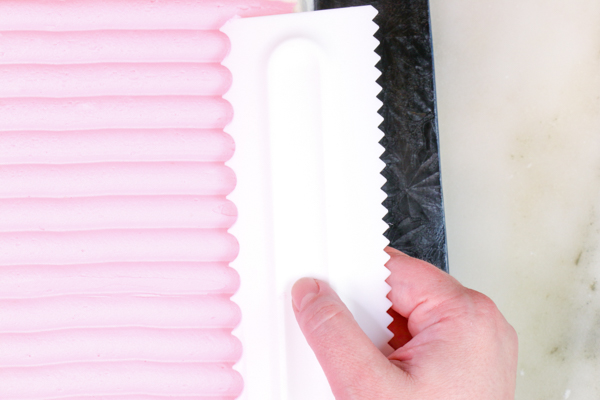
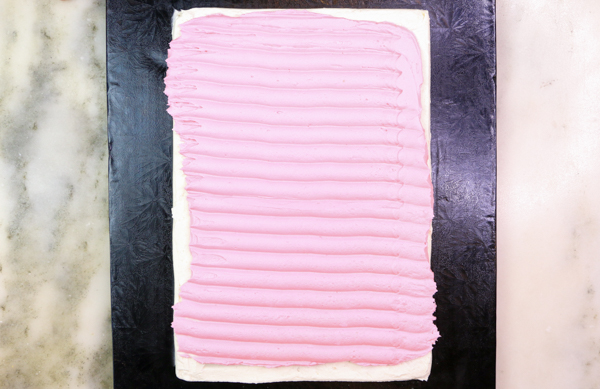
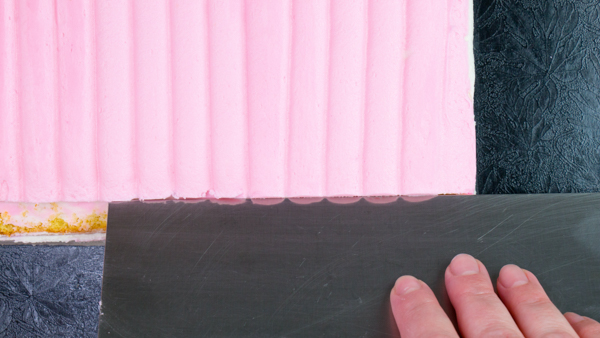
The tutorial meticulously breaks down the process of creating the cake’s signature message board appearance. The foundational step involves applying a generous, level layer of buttercream to the sheet cake. Gardner suggests a pale pink hue as a starting point, but emphasizes that any color can be chosen to match the desired theme. The distinct textured lines of the message board are achieved through two primary methods. For those with specific tools, a scalloped cake comb is employed, its unique edge dragged through the buttercream to create parallel grooves. The comb is deliberately overlapped with previous lines, mimicking the visual effect of a physical message board.
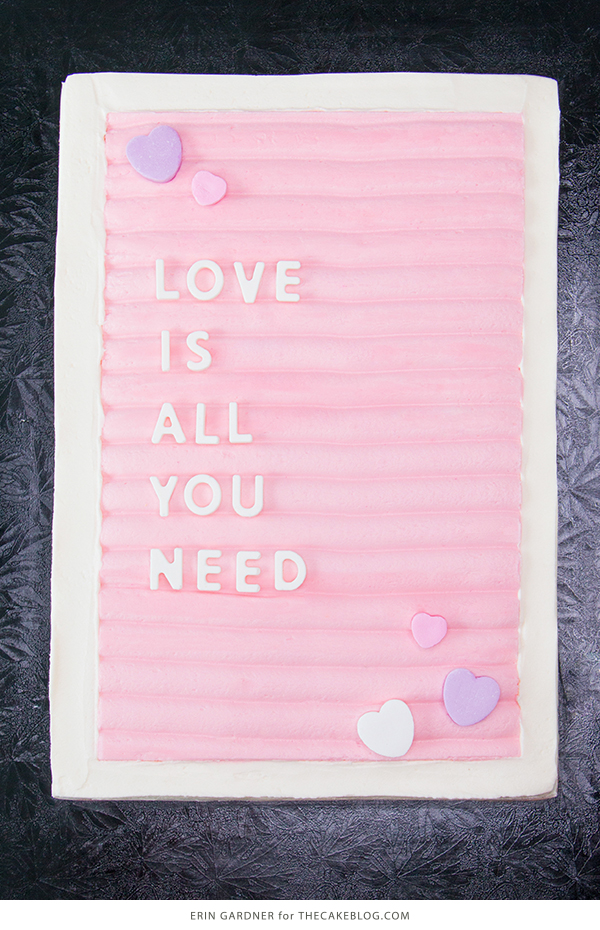
Alternatively, for decorators without specialized tools, a piping bag fitted with a large round tip offers a viable solution. This method involves piping straight lines across the cake, replicating the texture of the message board. Gardner notes that this approach may require approximately twice the amount of buttercream compared to using a comb, a practical consideration for bakers planning their ingredient quantities.
Following the creation of the textured surface, a critical step involves defining the cake’s "message area." This is achieved by using a bench scraper dipped in warm water. The long edge of the scraper is drawn along the cake’s perimeter, creating a clean, approximately one-inch border. Excess frosting is then carefully removed with a small icing spatula, ensuring a neat finish.
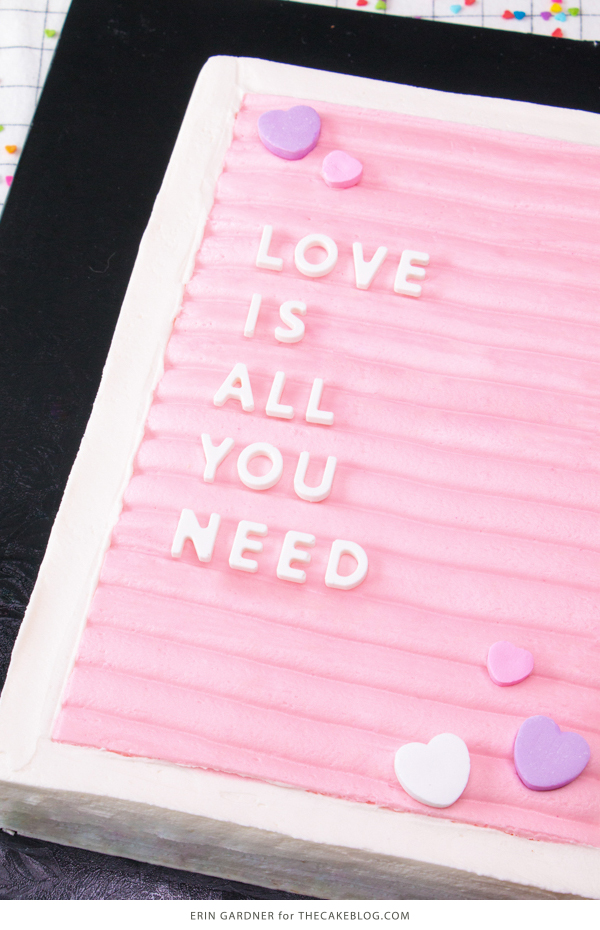
The final stage of creating the message board effect involves embellishing this defined border. A piping bag equipped with a basketweave tip is filled with plain buttercream. The tip is held with its smooth side facing upwards, and buttercream is piped to fill the cake’s border, recreating the classic framed look of a message board. A small icing spatula is then used to flatten these piped edges, achieving a polished and cohesive presentation. This detailed approach ensures that the visual resemblance to a traditional message board is striking and authentic.
Personalized Messages Through Edible Letters
A core element of the Message Board Sheet Cake is the creation of custom edible letters, allowing for personalized messages. Gardner outlines a method for crafting these letters using white chocolate. The white chocolate is melted and transferred into a small piping bag or a paper cone. This allows for precise application into letter molds. The tutorial advises filling only a few letters at a time to prevent the chocolate from setting too quickly.
To ensure the letters are smooth and free of air bubbles, the mold is gently shaken and tapped against the work surface. Excess chocolate is then scraped away with a knife or icing spatula. For optimal results, the chocolate letters are allowed to firm up at room temperature. Alternatively, the mold can be chilled in the refrigerator to expedite the setting process.
For those who do not possess letter molds, Gardner provides an ingenious workaround. A message can be printed or handwritten on a piece of paper. This paper is then covered with parchment paper, which is taped down securely. The letters are then traced onto the parchment paper using the piped white chocolate. This method effectively democratizes the creation of personalized messages, making the design accessible to a broader audience.
Assembling and Finalizing the Masterpiece
The culmination of the tutorial involves assembling the cake and arranging the personalized message. Once the chocolate letters are firm, they are carefully un-molded or lifted from the parchment paper. To ensure optimal placement and avoid miscalculations, it is recommended to arrange the letters on a separate piece of parchment paper first, planning the layout and message.
When transferring the message to the cake, Gardner advises counting the number of ridges on the cake’s surface. This serves as a guide for placement, suggesting that decorators begin from the center and work outwards. This strategy helps to prevent running out of space or having to reposition letters once they are in place, which can be challenging with delicate chocolate elements.
Should a decorator wish to alter the message after the letters have been placed, Gardner offers a practical solution. The cake can be briefly refrigerated to firm up the buttercream. This allows for the careful removal of the letters using the tip of a small knife. The design can then be reconfigured with new letters or a revised message.
The finishing touch to this delightful creation involves adding a few favorite heart-shaped candies, further enhancing its visual appeal and thematic relevance, especially for occasions like Valentine’s Day. This final embellishment adds a touch of sweetness and personality, rounding off the cake’s design.
Broader Implications and Culinary Trends
The Message Board Sheet Cake by Erin Gardner taps into a growing trend of interactive and personalized culinary experiences. In an era where customization and unique expression are highly valued, edible art that allows for direct communication resonates strongly with consumers. The cake’s design, with its nostalgic nod to physical message boards, also appeals to a sense of sentimentality and playfulness.
The accessibility of the techniques, with options for both specialized tools and common household items, suggests a move towards more inclusive cake decorating. This approach empowers amateur bakers and enthusiasts to achieve professional-looking results, fostering creativity and engagement within the home baking community. Furthermore, the tutorial’s emphasis on adaptability for various occasions points to its potential as a go-to design for event planners and home hosts seeking memorable and customizable dessert options.
The implications of such designs extend beyond individual celebrations. They contribute to the evolving landscape of the food industry, where innovation in presentation and customer engagement is paramount. As consumers increasingly seek experiences that are both aesthetically pleasing and personally meaningful, the Message Board Sheet Cake exemplifies how baked goods can serve as more than just a dessert; they can become a medium for connection and storytelling. The success of such tutorials also highlights the influential role of online platforms like TheCakeBlog.com in disseminating creative ideas and fostering a global community of bakers. The continued exploration of such interactive cake designs is likely to inspire further innovation in edible art, pushing the boundaries of what is possible in cake decorating.


