
Cheese, in its myriad forms, holds an almost universal appeal, transforming ordinary dishes into extraordinary culinary experiences. Whether it’s the gooey embrace of grated mozzarella melting atop a pizza, the sharp tang of Monterey Jack enhancing a burger, or a delicate sprinkle elevating a salad, this dairy staple is a cornerstone of global cuisine. However, the joy of incorporating cheese into meals often collides with a less appealing reality: the arduous task of cleaning the grater. This seemingly trivial chore carries significant implications for kitchen hygiene and overall household health, a challenge increasingly addressed by innovations in kitchen technology, particularly the advanced pull-down kitchen faucet.
The Overlooked Challenge of Grater Hygiene: A Hidden Health Risk
The intricate design of a cheese grater, with its myriad sharp perforations, is perfectly engineered to create those desirable shreds and flakes. Paradoxically, these very features make it a formidable adversary in the realm of kitchen cleanup. Soft, greasy cheese particles easily become lodged within the tiny grooves, resisting conventional washing methods. This isn’t merely an aesthetic nuisance; it’s a critical hygiene concern. Food residues, especially dairy products, provide an ideal breeding ground for bacteria such as Listeria monocytogenes, Salmonella, and Escherichia coli. According to the Centers for Disease Control and Prevention (CDC), foodborne illnesses affect approximately 48 million Americans annually, leading to 128,000 hospitalizations and 3,000 deaths. While not every case can be traced to a dirty grater, improperly cleaned kitchen tools are a well-documented vector for cross-contamination, posing a tangible risk to family health.
The immediate impulse to scrub a cheese-laden grater with a sponge can often exacerbate the problem, pushing particles deeper into the crevices or, worse, damaging the sponge and leaving fibers behind. The focus often remains on immediate visual cleanliness, overlooking the microscopic contaminants that can linger. Persistent food buildup not only compromises the hygiene of subsequent meals but can also accelerate the degradation of the grater itself, diminishing its effectiveness and lifespan. Allergies and upset stomachs are common, albeit often misattributed, consequences of consuming food prepared with contaminated utensils. This underscores the necessity for effective, reliable cleaning solutions that move beyond traditional, often insufficient, methods.
Evolution of Kitchen Tools and Cleaning Practices
Historically, kitchen tools were simpler, and cleaning often involved rudimentary methods like scraping and boiling. As culinary practices evolved and kitchen implements became more specialized – from early, crude graters to the modern stainless steel varieties – the challenges of maintaining hygiene also increased. For centuries, the primary method for cleaning consisted of manual scrubbing with brushes or abrasive materials, often requiring considerable effort and time. The advent of running water in homes was a monumental step, but even then, the force and directionality of water were limited by fixed faucets.
The late 20th and early 21st centuries have witnessed a paradigm shift in kitchen design and functionality. Kitchens are no longer merely utilitarian spaces but central hubs for family life, demanding efficiency, aesthetics, and superior hygiene. This demand has driven innovation in appliances, including the humble kitchen faucet. What was once a simple tap has evolved into a sophisticated tool, designed to enhance both the cooking and cleaning experience. The pull-down faucet, a relatively recent but rapidly adopted innovation, stands out as a direct response to these evolving needs, offering unparalleled flexibility and cleaning power.
The Pull-Down Faucet: A Modern Solution to Ancient Problems
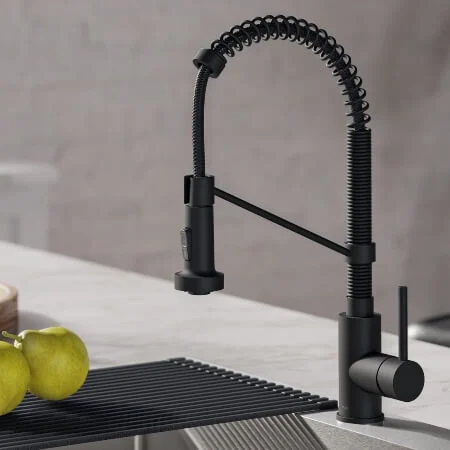
The emergence of kitchen faucets equipped with integrated sprayers, particularly the pull-down variety, represents a significant leap forward in addressing persistent cleaning dilemmas. Unlike traditional fixed faucets, pull-down models feature a spray head that can be detached from its docking arm and extended into the sink, offering exceptional reach and maneuverability. This design allows for targeted water application, a crucial advantage when tackling intricate items like cheese graters.
The forceful spray setting, a common feature in most modern pull-down faucets, is specifically engineered to dislodge stubborn food particles. The high-pressure stream acts as a precision cleaning tool, effectively blasting away grease and cheese residues from the grater’s tiny holes. This capability minimizes the need for aggressive scrubbing, which not only saves effort but also reduces the risk of cuts and injuries from the grater’s sharp edges. Industry data indicates a steady increase in the adoption of pull-down faucets, with market analysts projecting continued growth due to their perceived value in convenience and hygiene. A 2022 survey by the National Kitchen and Bath Association (NKBA) highlighted that flexibility and ease of cleaning were among the top priorities for consumers selecting kitchen fixtures.

Optimizing Grater Cleaning with Your Pull-Down Faucet
While the pull-down faucet offers a powerful solution, combining it with strategic cleaning techniques maximizes its effectiveness:
- Pre-Soaking: Before deploying the faucet’s full power, a brief soak in hot water can significantly loosen cheese residues. The heat helps to melt the fats, making them less adhesive to the metal surface. This preparatory step is especially beneficial for dried-on cheese, transforming a potentially lengthy scrub into a quick rinse.
- Lemon and Salt Application: For particularly stubborn or greasy remnants, natural abrasives and acids can be highly effective. Rubbing the fleshy pulp of a lemon over the grater’s surface introduces citric acid, which chemically breaks down fats and proteins. Adding coarse salt to the lemon pulp provides a gentle abrasive action, physically scrubbing away softened particles without risking damage to the grater or leaving behind synthetic fibers, unlike some scrub pads. After this treatment, the high-pressure spray of the pull-down faucet can effortlessly rinse away the weakened debris.
- Targeted Spray Application: The flexibility of the pull-down sprayer allows users to direct a focused stream of hot water precisely into each hole and across the grater’s surface, ensuring comprehensive cleaning. Hot water further aids in dissolving grease, making the process more efficient. The ability to reach difficult angles means no residue is left behind, eliminating potential breeding grounds for bacteria.
- Safety Precautions: Despite the convenience, vigilance is key. The sharp edges of a grater demand careful handling. It is advisable to direct the spray from the back of the grater towards the front to push residues out, rather than risking pushing fingers into the sharp holes. The use of traditional scrub pads should be approached with caution, as their fibers can easily get caught in the grater’s teeth, creating another cleaning headache. Should this occur, the focused spray of a pull-down faucet can often dislodge the trapped fibers, demonstrating its versatility even in rectifying cleaning mishaps.
Beyond the Grater: Broader Implications for Kitchen Efficiency and Health
The benefits of a pull-down kitchen faucet extend far beyond cleaning cheese graters. Its versatile spray functions—typically an aerated stream for filling pots and pans and a powerful spray for rinsing—transform everyday kitchen tasks. The aerated stream fills large vessels quickly and efficiently, while the spray mode makes rinsing produce, cleaning the sink basin, or even pre-rinsing dishes before loading them into a dishwasher remarkably easy. This dual functionality streamlines kitchen workflow, saving time and effort for busy individuals.
Moreover, the design often incorporates features like spot-free stainless steel finishes, which resist fingerprints and water spots, contributing to a consistently cleaner aesthetic and reducing the frequency of faucet cleaning itself. This focus on low-maintenance design reflects a broader consumer demand for products that simplify daily life without compromising on hygiene or appearance. Manufacturers like Kraus USA, referenced in the original article, have been at the forefront of developing these user-centric designs, understanding that a modern kitchen demands both form and function.
Choosing the Right Kitchen Ally: Considerations for Faucet Selection
The choice of a kitchen faucet is a significant decision that reflects a homeowner’s cooking habits, aesthetic preferences, and hygiene priorities. When considering a pull-down faucet, several factors warrant attention:
- Handle Configuration: Single-handle designs are popular for their ease of operation, allowing for temperature and flow control with one hand. Double-handle models, while offering more precise temperature adjustments, can be less convenient for rapid adjustments during cooking or cleaning.
- Material and Finish: Spot-free stainless steel is highly recommended for its durability, resistance to corrosion, and ability to maintain a clean appearance. Other popular finishes include chrome, bronze, and matte black, each offering distinct aesthetic appeal but varying in their resistance to smudges and water spots.
- Spray Functionality: Evaluate the spray patterns offered. Most pull-down faucets provide at least two modes: an aerated stream for gentle tasks and a powerful spray for heavy-duty cleaning. Some advanced models include additional specialized sprays.
- Reach and Hose Length: The flexibility and reach of the pull-down hose are critical. A longer hose allows for greater maneuverability around larger sinks and odd-shaped items.
- Installation: While many modern faucets are designed for relatively straightforward DIY installation, professional installation may be preferred to ensure proper sealing and functionality.
- Durability and Warranty: Investing in a faucet from a reputable brand with a strong warranty ensures long-term reliability and peace of mind.
Expert Perspectives and Industry Trends
Hygiene experts consistently emphasize the importance of thorough cleaning of all kitchen tools, especially those that come into direct contact with food. Dr. Eleanor Vance, a public health specialist, noted in a recent seminar on home safety, "The kitchen, while a place of nourishment, can also be a significant source of pathogens if proper hygiene protocols are not followed. Tools like graters, with their complex surfaces, demand particular attention. Modern faucet technology, especially the high-pressure spray of pull-down models, offers a practical and effective solution to ensure these tools are truly clean and safe for use."
The kitchen appliance industry continues to innovate, with a clear trend towards integrating smart technology and enhancing user convenience. Faucets are no exception, with some high-end models now featuring touchless activation, precise temperature control, and even integrated water filtration. This ongoing evolution underscores the central role that efficient, hygienic kitchen tools play in contemporary living. The global kitchen faucet market is projected to continue its growth trajectory, driven by factors such as increasing disposable incomes, renovation trends, and a heightened consumer awareness of health and wellness.
In conclusion, while the allure of grated cheese remains undiminished, the underlying necessity for impeccable kitchen hygiene is paramount. The modern pull-down kitchen faucet, with its powerful spray and unparalleled flexibility, transcends its basic function as a water dispenser, emerging as an indispensable ally in maintaining a clean, safe, and efficient culinary environment. For the discerning chef and the hygiene-conscious homeowner alike, investing in such a fixture is not merely an upgrade; it is a commitment to a healthier, more enjoyable kitchen experience.


