The recent entry of a classic Health Salad recipe into the monthly Community Canning Challenge underscores a growing interest in traditional food preservation techniques and the enduring appeal of East Coast deli cuisine. This particular rendition, a quick-pickled sweet and sour cabbage dish, serves as a poignant reminder of culinary heritage while participating in a broader initiative to preserve seasonal produce. Organized by "Food in Jars," the challenge for the current month focuses specifically on brassicas and root vegetables, emphasizing their versatility and importance in extending the harvest.

The Enduring Legacy of Health Salad in Deli Culture
Health Salad, despite its deceptively virtuous name, is a foundational element of East Coast deli culture, frequently served as a complimentary starter alongside pickles. It offers a tangy, crisp counterpoint to the richer fare typically found on deli menus, acting as a palate cleanser and an appetizer designed to whet the appetite. Its presence at the start of a meal is a hallmark of the dining experience, rooted in a tradition that values hospitality and abundance. The dish’s origins are intertwined with the history of Jewish delicatessens, which became prominent cultural institutions in urban centers across the Northeastern United States. These establishments, often serving as community hubs, were celebrated for their robust sandwiches, smoked meats, and a variety of pickled and fermented accompaniments.

The "health" in Health Salad is not a modern dietary claim, but rather a historical descriptor, perhaps alluding to the perceived benefits of raw vegetables and vinegar or simply a marketing term to appeal to patrons. Historically, many dishes containing vegetables or fermented elements were considered "healthy" or restorative, even if they contained significant amounts of sugar for flavor balance. This particular recipe, like many traditional versions, includes a substantial amount of sugar, creating the characteristic sweet and sour profile that defines the dish. The balance of acidity from vinegar and sweetness from sugar is crucial, not only for taste but also for the preservation qualities of the quick pickle.
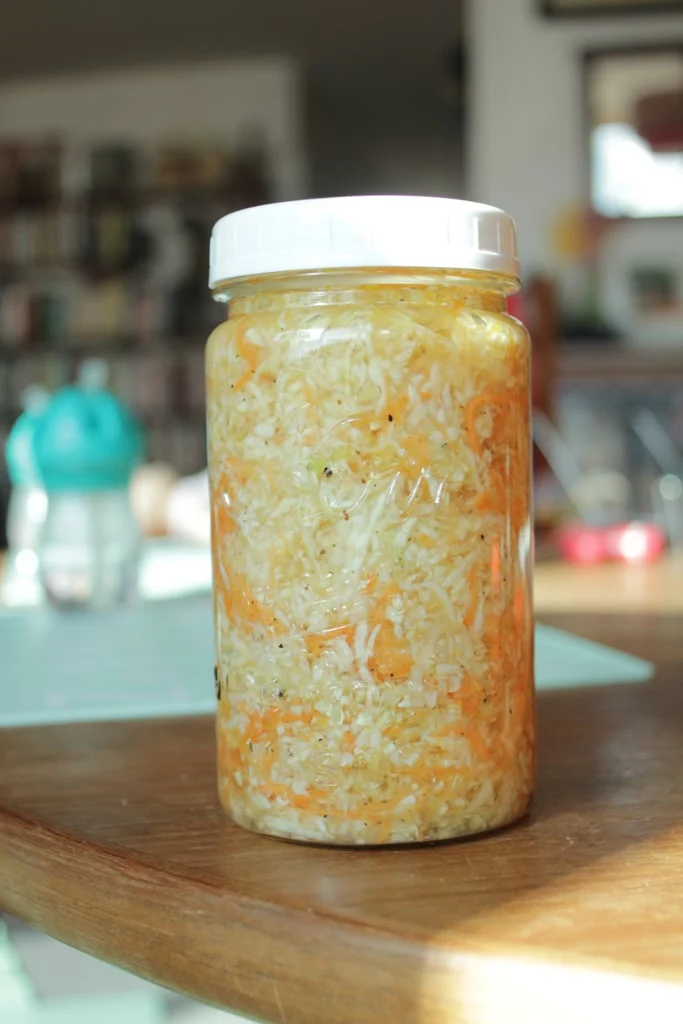
Beyond its core ingredients of cabbage and vinegar, variations of Health Salad exist across different delis and family recipes. Common additions include shredded carrots, which add a touch of sweetness and vibrant color, as seen in the submitted challenge recipe. Other iterations might incorporate thinly sliced bell peppers (green or red), cucumbers, or even shaved radishes, each contributing a unique texture and flavor dimension. The consistency across these variations, however, remains the finely shredded or sliced vegetables bathed in a distinctive sweet and sour brine. The recipe’s enduring popularity speaks to its simple yet satisfying nature, offering a refreshing crunch that complements a wide array of heavier dishes.

The Community Canning Challenge: A Focus on Seasonal Preservation
The Community Canning Challenge, orchestrated by the popular food preservation platform "Food in Jars," is a monthly event designed to encourage and educate home preservers. Each month, the challenge spotlights a specific category of produce or preservation technique, fostering a vibrant online community of participants who share their creations and learn from one another. This month’s focus on brassicas and root vegetables is particularly timely, aligning with seasonal harvests and the practical need for robust preservation methods for these sturdy crops.

Brassicas, a family that includes cabbage, kale, broccoli, and Brussels sprouts, along with root vegetables such like carrots, potatoes, and beets, are known for their resilience and nutritional density. They are staple crops in many agricultural regions and are excellent candidates for various preservation methods, including pickling, fermenting, and root cellaring. The challenge aims to highlight creative ways to transform these vegetables into pantry staples, thereby reducing food waste, promoting self-sufficiency, and celebrating seasonal eating. Participants are encouraged to experiment with different recipes, from traditional methods to innovative approaches, and to share their experiences through platforms like the "Food in Jars" Substack and a dedicated Facebook community group. This collaborative environment allows for the exchange of tips, troubleshooting, and inspiration, creating a supportive network for home preservers of all skill levels.
Recipe Development and Preservation Science: A Closer Look

The Health Salad recipe submitted to the challenge illustrates the straightforward process of creating a "fridge pickle." The primary components involve finely preparing the vegetables, in this case, half a green cabbage and a large carrot, and then immersing them in a warmed sweet and sour dressing. The choice between hand-slicing or using a food processor for shredding often comes down to personal preference and time efficiency, with the latter often proving less labor-intensive for larger quantities.
The dressing itself is a carefully balanced blend of 3/4 cup white vinegar, 1/3 to 1/2 cup granulated sugar, 2 tablespoons neutral oil, 1 tablespoon salt, 1 teaspoon black pepper, and 1/2 teaspoon celery seed. The warming of the dressing is a critical step, not for cooking, but specifically to ensure the sugar fully dissolves into the vinegar, creating a homogenous brine. This gentle heating process, avoiding boiling, helps to meld the flavors without compromising the fresh crispness of the vegetables. Once combined, the dressed vegetables are allowed to sit, allowing the flavors to meld and the pickling process to begin before being packed into a clean jar and refrigerated.

A key distinction emphasized in the context of food preservation is the difference between "fridge pickles" and properly canned goods. The Health Salad recipe, as presented, is designed for refrigeration and has a shelf life of at least two weeks when stored correctly in a scrupulously clean jar and handled with clean utensils. This method relies on the low temperature of the refrigerator and the acidity of the vinegar to inhibit microbial growth, but it does not achieve the sterile environment required for shelf-stable canning.
The question of whether Health Salad can be traditionally canned is a pertinent one for any food preservation challenge. Experts from institutions like the National Center for Home Food Preservation (NCHFP) and reputable canning guides such as the Ball Complete Book of Home Preserving establish strict guidelines for safe home canning. These guidelines are based on scientific research to ensure that processed foods are safe from harmful bacteria like Clostridium botulinum. For a recipe to be safely canned, it must meet specific acidity levels (pH), vegetable-to-brine ratios, and processing times for either water bath or pressure canning, depending on the food’s composition.

As noted in the recipe submission, the current Health Salad recipe is not formulated for safe canning according to established standards. While there are recipes for spiced red cabbage in canning guides that involve similar ingredients on a much larger scale (e.g., 12 pounds of cabbage to 8 cups of vinegar), directly translating the Health Salad recipe without rigorous testing and adherence to specific ratios would be unsafe. Developing a canning-safe version would require careful adjustments to ensure the final product’s pH is low enough (typically below 4.6 for water bath canning) and that the density and heat penetration are appropriate for the recommended processing times. This highlights the importance of relying on tested and approved recipes when venturing into shelf-stable home canning, prioritizing safety above all else. The "Food in Jars" platform, by acknowledging this distinction, reinforces best practices in food preservation.
Broader Implications: Revival, Community, and Sustainability

The engagement with recipes like Health Salad within a structured event like the Community Canning Challenge reflects several significant trends in contemporary food culture. Firstly, there is a clear resurgence of interest in traditional culinary practices, driven by a desire for greater self-sufficiency, an appreciation for artisanal foods, and a connection to culinary heritage. Home food preservation, once a necessity, has evolved into a hobby and a skill valued for its sustainability benefits and the unique flavors it produces.
Secondly, the challenge fosters a strong sense of community. Through online forums and social media, participants connect, share successes and failures, and learn from experienced preservers. This collaborative learning environment democratizes access to knowledge and builds a network that supports ongoing engagement with food preservation. Such communities play a crucial role in disseminating reliable information, especially concerning food safety, which is paramount in canning.

Finally, the focus on brassicas and root vegetables aligns with broader movements towards sustainable eating and reduced food waste. By learning to preserve these readily available, often inexpensive, and highly nutritious vegetables, individuals can extend their usability beyond their fresh shelf life, making the most of seasonal bounty. This approach contributes to a more resilient food system, reducing reliance on industrial food chains and promoting local agriculture. The act of making Health Salad, whether for immediate enjoyment or as a fridge pickle, becomes more than just preparing a dish; it is an act of cultural preservation, skill development, and mindful consumption, embodying the spirit of the Community Canning Challenge.
As home preservers continue to explore and adapt traditional recipes, the dialogue between culinary heritage and modern food science remains crucial. The "Food in Jars" challenge exemplifies how these elements can converge, inspiring individuals to engage with their food in a deeper, more informed way, all while celebrating dishes like the humble yet iconic Health Salad.