
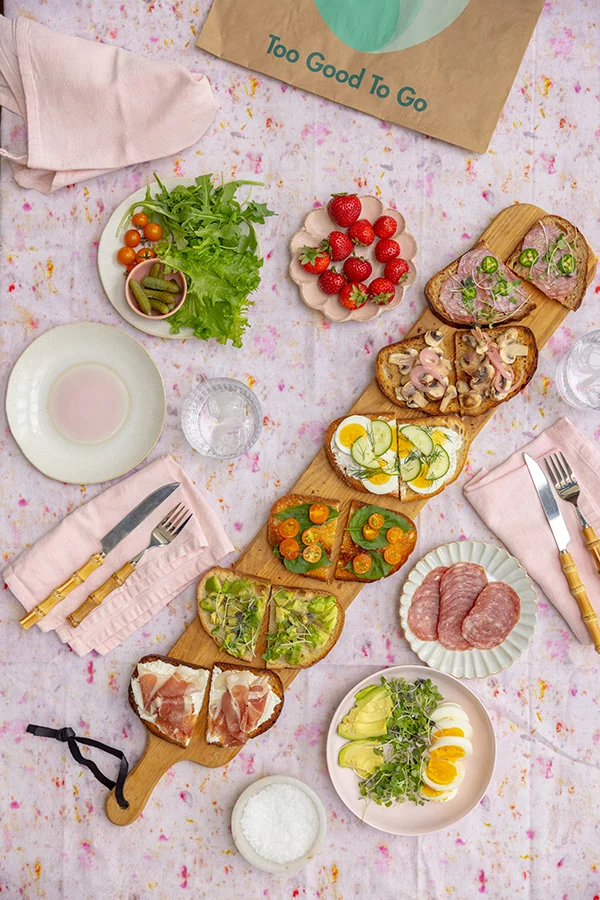
The global movement toward environmental sustainability has found a significant ally in mobile technology, as evidenced by the growing partnership between digital platforms and local food purveyors. A recent initiative highlighting the intersection of surplus management and domestic entertaining has brought renewed attention to Too Good To Go, a social impact company that operates a mobile application connecting consumers with surplus food from restaurants, bakeries, and grocery stores. This collaboration underscores a critical shift in consumer behavior, where the mitigation of food waste is increasingly integrated into social gatherings and daily meal planning. By offering "Surprise Bags" of high-quality food at approximately one-third of the original retail price, the platform aims to address the staggering reality that food waste contributes to an estimated 10% of all global greenhouse gas emissions.

The Mechanics of Surplus Redistribution
Too Good To Go functions as a marketplace for inventory that would otherwise be discarded at the end of a business day. The platform’s model is predicated on the "Surprise Bag" concept, a logistics solution that accounts for the unpredictability of daily food surplus. Because businesses cannot always predict which specific items will remain unsold, the app allows them to bundle various products into a single package. In a recent demonstration of this model, participants utilized the app to secure items from a gourmet grocery store and a specialized juice shop. The resulting haul provided the foundation for a sophisticated social gathering, proving that surplus ingredients can be repurposed into high-end culinary experiences.
The financial incentive for consumers is significant, with items typically priced at a 66% discount. However, the primary driver for many users remains the environmental impact. According to data provided by the United Nations Food and Agriculture Organization (FAO), approximately one-third of all food produced globally for human consumption is lost or wasted. This waste occurs at various stages of the supply chain, but retail and consumer-level waste are particularly prevalent in urban environments. Platforms like Too Good To Go provide a localized solution to this systemic issue by facilitating the rapid redistribution of perishable goods.
The Environmental and Economic Context of Food Waste
The urgency of food waste mitigation is supported by a wealth of environmental data. When food is discarded and sent to landfills, it decomposes anaerobically, releasing methane—a greenhouse gas that is significantly more potent than carbon dioxide in the short term. The Intergovernmental Panel on Climate Change (IPCC) has frequently cited food waste reduction as one of the most effective individual and systemic actions to combat global warming. Beyond the atmospheric impact, food waste represents a colossal loss of natural resources, including the water, land, and energy required to produce, process, and transport the goods.
Economically, the impact is equally profound. In the United States alone, it is estimated that over $400 billion worth of food is wasted annually. For small business owners, such as the local juice stores and gourmet grocers featured in the recent initiative, surplus inventory represents a direct loss of potential revenue. By utilizing a redistribution app, these businesses can recoup a portion of their production costs while reaching a demographic of eco-conscious consumers who may not have otherwise visited their establishment. This creates a circular economy at the neighborhood level, fostering resilience within the local food system.
Case Study: From Surplus to Social Entertaining
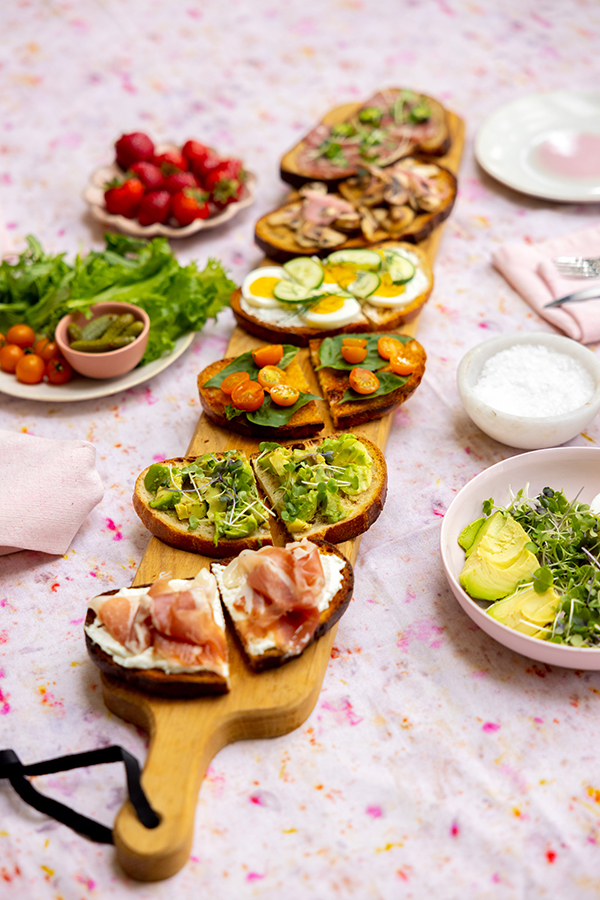
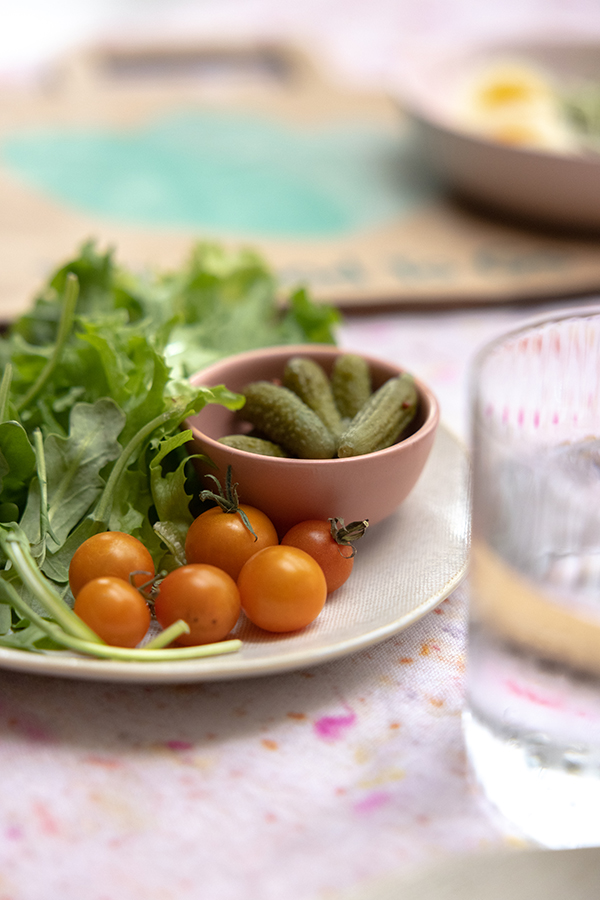
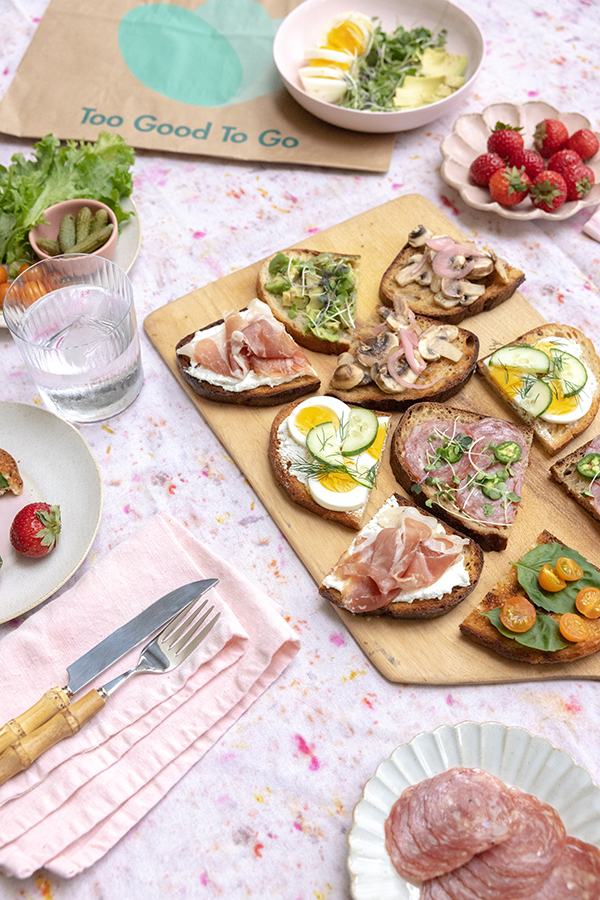
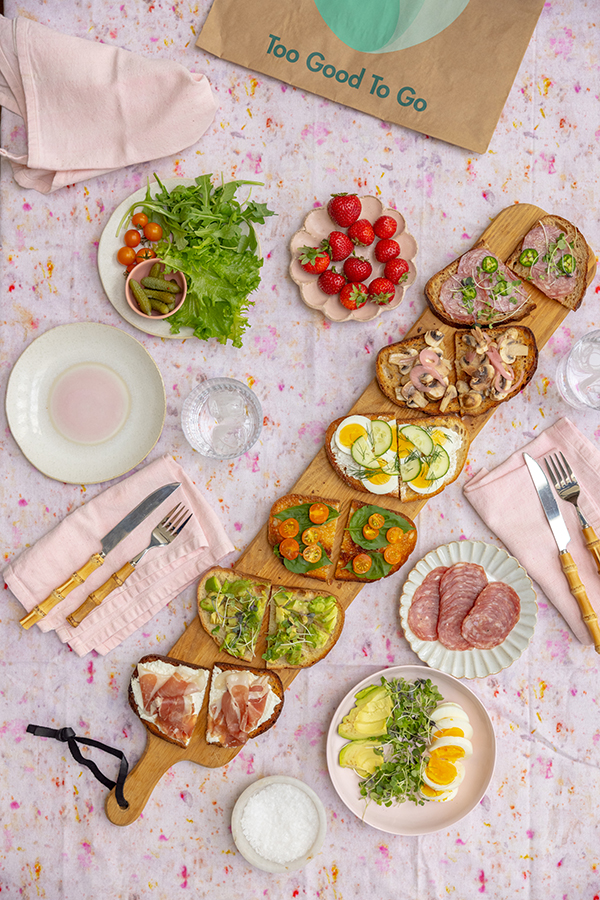
To demonstrate the versatility of surplus ingredients, a recent culinary exercise focused on the "Toast Party" format—a versatile and low-waste method for hosting guests. The process began with the acquisition of surplus artisanal bread and various accompaniments through the Too Good To Go app. By toasting the bread in bulk in an oven, the hosts minimized energy usage and ensured a consistent base for a variety of toppings. This method allows for the integration of both surplus purchases and existing household inventory, such as garden-grown basil and tomatoes, further reducing the need for new grocery acquisitions.
The following topping combinations were developed as part of this zero-waste hosting strategy, utilizing a mix of "Surprise Bag" finds and pantry staples:
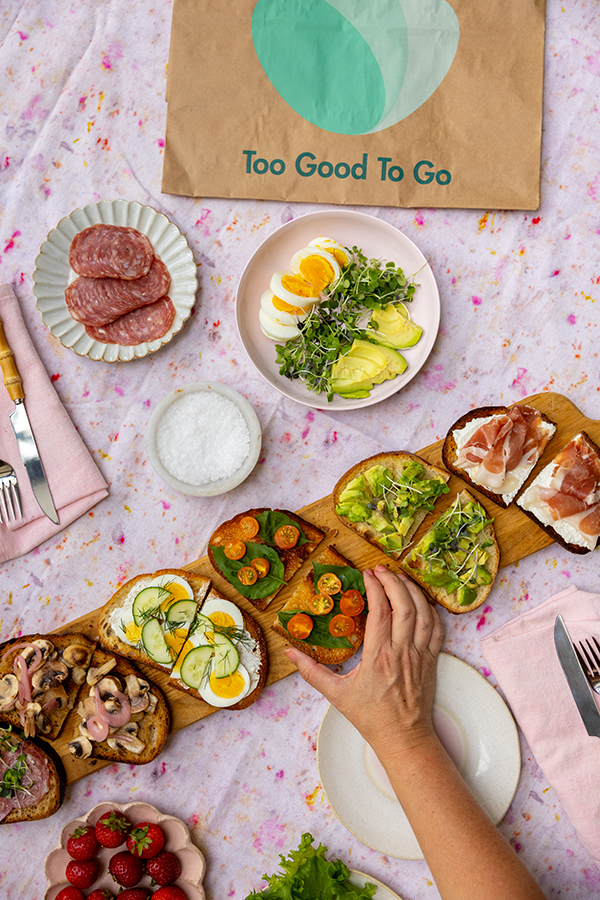
- Ricotta and Prosciutto: A balance of creamy dairy and salt-cured meat, finished with a drizzle of "hot honey" to provide a modern flavor profile.
- Avocado and Sprouts: Utilizing ripe avocados—a common item in surplus bags due to their short shelf life—paired with lemon, salt, and fresh sprouts for a nutrient-dense option.
- Classic Tomato and Basil: A perennial favorite that makes use of seasonal garden produce and high-quality olive oil.
- Egg and Cucumber: A traditional European-style topping featuring sliced hard-boiled eggs, crisp cucumbers, mayo, and fresh dill.
- Sautéed Mushrooms and Melted Cheese: A warm, savory option that allows for the use of various mushroom varieties that may be approaching their sell-by date.
- Soppressata and Jalapeño: A spicy, protein-forward choice for guests seeking bolder flavors.
By laying out these ingredients in a buffet style, hosts can encourage guests to create their own combinations, a strategy that reduces the likelihood of prepared food going to waste. This "DIY" approach ensures that guests only consume what they prefer, while any leftover un-toasted bread or raw toppings can be easily stored for future use.
Chronology of the Zero-Waste Movement in the Digital Age
The integration of technology into food waste management has evolved rapidly over the last decade.
- 2015: Too Good To Go is founded in Denmark by a group of entrepreneurs who witnessed the massive amount of food thrown away at the end of a buffet.
- 2016-2019: The app expands across Europe, gaining B Corp certification and establishing a presence in major capitals like London, Paris, and Berlin.
- 2020: The platform officially launches in the United States, starting in New York and Boston, during a period when the COVID-19 pandemic highlighted significant vulnerabilities in the food supply chain.
- 2021-Present: The app experiences exponential growth, reaching over 50 million users globally and expanding into the Canadian market. The focus shifts toward "Look, Smell, Taste" campaigns to educate consumers on the difference between "Best Before" and "Use By" dates.
This timeline reflects a broader cultural shift. Ten years ago, surplus food was often viewed with skepticism or associated strictly with charitable donations. Today, it is increasingly seen as a valuable resource that can be managed through sophisticated logistics and consumer engagement.
Industry Response and Stakeholder Perspectives
The reaction from the hospitality and retail sectors has been largely positive, though it requires a shift in operational thinking. Restaurant managers note that while the revenue from surplus bags is modest compared to full-price sales, the reduction in disposal costs and the increase in foot traffic are tangible benefits. "It changes the end-of-day workflow from one of disposal to one of preparation," noted one boutique grocery owner. "Our staff feels better knowing the food they prepared is being eaten rather than binned."

Environmental advocates also praise the model, though they emphasize that technology is only one part of the solution. Organizations such as ReFED (Rethink Food Waste through Economics and Data) argue that while redistribution apps are vital, systemic change must also include improved date labeling, enhanced cold chain technology, and policy incentives for food donation. The synergy between profit-driven innovation and environmental advocacy is seen as the most viable path forward for large-scale waste reduction.
Broader Implications for the Future of Food Systems
The success of zero-waste entertaining initiatives and surplus redistribution apps points toward a future where "waste" is an obsolete concept in the food industry. As more consumers become aware of the 10% greenhouse gas statistic, the demand for sustainable options is expected to rise. This will likely lead to more integrated software solutions within Point of Sale (POS) systems, where surplus is automatically listed on redistribution platforms the moment inventory reaches a certain threshold.
Furthermore, the "Surprise Bag" model encourages culinary literacy. By receiving a random assortment of high-quality ingredients, consumers are challenged to cook creatively and seasonally, moving away from rigid recipe-following and toward a more intuitive, resourceful style of cooking. This shift not only benefits the planet but also enriches the domestic culinary experience.
In conclusion, the partnership between modern technology and traditional hospitality offers a powerful tool in the fight against climate change. By reframing surplus food as an opportunity for creativity and community, platforms like Too Good To Go are proving that a waste-free lifestyle does not require a sacrifice in quality or social enjoyment. As these practices become normalized, the goal of a circular, sustainable food system moves closer to reality, one surprise bag at a time.


