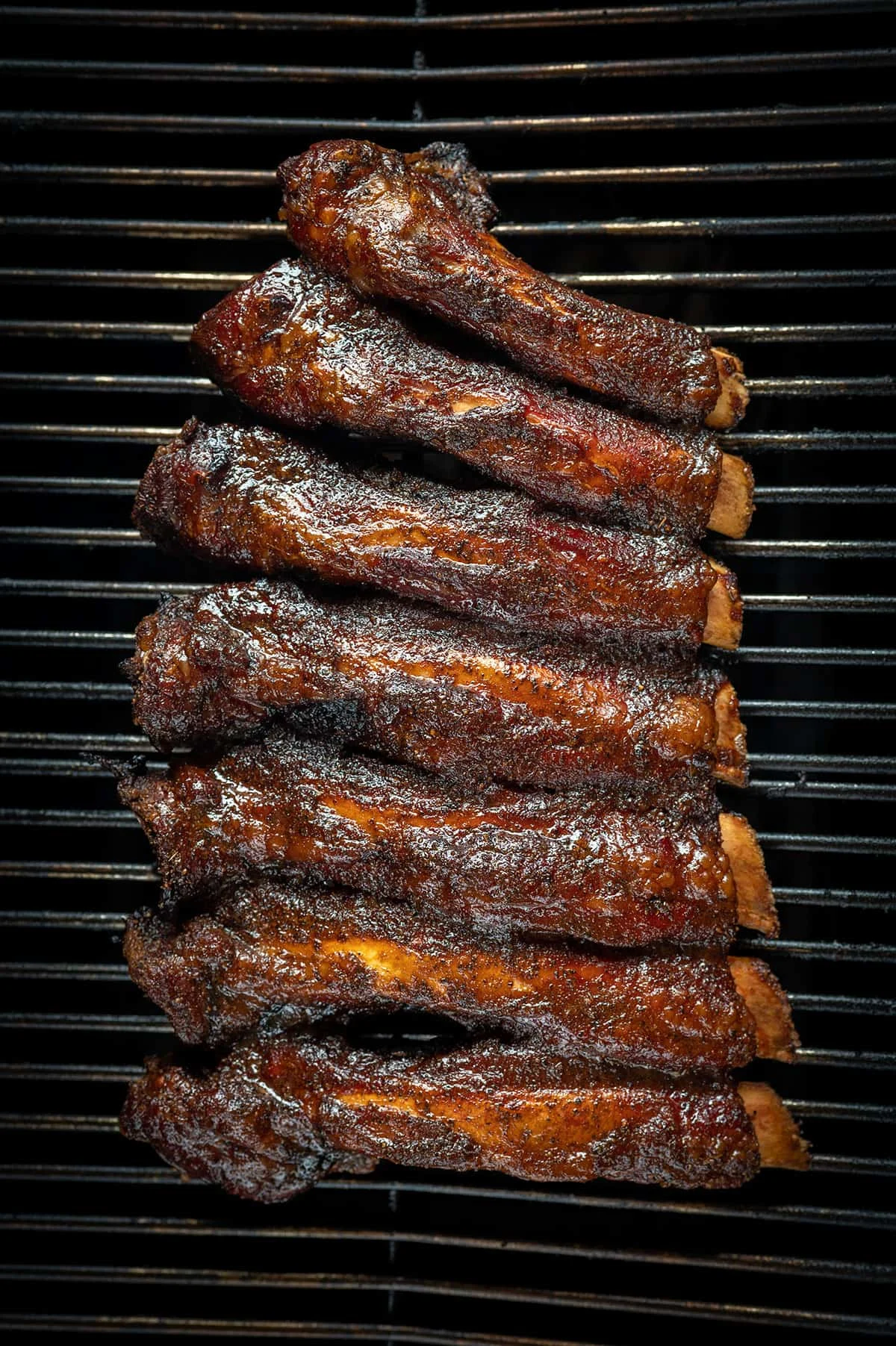
The world of pastrami, a culinary icon celebrated for its rich flavor and tender texture, is often shrouded in a specialized vocabulary that can be daunting for newcomers. Terms like "cure," "brine," "steam finish," "bark," and "grain" are fundamental to understanding and executing this beloved cured and smoked meat. To demystify the process and empower home cooks and barbecue aficionados, a comprehensive glossary has been compiled, breaking down these essential pastrami terms into plain English. This resource aims to facilitate recipe comprehension, aid in troubleshooting common issues, and equip individuals with the confidence to discuss pastrami like seasoned experts.
For those seeking an even deeper dive into the art of pastrami creation, further insights and advanced techniques can be found in the "Ultimate Pastrami Guide," offering a wealth of knowledge for aspiring pitmasters.
Understanding the Core Terminology of Pastrami
The journey into making pastrami at home begins with a firm grasp of its foundational terminology. Each term represents a critical step or characteristic in the transformation of raw beef into the celebrated deli staple.
The Art of Cutting and Preparation
-
Against the Grain: This fundamental slicing technique involves cutting the meat perpendicular to the direction of the muscle fibers. Proper slicing against the grain is paramount to achieving a tender, melt-in-your-mouth pastrami, as opposed to a chewy and unappetizing texture. This is a critical step in the final preparation that directly impacts the eating experience.
-
Beef Navel: Traditionally, the beef navel is the cut of choice for authentic deli-style pastrami. Its inherent richness, generous marbling of fat, and inherent sliceability make it ideal for achieving the signature texture and flavor. The navel cut is particularly prized for its ability to absorb brine and smoke effectively.
-
Chuck Roast: A more accessible and budget-friendly alternative to beef navel, the chuck roast is a popular choice for backyard pastrami enthusiasts. It offers a robust beefy flavor profile and is more forgiving for novice cooks, though it may require slightly different handling to achieve optimal tenderness.
-
Navel Plate: This term is often used interchangeably with "beef navel," referring to the same traditional cut prized for its fat content and suitability for pastrami production.
-
Plate Ribs: Another rich and flavorful cut that can be prepared pastrami-style. Plate ribs, derived from the lower chest of the cow, offer a distinct texture and are known for their intense beefy flavor, making them a compelling option for those seeking a unique pastrami experience.
-
Point: This refers to the fattier section of a brisket. The point is highly forgiving due to its abundant marbling, resulting in a juicy and flavorful finished product. However, its distinct grain direction requires a different slicing approach compared to the leaner "flat" cut of the brisket.
The Curing and Brining Process
-
Brine: A brine is a solution of salt dissolved in liquid, typically water, used as a primary method for curing meat. This process not only preserves the meat but also infuses it with flavor and initiates the tenderization process. The composition of the brine, including salt concentration and added aromatics, significantly influences the final taste of the pastrami.
-
Aromatics: These are flavor-enhancing ingredients added to the brine or rub, contributing complexity and depth to the pastrami. Common aromatics include garlic, bay leaves, peppercorns, and coriander, each lending distinct notes to the cured meat.
-
Bay Leaf: A common aromatic in brines, bay leaves impart a subtle herbal complexity that complements the richness of the beef and the other curing spices.
-
Cure: The overarching process of preserving and seasoning meat using salt. This can be achieved through either a wet cure (brine) or a dry cure. The cure is essential for both safety and flavor development in pastrami.
-
Curing Salt #1 (Prague Powder #1): This is a crucial ingredient in the curing process, containing sodium nitrite. It is essential for inhibiting the growth of harmful bacteria, ensuring food safety, and contributing to the characteristic pink color and distinctive cured flavor of pastrami. It is vital to use this salt with precision, as excessive amounts can be detrimental.
-
Dry Cure: A method of curing where salt and seasonings are applied directly to the surface of the meat, without the addition of extra liquid. This technique draws moisture out of the meat, concentrating the flavors and initiating the preservation process.
-
Dry Brine: While sometimes used interchangeably with "dry cure," the term "dry brine" more specifically refers to the application of salt and seasonings directly to the meat, similar to a dry cure. For clarity in pastrami preparation, "dry cure" is often the preferred and more precise term.
-
Kosher Salt: A fundamental ingredient in curing and brining due to its coarse texture and lack of additives. For consistent and predictable results, it is recommended to measure kosher salt by weight rather than volume.
-
Nitrite: A key component of curing salts like Prague Powder #1, sodium nitrite plays a vital role in preserving the cured flavor and color of meats. It also contributes to food safety by inhibiting the growth of Clostridium botulinum.
-
Nitrate: Primarily found in Pink Curing Salt #2, sodium nitrate is utilized in the production of dry-cured sausages like salami, where a slower curing process is involved. It is not typically used in pastrami preparation.
-
Pink Curing Salt: A general term for curing salts that contain sodium nitrite (Pink Curing Salt #1) or sodium nitrate (Pink Curing Salt #2). For pastrami, Pink Curing Salt #1 is the relevant variety.
-
Prague Powder #1: An alternative name for Curing Salt #1, highlighting its primary component, sodium nitrite, and its intended use in curing meats like pastrami.
-
Sodium Nitrate: As mentioned, this is the primary ingredient in Pink Curing Salt #2, used for hard sausages.
-
Sodium Nitrite: The active curing agent in Pink Curing Salt #1, essential for pastrami’s safety, color, and flavor.
-
Submersion: This refers to the practice of ensuring the meat is fully submerged in the brine during the curing process. This complete immersion is critical for achieving an even and consistent cure throughout the entire cut of meat.

-
Uncured Pastrami: This refers to a pastrami-style preparation that omits the use of curing salts like Prague Powder #1. While it can achieve a similar flavor profile through smoking and seasoning, it will lack the characteristic cured color and taste.
The Smoking and Finishing Process
-
Bark: The dark, flavorful, and seasoned outer crust that forms on the meat during the smoking process. The bark is a result of the Maillard reaction and smoke interaction with the seasonings applied to the surface of the meat.
-
Clean Smoke: This refers to smoke that is thin, almost invisible, and imparts a pleasant flavor without bitterness. Achieving a clean smoke is a hallmark of skilled pitmasters, as it indicates an efficient burn and optimal wood selection.
-
Deli-style: This describes pastrami that has undergone the full process: curing, smoking, and typically finishing with a steaming phase. This steaming step is crucial for achieving the ultra-tender, succulent texture characteristic of deli pastrami.
-
Low-and-slow: A cooking technique that involves maintaining a lower cooking temperature for an extended period. This method is essential for pastrami as it allows connective tissues to break down, resulting in increased tenderness and allowing ample time for smoke flavor to penetrate the meat.
-
Pastrami: In its most fundamental definition, pastrami is cured, seasoned beef (though other meats can be used) that is then smoked. It is often finished with a steaming process to achieve a classic deli texture.
-
Peppercorns: A cornerstone of pastrami’s flavor profile. Coarse black pepper is a classic ingredient in pastrami rubs and brines, providing a pungent and aromatic counterpoint to the richness of the meat.
-
Pickling Spice: A common spice blend used in many corned beef and pastrami cures. It typically includes a mix of peppercorns, coriander, bay leaves, and other aromatics, contributing a complex and traditional flavor.
-
Rinse: After the curing process, it is common practice to rinse the meat under cold water. This step removes excess salt from the surface, preventing the pastrami from becoming overly salty after cooking.
-
Rub: A blend of seasonings applied to the surface of the meat before smoking. A classic pastrami rub is often heavily seasoned with black pepper and coriander, forming the flavorful bark.
-
Smoke Ring: This refers to the pinkish-red layer that forms just beneath the surface of smoked meats. It is a result of a chemical reaction between the smoke’s nitric oxide and the myoglobin in the meat, and is distinct from the curing color provided by nitrites.
-
Steam Finish: This technique involves steaming the pastrami after it has been smoked. The steam gently heats the meat, breaking down remaining collagen and connective tissues, resulting in an exceptionally tender and moist final product, synonymous with authentic deli pastrami.
-
Texas Crutch: A method employed during the latter stages of the cooking process where the meat is wrapped, often in butcher paper or foil. This helps the meat push through the "stall" – a point in the cooking process where the internal temperature plateaus due to evaporative cooling – accelerating the cooking time and retaining moisture.
Assessing Tenderness and Final Touches
-
Internal Temperature: While an important metric, the internal temperature of the meat is not the sole determinant of doneness. Tenderness is the ultimate goal, and temperature should be used as a guide in conjunction with other indicators.
-
Probe Tender: This is a crucial indicator of doneness. When a thermometer probe can be inserted into the thickest part of the meat with little to no resistance, it signifies that the connective tissues have broken down and the meat is tender.
-
Pulling Early: This refers to removing the meat from the heat before it has reached optimal tenderness. This is a common mistake that leads to tough and chewy pastrami, underscoring the importance of patience and proper assessment of doneness.
-
Rest: Allowing the cooked pastrami to rest off the heat before slicing is a critical step. This period allows the juices within the meat to redistribute, ensuring a more moist and flavorful final product.
-
Slicing: For optimal enjoyment, pastrami is typically sliced thinly. The "deli-style" approach, involving thin, angled slices, enhances the perception of tenderness and improves the overall eating experience. A "diamond cut" is a specific presentation style involving thin, angled slices for aesthetic appeal.
The Evolution and Cultural Significance of Pastrami
The origins of pastrami are widely believed to trace back to Romania, where it was traditionally made from duck or goose. Jewish immigrants brought this culinary tradition to America in the late 19th and early 20th centuries, adapting it to more readily available cuts of beef. New York City, particularly the Lower East Side, became a focal point for pastrami production and consumption, with delis like Katz’s Delicatessen and Carnegie Deli becoming legendary institutions.
The process of creating pastrami is a testament to culinary ingenuity, transforming tough cuts of beef into a delicacy through a meticulous multi-stage process. This involves a lengthy curing period, often lasting several weeks, followed by smoking and a final steaming or braising to achieve unparalleled tenderness. The typical ingredients for a pastrami cure include salt, sugar, and a blend of spices like black pepper, coriander, garlic, and paprika. The use of pink curing salt (sodium nitrite) is crucial for food safety and color, preventing the growth of harmful bacteria and imparting the characteristic reddish-pink hue.
The iconic spice crust, or "bark," is another defining characteristic of pastrami. This is achieved by generously coating the cured meat with a mixture of coarse black pepper, coriander, and other spices before smoking. The smoking process, ideally conducted at low temperatures over extended periods ("low-and-slow"), imbues the meat with a deep, smoky flavor and develops the flavorful bark.
The final steaming phase is what truly distinguishes authentic deli-style pastrami. This gentle cooking method ensures that the meat is incredibly tender and moist, allowing it to be sliced paper-thin without falling apart. This intricate process, steeped in tradition and culinary expertise, transforms a humble cut of beef into a highly prized delicacy.
The Broader Impact and Future of Pastrami Production
The proliferation of this glossary signifies a growing interest in artisanal food production and a desire among consumers to understand the intricacies of their favorite dishes. As more individuals seek to replicate restaurant-quality pastrami at home, the demand for clear, accessible information is paramount. This detailed breakdown of pastrami terminology not only educates but also democratizes a traditionally complex culinary art form.
The implications of such detailed guides extend beyond the home kitchen. For small-scale producers and aspiring charcuterie makers, a shared understanding of these terms can foster consistency and collaboration within the industry. Furthermore, it contributes to a broader appreciation for the time, skill, and science involved in creating cured and smoked meats.
The "Ultimate Pastrami Guide," mentioned as a supplementary resource, likely delves into specific recipes, equipment recommendations, and advanced troubleshooting, catering to those who wish to elevate their pastrami-making skills. The continued exploration and documentation of such culinary traditions are vital for their preservation and evolution, ensuring that the art of pastrami making continues to thrive for generations to come.