
The global surge in interest regarding fermented foods has positioned kimchi, a staple of Korean cuisine, at the forefront of contemporary nutritional discourse. Traditionally a lacto-fermented dish composed of napa cabbage, radishes, and a complex blend of aromatics and spices, kimchi is celebrated for its probiotic content and bold flavor profile. However, the preservation of this volatile, live-culture product presents unique challenges for long-term storage and culinary versatility. Dehydration has emerged as a scientifically viable method to extend the shelf life of kimchi while concentrating its piquant characteristics into portable snacks or potent seasoning powders. By utilizing controlled thermal processing, practitioners can transform a perishable fermented product into a shelf-stable asset that retains much of its original nutritional value for up to twenty-four months.
Technical Overview of Kimchi Dehydration and Biological Preservation
The primary objective of dehydrating kimchi is the reduction of water activity (aw) to a level that inhibits microbial spoilage and enzymatic degradation. Because kimchi is a product of lactic acid fermentation, it contains live cultures of Lactobacillus and other beneficial bacteria. The preservation of these microorganisms requires strict adherence to temperature thresholds.
According to food preservation specialists, the critical thermal limit for maintaining probiotic viability is approximately 115°F (46°C). Exposure to temperatures exceeding this threshold typically results in the denaturing of proteins and the termination of live cultures. For consumers utilizing commercially available, shelf-stable kimchi—which has often already undergone pasteurization or pressure-canning—higher temperatures of up to 140°F (60°C) may be employed to accelerate the drying process, as the biological benefits associated with live cultures have already been compromised during industrial processing.
Chronological Process for Optimal Moisture Removal
The transformation of wet, fermented cabbage into a dehydrated medium follows a specific five-step protocol designed to ensure safety and quality.
Phase 1: Preparation and Tray Loading
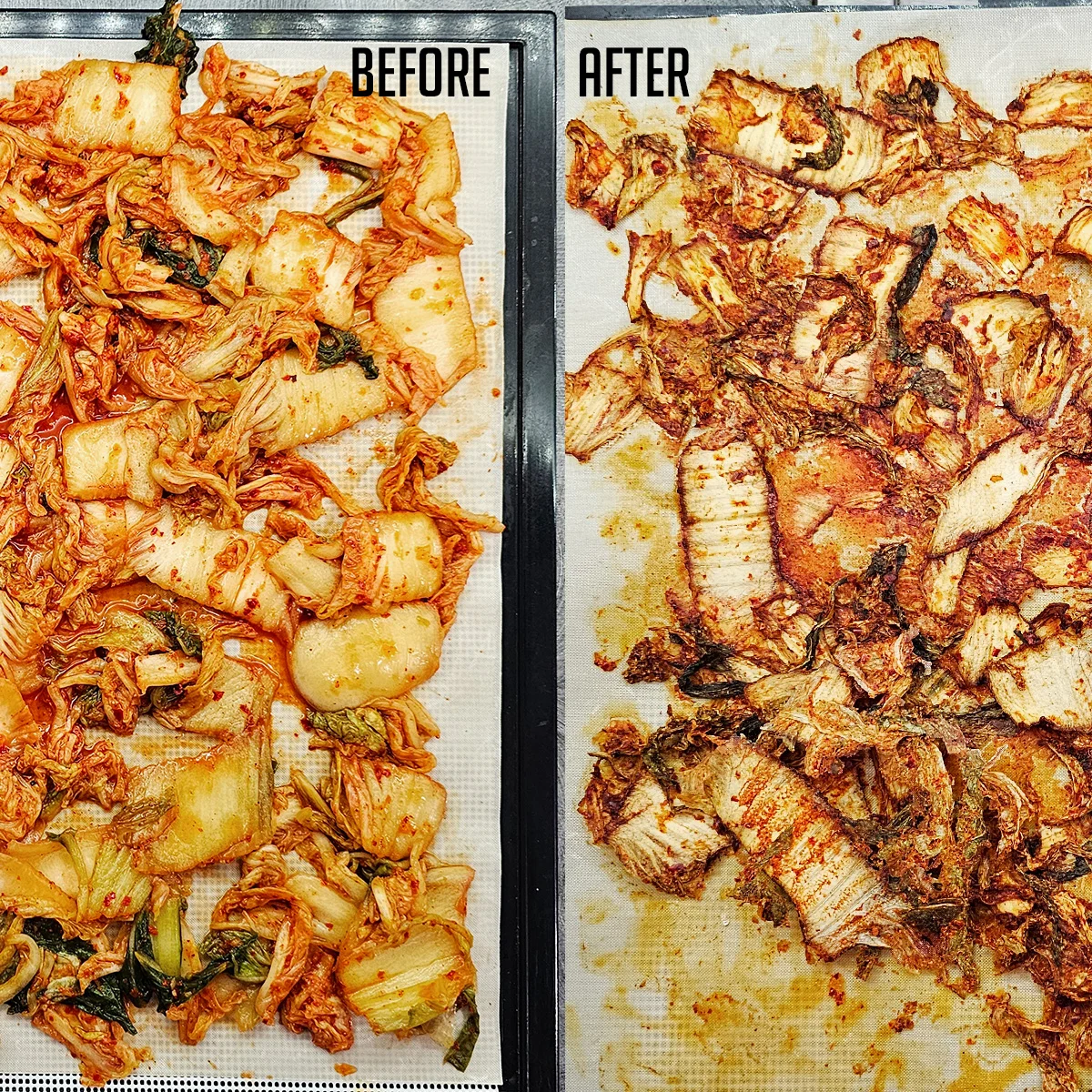
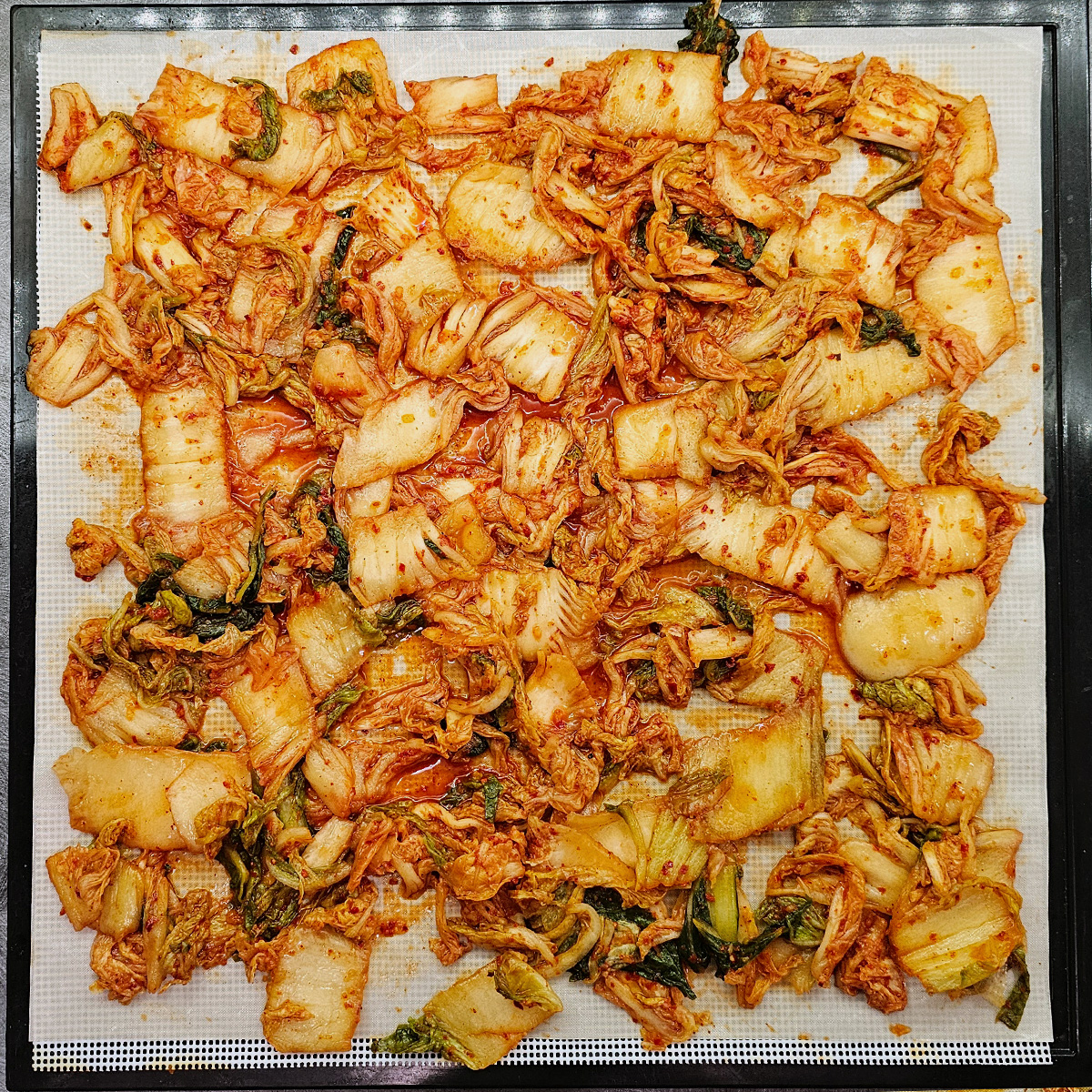
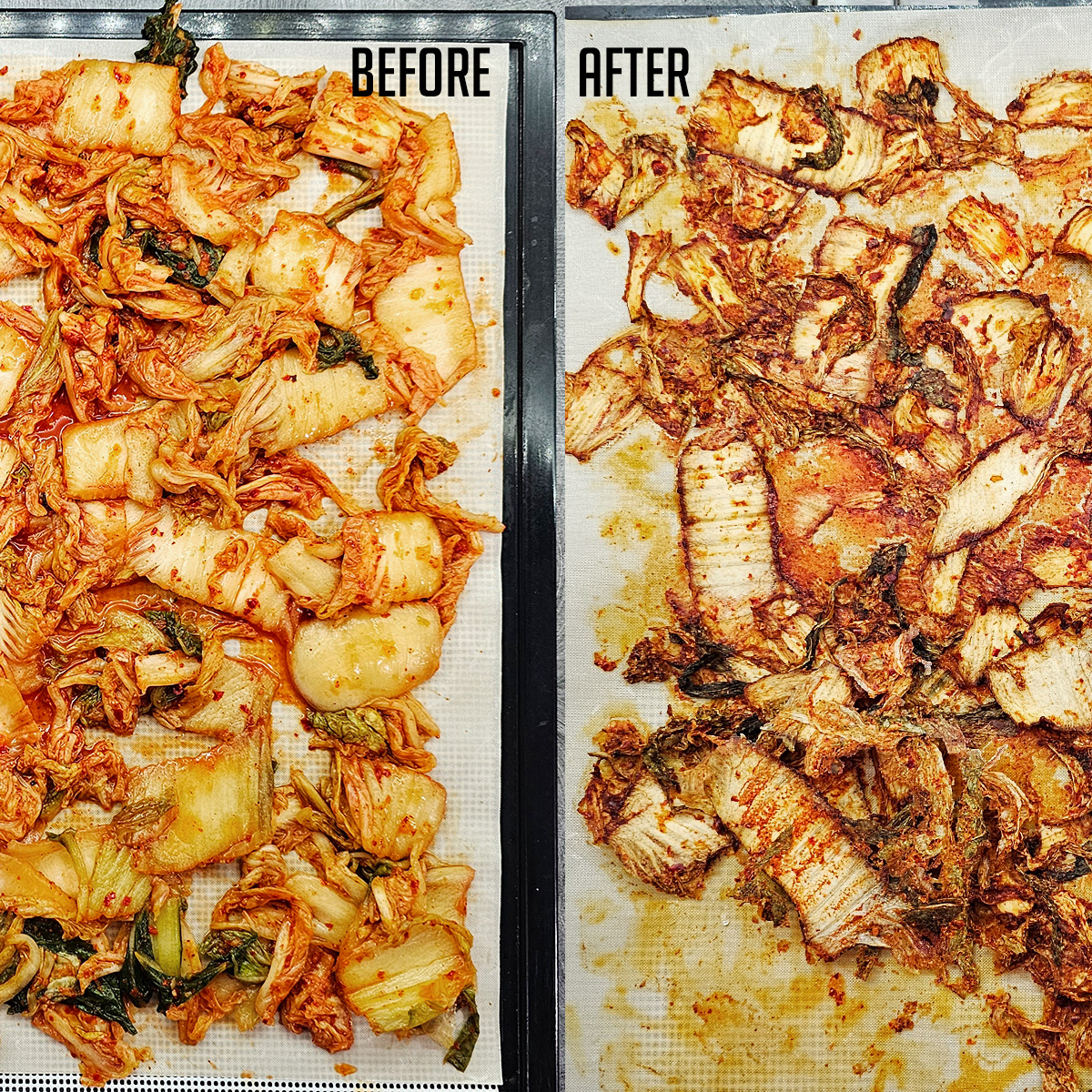
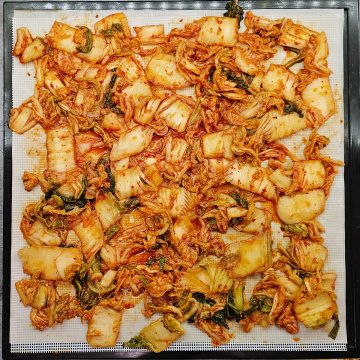
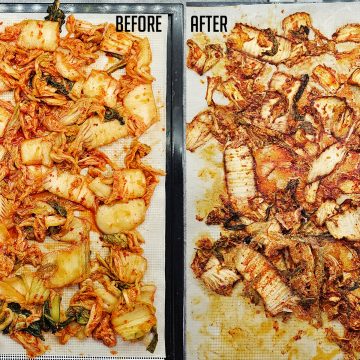
Kimchi is characterized by high moisture content and a vibrant pigment derived from gochugaru (Korean red chili flakes). To prevent permanent staining of dehydrator equipment and to facilitate easier removal, the use of parchment paper or silicone fruit leather sheets is mandatory. Unlike raw leafy greens, kimchi should not be piled deeply. While the leaves will shrink significantly, a dense application will trap moisture and lead to uneven drying. Pieces should be spread in a single, mindful layer, accounting for the viscous nature of the seasoning paste.
Phase 2: Thermal Application and Duration
The dehydrator should be set to a temperature below 115°F (35°C) for nutrient retention. The duration of this phase is highly variable, typically spanning between 12 and 24 hours. Factors influencing this timeline include the ambient humidity of the processing environment, the specific water content of the cabbage batch, and the efficiency of the dehydrator’s airflow system. Consistent monitoring is required to ensure the product does not case-harden, a condition where the exterior dries too quickly, trapping moisture inside.
Phase 3: Textural Assessment and Dryness Testing
A successful dehydration cycle results in pieces that are brittle or slightly pliable if the pieces are particularly thick. The material should break cleanly when bent. Any sign of residual moisture or "leathery" elasticity in thinner sections indicates that the process is incomplete.
Phase 4: The Conditioning Protocol
Conditioning is a vital safety step often overlooked by novice practitioners. Once cooled, the dried kimchi is placed into glass canning jars, filled roughly two-thirds full. For a period of five to seven days, the jars must be shaken daily and inspected for signs of condensation or clumping. If moisture appears on the glass, the batch must be returned to the dehydrator. This phase ensures that residual internal moisture is redistributed evenly across the batch, preventing localized mold growth during long-term storage.
Phase 5: Hermetic Storage
For maximum longevity, the final product should be stored in airtight glass containers or vacuum-sealed Mylar bags. When kept in a cool, dark, and dry environment, dehydrated kimchi remains viable for up to two years. The use of oxygen absorbers or desiccant packets is recommended for those residing in high-humidity climates to maintain the "crunch" of the product.
Nutritional Analysis and Concentration Effects
The nutritional profile of dehydrated kimchi is a concentrated version of its fresh counterpart. Data derived from standardized servings indicates that while the caloric density remains low, the mineral and sodium concentrations are significant.
Nutritional Estimation per Serving (Based on fresh equivalents):
- Calories: 17 kcal
- Carbohydrates: 3g
- Fiber: 2g
- Protein: 1g
- Sodium: 573mg
- Potassium: 174mg
It is important for consumers to note that the dehydration process removes water but leaves solutes like salt and minerals intact. Consequently, one cup of fresh kimchi will yield approximately one-quarter cup of dehydrated material, but that smaller volume will contain the same 573mg of sodium. This concentration effect makes dehydrated kimchi an exceptionally potent flavor enhancer but necessitates caution for individuals on sodium-restricted diets.
Culinary Applications and Industry Trends
The rise of "K-Food" in the global market has led to the emergence of kimchi-based seasonings as a mainstream culinary trend. Dehydrated kimchi offers a versatility that the wet format lacks, particularly in the production of kimchi powder.
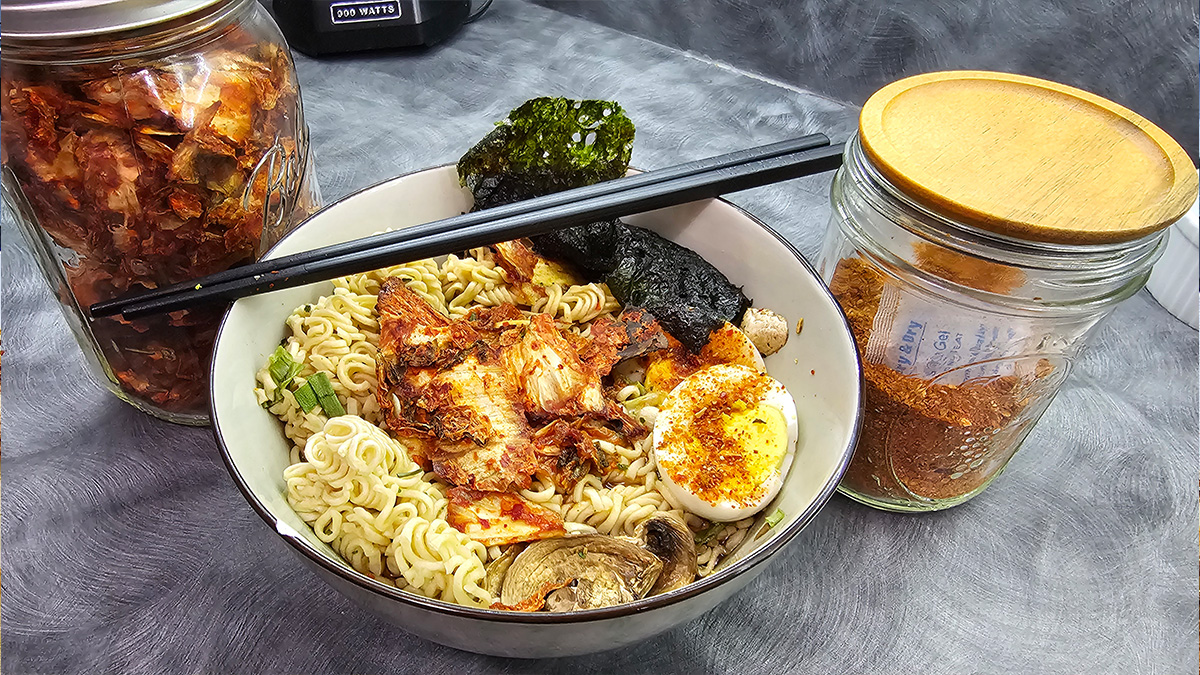
By processing fully dried and conditioned kimchi in a high-speed blender or spice grinder, users can create a "umami-bomb" seasoning. This powder provides the spicy, acidic, and fermented notes characteristic of the dish without adding unwanted moisture to a recipe. In professional kitchens, this powder is increasingly used as a dusting for popcorn, a component of dry rubs for meats, and an additive to dehydrated vegetable chips.
Furthermore, the rehydration of kimchi has become a staple technique for outdoor enthusiasts and backpackers. Dried kimchi can be integrated into lightweight meal kits, such as ramen or rice porridges, where it regains its texture upon contact with boiling water. This application aligns with the broader "ultralight" movement in the outdoor industry, which prioritizes high-flavor, nutrient-dense foods that occupy minimal pack space.
Historical Context and Market Impact
The practice of preserving cabbage in Korea dates back to the Three Kingdoms period, though the modern red-chili version only became standardized after the introduction of peppers in the early 17th century. While fermentation was the primary traditional method of preservation, the move toward dehydration represents a modern evolution of the "Kimjang" (the traditional process of preparation) culture.
Market analysts suggest that the global kimchi market is expected to grow at a Compound Annual Growth Rate (CAGR) of over 5% through 2030. This growth is driven by increasing consumer awareness of gut health and the popularity of Korean cultural exports. As the market expands, the demand for shelf-stable, "clean label" kimchi products—free from chemical preservatives—has made domestic and small-scale dehydration more attractive to health-conscious consumers.
Broader Implications for Food Waste Reduction
The dehydration of kimchi also serves as a critical strategy in the "Zero Waste" movement. Household food waste is a significant global issue, and fermented products like kimchi are often discarded when they become "over-ripe" or too acidic for raw consumption. Dehydrating these older batches of kimchi mellows the intense acidity while preserving the depth of flavor, effectively rescuing food that would otherwise be destined for the compost bin.
By converting a bulky, refrigerated jar into a compact, shelf-stable dry good, consumers reduce their reliance on continuous refrigeration, thereby lowering their household energy footprint. This methodology aligns with broader food security initiatives that encourage the stockpiling of nutrient-dense, long-lasting provisions.
Expert Recommendations for Practitioners
Culinary educators emphasize that the quality of the dehydrated product is directly proportional to the quality of the starting material. Using traditional, small-batch fermented kimchi often yields a more complex flavor profile than mass-produced, vinegar-based alternatives. For those seeking to maximize the health benefits, maintaining the dehydrator temperature at 100°F (38°C) is the gold standard for probiotic protection, even if it extends the drying time significantly.
In conclusion, the dehydration of kimchi is more than a simple kitchen hack; it is a sophisticated marriage of ancient fermentation wisdom and modern food science. Whether used as a probiotic-rich snack, a concentrated culinary seasoning, or a lightweight survival ration, dried kimchi represents a significant advancement in the way modern pantries are managed. As global food systems continue to face challenges related to waste and logistics, such preservation techniques offer a scalable solution for maintaining both flavor and nutrition across the long term.


