
The global resurgence of interest in traditional food preservation and artisanal beverage production has transformed fermentation from a niche survival skill into a significant pillar of the modern DIY culinary movement. As the 2024 holiday season approaches, the demand for specialized equipment, starter cultures, and educational literature has reached unprecedented levels, reflecting a broader societal shift toward gut health, sustainability, and domestic self-sufficiency. This comprehensive guide outlines the essential tools and resources currently shaping the market for both novice and experienced practitioners of the fermenting arts.
The Economic and Cultural Rise of Home Fermentation
The market for fermented foods and beverages has seen a dramatic trajectory over the last decade. According to market analysis reports, the global fermented food market was valued at approximately $575.6 billion in 2022 and is projected to expand at a compound annual growth rate (CAGR) of 5.6% through 2032. This growth is driven by increasing consumer awareness regarding the role of probiotics in immune function and digestive health.
Historically, fermentation was a necessity for food preservation before the advent of mechanical refrigeration. However, the 21st-century "Fermentation Revival" is characterized by a desire for flavor complexity and the democratization of biotechnology. What was once the domain of industrial food processors is now being reclaimed by home kitchen enthusiasts. This shift has necessitated a new class of consumer goods, ranging from precision-engineered airlocks to heritage-style ceramic crocks, all designed to facilitate controlled microbial environments.

Essential Hardware for Vegetable Fermentation
Vegetable fermentation, primarily through the process of lacto-fermentation, remains the most accessible entry point for beginners. While the fundamental requirements—vegetables, salt, and an anaerobic environment—are simple, specialized equipment significantly increases the success rate by preventing the growth of spoilage molds and "kahm" yeast.
Precision Airlock Systems and Lids
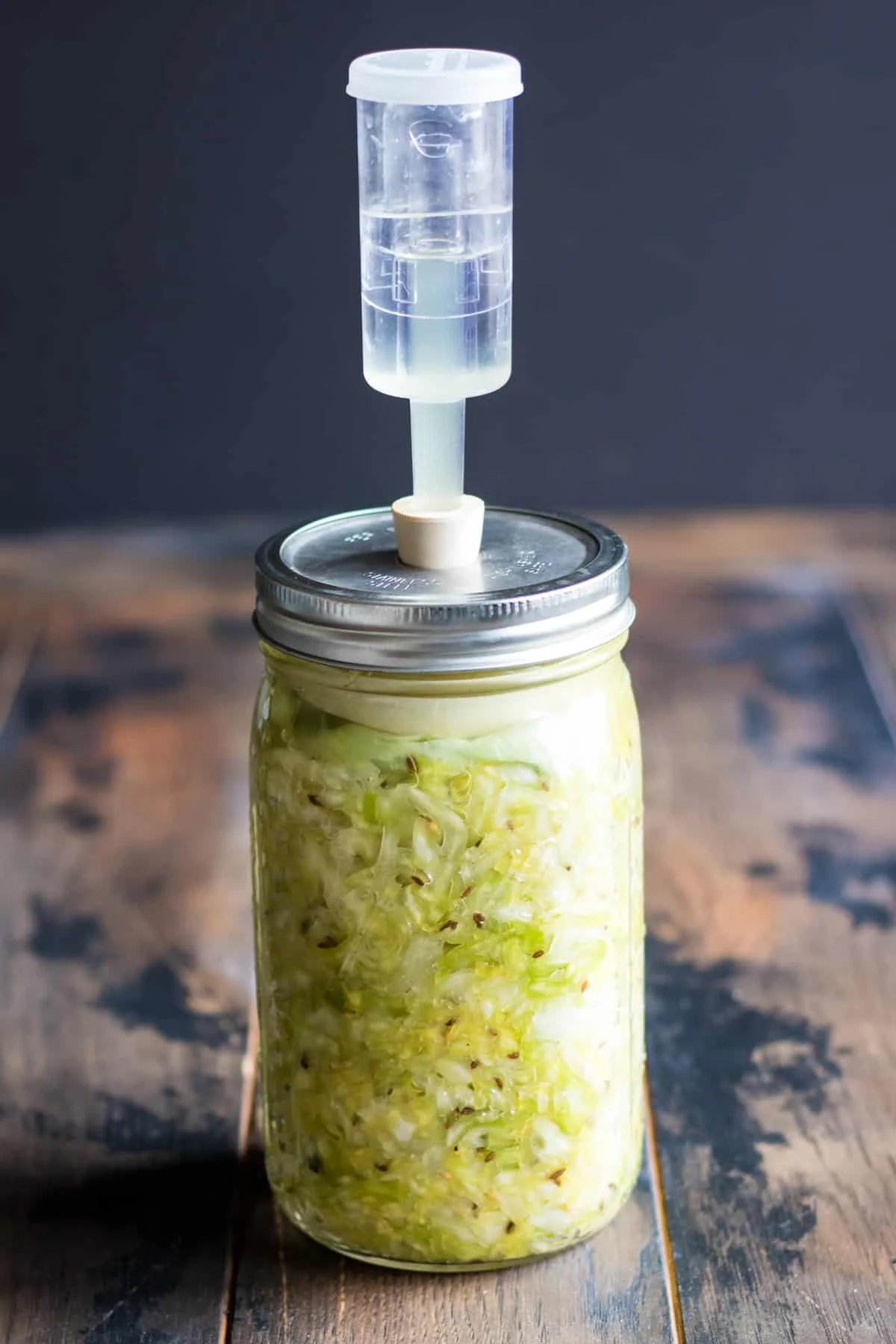
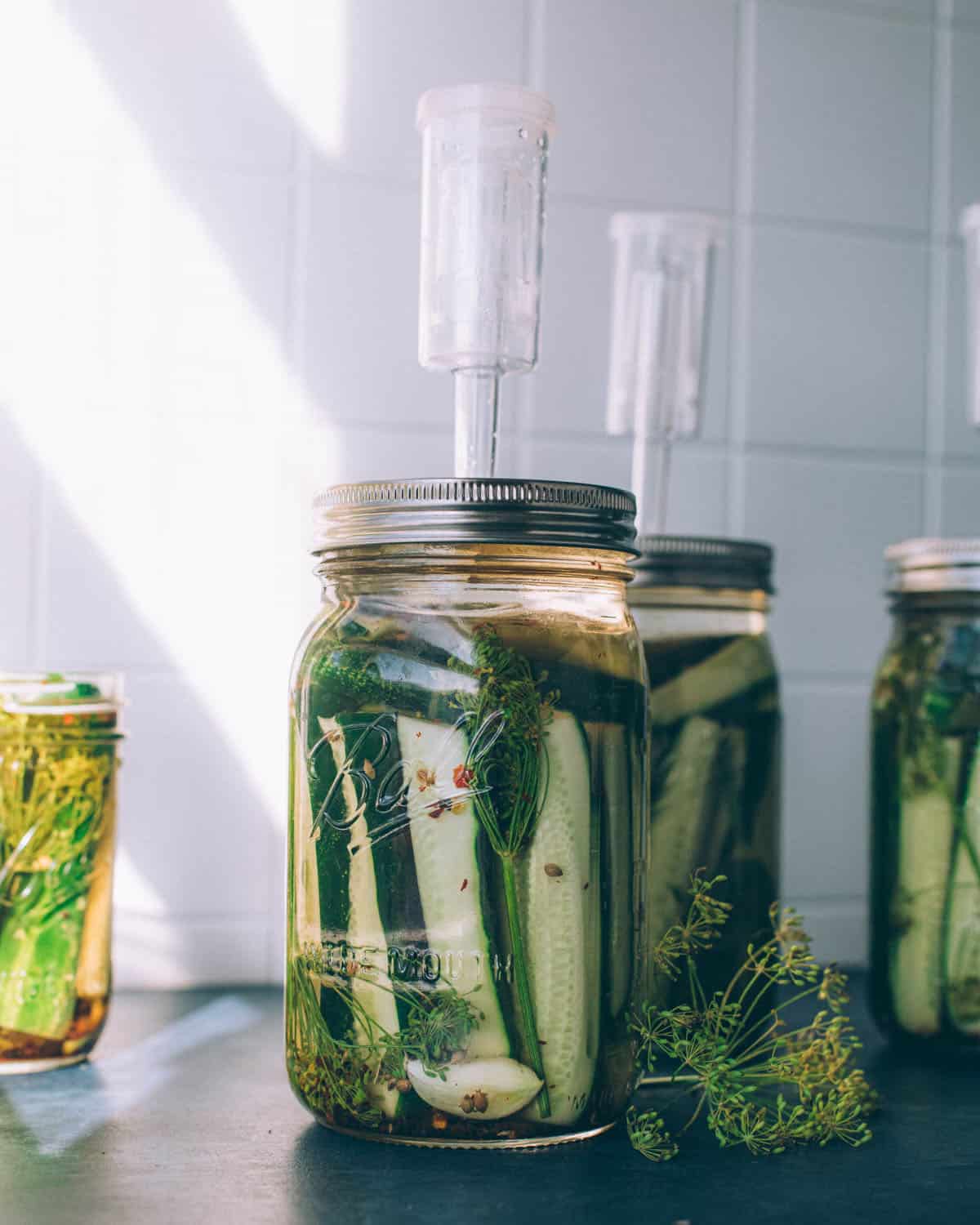
Modern kits, such as those produced by Easy Fermenter and Masontops, have revolutionized the use of the standard wide-mouth Mason jar. These systems utilize waterless silicone valves or traditional water-filled airlocks that allow carbon dioxide to escape while preventing oxygen from entering the vessel. Industry data suggests that the use of dedicated airlocks reduces the incidence of surface mold by over 80% compared to traditional "open crock" or "burping" methods.
Weighted Compression Tools
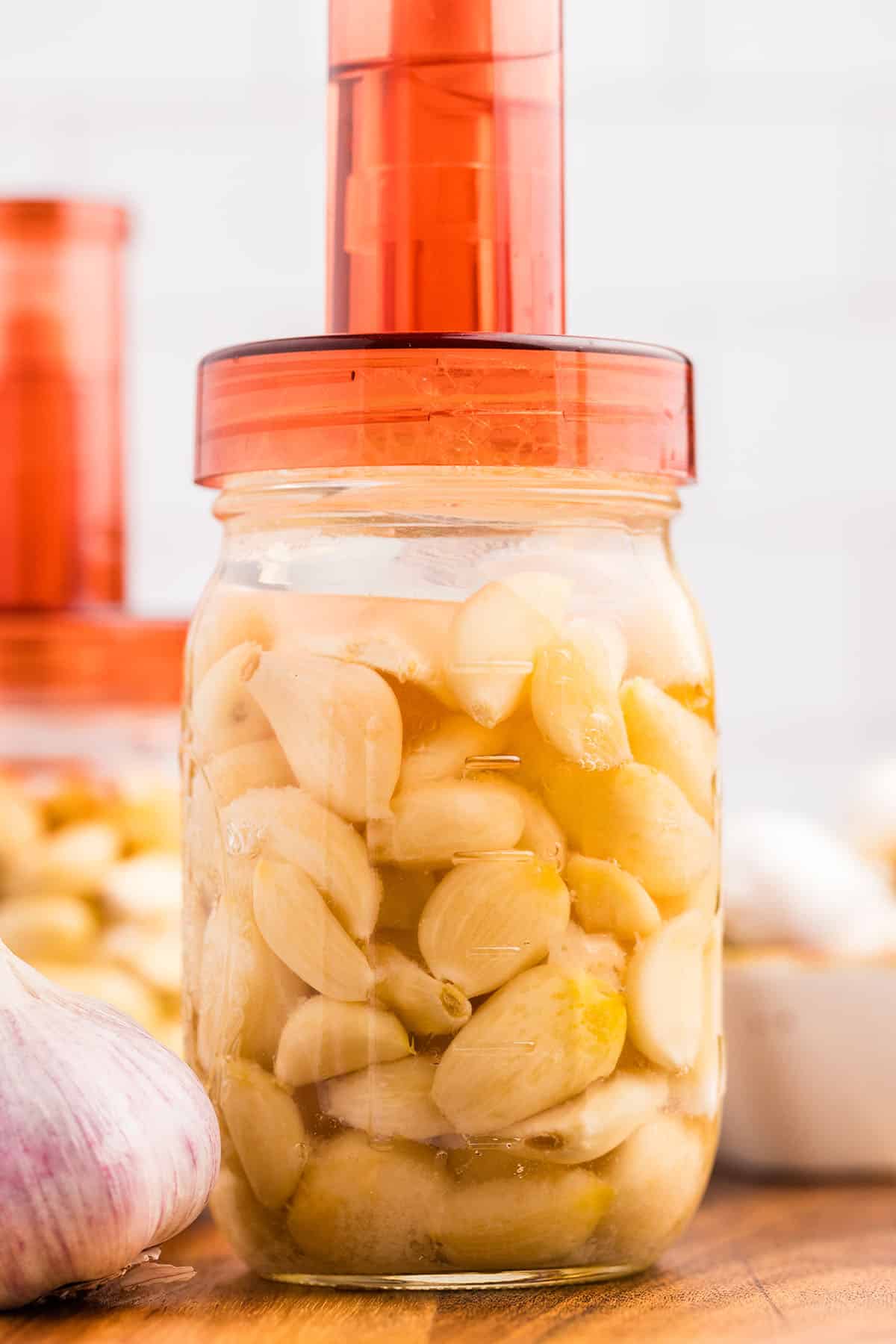
To maintain an anaerobic environment, submerged vegetables must remain below the brine level. The market has moved away from improvised weights toward non-porous glass weights and handmade ceramic sets. Sienna Ceramics, for instance, has gained recognition for producing artisanal weights and funnels that cater to the aesthetic and functional needs of the high-end hobbyist.
Traditional Ceramic Crocks
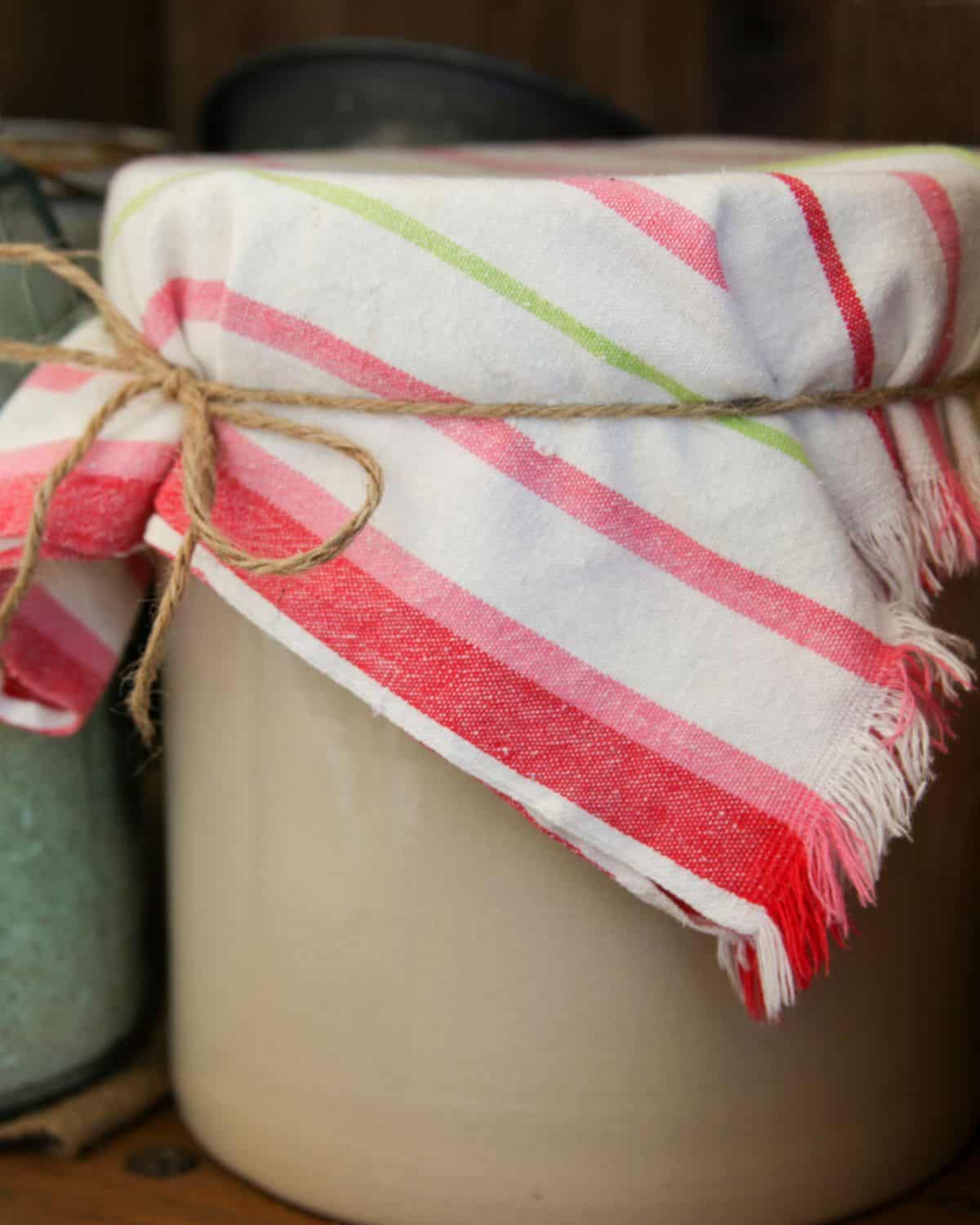
For those engaged in large-scale production—such as five-to-ten-pound batches of sauerkraut or kimchi—heavy-duty stoneware remains the preferred medium. Companies like Ohio Stoneware continue to manufacture three-gallon ceramic crocks that provide the thermal mass necessary for stable fermentation temperatures. These vessels are often paired with specialized wooden tampers, known as "pickle packers," designed to bruise vegetable tissues and release the necessary juices for brine formation.

The Probiotic Beverage Sector: Kombucha and Kefir
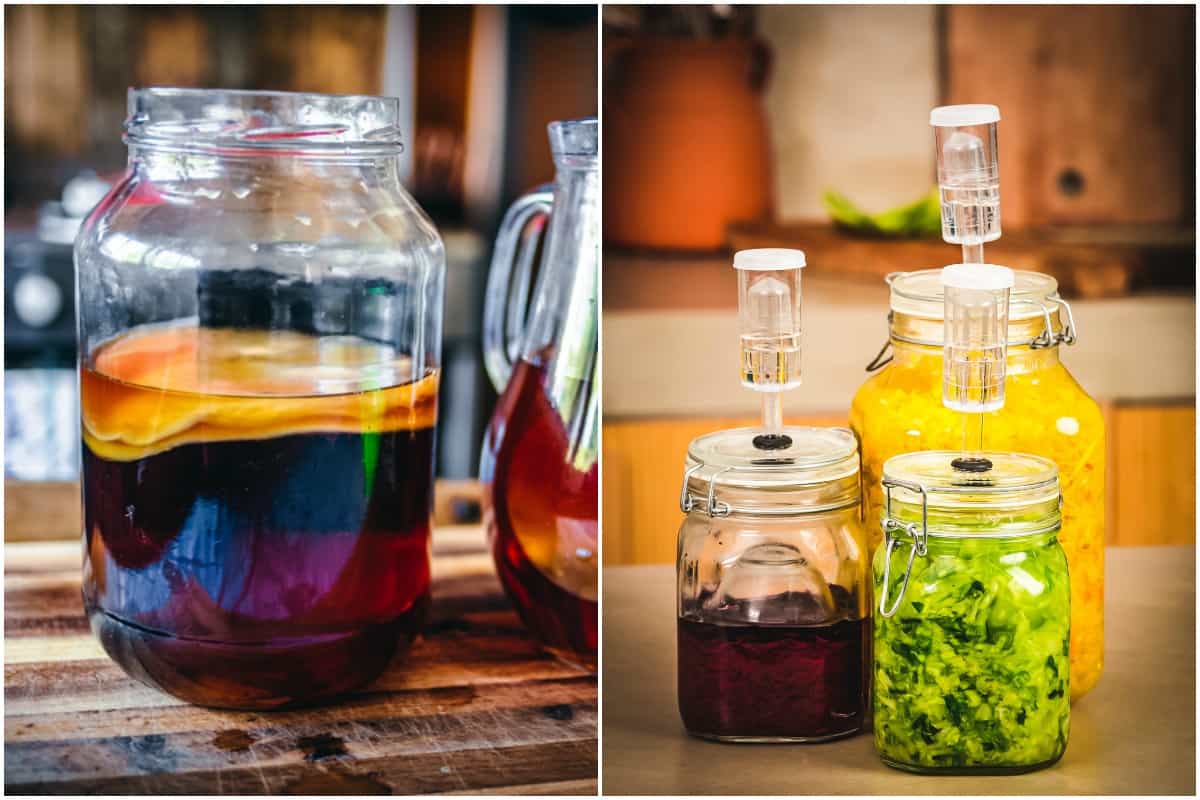
The home production of probiotic beverages has seen a parallel surge, fueled by the premium pricing of commercial "functional drinks." Kombucha, a fermented tea, and kefir, a fermented milk or water-based drink, require specific biological starters known as SCOBYs (Symbiotic Culture of Bacteria and Yeast) or kefir grains.
Starter Cultures and Kits
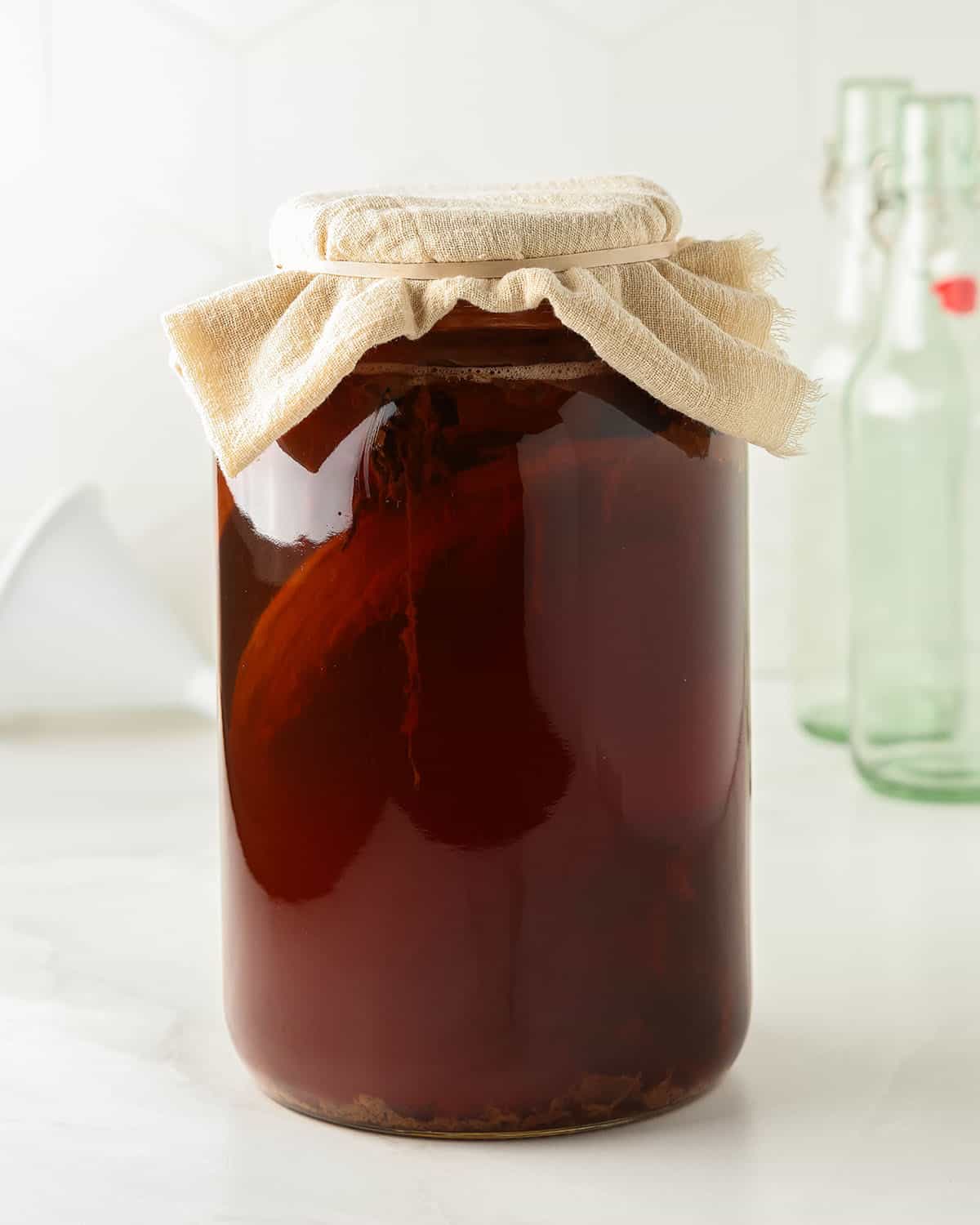
Specialized retailers like Kombucha Kamp and Cultures for Health have standardized the quality of these live cultures, which were previously only available through informal community sharing. The transition to commercial-grade, laboratory-tested starters has reduced the risk of contamination and increased the reliability of home brews. Comprehensive kits now include one-gallon glass jars, organic tea blends, pH testing strips, and adhesive thermometers, providing a turnkey solution for the holiday gift market.
Secondary Fermentation and Carbonation
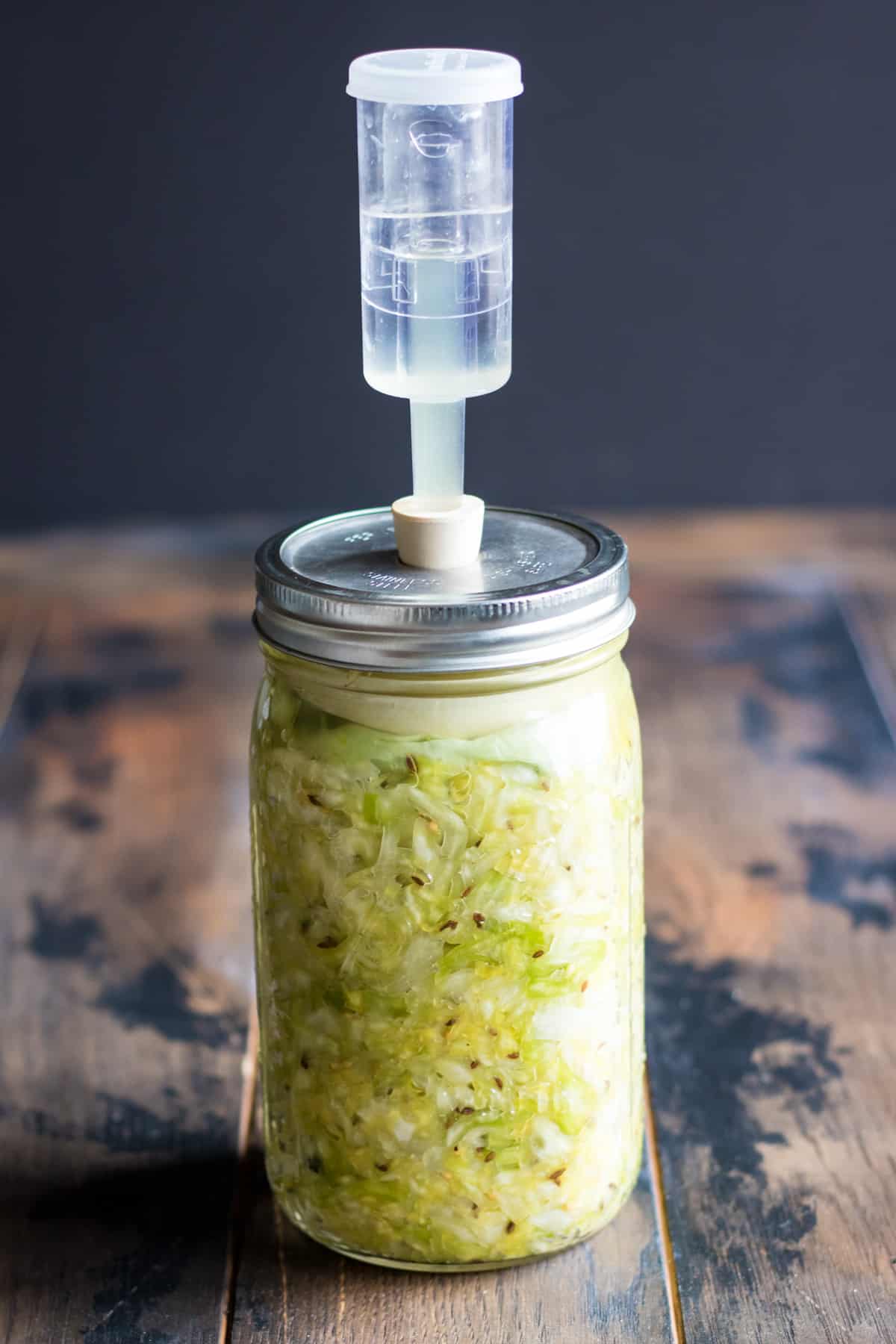
A critical phase in beverage fermentation is the "second ferment," where flavors are added and carbonation is achieved through bottled conditioning. Experts recommend the use of amber-colored glass bottles with swing-top (flip-top) lids. The amber glass protects the sensitive yeast and bacterial cultures from ultraviolet light, which can cause "skunking" or degradation of the brew, while the swing-top lids are engineered to withstand the internal pressure generated by natural carbonation.
Small-Batch Homebrewing: Mead, Cider, and Beer
Beyond probiotic tonics, the hobby of homebrewing alcoholic beverages continues to evolve toward smaller, more manageable batches. The "one-gallon brew" movement has made the craft accessible to urban dwellers with limited kitchen space.
Fermentation Vessels and Chemistry
For mead (honey wine), hard cider, and fruit wines, the standard equipment has shifted toward one-gallon glass carboys equipped with rubber bungs and S-shaped airlocks. The selection of yeast is equally critical; champagne yeasts and specialized wine yeast sample packs allow brewers to experiment with different attenuation levels and flavor profiles.
Entry-Level Beer Systems
For those interested in the complexities of malt and hops, modern homebrew kits now include high-quality stainless steel brewing pots and concentrated wort kits. These systems simplify the multi-stage brewing process, allowing beginners to produce professional-quality ales and stouts with a minimal initial investment.
The Literary Foundation of Fermentation
No gift guide for the fermenter is complete without a survey of the educational resources that underpin the craft. The "Fermentation Revival" was largely sparked by the literature of the early 2000s, which bridged the gap between scientific theory and kitchen practice.
Foundational Texts
Sandor Ellix Katz is widely credited with the modern resurgence of the craft. His seminal works, Wild Fermentation and the James Beard Award-winning The Art of Fermentation, are considered essential texts for any practitioner. These books provide the philosophical and technical framework for understanding how microbes transform food.
Specialized Culinary Guides
As the hobby has matured, more specialized books have entered the market. Kirsten and Christopher Shockey’s Fermented Vegetables and Fiery Ferments offer deep dives into specific culinary applications, providing hundreds of recipes that move beyond basic krauts. For beverage enthusiasts, Hannah Crum’s The Big Book of Kombucha serves as the definitive encyclopedia for tea-based ferments.
Broader Implications and Industry Analysis
The proliferation of fermentation and homebrewing supplies reflects a significant shift in consumer behavior. Analysts note that during periods of economic volatility, there is a measurable increase in "homesteading" activities. Furthermore, the environmental impact of home fermentation—specifically the reduction in single-use plastic bottles and the mitigation of food waste through preservation—aligns with global sustainability goals.

Retailers have responded to this trend by expanding their "functional kitchen" sections. Major e-commerce platforms and boutique culinary shops alike report that fermentation supplies are no longer seasonal novelties but year-round staples. The integration of technology, such as Bluetooth-enabled fermentation monitors and precision temperature-controlled heating mats, indicates that the industry is moving toward a fusion of ancient tradition and modern convenience.
In conclusion, the 2024 holiday season offers a diverse array of options for those looking to support the fermenters and homebrewers in their lives. From basic starter kits to heirloom-quality stoneware and foundational literature, these gifts represent an investment in health, culinary skill, and the enduring human connection to the microbial world. As the DIY movement continues to gain momentum, the tools of this trade remain at the forefront of a more conscious and flavorful domestic life.


