The global personal care industry is currently undergoing a significant transformation as consumers increasingly pivot away from synthetic, single-use products in favor of biodegradable alternatives. Central to this shift is the growing scrutiny of the "everything shower," a social media-driven wellness trend that often encourages the use of a dozen or more specialized skin and hair products. While these routines emphasize self-care, environmental advocates have raised concerns regarding the substantial waste generated by the accessories involved, specifically the ubiquitous plastic mesh pouf. In response to these concerns, sustainable brands such as Casamera are introducing high-performance, plant-based alternatives like the konjac sponge, which offers a compostable solution to a long-standing waste problem in the beauty sector.
The Environmental Cost of Synthetic Bathing Accessories
For decades, the plastic shower pouf—often referred to as a loofah, though it is functionally distinct from the tropical gourd of the same name—has been a staple in bathrooms worldwide. However, the environmental footprint of these items is significant. Most synthetic poufs are manufactured from polyethylene, a type of plastic derived from petroleum. Due to the moist environment of the bathroom and the tendency of the mesh to trap dead skin cells, dermatologists and hygiene experts typically recommend replacing these items every two months to prevent bacterial growth.
This rapid replacement cycle results in millions of plastic poufs being sent to landfills annually, where they can take centuries to decompose. Furthermore, as these synthetic sponges degrade during use, they shed microplastics—particles smaller than five millimeters—which enter the domestic graywater system. These particles are often too small to be captured by standard municipal wastewater treatment plants, leading to the direct contamination of aquatic ecosystems and the eventual entry of microplastics into the human food chain.
The Science and Origin of the Konjac Sponge
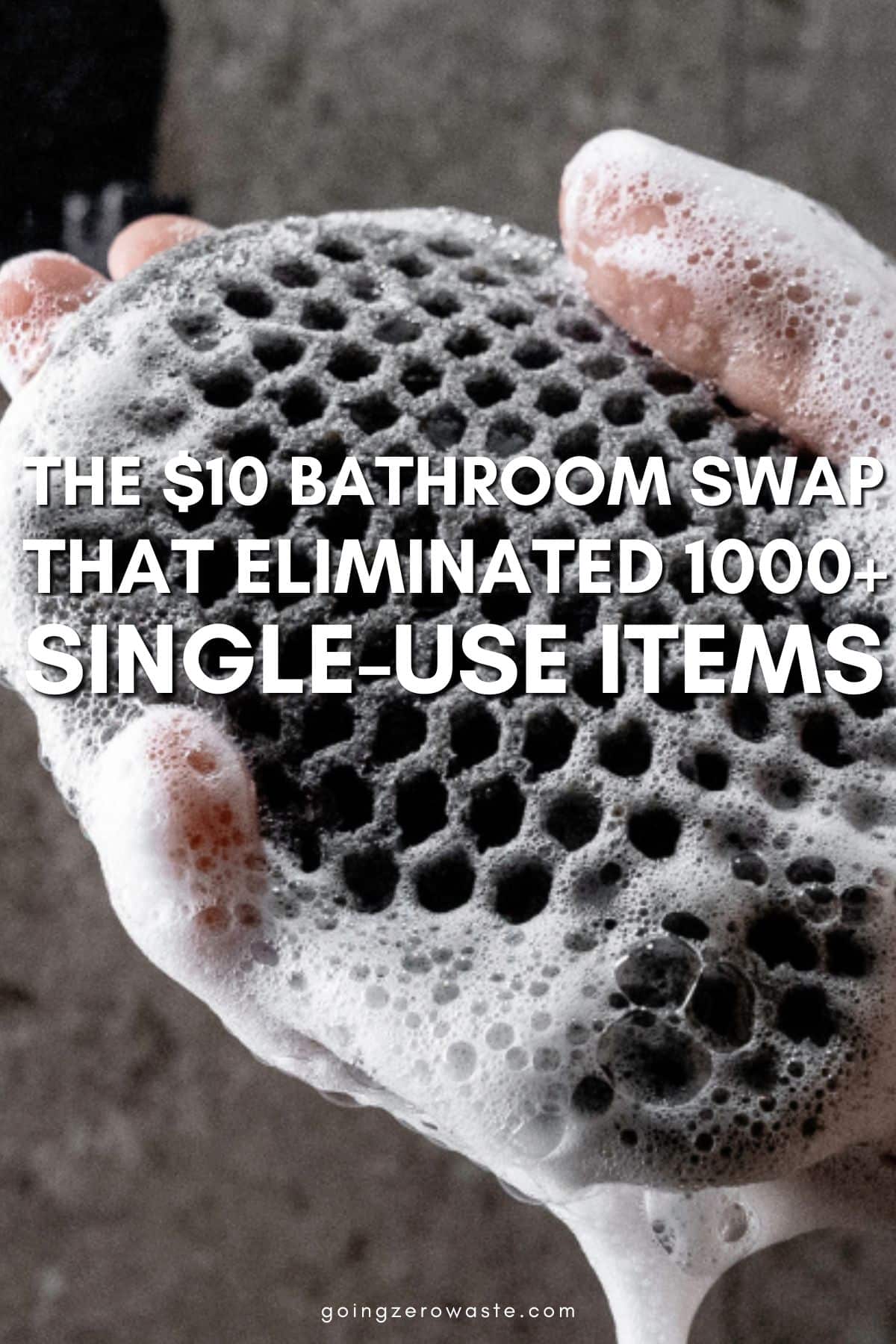
The konjac sponge represents a return to botanical solutions for dermatological care. Derived from the Amorphophallus konjac plant, a perennial root vegetable native to East and Southeast Asia, the material has been utilized for over 1,500 years in traditional medicine, food, and skincare. The primary component used in sponge production is glucomannan, a water-soluble dietary fiber extracted from the plant’s corm, or tuber.
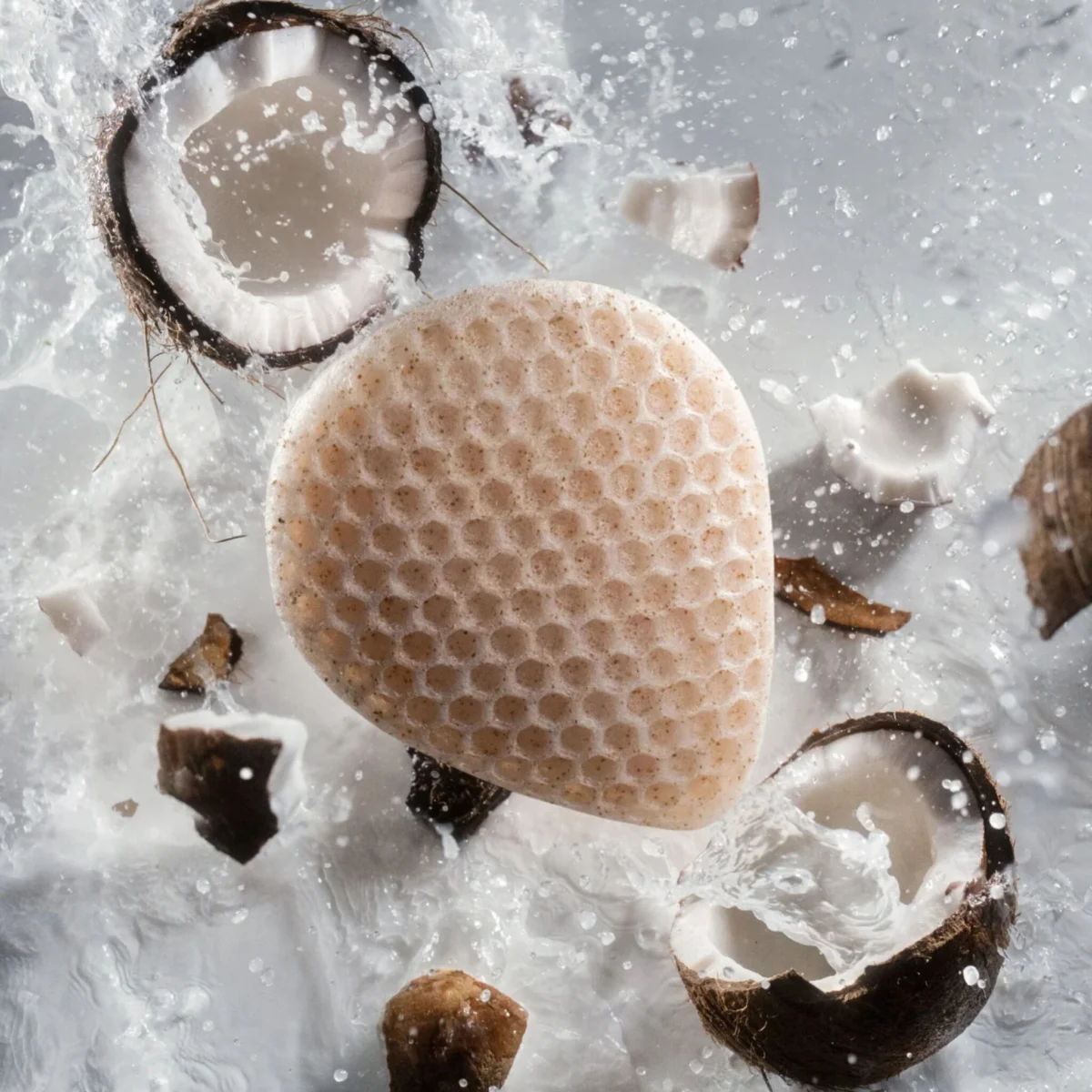
The manufacturing process for a konjac sponge is a precise chemical and physical transformation. The extracted fiber is mixed with water and often infused with natural minerals or botanical extracts. This mixture forms a gel-like substance that is poured into ergonomic molds. Through a process of steaming and controlled cooling, the mixture solidifies into a highly porous, stable structure. When dry, the sponge is hard and stone-like; however, upon immersion in water, the fibers expand to create a soft, rubbery texture that provides gentle mechanical exfoliation without the abrasive qualities of synthetic fibers.
Innovation in Sustainable Skincare: The Casamera Model
While the konjac sponge is not a new invention, modern iterations have sought to improve upon the traditional design to make them viable replacements for full-body plastic scrubbers. Casamera, a leader in the sustainable bath space, has engineered a dual-sided scrubber that addresses the limitations of standard facial konjac sponges.
Standard konjac sponges are often small and solely intended for facial use. The Casamera design incorporates a larger surface area and an ergonomic handle, making it suitable for body application. One side of the scrubber features a soft, honeycomb texture designed for general cleansing, while the reverse side is reinforced with crushed walnut shells to provide deeper exfoliation. This dual-functionality is achieved using only four primary natural ingredients, maintaining the product’s status as a 100% compostable item.
To cater to various skin types, these scrubbers are often infused with specific active ingredients:
- Activated Charcoal: Utilized for its ability to draw out impurities and excess oil, making it ideal for acne-prone skin.
- Matcha: Rich in antioxidants, aimed at reducing inflammation and protecting the skin barrier.
- Volcanic Mud: Known for its high mineral content, used to soothe sensitive skin.
- Walnut Shells: Integrated for mechanical exfoliation to remove dead skin cells and promote circulation.
Dermatological Benefits and Hygiene Standards
From a clinical perspective, the konjac sponge offers several advantages over both plastic poufs and traditional washcloths. The naturally alkaline nature of the konjac fiber helps to balance the acidity of the skin, while its unique structure creates a rich lather with a minimal amount of soap or cleanser. This efficiency allows consumers to reduce their overall product consumption, aligning with the "skinimalism" movement—a trend focusing on a simplified, more effective skincare routine.
Hygiene remains a critical factor in the adoption of natural sponges. Unlike synthetic mesh, which provides an ideal breeding ground for mold and bacteria, high-quality konjac scrubbers possess inherent antimicrobial properties. Furthermore, the porous structure allows for faster drying times when hung in a well-ventilated area. To maintain optimal hygiene, industry experts recommend a weekly sanitization routine involving a brief immersion in boiling water for two minutes. With proper care, a natural scrubber can last between two and three months, matching the recommended lifespan of a plastic pouf but without the associated environmental guilt.
Infrastructure and the "Fatberg" Crisis
The push for konjac sponges also addresses a growing crisis in urban infrastructure: the rise of "fatbergs." These are massive, solidified masses found in sewer systems, primarily composed of congealed fats, oils, and non-biodegradable items such as "flushable" wet wipes.

The beauty industry is a significant contributor to this issue through the production of single-use makeup removal wipes. These wipes are frequently saturated with preservatives and harsh chemicals, including per- and polyfluoroalkyl substances (PFAS), which are linked to various health concerns. When consumers discard these wipes—or worse, flush them—they contribute to the clogging of municipal pipes and the pollution of local waterways.
A konjac sponge serves as a direct alternative to these single-use wipes. When saturated, the sponge can effectively remove makeup and environmental pollutants using only water or a mild cleanser. Unlike wipes, which are destined for the landfill or the sewer, a retired konjac sponge can be placed in a home compost bin or a commercial organic waste stream, where it breaks down into nutrient-rich soil.
Economic and Corporate Responsibility
The transition to sustainable bath products is often viewed through the lens of cost, but data suggests that the economic disparity is narrowing. While a pack of three high-quality konjac scrubbers may have a higher upfront cost than a single plastic pouf, the longevity and multi-functional nature of the product—acting as a face cleanser, body scrubber, and exfoliator—provide a consolidated value proposition.
Furthermore, brands like Casamera are integrating corporate social responsibility (CSR) directly into their business models. Beyond providing plastic-free shipping materials and low-waste packaging, the company engages in carbon offsetting programs, such as planting trees to mitigate the environmental impact of manufacturing and logistics. This "cradle-to-grave" approach to product management is becoming a benchmark for the industry, as consumers increasingly demand transparency regarding the carbon footprint of their purchases.

Impact and Future Outlook
The broader implication of the shift toward konjac-based products is a significant reduction in the volume of microplastics entering the environment. As the "everything shower" continues to be a dominant cultural theme, the promotion of sustainable tools ensures that self-care does not come at the expense of ecological health.
Industry analysts predict that the global market for natural and organic personal care products will continue to grow at a compound annual growth rate (CAGR) of approximately 9% over the next decade. The konjac sponge is positioned at the intersection of this growth, offering a solution that satisfies the consumer’s desire for luxury and efficacy while adhering to the principles of a circular economy.
By replacing a single synthetic pouf with a compostable konjac alternative, the average consumer can prevent the disposal of dozens of plastic items over a decade. As municipal waste systems become increasingly strained and the effects of plastic pollution more visible, these small-scale changes in consumer behavior, supported by brand innovation, represent a vital component of the global effort to achieve environmental sustainability in the 21st century.