The seasonal transition into autumn has historically signaled a shift in consumer culinary preferences, with a marked increase in the utilization of Cucurbita pepo, commonly known as the pumpkin, across both commercial and domestic kitchens. Among the emerging trends in the high-end artisanal baking sector is the development of versatile, enriched doughs that bridge the gap between savory dinner accompaniments and sweet confectionery treats. A prominent example of this duality is found in the latest formulation of pumpkin dinner rolls paired with whipped cinnamon honey butter, a recipe that emphasizes technical precision in yeast activation and dough hydration to achieve a specific "fluffy" crumb structure.
Technical Overview and Primary Characteristics
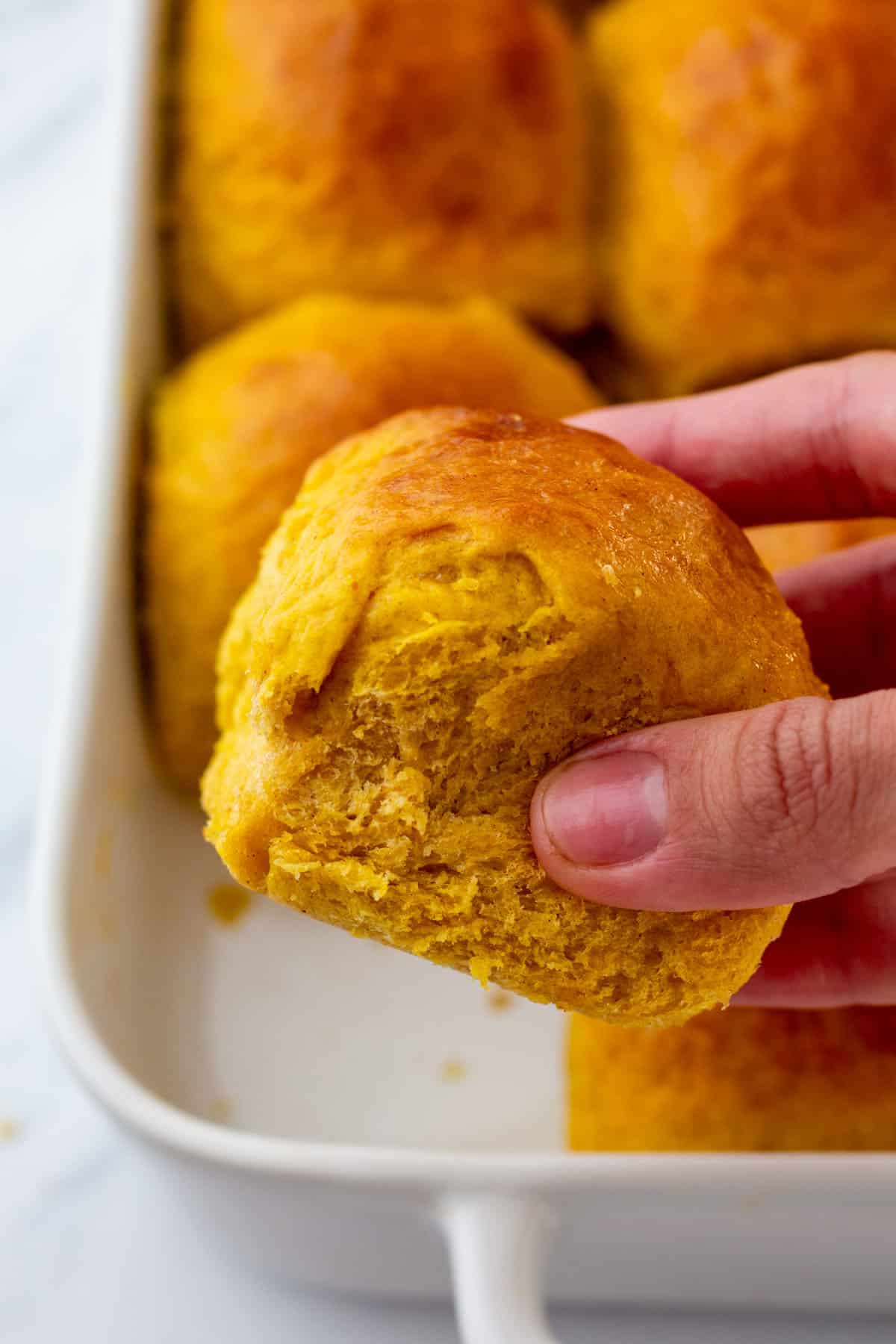
The pumpkin dinner roll serves as a sophisticated alternative to traditional brioche or standard wheat rolls. By incorporating pumpkin puree directly into the dough, bakers introduce a natural humectant that significantly extends the shelf life and softness of the final product. The recipe is characterized by its adaptability; the earthy notes of the squash allow for integration into savory menus featuring roasted meats, stews, and soups, while the inherent natural sugars facilitate its transition into a dessert-adjacent role when augmented with spiced fats.
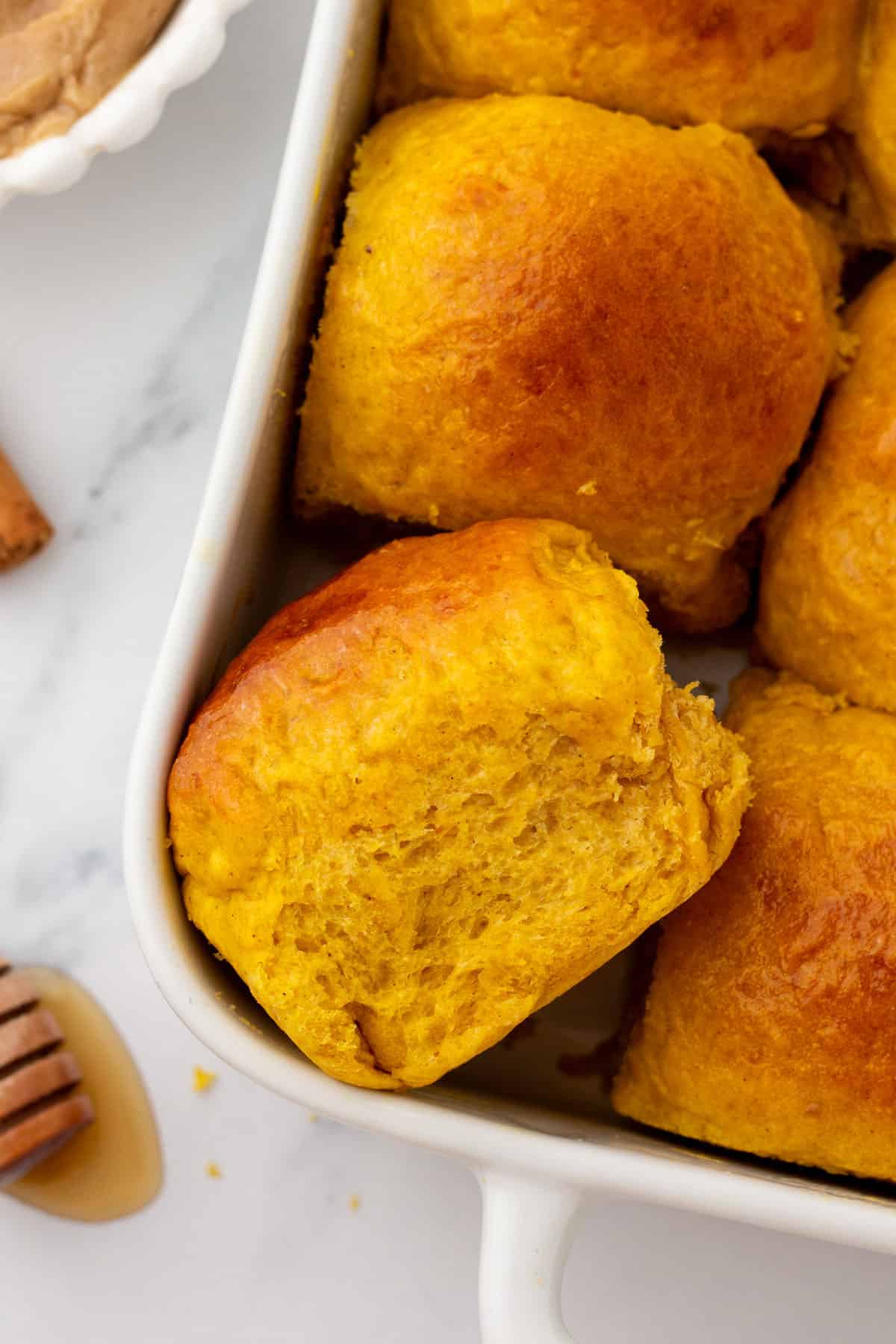
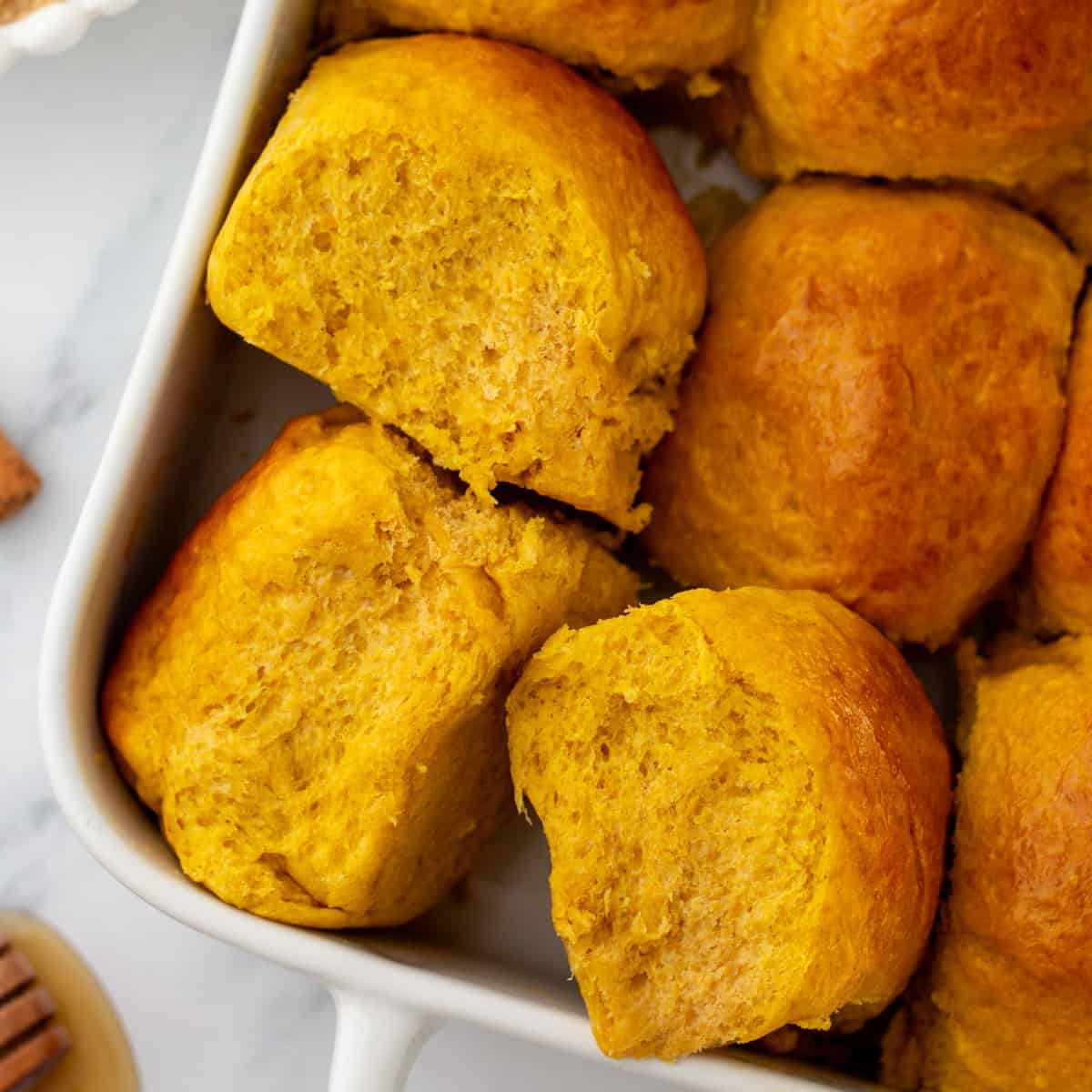
Key technical requirements for the production of these rolls include a strict temperature-controlled environment for yeast "blooming"—specifically 110°F (45°C) for the milk component—and a dual-phase fermentation process. The resulting rolls are distinguished by a golden-orange hue, a direct consequence of the carotenoids present in the pumpkin puree, and a glossy exterior achieved through a protein-rich egg wash application prior to baking at 375°F (190°C).
Chronology of Production: From Activation to Service
The manufacturing of high-quality pumpkin rolls follows a rigorous timeline totaling approximately two hours and 45 minutes. Understanding this chronology is essential for home bakers and commercial kitchen staff aiming to coordinate fresh bread service with complex holiday meals.
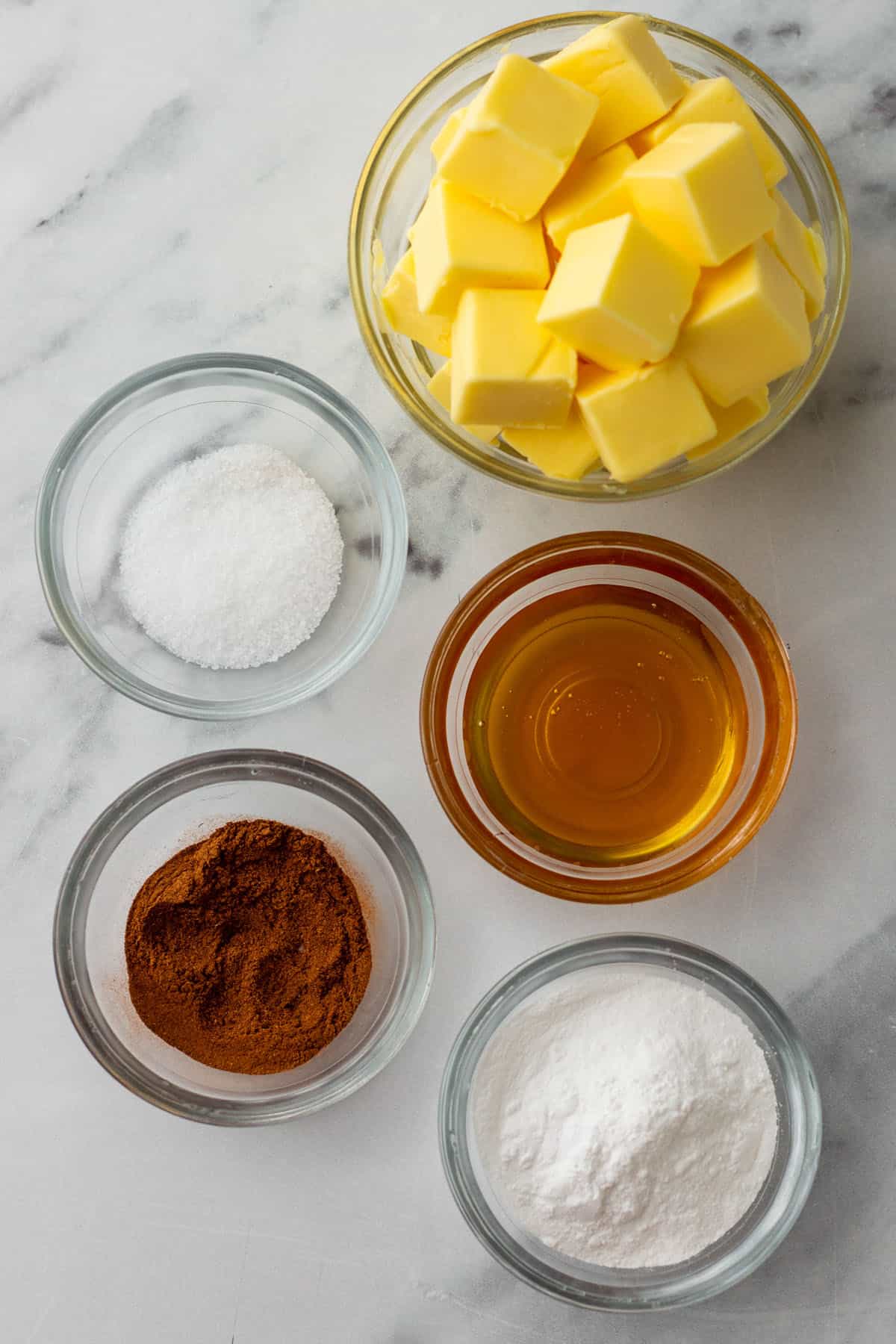
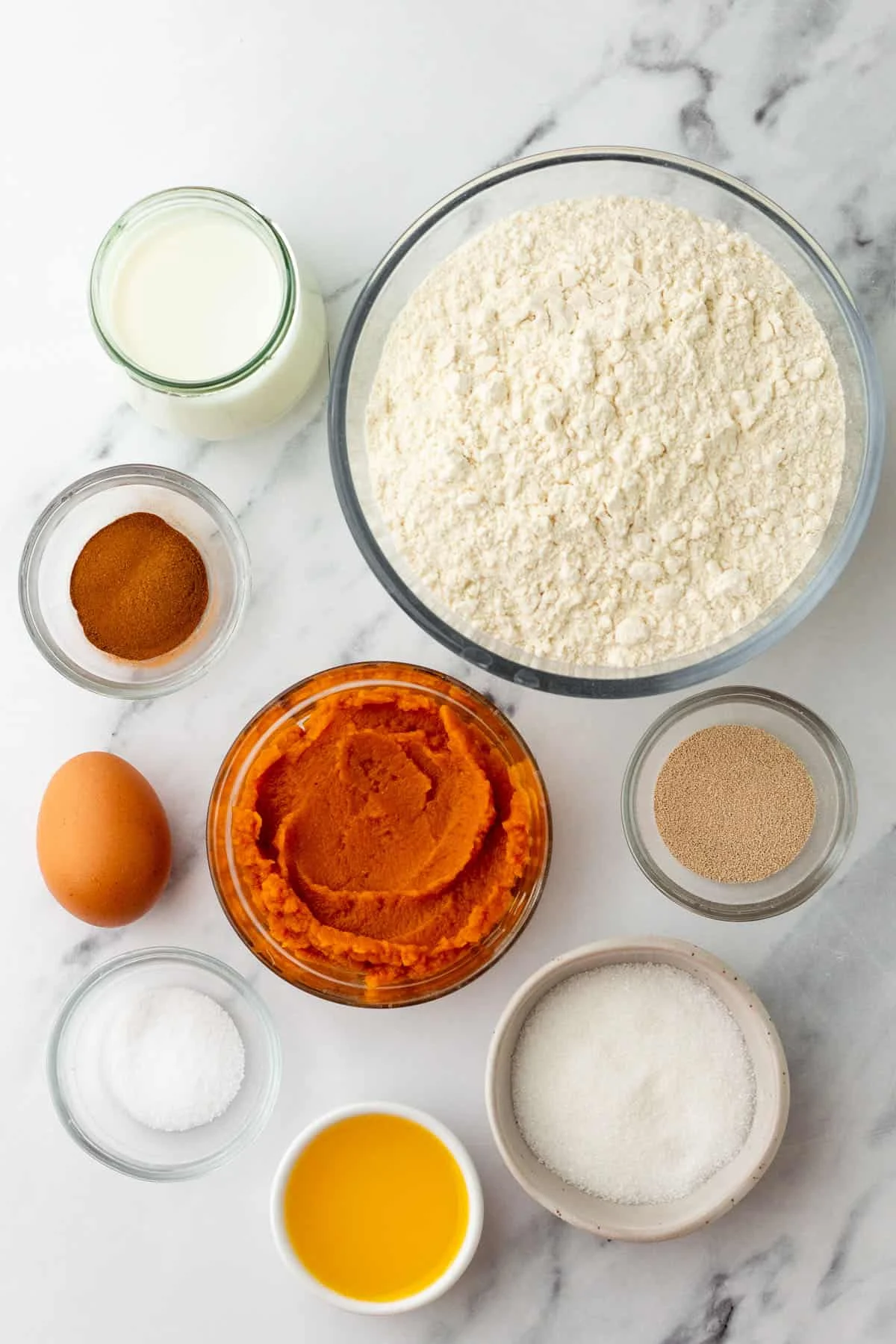
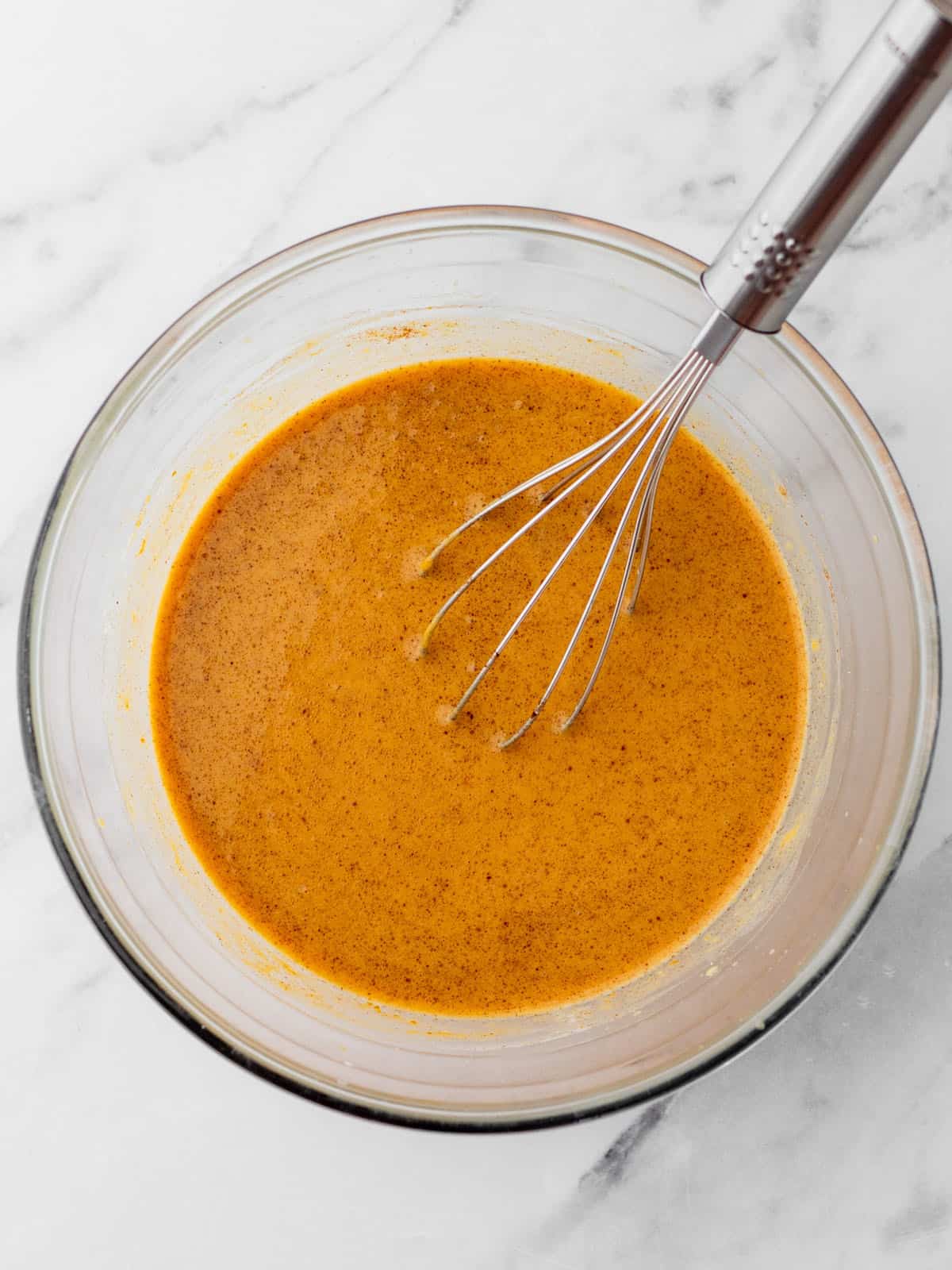
- Phase I: Yeast Activation (0:00–0:10): The process begins with the "blooming" of active dry yeast. This biological reaction requires warm milk and a primary catalyst (granulated sugar). Within five minutes, the yeast should exhibit frothiness, indicating the microorganisms are active and producing carbon dioxide.
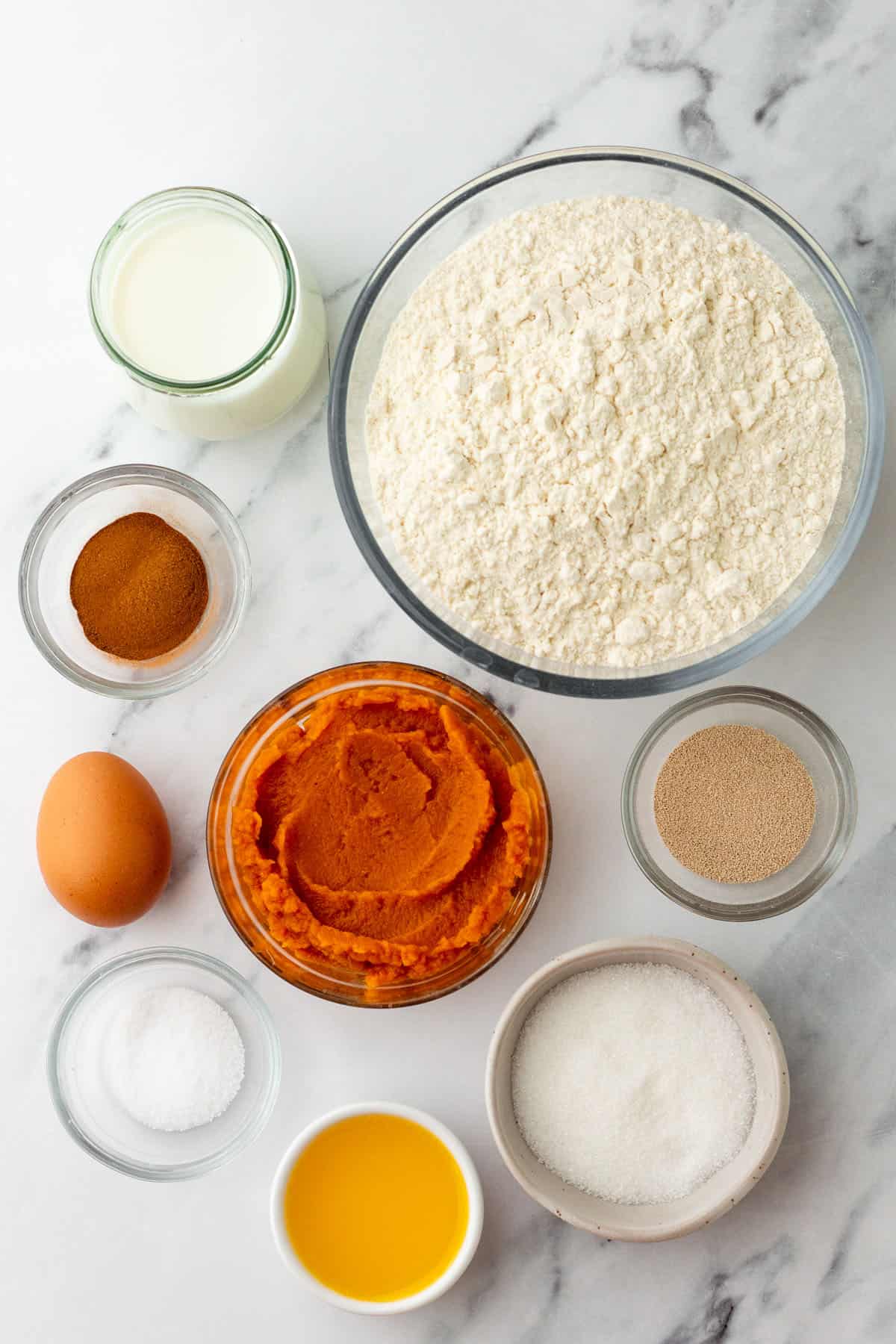
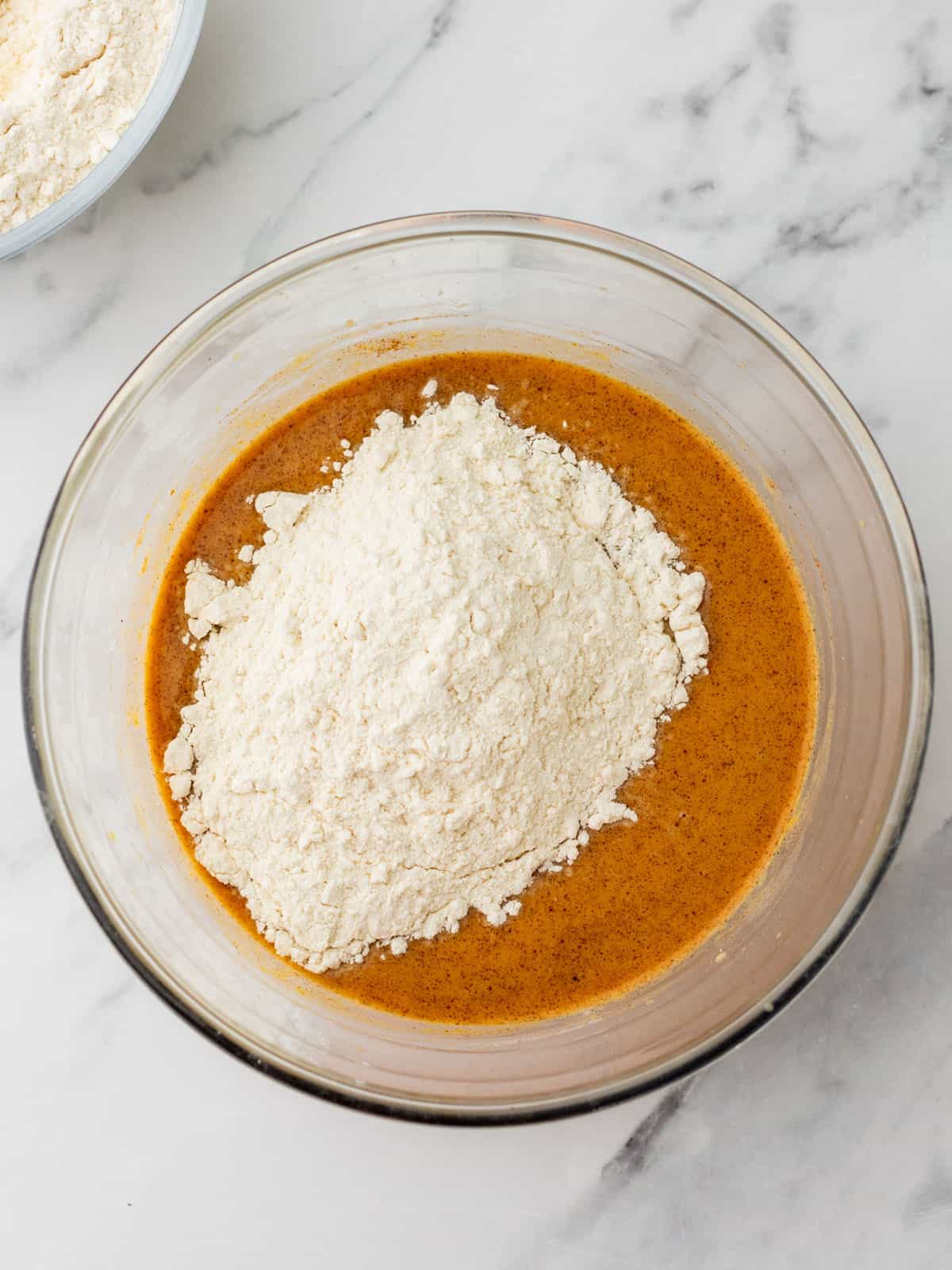
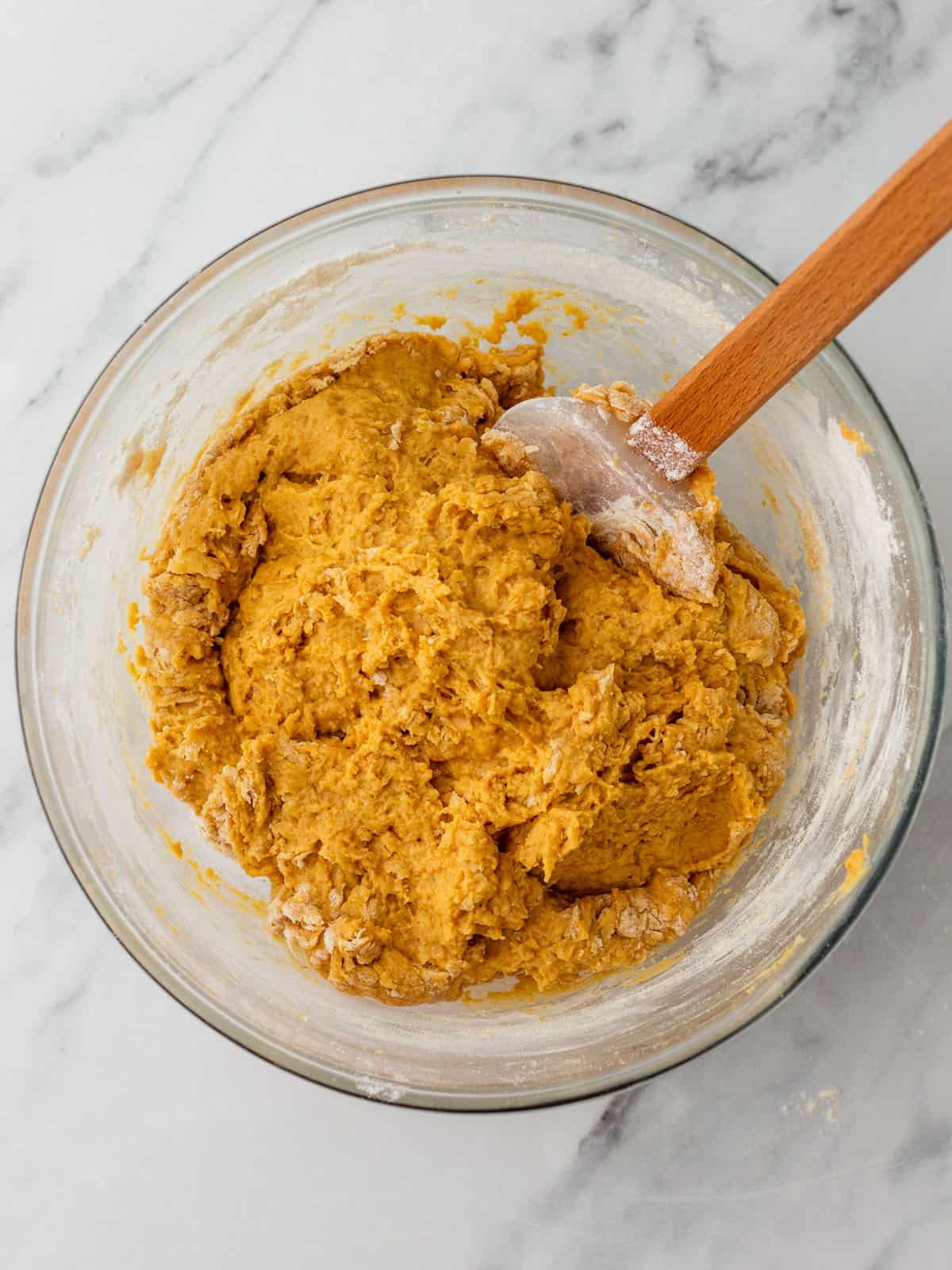
- Phase II: Incorporation and Mixing (0:10–0:25): The pumpkin puree, melted unsalted butter, salt, and optional ground cinnamon are integrated into the yeast slurry. Flour is then added incrementally. Professional bakers recommend starting with 3.5 cups of all-purpose flour, though the specific moisture content of the pumpkin puree may necessitate additional volume to achieve a non-sticky, soft consistency.
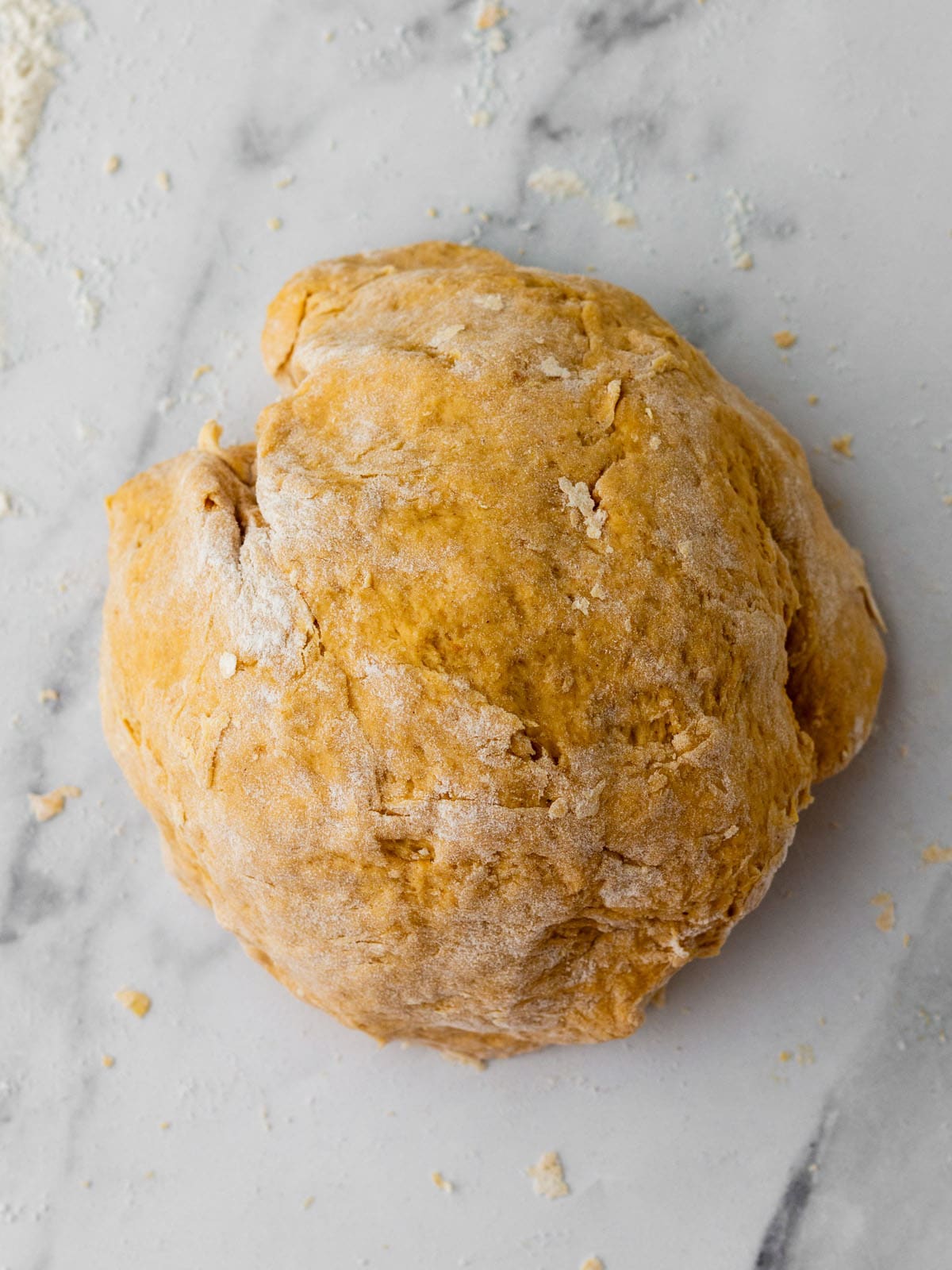
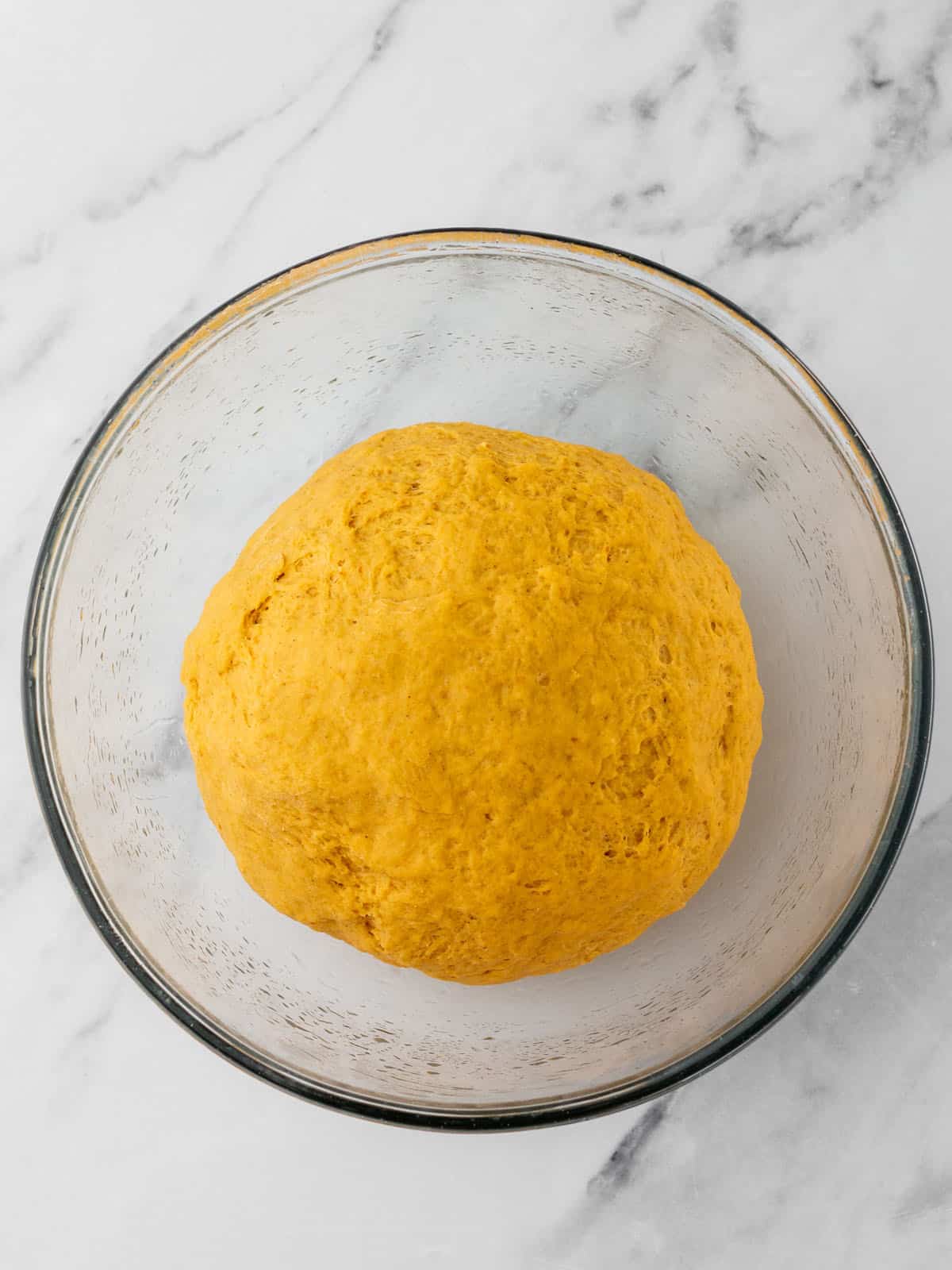
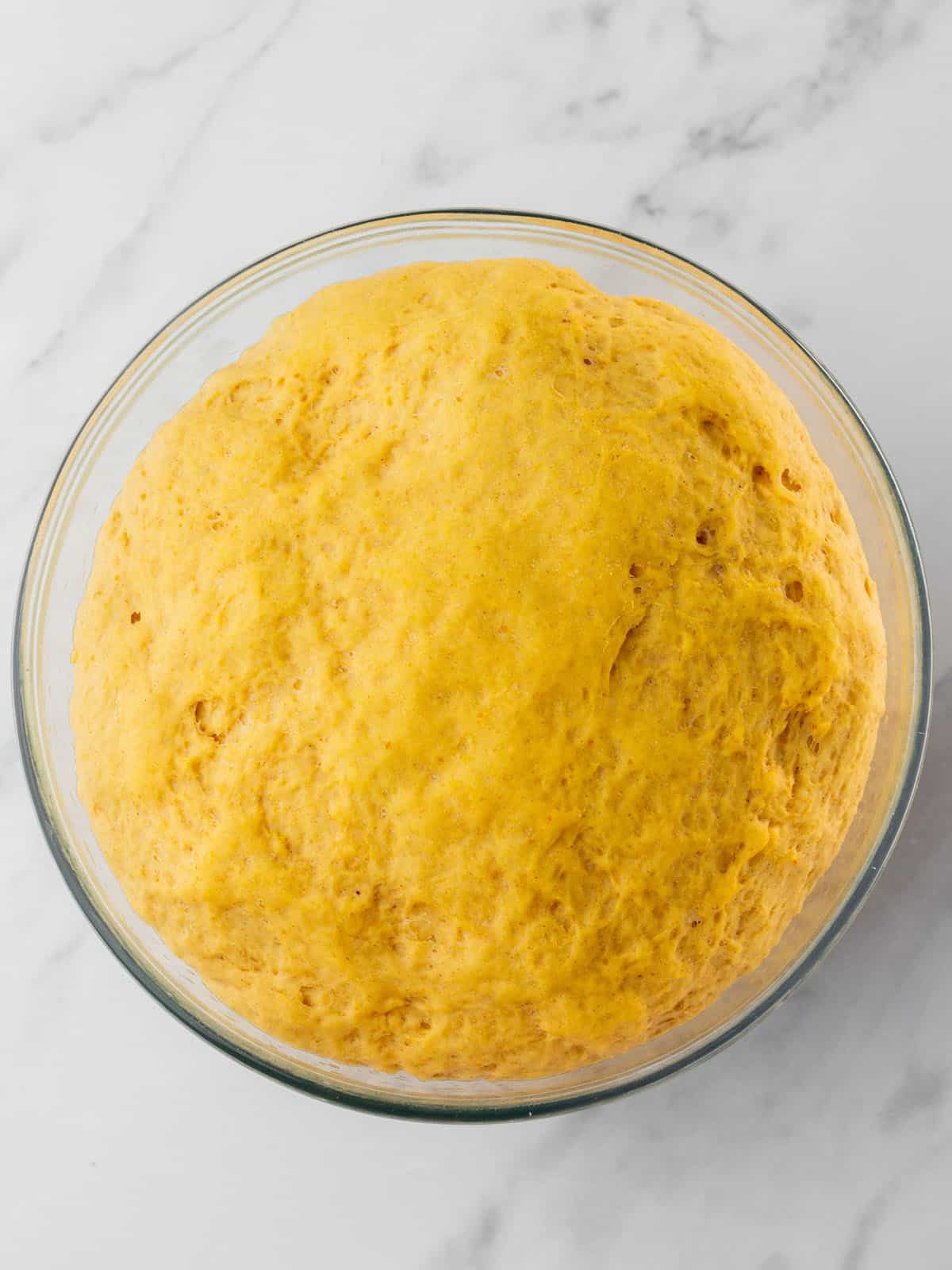
- Phase III: Primary Fermentation (0:25–1:35): Once the dough is kneaded for 8 to 10 minutes to develop the gluten network (either manually or via a stand mixer), it undergoes a 60-minute rise in a draft-free environment. This stage is critical for volume development.
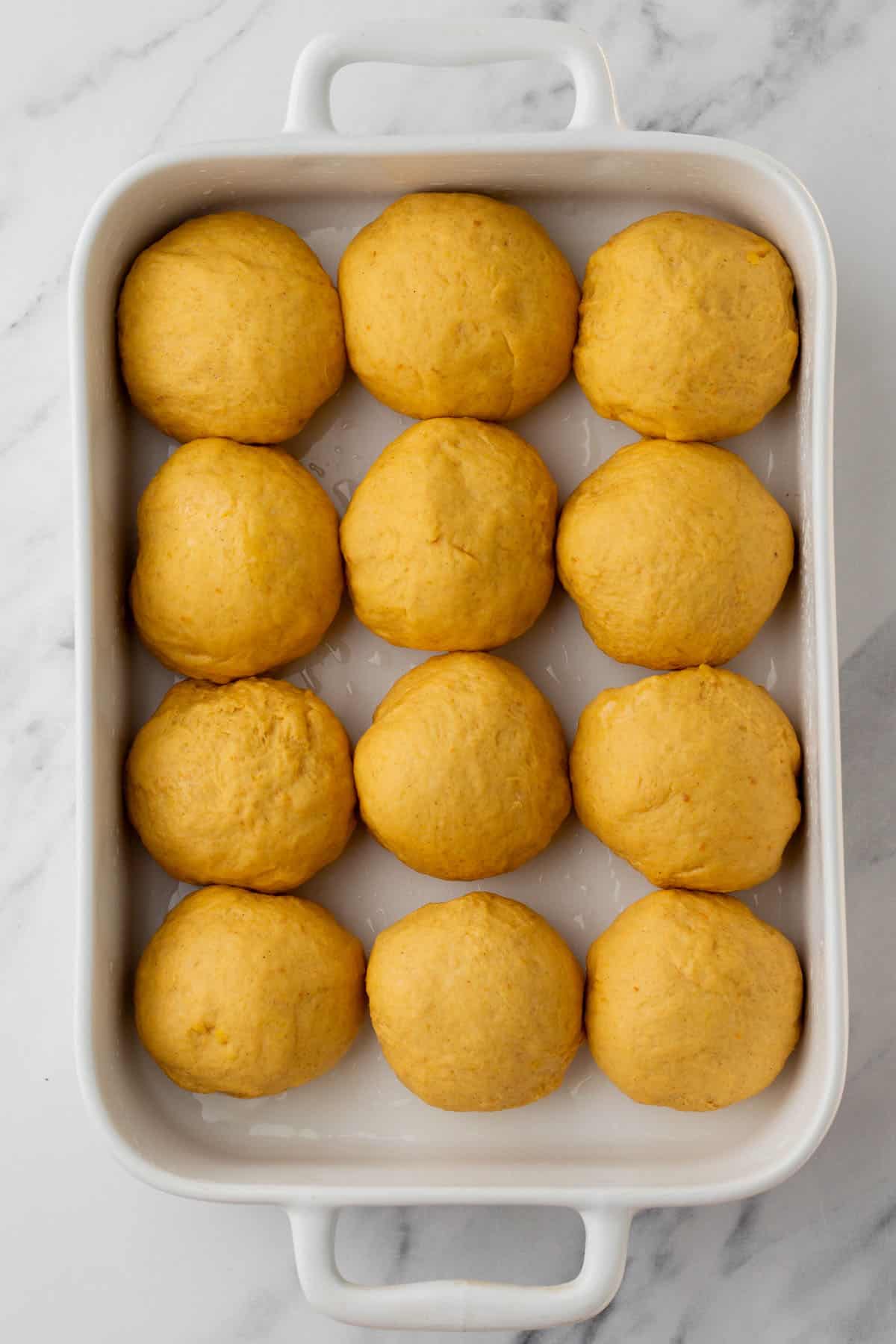
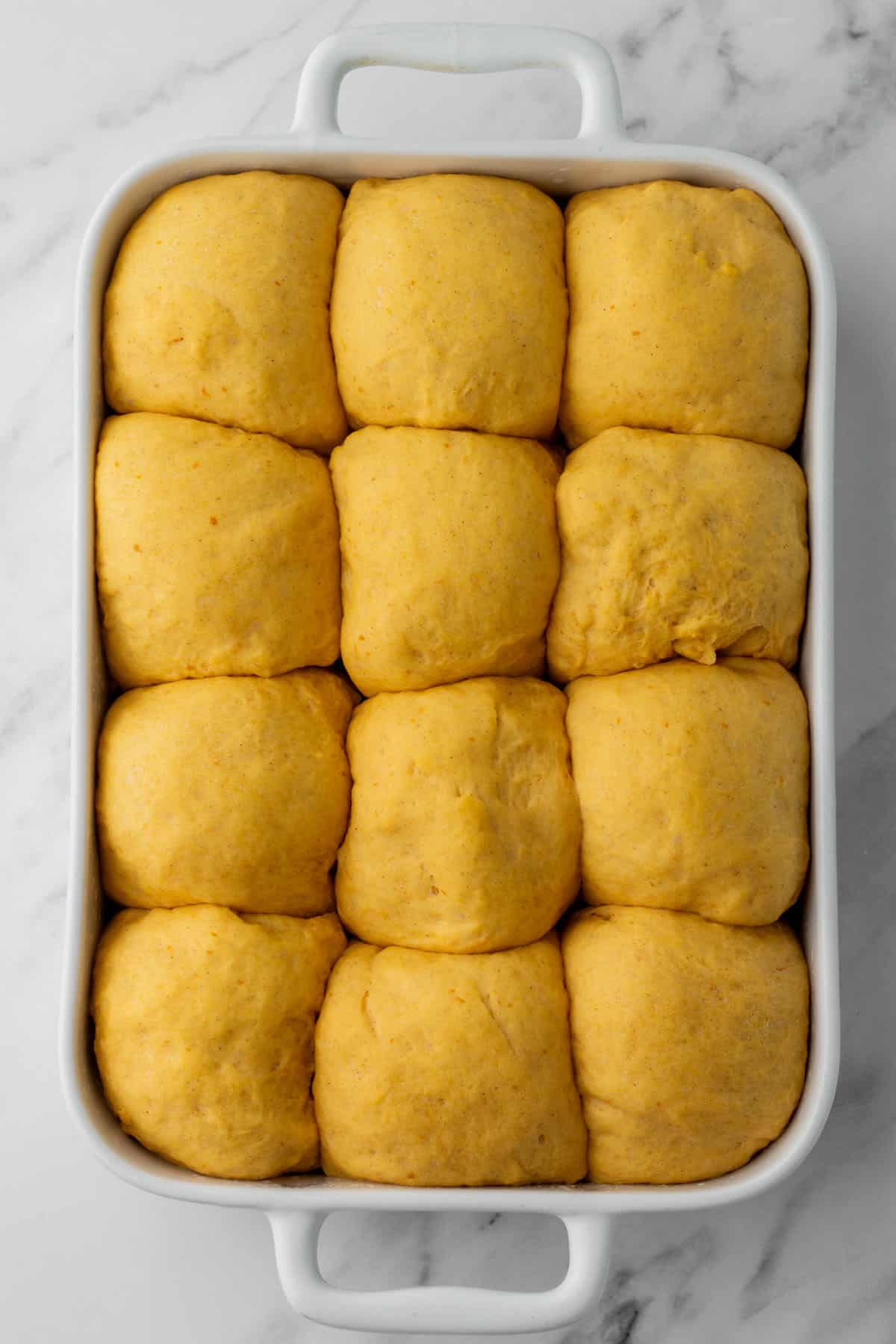
- Phase IV: Shaping and Secondary Rise (1:35–2:20): The dough is de-gassed (punched down), divided into 12 equal portions, and shaped into spheres. A secondary 45-minute rise follows, allowing the rolls to achieve a "puffy" state that ensures internal lightness.
- Phase V: Thermal Processing (2:20–2:45): After an egg wash application, the rolls are baked for 15 to 20 minutes. The final product is evaluated based on a golden-brown surface and a "hollow" acoustic response when tapped on the base.
Culinary Chemistry: The Role of Pumpkin in Dough Rheology
The inclusion of pumpkin puree in yeast-leavened doughs is more than a flavor choice; it is a functional intervention in bread chemistry. Pumpkin puree is rich in fiber and complex carbohydrates, which hold onto water molecules more effectively than standard wheat flour. This high water-binding capacity results in a dough that remains moist for a longer duration post-bake.
Furthermore, the acidity of the pumpkin can slightly alter the pH of the dough, which may influence the rate of fermentation. Culinary analysts note that while the sugars in the pumpkin provide fuel for the yeast, the density of the puree requires a strong gluten structure to prevent the rolls from becoming overly dense. This is why the 8-to-10-minute kneading period is non-negotiable for achieving the desired "fluffy" texture.
Market Data and Seasonal Consumer Trends
The rise of the pumpkin dinner roll coincides with the broader "Pumpkin Spice" economic phenomenon, which has seen exponential growth over the last decade. According to market research data, the seasonal flavor industry, dominated by pumpkin-themed products, is valued at over $500 million annually in the United States alone. While much of this value is driven by beverages, there is a growing segment of the market dedicated to "home-baked" authenticity and organic ingredients.
The specific recipe for these rolls reflects a shift toward premiumization in the baking aisle. Consumers are increasingly opting for organic cane sugar, raw honey, and organic all-purpose flour. This trend is driven by a desire for "clean label" ingredients and a rejection of the high-fructose corn syrup and preservatives found in mass-produced, supermarket-grade dinner rolls.
Nutritional Profile and Health Implications
From a nutritional standpoint, the pumpkin dinner roll offers several advantages over its traditional counterparts. Pumpkin is a nutrient-dense squash, providing significant amounts of Vitamin A (as beta-carotene), Vitamin C, and potassium. While the bread-making process involves carbohydrates and fats, the addition of real vegetable puree introduces dietary fiber and antioxidants into a category of food typically viewed as "empty calories."
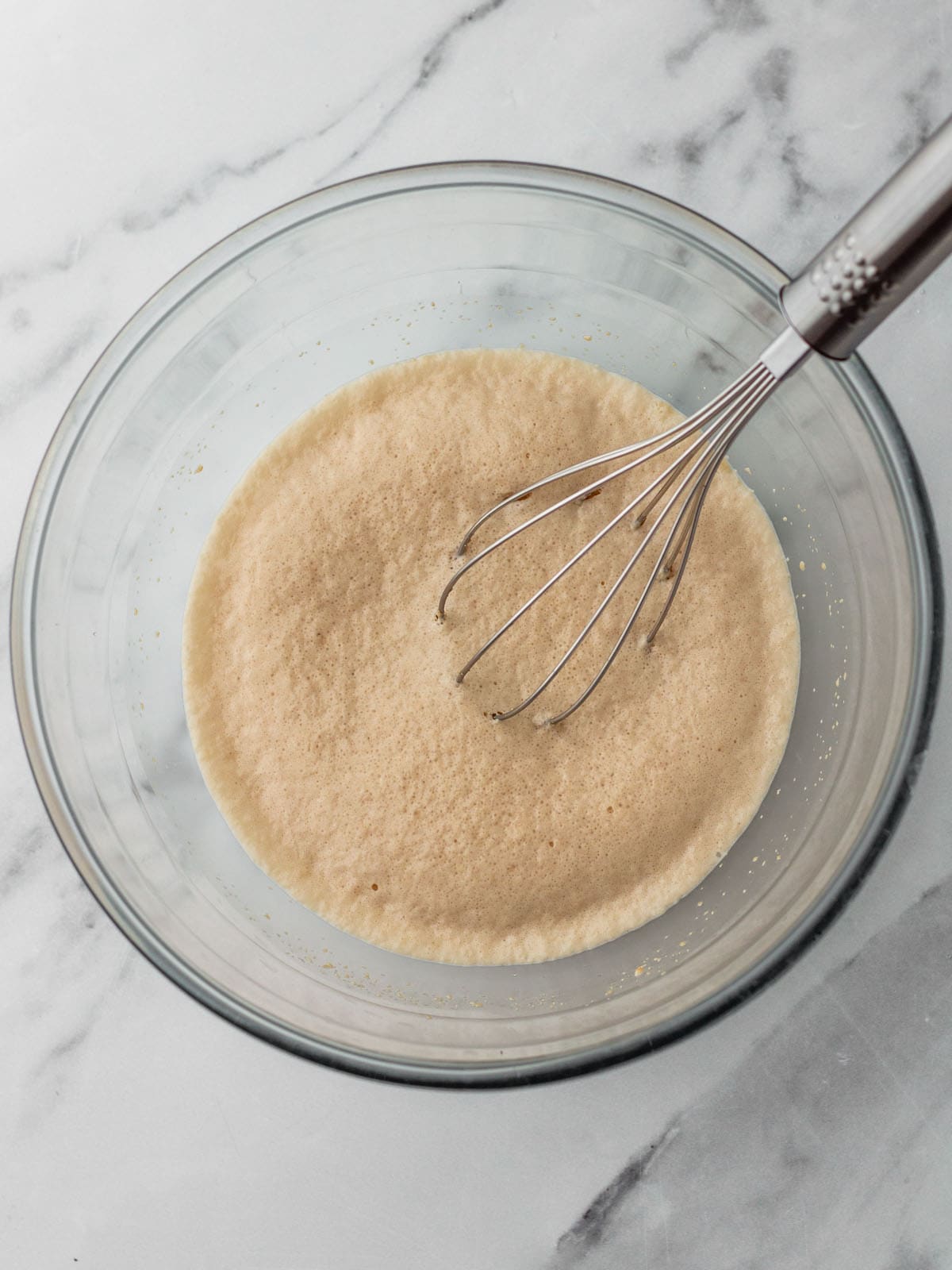
Using raw honey in the accompanying cinnamon butter further enhances the nutritional profile. Raw honey contains trace amounts of local pollen and enzymes that are often destroyed in the pasteurization process of commercial honey. When combined with cinnamon—a spice known for its potential anti-inflammatory properties—the condiment becomes a functional addition to the meal.
Operational Versatility: Advanced Preparation and Machinery
To meet the demands of modern households and professional catering, the recipe has been adapted for various operational workflows.
The Bread Machine Method:
For those seeking to minimize manual labor, the dough can be prepared entirely within a bread machine. This method utilizes the machine’s internal heating elements to provide a perfectly controlled environment for the first rise. The baker simply extracts the dough after the "dough setting" cycle, shapes the rolls, and proceeds with the standard secondary rise and oven bake.
Advanced Preparation (The Overnight Method):
In a strategic move for holiday meal planning, the rolls can be shaped and refrigerated overnight. The cold fermentation process slows the yeast activity, allowing the dough to develop more complex flavors while providing the convenience of a "bake-on-demand" schedule the following morning.
Expert Analysis of Flavor Profiles and Pairings
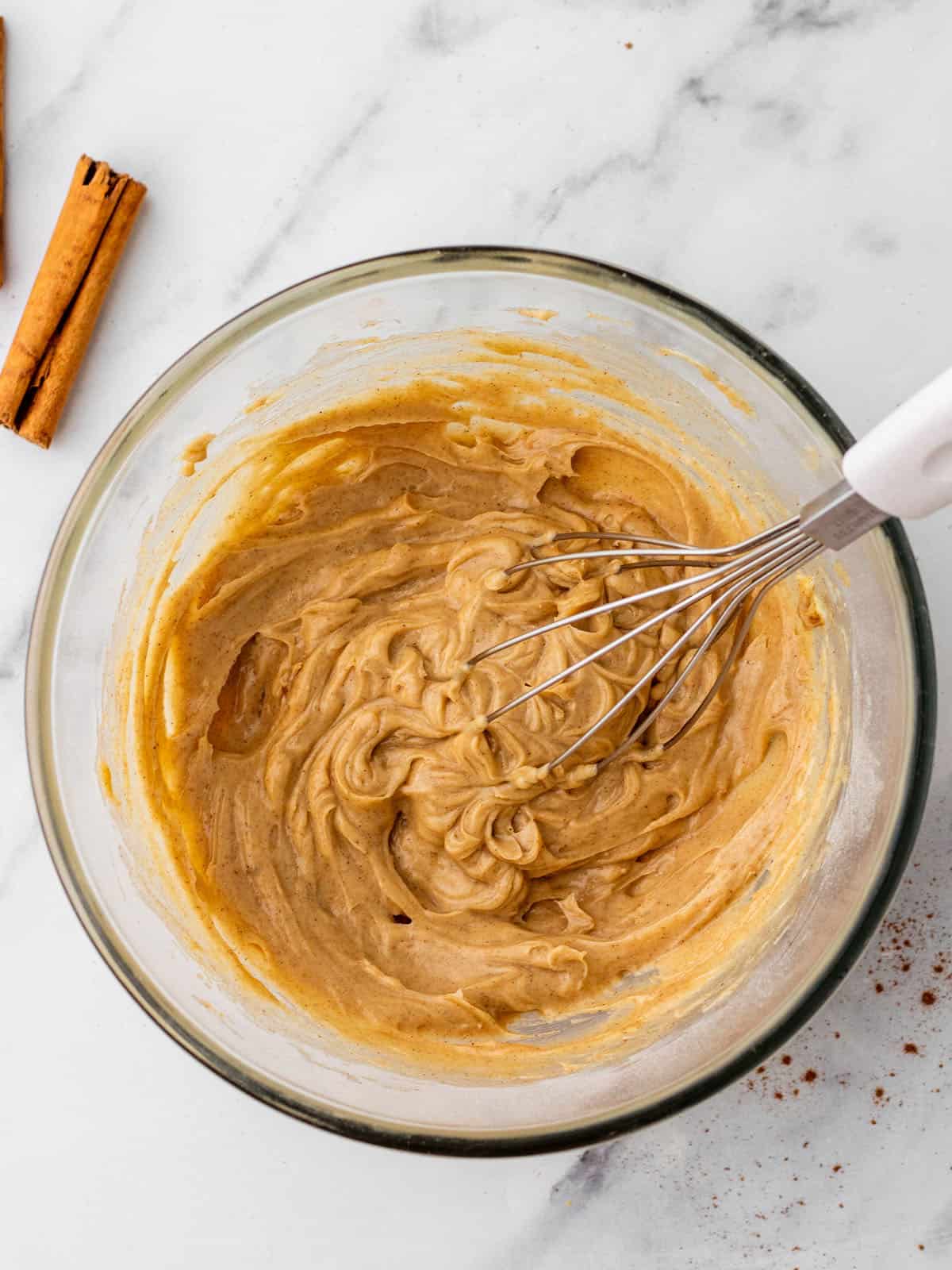
Culinary experts suggest that the versatility of the pumpkin roll lies in its balanced flavor profile. Unlike pumpkin pie, which is heavily reliant on cloves, ginger, and nutmeg, the pumpkin dinner roll uses a more subtle spice palette. The optional inclusion of cinnamon in the dough provides a bridge to the whipped cinnamon butter, while the salt content ensures it remains firmly in the "bread" category rather than "cake."
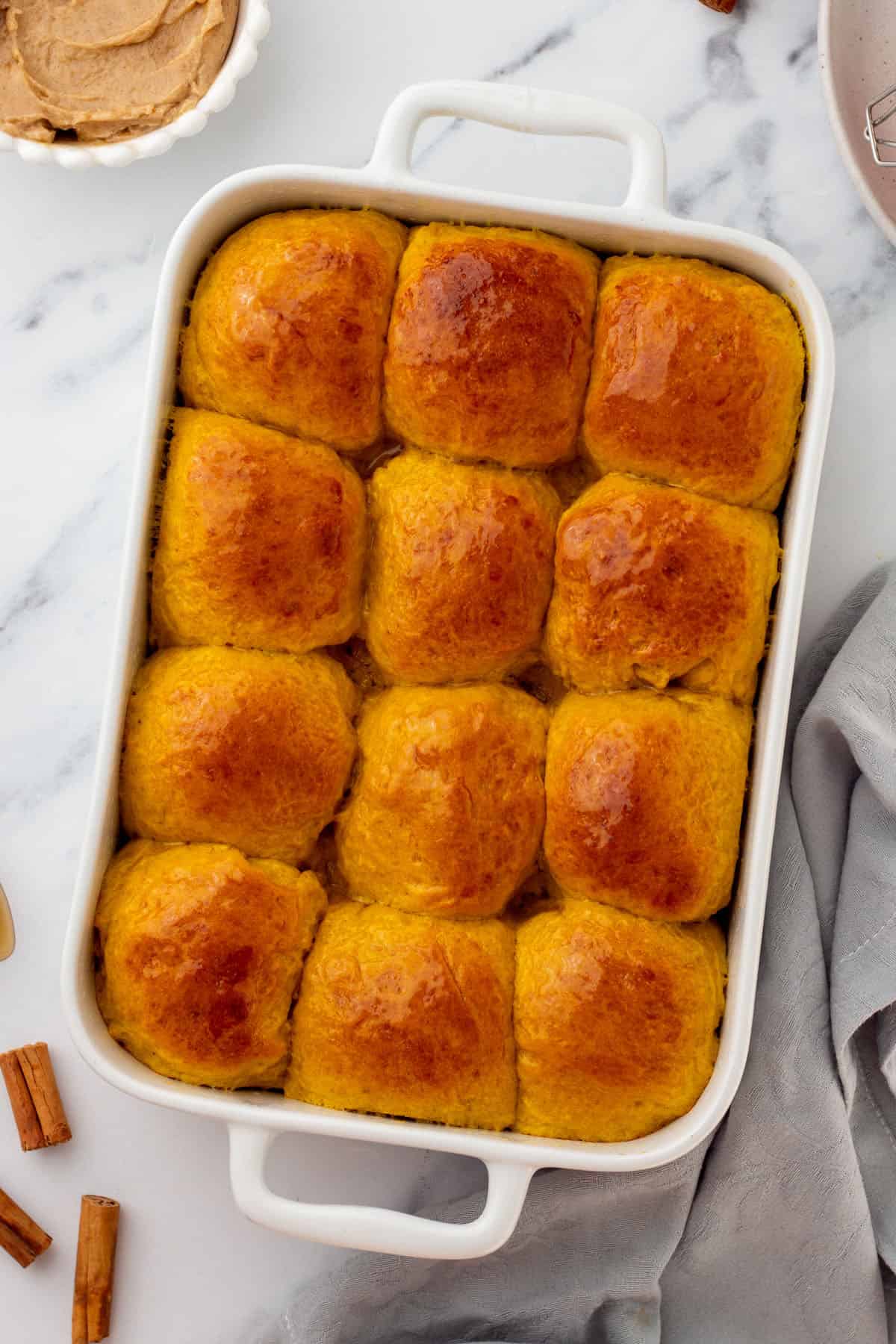
In terms of pairing, the rolls are highly recommended for high-sodium savory dishes. The slight sweetness of the pumpkin and honey provides a necessary counterpoint to the saltiness of a Thanksgiving turkey or a slow-cooked beef stew. For a purely sweet application, the rolls can be served as a breakfast item, toasted and topped with a drizzle of additional raw honey.
Conclusion and Long-Term Storage Solutions
As the culinary landscape continues to evolve, the pumpkin dinner roll stands as a testament to the enduring appeal of seasonal, scratch-made baked goods. Its success is rooted in the intersection of traditional fermentation techniques and modern ingredient standards.
For long-term utility, the rolls demonstrate excellent stability under cryogenic conditions. Baked rolls can be frozen for up to two months without significant degradation of the crumb structure, provided they are stored in airtight, moisture-vapor-proof packaging. This allows both domestic and professional bakers to produce large batches in advance of the peak holiday season, ensuring that the "warm vibes" of autumn are accessible with minimal notice.