The global market for fermented foods and beverages has experienced a significant resurgence over the past decade, driven by a growing consumer interest in gut health, probiotics, and traditional food preservation methods. As the holiday season approaches, the demand for specialized fermentation and homebrewing equipment has surged, reflecting a broader cultural shift toward artisanal, home-based culinary production. Market analysts report that the global fermented food and drinks market, valued at approximately $575 billion in 2022, is projected to expand at a compound annual growth rate (CAGR) of 7.1% through 2032. This economic trend is mirrored in the domestic sphere, where hobbyists are increasingly seeking high-quality tools to produce kombucha, sauerkraut, mead, and craft beer. This guide provides a comprehensive overview of the essential equipment, starter cultures, and educational resources currently defining the industry standard for enthusiasts and novices alike.
The Evolution of Home Fermentation: A Brief Chronology
The practice of fermentation dates back to at least 7000 BCE, with archaeological evidence in Jiahu, China, suggesting the production of fermented beverages made from rice, honey, and fruit. For millennia, fermentation was primarily a survival strategy, a method of preserving seasonal harvests through the winter months. However, the mid-20th century saw a decline in home fermentation due to the rise of industrial food processing and refrigeration.
The modern revival of the craft began in earnest in the early 2000s, catalyzed by the publication of seminal works such as Sandor Katz’s "Wild Fermentation" in 2003. This literary milestone coincided with an emerging scientific consensus regarding the importance of the human microbiome. By the 2010s, the "DIY" food movement had moved from the fringes to the mainstream, leading to the development of specialized consumer hardware designed to simplify the fermentation process while ensuring food safety. Today, the industry has transitioned from rudimentary "open crock" methods to sophisticated anaerobic systems that utilize medical-grade silicone, stainless steel, and precision airlocks.
Advanced Infrastructure for Vegetable Fermentation
Vegetable fermentation, specifically lacto-fermentation, remains the most accessible entry point for beginners. While the fundamental requirements—a vessel, salt, and weights—remain unchanged, modern kits have introduced a level of consistency previously unavailable to the home cook.
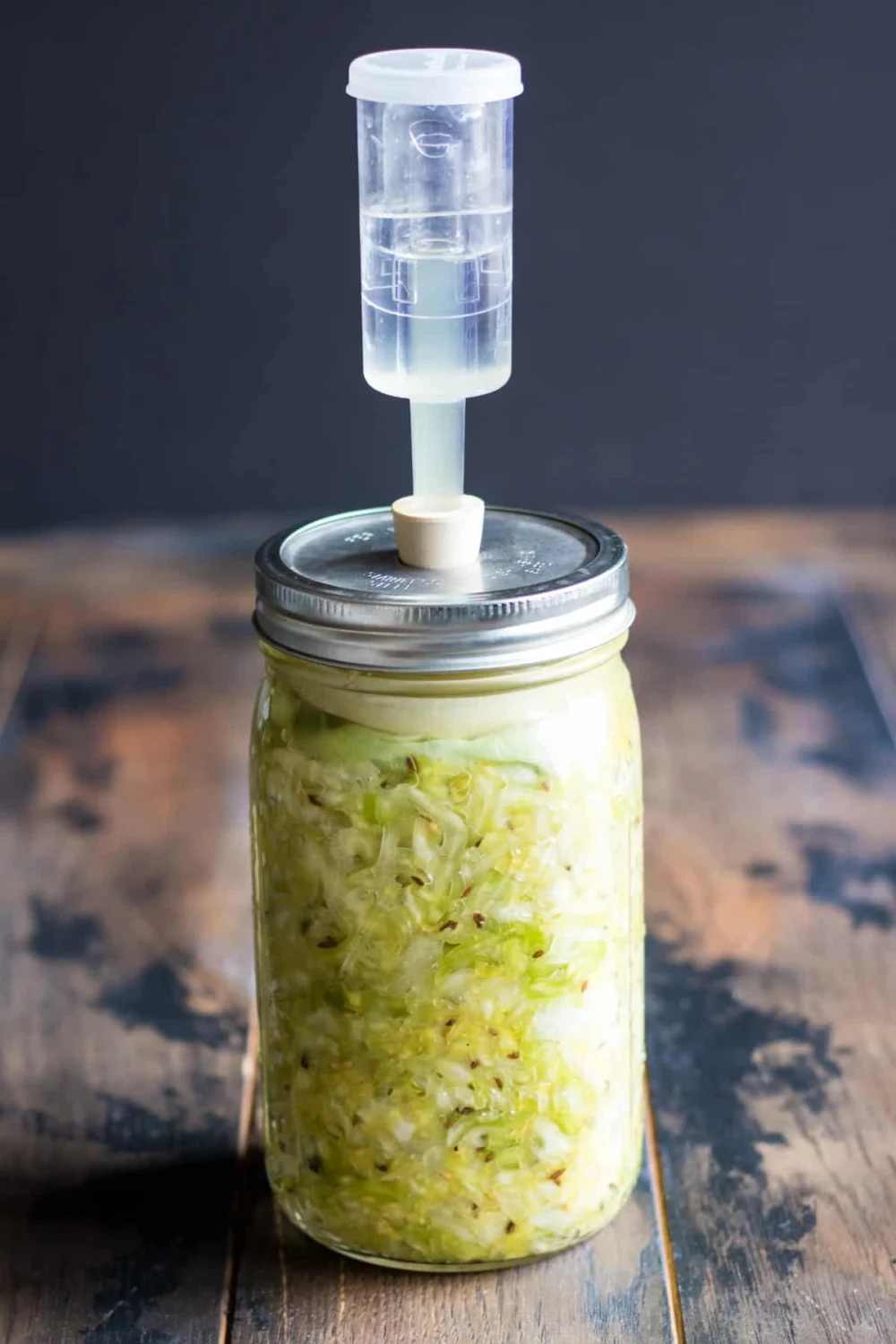
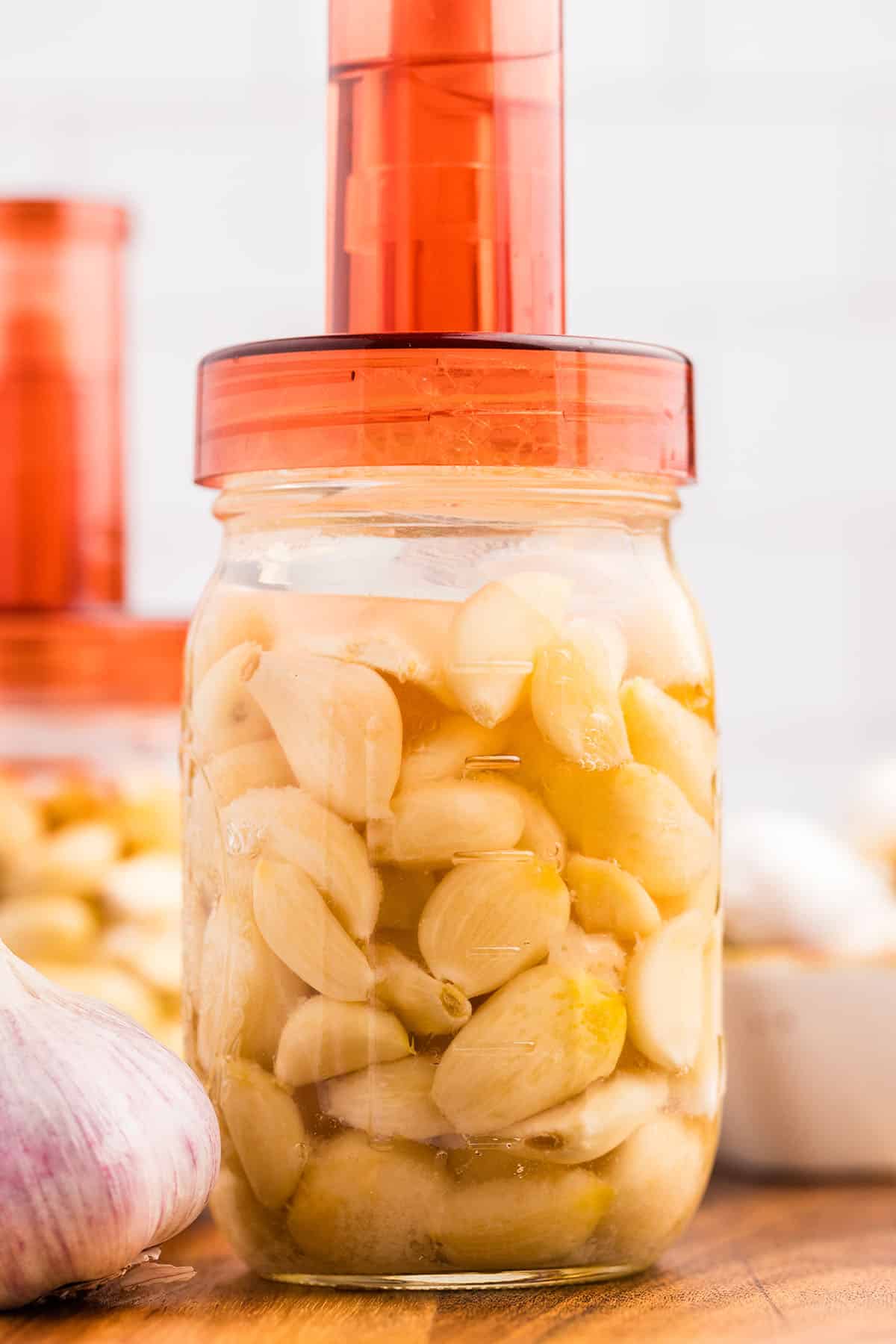
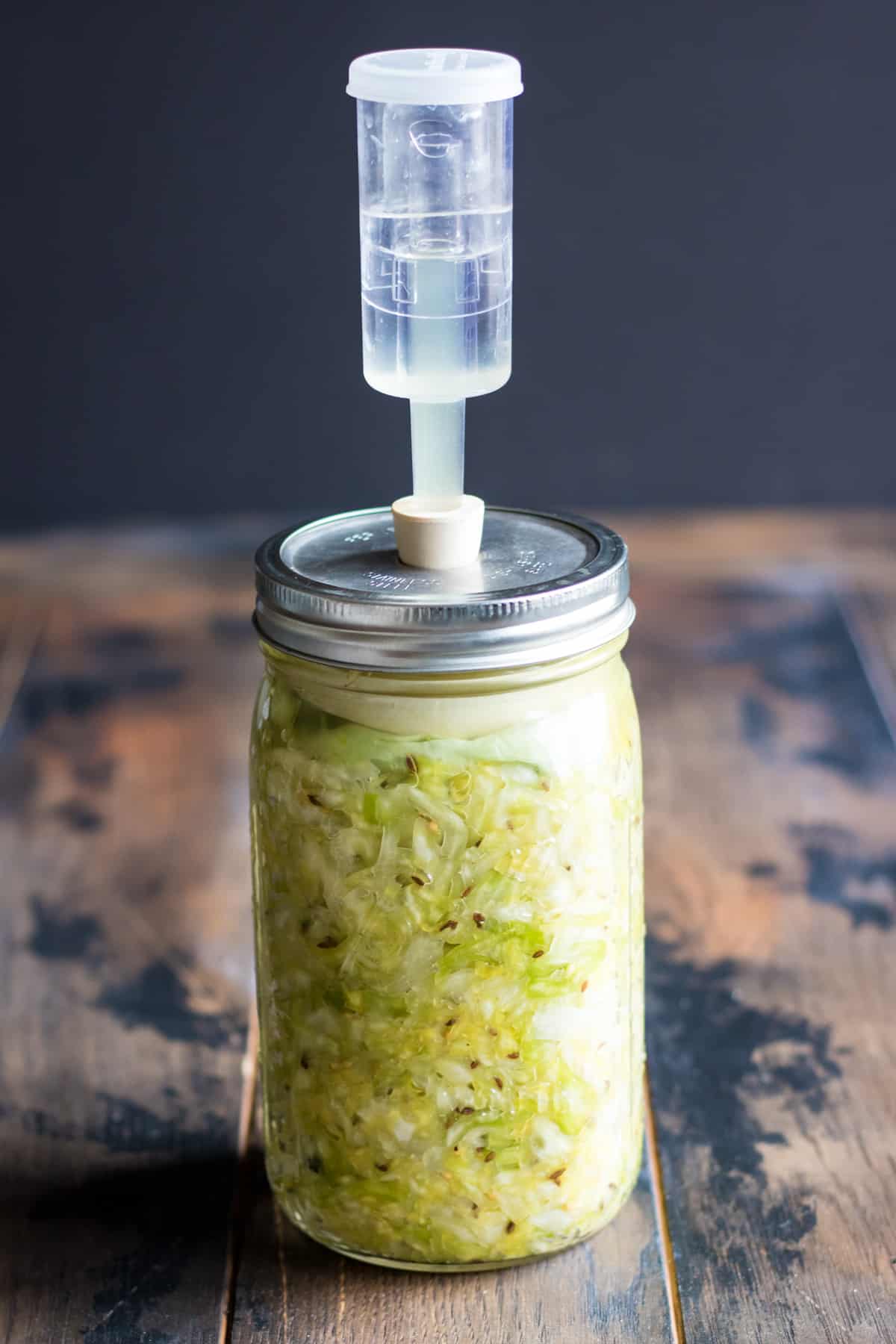
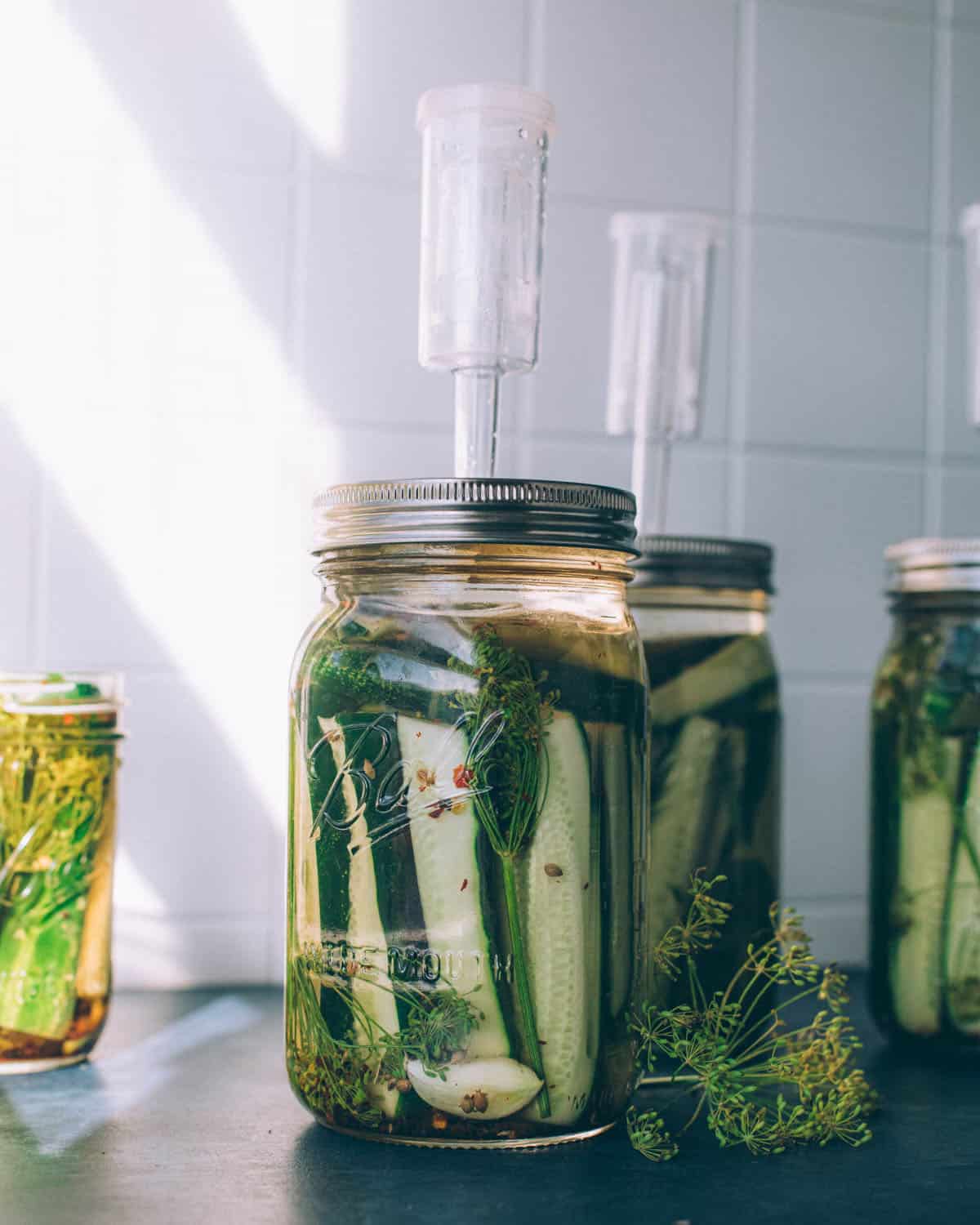
Industry leaders such as Easy Fermenter and Masontops have standardized the use of wide-mouth Mason jars as the primary fermentation vessel. The integration of specialized airlock lids is a critical technological advancement; these devices allow carbon dioxide to escape while preventing oxygen and environmental contaminants from entering the jar. This anaerobic environment is essential for the proliferation of Lactobacillus bacteria and the prevention of kahm yeast or mold.
For those engaging in larger-scale production, the ceramic crock remains the gold standard. High-capacity vessels, such as the three-gallon ceramic crocks produced by Ohio Stoneware, provide the thermal mass necessary to maintain stable fermentation temperatures. Supporting tools, such as the "Pickle Packer"—a wooden tamper designed by Masontops—allow for the efficient bruising and packing of fibrous vegetables like cabbage, ensuring that the produce remains submerged beneath its own brine. Data suggests that maintaining an environment with a pH below 4.6 is vital for safety, and these tools are engineered to facilitate that biological threshold.
The Probiotic Beverage Market: Kombucha, Jun, and Kefir
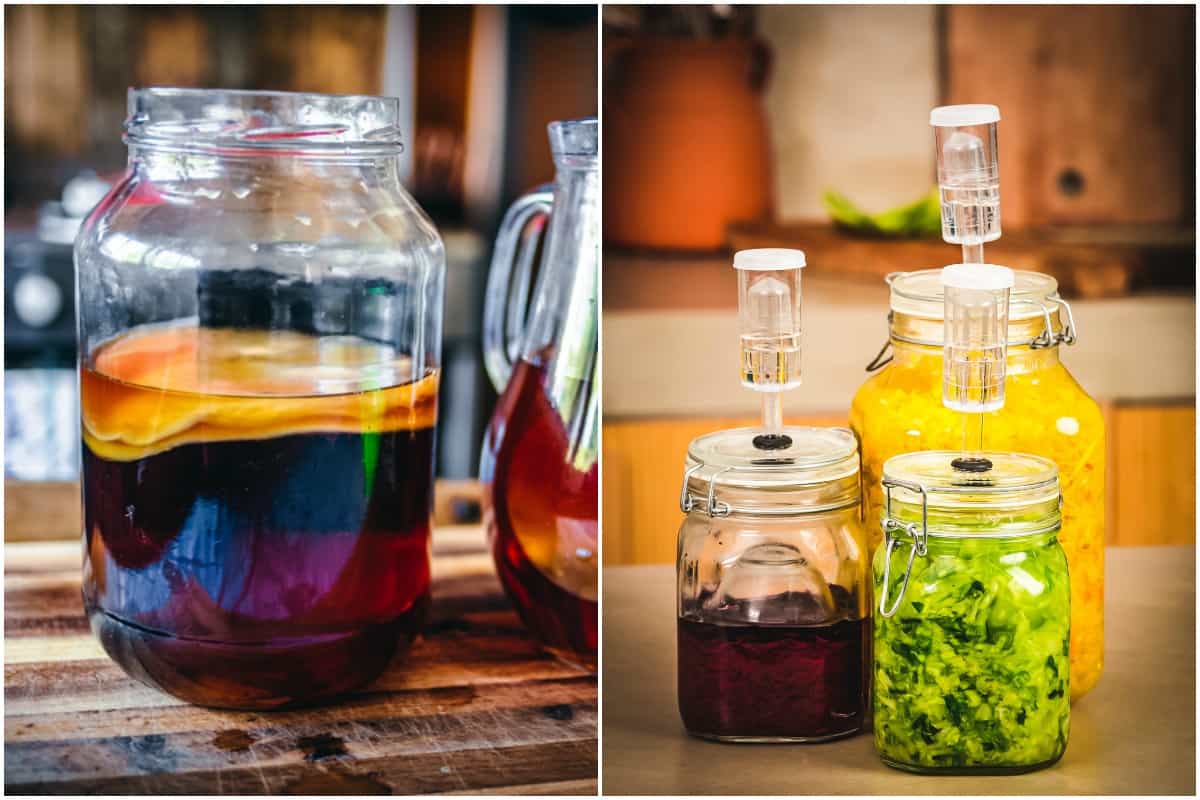
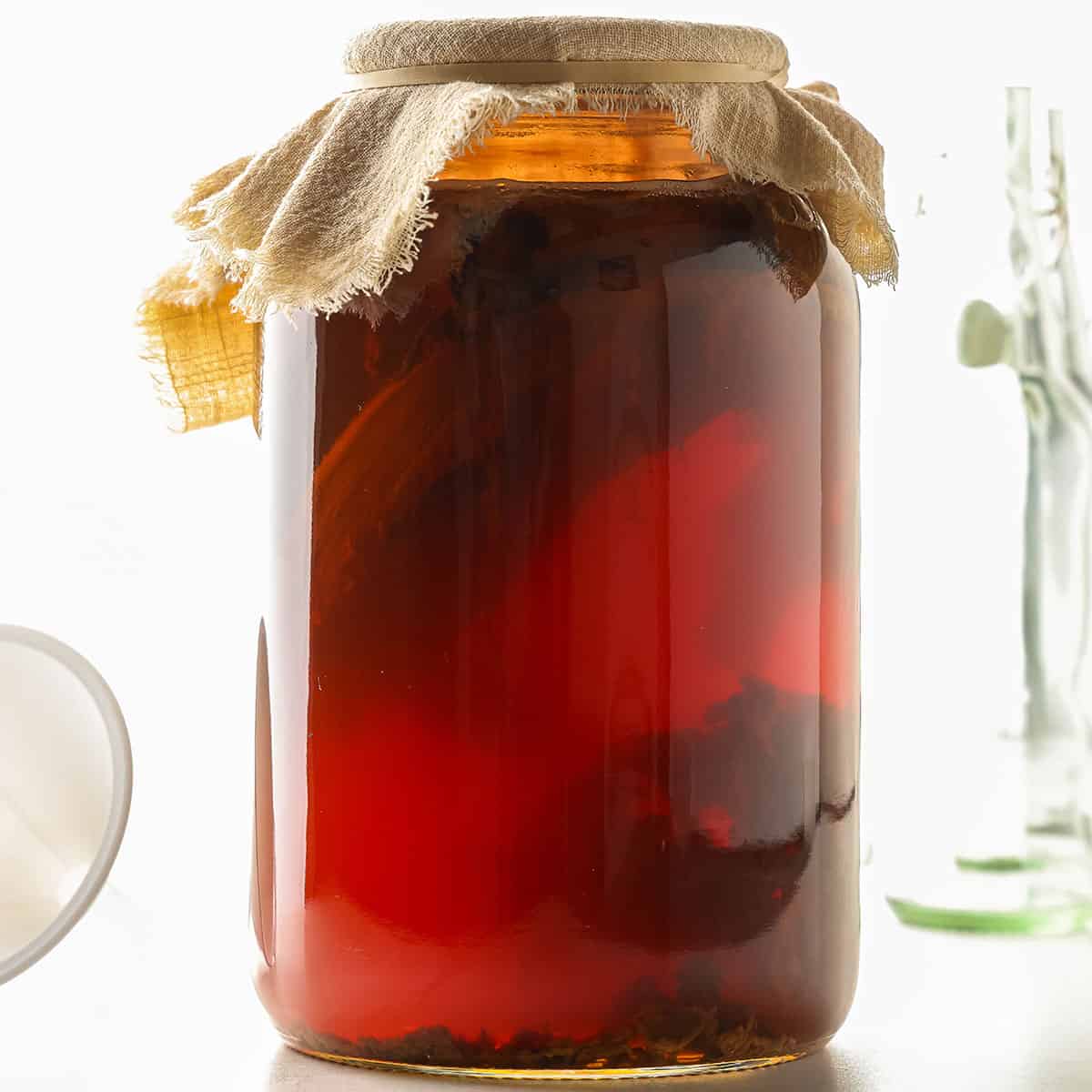
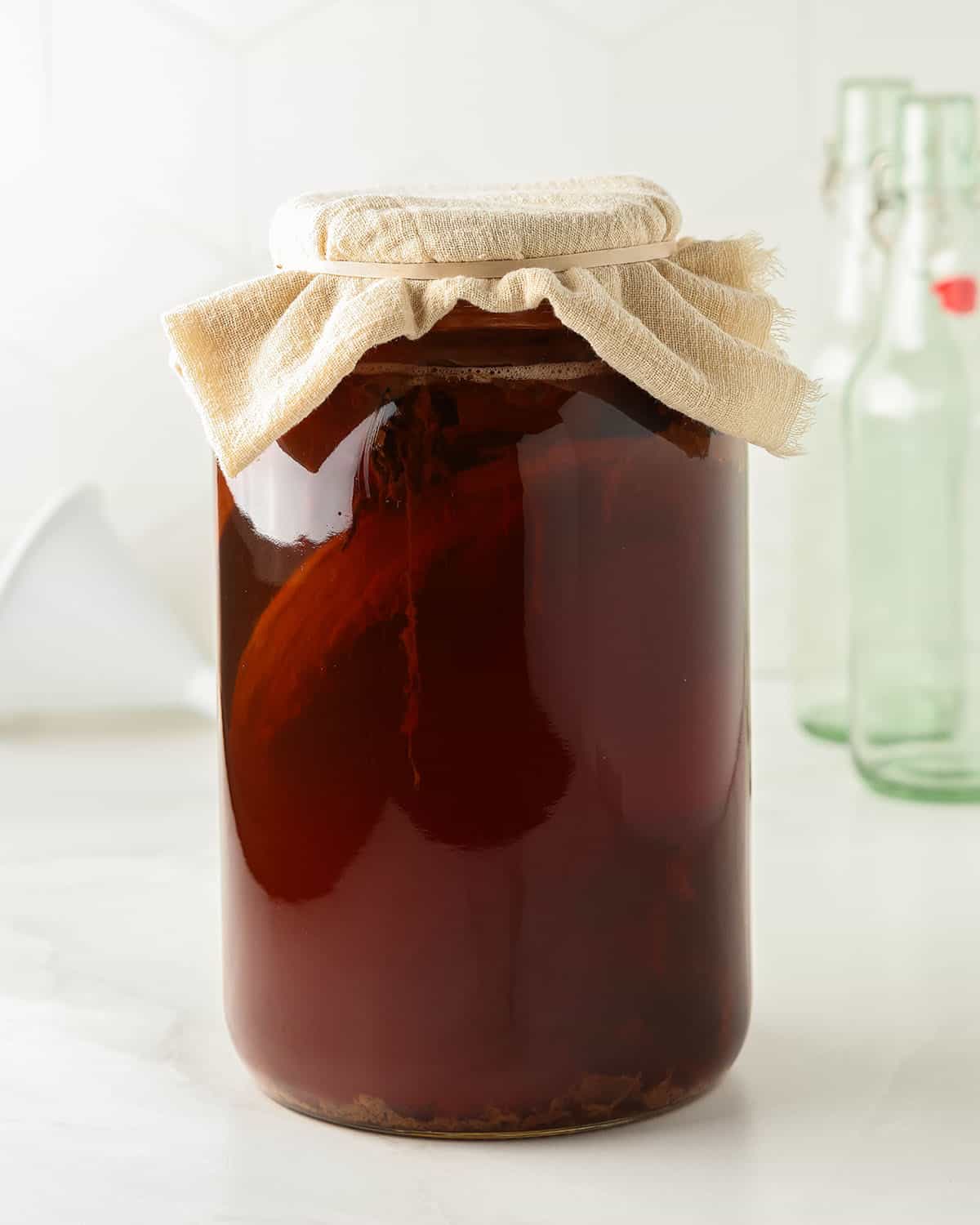
The beverage sector of home fermentation is dominated by kombucha, a fermented tea produced by a Symbiotic Culture of Bacteria and Yeast (SCOBY). The commercial success of bottled kombucha has led many consumers to seek cost-effective home-brewing solutions. A standard one-gallon glass jar serves as the foundational unit for most home operations, providing the necessary surface area for the SCOBY to thrive.

Specialized suppliers like Kombucha Kamp and Cultures for Health have professionalized the distribution of starter cultures. Historically, SCOBYs were shared informally among hobbyists, but the risk of cross-contamination has led to a market for laboratory-tested, pathogen-free cultures. Furthermore, the rise of Jun—a variation of kombucha brewed with green tea and honey—represents a niche but growing segment of the market.
Kefir, both milk and water-based, offers a different probiotic profile. Unlike the flat SCOBY used in kombucha, kefir relies on "grains"—polysaccharide matrices containing a complex mix of bacteria and yeasts. The technical challenge of maintaining these living cultures has been mitigated by the introduction of comprehensive starter kits that include temperature-monitoring strips and specialized straining equipment.
Small-Batch Homebrewing: Mead, Cider, and Craft Beer
The homebrewing of alcoholic beverages has shifted from large five-gallon carboys to "nano-brewing" or one-gallon batches. This transition allows for greater experimentation and lower overhead costs for the hobbyist. Mead, perhaps the oldest fermented beverage, requires only three primary ingredients: raw honey, water, and yeast.
The selection of yeast is a critical variable in the quality of the final product. Beginners often utilize champagne yeast for its high alcohol tolerance and reliable fermentation kinetics. For more nuanced profiles, wine yeast sample packs allow brewers to experiment with different esters and flavor compounds.

The equipment for small-batch brewing has become increasingly sophisticated. One-gallon glass jugs equipped with S-bubble airlocks or three-piece airlocks are the industry standard for primary fermentation. For those interested in malt-based beverages, modern homebrew kits now include compact brewing pots and pre-measured ingredient kits, lowering the barrier to entry for craft beer production.
Storage Solutions and Carbonation Management
The final stage of fermentation, particularly for beverages, involves bottling and carbonation. This "second fermentation" occurs after the liquid is bottled, as the remaining yeast consumes residual or added sugars, producing carbon dioxide.
Amber glass bottles with "flip-top" or Grolsch-style lids are preferred by experts for several reasons. First, the amber tint protects the contents from "light-strike," a photochemical reaction that can degrade the flavor of hops or delicate teas. Second, the flip-top mechanism provides a pressure-resistant seal capable of withstanding the carbonation levels required for effervescent drinks. Industry safety standards emphasize the use of "pressure-rated" glass to prevent "bottle bombs"—a common hazard where excessive pressure causes the vessel to fail.
Educational Foundations: The Literature of Fermentation
In an era of digital tutorials, long-form literature remains a cornerstone of the fermentation community. This is due to the complex microbiology and safety protocols involved in the craft. Sandor Katz’s "The Art of Fermentation" is widely considered the definitive text, winning a James Beard Award and providing a deep dive into the global history and science of the practice.
Other essential volumes include Kirsten and Christopher Shockey’s "Fermented Vegetables" and "Fiery Ferments," which focus on the culinary applications of spicy fermented sauces and condiments. For beginners, Emillie Parrish’s "Fermenting Made Simple" provides a streamlined approach to the biological processes. The availability of these resources is a significant factor in the successful adoption of home fermentation, as they provide the theoretical framework necessary to troubleshoot common issues such as temperature fluctuations or salt concentration errors.
Broader Economic and Health Implications
The rise of home fermentation carries significant implications for both public health and environmental sustainability. From a health perspective, the consumption of fermented foods is linked to improved digestion, enhanced immune function, and the potential modulation of the gut-brain axis. By producing these foods at home, consumers can ensure a higher density of live, active cultures compared to some pasteurized commercial alternatives.

Economically, home fermentation represents a move toward "prosumerism," where individuals produce a portion of what they consume. A gallon of home-brewed kombucha can be produced for a fraction of the retail cost of a single 16-ounce bottle. Environmentally, the practice reduces the reliance on single-use plastics and the carbon footprint associated with the refrigerated transport of commercial fermented goods.
Analysis of Future Trends
As the hobby continues to mature, industry experts anticipate a move toward automation and precision. We are already seeing the introduction of "smart" fermentation crocks equipped with Bluetooth-enabled pH and temperature sensors. These tools allow for real-time monitoring via smartphone applications, further reducing the margin of error.
Additionally, there is a growing interest in "wild" or spontaneous fermentation—the process of capturing local, indigenous yeasts and bacteria from the air or the skins of fruit. This represents the "high-art" of the craft, requiring a deep understanding of environmental variables. Whether through high-tech kits or traditional ceramic vessels, the gift of fermentation equipment provides the recipient with the tools to engage in one of humanity’s oldest and most beneficial biological partnerships. The current market offerings reflect a perfect intersection of ancient tradition and modern engineering, making it an ideal time for new practitioners to enter the field.