
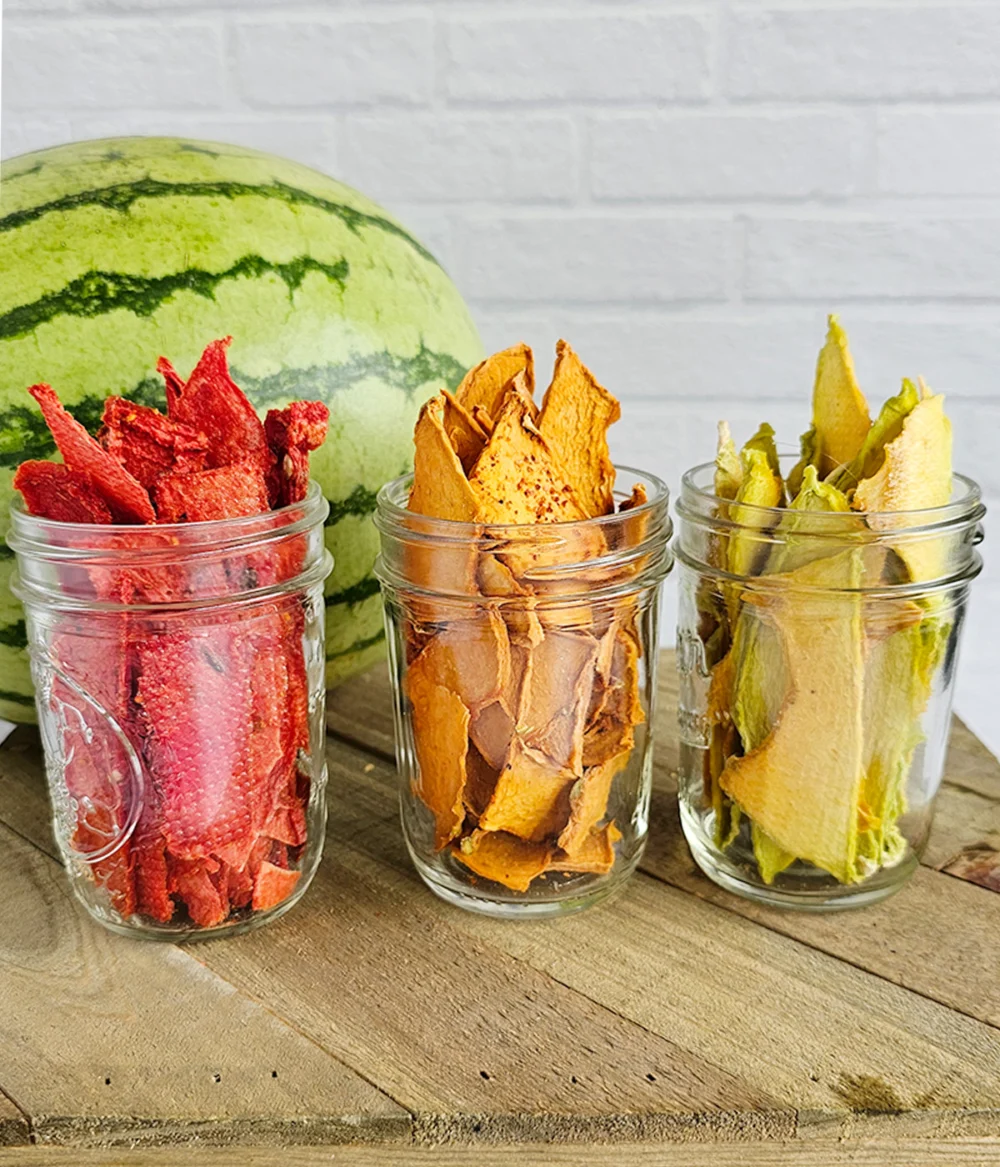
The practice of dehydrating melons, including watermelon, cantaloupe, and honeydew, has emerged as a critical strategy for households seeking to mitigate food waste and enhance domestic food security through long-term storage. As global food prices fluctuate and interest in sustainable living intensifies, the conversion of highly perishable cucurbits into shelf-stable, nutrient-dense snacks represents a significant intersection of culinary economy and preservation science. By utilizing controlled thermal environments to remove moisture, consumers can extend the lifecycle of seasonal produce from a matter of days to upwards of one year, effectively stabilizing the volatile shelf life of high-water-content fruits.
The Socio-Economic Context of Food Preservation
The rise in home dehydration reflects a broader response to the global food waste crisis. According to data from the Food and Agriculture Organization (FAO) of the United Nations, approximately one-third of all food produced for human consumption is lost or wasted globally, with fruits and vegetables exhibiting the highest wastage rates. Melons, characterized by their high water content (often exceeding 90%), are particularly susceptible to rapid microbial degradation and enzymatic spoilage once harvested or sliced.
In the United States, the average household discards a significant percentage of fresh produce due to over-purchasing or the rapid onset of ripeness. Dehydration offers a technical solution to this logistical challenge. By transforming a bulky, heavy fruit into a lightweight, concentrated product, the methodology not only reduces the volume of waste entering landfills but also provides a hedge against seasonal price spikes. For the modern consumer, the transition toward a "purposeful pantry" involves moving away from just-in-time grocery reliance and toward a model of self-sufficient inventory management.
Technical Methodology: The Dehydration Protocol
The efficacy of melon dehydration is predicated on the precise application of heat and airflow. The objective is to reduce the water activity (aw) of the fruit to a level that inhibits the growth of bacteria, yeast, and mold.
Preparation and Pre-Processing
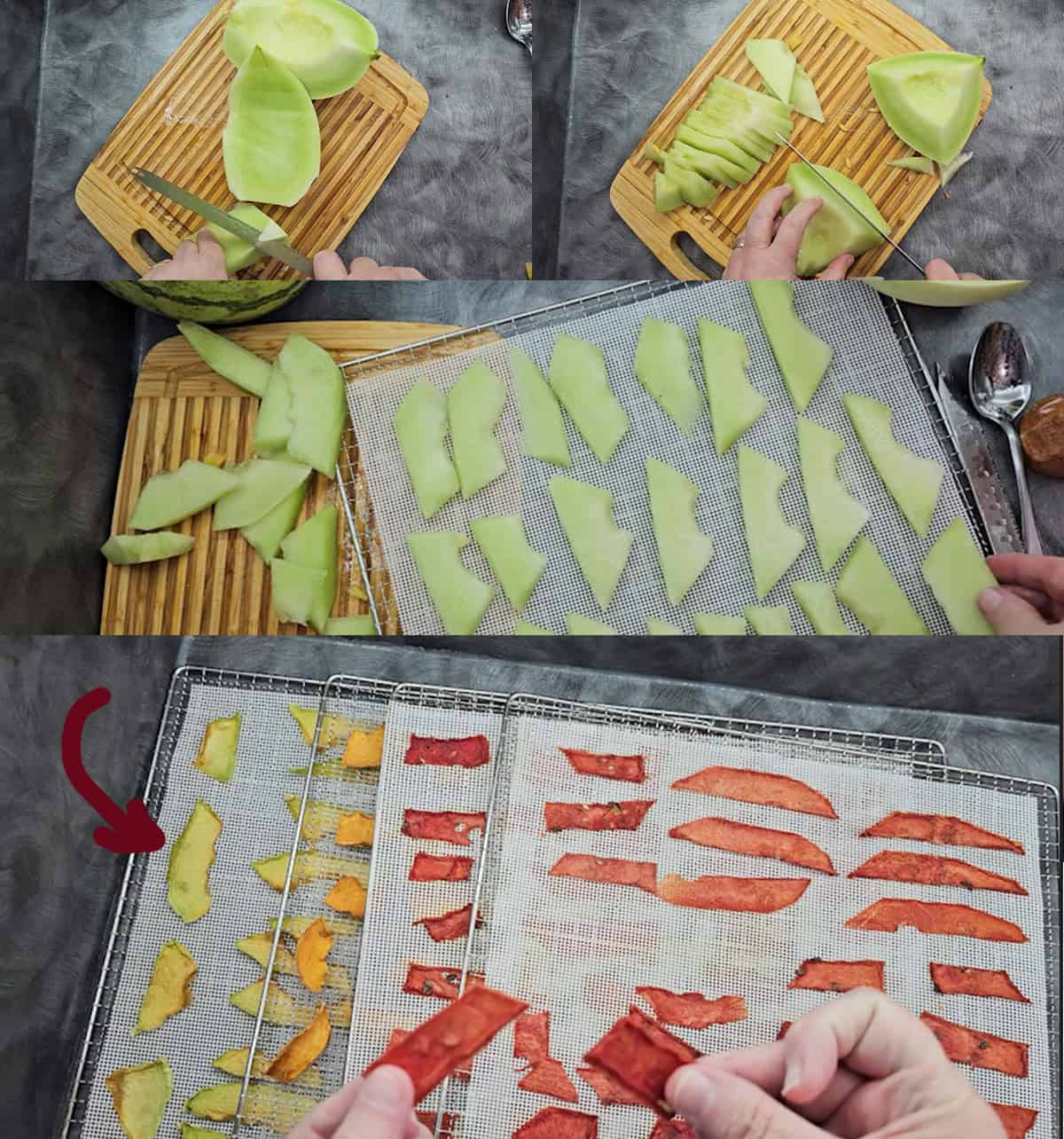
The protocol begins with the selection of peak-ripeness specimens. For cantaloupe and honeydew, the fruit must be halved, seeded, and rind-removed. Professional standards suggest slicing the flesh into uniform pieces, ideally between 1/4-inch and 1/2-inch in thickness. Uniformity is paramount; disparate thicknesses result in uneven drying, where some pieces remain dangerously moist while others become over-processed.
Thermal Regulation
The industry standard for fruit dehydration is 135°F (57°C). This specific temperature is high enough to facilitate rapid moisture evaporation without "case hardening"—a phenomenon where the exterior of the fruit dries too quickly, trapping moisture inside and leading to internal spoilage. The duration of the process typically spans 10 to 14 hours, depending on ambient humidity and the specific sugar concentration of the melon variety.
The Conditioning Phase
A critical, often overlooked step in the professional preservation timeline is "conditioning." Following the dehydration cycle, the fruit should be placed in a clear, airtight container for seven to ten days. During this period, the container is shaken daily to redistribute any remaining internal moisture among the pieces. If condensation appears on the walls of the container, the product is insufficiently dried and must be returned to the dehydrator to prevent future mold growth.
Comparative Analysis of Melon Varieties
While the fundamental process remains consistent, different melon species yield varying results based on their chemical composition.
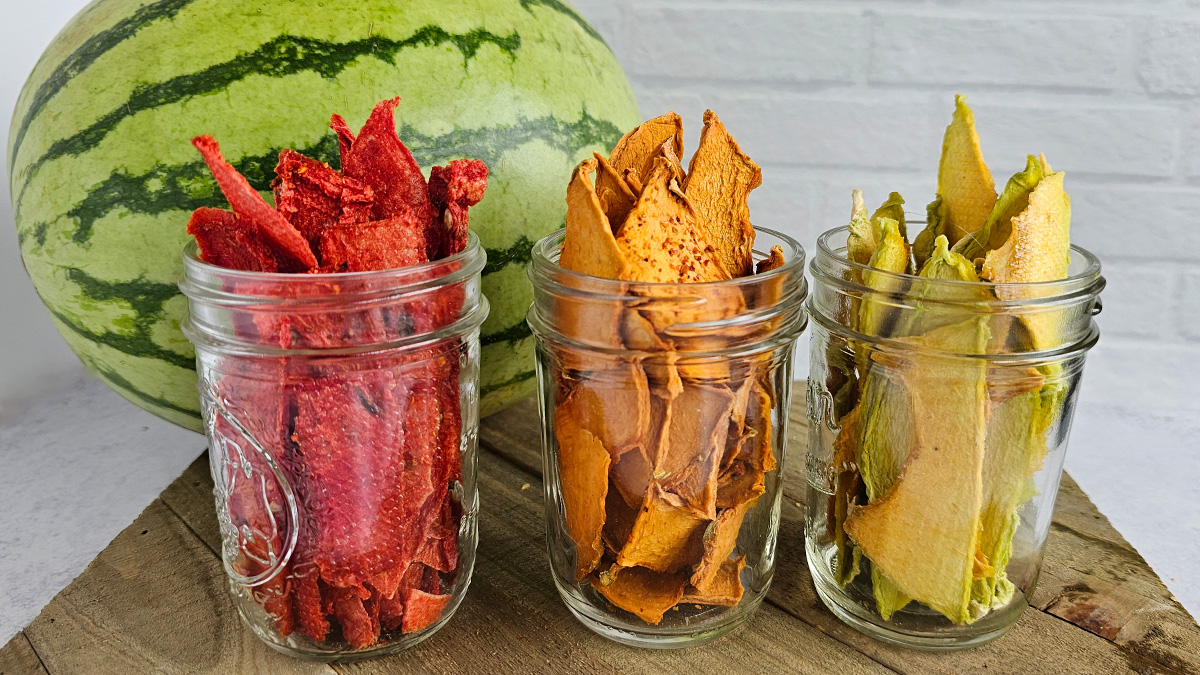
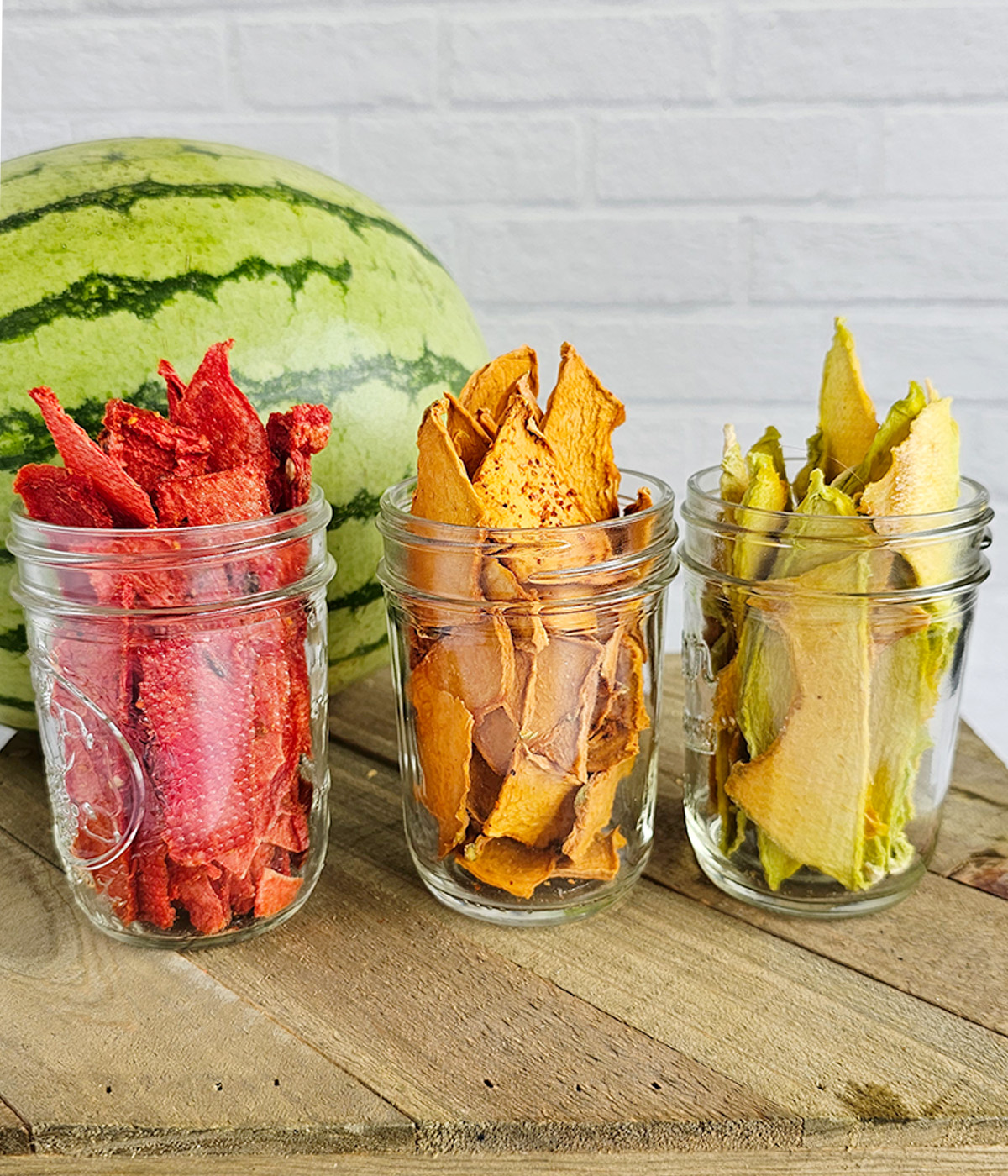
- Watermelon: Known for its extremely high water content, watermelon undergoes the most dramatic transformation. The resulting product is often compared to "fruit jerky" or taffy. Its sugars concentrate heavily, creating a potent flavor profile that differs significantly from its fresh state.
- Cantaloupe: With a denser fiber structure than watermelon, cantaloupe retains a leathery texture that is highly palatable. It is often seasoned with acidic or spicy additives, such as lime juice or chili powder, to balance its natural musky sweetness.
- Honeydew: This variety provides a milder, more floral sweetness. It is frequently utilized in trail mixes or as a decorative garnish in high-end culinary applications due to its translucent appearance once dried.
Nutritional Integrity and Caloric Density
From a nutritional standpoint, dehydration is a method of concentration rather than depletion. While some heat-sensitive vitamins, such as Vitamin C, may see a marginal decline during the extended heating process, the majority of minerals (potassium, magnesium) and vitamins (Vitamin A in cantaloupe) remain intact.
Data indicates a significant shift in caloric density per volume. For instance, one cup of fresh melon contains approximately the same amount of sugar and nutrients as 1/4 cup of the dehydrated equivalent. This four-to-one ratio is a vital consideration for individuals monitoring glycemic loads or caloric intake. For hikers, campers, and emergency preparedness advocates, this concentration makes dehydrated melon an ideal high-energy, low-weight ration.
Alternative Processing: Oven-Based Dehydration
In the absence of a dedicated electric dehydrator, the methodology can be adapted for conventional ovens, though with lower energy efficiency. To achieve results comparable to specialized equipment, the oven must be set to its lowest possible temperature, typically around 170°F (77°C).
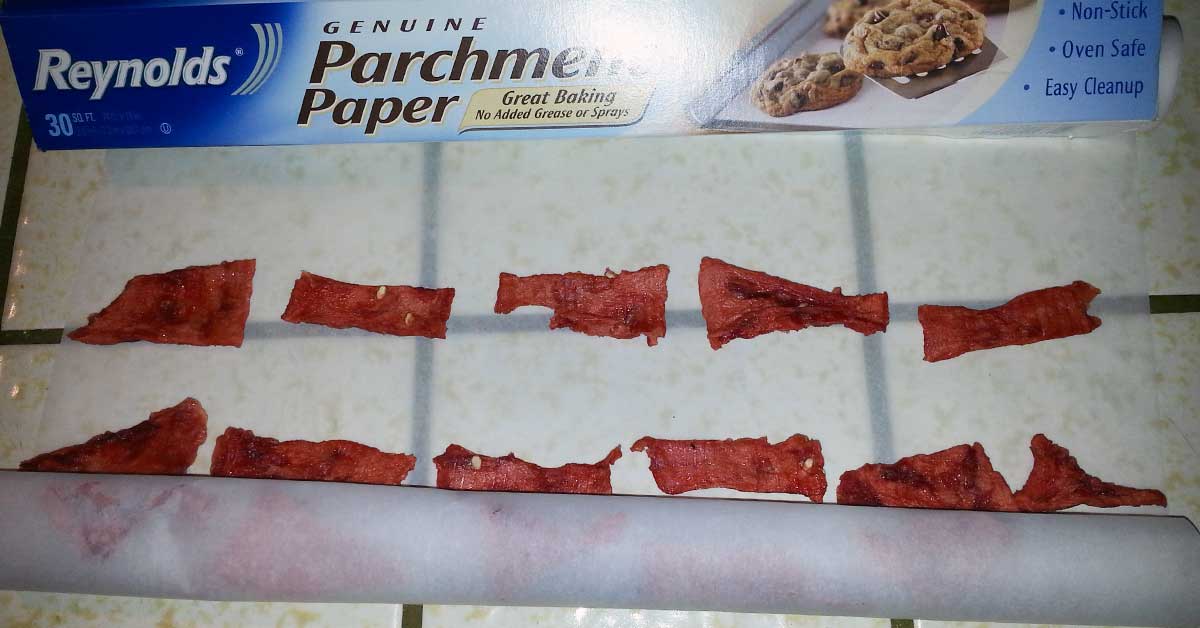
To compensate for the lack of specialized airflow, the oven door should be slightly propped open to allow moisture-laden air to escape. This method requires closer monitoring to prevent scorching and usually necessitates a shorter timeframe than a standard dehydrator due to the higher minimum temperatures of most household ovens.
Storage Logistics and Shelf-Life Stabilization
The final stage of the preservation cycle is storage. Dehydrated melons are hygroscopic, meaning they readily absorb moisture from the atmosphere. Even in semi-arid environments, exposure to ambient air will cause the fruit to become sticky and eventually lose its shelf-stable properties.
Professional recommendations dictate the use of airtight glass jars or vacuum-sealed bags. For long-term storage (exceeding six months), the inclusion of a food-grade oxygen absorber or desiccant packet is advised. When stored in a cool, dark, and dry environment, dehydrated melons can maintain their quality for up to 12 months.

Broader Implications for Food Security and Sustainability
The implications of widespread adoption of home dehydration extend beyond individual cost savings. At a systemic level, increasing the shelf life of produce contributes to a more resilient food supply chain. By processing gluts of seasonal produce, consumers reduce the demand for out-of-season imports, which carry heavy carbon footprints due to refrigerated international shipping.
Furthermore, the "pantry-stocking" movement, led by experts like Darcy Baldwin, author of Dehydrating Basics & Journal, highlights a shift in consumer psychology. There is a growing recognition that food security is not merely about the availability of food, but about the knowledge of how to preserve it. As climate change continues to impact agricultural yields and supply chain stability, the ability to convert a temporary surplus of perishable melon into a year-long resource becomes an essential skill in the modern household.
Conclusion
The dehydration of melons is a scientifically grounded method of food preservation that addresses modern challenges of waste, nutrition, and economic efficiency. By adhering to standardized protocols—specifically the 135°F thermal threshold and the subsequent conditioning phase—consumers can successfully navigate the transition from fresh produce to shelf-stable inventory. As this practice moves from the niche homesteading community into the mainstream, it stands as a testament to the enduring value of traditional preservation techniques enhanced by modern technological precision. Whether for recreational use in outdoor activities or as a strategic component of a long-term food storage plan, dehydrated melons represent a versatile and sustainable solution to the problem of perishability.


