

Planned obsolescence is a deliberate industrial policy wherein a product is designed with a limited functional lifespan or a fragile structure, ensuring it will become unfashionable or cease to function after a specific period. This strategy, integrated into the design and manufacturing stages of consumer goods, compels consumers to purchase replacements more frequently than would be necessary if the products were built for maximum durability. While historically associated with electronics, the practice now permeates nearly every sector of the global economy, including the textile, furniture, and automotive industries.
Economists identify the primary driver of planned obsolescence as the pursuit of perpetual profit growth. In a perfectly durable market, a single sale satisfies a consumer’s need for decades, leading to market saturation. By engineering products to fail or appear outdated, manufacturers create a recurring revenue stream. However, this model has come under intense scrutiny from environmental advocates and policymakers due to its role in accelerating resource depletion and the global waste crisis.

A Chronological History of Engineered Failure
The origins of planned obsolescence can be traced back to the early 20th century, specifically to the lighting industry. In 1924, the Phoebus Cartel was formed, consisting of major international lightbulb manufacturers including Osram, General Electric, and Associated Electrical Industries. Before the cartel’s intervention, standard lightbulbs had a life expectancy of approximately 2,500 hours. The cartel members colluded to standardize and intentionally reduce this lifespan to 1,000 hours, penalizing any manufacturer that produced bulbs exceeding that limit. This remains one of the most documented cases of industrial collusion to decrease product quality for financial gain.
The term gained further prominence during the Great Depression. In 1932, real estate broker Bernard London proposed "Ending the Depression Through Planned Obsolescence," a pamphlet suggesting that the government should impose a legal expiration date on consumer goods. London argued that forcing people to buy new items would stimulate the economy and create jobs. While his specific legislative proposals were never adopted, the philosophy took root in the post-World War II era.
In the 1950s, American industrial designer Brooks Stevens popularized the concept in the automotive and appliance sectors. Unlike London’s focus on physical failure, Stevens emphasized "psychological obsolescence"—the practice of instilling in the buyer the desire to own something a little newer, a little better, and a little sooner than is necessary. This led to the annual model changes seen in the car industry and, eventually, the fast-fashion cycles of the modern era.

Data and Environmental Impact
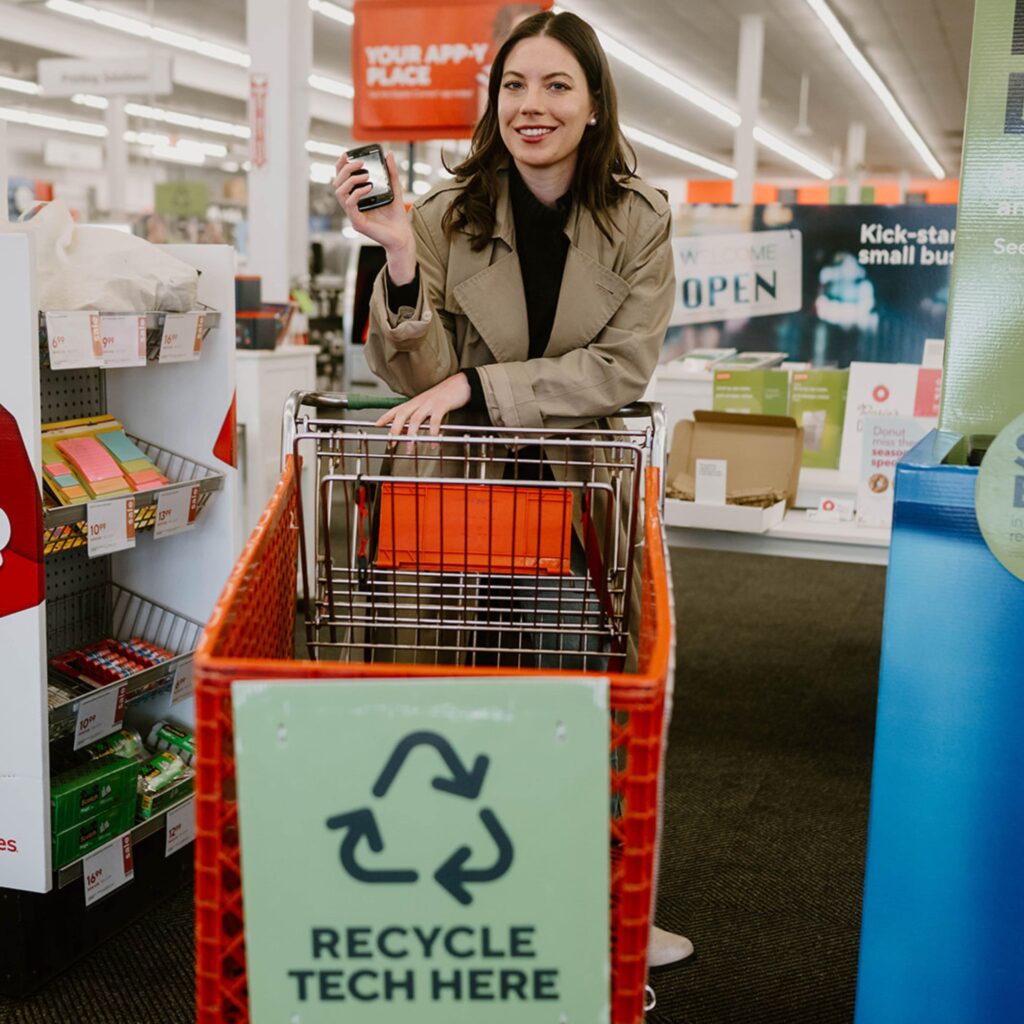
The environmental consequences of planned obsolescence are measurable and severe. According to the United Nations’ Global E-waste Monitor, the world generated 62 million metric tonnes of electronic waste in 2022, a figure that is rising five times faster than documented e-waste recycling. Electronics contain hazardous materials such as lead, mercury, and cadmium, which can leach into soil and groundwater when discarded in landfills.
In the textile sector, the impact is equally pronounced. Current estimates suggest that global garment production has doubled since 2000, yet the average number of times a piece of clothing is worn has decreased by 36%. Reports from the BBC and environmental NGOs indicate that the global fashion industry produces enough clothing to clothe the next six generations of humanity. Despite this surplus, brands continue to utilize low-quality synthetic fibers, such as virgin polyester, which are designed to degrade after fewer than ten washes, making them difficult for secondary markets or recycling initiatives to process.
Global Legal Responses and Regulatory Trends
As public awareness of the "throwaway culture" grows, several nations have moved to criminalize or strictly regulate planned obsolescence. France has been a pioneer in this legislative area. In 2015, the French government passed the Energy Transition for Green Growth Act, which made planned obsolescence a crime punishable by up to two years in prison and fines of up to €300,000 or 5% of the company’s average annual turnover. In 2021, France further introduced a "Repairability Index," requiring manufacturers of electronics and appliances to display a score out of ten indicating how easy the product is to fix.

Canada has followed suit with significant regional legislation. In 2023, the government of Quebec passed Bill 29, an act to protect consumers against planned obsolescence and to promote the durability, repairability, and maintenance of goods. This law includes provisions for a "collective recovery" of damages and prohibits the sale of any product for which planned obsolescence is a feature.
In the United States, the federal government has been slower to adopt comprehensive bans, but the Federal Trade Commission (FTC) released a seminal report in 2021 titled "Nixing the Fix." The report criticized manufacturer-imposed repair restrictions as being unsupported by evidence of safety or security concerns. Consequently, several states, including New York, California, Minnesota, Colorado, and Oregon, have enacted "Right to Repair" laws. These statutes require manufacturers to provide consumers and independent repair shops with the same diagnostic tools, parts, and manuals available to authorized service providers.
Broader Implications for the Global Economy
The transition away from planned obsolescence signals a shift from a linear economy (take-make-waste) toward a circular economy. Analysts suggest that while this shift may initially disrupt the high-volume sales models of major corporations, it creates significant opportunities in the service and repair sectors. A durable economy emphasizes maintenance, refurbishment, and high-quality manufacturing, which can lead to more stable, localized employment.
Furthermore, the economic burden of planned obsolescence falls disproportionately on low-income households. When essential items such as refrigerators or smartphones require frequent replacement, it drains the financial resources of those least able to afford it. Legal experts argue that combating engineered failure is not only an environmental necessity but a consumer rights and social equity issue.
6 Ways to Combat Planned Obsolescence
While systemic change requires legislative action, consumers can utilize several strategies to resist the cycle of premature replacement and reduce their environmental footprint.
1. Prioritize Durable and Repairable Goods
The most effective way to combat planned obsolescence is to invest in products built with longevity in mind. For clothing, this involves selecting natural fibers such as organic cotton, hemp, and wool, which possess greater structural integrity than synthetic blends. For electronics and furniture, consumers should research the materials used and the reputation of the manufacturer. Purchasing from brands that offer long-term warranties or "buy me once" guarantees ensures that the company is incentivized to produce lasting products.

2. Support the Right to Repair Movement
Consumers can exert political pressure by advocating for Right to Repair legislation in their respective jurisdictions. This movement seeks to eliminate the barriers manufacturers place on repairs, such as proprietary screws, glued-in batteries, and software locks. By writing to local representatives and supporting organizations like iFixit, consumers can help ensure that the tools and information needed for repair are publicly accessible.
3. Opt for Secondhand and Refurbished Items
Buying refurbished technology gives a second life to devices that might otherwise end up in a landfill. Specialized retailers now offer certified refurbished electronics that have been inspected, repaired, and tested to meet original performance standards. Similarly, purchasing vintage furniture or high-quality secondhand clothing often yields items that were manufactured before the widespread adoption of modern obsolescence tactics, offering superior durability.
4. Develop Basic Repair Skills
A significant portion of consumer waste is driven by a lack of repair knowledge. Learning basic maintenance—such as sewing a button, replacing a smartphone battery, or refinishing wooden furniture—can extend the life of an object by years. Digital platforms and community blogs provide a wealth of free tutorials, while local libraries often host workshops on mechanical and textile repair.

5. Participate in Repair Cafes
Repair Cafes are community-based initiatives where volunteers with technical skills help neighbors fix broken household items free of charge. These events, which originated in Amsterdam in 2009 and have since spread globally, foster a culture of maintenance and community resilience. They provide an alternative to the "discard and replace" mentality by demonstrating that many "broken" items are actually fixable with the right expertise.
6. Practice Mindful Consumption and Maintenance
The psychological aspect of obsolescence can be countered by practicing the "30-day rule," where a consumer waits a month before making a non-essential purchase to evaluate its true necessity. Additionally, regular maintenance—such as cleaning laptop fans, conditioning leather goods, and following proper laundering instructions for textiles—prevents the premature wear and tear that manufacturers often count on to trigger a new sale.
The fight against planned obsolescence is a multifaceted challenge involving industrial design, consumer behavior, and international law. By shifting the focus from quantity to quality and from ownership to stewardship, society can move toward a more sustainable and equitable economic model.


