
For home bakers seeking to replicate the charm and precision of professional patisseries, mastering the art of the sugar cookie is a rewarding endeavor. The quest for a sugar cookie that is simultaneously crisp at the edges and delightfully tender in the center, paired with a resilient yet smooth buttercream frosting ideal for intricate decoration, is now within reach. This comprehensive guide delves into a foolproof recipe designed to empower even novice bakers, demystifying the techniques that elevate simple ingredients into edible works of art.

From Home Kitchen to Bakery Display: Mastering the Cut-Out Sugar Cookie
The appeal of a perfectly decorated sugar cookie extends beyond its visual aesthetic; it embodies a sense of occasion and handcrafted care. Often perceived as a challenge, particularly for those new to baking and decorating, the process of creating these cookies can transform from daunting to delightful with the right approach. This recipe and accompanying tutorial aim to equip bakers with the confidence and skills to achieve professional-quality results, eliminating the need to rely solely on bakery purchases for special moments.

At the heart of this endeavor lies a meticulously developed cut-out sugar cookie dough recipe. Renowned for its reliability, this dough yields cookies that maintain their shape during baking, a crucial element for intricate designs. While the example showcases the use of scalloped cutters to create a "wreath" effect, emphasizing a touch of elegance, the versatility of the dough means any chosen cookie cutter shape will perform admirably. The true magic, however, unfolds with the accompanying buttercream frosting.
The Foundation: A Reliable Cut-Out Sugar Cookie Recipe
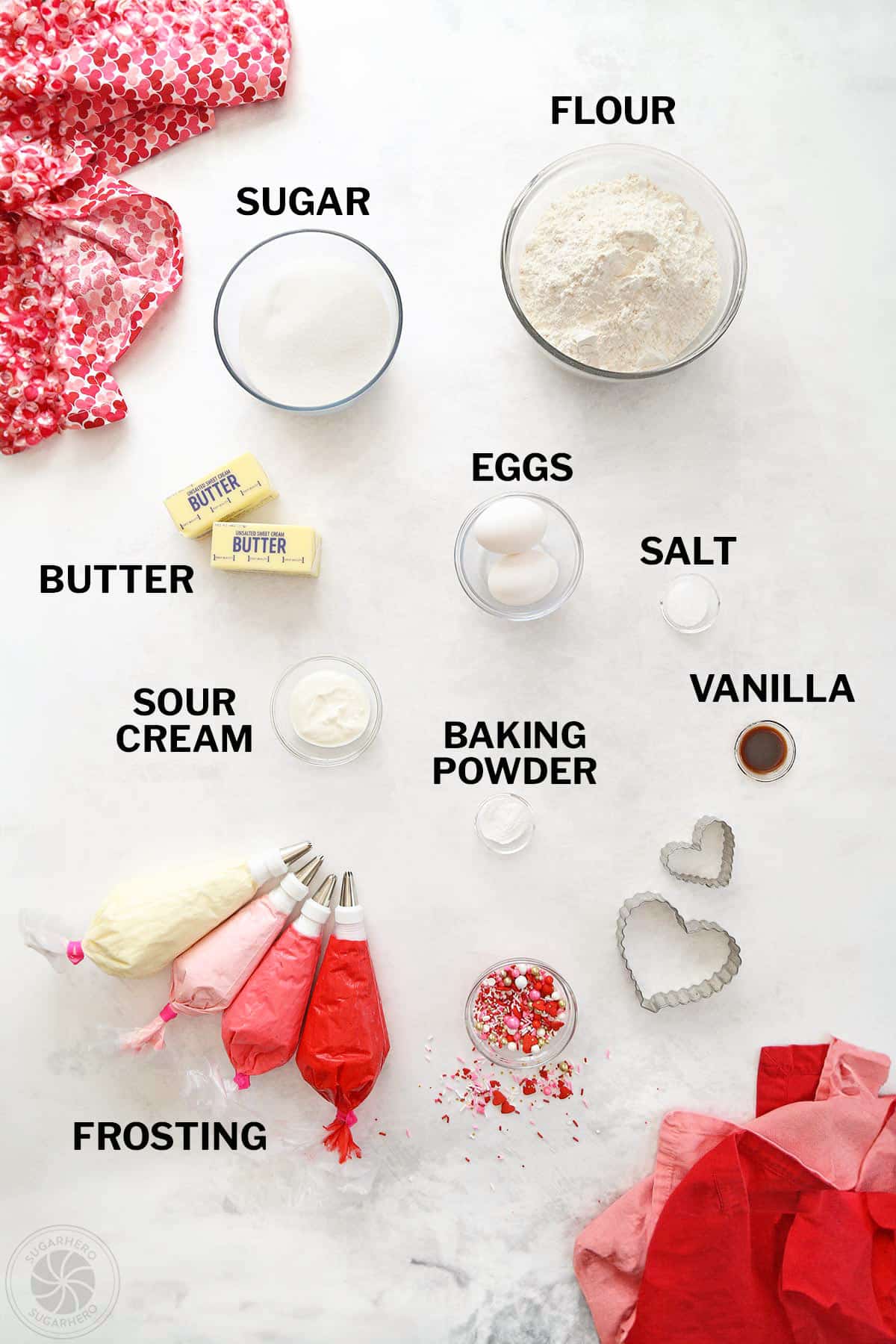
The foundation of any exceptional sugar cookie is its dough. This recipe prioritizes a balance of ingredients that ensures both flavor and structural integrity. The aim is to achieve a dough that is pliable enough for cutting intricate shapes but firm enough to prevent excessive spreading in the oven. Key components include:

- All-Purpose Flour: The primary structure provider. Proper measuring is essential; spooning flour into the measuring cup and leveling it off is recommended to avoid a dense dough.
- Granulated Sugar: Contributes to sweetness and helps create the desired crisp texture.
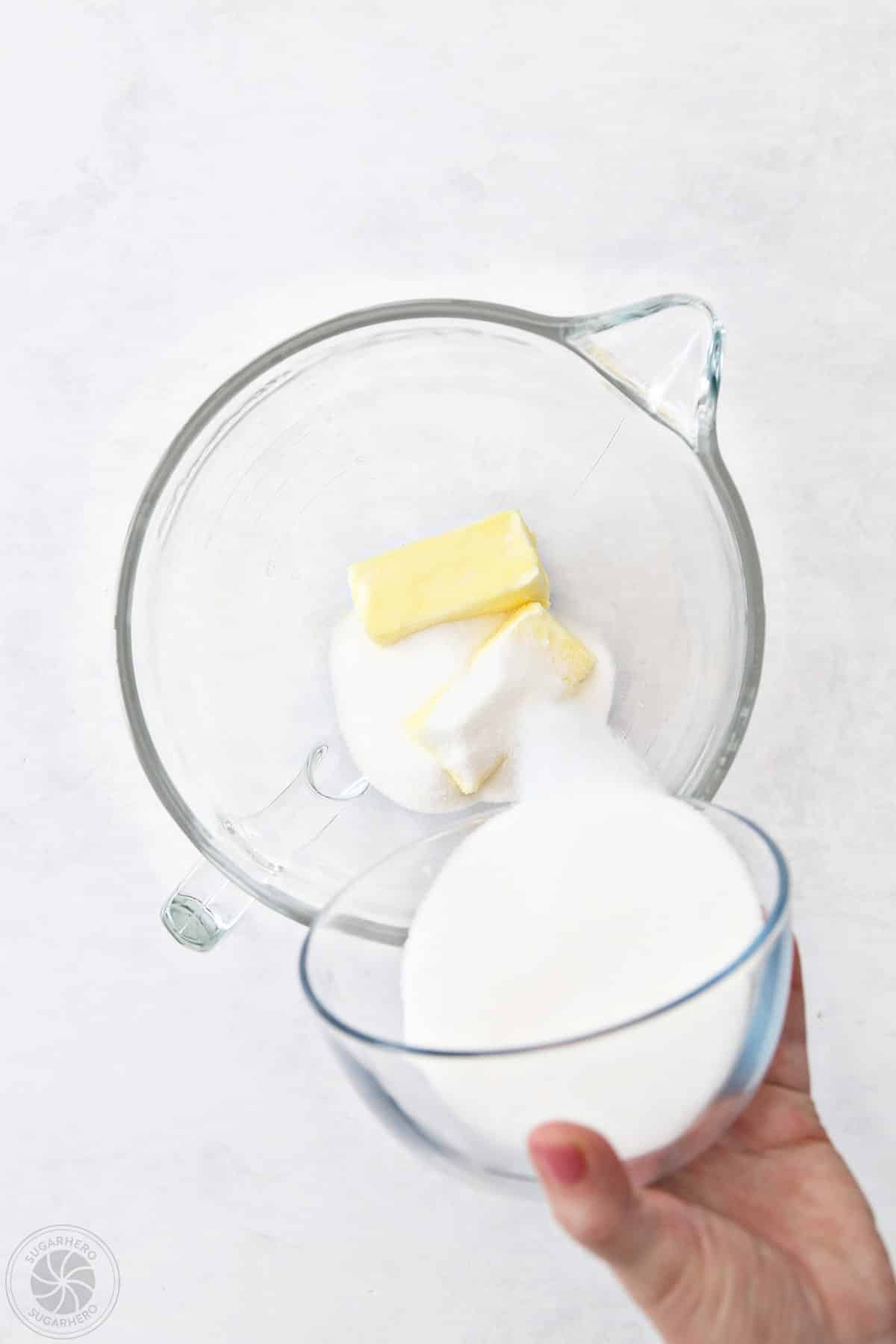
- Unsalted Butter: Provides richness, tenderness, and flavor. It should be softened to room temperature but not melted, allowing for proper creaming with the sugar.
- Eggs: Act as binders and add richness. Using large eggs at room temperature ensures they emulsify smoothly into the batter.
- Vanilla Extract: Enhances the overall flavor profile of the cookie.
- Leavening Agents (Baking Powder/Baking Soda): Used in precise amounts to provide a slight lift without causing the cookies to spread too much.
- Salt: Balances the sweetness and enhances other flavors.
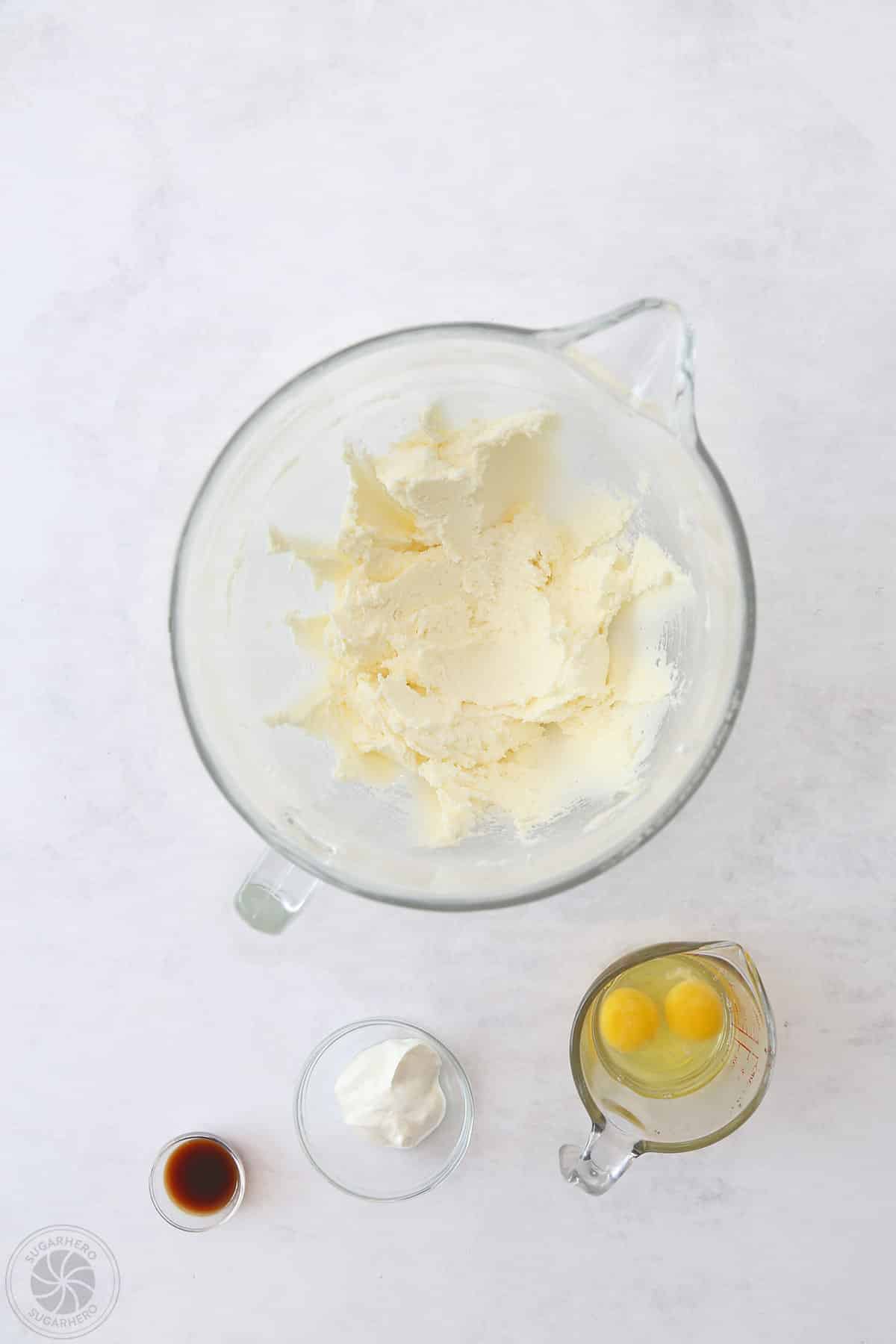
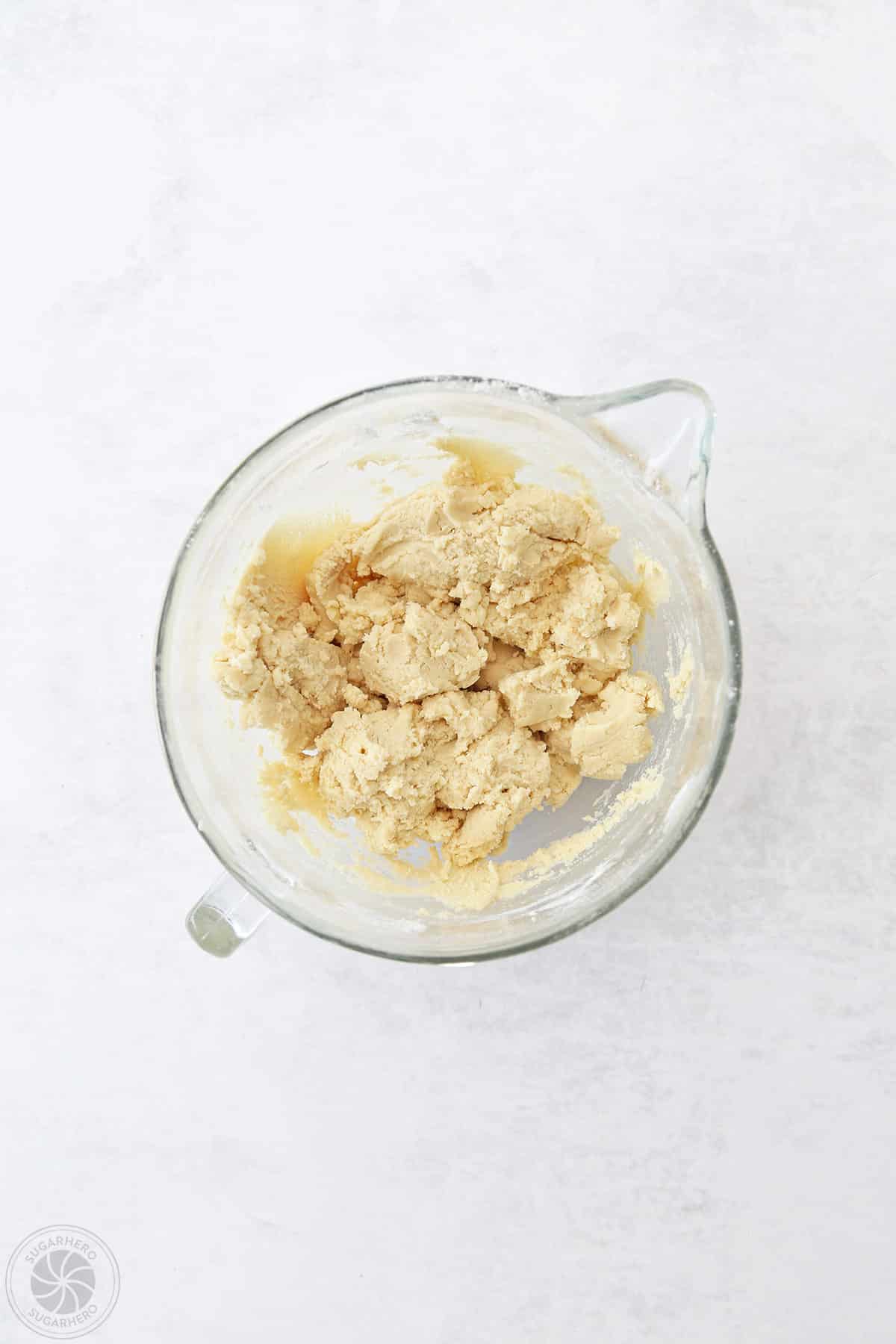
The process typically begins with creaming softened butter and sugar until light and fluffy. This aeration is vital for the cookie’s texture. Eggs and vanilla are then incorporated, followed by the gradual addition of dry ingredients. Overmixing at this stage can lead to tough cookies, so gentle incorporation is key. The dough is then chilled, a critical step that solidifies the fat, making it easier to roll and cut without distortion. A minimum of one hour in the refrigerator is generally recommended, with longer chilling periods often yielding even better results.

The Art of Buttercream: A Beginner-Friendly Frosting
Complementing the perfectly baked sugar cookie is a frosting that is both aesthetically pleasing and functionally superior for decorating. The recipe features an American-style buttercream, celebrated for its simplicity and versatility. This classic frosting requires only a handful of ingredients and can be whipped up in approximately five minutes, making it an accessible option for bakers of all levels.
The core components of this buttercream are:
- Unsalted Butter: The base of the frosting, providing richness and a smooth texture. Like the cookie dough, it should be softened but not melted.
- Powdered Sugar (Confectioners’ Sugar): The sweetener and thickener. Sifting the powdered sugar is a crucial step to prevent lumps and ensure a silky smooth consistency.
- Milk or Cream: Adds moisture and helps achieve the desired piping consistency. The amount can be adjusted to achieve the perfect texture.
- Vanilla Extract: For flavor enhancement.
The preparation involves beating softened butter until creamy, then gradually adding sifted powdered sugar, alternating with small amounts of milk or cream. The mixture is beaten until light, fluffy, and smooth. This straightforward process, when executed correctly, yields a frosting that holds its shape beautifully when piped, a testament to its stable structure.
Demystifying Piping Techniques for Beginners
For many home bakers, the prospect of piping frosting can evoke feelings of anxiety. The intricate swirls, delicate dots, and precise lines seen in professional bakeries can seem unattainable. However, this recipe champions a decorating approach that liberates bakers from the need for absolute precision, encouraging creativity and embracing a more organic, yet still visually stunning, outcome.
The "secret sauce" to this beginner-friendly decorating technique lies in the strategic use of multiple frosting colors and various piping tips. By preparing several batches of buttercream, each tinted with a different food coloring, and equipping each with a small star piping tip, bakers can create a dynamic and visually appealing design. The specific piping tip numbers are not critical; any small tip with ridges along the opening will suffice.
The beauty of this method is its inherent forgiveness. There is no single "wrong" way to apply the frosting. Instead, bakers are encouraged to experiment with swirls, dots, and squiggly lines, layering different colors adjacent to one another to cover the cookie surface. The addition of sprinkles provides a final flourish, transforming each cookie into a unique and "beautifully chaotic masterpiece." This approach fosters a sense of freedom, allowing for personal expression without the pressure of achieving rigid perfection.

A Step-by-Step Visual Guide to Success
To further aid bakers in their creative journey, a detailed photo tutorial accompanies the recipe. This visual guide breaks down each stage of the process, from preparing the cookie dough and frosting to the final decorative touches.
Preparing the Sugar Cookie Dough
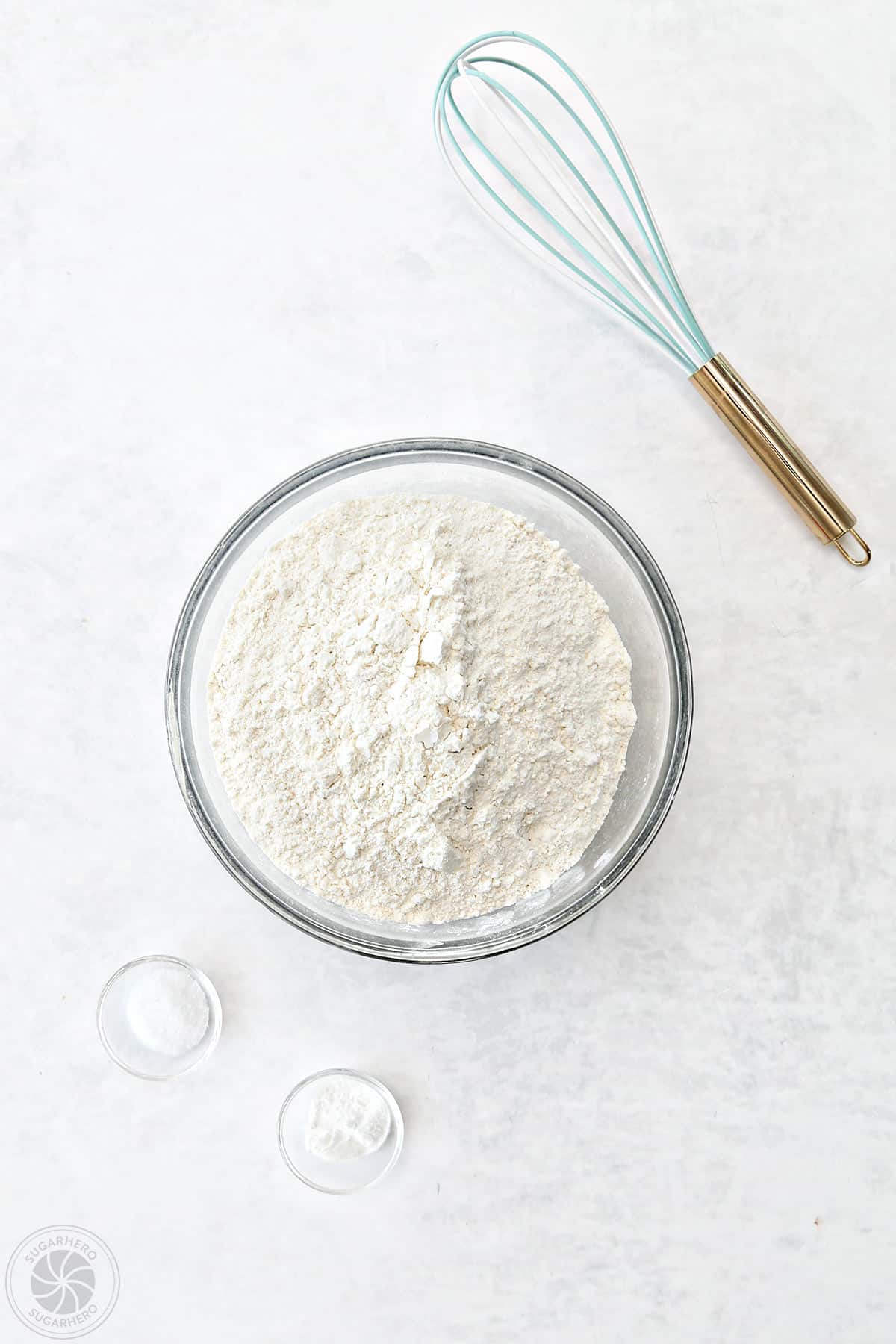
- Combine Dry Ingredients: Whisk together flour, baking powder, and salt in a medium bowl.
- Cream Butter and Sugar: In a large bowl, beat softened butter and granulated sugar with an electric mixer until light and fluffy.
- Incorporate Wet Ingredients: Beat in eggs one at a time, followed by vanilla extract.
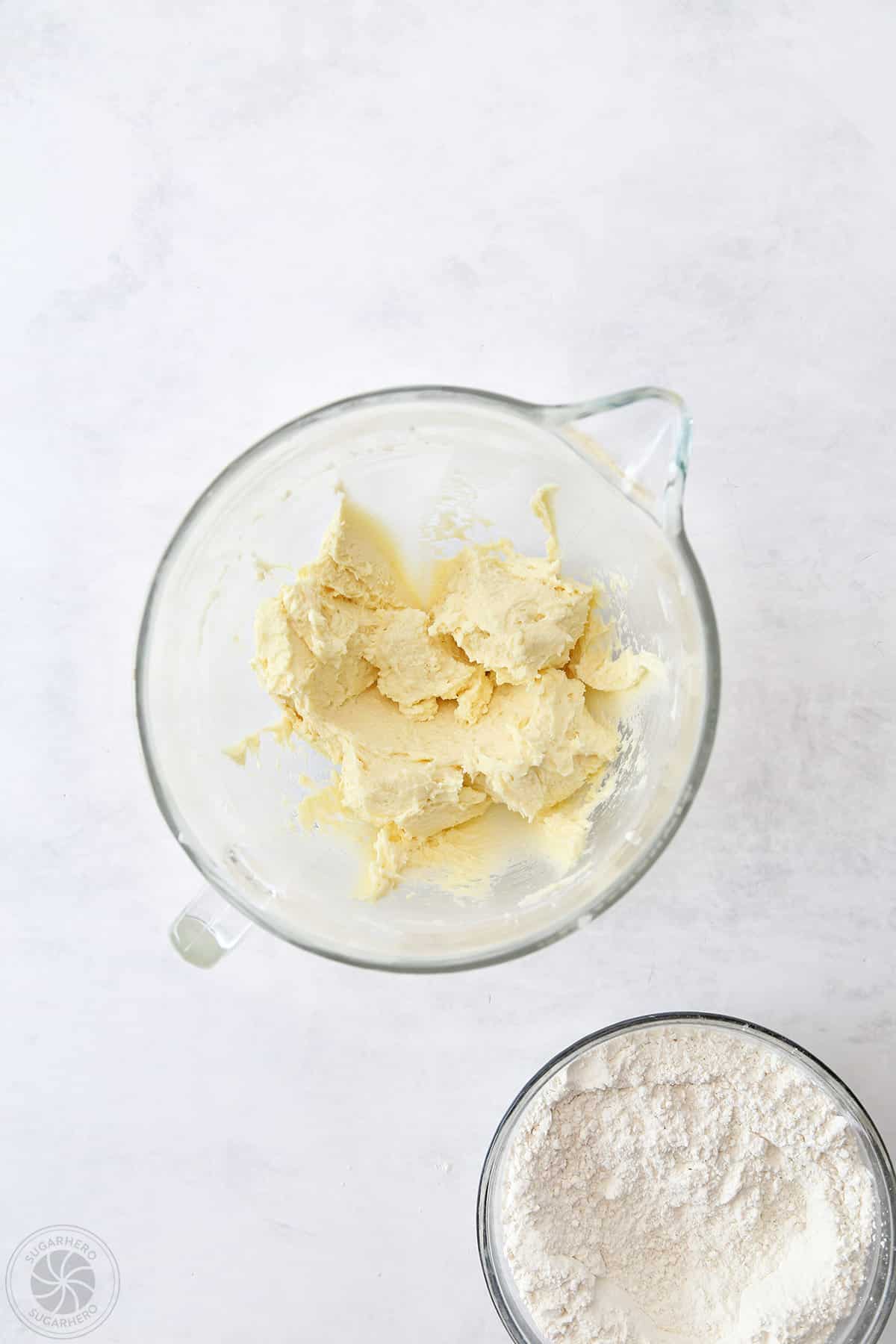
- Add Dry to Wet: Gradually add the dry ingredients to the wet ingredients, mixing on low speed until just combined. Avoid overmixing.
- Chill the Dough: Divide the dough into two discs, wrap tightly in plastic wrap, and refrigerate for at least one hour, or until firm.
Rolling and Cutting the Dough
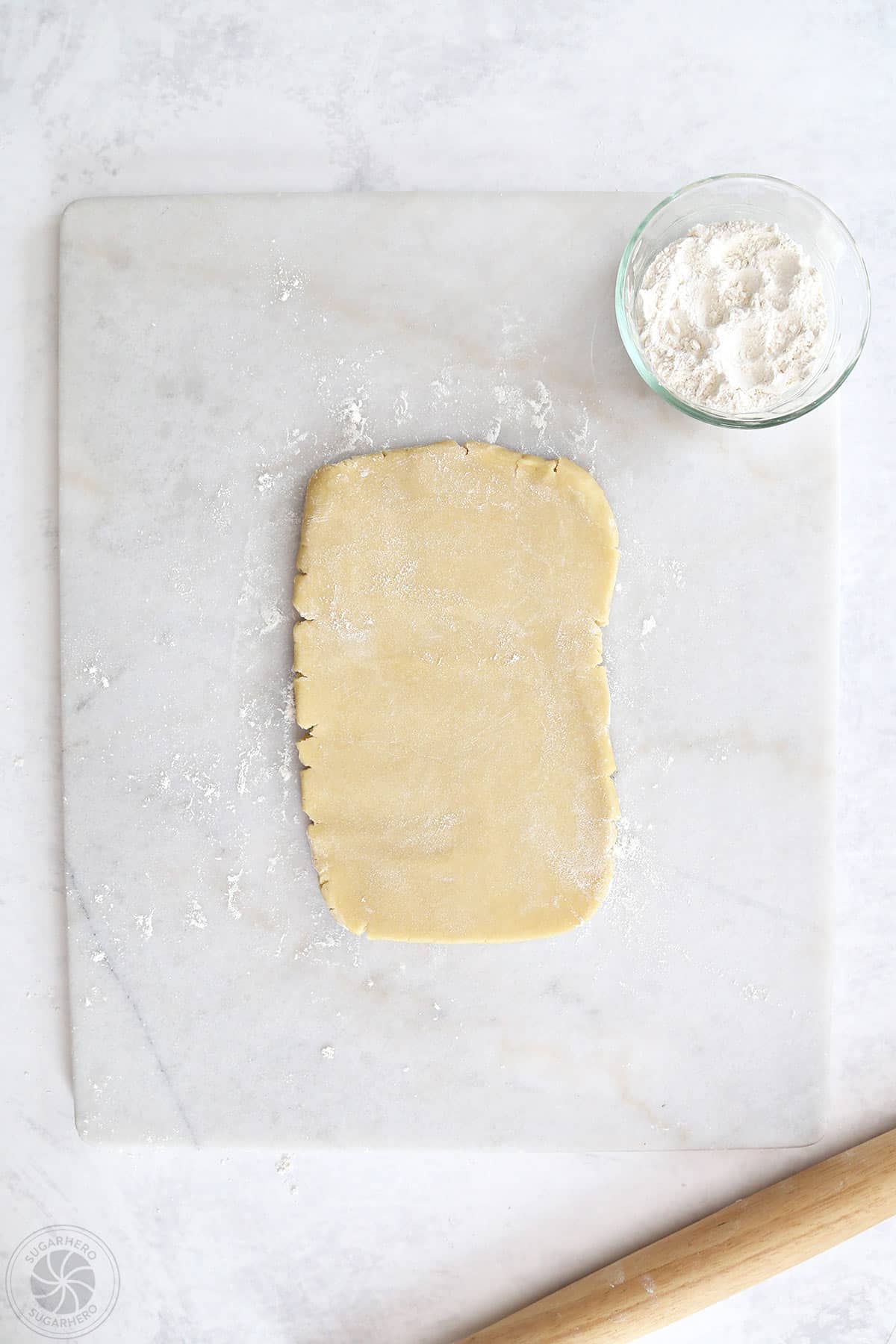
- Prepare Work Surface: Lightly flour a clean work surface and your rolling pin.
- Roll Out Dough: Roll out one disc of chilled dough to approximately ¼-inch thickness.
- Cut Shapes: Use cookie cutters to cut out desired shapes. Re-roll scraps gently to minimize toughness.
- Transfer to Baking Sheets: Place cut-out cookies onto baking sheets lined with parchment paper, spacing them about 2 inches apart.
- Chill Cut-Outs: For optimal shape retention, refrigerate the cut-out cookies on the baking sheets for another 15-20 minutes before baking.
Baking the Sugar Cookies
- Preheat Oven: Preheat oven to 350°F (175°C).
- Bake: Bake for 8-12 minutes, or until the edges are lightly golden brown. Baking time will vary depending on cookie size and thickness.
- Cool: Let the cookies cool on the baking sheets for a few minutes before transferring them to a wire rack to cool completely.
Making the Buttercream Frosting
- Beat Butter: In a large bowl, beat softened butter with an electric mixer until light and creamy.
- Add Powdered Sugar and Liquid: Gradually add sifted powdered sugar, alternating with small amounts of milk or cream. Beat until smooth and fluffy.
- Incorporate Vanilla: Stir in vanilla extract.
- Divide and Color: Divide the frosting into separate bowls for coloring. Use gel food coloring for vibrant hues, adding it gradually until the desired shades are achieved.
Decorating the Sugar Cookies
- Prepare Piping Bags: Fit piping bags with small star tips and fill each with a different color of buttercream.
- Pipe Designs: Pipe various designs – swirls, dots, lines – onto the cooled sugar cookies. Don’t be afraid to layer colors and experiment with different patterns.
- Add Sprinkles: While the frosting is still wet, sprinkle with decorative sprinkles.
- Allow Frosting to Set: Let the decorated cookies sit at room temperature for at least 30 minutes to allow the frosting to set before storing or serving.
Tips for Cookie Success
- Ingredient Temperature: Ensure butter and eggs are at room temperature for optimal mixing.
- Chilling is Key: Do not skip the chilling steps for the dough. This is crucial for preventing spread and making the dough easier to handle.
- Avoid Overmixing: Overmixing the dough can develop gluten, resulting in tough cookies.
- Consistent Thickness: Roll out the dough to an even thickness for uniform baking.
- Proper Cooling: Allow cookies to cool completely before frosting to prevent the frosting from melting.
- Gel Food Coloring: For vibrant colors without altering the frosting consistency, use gel food coloring.
The Broader Impact of Home Baking
The resurgence of interest in home baking, particularly for decorative items like sugar cookies, reflects a broader cultural shift. In an era of mass production, the creation of handmade goods offers a sense of personal connection and accomplishment. Sugar cookies, with their inherent versatility for various holidays and celebrations, have become a canvas for creative expression. This recipe and its accompanying guide aim to democratize this art form, empowering individuals to create beautiful and delicious treats that bring joy to their homes and loved ones. The ability to produce bakery-quality results in one’s own kitchen not only enhances culinary skills but also fosters a deeper appreciation for the craft of baking.