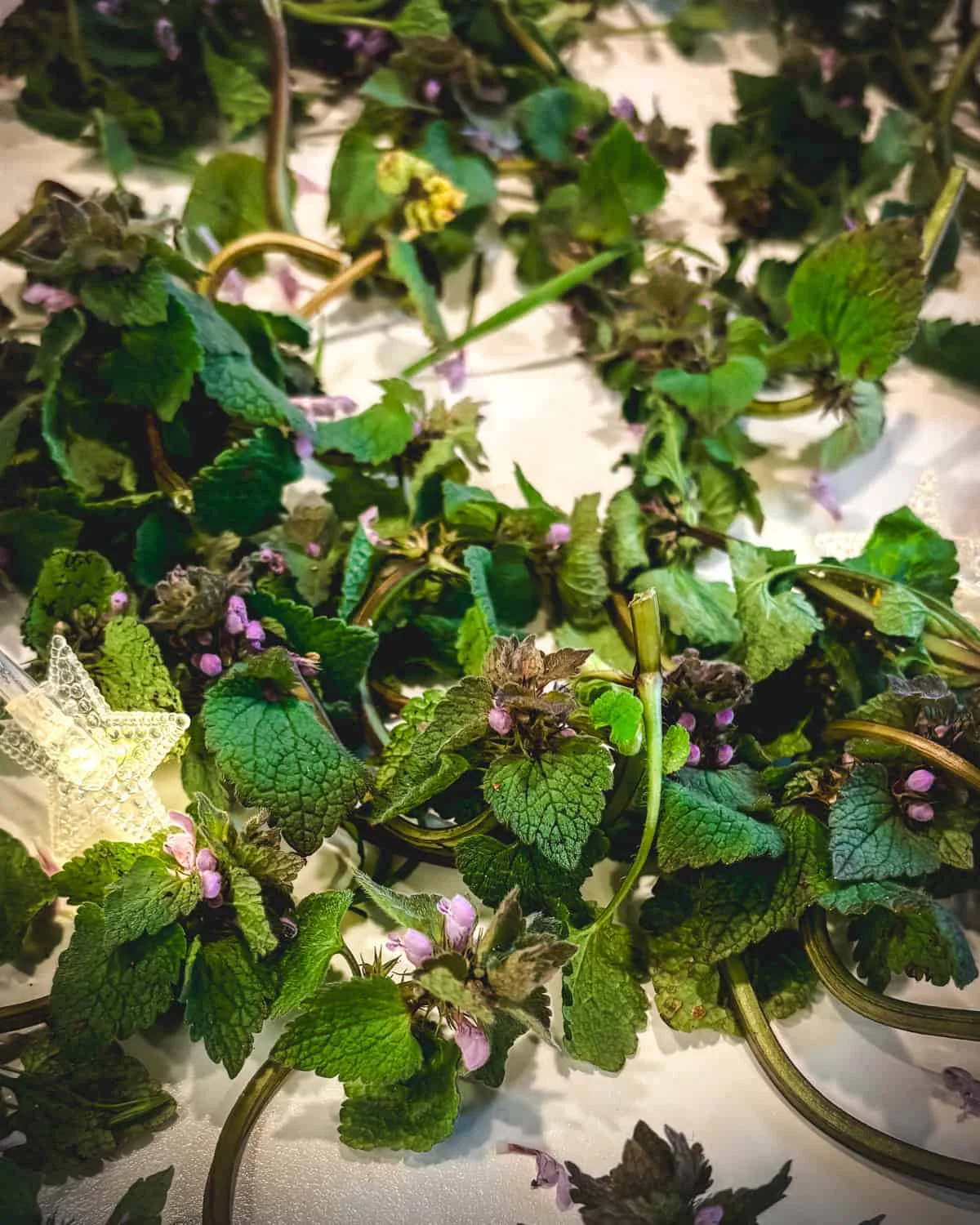
The emergence of purple dead nettle (Lamium purpureum) in early spring marks a significant moment for both the ecosystem and the practitioner of traditional herbalism. Often dismissed as a common garden weed, this member of the Lamiaceae (mint) family is increasingly recognized by botanical researchers and home-apothecary enthusiasts for its diverse therapeutic properties. As interest in wildcrafting and sustainable skincare continues to grow, the production of purple dead nettle salve has become a foundational project for those seeking to bridge the gap between foraging and functional wellness.
Botanical Profile and Identification
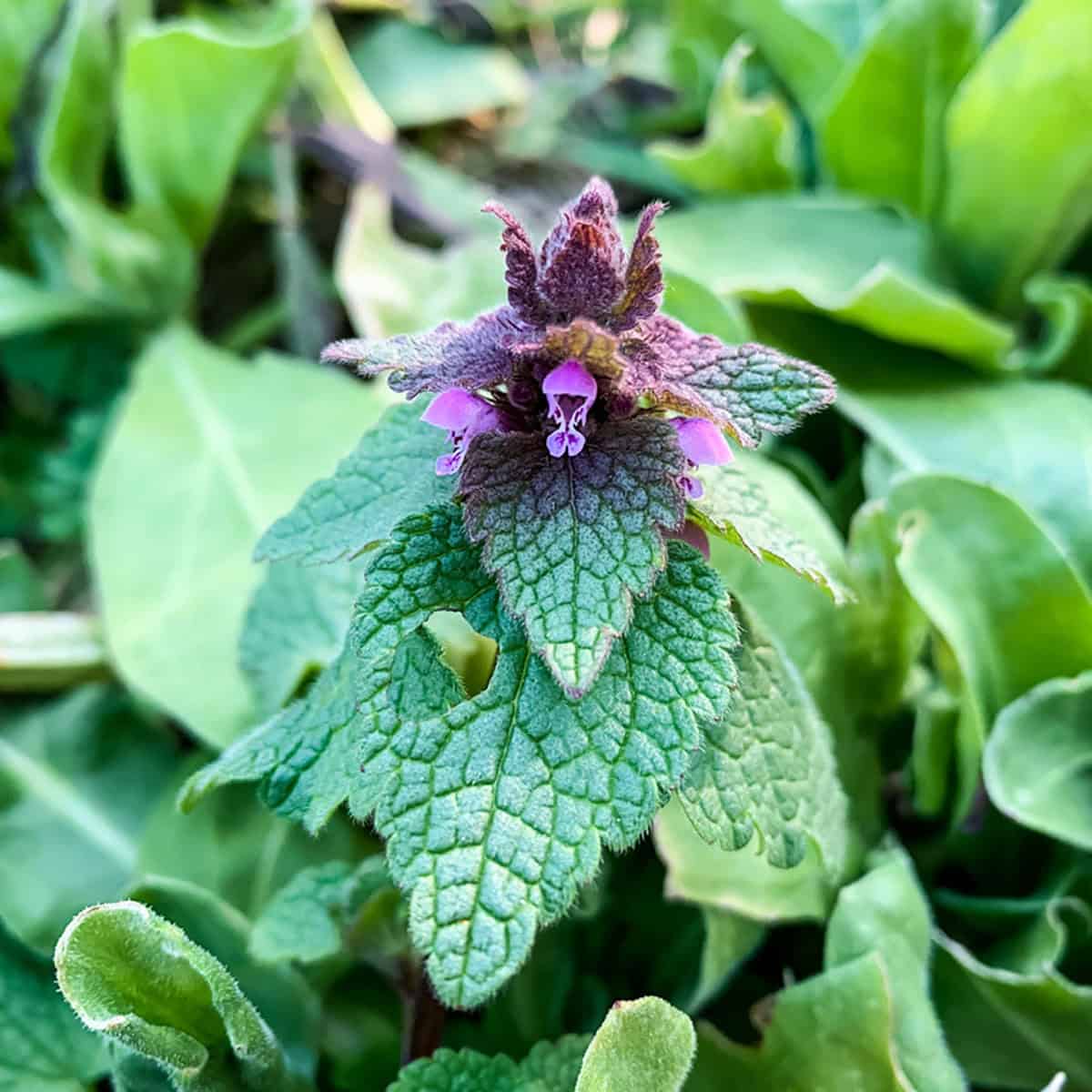
Lamium purpureum is a herbaceous flowering plant native to Europe and Asia but has become naturalized throughout North America, particularly in the United States. It is classified as a winter annual or a spring ephemeral, meaning it is among the first plants to appear as soil temperatures rise. Its identification is straightforward, making it an ideal candidate for amateur foragers.
Key characteristics include a square stem—a hallmark of the mint family—and oppositely arranged, heart-shaped, fuzzy leaves. The upper leaves typically transition from green to a distinct reddish-purple hue, which serves as a natural sunscreen for the plant’s delicate tissues. The flowers are small, tubular, and bright purple, emerging from the leaf axils. Unlike the stinging nettle (Urtica dioica), purple dead nettle lacks trichomes (stinging hairs), hence the name "dead" nettle, indicating its inability to sting or irritate the skin upon contact.
The Phytochemical Composition of Lamium Purpureum
Scientific analysis of the Lamium genus has revealed a complex profile of bioactive compounds that support its use in topical applications. Research indicates that the plant contains high concentrations of phenolic acids, flavonoids, and iridoids. Specifically, studies have identified the presence of quercetin and rutin, flavonoids known for their potent antioxidant and anti-inflammatory activities.
Furthermore, purple dead nettle contains germacrene D and other essential oils that contribute to its mild antimicrobial and antifungal properties. In traditional ethnobotanical records, these compounds have been leveraged to treat minor abrasions and skin irritations. While modern clinical trials are still catching up to traditional knowledge, the existing chemical data supports the plant’s role as a soothing agent for the integumentary system.
Chronology of Production: From Field to Formulation
The creation of a high-quality herbal salve follows a precise chronological progression, ensuring the preservation of volatile compounds and the prevention of microbial growth.
Phase I: Harvesting and Preparation
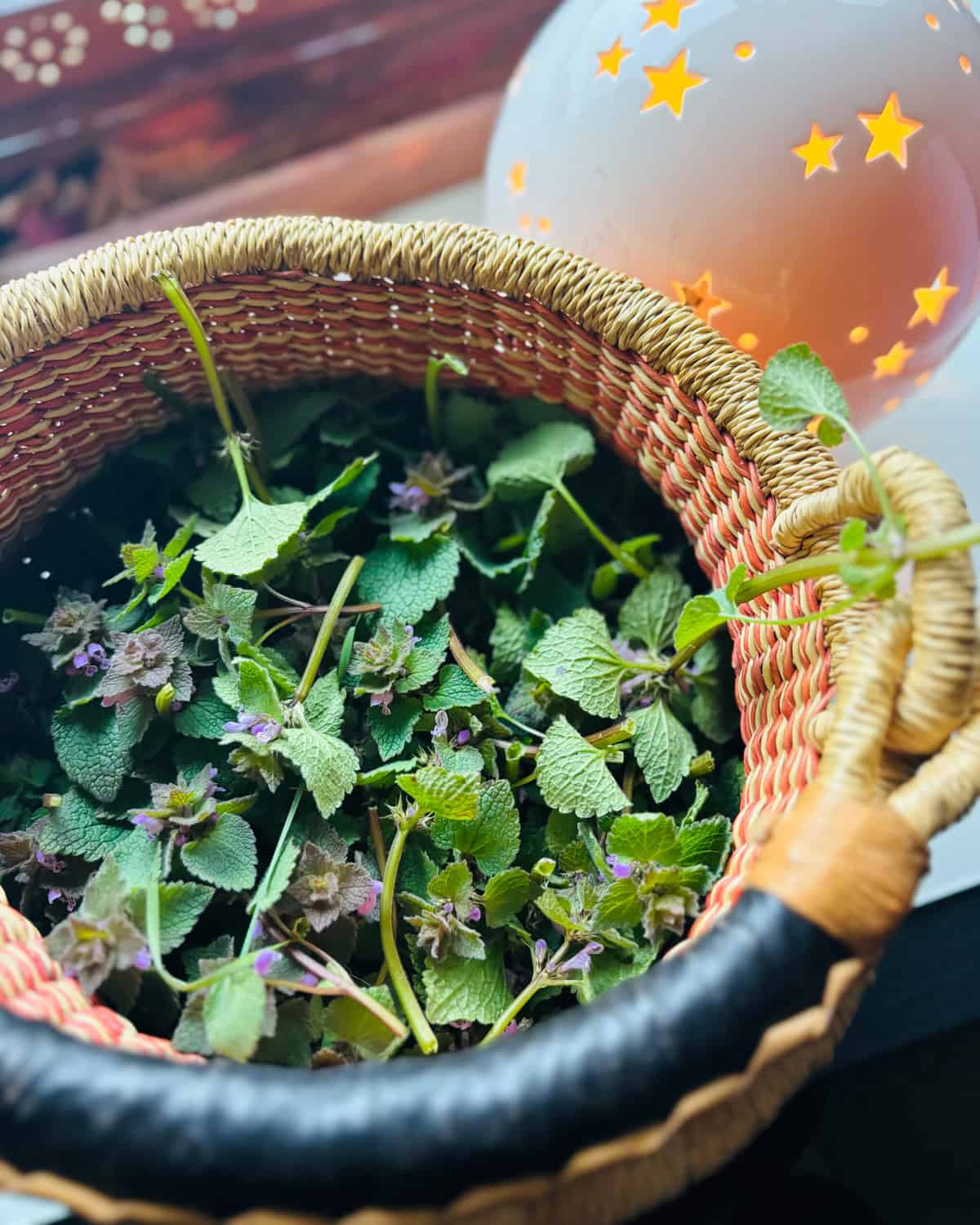
Harvesting typically occurs between March and May, depending on the geographic region. Foragers are advised to select plants from areas known to be free of pesticides, herbicides, and heavy metal contamination, such as private gardens or remote meadows. The aerial parts—leaves, stems, and flowers—are harvested by cutting the top three to five inches of the plant.
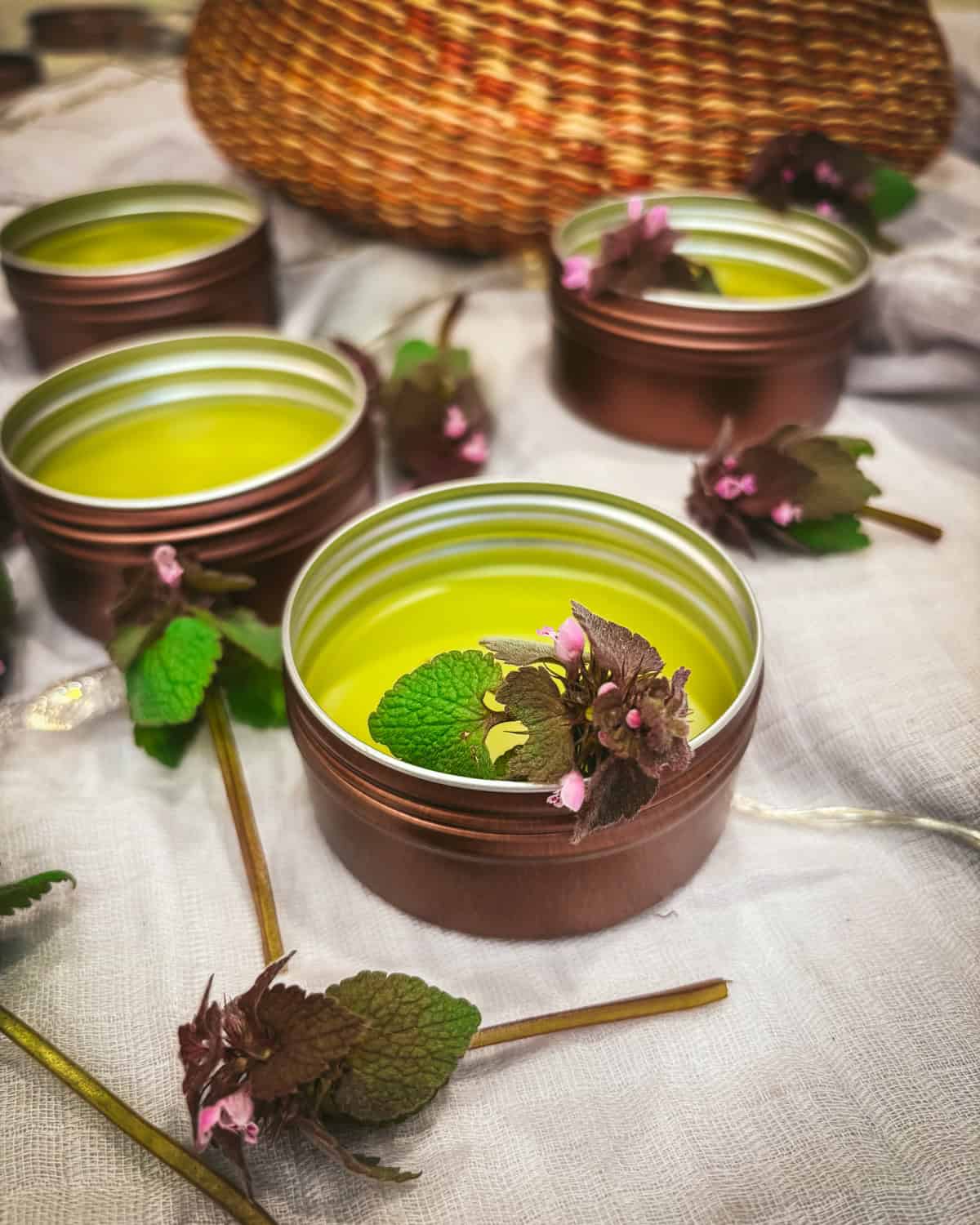
Once harvested, the plant material must be dried. Using fresh herbs in oil infusions introduces water, which significantly increases the risk of mold and bacterial spoilage. The harvested nettle is laid out in a single layer on drying racks or paper bags in a well-ventilated area out of direct sunlight. This process usually takes 48 to 72 hours, until the leaves feel "crisp" to the touch.
Phase II: The Infusion Process
The therapeutic properties of the dried plant are extracted through oil maceration. There are two primary methods utilized by herbalists:
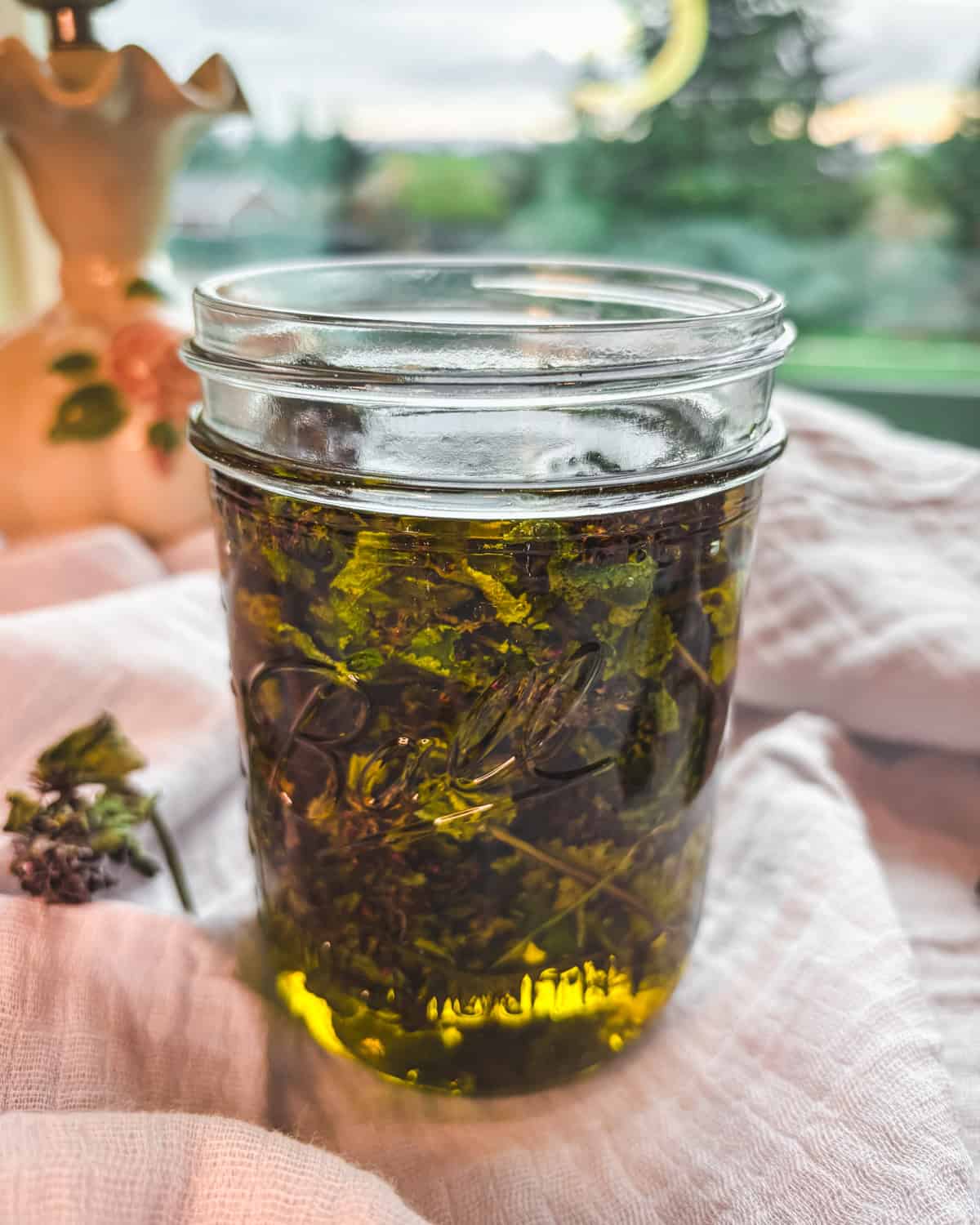
- The Solar/Cold Extraction Method: The dried herb is placed in a sterilized glass jar and covered with a carrier oil—commonly extra virgin olive oil, sweet almond oil, or fractionated coconut oil. The jar is sealed and stored in a cool, dark place for four to six weeks. This slow process is often preferred for preserving the most delicate heat-sensitive compounds.
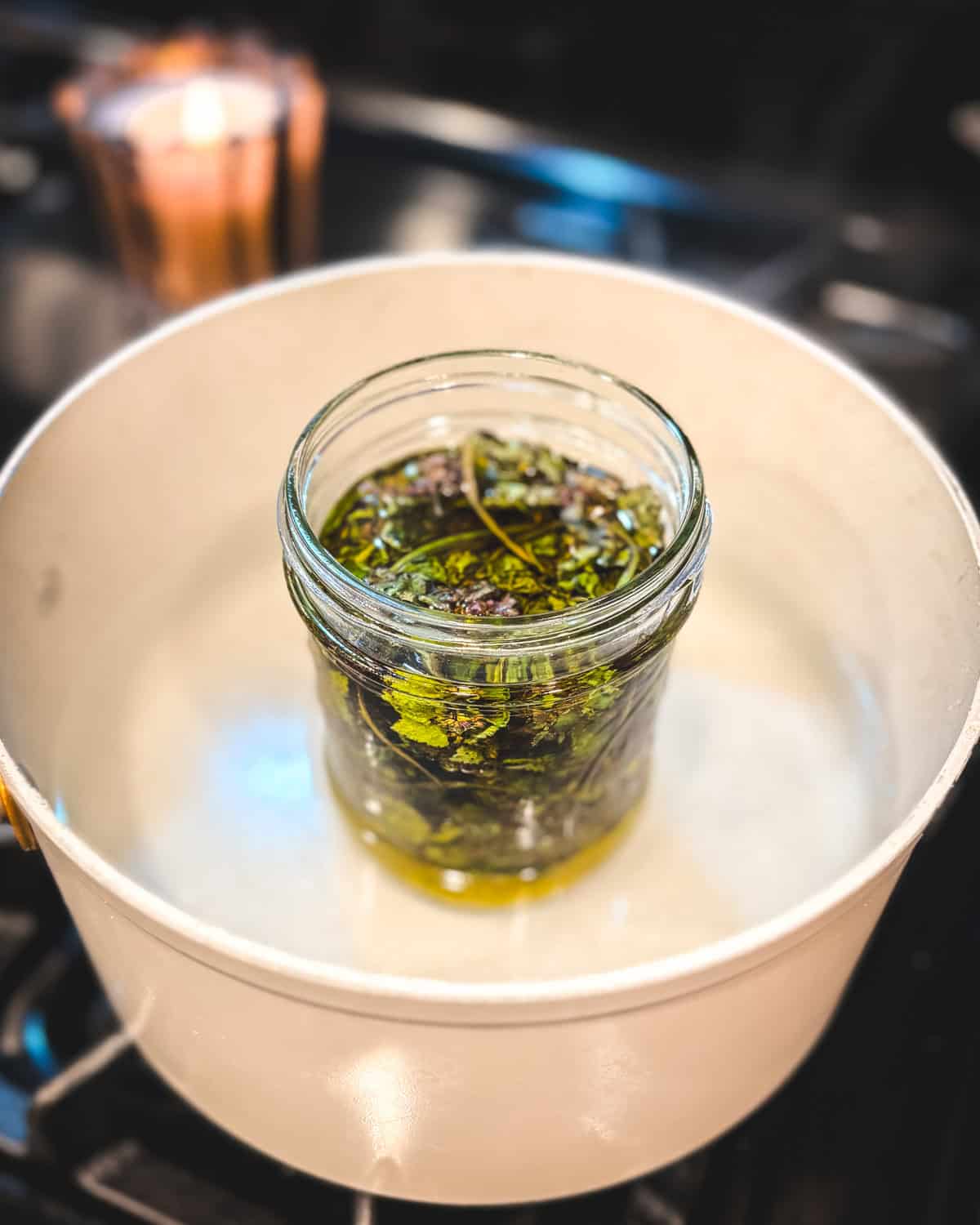
- The Rapid Heat Method: For those requiring a faster turnaround, a makeshift double boiler is employed. The herb and oil mixture is heated over low heat (maintaining a temperature between 100°F and 110°F) for three to five hours. This accelerates the transfer of phytochemicals into the lipid medium.
Phase III: Final Compounding
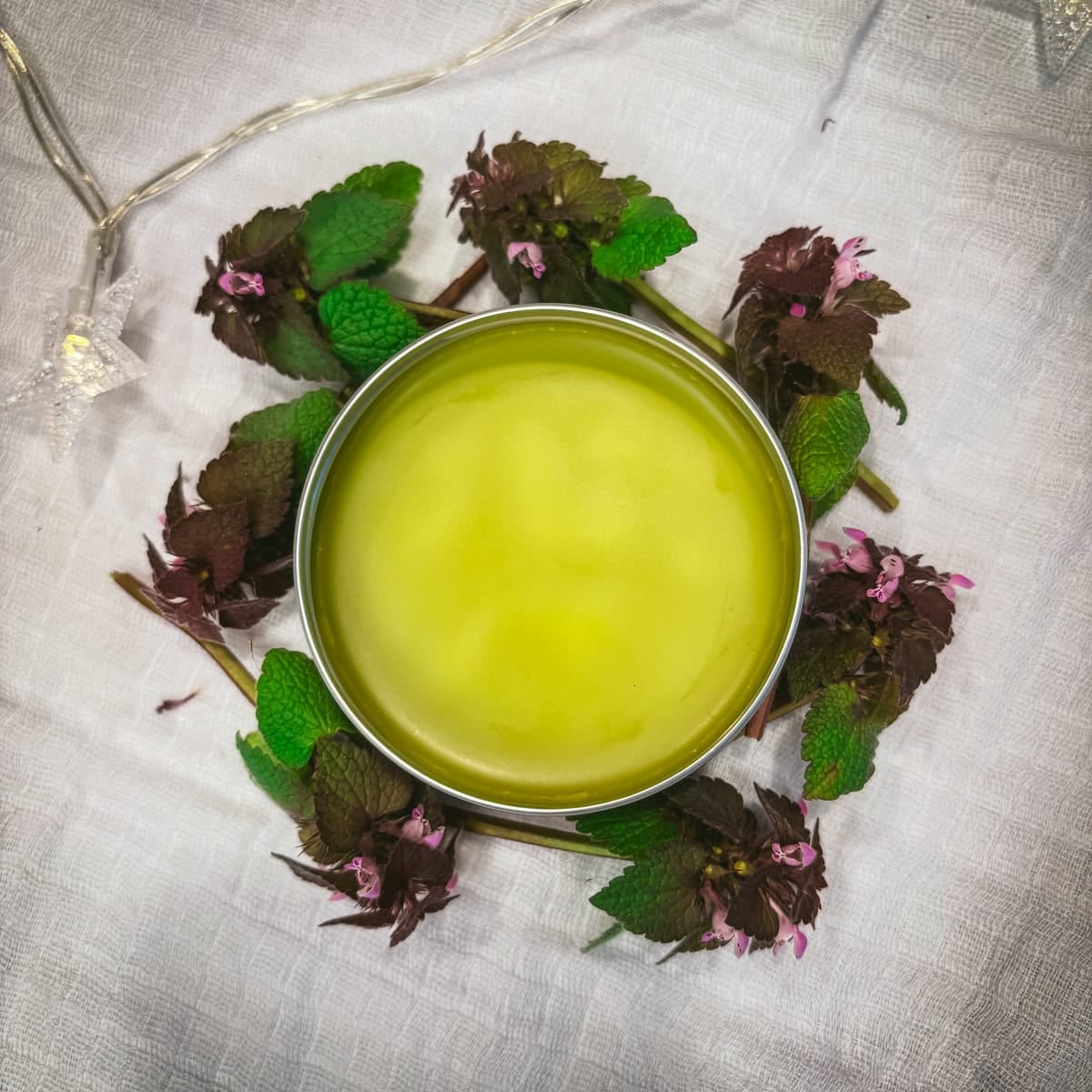
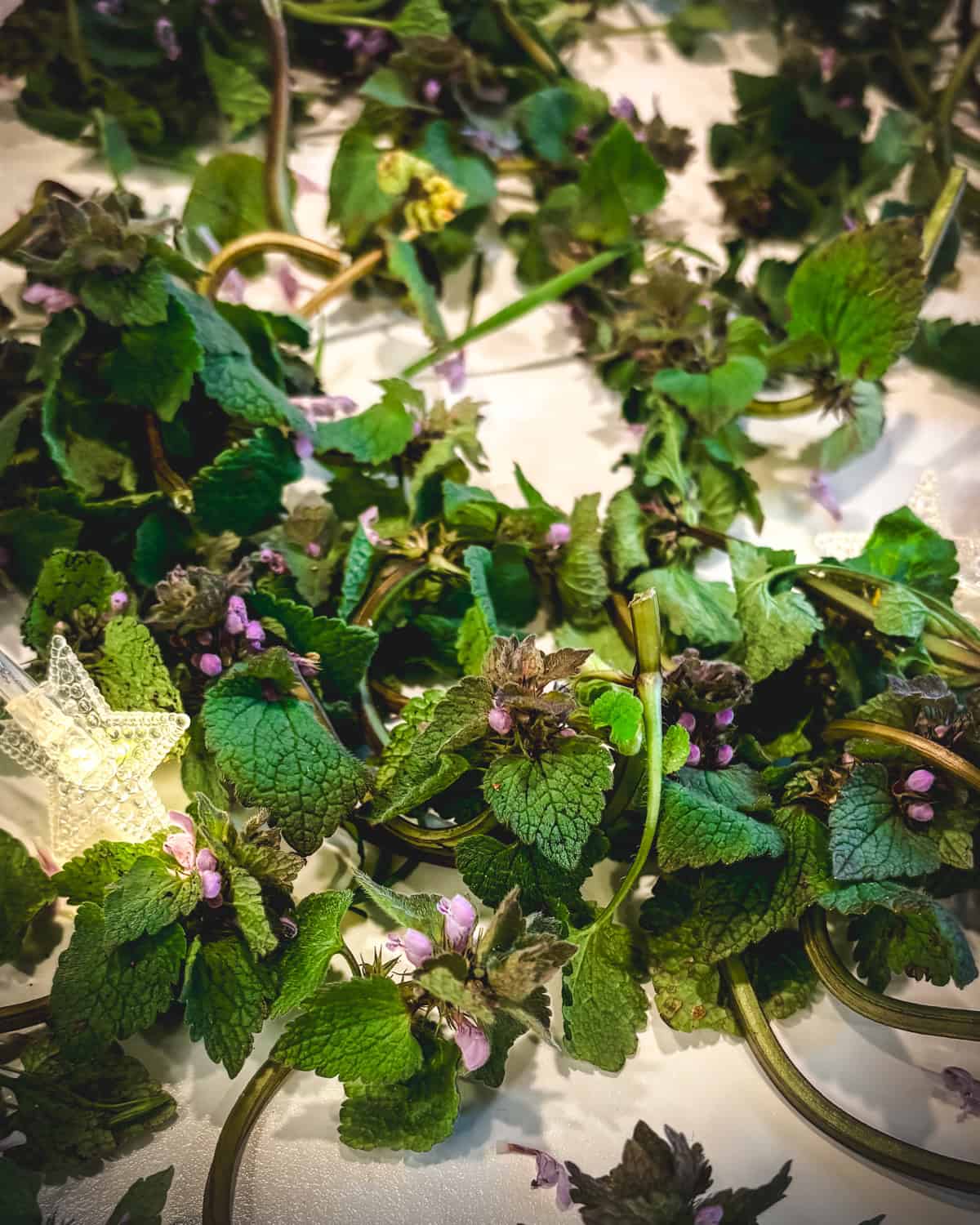
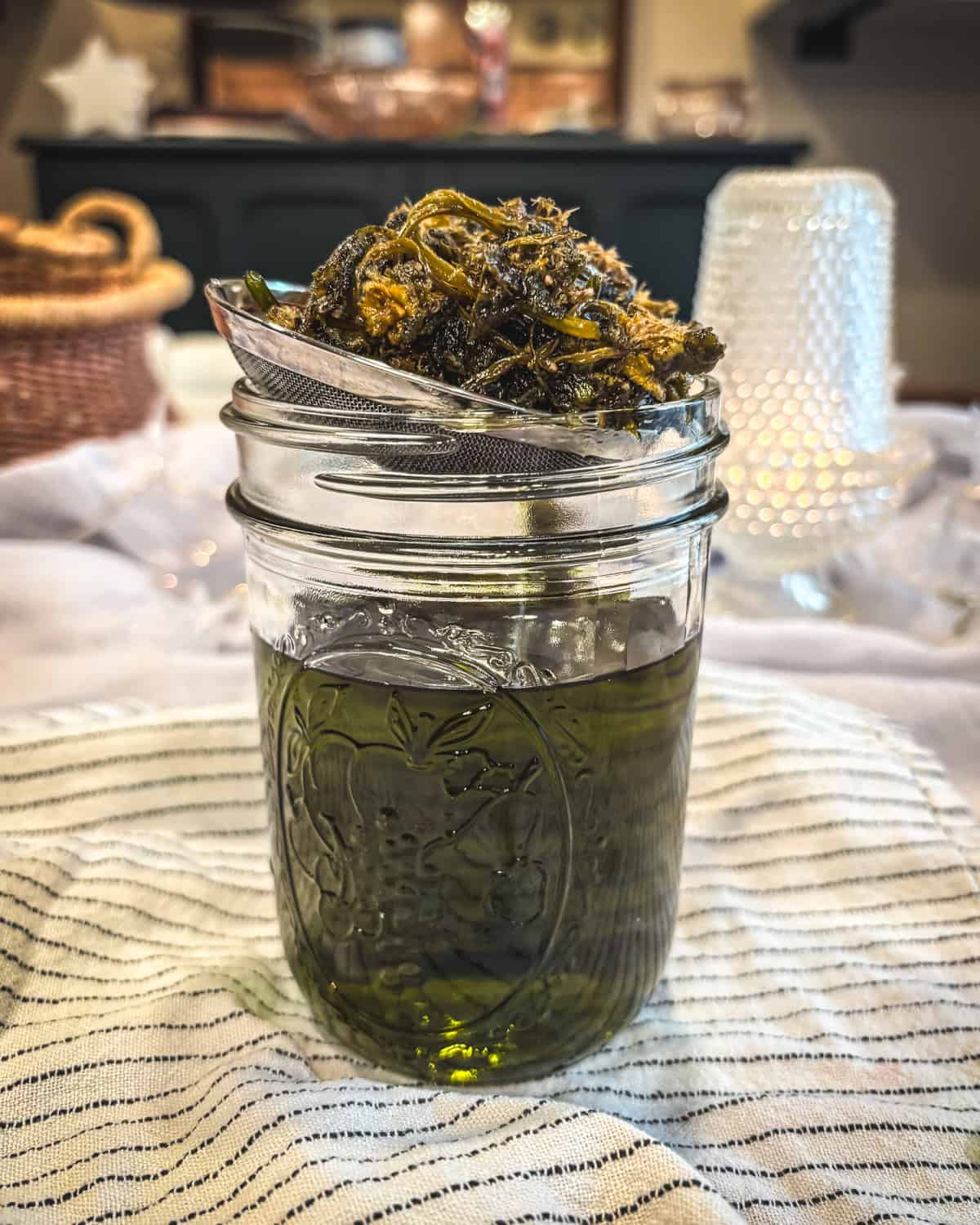
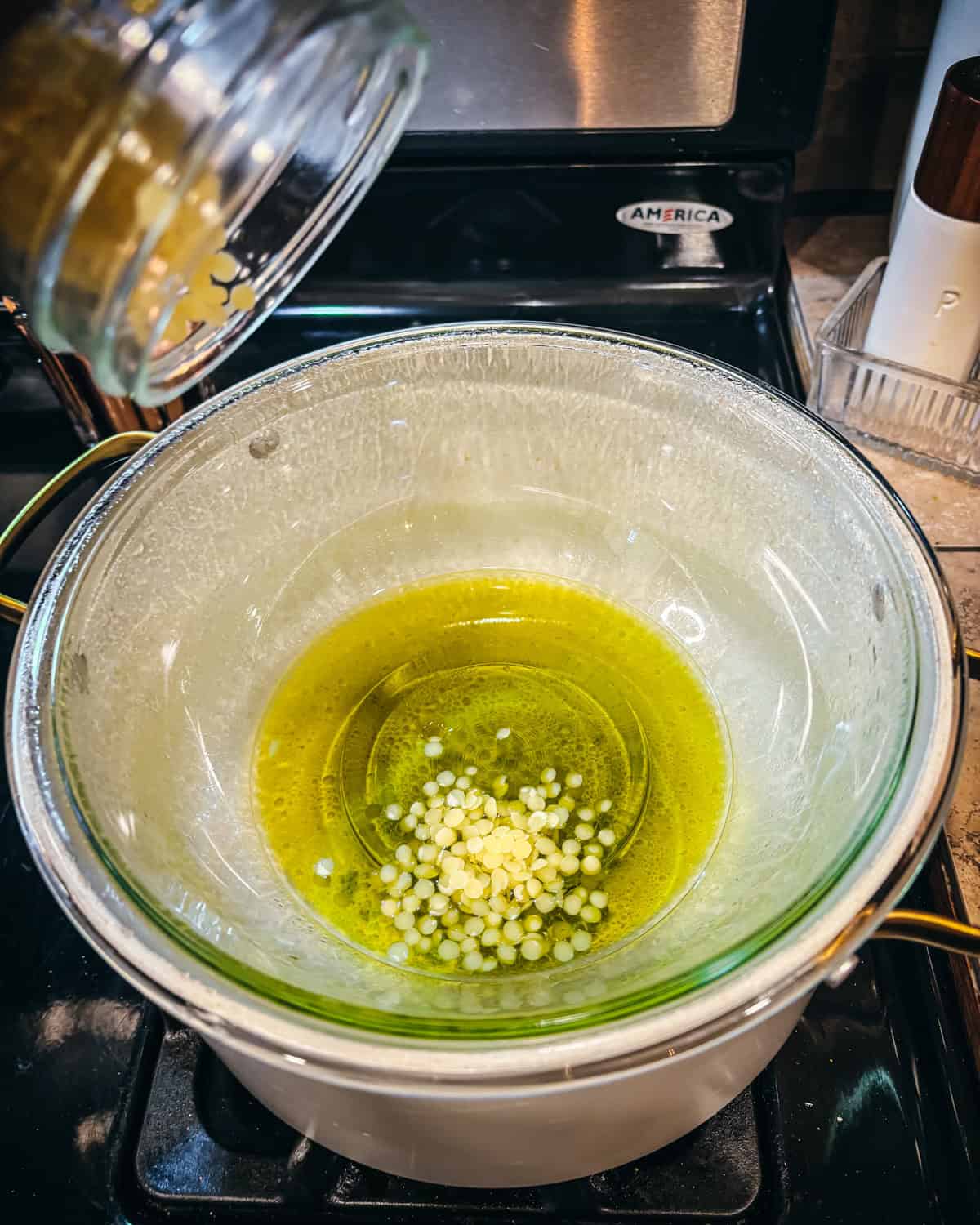
After the oil has been infused and strained through a fine-mesh cloth or cheesecloth, it is combined with a hardening agent, typically beeswax (Cera alba). The standard ratio is approximately one ounce of beeswax per cup of infused oil, though this can be adjusted based on the desired consistency. Optional essential oils, such as lavender or peppermint, may be added during the cooling phase to enhance the aromatic profile and provide secondary therapeutic benefits.
Supporting Data on Carrier Oils and Emollients
The efficacy of a salve is not solely dependent on the medicinal herb but also on the selection of carrier lipids.
- Olive Oil: Rich in oleic acid and Vitamin E, olive oil acts as an occlusive, sealing moisture into the skin while providing a stable medium for the nettle’s fat-soluble compounds.
- Coconut Oil: Contains lauric acid, which offers additional antimicrobial properties, making it an excellent choice for salves intended for minor cuts or "maskne" (mask-related acne).
- Beeswax: Beyond its role as a structural agent, beeswax provides a protective barrier on the skin’s surface, preventing transepidermal water loss (TEWL) without clogging pores.
Therapeutic Applications and User Responses
The purple dead nettle salve is primarily utilized as a topical treatment for "minor skin disharmonies." Anecdotal evidence from the herbalist community, supported by the plant’s astringent and anti-inflammatory nature, suggests several key applications:
- Minor Abrasions and Scratches: The astringent properties help to "knit" minor tissues together, while the antimicrobial compounds provide a layer of protection against environmental pathogens.
- Insect Bites and Stings: The anti-inflammatory action of the flavonoids can reduce the redness and swelling associated with histaminic reactions from bee stings or mosquito bites.
- Eczema and Dry Skin: The emollient nature of the salve provides relief for localized dry patches, often outperforming synthetic lotions that contain alcohol-based preservatives.
While official statements from regulatory bodies like the FDA classify such products as "cosmetic" rather than "medicinal," the resurgence of interest in these remedies reflects a broader consumer shift toward transparent, plant-based ingredient lists.
Broader Impact: Sustainability and Self-Sufficiency
The rise of DIY herbalism, exemplified by the purple dead nettle salve, has significant implications for environmental sustainability and consumer autonomy. By utilizing a plant that is often considered an invasive weed, practitioners engage in a form of "ecological gardening" that reduces the need for chemical weed killers.
Furthermore, the production of home-based remedies reduces the carbon footprint associated with the manufacturing, packaging, and shipping of commercial skincare products. This "slow medicine" movement encourages a deeper connection to the local landscape and fosters a sense of self-reliance.
Safety Considerations and Best Practices
While purple dead nettle is generally regarded as safe (GRAS), professional journalistic standards require the mention of safety protocols.
- Sensitivity Testing: Users are encouraged to perform a "patch test" by applying a small amount of the salve to the inner wrist and waiting 24 hours to ensure no allergic reaction occurs.
- Botanical Identification: Proper identification is paramount. Foragers should use multiple field guides to confirm the species before harvesting.
- Sanitation: All equipment used in the salve-making process must be thoroughly cleaned and dried to prevent the introduction of contaminants.
Analysis of Implications for the Skincare Industry
The trend toward wild-foraged ingredients is beginning to influence the mainstream beauty industry. Large-scale manufacturers are increasingly incorporating "weeds" like nettle, chickweed, and plantain into their formulations to appeal to the "clean beauty" demographic. However, the DIY purple dead nettle salve remains a superior choice for many due to its lack of synthetic fragrances, parabens, and stabilizers.
The accessibility of this particular herb ensures that herbalism remains an egalitarian practice. Unlike rare or endangered botanicals like goldenseal or ginseng, purple dead nettle is abundant and resilient. Its use represents a sustainable model for natural medicine—one that prioritizes common, local plants over exotic, over-harvested species.
In conclusion, the purple dead nettle salve is more than a simple skin cream; it is a manifestation of seasonal awareness and botanical science. As early spring brings the first flush of purple to the fields, it offers an opportunity for individuals to engage with the environment in a productive, healing capacity. Through careful harvesting, precise infusion, and informed application, this "humble weed" continues to prove its value as a cornerstone of the natural medicine chest.