The global food system currently faces a critical paradox: while food insecurity remains a persistent issue for millions, approximately one-third of all food produced for human consumption is lost or wasted. This inefficiency carries a profound environmental toll, with recent environmental assessments indicating that food waste contributes to an estimated 10% of all global greenhouse gas emissions. In response to this crisis, a new wave of technological solutions has emerged to bridge the gap between retail surplus and consumer demand. Among the leaders in this space is Too Good To Go, a mobile application designed to connect local restaurants, bakeries, and grocery stores with consumers willing to purchase surplus inventory. By facilitating the sale of "Surprise Bags"—assortments of unsold food items sold at a fraction of their original retail price—the platform aims to mitigate the environmental impact of the food industry while providing economic value to both businesses and users.

The Environmental and Economic Context of Food Waste
To understand the significance of surplus food platforms, one must examine the scale of the waste problem. According to the United Nations Food and Agriculture Organization (FAO), if food waste were a country, it would be the third-largest emitter of greenhouse gases in the world, trailing only the United States and China. The carbon footprint of food waste includes not only the methane produced by decomposing organic matter in landfills but also the massive amounts of water, energy, and land used in the production, processing, and transportation of food that is never eaten.
In the retail sector, surplus often occurs due to strict aesthetic standards, overstocking to ensure full shelves, and the approach of "best before" dates. For gourmet grocery stores and specialized outlets like juice bars, maintaining fresh inventory is a primary operational challenge. Traditionally, items nearing the end of their shelf life were discarded, representing a total loss for the business. The emergence of the circular food economy, supported by digital marketplaces, allows these businesses to recoup a portion of their costs while ensuring that high-quality products reach consumers.

The Mechanics of the Surplus Food Marketplace
The operational model of Too Good To Go relies on a "surprise" element, which accounts for the unpredictability of retail surplus. Because businesses cannot predict exactly which items will remain unsold at the end of a shift, they offer Surprise Bags. Users of the app browse local listings, select a preferred vendor—ranging from high-end grocery stores to juice shops—and reserve a bag for pickup.
In a recent implementation of this service, participants engaged with a gourmet grocery store and a local juice outlet. The acquisition process demonstrated the significant cost savings inherent in the model; the groceries were obtained for approximately one-third of their standard retail value. This price point serves as a powerful incentive for consumer participation, democratizing access to premium or organic goods that might otherwise be cost-prohibitive. For the retailer, the platform provides a streamlined method to manage inventory without the logistical hurdles of traditional liquidation.

Chronology of a Zero-Waste Gathering: From Pickup to Presentation
The utility of surplus food extends beyond individual consumption; it offers a viable framework for sustainable social hosting. The following chronology outlines the process of transforming a random assortment of surplus items into a curated social event:
- Identification and Reservation: The process begins with the identification of surplus availability via the digital interface. Selection is often based on the dietary reputation of the vendor, such as a gourmet grocer known for artisanal breads and high-quality produce.
- The Acquisition Phase: Upon pickup, the contents of the Surprise Bags are revealed. In this instance, the bags yielded a variety of breads, fresh juices, and assorted pantry staples.
- Ingredient Assessment and Integration: The "surprise" nature of the bags requires a flexible culinary approach. Hosts must assess the acquired items and supplement them with existing pantry staples or garden-grown ingredients, such as fresh basil and tomatoes, to create a cohesive menu.
- Preparation and Batch Processing: To maximize efficiency and ensure all surplus items are utilized, hosts may employ batch preparation techniques. For example, toasting an entire cache of surplus bread simultaneously in an oven ensures that the base of the meal is ready for a variety of applications.
- Interactive Serving: The final phase involves the presentation of ingredients in a manner that encourages guest participation. By laying out a "DIY" station with various toppings, hosts reduce the likelihood of prepared-food waste, as guests only assemble what they intend to consume.
Strategic Culinary Applications for Surplus Ingredients
The versatility of surplus bread and fresh produce allows for a wide array of high-end culinary creations. Journalistic observation of sustainable gatherings highlights several successful flavor profiles that utilize common surplus items:
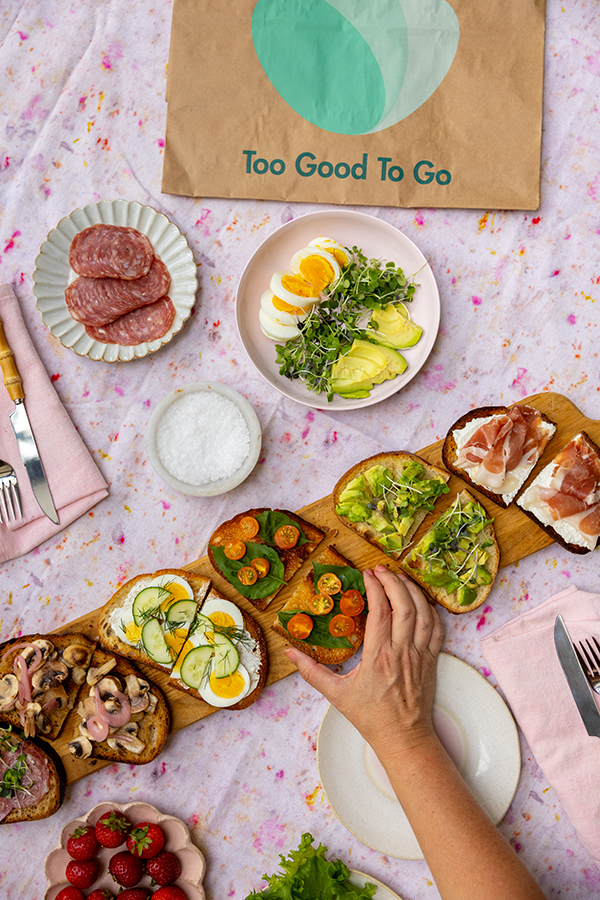
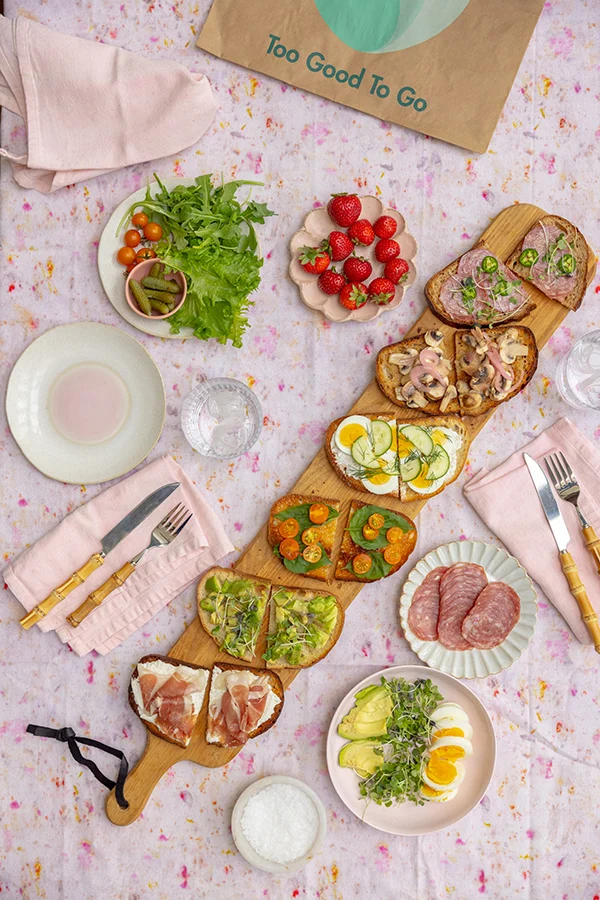
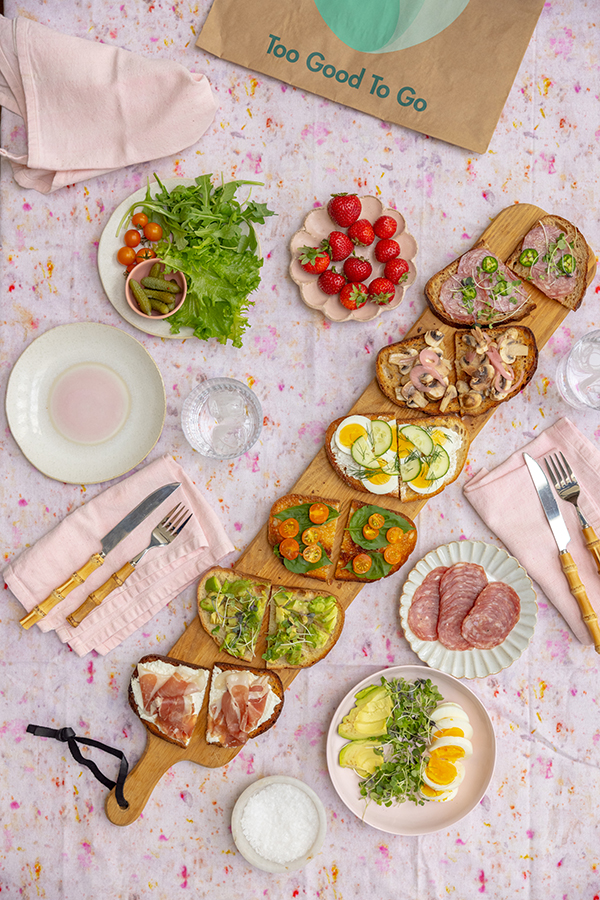
- Dairy and Charcuterie Pairings: Ricotta cheese topped with prosciutto and a drizzle of "hot honey" utilizes both perishable dairy and cured meats that are frequently found in gourmet surplus bags.
- Plant-Based Innovations: Avocado toast remains a staple of sustainable dining. When paired with lemon, salt, and nutrient-dense sprouts, it repurposes ripe avocados that may have been near their peak.
- Garden-to-Table Integration: The use of tomatoes and basil, often supplemented by home gardens, provides a fresh contrast to the denser textures of artisanal breads.
- Traditional European Influence: Sliced eggs, cucumbers, and fresh dill over a layer of mayonnaise reflect a Nordic "smørrebrød" style, which is historically rooted in the efficient use of available ingredients.
- Savory Hot Toppings: Melted cheeses combined with sautéed mushrooms or spicy elements like soppressata and jalapeños allow for the utilization of diverse deli and produce items.
Analysis of the Broader Impact on the Food Supply Chain
The integration of surplus food apps into the mainstream consumer habits represents a significant shift in the food supply chain. Industry analysts suggest that these platforms provide three primary layers of impact: economic, environmental, and behavioral.
Economically, the model creates a secondary market for "distressed" inventory. While food banks and charities remain the priority for large-scale donations, the logistical reality of small-scale retail surplus (e.g., three loaves of bread and five juices) often makes traditional donation difficult. Digital marketplaces provide a solution for these smaller volumes.

Environmentally, every kilogram of food saved from a landfill prevents the emission of approximately 2.5 kilograms of CO2 equivalent. As these platforms scale—Too Good To Go currently operates in over 17 countries—the cumulative impact on global emissions targets becomes measurable.
Behaviorally, the "surprise" element of the service encourages consumers to be more resourceful. By receiving a random assortment of items, users are prompted to experiment with new recipes and ingredients, fostering a culture of culinary flexibility that is essential for a sustainable future. This shift away from rigid "on-demand" grocery shopping toward a "resource-based" consumption model is a cornerstone of the circular economy.

Official Responses and Future Outlook
Environmental advocacy groups have generally lauded the rise of surplus food technology. Organizations such as the World Wildlife Fund (WWF) have noted that reducing food waste is one of the most effective individual actions a person can take to combat climate change. Retailers have also responded positively; many major chains have integrated these apps into their corporate social responsibility (CSR) goals, viewing waste reduction as both a moral imperative and a way to improve operational efficiency.
However, challenges remain. The scalability of such programs depends on dense urban environments where pickup logistics are feasible. Furthermore, there is an ongoing discussion regarding the regulatory landscape of food safety and expiration dates. Many advocates argue that "best before" dates are often misunderstood by consumers as safety warnings rather than quality indicators, leading to unnecessary waste.
Looking forward, the food industry is expected to see further integration of artificial intelligence (AI) to better predict demand and minimize surplus before it even occurs. Until then, platforms that facilitate the redistribution of existing surplus remain a vital tool in the global effort to create a more resilient and less wasteful food system. By transforming potential waste into the centerpiece of social gatherings, consumers can play an active role in this systemic change, proving that sustainability and high-quality dining are not mutually exclusive.