

The American Homebrewers Association (AHA) has successfully completed its inaugural board of directors election since its transition to a newly independent structure, encompassing both a 501(c)(6) membership organization and a 501(c)(3) supporting arm, the A-HA Foundation. This pivotal election, held in March, saw four new directors elected from a competitive field of 10 candidates, themselves selected from an initial pool of 28 nominees. These four individuals will serve three-year terms, joining the three continuing board members to guide the future of the esteemed organization. The new board is slated to be officially seated at the AHA’s 2026 annual meeting, scheduled for June 20, 2026, in Asheville, North Carolina, during the highly anticipated Homebrew Con, the AHA’s premier annual gathering for its membership.
This landmark election represents a significant step in the AHA’s ongoing evolution, solidifying its autonomy and underscoring its commitment to democratic member representation. The selection process, which began with a broad nomination phase and culminated in a vote by the AHA membership, reflects a robust engagement from the homebrewing community. The caliber and diversity of the candidates indicate a strong pool of talent dedicated to advancing the interests of homebrewers across the nation.
A New Era of Leadership
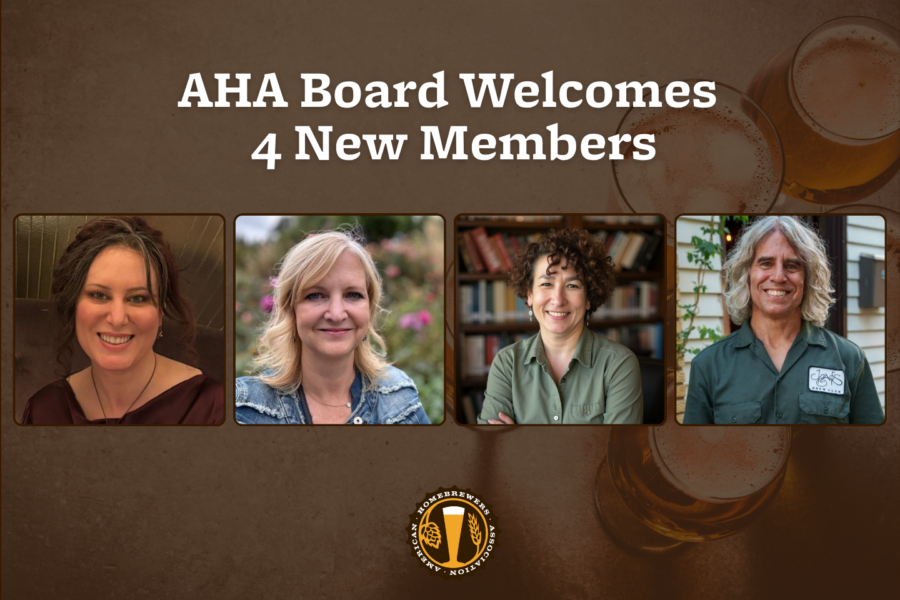
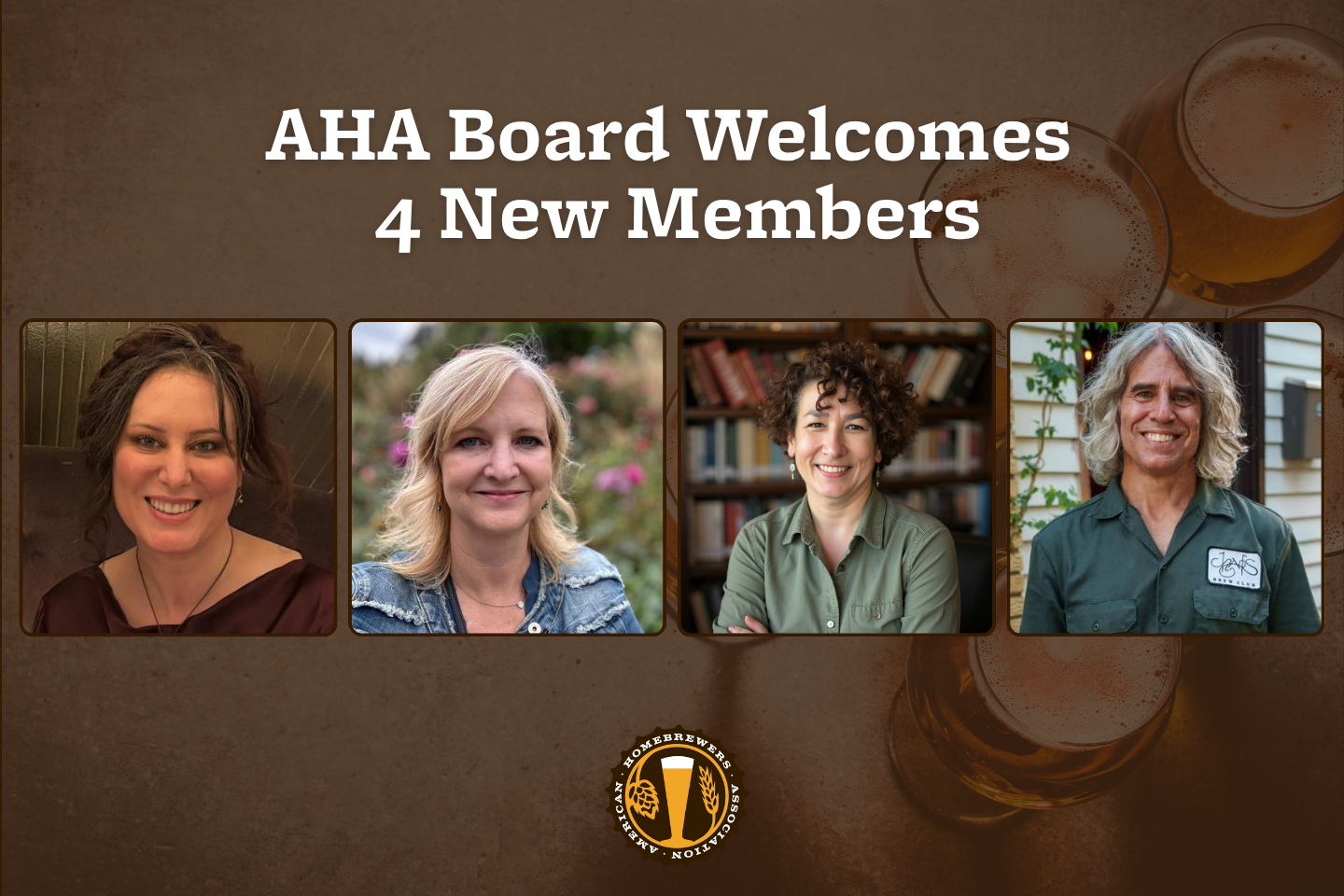
The four newly elected members of the AHA Board of Directors are Jen Blair, Stephanie Butler, Jen Pereira, and Jeff Whelpley. Each brings a unique set of skills, experiences, and perspectives to the board, promising to enrich the organization’s strategic direction and operational effectiveness. Their three-year terms will commence officially at the upcoming annual meeting, where they will collaborate with existing board members Shawna Cormier (Board Chair), Drew Beechum, and Gregory Roskopf. This seasoned and newly invigorated board will be tasked with navigating the opportunities and challenges facing the homebrewing community and the AHA in the coming years.
The selection process was characterized by a substantial number of nominations, indicating a high level of interest and commitment from within the AHA membership to contribute to its governance. The vetting and shortlisting of candidates by a nominating committee, followed by the active participation of members in casting their votes, underscores the democratic principles guiding the AHA. The sheer volume of initial nominees—28—suggests a deep reservoir of individuals eager to contribute their expertise to the advancement of homebrewing. The narrowing down to 10 candidates for the final ballot further highlights the competitive nature of the election and the thoroughness of the selection process.
Acknowledging Dedication and Transition
The AHA extends its sincere appreciation to all candidates who participated in this year’s election, acknowledging their willingness to step forward and contribute their time and talent. Furthermore, the association recognizes and thanks every AHA member who cast their vote, underscoring the importance of their participation in shaping the organization’s leadership.
This transition also marks the departure of two highly respected Founding Board members, Sandy Cockerham and Gary Glass. Their instrumental roles in the AHA’s journey, particularly during its formative stages as a newly independent entity, have been invaluable. As Founding Board members, their dedication to the craft of homebrewing and their unwavering commitment to representing the interests of the AHA’s members have laid a robust foundation for the organization’s future growth and success. Their contributions have been crucial in navigating the complexities of establishing independent 501(c)(6) and 501(c)(3) structures, ensuring the AHA remains a vibrant and effective advocate for homebrewers.
A Vision for the Future
Shawna Cormier, Chair of the AHA Board, expressed profound optimism regarding the new board’s composition and the organization’s trajectory. "The work initiated by the AHA Founding Board to usher the association into a new future has been nothing short of impressive," Cormier stated. "With our newly elected board members joining us, we are exceptionally well-positioned to foster the AHA’s growth for generations to come. Our collective focus will be on bringing AHA’s enduring vision of ‘a homebrewer in every neighborhood and a homebrew club in every community’ to vibrant life."
This vision, a cornerstone of the AHA’s mission, emphasizes the pervasive and positive impact of homebrewing on local communities. The expansion of homebrewing accessibility and the encouragement of local homebrew clubs are central to fostering a culture of shared passion, knowledge exchange, and community building. The new board’s commitment to this vision suggests a strategic emphasis on initiatives that will support and expand these grassroots efforts.
The Significance of Independence
The AHA’s recent transition to operating as both a 501(c)(6) membership organization and a 501(c)(3) supporting organization (the A-HA Foundation) represents a significant strategic maneuver. As a 501(c)(6), the AHA can focus on advocacy, member services, and the promotion of the homebrewing industry. The 501(c)(3) designation, through the A-HA Foundation, allows for the pursuit of charitable and educational initiatives, potentially opening avenues for grants, sponsorships, and broader philanthropic endeavors aimed at supporting homebrewing research, education, and community development. This dual structure provides enhanced flexibility and a broader scope for the AHA to fulfill its mission.
The election of a new board under these newly established independent structures is a testament to the organization’s maturity and its forward-thinking approach. It signals a commitment to long-term sustainability and a proactive stance in adapting to the evolving landscape of non-profit organizations and the craft beverage industry. The successful completion of this electoral process, from nomination to the seating of the new board, is a critical milestone in solidifying this new operational framework.
A Look at the Candidates and the Process
While the article does not provide specific details about the backgrounds of individual candidates, the selection from an initial pool of 28 nominees and the election of four from a slate of 10 suggests a highly competitive and engaged process. The AHA likely employed a rigorous vetting process to ensure that all candidates met specific criteria related to leadership experience, commitment to homebrewing, and understanding of the organization’s mission.
The election process itself is a vital component of the AHA’s governance structure, ensuring that the board remains accountable to its membership. The fact that members were able to vote on a slate of candidates, rather than a single pre-selected option, further enhances the democratic nature of the election. This level of member participation is crucial for building trust and fostering a strong sense of ownership within the community.
Broader Implications for the Homebrewing Community
The successful transition and election of a new board have several implications for the broader homebrewing community. Firstly, it signals stability and continued dedicated leadership for an organization that has been a cornerstone of the hobby for decades. Secondly, the dual 501(c)(6) and 501(c)(3) structure, bolstered by a new board, could lead to expanded advocacy efforts at local and national levels, potentially influencing legislation and regulations that impact homebrewers. Furthermore, the 501(c)(3) arm could unlock new funding opportunities for educational programs, scholarships, and initiatives aimed at promoting diversity and inclusion within the homebrewing world.
The AHA’s mission statement, "a homebrewer in every neighborhood and a homebrew club in every community," is more achievable with a robust and well-governed organization. The new board’s focus on realizing this vision suggests a renewed emphasis on grassroots community building and expanding access to the joys and benefits of homebrewing. This could translate into increased support for local homebrew clubs, development of new educational resources, and initiatives designed to lower barriers to entry for aspiring homebrewers.
Historical Context and Future Outlook
Founded in 1978, the American Homebrewers Association has a long and storied history of serving and championing the interests of homebrewers. Its publications, such as Zymurgy magazine, have been essential resources for knowledge sharing and skill development. The National Homebrew Competition has served as a prestigious platform for showcasing brewing excellence. The organization’s website, HomebrewersAssociation.org, provides a wealth of information and community forums.
The recent restructuring and subsequent election mark a new chapter, one that builds upon this rich legacy while embracing a more autonomous and diversified operational model. The AHA’s commitment to Community, Education, Joy, and Volunteerism remains at its core. The new board will be instrumental in ensuring these values continue to guide the organization’s strategic decisions and operational activities. As the AHA moves forward, its ability to effectively leverage its dual organizational structure, combined with the collective expertise of its new board, will be key to its continued success in fostering a thriving and accessible homebrewing culture.
Individuals interested in learning more about the AHA’s various committees and the composition of its Board of Directors can find detailed information on the AHA website. The AHA actively encourages member engagement and participation in its various volunteer opportunities, recognizing that the strength of the organization lies in the dedication and involvement of its members. For those inspired by the AHA’s mission and its commitment to the homebrewing community, opportunities to join or renew membership are readily available, inviting them to be a part of this evolving and dynamic organization.


