
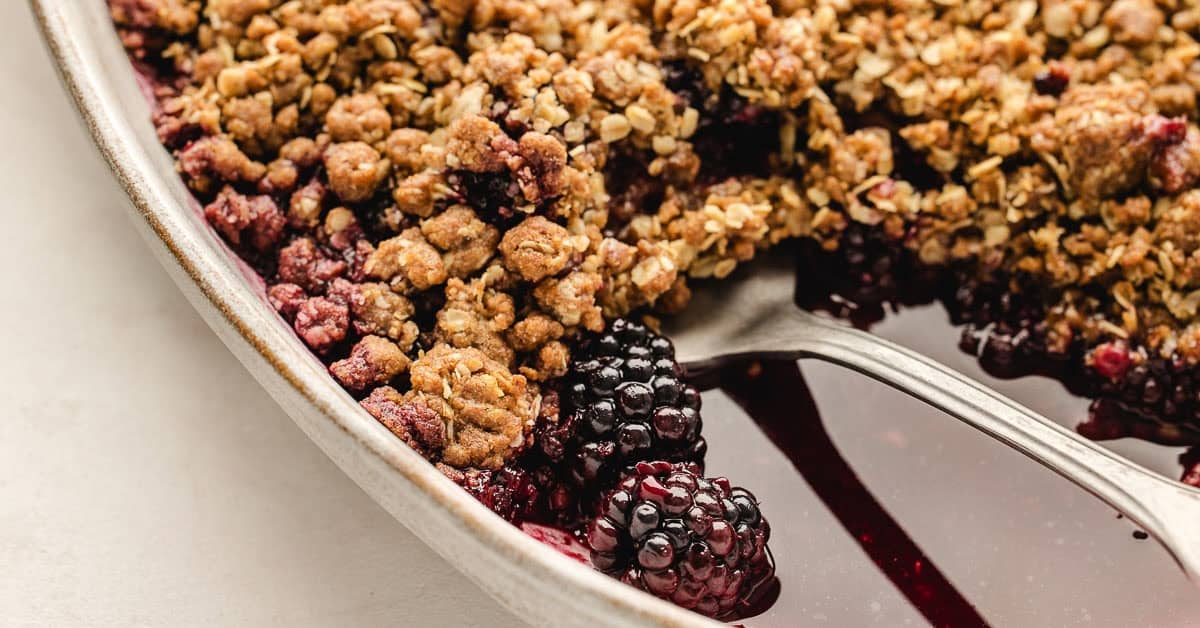
The blackberry harvest represents a pivotal moment in the annual North American agricultural calendar, signaling the peak of the summer growing season and providing a significant boost to both local economies and domestic culinary traditions. As a member of the Rubus genus, the blackberry is more than a mere seasonal fruit; it is a nutritional powerhouse and a versatile ingredient that defines a specific genre of American comfort food. Central to this seasonal shift is the preparation of the blackberry crisp, a dessert characterized by its textural contrast between a viscous, tart fruit base and a structural, oat-based topping. This dish serves as a primary vehicle for the consumption of both wild-foraged and commercially grown berries, bridging the gap between ancestral foraging practices and modern gastronomy.
Agricultural Background and Botanical Context
Blackberries (Rubus fruticosus) are perennial plants that typically produce biennial stems from a perennial root system. In the United States, the harvest season generally spans from June through August, depending on the geographical zone and the specific variety of the berry. Historically, blackberries have been categorized into three distinct growth habits: erect, semi-erect, and trailing. The wild variants, often found in hedgerows and forest clearings, have long been the focus of foraging efforts.
According to agricultural data, the cultivation of blackberries has seen a marked increase in efficiency due to the development of thornless cultivars and primocane-fruiting varieties, which allow for a more extended harvest window. From a botanical perspective, the "berry" is actually an aggregate fruit, composed of numerous small drupelets. Each drupelet contains a seed, contributing to the high fiber content of the fruit. The deep purple-black pigmentation is a result of high concentrations of anthocyanins, which are potent antioxidants that have been the subject of extensive clinical research regarding their role in reducing oxidative stress and inflammation in humans.
The Evolution of the Blackberry Crisp: A Culinary Chronology
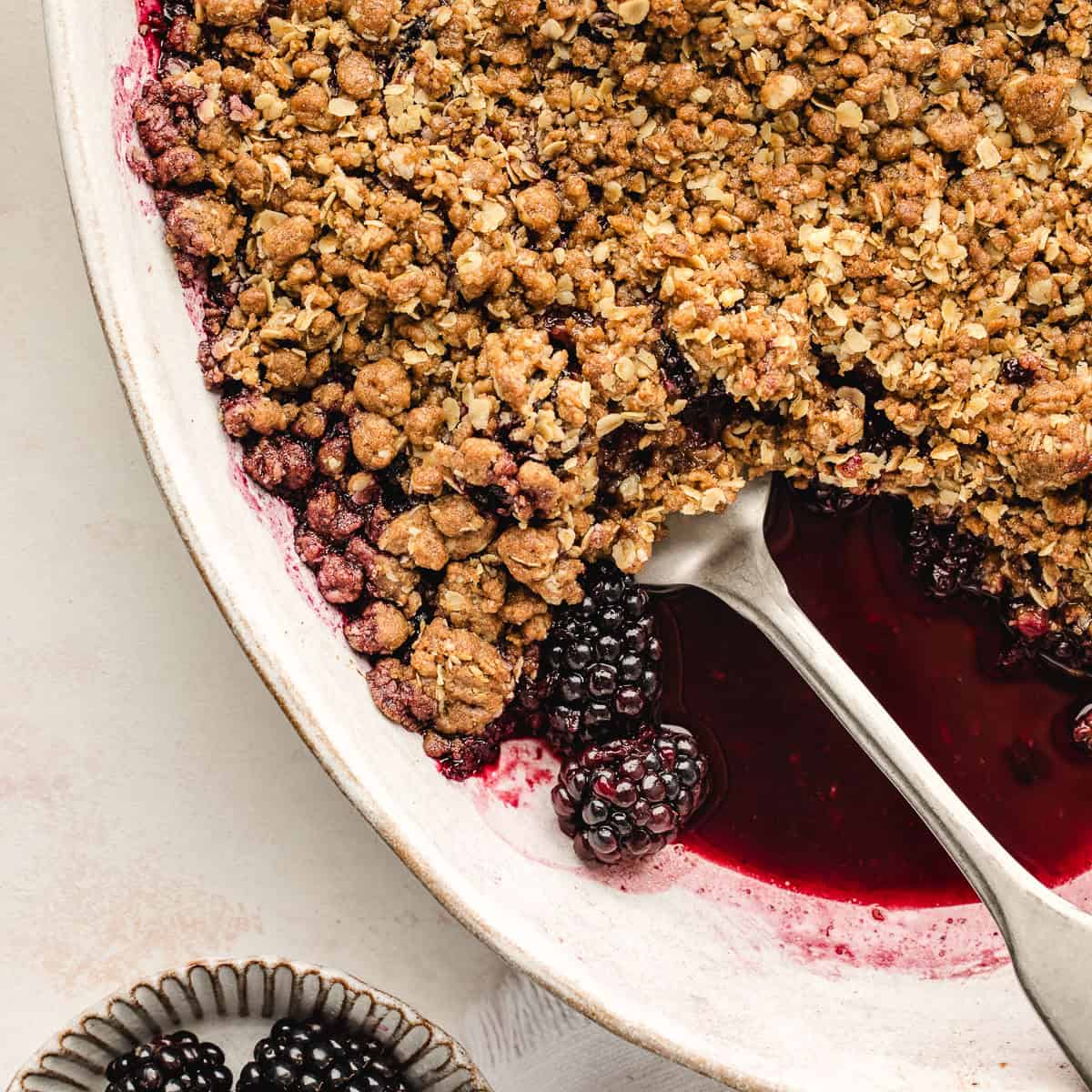
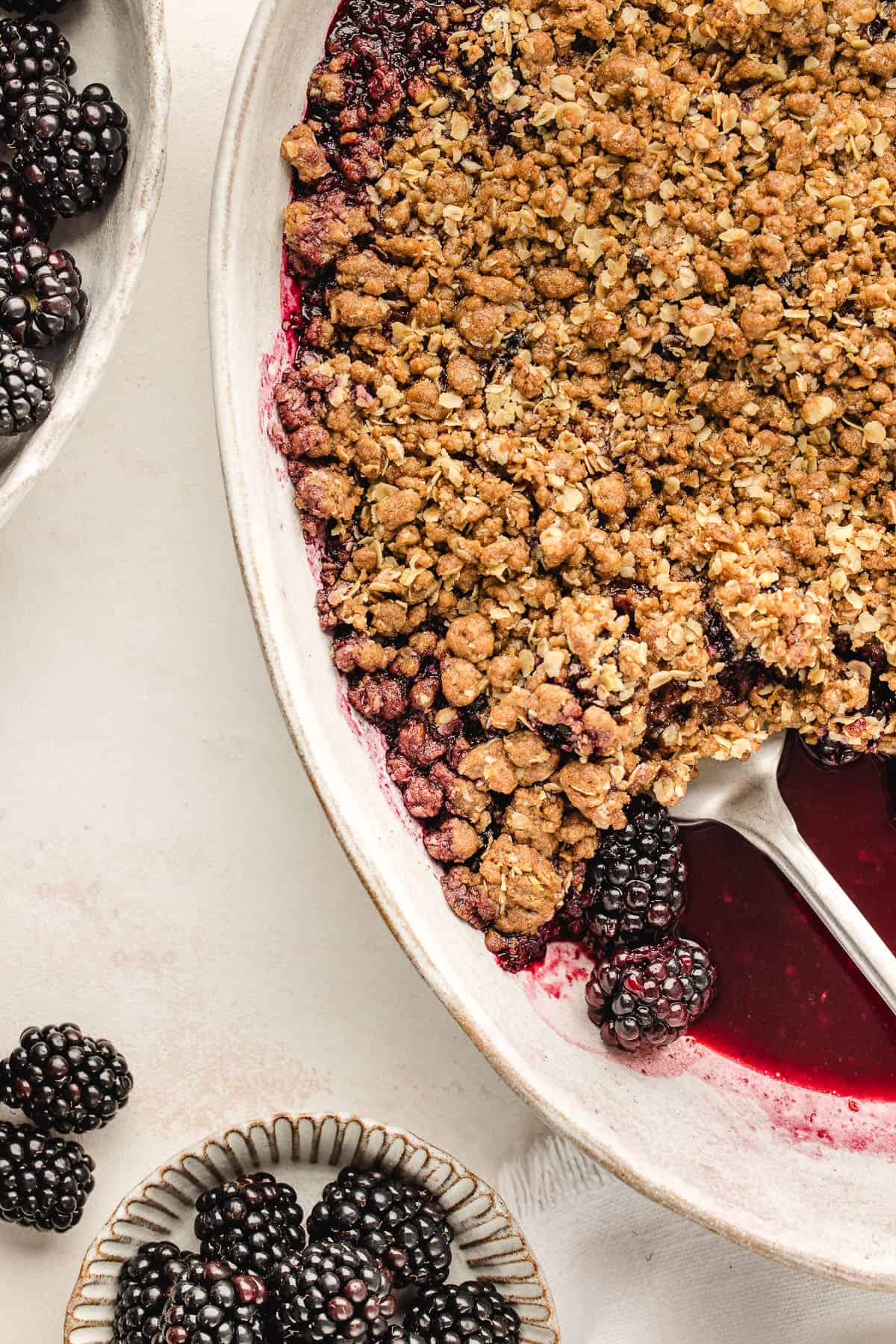
The development of the fruit crisp as a recognized dessert form is a relatively recent occurrence in the broader timeline of culinary history. While the "cobbler"—a dish featuring a biscuit-dough topping—dates back to the early American colonial period, the "crisp" gained prominence in the early 20th century. The distinction lies primarily in the topping: a crisp utilizes a streusel-like mixture of flour, sugar, and fat, often bolstered by the addition of rolled oats to provide a structural crunch that persists even after the fruit beneath has softened through the baking process.
The Lifecycle of the Preparation Process
The transformation of raw blackberries into a baked crisp follows a precise chronological sequence designed to optimize flavor extraction and textural integrity:
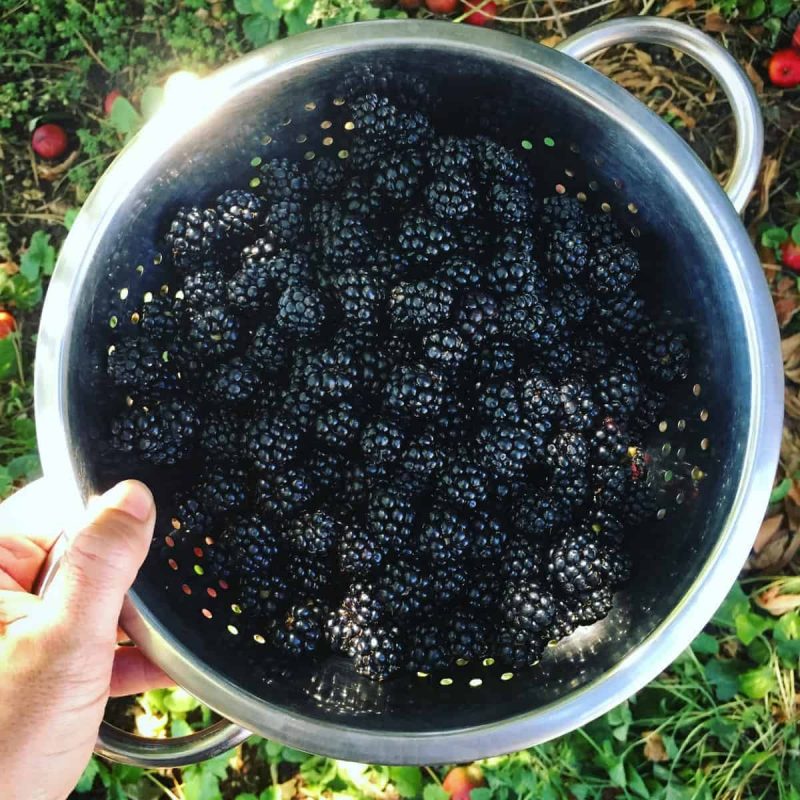
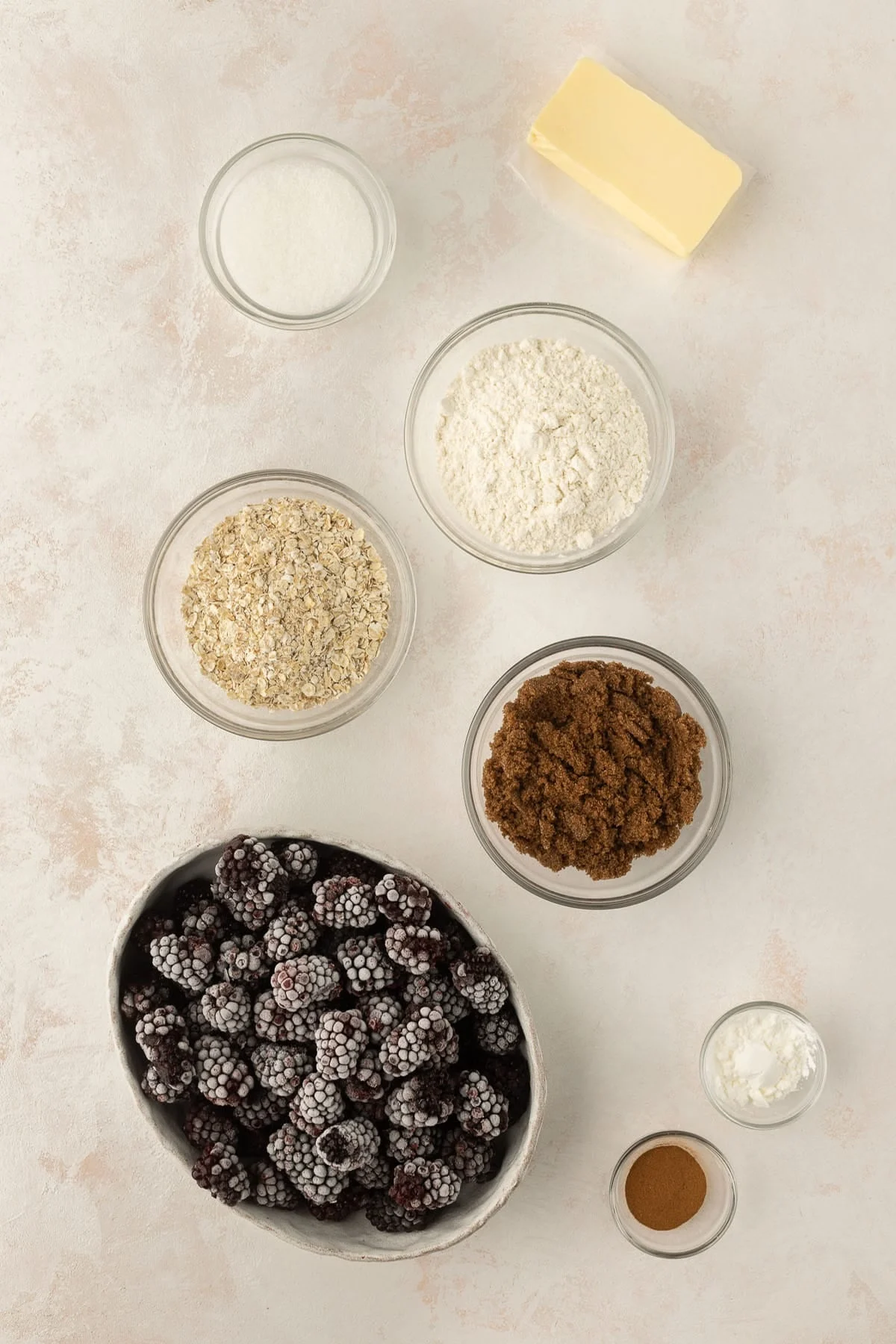
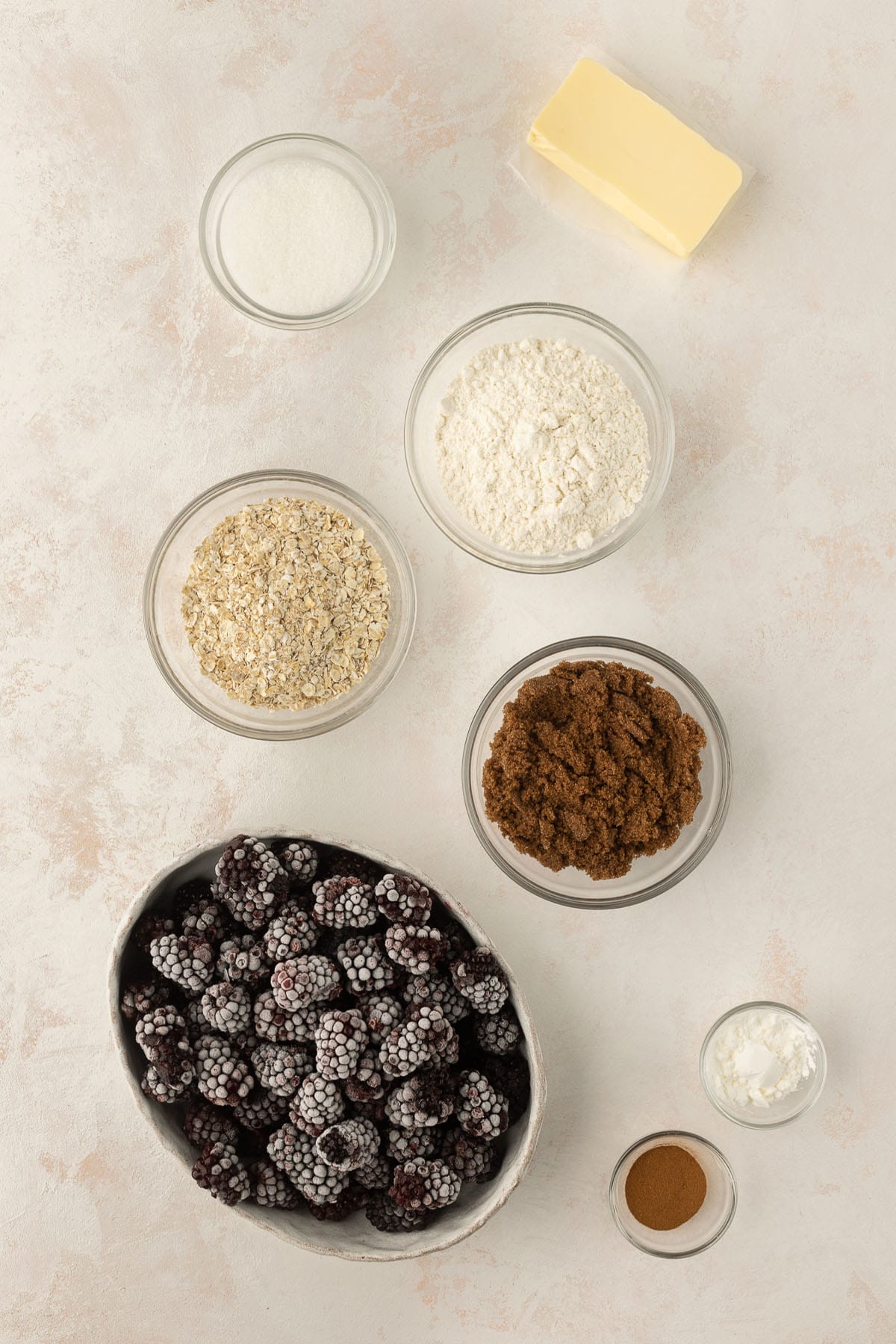
- Harvesting and Selection: The process begins with the procurement of approximately 24 ounces of berries. For optimal results, fruit must be harvested at peak ripeness, when the sugar-to-acid ratio is most balanced.
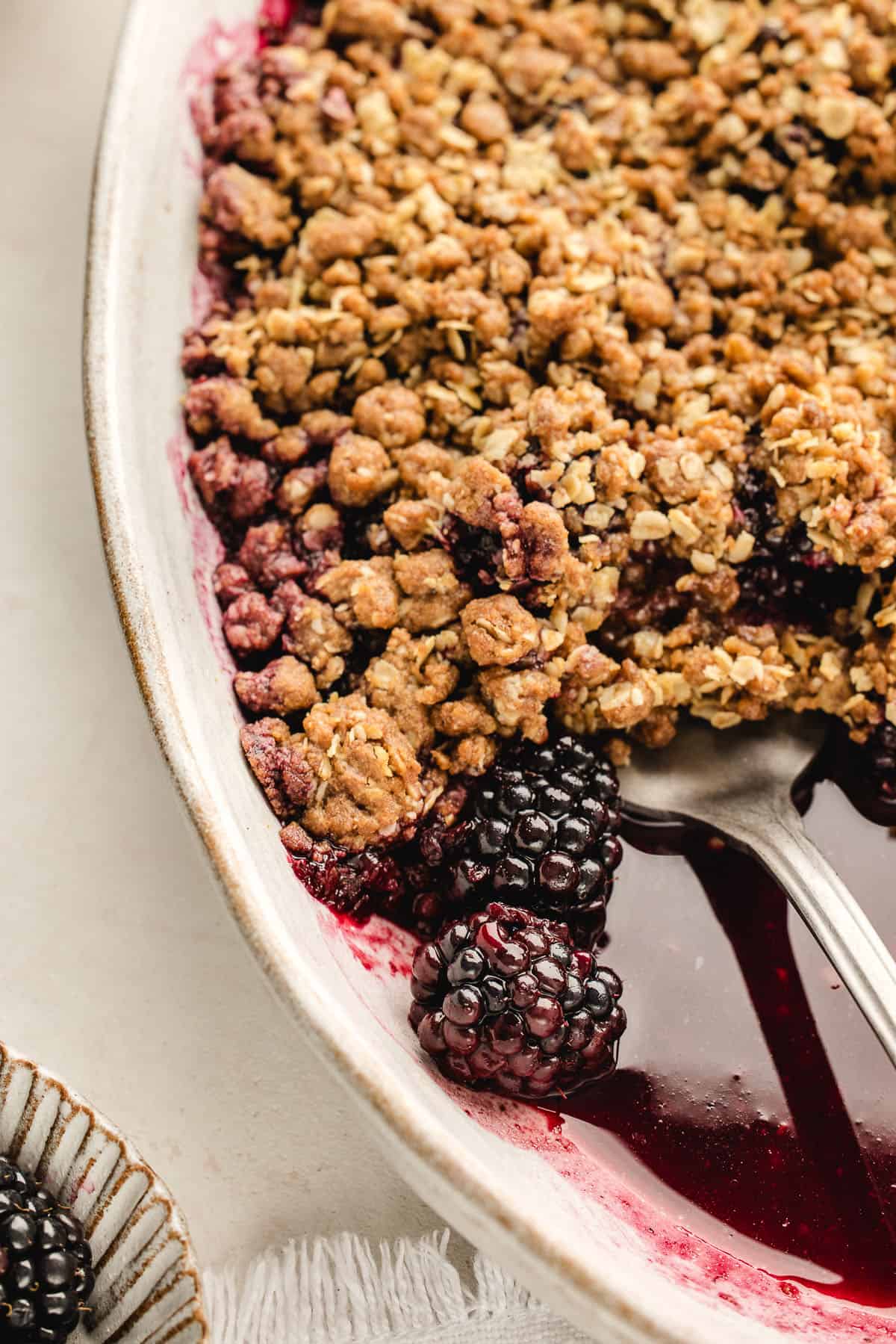
- Preparation of the Fruit Base: The berries are combined with a thickening agent—typically cornstarch or arrowroot powder—and a sweetener such as organic cane sugar. This step is critical; as the berries heat, their cellular walls break down, releasing juices. The thickening agent reacts with these juices to create a stable, syrupy consistency.
- Topping Construction: The topping is assembled using cold, cubed butter, all-purpose flour, brown sugar, and old-fashioned rolled oats. The use of cold fat is essential to the "shortening" process, ensuring that the topping remains crumbly rather than forming a solid sheet of dough.
- Thermal Processing: The assembly is baked at a consistent temperature of 350°F (175°C) for approximately 35 minutes. During this time, the Maillard reaction occurs in the topping, resulting in the characteristic golden-brown color and complex nutty flavors, while the fruit undergoes a reduction process.
- Cooling and Setting: A brief rest period post-oven is required to allow the pectin and thickening agents to set, ensuring the dessert maintains its structure when served.
Nutritional Profile and Health Implications
From a dietary science perspective, the blackberry crisp offers a complex nutritional profile. A standard serving (approximately 0.75 cups) contains roughly 340 calories. However, the caloric density is balanced by the significant presence of dietary fiber and essential micronutrients.
Blackberries are an excellent source of Vitamin C, Vitamin K, and manganese. The inclusion of whole-grain oats in the topping introduces beta-glucans, a type of soluble fiber known for its heart-health benefits and ability to regulate blood glucose levels. Nutritionists often point out that while the dish contains added sugars, the high fiber content of the blackberries (nearly 8 grams per cup) helps to mitigate the glycemic response compared to more refined desserts. Furthermore, the use of organic cane sugar and dark brown sugar provides a more complex flavor profile and trace minerals that are absent in highly processed white sugars.
Economic Impact and Market Trends
The blackberry industry contributes significantly to the agricultural economy, particularly in states like Oregon, California, and Georgia. According to the USDA, the value of utilized production for blackberries has remained robust, driven by increasing consumer awareness of "superfoods" and the rise of the "Slow Food" movement.
The market has also seen a resurgence in "u-pick" farm operations and foraging culture. This trend reflects a broader societal shift toward food transparency and experiential consumption. Foraging, once a necessity for rural survival, has been rebranded as a sustainable outdoor activity that fosters a connection to the local ecosystem. This shift has secondary economic benefits, as it drives tourism to rural areas during the summer months and supports the sale of ancillary products such as preserving equipment and artisanal baking ingredients.
Technical Analysis of Ingredient Functionality
In the context of food science, each ingredient in the blackberry crisp serves a specific functional purpose:
- Cornstarch vs. Arrowroot: Cornstarch is a reliable thickener that creates a translucent, glossy sauce. Arrowroot is an alternative for those seeking a GMO-free option or a slightly more neutral flavor, though it can become "stringy" if overcooked.
- Old-Fashioned Oats vs. Quick Oats: The structural integrity of the crisp relies on old-fashioned rolled oats. These oats have been steamed and flattened but retain their shape during baking. Quick oats, which are pre-cut into smaller pieces, tend to dissolve into the flour mixture, resulting in a mushy texture rather than a "crisp" one.
- Butter Temperature: The use of cold, cubed butter is a non-negotiable technical requirement. When cold butter is rubbed into flour, it creates small pockets of fat. As the crisp bakes, the water in the butter evaporates, creating steam that lifts the topping and contributes to its light, crunchy texture.
- Frozen vs. Fresh Fruit: The recipe is adaptable to frozen fruit, which is a vital consideration for year-round availability. Frozen berries often release more moisture than fresh ones, making the role of the thickening agent even more critical in these instances.
Storage, Preservation, and Food Safety
Proper storage is essential to maintain the quality and safety of the dessert. Once cooled, the crisp must be stored in an airtight container. Refrigeration is recommended to prevent the fermentation of the fruit sugars and the growth of mold. Under these conditions, the product remains viable for four to five days.
For long-term preservation, the freezing of raw blackberries remains the most effective method. Berries should be washed, dried thoroughly, and frozen in a single layer on a tray before being transferred to a vacuum-sealed bag. This prevents the formation of large ice crystals that can damage the fruit’s texture. When used in a crisp later in the year, these frozen berries provide a high-quality alternative that retains the majority of the original nutritional content.
Broader Implications for Domestic Food Culture
The blackberry crisp is emblematic of a domestic food culture that prizes seasonality and regionality. It represents a rejection of the homogenized, shelf-stable snacks that dominate the modern diet, opting instead for a preparation that requires time, manual labor, and an understanding of the natural world.
The "lazy summer vibe" often associated with this dish is, in fact, a psychological response to the slow-energy release of whole ingredients and the sensory satisfaction of seasonal eating. As climate change continues to alter growing seasons and agricultural viability, the preservation of these culinary traditions becomes an act of cultural and environmental stewardship. The blackberry crisp, therefore, is not merely a dessert; it is a documentation of a specific ecological window and a testament to the enduring appeal of simple, wholesome ingredients prepared with technical precision.
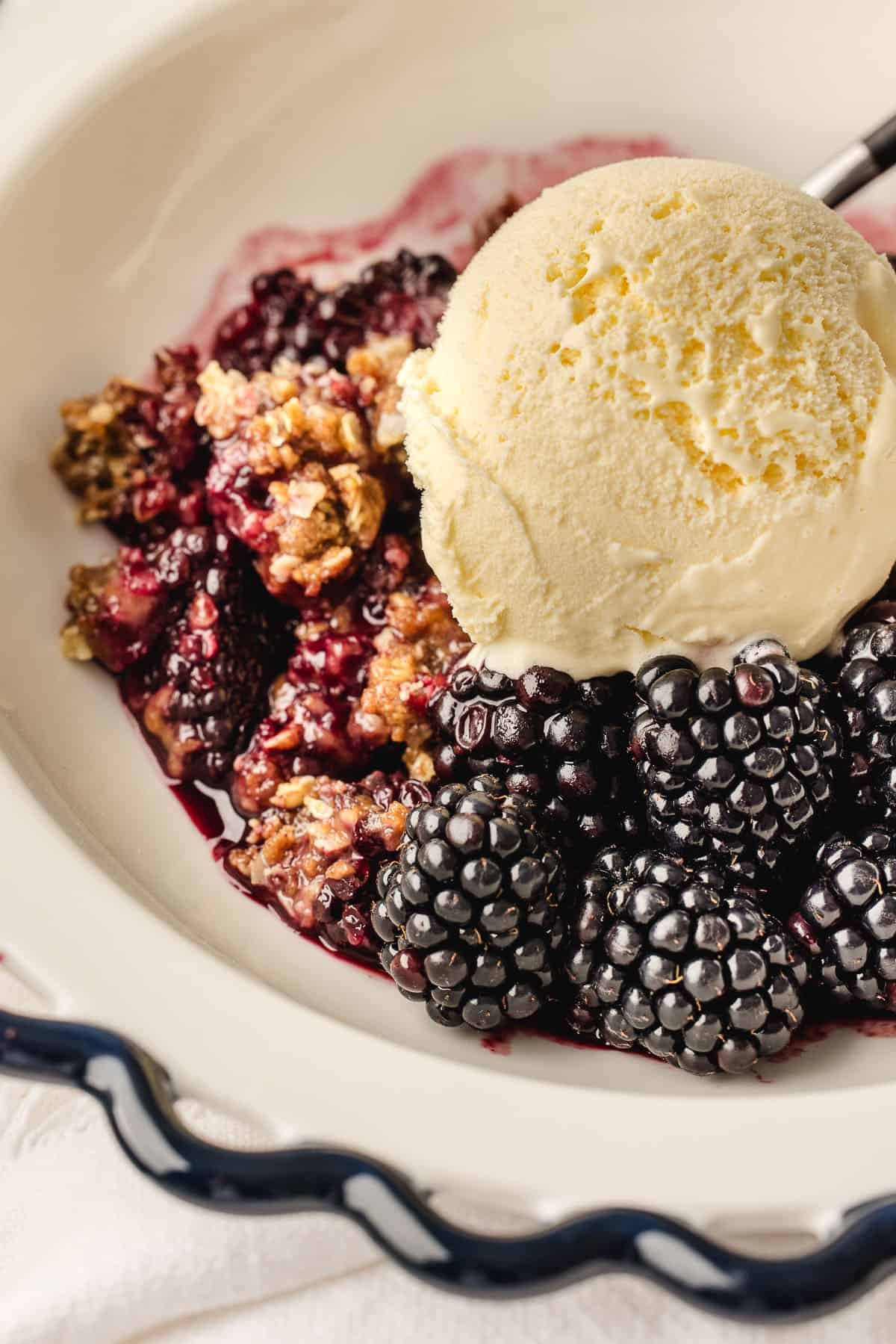
In conclusion, the blackberry harvest and the subsequent creation of the blackberry crisp involve a sophisticated intersection of botany, food science, economics, and cultural tradition. By understanding the rigorous standards required for its preparation and the nutritional and economic benefits it provides, one can appreciate the dish as a cornerstone of the summer season. Whether served as a traditional dessert with vanilla ice cream or repurposed as a contemporary breakfast option with yogurt, the blackberry crisp remains a definitive example of American culinary excellence.


