The Environmental Crisis in the Modern Bathroom
The traditional plastic shower pouf, or "loofah," is typically manufactured from polyethylene, a type of plastic that does not biodegrade. According to environmental research, these synthetic sponges are designed for a functional lifespan of only two months before they become breeding grounds for bacteria and mold, necessitating disposal. Once discarded, they contribute to the millions of tons of plastic waste that enter landfills annually. Furthermore, as these plastic meshes degrade during use, they release microplastics into the wastewater system, which eventually infiltrate marine ecosystems.
In contrast, the rise of the "zero-waste" lifestyle has prompted a return to botanical materials. The konjac sponge, derived from a root vegetable, offers a circular solution to this waste problem. Industry data suggests that the sustainable personal care market is projected to grow significantly through 2030, driven by a consumer base that is increasingly wary of the environmental footprint of their daily hygiene routines.
The Origins and Science of the Konjac Plant
The konjac sponge is not a modern invention but a refinement of ancient botanical practices. The konjac plant (Amorphophallus konjac), also known as elephant yam or devil’s tongue, is native to various parts of East and Southeast Asia. For centuries, it has been utilized in Japan, China, and Korea as both a food source and a medicinal treatment.
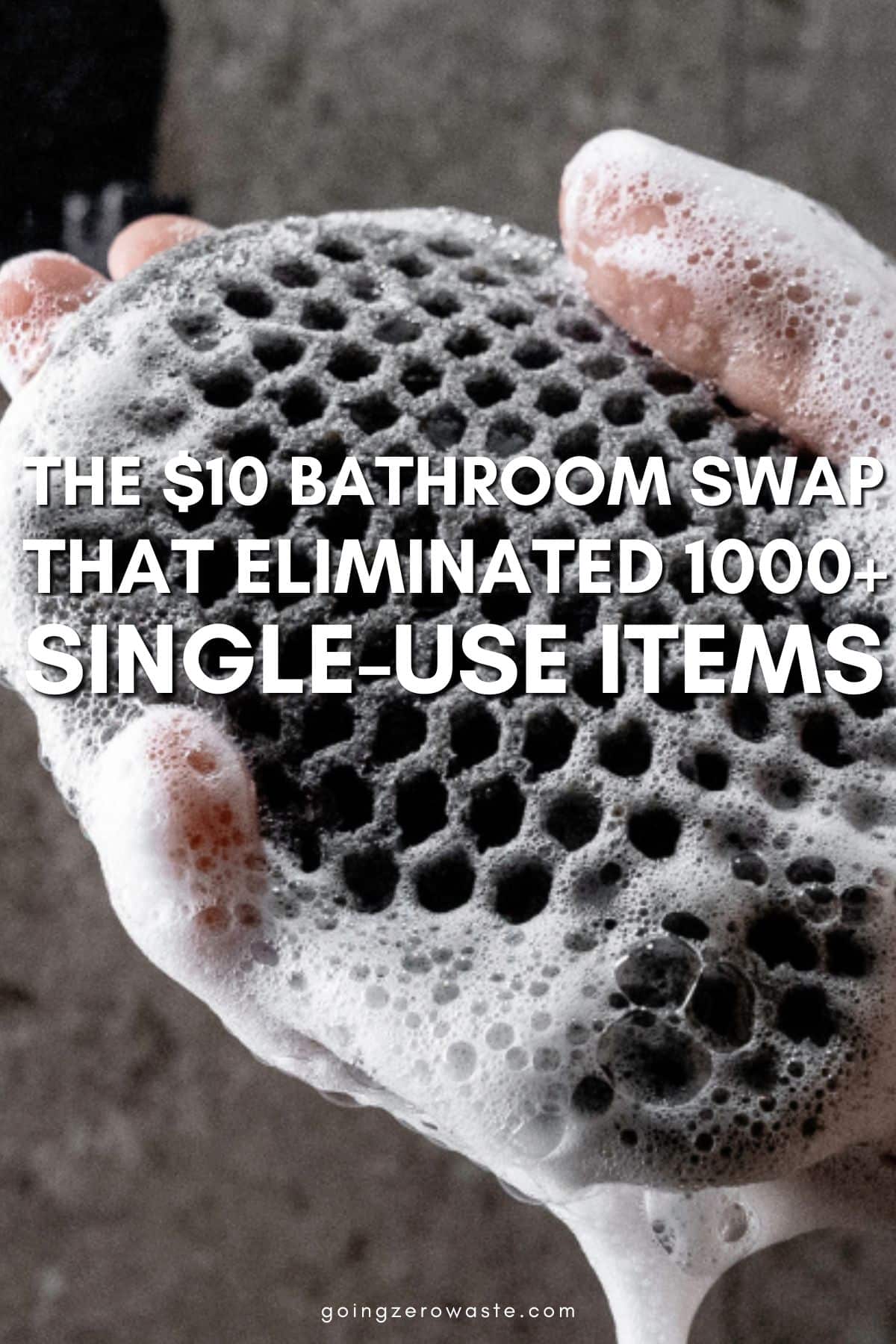
The transformation of the konjac root into a skincare tool involves a sophisticated extraction and stabilization process. The primary component utilized is glucomannan, a water-soluble dietary fiber extracted from the plant’s tubers. The manufacturing chronology generally follows these steps:
- Harvesting: The tubers are harvested after reaching maturity.
- Extraction: The glucomannan fiber is refined into a powder.
- Mixing: The powder is combined with water and, in the case of premium products like those from Casamera, natural additives such as charcoal, matcha, or volcanic mud.
- Molding: The resulting gel-like mixture is poured into ergonomic molds.
- Stabilization: The molds are steamed to solidify the structure, creating a porous, soft, and durable sponge.
Because the resulting product is 100% plant-based, it is fully compostable at the end of its life cycle, representing a stark departure from the linear "extract-make-waste" model of synthetic sponges.
Product Innovation: The Casamera Dual-Sided Design
While traditional konjac sponges have been available for years, they were often limited in scope, primarily marketed for facial cleansing due to their small size and soft texture. Casamera has addressed these limitations by engineering a dual-sided scrubber designed for both the face and the body.
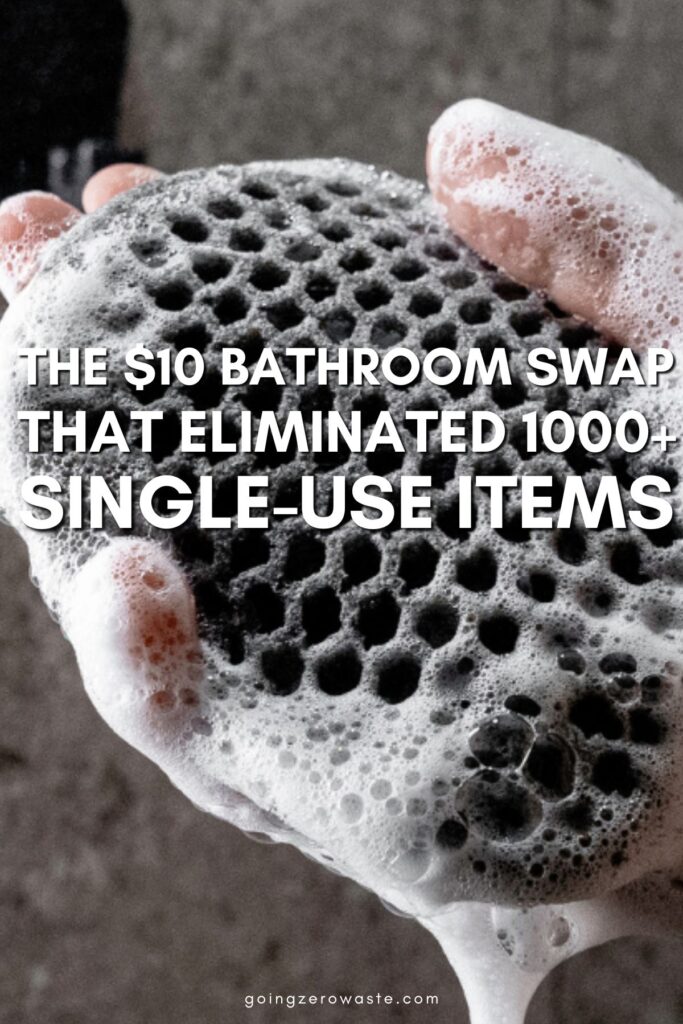
One side of the sponge features a soft, honeycomb texture intended for gentle cleansing, while the reverse side incorporates natural walnut shells to provide mechanical exfoliation. This innovation allows the sponge to replace multiple products in the shower, aligning with the minimalist "skinimalism" trend that advocates for fewer, higher-quality products.
Furthermore, these sponges are infused with specific natural ingredients to target various skin concerns:
- Charcoal: Utilized for its ability to draw out toxins and excess oil, making it ideal for acne-prone skin.
- Matcha: Rich in antioxidants to soothe inflammation.
- Volcanic Mud: Known for its mineral content and deep-cleansing properties.
- Walnut: Provides a more vigorous exfoliation for tougher areas of the body.
Comparative Analysis: Konjac vs. Conventional Alternatives
The move toward konjac sponges is often a response to the hidden dangers of conventional cleaning tools, including plastic poufs and single-use face wipes.
The Problem with Synthetic Poufs
Beyond the environmental impact, synthetic poufs are dermatologically controversial. Their porous plastic mesh traps dead skin cells and moisture, creating an ideal environment for Staphylococcus and other bacterial colonies. Casamera’s konjac sponges address this through their natural antimicrobial properties and a structure that allows for faster drying, significantly reducing the risk of mold and bacterial buildup.
The Crisis of Single-Use Wipes
Face wipes represent another significant source of bathroom waste. Many wipes are composed of polyester or polypropylene and are saturated in chemical preservatives and surfactants. Recent reports have also highlighted the presence of per- and polyfluoroalkyl substances (PFAS), often referred to as "forever chemicals," in certain disposable wipes.

From an infrastructural perspective, the "flushable" wipe has become a major concern for municipal sewage systems. These wipes do not disintegrate like toilet paper; instead, they bind with fats and oils in the sewers to create "fatbergs." These massive blockages cost cities millions of dollars annually in maintenance and repair. A compostable konjac sponge offers a reusable alternative that performs the same makeup-removal function without the chemical load or the risk to public infrastructure.
Practical Maintenance and Longevity
To maximize the utility of a natural sponge, proper maintenance is required. Industry experts recommend a simple but consistent care routine:
- Hydration: The sponge must be fully submerged in water until it softens completely.
- Application: A minimal amount of cleanser is added; the sponge’s natural structure enhances lather, often allowing the user to use less soap than they would with a plastic pouf.
- Sanitization: Once a week, the sponge should be placed in boiling water for two minutes to eliminate any deep-seated bacteria.
- Replacement: While synthetic poufs are often kept too long, a konjac sponge provides a visual and tactile cue for replacement. When the fibers begin to break down or the texture changes significantly—usually after 2 to 3 months—it is time to compost the sponge and start a new one.
Economic and Social Implications of Sustainable Hygiene
The shift toward products like the Casamera scrubber pack reflects a broader economic trend where brand value is increasingly tied to environmental stewardship. Casamera’s commitment to plastic-free shipping and carbon-offset programs, such as tree planting, resonates with the "conscious consumer" demographic.
Data from consumer behavior studies indicates that Gen Z and Millennial shoppers are willing to pay a premium for brands that demonstrate transparency in their supply chains and end-of-life product management. By offering a product that is both high-performing and ecologically responsible, companies are tapping into a market that views personal care as an extension of their environmental values.

Broader Impact on the Global Waste Stream
The cumulative impact of replacing plastic poufs with biodegradable alternatives is substantial. If the average consumer replaces six plastic poufs per year, a single individual switching to konjac sponges prevents a significant amount of non-recyclable plastic from entering the environment over a decade. On a global scale, this transition could mitigate the release of tons of microplastics into the ocean.
Moreover, the adoption of konjac sponges encourages a move toward "slow beauty." This philosophy emphasizes quality over quantity, durability over disposability, and natural harmony over synthetic convenience. As more households adopt these practices, the pressure on landfills decreases, and the demand for petroleum-based plastics in the personal care sector begins to wane.
Conclusion: A Small Change with Large Consequences
The transition from a plastic pouf to an all-natural konjac sponge may seem like a minor adjustment in the context of global climate change. However, it represents a fundamental shift in how society views everyday objects. By choosing products that are rooted in traditional botany and engineered for modern sustainability, consumers are participating in a larger movement toward ecological restoration.
Brands like Casamera are proving that luxury and efficacy do not have to be sacrificed for the sake of the planet. Their dual-sided, infused scrubbers provide a superior sensory experience while ensuring that the "everything shower" does not come at the cost of the earth’s health. As the industry continues to evolve, the konjac sponge stands as a testament to the power of natural innovation in solving the plastic crisis of the 21st century.