The burgeoning interest in natural wellness and traditional botanical medicine has transformed herbalism from a niche hobby into a significant sector of the global health and wellness economy. As the holiday season approaches, the demand for specialized apothecary tools, organic bulk herbs, and botanical education has reached a historic peak. This comprehensive guide serves as a strategic resource for identifying high-quality gifts suitable for both aspiring practitioners and seasoned clinical herbalists, reflecting a broader cultural shift toward self-reliance and sustainable health practices.

The Rise of Modern Herbalism and Market Trends
To understand the necessity of a specialized gift guide for herbalists, one must look at the statistical trajectory of the botanical industry. According to market analysis reports, the global herbal medicine market was valued at approximately $165.66 billion in 2022 and is projected to reach $347.50 billion by 2030, exhibiting a compound annual growth rate (CAGR) of 9.7%. This growth is driven by an increasing consumer preference for natural products and a growing skepticism toward synthetic additives in skincare and wellness regimens.
The modern herbalist movement is characterized by a "return to the roots" philosophy, where individuals seek to understand the provenance of their medicine. Consequently, gift-giving in this space has evolved beyond simple pre-packaged teas. It now encompasses a sophisticated array of raw materials, precision laboratory equipment, and rigorous educational resources.
Essential Raw Materials: The Foundation of the Apothecary
The primary requirement for any herbalist is a consistent supply of high-quality, ethically sourced botanical material. Market leaders such as Mountain Rose Herbs have set the industry standard for organic certification and sustainable harvesting, making them a primary destination for those stocking a home apothecary.
Bulk Organic Herbs
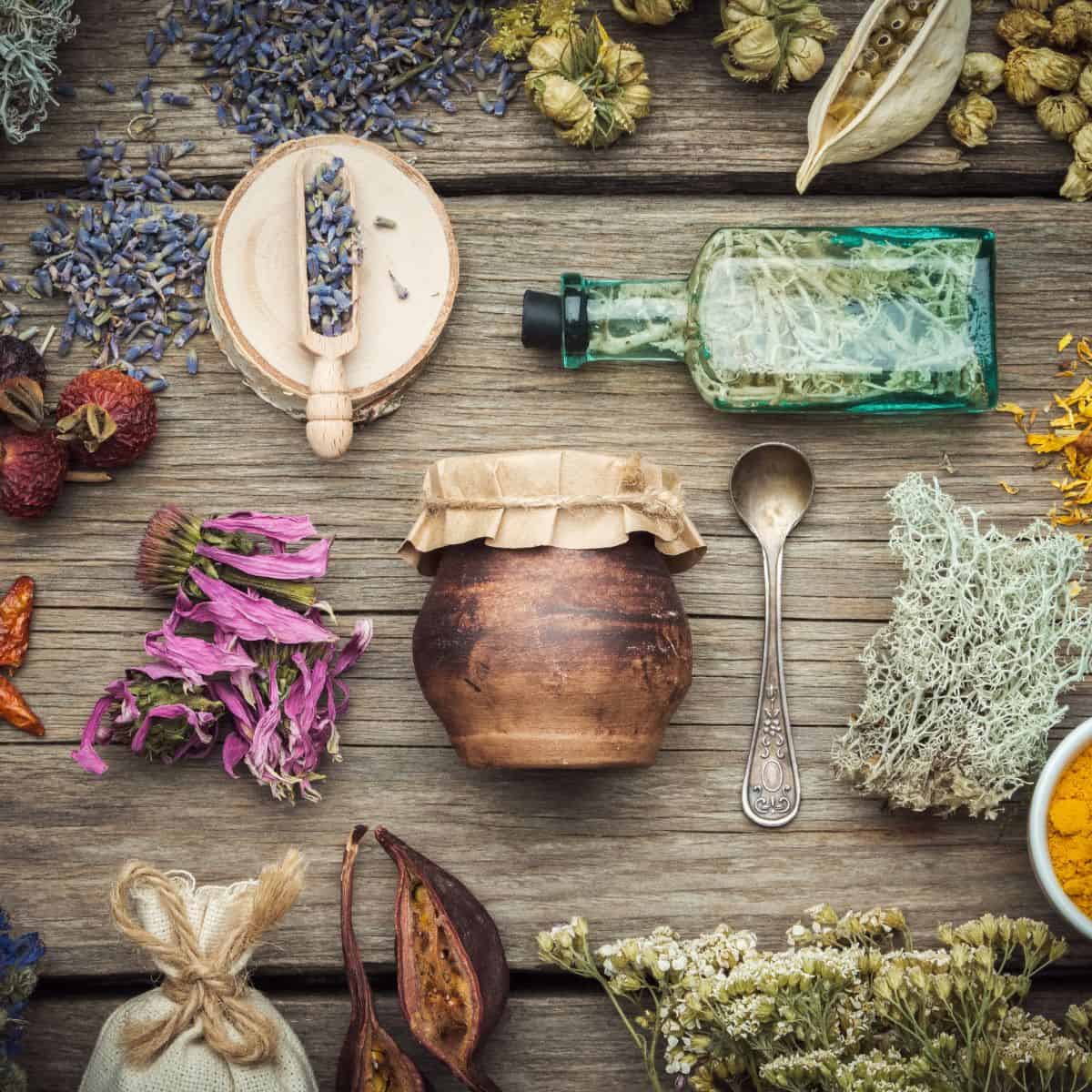
A well-stocked apothecary requires a diverse range of "workhorse" herbs that serve multiple medicinal and cosmetic purposes. Key botanical recommendations for the 2024 holiday season include:
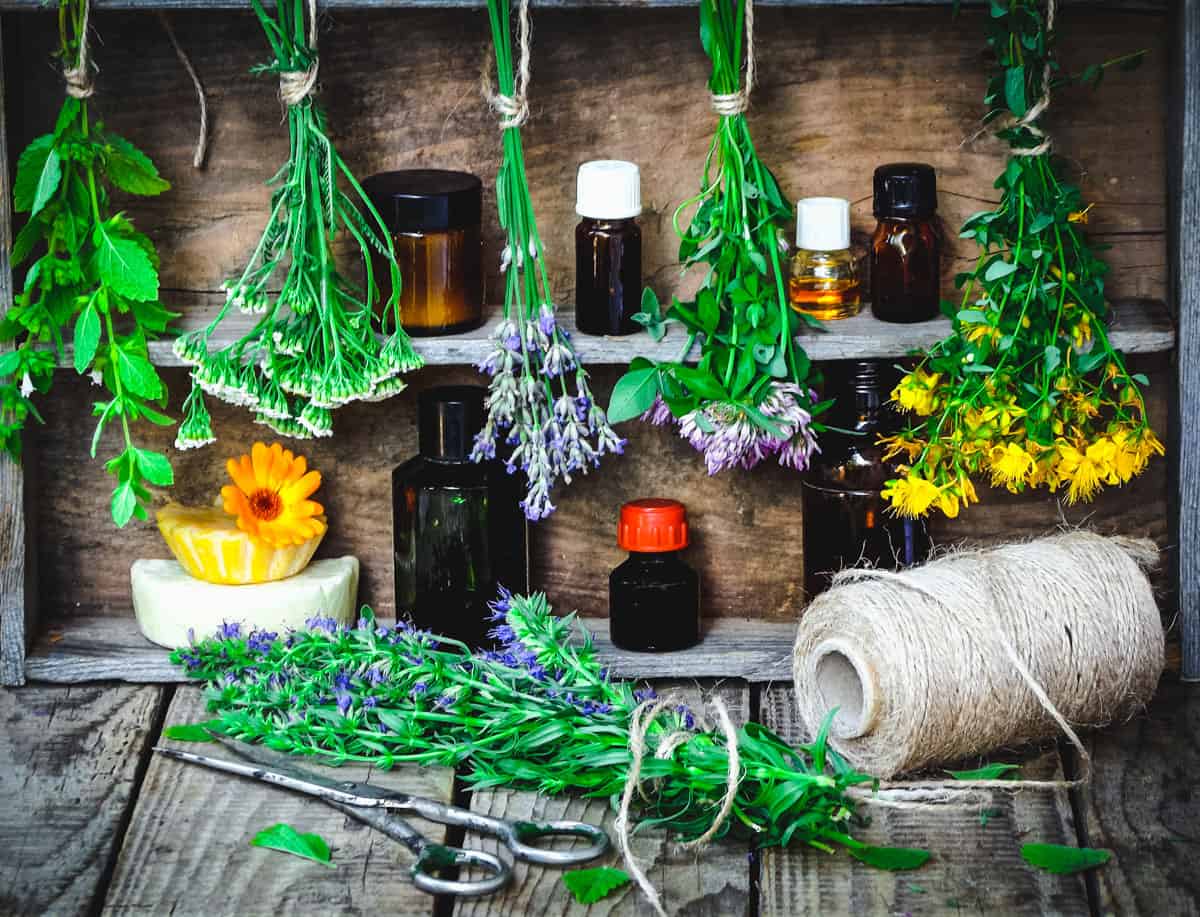
- Calendula (Calendula officinalis): Highly valued for its skin-soothing properties and its role as a "vulnerary" herb in salves and oils.
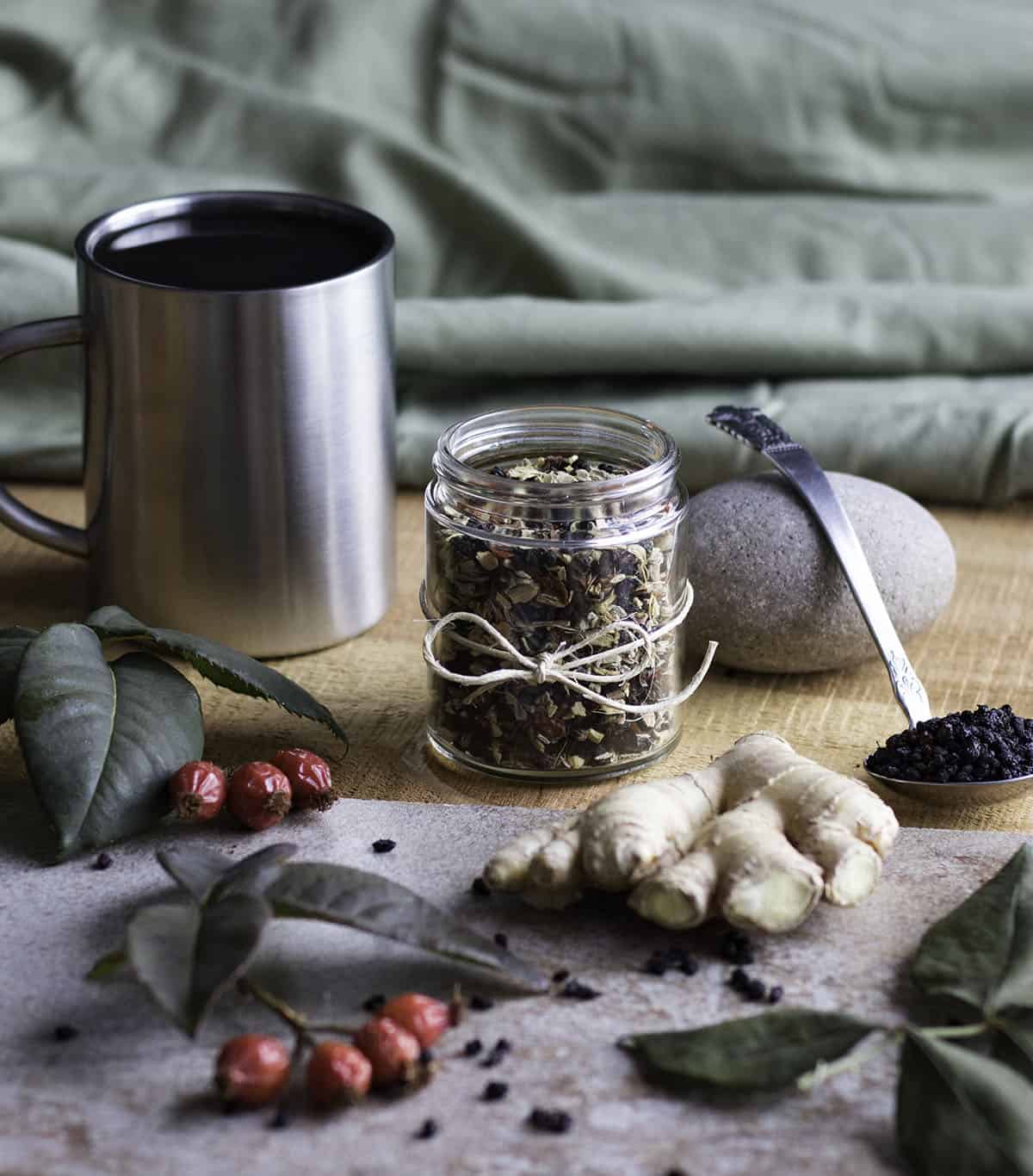
- Elderberry (Sambucus nigra): A staple in winter wellness kits, primarily used for its antiviral properties and immune system support.
- Lavender (Lavandula angustifolia): Essential for its nervine qualities, aiding in stress reduction and sleep hygiene.
- Nettle (Urtica dioica): Recognized as a nutrient-dense tonic, rich in minerals and often used in daily nourishing infusions.
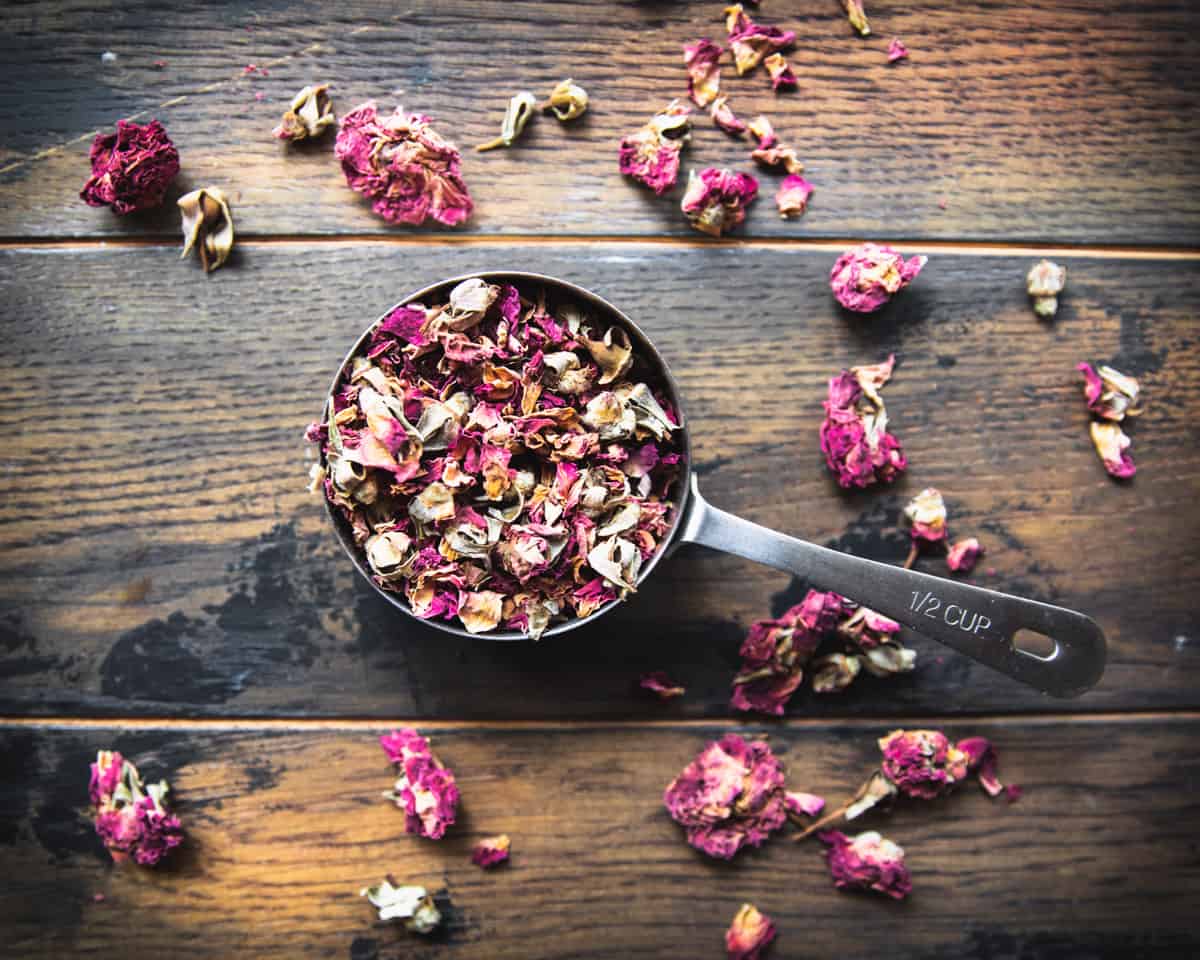
- Rose Petals and Buds (Rosa spp.): Used for both their aesthetic appeal in tea blends and their astringent properties in skincare.
For those looking to provide a more structured gift, "curated herb kits" focused on specific wellness goals—such as digestive health, stress management, or immune support—offer a professional entry point for beginners.
Technical Infrastructure: Equipment and Storage Solutions
Herbalism is as much a craft of chemistry as it is of botany. The transition from raw plant material to a shelf-stable tincture or salve requires specific equipment designed for durability and precision.
Precision Glassware and Storage
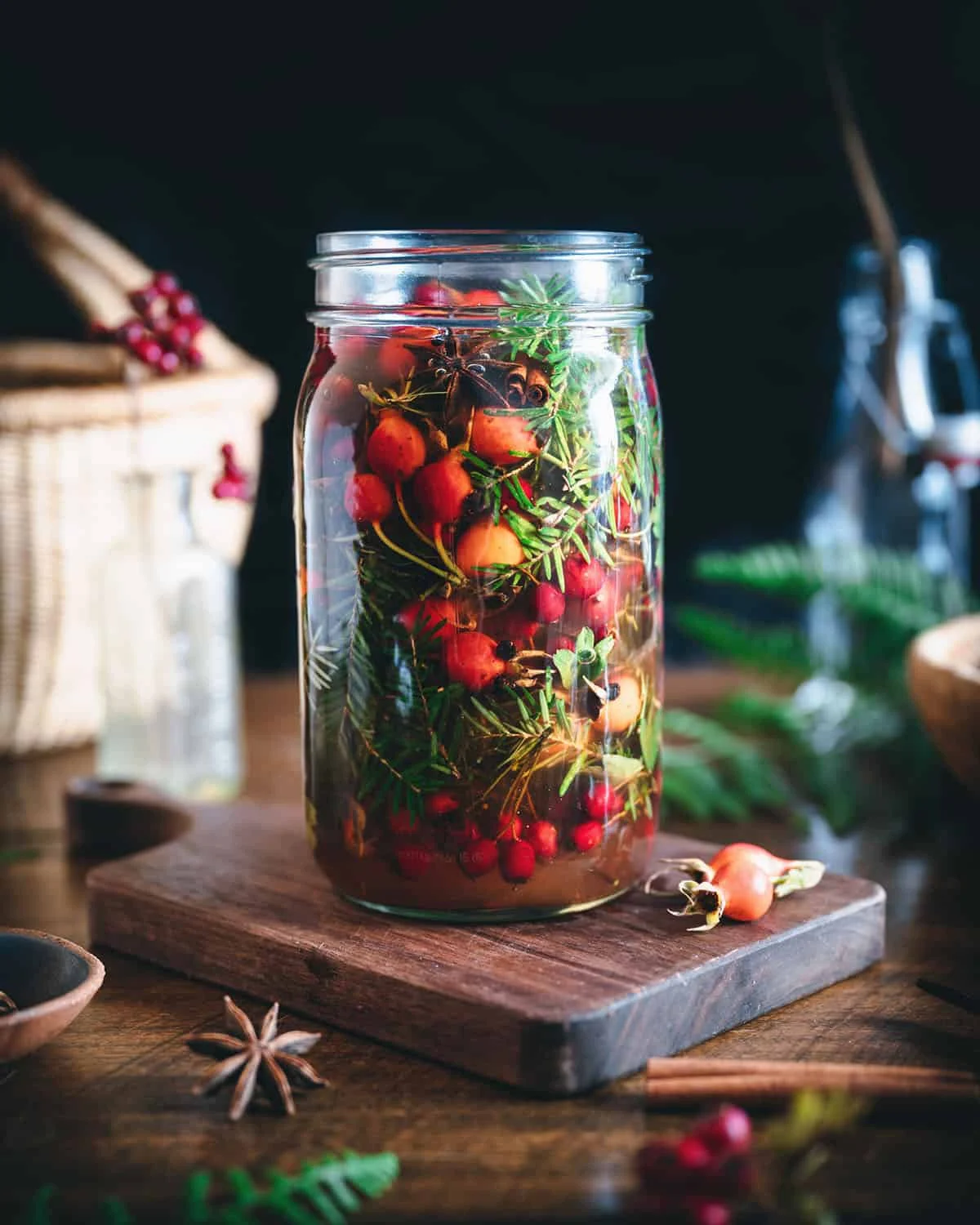
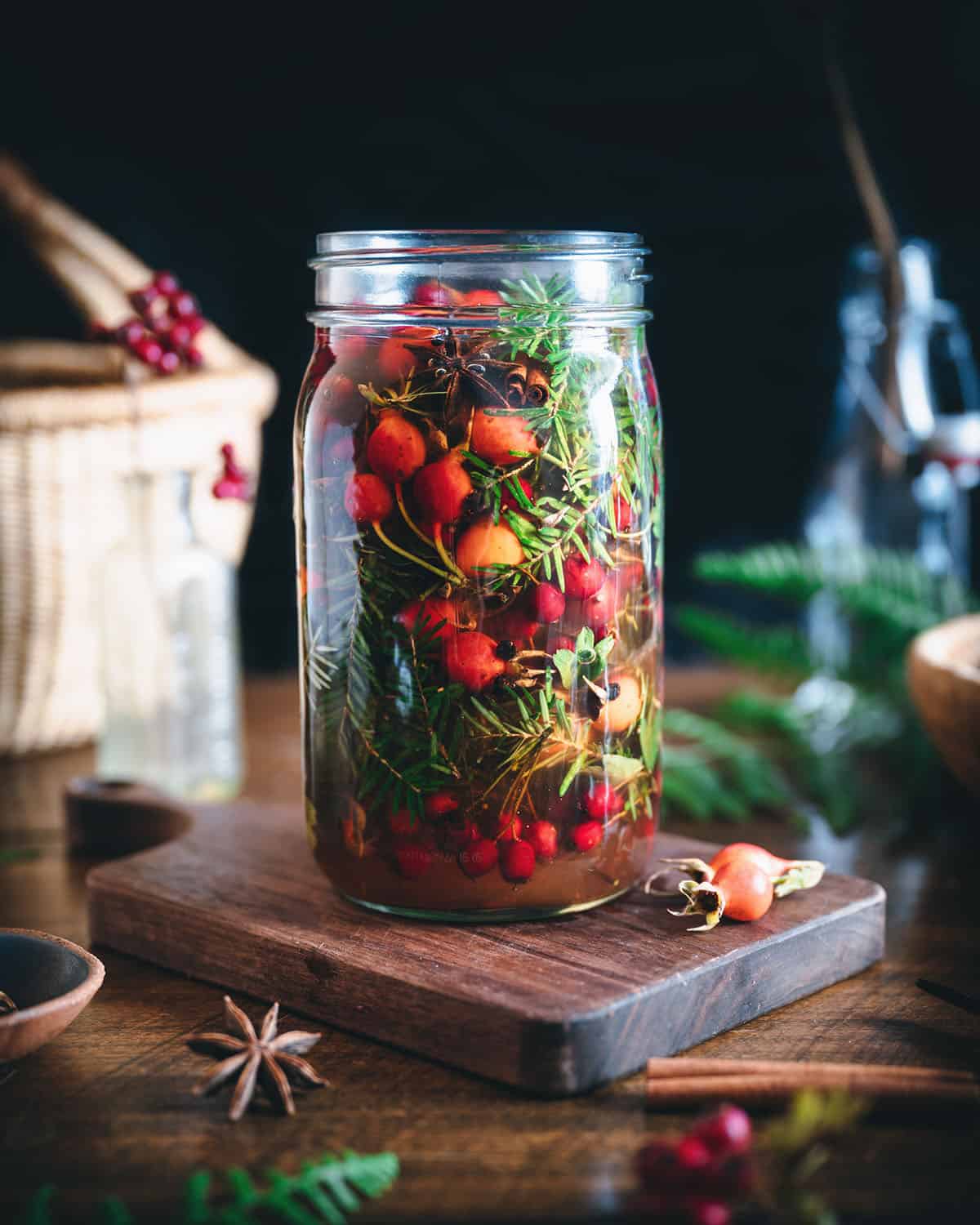
The storage of herbal preparations is critical to maintaining the potency of volatile oils and active constituents. Traditional Mason jars remains the industry standard for the infusion process. Practitioners often require a variety of sizes, including wide-mouth pint, quart, and half-pint jars.
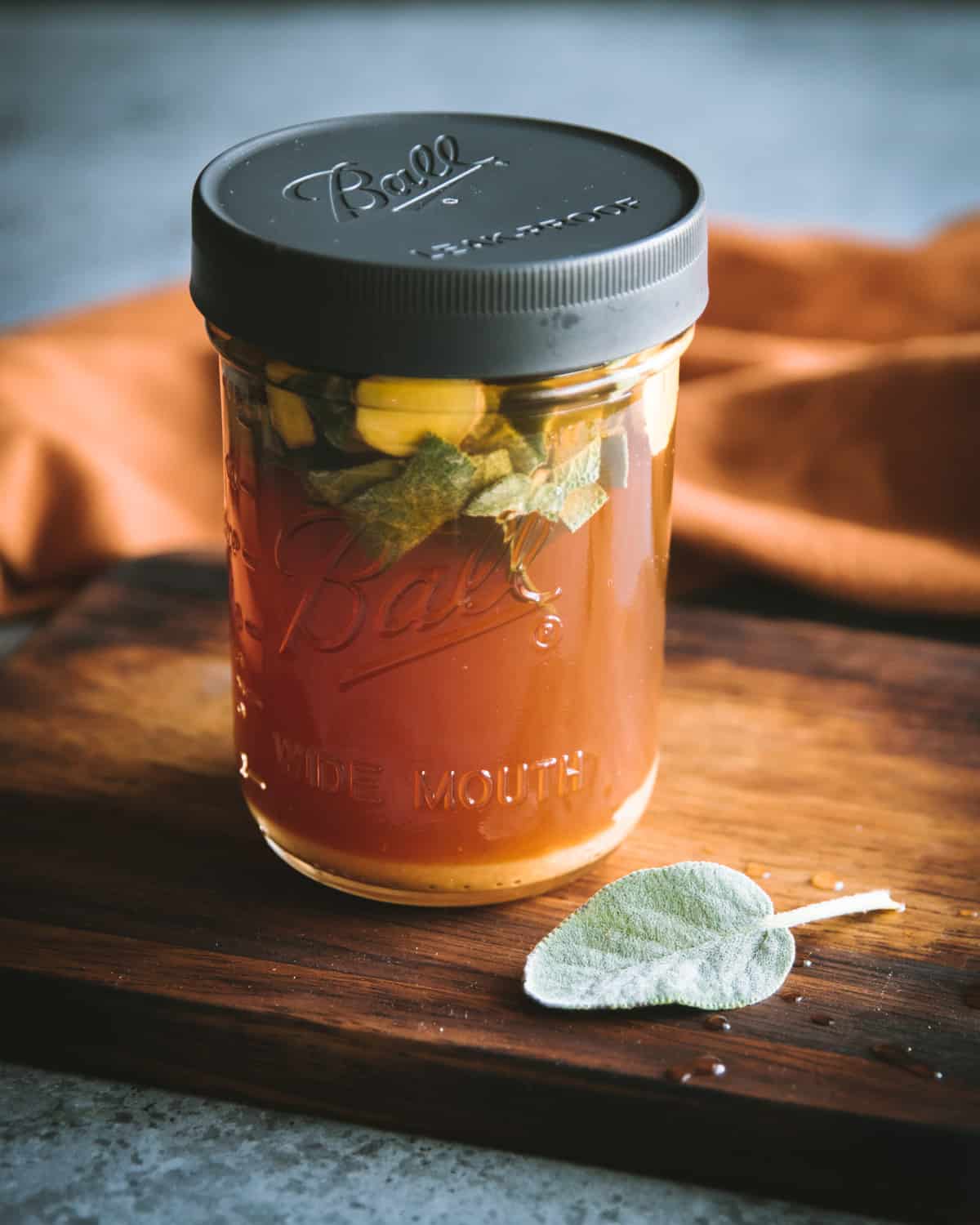
A notable innovation in this space is the development of leak-proof storage lids. Unlike traditional two-piece canning lids, which are prone to corrosion when exposed to the acidic environment of herbal vinegars or the moisture of tinctures, modern BPA-free plastic storage lids provide an airtight seal that facilitates the frequent "shaking" required during the maceration period.
Specialized Dispensing Tools
For the final stages of herbal preparation, the following tools are considered essential:
- Tincture Bottles: Amber or cobalt blue "Boston Round" bottles (typically 1oz to 4oz) are necessary to protect light-sensitive compounds from UV degradation.
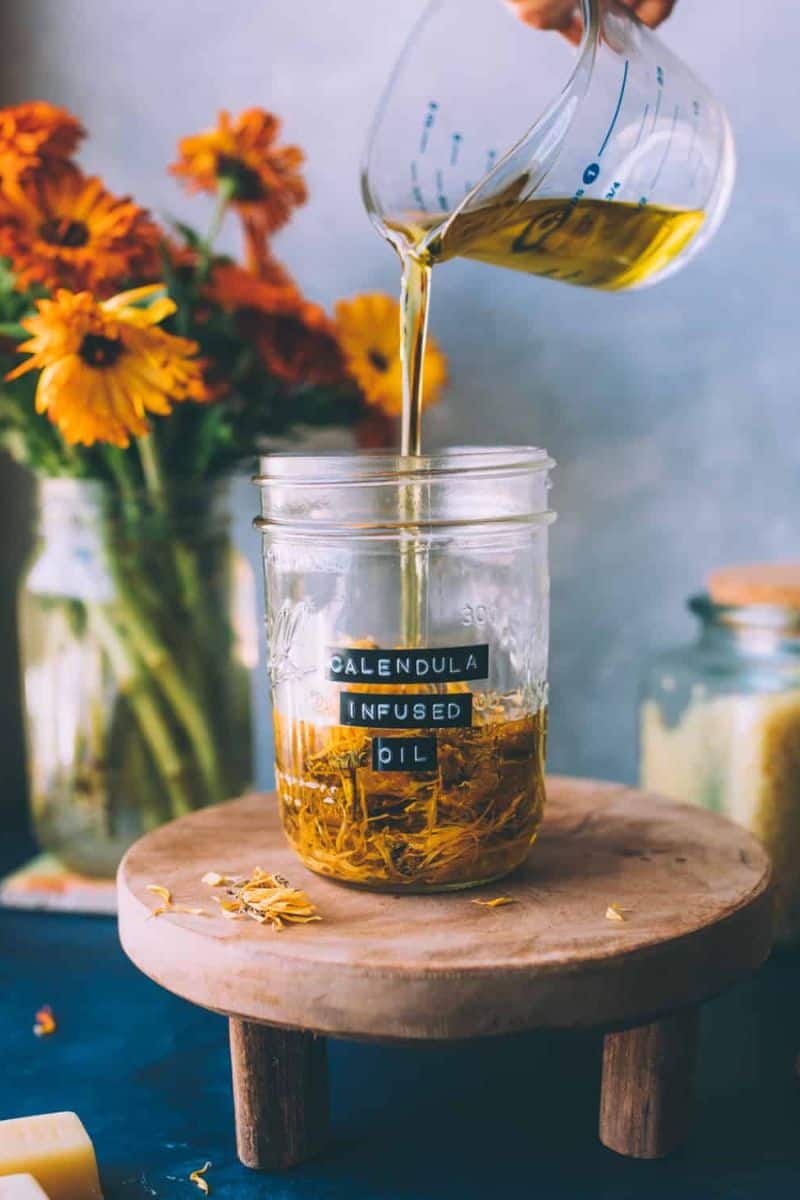
- Stainless Steel Funnels and Strainers: To prevent cross-contamination and ensure the purity of the final product, herbalists prioritize high-grade stainless steel over plastic. Fine-mesh strainers are particularly vital for removing spent plant material from infused oils and syrups.
- Aesthetic Glassware: For syrups and oxymels, spherical or square glass bottles with cork or swing-top closures offer a professional presentation suitable for clinical or gift-giving purposes.
Botanical Skincare and Laboratory Ingredients
The intersection of herbalism and "clean beauty" has led to an increased demand for raw cosmetic ingredients. Herbalists often produce their own topical applications, requiring a secondary set of supplies beyond dried plants.
Carrier Oils and Butters
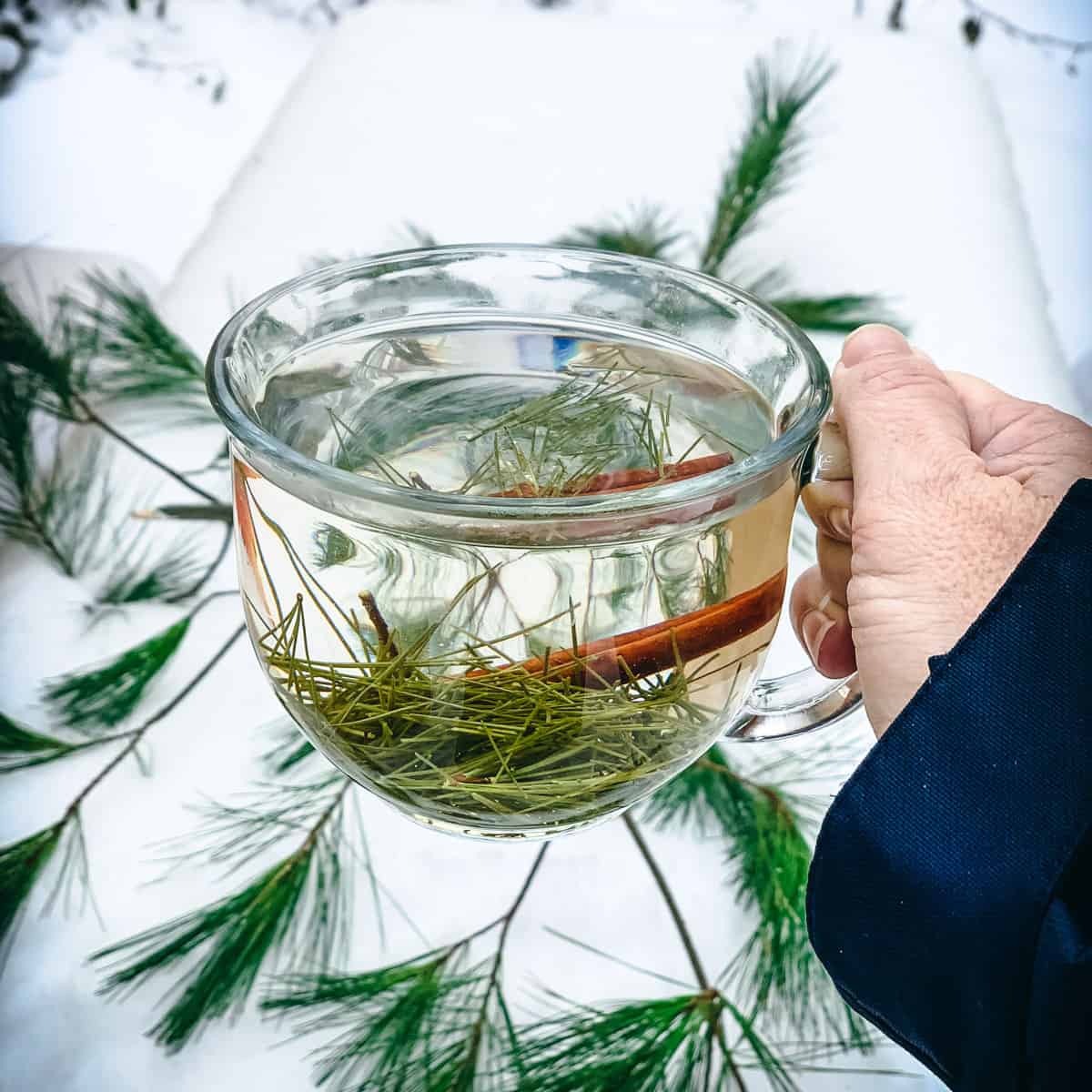
High-quality carrier oils serve as the solvent for fat-soluble herbal constituents. Preferred options include organic olive oil, jojoba oil, and sweet almond oil. For solid preparations like salves and lotion bars, unrefined shea butter and cocoa butter are staples.
Beeswax and Emulsifiers
Beeswax remains the gold standard for thickening herbal oils into salves. Ethical sourcing is paramount here; practitioners often seek out local apiaries or certified organic suppliers to ensure the wax is free from pesticide residues. The availability of beeswax "pastilles" has simplified the measurement process, making it a highly practical gift for the home formulator.
Educational Resources: Literature and Professional Courses
As the field of herbalism becomes more regulated and professionalized, the value of formal education has increased. Providing the gift of knowledge is often considered the most impactful gesture for an aspiring herbalist.
The Shift to Digital Learning
Institutions like The Herbal Academy have pioneered comprehensive online curricula that range from introductory "materia medica" courses to advanced clinical practitioner programs. These courses provide a structured environment for learning about plant chemistry, anatomy, and the legalities of herbal practice.
Essential Botanical Literature
A professional herbalist’s library is a vital reference tool. Key texts that have shaped the modern landscape of the craft include:
- Rosemary Gladstar’s "Medicinal Herbs: A Beginner’s Guide": Often cited as the foundational text for modern American herbalism.
- Thomas Easley and Steven Horne’s "The Modern Herbal Dispensatory": A technical manual focused on the precise science of extraction.
- Maud Grieve’s "A Modern Herbal": A historical two-volume set that remains a primary reference for traditional uses.
- "Healing Herbal Infusions" by Colleen Codekas: A contemporary guide focused on practical, home-based applications of botanical medicine.
Chronology of Sourcing: A Timeline for the Holiday Season
To ensure the quality and availability of these items, industry experts recommend a specific procurement timeline. Due to the seasonal nature of harvesting, many bulk herbs may face shortages in late Q4.

- September – October: Professional herbalists typically harvest or purchase their "winter apothecary" supplies, including elderberries and echinacea.
- November: This is the peak period for purchasing equipment and non-perishable supplies (glassware, stainless steel tools) to avoid logistical delays.
- December: Focus shifts to "ready-made" botanical gifts, such as artisan salves, lip balms, and dehydrated sourdough starters, for those who prefer pre-formulated products.
Broader Impact and Industry Implications
The trend toward gifting herbal supplies reflects a deeper societal move toward sustainability. Herbalism encourages a "circular economy" where consumers become producers, utilizing garden-grown plants and reusable glassware to reduce their environmental footprint.
Furthermore, the rise of the "home apothecary" has significant implications for public health literacy. As more individuals learn to manage minor ailments—such as seasonal coughs, skin irritations, or digestive discomfort—through botanical means, there is a potential for reduced pressure on primary care systems for non-emergency issues.
However, industry experts maintain a cautious stance on safety and education. The "reaction from the field" emphasizes that while herbalism is accessible, it requires rigorous study to avoid contraindications with pharmaceutical medications. Therefore, gifting "education" alongside "raw materials" is seen as the most responsible approach to supporting a loved one’s herbal journey.
Conclusion: The Strategic Value of Botanical Gifts
In summary, selecting a gift for an herbalist requires a balance of practical utility and aesthetic appreciation. Whether it is a high-precision glass teapot for daily ritual, a set of professional-grade tincture bottles, or a comprehensive course on botanical skincare, these gifts facilitate a deeper connection to the natural world. As the herbal industry continues its upward trajectory, these tools and resources will remain essential for anyone committed to the art and science of plant-based wellness. This guide provides the framework necessary to navigate the complex marketplace of modern herbalism, ensuring that every holiday gift contributes to a legacy of health, sustainability, and traditional knowledge.