The arrival of warmer weather and the approach of Easter traditionally herald the craving for hot cross buns, a seasonal delicacy often enjoyed on Good Friday. However, a new approach integrating sourdough and a specialized dough technique promises to elevate this classic to unprecedented levels of flavor and texture, bridging the gap between traditional winter baking and the freshness of spring. This enhanced recipe, an adaptation from the acclaimed cookbook The Perfect Loaf, introduces a tangzhong, a cooked flour paste, to achieve a bun that is remarkably softer, more tender, and boasts extended freshness compared to conventional methods.
The Enduring Legacy of Hot Cross Buns: A Historical and Cultural Overview
Hot cross buns carry a rich history, deeply intertwined with religious and cultural traditions, particularly within Christian communities. Originating in medieval Europe, these spiced sweet buns, marked with a distinctive cross, became closely associated with Good Friday, symbolizing the crucifixion of Jesus Christ. Historically, they were simple yeasted breads, often containing fruit and spices, believed to ward off evil spirits or even cure ailments if baked on Good Friday. Over centuries, the recipe evolved, becoming more enriched and refined, transitioning from a basic sustenance item to a celebratory treat.
Different cultures have adopted and adapted the bun, each adding its unique culinary flair. In Britain, where they are arguably most iconic, the buns are a staple of Easter season, often toasted and buttered. The cross, initially cut into the dough, later became a decorative element piped on with a flour-and-water paste after baking or before, as is often the case today. This enduring tradition speaks to the power of food to connect generations and mark significant calendar events, making any innovation to its preparation noteworthy.
The Science of Superior Texture: Sourdough and Tangzhong Explained
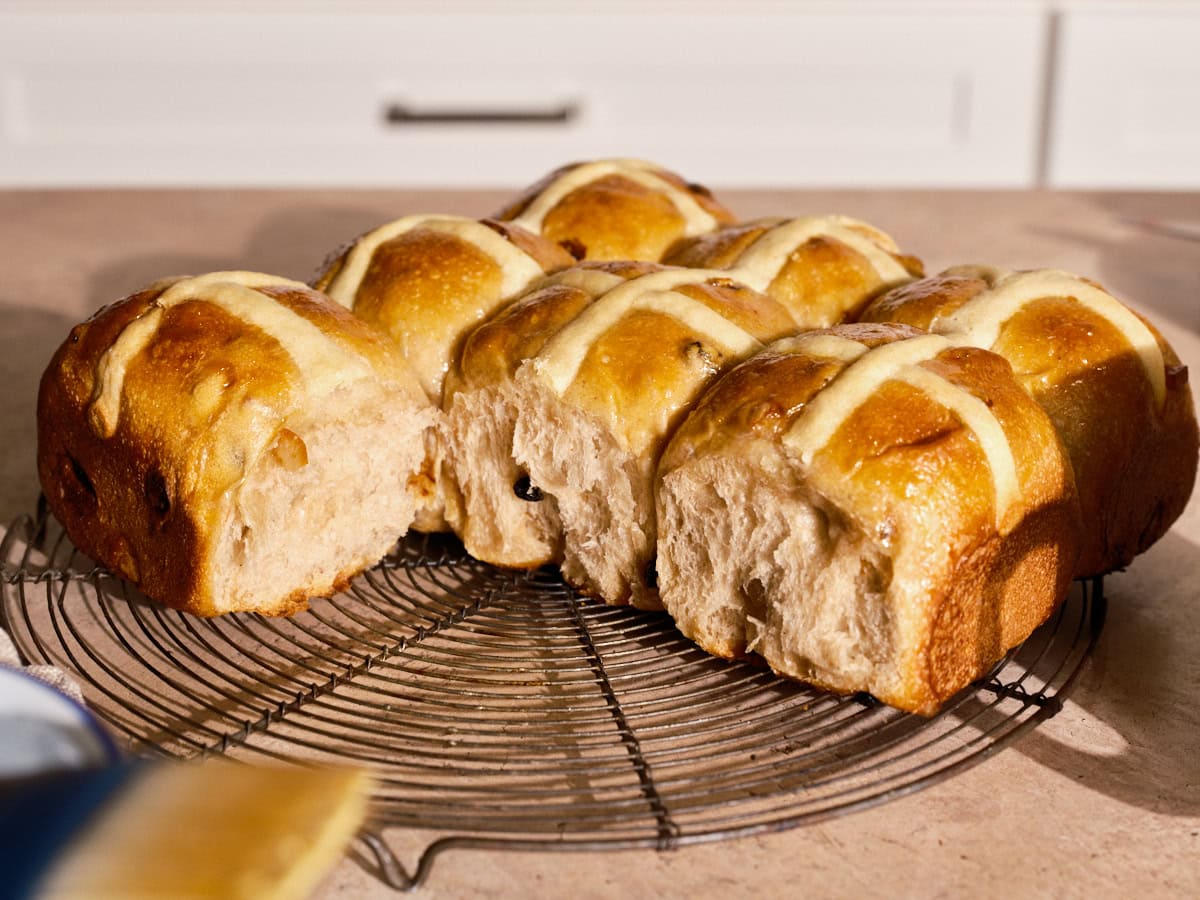
The revolutionary aspect of this updated hot cross bun recipe lies in its dual application of natural leavening and the tangzhong method. Traditional hot cross buns typically rely on commercial yeast, which provides rapid fermentation but often sacrifices complexity of flavor and depth of texture. Sourdough, in contrast, utilizes a natural starter—a symbiotic culture of wild yeast and lactic acid bacteria—to leaven the dough. This slower fermentation process breaks down starches and proteins more thoroughly, resulting in a bread with a more nuanced, rounded flavor profile and a characteristic subtle tang that beautifully complements the sweetness and spices of the bun. Moreover, sourdough contributes to a more digestible product and often improves the bread’s shelf life.
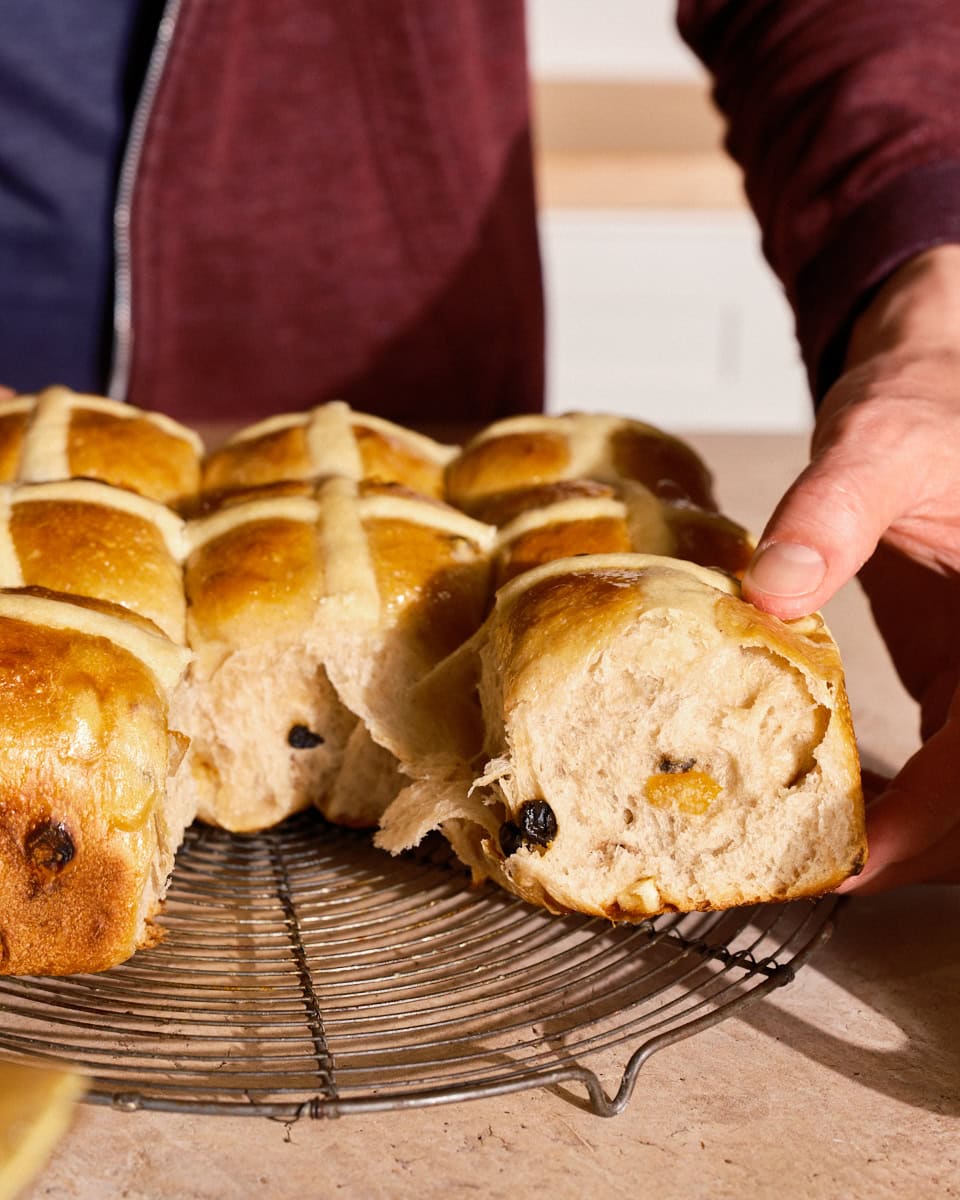
The tangzhong, a technique borrowed from Asian baking, is a cooked flour and liquid (in this case, milk) paste. The process involves heating a portion of the flour and milk until it thickens, causing the starch molecules to gelatinize and absorb a significant amount of liquid. When this paste is incorporated into the main dough, it locks in extra moisture, preventing the dough from drying out during baking and contributing to an incredibly soft, pillowy texture. This moisture retention also means the buns stay fresh and tender for a longer period than those made with conventional methods. The synergy between sourdough’s flavor development and tangzhong’s textural enhancement creates a bun that is not merely soft but possesses a delightful "pull-apart" quality, a hallmark of superior enriched doughs.
A Symphony of Flavors: Key Ingredients and Their Roles
The sensory experience of a hot cross bun is defined by its aromatic ingredients. This recipe meticulously balances these elements:
- Warm Spices: Cinnamon, allspice, and freshly ground nutmeg are the pillars of the bun’s characteristic warmth. Cinnamon, with its sweet and woody notes, is often the dominant spice. Allspice adds a complex blend reminiscent of cloves, nutmeg, and cinnamon, while nutmeg contributes a pungent, sweet, and slightly musky aroma. These spices are carefully measured to provide a comforting backdrop without overpowering the other flavors.
- Citrus Zest: The zest of lemon and orange provides a vibrant, aromatic counterpoint to the rich spices and sweet fruit. The essential oils in the zest release bright, refreshing notes that cut through the richness of the butter and milk, adding a delightful complexity.
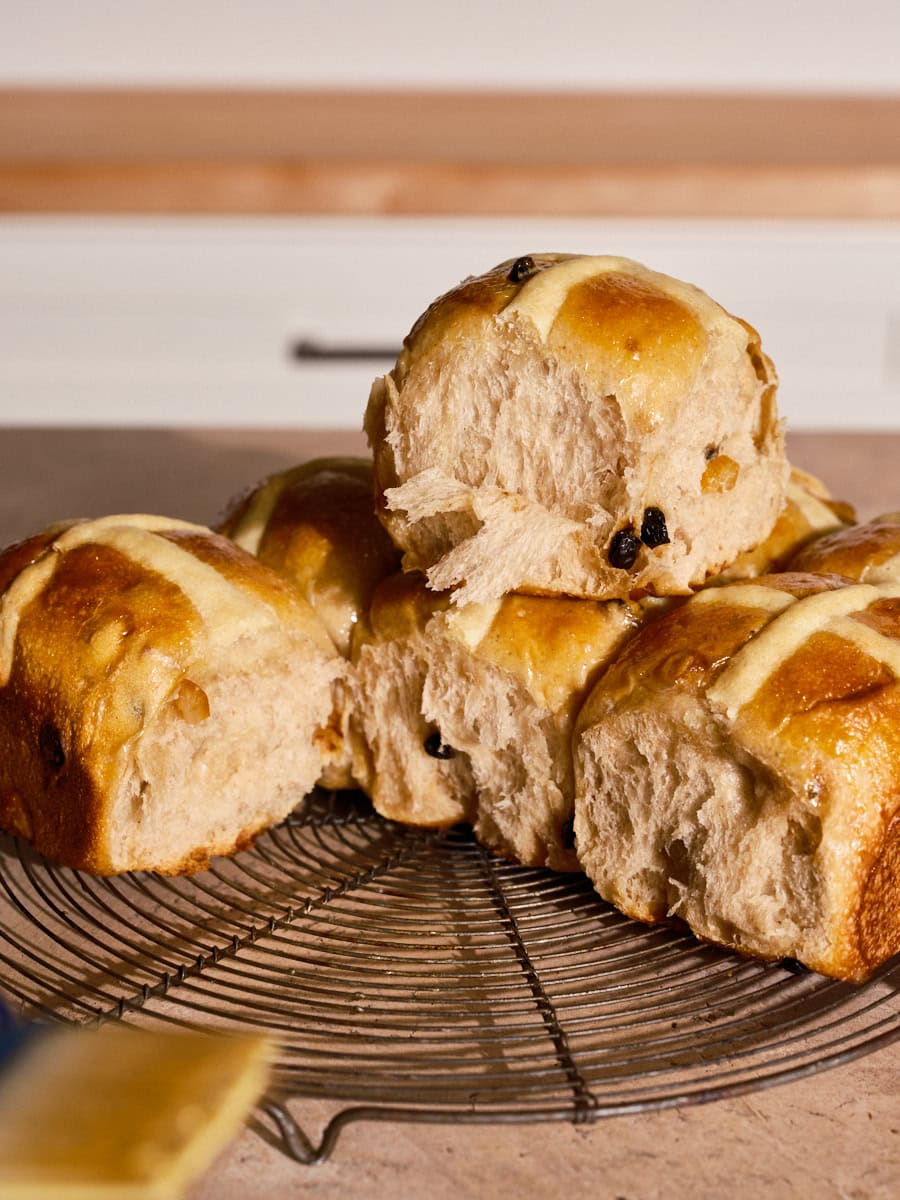
- Plump Dried Fruit: Thompson raisins, dried currants, and candied orange peel are integral to the bun’s texture and sweetness. The recipe emphasizes using moist fruit, with an optional soaking step for particularly dry varieties, ensuring they plump up beautifully during baking. The inclusion of candied orange peel further enhances the citrus profile and adds a chewy texture. For those seeking a non-traditional twist, chocolate chips are suggested as an alternative to currants, offering a different dimension of sweetness.
- Enriched Dough: Milk, egg, butter, and superfine sugar collectively contribute to the dough’s richness, tenderness, and golden hue. Milk provides moisture and protein, while eggs add richness, emulsification, and structure. Unsalted butter imparts flavor and tenderness, and sugar not only sweetens but also aids in browning and provides food for the yeast in the sourdough starter, facilitating a more efficient fermentation in this enriched environment. A small amount of fine sea salt balances the sweetness and enhances all the flavors.
The Meticulous Baking Schedule: A Timeline for Culinary Excellence
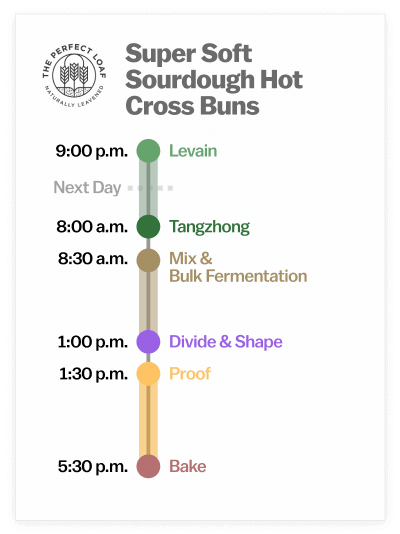
Crafting these sourdough hot cross buns requires patience and adherence to a precise schedule, a hallmark of artisan baking. The process is designed to be largely completed within a day, following an overnight preparation step, making it manageable for home bakers while allowing for the slow, flavor-developing fermentation inherent to sourdough.
-
Day 1 Evening (9:00 p.m.): Preparing the Sweet Levain and Optional Fruit Soaker.
The journey begins with the creation of a "sweet levain." This involves mixing high-protein white flour, superfine sugar, water, and ripe sourdough starter. The sugar in the levain serves a dual purpose: it provides readily available fuel for the yeast, promoting efficient activity in the enriched dough, and it helps to temper the overall sourness, ensuring a balanced flavor in the final buns. The levain is then loosely covered and left to ferment in a warm environment for approximately 12 hours, developing its characteristic aeration and frothy texture. Simultaneously, if using drier fruits, the dried raisins or candied peel and currants are placed in a bowl and covered with water to rehydrate overnight, ensuring a plump and juicy inclusion in the final product. -
Day 2 Morning (8:00 a.m.): The Tangzhong and Butter Preparation.
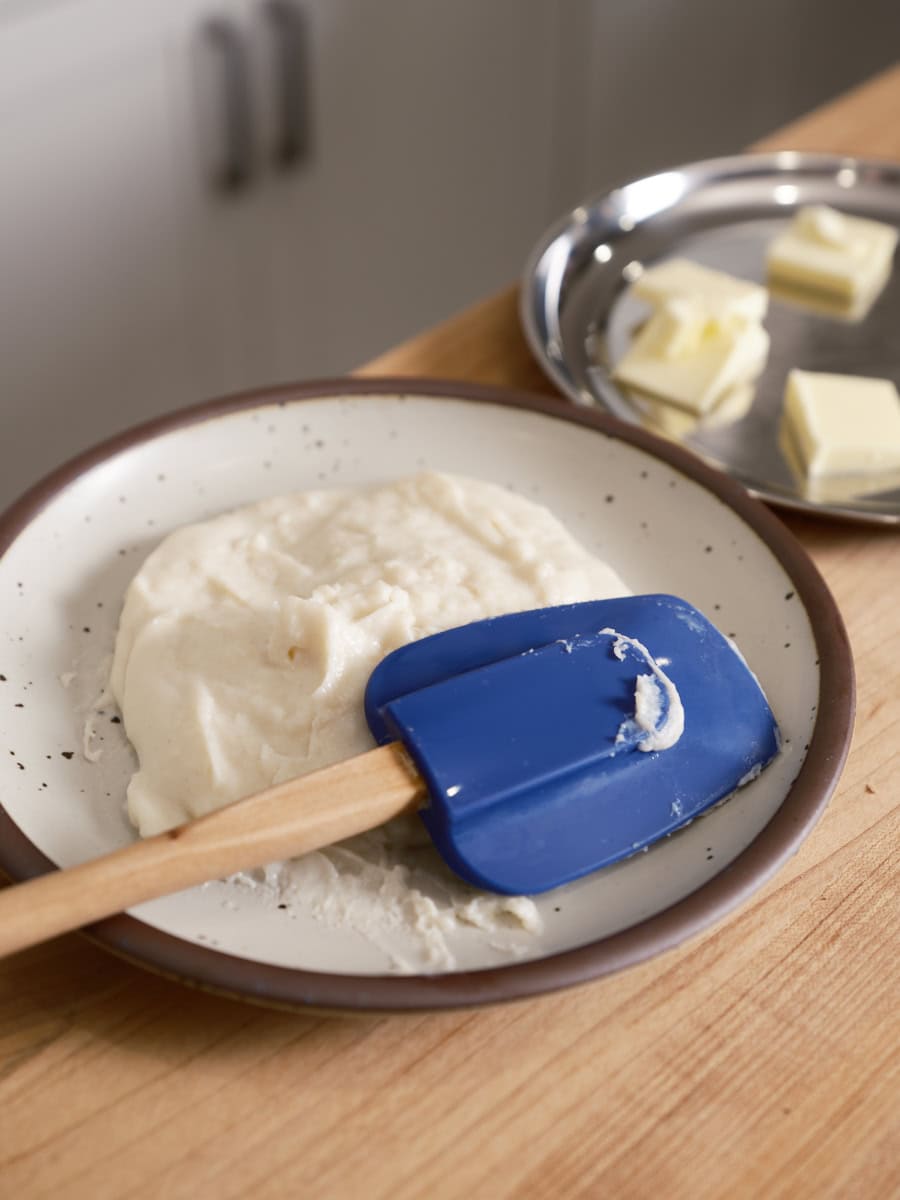
The next morning, the butter is cut into pats and left to warm to room temperature, crucial for its smooth incorporation into the dough. The tangzhong is then prepared by cooking a small amount of high-protein white flour and whole milk over medium-low heat, whisking continuously until it thickens into a cohesive paste. This step is critical for the buns’ signature softness. Once thickened, the tangzhong is spread onto a plate to cool rapidly.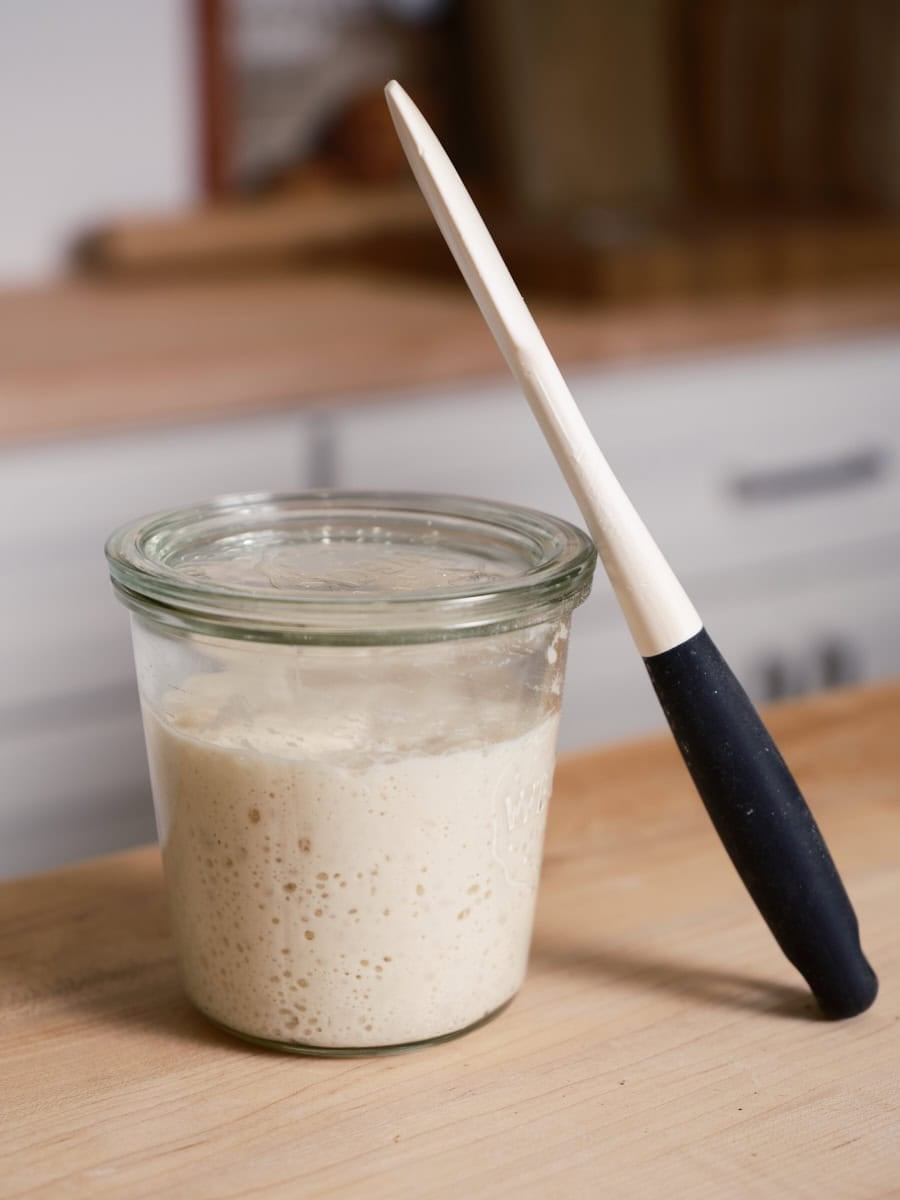
-
Day 2 Morning (8:30 a.m.): Mixing the Enriched Dough.
With the levain ripe and active, and the tangzhong cooled, the main dough mixing commences. A stand mixer, or for advanced bakers, a spiral mixer, is highly recommended for this enriched dough due to its intensive mixing requirements. The tangzhong, remaining flour, beaten egg, sugar, spices, citrus zests, water, and salt are combined with the ripe levain. The dough undergoes initial mixing to combine ingredients, followed by several minutes of medium-speed mixing to develop gluten structure, evident by the dough tightening and pulling away from the sides of the bowl. A brief rest period allows the gluten to relax before further mixing. The "windowpane test," where a small piece of dough can be stretched thin enough to be translucent, confirms optimal gluten development. Room temperature butter is then gradually added, one pat at a time, ensuring each addition is absorbed before the next. This process creates a silky, elastic, and shiny dough. Finally, the drained fruit inclusions are gently mixed in on the slowest speed until evenly distributed. -
Day 2 Morning/Afternoon (9:00 a.m. to 1:00 p.m.): Bulk Fermentation.
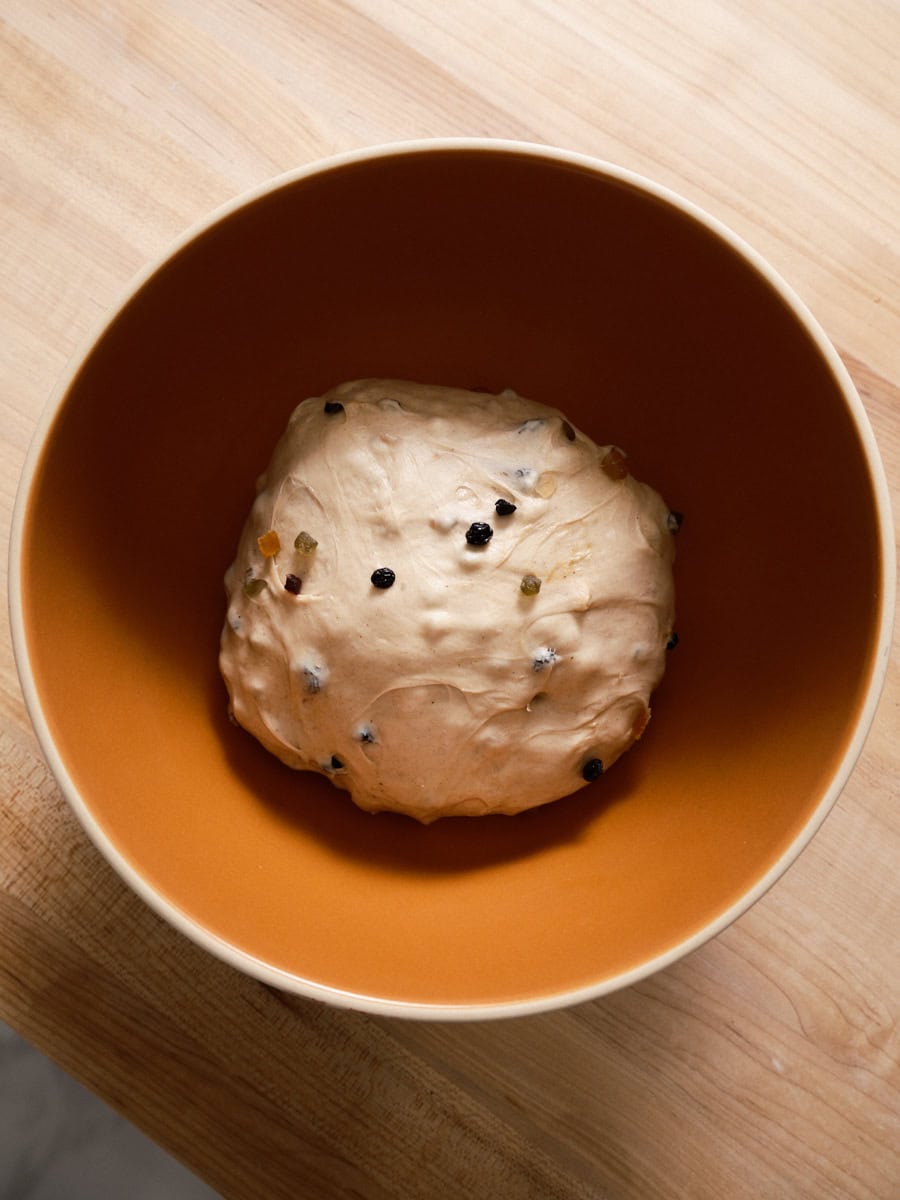
The dough enters its bulk fermentation phase, lasting approximately 4 hours at a warm room temperature (74–76°F / 23–24°C). This slow fermentation is key to developing flavor. During this period, two sets of gentle stretches and folds are performed at 30-minute intervals. These folds help to build strength in the dough, redistribute yeast and bacteria, and incorporate any remaining fruit soaker. After the last fold, the dough rests, allowing the sourdough culture to work its magic, resulting in a noticeably risen, puffy, and elastic dough.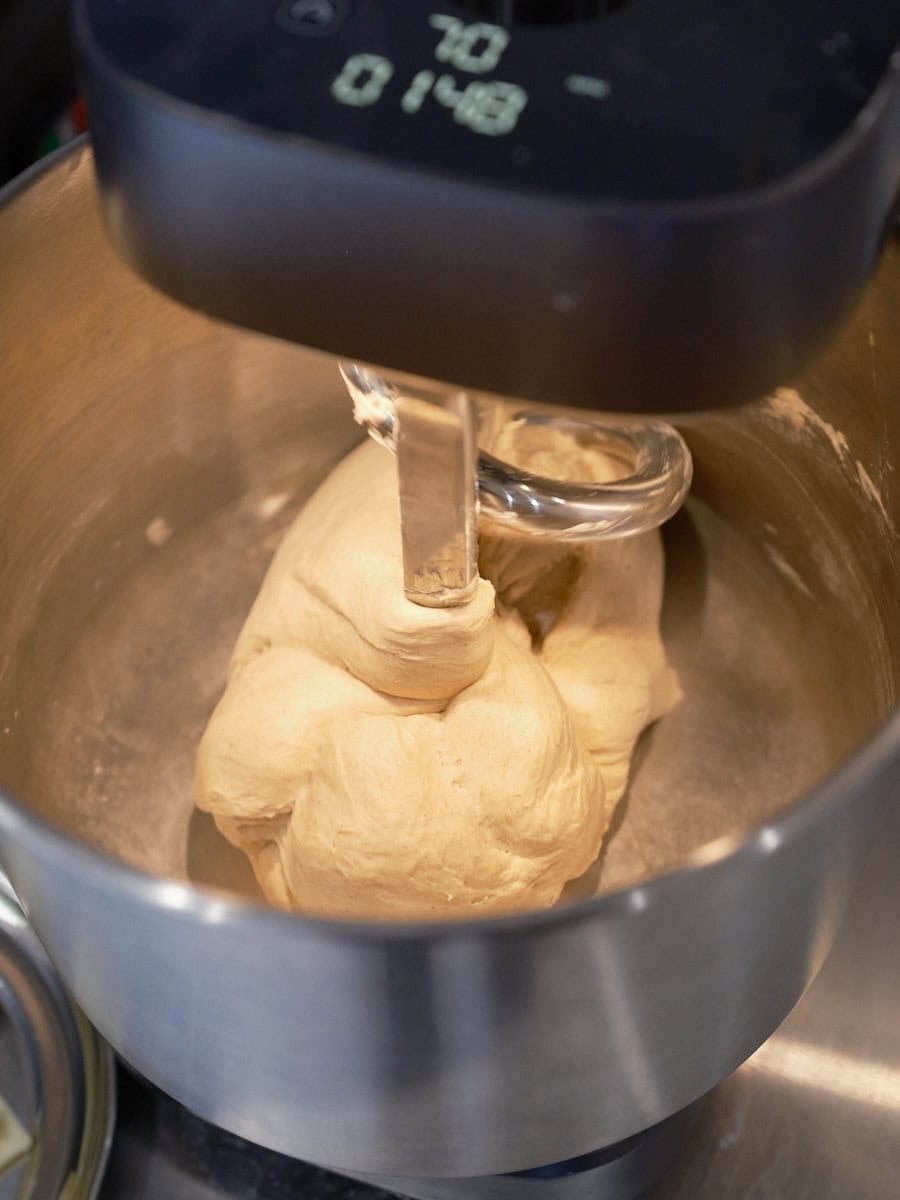
-
Day 2 Afternoon (1:00 p.m.): Dividing and Shaping.
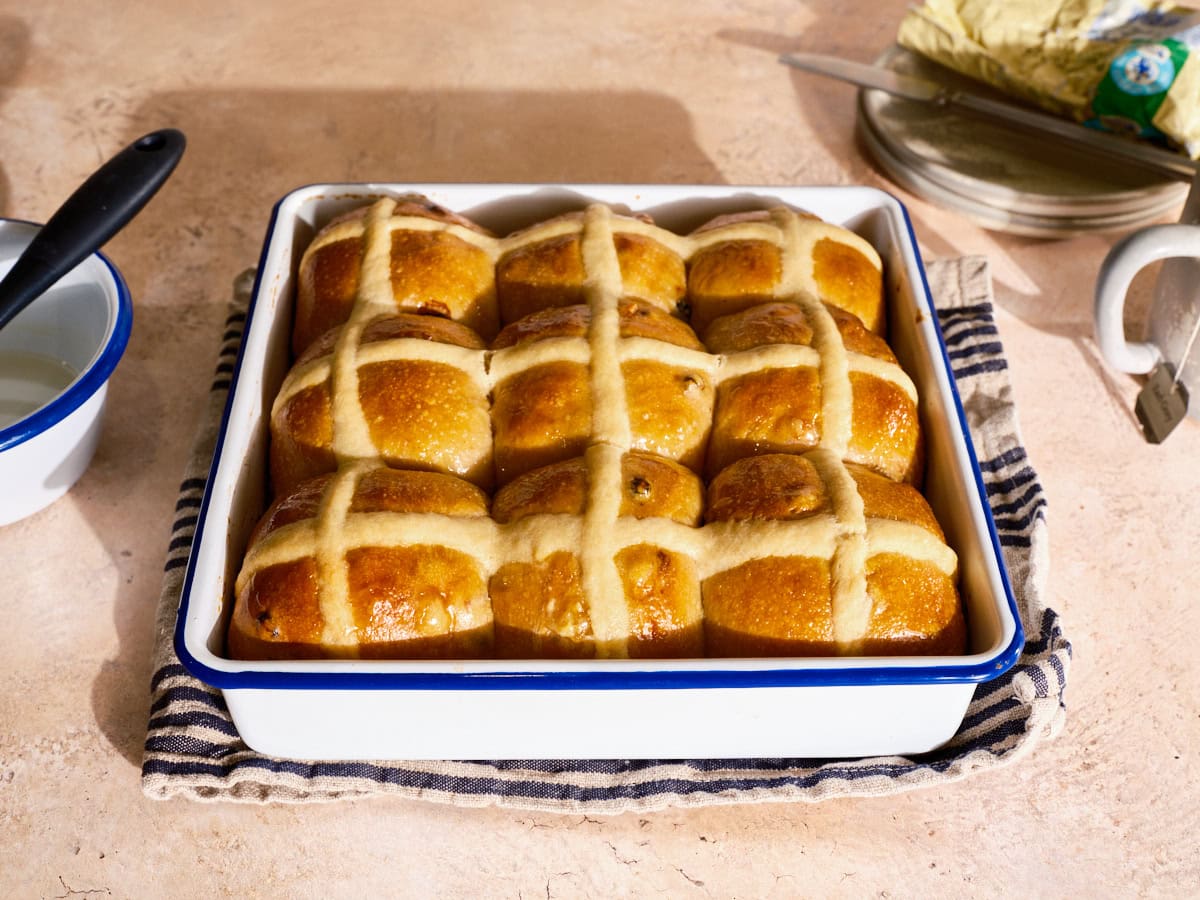
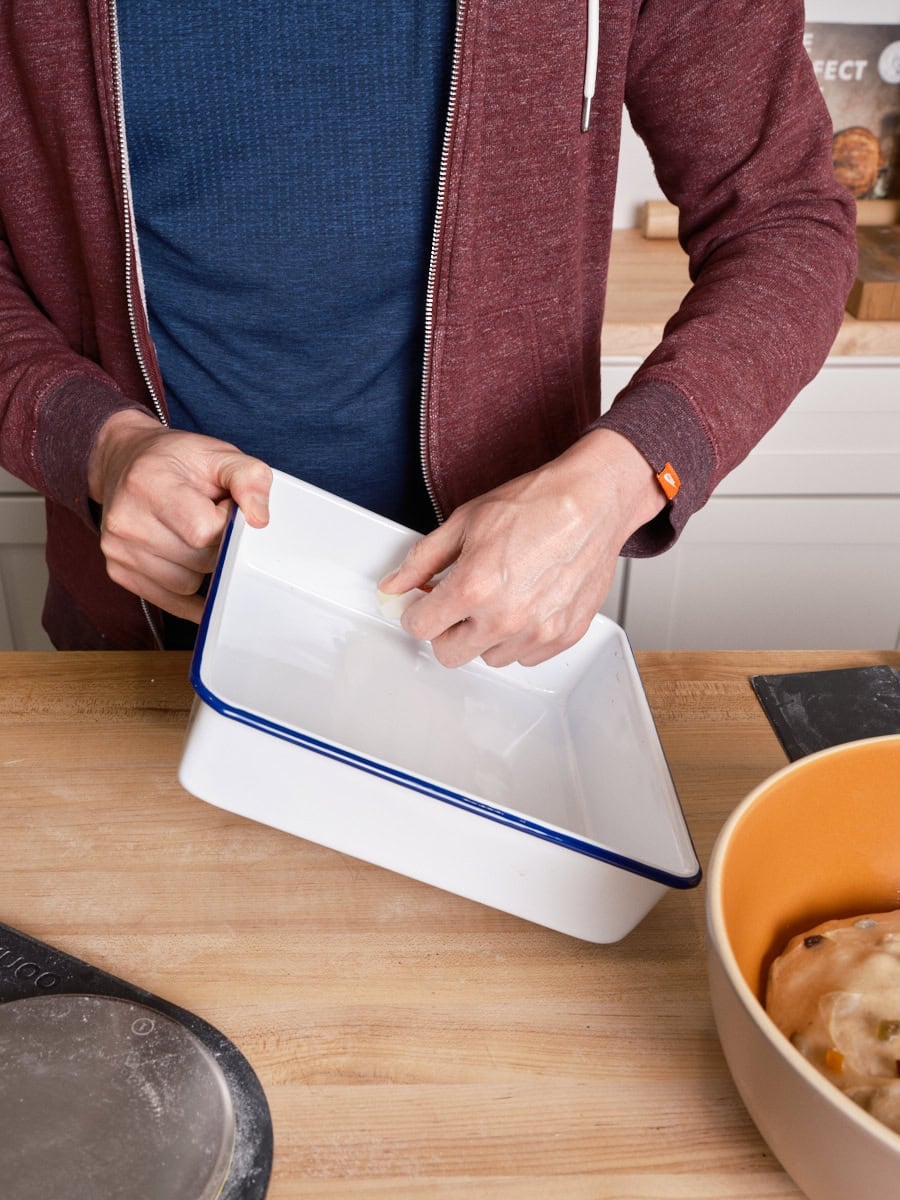
Once bulk fermentation is complete and the dough is adequately puffed and soft, it is gently scraped onto a clean work surface and divided into nine 115-gram pieces. Each piece is then skillfully shaped into a tight, round ball. These rounds are placed into a liberally buttered 9-inch square baking pan, arranged in a 3×3 grid, allowing them to nestle together for a soft, pull-apart texture. An alternative is to use a larger sheet pan with spacing for buns with a firmer, more uniformly colored crust. For those planning to bake for Easter morning, the shaped buns can be covered and refrigerated overnight after a few hours of initial proofing. -
Day 2 Afternoon (1:30 p.m. to 5:30 p.m.): Final Proofing.
The shaped buns undergo their final proofing in a warm environment for about 4 to 5 hours. This is a crucial stage where the buns gain their final volume and internal structure. Given the richness of the dough, this proofing can be slow, and patience is paramount. The buns are ready when they are significantly risen, very soft to the touch, and show no dense spots. In the 9-inch pan, they should nearly reach the rim.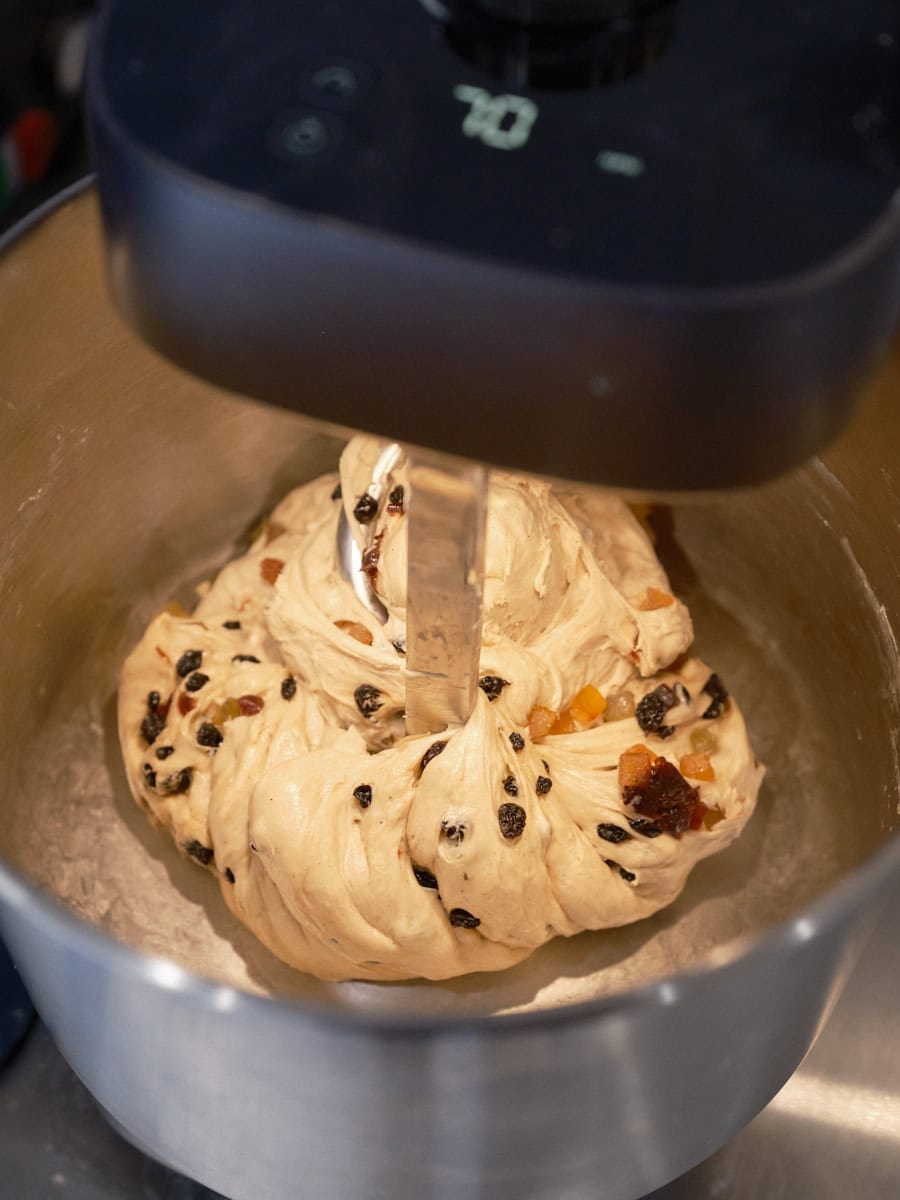
-
Day 2 Evening (5:30 p.m.): Glaze, Cross Mixture, and Baking.
As the buns approach readiness, the oven is preheated to 400°F (200°C). Concurrently, a simple syrup glaze is prepared by boiling equal parts water and sugar until clear, then allowed to cool. The iconic cross mixture is made by combining white flour, water, orange juice (or more water), vegetable oil, and a pinch of salt to form a thick, yet flowable paste. Before baking, the proofed buns are brushed with an egg wash (egg whisked with milk) for a golden sheen. The cross mixture is then piped in thin vertical and horizontal lines across the top of the buns, forming the traditional cross pattern.The buns are baked for 15 minutes at 400°F, then the oven temperature is reduced to 350°F (175°C) for another 10 to 15 minutes, or until they achieve a golden-brown color and an internal temperature of 195°F (90°C). Upon removal from the oven, the hot buns are immediately brushed with the simple syrup glaze, providing shine and an extra layer of sweetness. After cooling for a few minutes in the pan, they are ready to be served warm, ideally sliced in half and spread with high-quality salted butter.
Implications and Future of Enriched Sourdough Baking
This sophisticated hot cross bun recipe reflects a broader trend in home baking and artisan bread production: the pursuit of superior flavor and texture through refined techniques. The increasing popularity of sourdough baking, often driven by a desire for more wholesome and flavorful alternatives to mass-produced goods, is seeing a convergence with classical pastry methods like tangzhong. This fusion promises a new generation of enriched sourdough products that are both deeply traditional in spirit and cutting-edge in execution.
The ability to prepare components ahead of time, such as the tangzhong and an overnight proofing option for the shaped buns, makes this artisanal recipe accessible even for busy schedules, allowing for fresh-baked treats on celebratory mornings. The meticulous attention to detail, from ingredient selection to precise temperature control, underscores the dedication of bakers who strive for perfection in every loaf and bun. As more home bakers embrace these techniques, the landscape of traditional baked goods is continuously enriched, ensuring that beloved recipes like hot cross buns continue to evolve and delight for years to come.