

The production of infused herbal oils represents the foundational pillar of contemporary artisanal skincare, serving as the essential precursor to the formulation of therapeutic salves, body butters, and restorative creams. As the global consumer market shifts increasingly toward "clean beauty" and transparent ingredient sourcing, the mastery of lipid-based extraction—the process of transferring oil-soluble phytochemicals from plant matter into a carrier oil—has transitioned from a niche hobby to a significant movement within the natural wellness industry. This process, while accessible to the novice herbalist, requires a sophisticated understanding of botanical chemistry, moisture management, and oxidative stability to ensure the safety and efficacy of the final product.
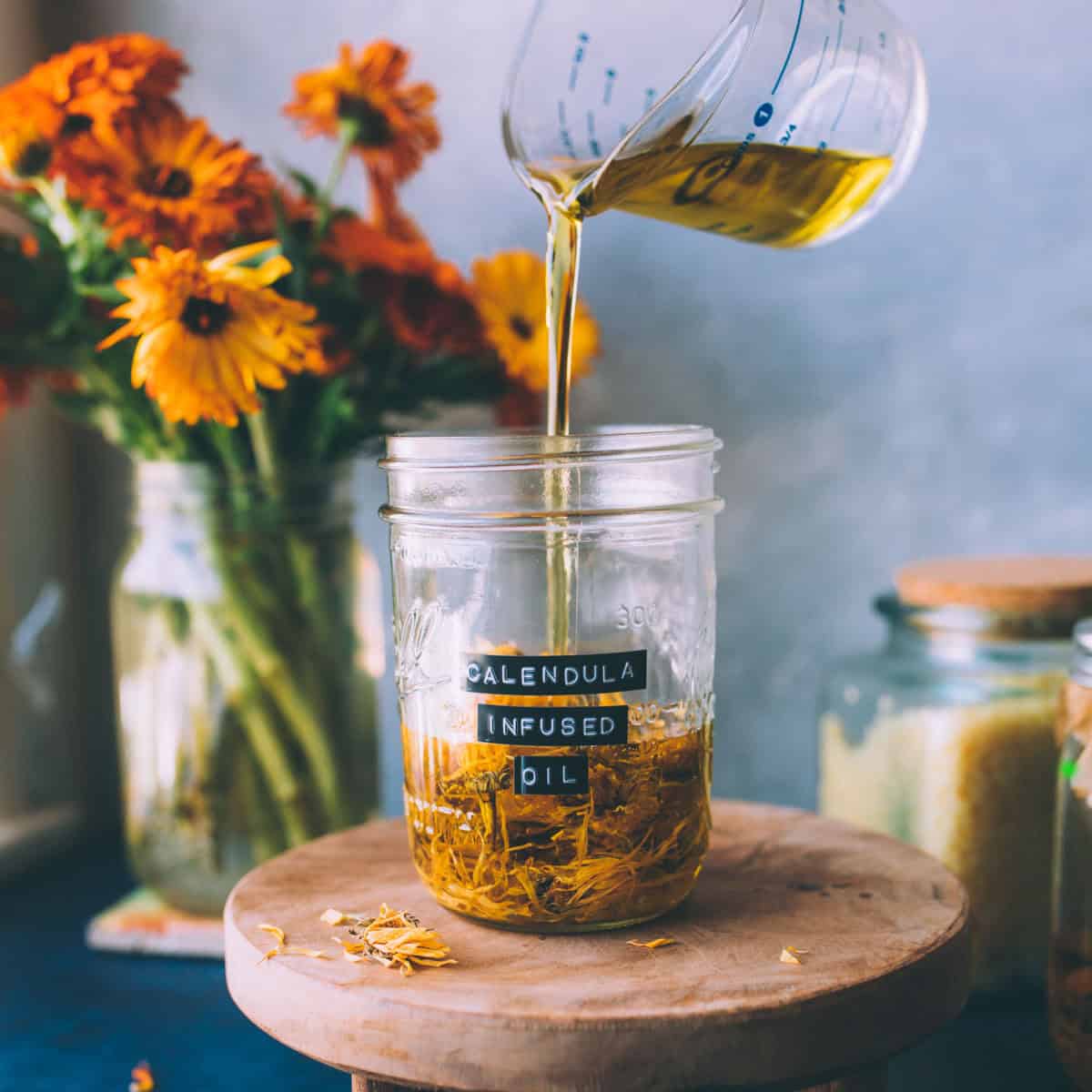
The Foundational Principles of Lipid-Based Extraction
At its core, an infused herbal oil is a delivery system. Unlike essential oils, which are highly concentrated volatile compounds produced through steam distillation, infused oils are "fixed" oils that have absorbed the broader therapeutic properties of a plant. The process relies on the principle of solubility; carrier oils act as solvents that extract lipid-soluble constituents such as resins, flavonoids, and certain polyphenols.
The choice of carrier oil is not merely a matter of texture but one of chemical compatibility. High-quality, cold-pressed oils are preferred to maintain the integrity of the fatty acids. Olive oil is frequently utilized for its high oleic acid content and natural antioxidants, which grant it a longer shelf life and better resistance to rancidity. Conversely, oils such as sweet almond or jojoba are prized for their skin-penetration depth and affinity with human sebum. For the modern herbalist, selecting the appropriate medium is the first strategic decision in a process that balances tradition with dermatological science.
A Chronological Approach to Botanical Sourcing
The production of herbal oils is intrinsically linked to the phenological cycles of the natural world. A successful infusion begins not in the laboratory, but in the field, following a strict seasonal chronology that dictates the potency of the raw materials.
The Spring Emergence: The cycle typically begins in early spring with the harvest of "first-growth" botanicals. During this period, foragers target plants with high topical benefits, such as chickweed and dandelion flowers. These early-season plants are often high in moisture, necessitating specific handling techniques to prevent microbial spoilage.
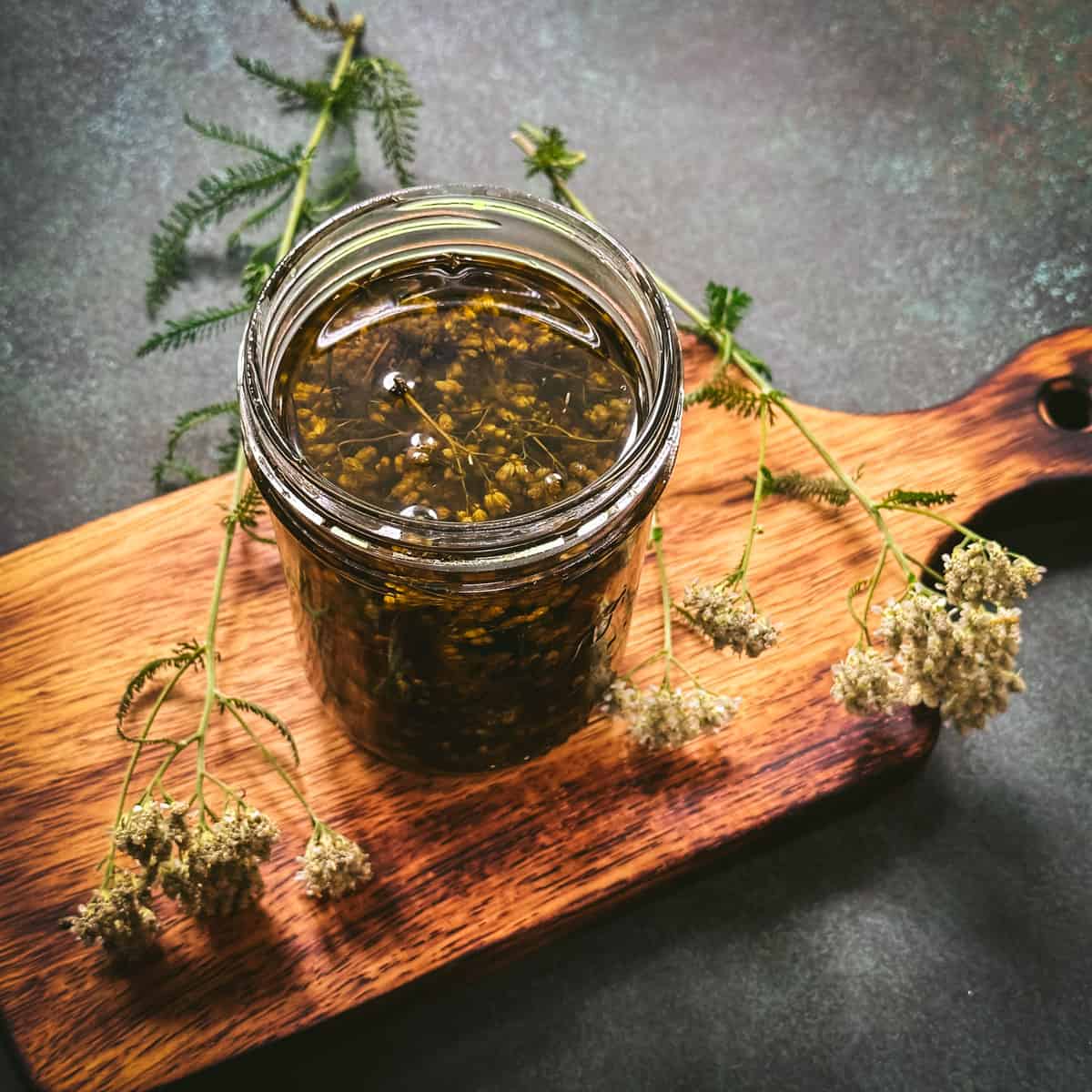
The Summer Harvest: As temperatures rise, the focus shifts to the peak of the herbal calendar. This is the optimal time for collecting lavender, yarrow, and calendula. These plants reach their highest concentration of active compounds when the sun is at its zenith. During this phase, the primary task for the herbalist is the drying process. Utilizing drying screens or low-heat dehydrators, the moisture content of the plant material must be reduced to near zero.
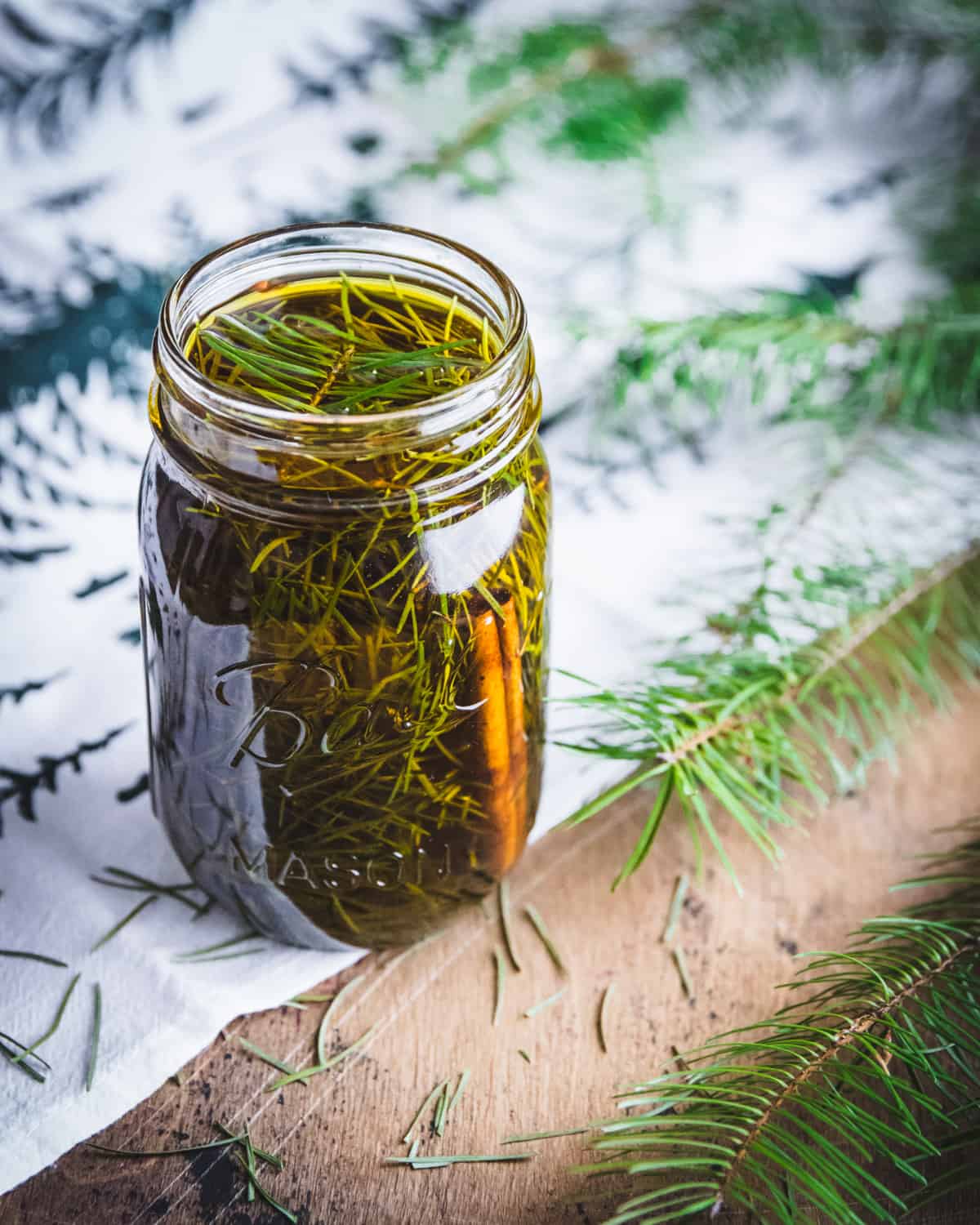
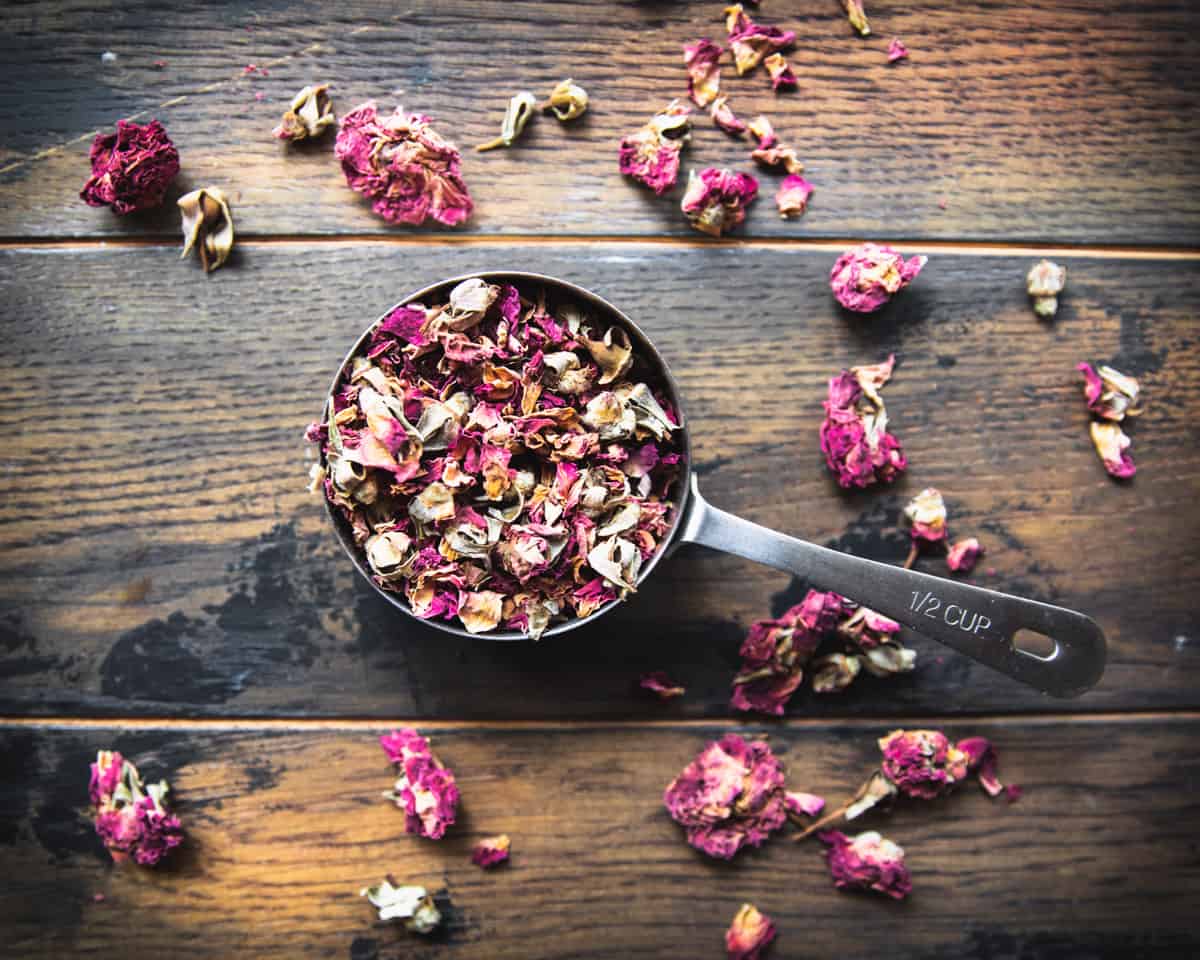
The Autumn and Winter Extensions: The process does not terminate with the first frost. The late season provides unique opportunities for infusing hardy materials such as rose hips—rich in vitamin C and trans-retinoic acid—and conifer needles. These winter-harvested materials often contain higher concentrations of resins and antimicrobial terpenes, which are highly stable in oil infusions.
Methodological Rigor: Cold vs. Heat Extraction
Once the botanical material has been harvested and prepared, the herbalist must select an extraction method based on the sensitivity of the plant’s chemical constituents.
The Cold Infusion Method
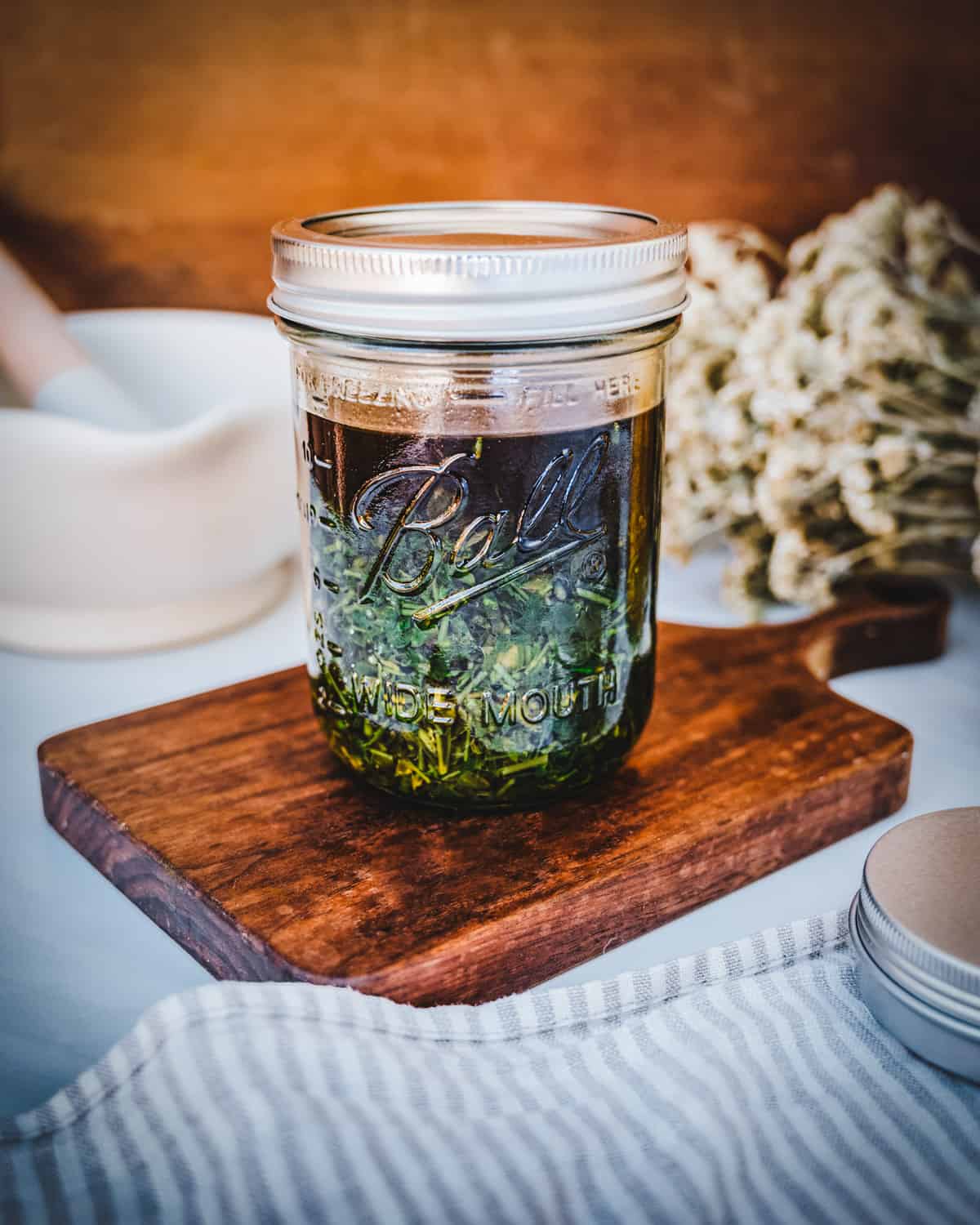
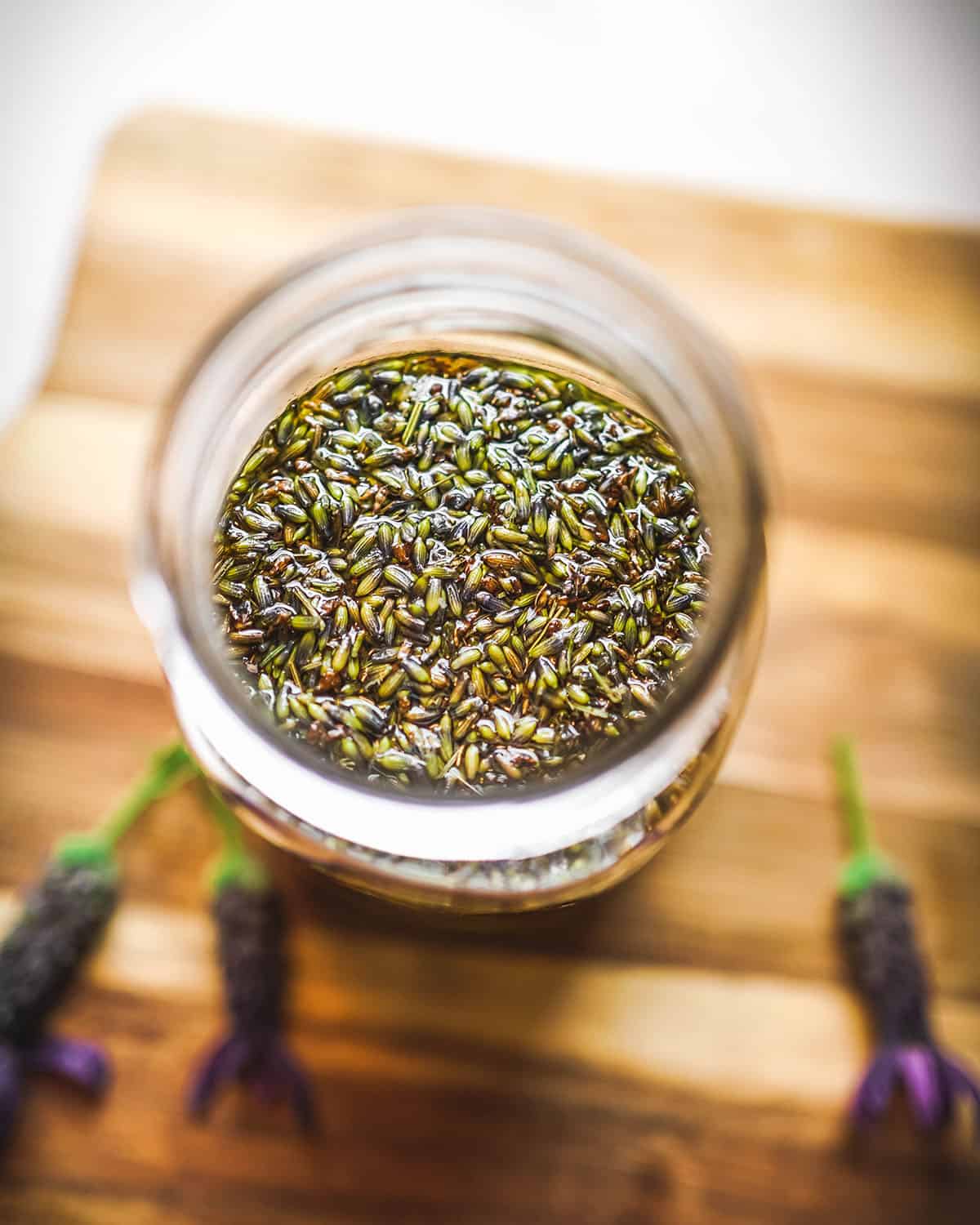
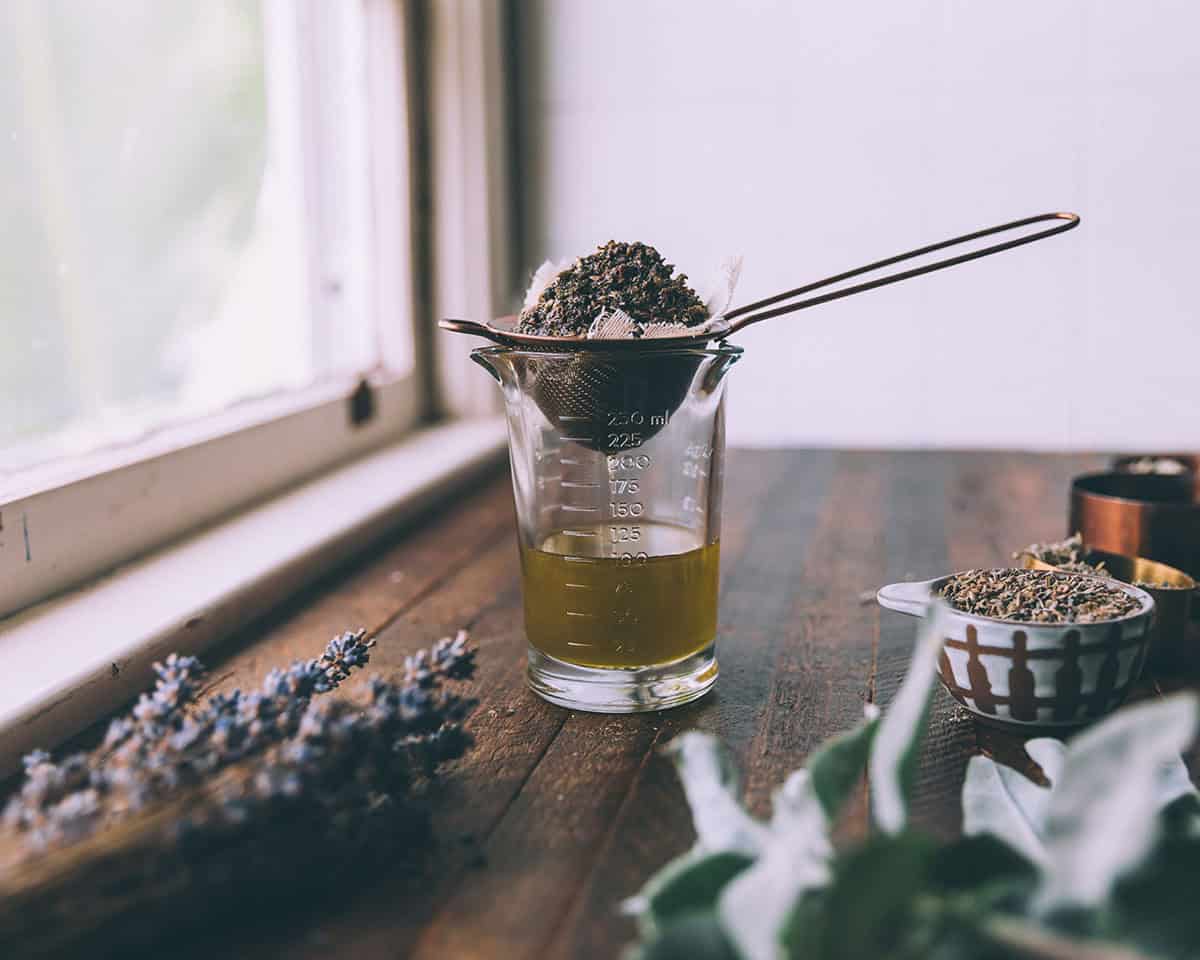
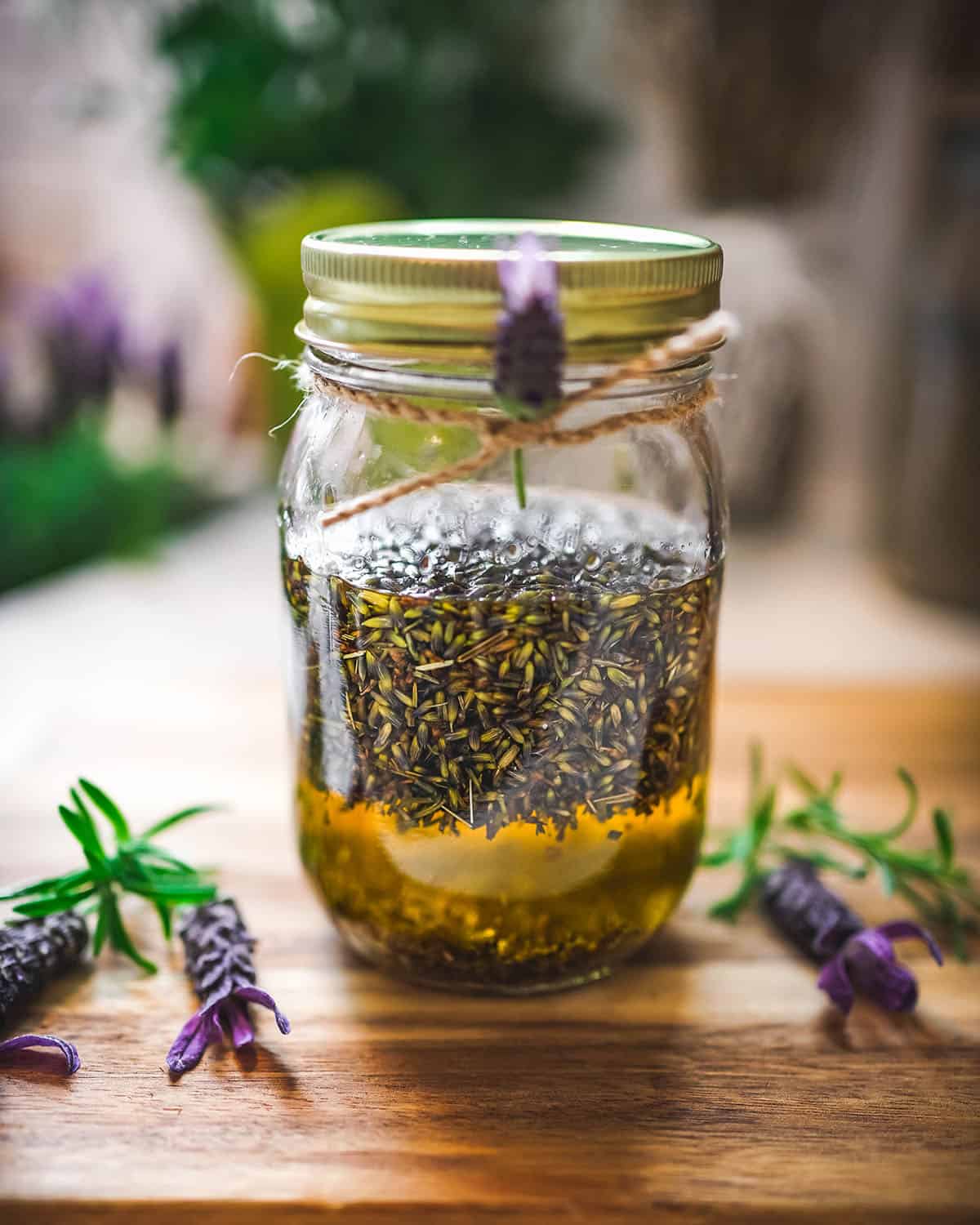
The cold infusion method is widely regarded by traditionalists as the gold standard for preserving the most delicate phytochemicals. This technique involves submerged dried herbs in a carrier oil within a sealed glass vessel, which is then stored in a cool, dark environment for a period of four to six weeks.
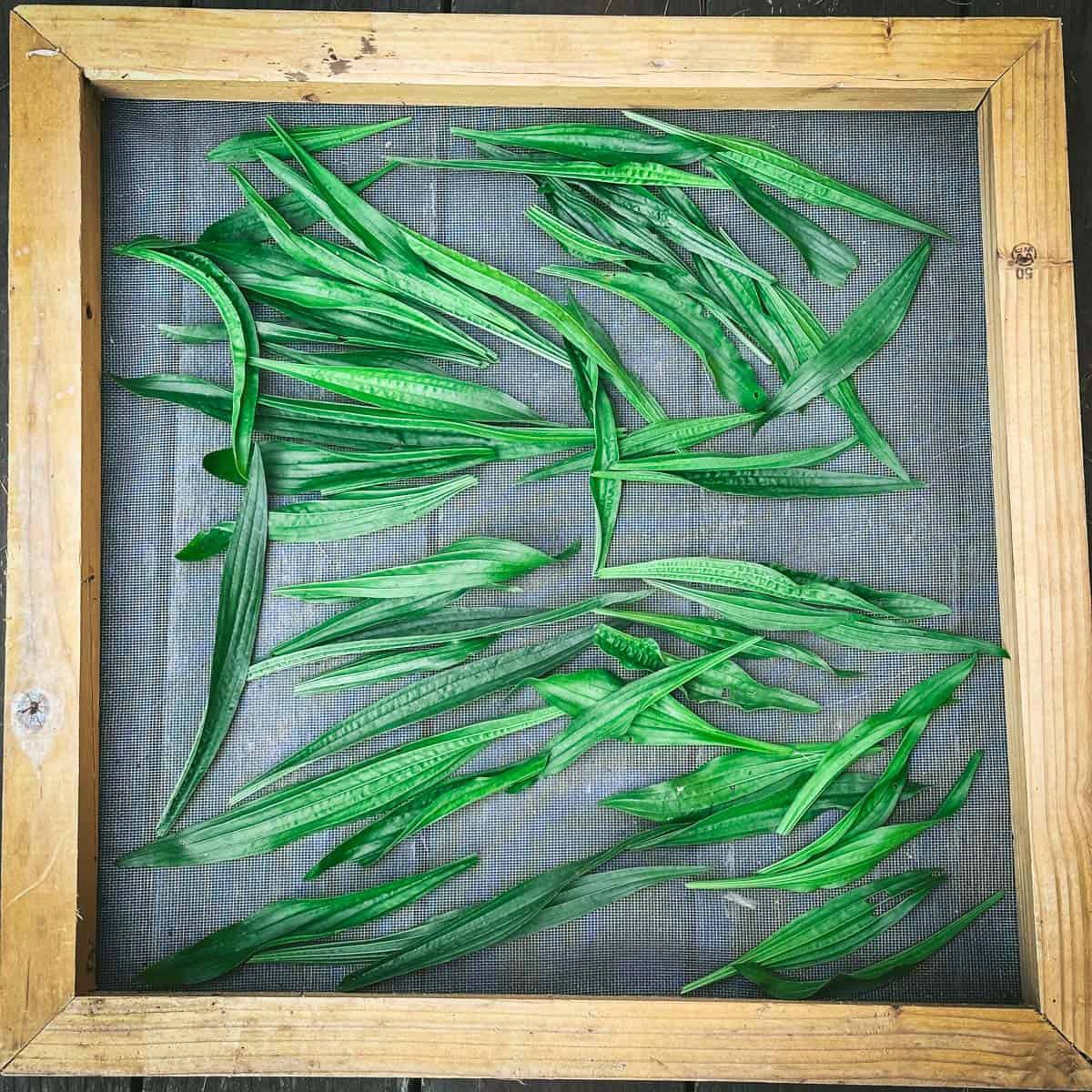
From a chemical perspective, this slow extraction allows for the gradual migration of molecules without the risk of thermal degradation. However, it requires a high degree of patience and strict adherence to moisture control. Any residual water within the plant material can lead to the growth of Aspergillus or other surface molds, rendering the batch hazardous.
The Quick Heat Method
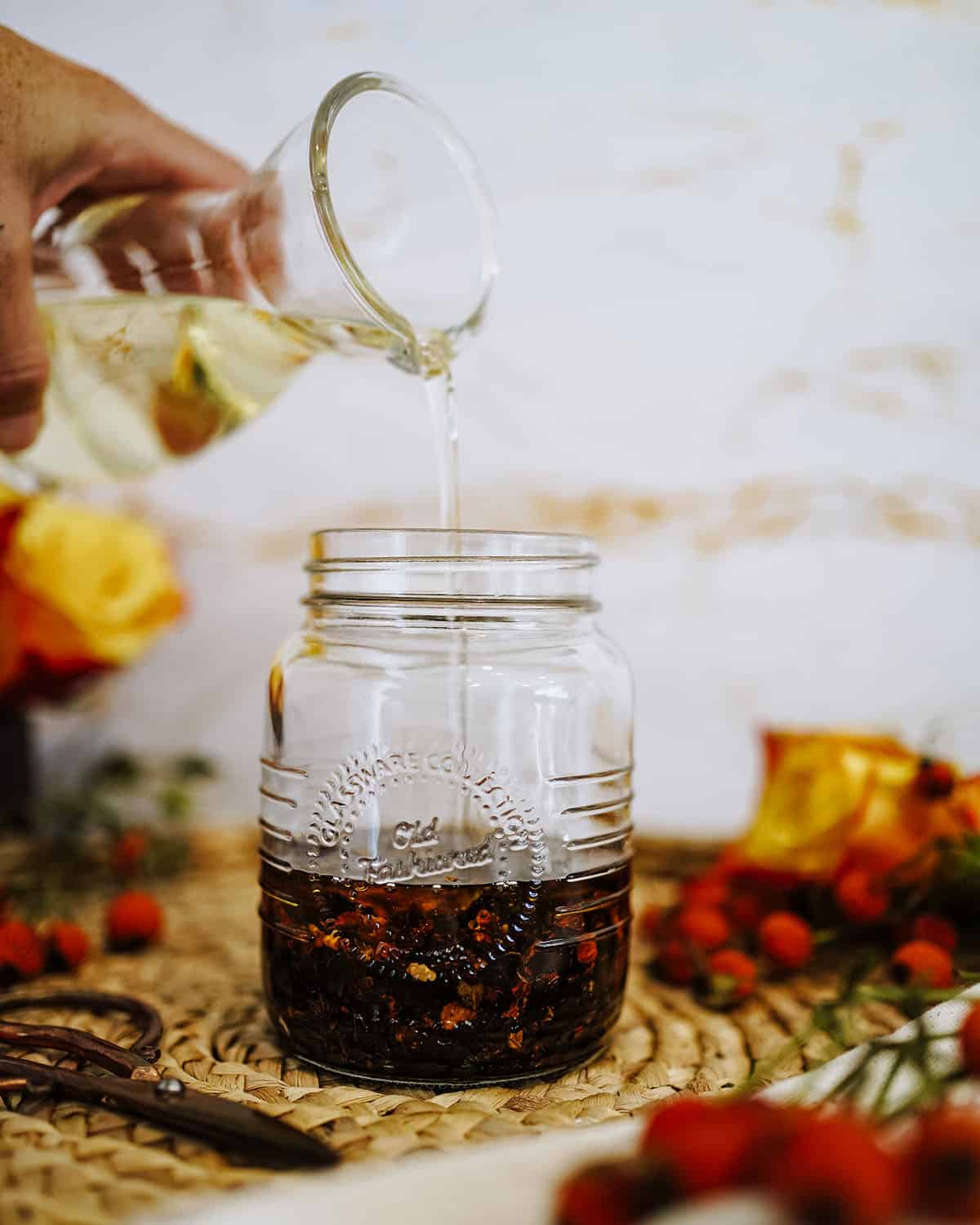
For fresh or wilted botanicals—such as St. John’s Wort or dandelion—the quick heat method is often employed to mitigate the risk of spoilage. By applying controlled heat (maintained strictly below 110 degrees Fahrenheit), the herbalist accelerates the extraction process and encourages the evaporation of any remaining moisture.
This method is frequently executed using double boilers or slow cookers on the lowest setting for 12 to 24 hours. While efficient, expert herbalists caution that excessive heat can cause the oxidation of the carrier oil, leading to the formation of free radicals and a shortened shelf life. The use of box-style dehydrators has emerged as a professional-grade alternative, providing a stable, low-temperature environment that can accommodate multiple infusion vessels simultaneously.
The Solar Heat Method
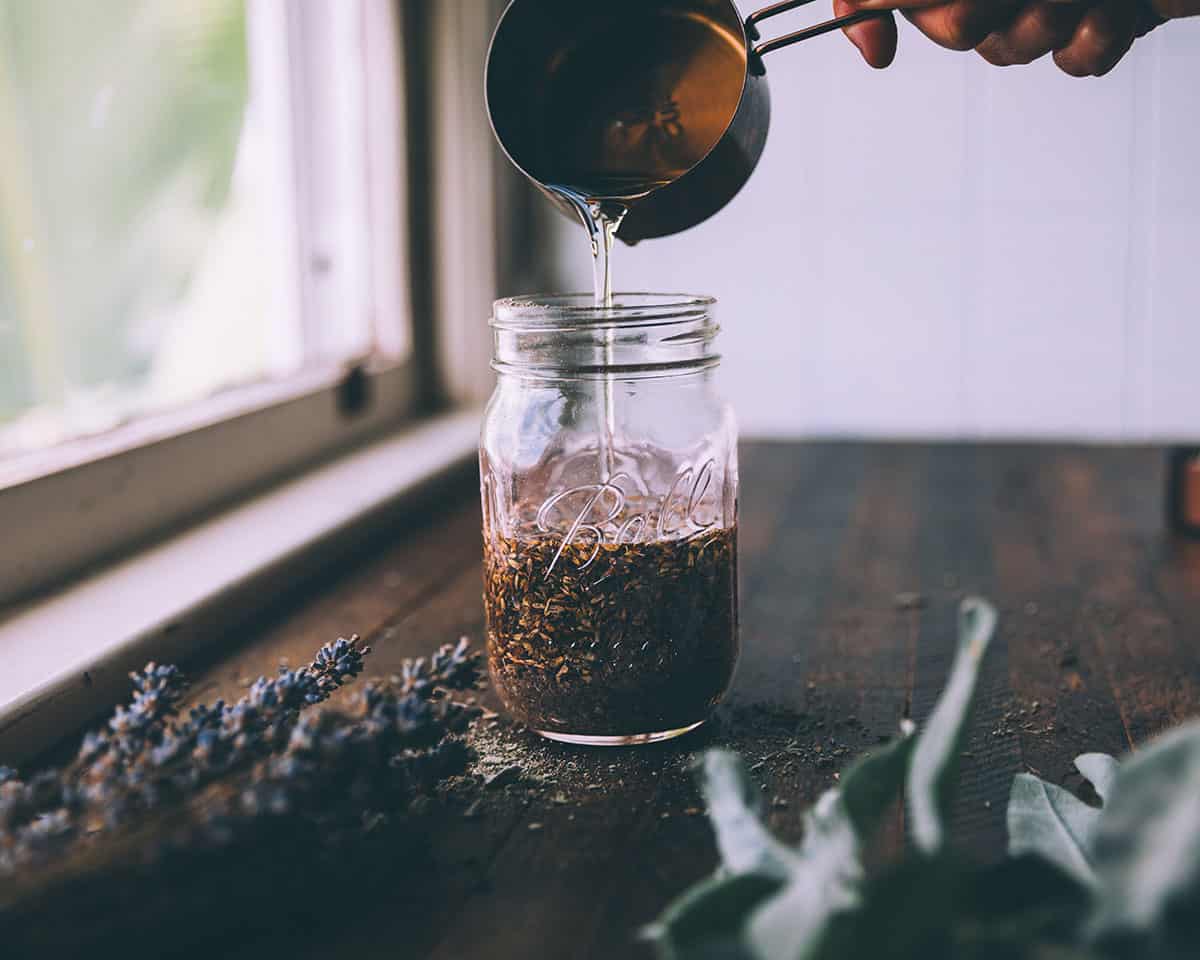
The solar method, involving the placement of infusion jars on a sunny windowsill, is a traditional practice that utilizes UV energy to facilitate extraction. While historically popular, modern analysis suggests that sunlight significantly degrades the integrity of many carrier oils and sensitive botanical pigments. Consequently, contemporary practitioners often avoid this method in favor of more controlled environments to ensure the longevity of the product.
Supporting Data and Market Implications
The resurgence of interest in infused oils is supported by significant shifts in the global skincare market. According to recent industry reports, the "Natural and Organic Cosmetics" market is projected to reach a valuation of over $22 billion by 2024, with a compound annual growth rate (CAGR) of approximately 8-10%.
Consumers are increasingly scrutinizing labels for synthetic preservatives and "fragrance" chemicals. In this context, infused herbal oils offer a compelling value proposition: they are "single-ingredient" foundations that provide complex benefits without the need for synthetic additives. Data suggests that products containing botanicals like calendula and comfrey are particularly high in demand due to their documented anti-inflammatory and skin-regenerative properties.
Safety Protocols and Microbiological Considerations
A critical aspect of professional herbalism is the management of water activity ($a_w$). In an oil-based environment, the primary threat is not necessarily bacteria—which generally require water to thrive—but the introduction of moisture that creates micro-pockets where pathogens can grow.
Industry experts emphasize the following safety mandates:
- Total Desiccation: Herbs should be dried until they are "crisp" to the touch. Any flexibility in a stem or leaf suggests residual moisture.
- Sterilization: All infusion vessels must be thoroughly cleaned and dried before use.
- Oxidative Protection: Infused oils should be stored in amber or cobalt glass to filter out UV light, and the addition of Vitamin E (tocopherol) can be used as a natural antioxidant to extend shelf life.
- Monitoring: Any change in scent (indicating rancidity) or the appearance of cloudiness (indicating moisture) should result in the immediate disposal of the product.
Broader Impact and Inferred Industry Responses
The democratization of herbal oil production has profound implications for both the economy and the environment. By shifting production from large-scale factories to small-scale home or community laboratories, there is a measurable reduction in the carbon footprint associated with transport and packaging. Furthermore, the use of foraged or garden-grown herbs encourages biodiversity and a deeper public engagement with local ecosystems.
Dermatologists and cosmetic chemists have noted that while DIY herbalism is empowering, it also requires a "literacy of safety." Inferred responses from the medical community suggest a cautious endorsement: while the benefits of plants like yarrow (for wound healing) and mullein (for soothing skin) are well-supported by ethnobotanical history, users are encouraged to perform patch tests to rule out allergic reactions to specific plant families, such as the Asteraceae family (which includes calendula and yarrow).
Future Outlook for Botanical Infusions
As we move toward a more sustainable future, the role of infused herbal oils is expected to expand beyond basic skincare. We are seeing an integration of these oils into the "slow medicine" movement, where the process of making the remedy is considered as therapeutic as the application itself.
The future of this field lies in the marriage of traditional wisdom with modern analytical testing. Small-scale producers are increasingly utilizing third-party labs to test for potency and purity, ensuring that "all-natural" does not come at the expense of "scientifically proven." Whether it is a rosemary-infused oil used for scalp health or a comfrey-infused salve for joint discomfort, the infused oil remains a versatile, powerful, and essential tool in the modern wellness toolkit.
In conclusion, learning to make an infused herbal oil is more than a simple craft project; it is an entry point into a sophisticated system of natural care that respects the seasonal rhythms of the earth and the complex chemistry of the botanical world. By adhering to rigorous methods and safety standards, the practitioner can create high-performance skincare that is both effective and profoundly connected to the natural environment.


